Why is real dirt good for trees in the ground but bad for trees in pots?

Why is it real dirt is good for trees in the ground but bad for trees in pots?

Crazy how complex things are with potted trees. I am looking specifically for potted fig mix options.

Here is what AI says on it.

–————————-–————————-

Bark (specifically pine or fir fines) is excellent for potted tree mixes, often forming 70-80% of a container medium to provide superior aeration, drainage, and structural stability. It promotes healthy root growth, prevents soil from becoming soggy, and lasts longer than peat-based mixes.

Key Considerations for Using Bark: Type: Use aged or composted fine pine/fir bark (sometimes labeled “pine bark fines” or “mulch”).

Benefits: Excellent drainage, allows air to reach roots, and holds necessary moisture without waterlogging.

Nitrogen Draw: Because raw bark decomposes, it can deplete nitrogen; using aged/composted bark minimizes this, and regular fertilization can offset it.

Mixture Example: A common mix is 5 parts aged bark, 1 part perlite, and 1 part peat moss for structure and water retention.

Avoid: Fresh, uncomposted bark, which can contain harmful phenolic compound.

Raised bed mix is generally not recommended on its own for potted trees because it is too dense, heavy, and retains too much water for container gardening, which can lead to root rot.

However, it can be used if heavily amended with drainage materials like perlite, bark, or compost to improve aeration.

Why Raised Bed Mix is Not Ideal for Pots:

  • Density: It is designed for larger, open-ground environments and becomes too compacted in pots, preventing roots from breathing.

  • Drainage: It lacks the rapid drainage necessary for container-bound, long-term plants like trees.

  • Composition: It often contains heavier, real dirt or compost, whereas potted trees need a lighter, fluffier mix.

    How to Use Raised Bed Mix in Pots:
    If you must use raised bed mix, improve it for potted trees by adding:

  • Perlite or Pumice: To increase drainage and air space.

  • Pine Bark/Fine Bark: To add structure and prevent compaction.

  • Potting Soil: Mix it 50/50 with dedicated potting soil to improve its texture.

    For best results with trees in pots, use a mix specifically labeled for potting, which is typically lighter and designed to stay aerated.


–————————-–————————-

They keep talking about drainage. But real dirt in the ground does not offer any special drainage and trees grow fine in it. Why are potted trees different?

1 Like

Real man uses real dirt…:grin: I guess 1. it’s just heavy 2. the landscape industry makes billions from bagged junk.
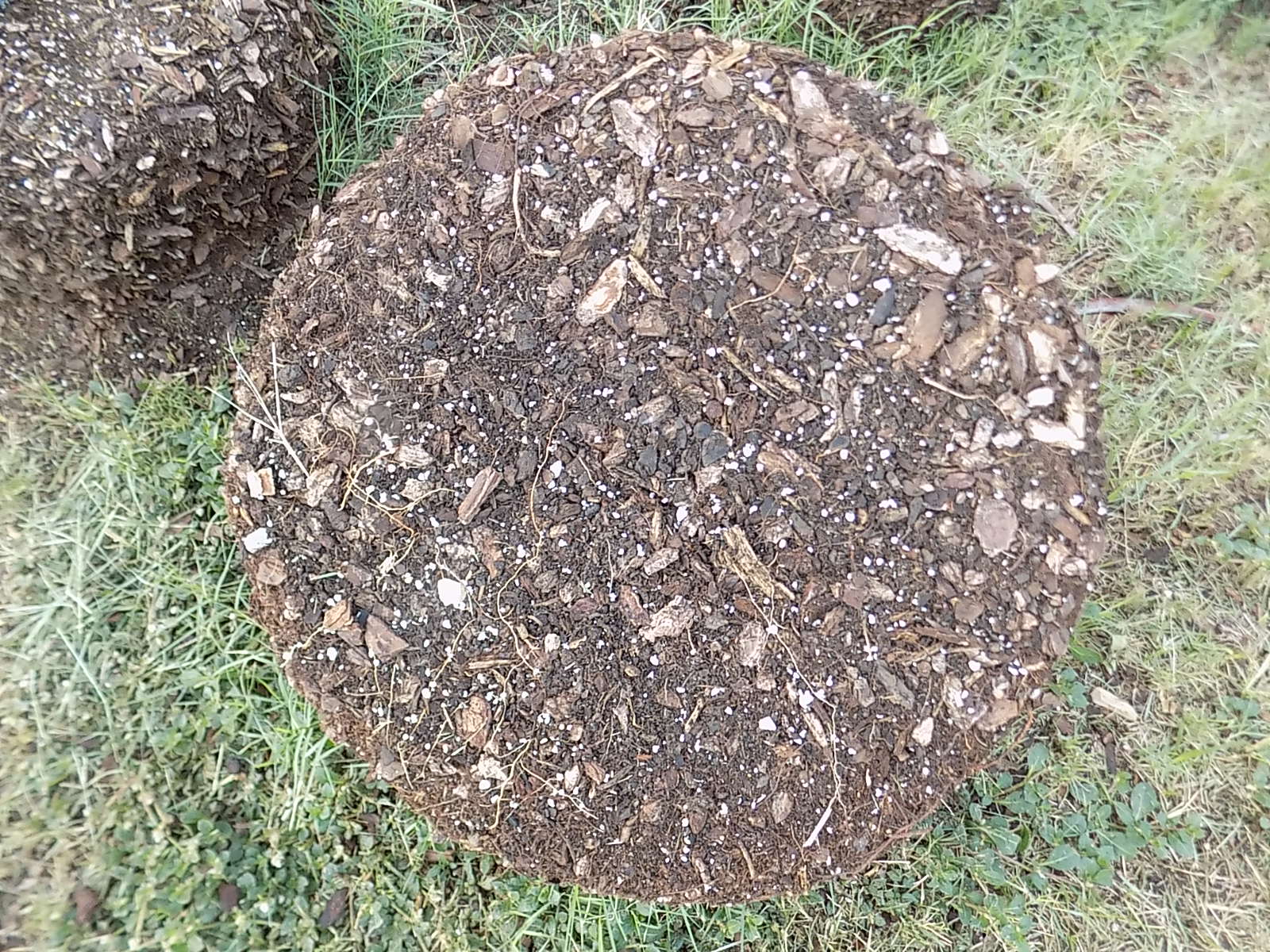
I mixed real soil from the field with composed leaves. Works well for figs, and whatever plants I grow.

5 Likes

The big difference between pots and in ground if that media in pots have, well, a pot. That means there’s an impervious layer surrounding the media whereas in ground the dirt has more dirt all around and under it so water can seep or drain away in every direction. Sure, pots have drainage holes in them but holes find have any capillary activity and just rely on gravity to pull the water out of the pot. If the potting media is too dense, gravity will lose. Without enough water draining from gravity and with no capillary action to pull the water away you end up with a perched water table inside the pot.

EDIT: It’s actually worse than that, see the comments from @fruitnut and @jrd51

10 Likes

Trees in pots need material that holds water (like peat) and material that let it air in so they drain (like pearlite and bark). The root density in a pot is a lot higher than the root density of a plant in the ground. A pot has to hold all the water the plant needs between waterings, a plant in the ground can send roots looking for the stuff it needs. I haven’t grown a lot of productive figs, but they seem to like dry feet, and loose soil with lots of pearlite and or bark help the soil fall apart when you root prune and repot them.

7 Likes

There are some soil types that would be better suited to containers than others, but the blanket statement that advises against it is correct for most soil/containers.

Most containers do not offer adequate drainage for soil, but some do. Take fabric pots, for example.

For any potting media to drain properly, it needs to contain a certain proportion of a material that will allow or facilitate drainage. This could be organic matter, perlite, sand/gravel, etc. Some soils naturally contain enough organic matter or sand to drain properly, but not all.

Another consideration would be siltation. Some soils have particulate matter that is too small to be contained by a drainage hole. Think sandy soils or something with a clay content. As water moves through the container, these particles will be carried through the drain holes and away from the container. The soil level slowly drops through erosion. Fabric pots mostly solve this problem.

For these reasons (among others), it’s advised to use potting media in pots. While natural soil will technically work, it’s not the best tool for the job. I prefer to spend a little if necessary to provide the best environment for my plants as I possibly can.

4 Likes

The biggest difference is drainage, tendency to compact, and cation exchange capacity. I have black silty clay soil ~1 foot deep at my current location and have found that adding a few handfuls to my mix seems to be beneficial. I think it depends on location, because you can also be adding pests or diseases to your mix.

5 Likes

Yes, a little clay seems helpful in potting media. I’ve been doing the same, especially in smaller pots. But too much and it just becomes water-logged or dries into a brick haha

3 Likes

Yes, adding too much sand to too much clay can definitely make mud bricks.

3 Likes

The clay also seems to help, at least a little, with keeping fire ants out of the pots. They love fast draining organic potting media like composted mulch. Clay doesn’t stop them, but they don’t seem as excited.

Granted, that’s more of a regional problem haha

I have lived in Florida and Texas in the past. I know fire ants. Nasty little bastards. I am glad they have not adapted to the Ohio climate yet.

7 Likes

I have a novamac apple on b9.. growing in a half whisky barrel container… that I filled with a mix of homemade compost and garden dirt.

4 years and it is still very happy, grows well, fruits. I top the container off with a new layer of compost and wood chips each spring.

I planted a Razzmatazz last week in the same type container.. and filled it with a mix of compost and garden dirt.. but added a healthy dose of promix hp to it.

The mix looked good.. will see how it does.

TNHunter

1 Like

That’s funny! Maybe true. I was at Lowes yesterday. A big chunk of their parking lot is filled with pallets of mulch and bark. I’m not as lucky as you. Real dirt is hard to come by. I don’t have acreage.

I was also wondering is heat has anything to do with it. Pots get a lot hotter than the ground.

2 Likes

The difference is drainage. Pots no matter how many holes are in the bottom will have a perched water table unless the media in the pot has contact with the ground or something else to drain out the water. So a 12 inch pot with a 2 inch perched water table is like a soil with a water table at 10 inches. In the pot, capillary forces overcome gravity and the water can’t fully drain out the bottom.

Field capacity in soil refers to the amount of water the soil can hold after being fully wet but then allowing gravity to drain away as much water as possible over about a two day period. The water can’t drain away fully by gravity in normal pot conditions. Thus, the soil stays wetter than field capacity. So, a pot needs better draining media than field soil.

I have at times put wicks in the bottoms of my pots to drain water out the bottom and into the soil below.

4 Likes

We dont add bark to our mixes anymore, on top is ok but not in the mix. We also dont add compost to our potting mixes anymore as it will just keep rotting. Check out Gary’s Best Gardening on YT for potted soil ideas. https://youtu.be/KHZHy3_7PPE?si=RaWce54GAYtt76GO

The size and depth of a pot also influences drainage, but I’ve learned something valuable over the years in transplanting trees grown in soil contained in Rootmaker in-ground bags into 25 gallon pots. I surround the silty loam soil root balls with light potting mix on the side and bottom of the rootball between the ball and the pot, and the drainage is fine… meanwhile the soil center of the 16-18” bag holds a lot more water and nutrients than a potting mix. However, the pots are partially planted in the ground so the roots escape, but they also flourish within the pots. This combination allows me to grow much larger trees with much less irrigation. When I dig up the trees I simply save as much escape root as I can and the trees transplant beautifully.

This is my own discovery, but I doubt I’m the first to discover it. I should add that I cut away the bags before putting the trees in pots.

3 Likes

Yeah, I think this is the answer.

My suggested edit is that even a pot with holes has a perched water table, as the power of capillary action exceeds the power of gravity. When the materials in the soil mix are fine and absorbent (e.g., humus, peat, coir) then capillary action is more powerful so the perched water table is deeper.

Note that putting very coarse material, such as gravel, in the bottom of the post does not solve the problem. It just moves the perched water table higher. On the other hand, a wicking material (e.g., burlap) that covers the bottom of the pot and extends out the drainage hole making contact with the ground can wick the water away.

The ground has a perched water table too, but it is usually so deep that it is irrelevant for gardening. Unless you rely on a well.

p.s. I see that @fruitnut beat me to it. :slight_smile:

2 Likes

No, coarse and absorbent.

Coarse bark works great as the base for a potting mix. About 50% coarse bark and 50 % fines like Pro Mix HP which is peat and perlite. The key is only ingredients that don’t decompose like compost. When the ingredients decompose the mix settles, compacts, and become anaerobic.

The 50:50 mix has lasted 6-7 years in fabric pots for figs with no circling roots and no significant breakdown of the media. The media could have been used longer. It basically looks like new.

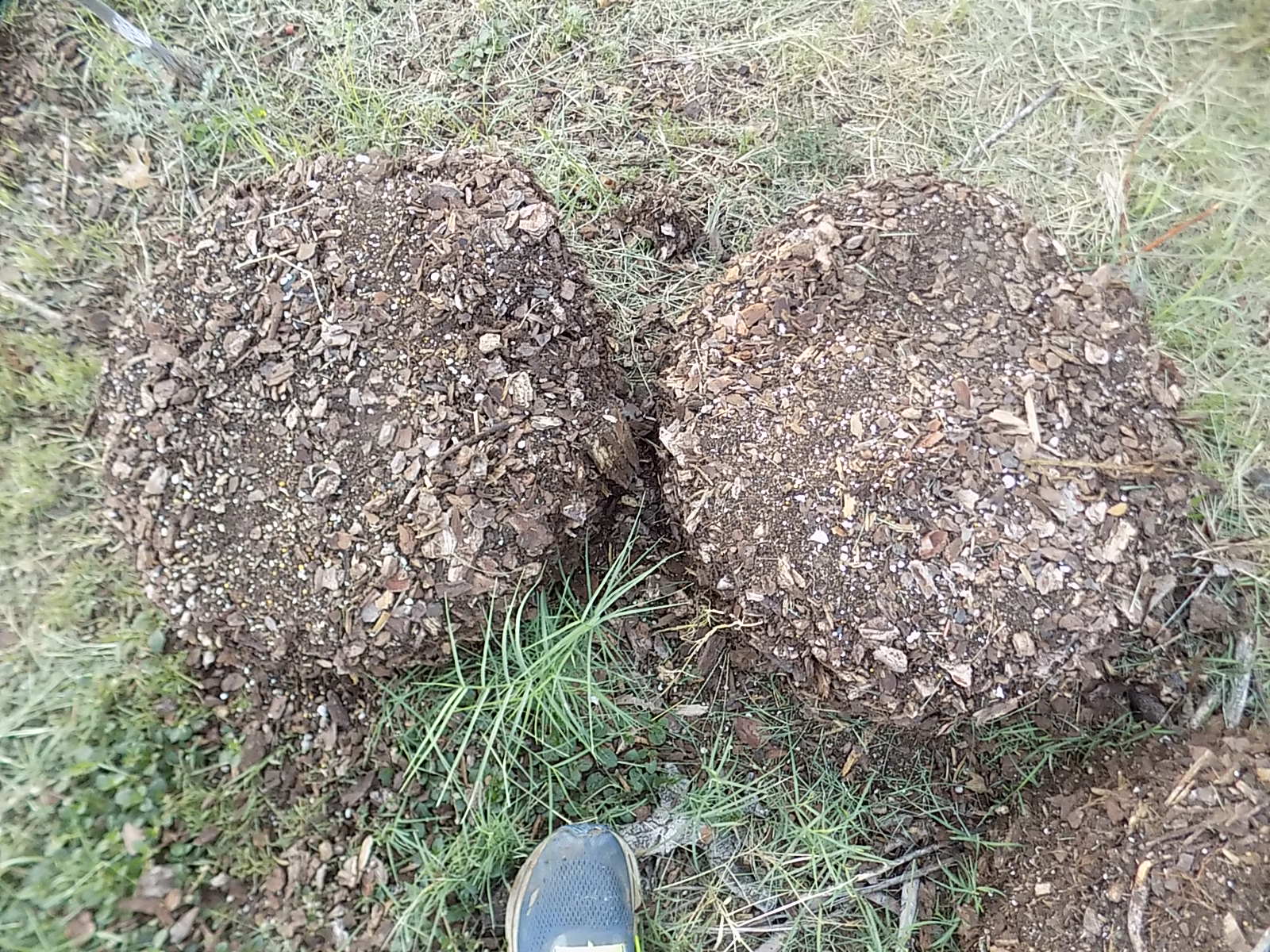
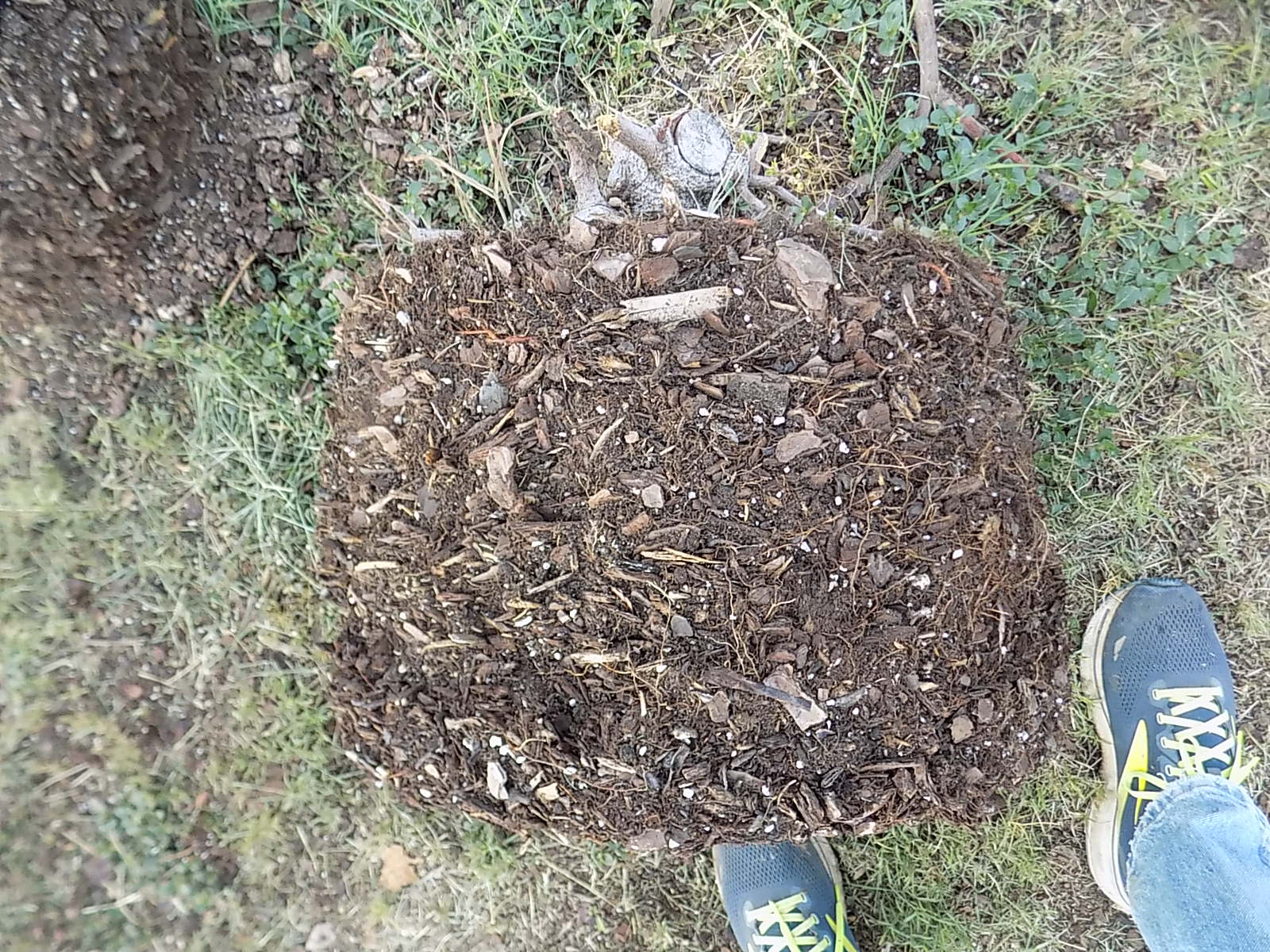
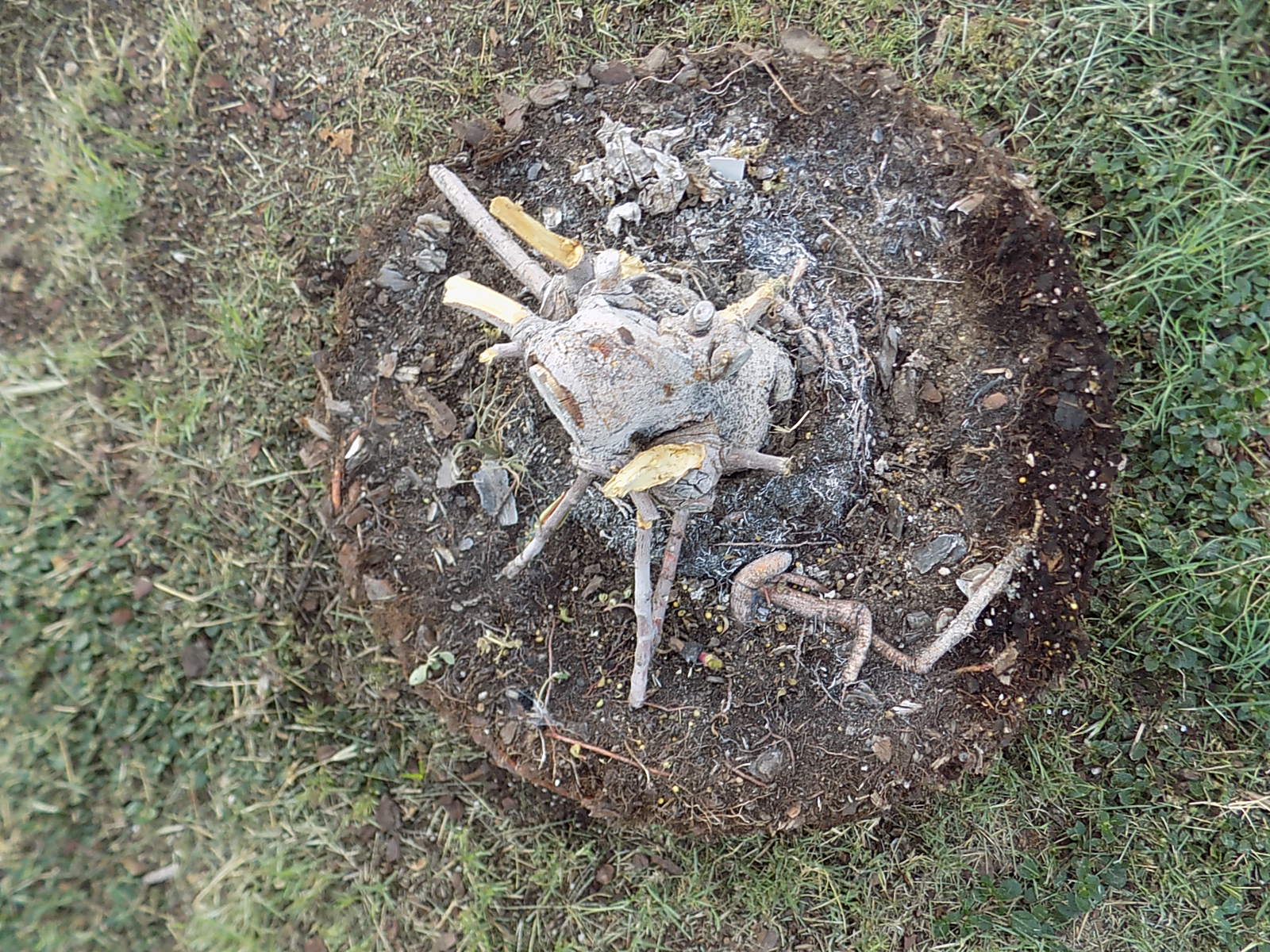
These are the rootballs right after removing the fabric bags. First two are the bottom, then the side showing no circling toots, and then the top. Figs grew great for 6-7 years.


5 Likes

I think people have done a good job explaining why just dirt in a pot is not ideal, but I think the other side is why its often said to not enrich the hole youre digging for a fruit tree.

My understanding is part of why they say not to enrich soil for a tree youre planting is because you want the roots to spread out of the hole you dig, something that isnt happening in a container. You can make a container effect by making looser soil / different texture soil in the hole that makes water pool in the hole more than surrounding soil, or maybe the difference in density of soil will make the roots less likely to spread.

Unless of course your soil is like REALLY bad. then you can amend a very large hole to improve it.