I have located a wild pawpaw patch, maybe a grove, tress of all differnt sizes. Are the smaller ones good for root stock to graft?
Thanks for the reply
I have located a wild pawpaw patch, maybe a grove, tress of all differnt sizes. Are the smaller ones good for root stock to graft?
Thanks for the reply
Good question. I am interested in responses. I haven’t had much success with small root stock (less than half inch at base)
Very good success with grafting onto larger diameter. However I think the lack of sunlight typically limits growth. So if you can graft to something larger and get some sunlight you should be successful.
I think Neal Peterson agreed with you, and he had the largest rootstock of any I’d bought back when he had his nursery. His took off like a dream in spring.
Do you mean grafting in situ out in the woods or trying to dig them up?
I guess it doesnt matter - You certainly can graft onto those but unless you can keep a frequent eye on them, removing rootstock growth below the graft, and protect from trampling by wildlife or falling branches etc, I would have low long term expectations.
I would agree that pencil to sharpie diameter grafts are ideal but plenty of success can be had with very small rootstock/scion.
I was thinking about digging a few up, potting them, then grafting scions on the spring during bud swell. Leave in pots for the growing season then plant them out after dormancy.
I have attempted transplanting young trees for rootstocks and it is not easy. I’d say one out of three transplant and that is coming from an experienced person. If the soil is rich and deep without too many rocks,then it is a lot easier to do and it needs done during the rainy season for best results.IMO
I would like to try and get 6 to grow in pots. I’ll probably dig up and pot 12. I just got back from looking again. Once I got to looking closely, there are literally 10’s of thousands spread out over a mile and 1/2 or so. I knew there was going to be a lot of differnt plants pop up after the two floods we had late winter and early spring. The property owner took me down there in his 4 wheeler and said I could dig up all I want.
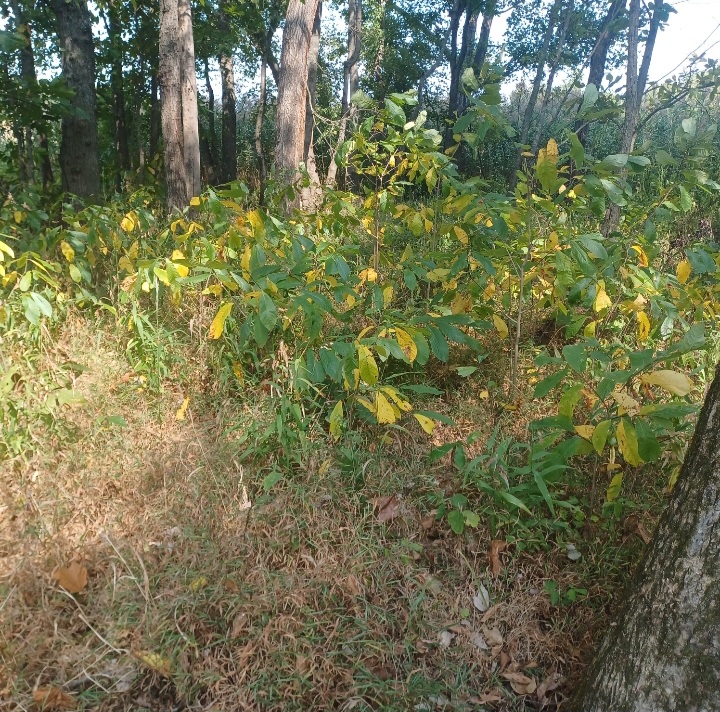
Here is a tiny fraction of the wild pawpaws.
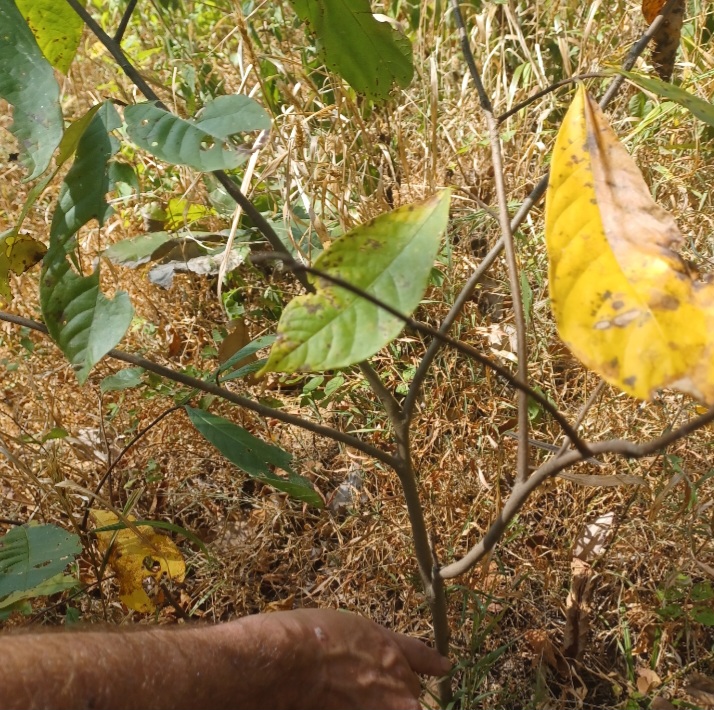
I believe most are this seasons growth and about the size of my pinky finger.
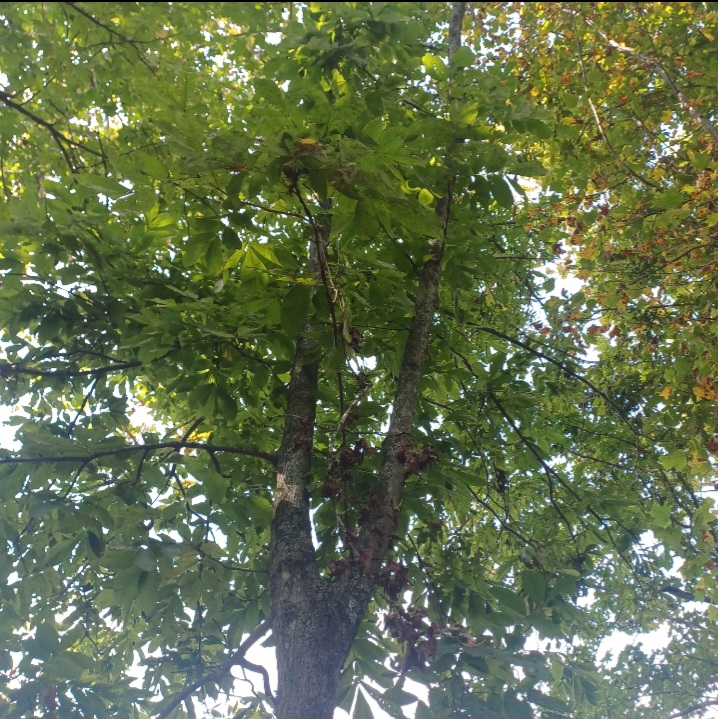
This is the largest pawpaw tree I found, but didnt look too hard.
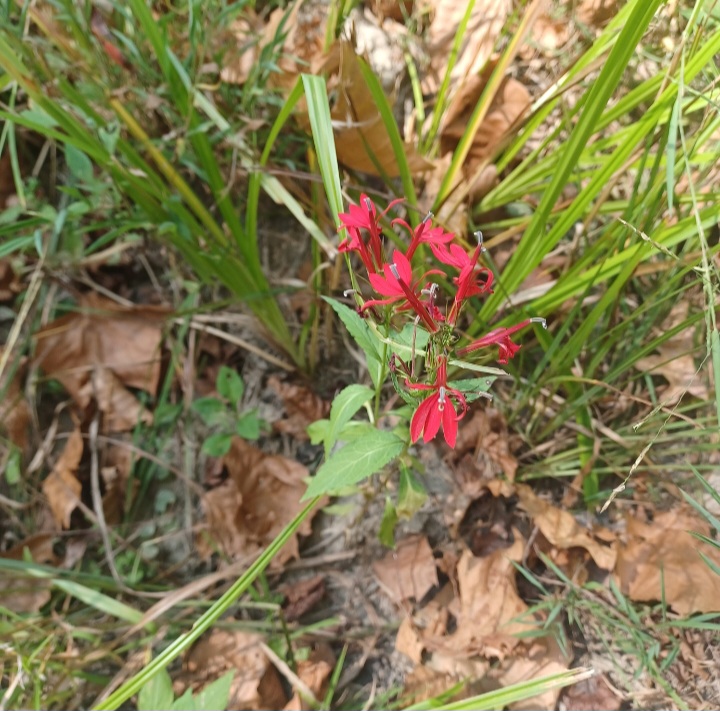
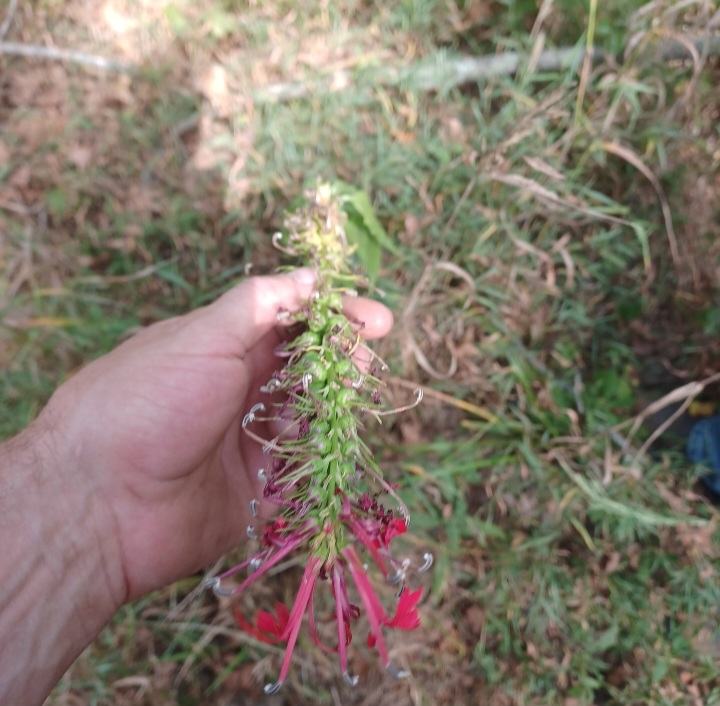
Bonus find…  cardinal flower (Lobelia cardinalis L.) That i’m going to get seeds from.
I could probably spend an entire day out there identifying plants. It’s wild, mainly untouched and diverse.
I have dug up, replanted, and grafted pawpaw the last two years. I have found the digging up and transplanting to be very successful. I will report fully on the grafting after they make it through a full winter and leaf back out in the spring, but so far the grafts seem okay.
My zone is 6b (Ridge and Valley part of VA). We don’t have a rainy season, but our wettest months are in late spring/early summer and in fall.
Here is what I’ve done and maybe you can see if any of this works for you:
Transplant part
My findings:
The ones that died were the littlest <5mm.
The larger ones >1cm are the slowest to grow and they have tiny leaves. The ones >5mm and <1cm have the most growth and best looking leaves.
grafting part
I would rate their difficulty as easier than peach and more difficult than apple and pear.
I found most of the difficulty from how soft the wood was and how delicate their bark is. example: I accidently cut the top off of a seedling when I was trying to cut the top of a t-bud cut. The knife just slid through the whole “trunk”. (It became a splice graft). I also damaged bark or peeled more than I meant to several times.
I’ve tried a variety of grafts (T-bud, chip, whip/tongue, bark, cleft and splice). It’s hard to tell if any seem particularly better. Success seemed very dependent on the quality of the scion and rootstock.
I’ve grafted onto both the wild transplants and onto a purposefully cultivated planted rootstock and I don’t have enough data to say if there are compatibility issues if one is better - but I’ve had success with both, so it can work.
Twice I’ve gotten dormant wood from friends (one IRL friend one growingfruit friend). The wood in both cases looked to be in good shape (which I think is important for the notes below).
The ones I grafted with the good shape wood in spring last year came out well, lived through winter, etc. Unfortunately, I didn’t take good notes.
I got dormant wood from fruitwood for spring grafting this year and was really, really disappointed. I got one small stick of each type. 4 of the 5 sticks looked sad. They were wrinkly looking, like they’d dried out at some point. None of the grafts with the sad looking scion wood were successful. 2 of 3 with the non-sad looking scion were successful. I think 3 grafts was pushing it with that stick though.
Because I had so many failed grafts (and a bunch of the seedlings were still fine) @kinghat kindly mailed me some left over dormant scionwood in August.
The ones I grafted with the dormant wood in August this year (I know!) are looking okay. Some pushed growth and some just look callused and we’ll see how they fare over winter and spring. It’ll be exciting.
Thank you for the detailed reply, I know you spent some time typing it up and your time is valuable to me.
If is OK, I may tap on you for question and answers about grafting pawpaw? I’ve never attempted to graft pawpaw before. It sounds like it’s very soft wood with tender bark, that a grafting knife slides through very easily.
This season is just my 3rd season grafting in late winter / early spring. I’ve have good sucess rates. i’m not brand new to grafting, but then again i’m not experienced either.
I am not an experienced grafter by any means, but I’m happy to report what I tried and what worked for me. It is also my 3rd year grafting but I had a bit of a grafting trial by fire. I had a neglected orchard and the trees and wood to attempt A LOT of grafts.
I didn’t have a lot of money though, so my grafting knife is either a harbor freight utility knife or my old pocketknife.
I hope some of the more experienced pawpaw people would have some tips they could share.
Its all good  i’m a learner in this grafting business. I try and keep a open mind about most everything in life (including grafting) simply because I enjoy learning.
i find this bark graft to be really easy and safe to perform: