This is a ten year old thread, so I imagine the original poster has made their move one way or another by now! 
When it comes to vineyard level plantings in the usa, or most of the world for that matter, IMHO it’s always foolish to plant on phylloxera suceptible roots. Yes, there are a few areas of the USA where phylloxera is not present, but not many, and even in those regions, it could always change. There is a reason why nearly all native wild grapes in the eastern half of the USA have phylloxera resistance to one degree or another.
Now if you have just a vine or two in the backyard, sure, it’s very possible a suceptible type could survive for many years without picking up phylloxera just by luck. Even in areas where it’s present, it’s not in every patch of soil at all times, as it only lives on grape. If a new vineyard is planted in soils that have not previously had grapes, it’s common for it to take 5-10 years for infestation to occur. The bug is most commonly spread to new hosts on the wind in nature, and it has to be blown to and land on or near a suceptible host by pure chance unless it’s tracked in or brought in on grape roots by humans inadvertently. Once it does show up though, it multiplies rapidly and will usually cause suceptible types to decline within a few years if the vine is large and established, and young, newly planted suceptible vines in such now infested soils never really get going.
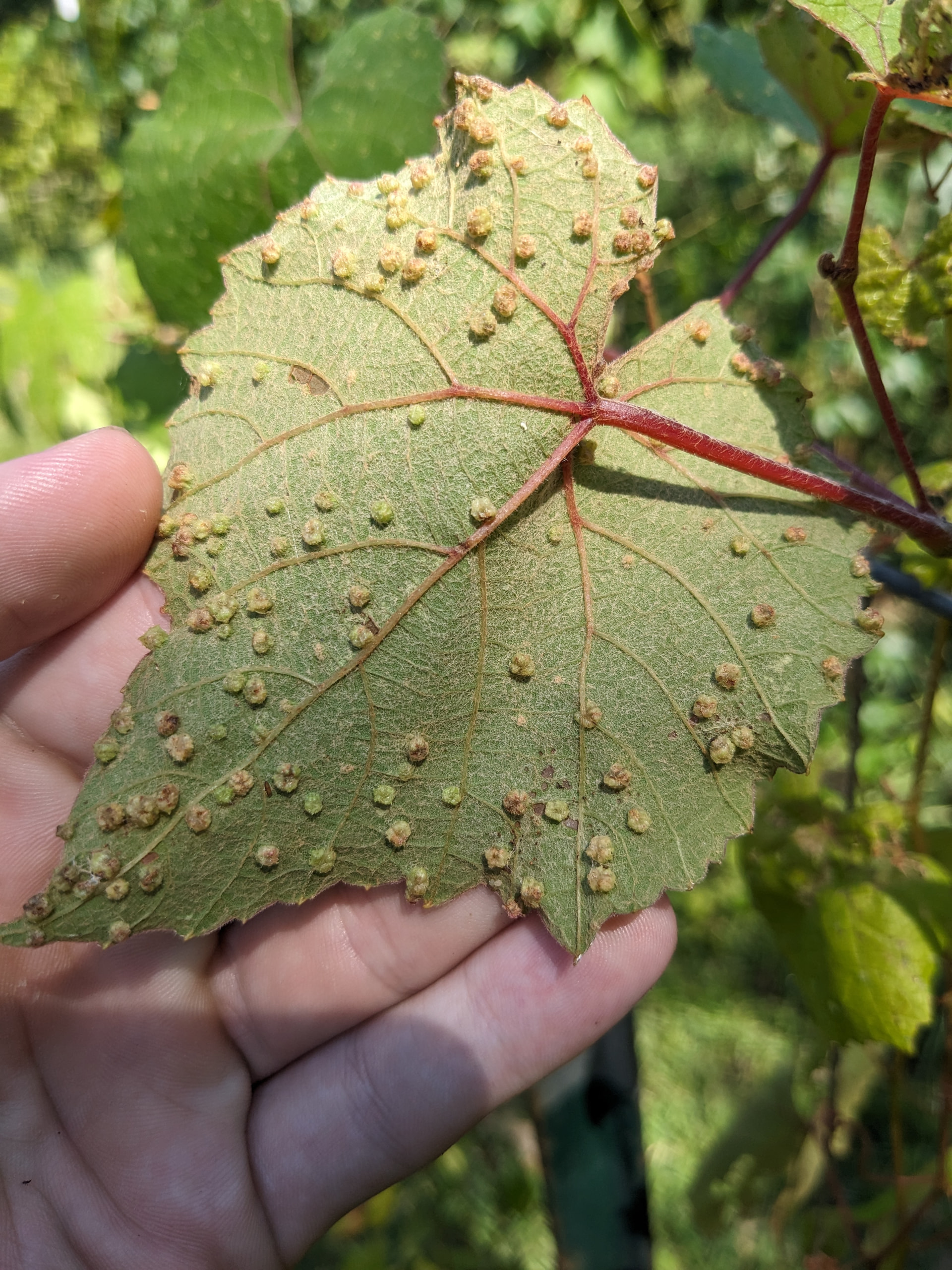
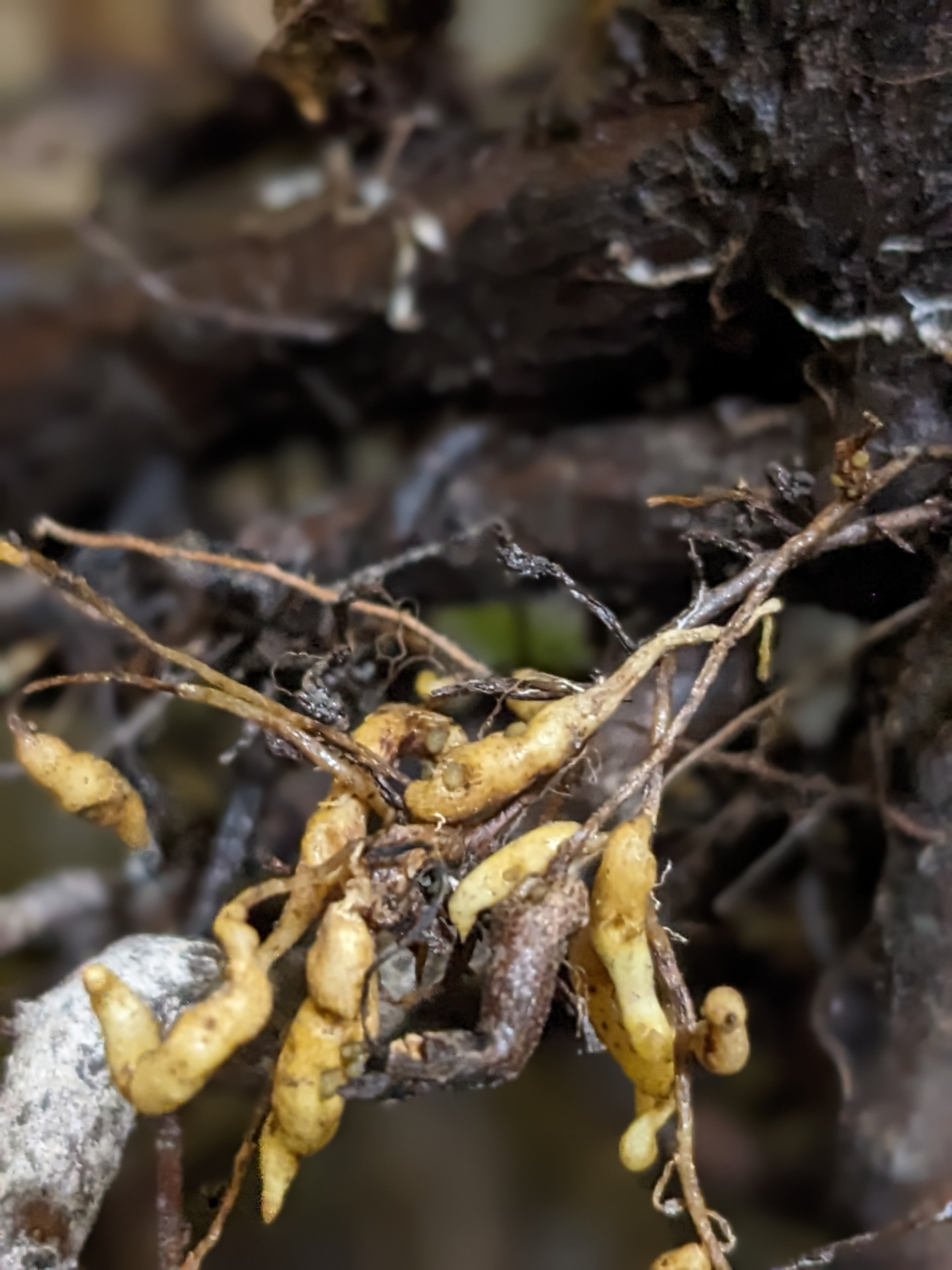
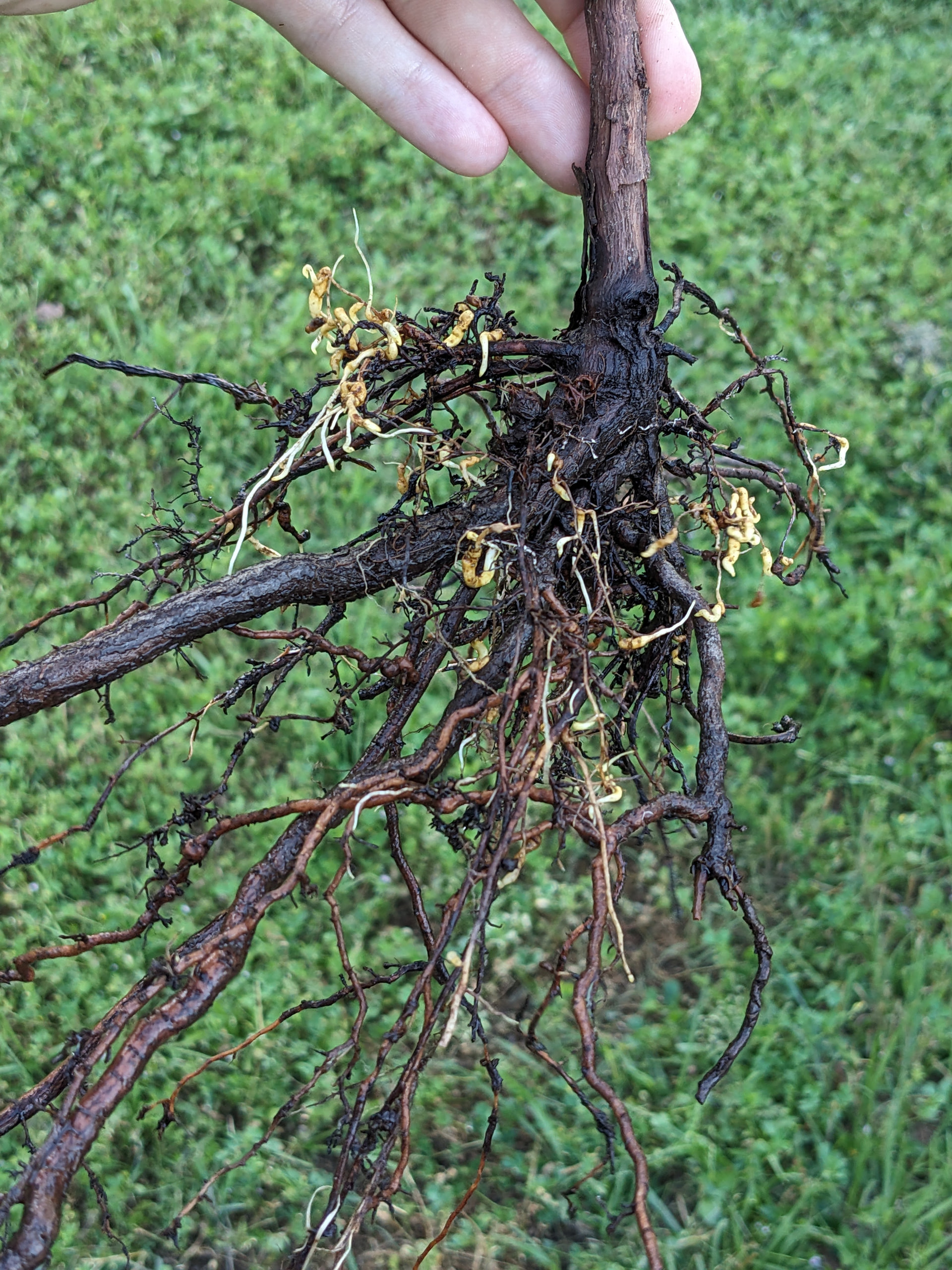
In my own plantings, starting in fresh, grape free ground, it took about 11 years before I started seeing phylloxera show up on the roots, but now it’s in my soils and I see it a lot. It was in my region the whole time, just not in my particular soils because no host had been present. I plant and pull seedlings every season so I see roots a lot, and noticed it right away when it started to show up. For my purposes, I am glad to have it, because that helps me select for tolerant seedlings, but if you are growing for fruit, it’s death on suceptible types once it’s there. Rootstock is a super simple and cheap preventative measure, so for a vineyard, using rootstock if the cultivar is susceptible is just common sense to protect a significant investment. For a backyard grape in fresh soils with no history of being planted in grape, eh, up to you. If I cared about keeping it alive long term I would still get it on a rootstock myself, but the investment is small, so if you feel like taking a chance, you are risking far less, and you can often get away with it with just a vine or two for a long time. I’ve added a couple of pics of it on leaves and roots so people will know what it looks like.