I’ve always heard fd and trifoliate are the used rootstocks here due to handling moist soils the best. I don’t see why that wouldn’t apply there also. While yuzu is hardy it’s not nearly as hardy as trifoliate
3 Likes
I believe that Ram is in zone 9, so absolute cold hardiness is probably not the highest priority for him.
2 Likes
I didnt want to start a new thread, but figured I’d ask here.
Does anyone grow Keraji Mandarin/“sweet lemon”? What is its ripening window and how does its flavor compare to something like Owari? Is it better to just grow Owari or another Satsuma or is the flavor different (and good) enough to warrant growing both?
Similar question for Excalibur Red Lime… when does it ripen? I hear it is everbearing and is the flavor more like a kumquat or more like rangpur? or something else?
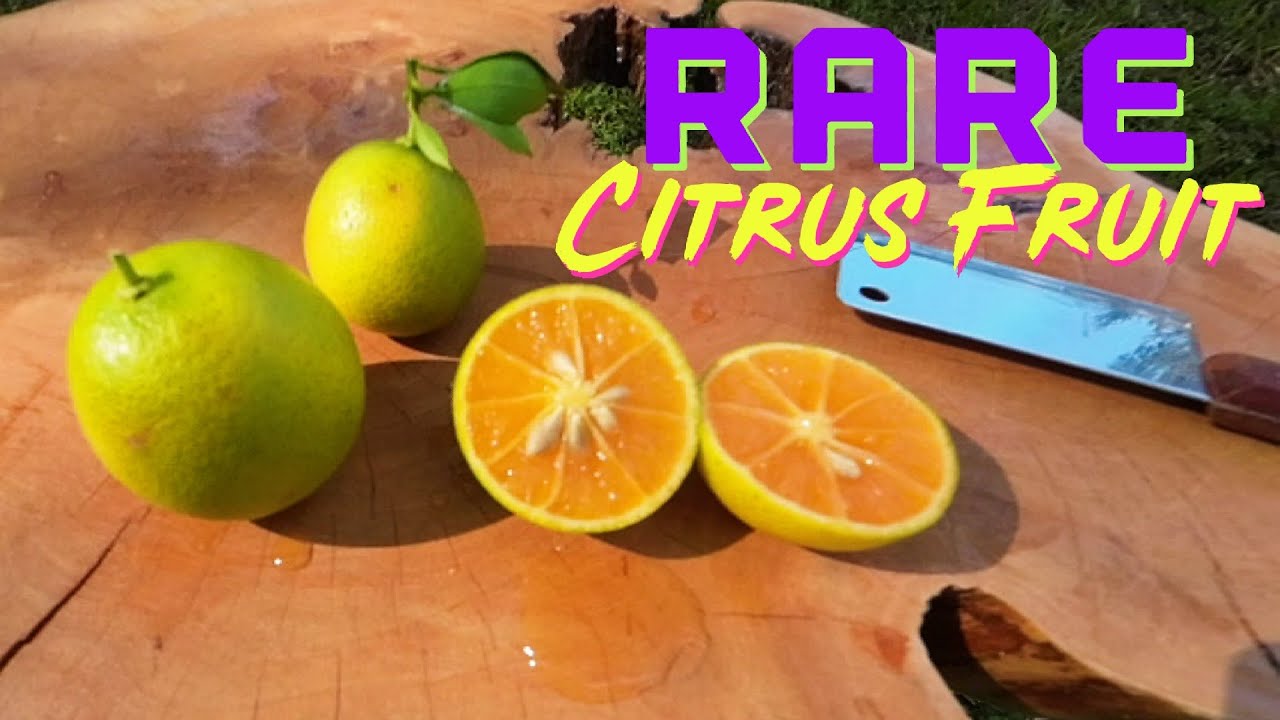
I have a graft of Excalibur. It has not fruited yet, but most kumquat hybrids are constantly flowering and fruiting. My other 2 do the same. I don’t know about the flavor but it suffered the most damage if all of my cold hardy varieties. Nippon, Thomasville, Sinton all did better. There’s a couple review videos on it here:

3 Likes
I have a small excalibur red lime tree. I planted it over the summer so no fruit yet, but this winter should really test its cold hardiness.
I grow Keraji in-ground in SE Texas near Houston. Here it ripens in November and early December. It is ok to eat out-of-hand, but a little seedy. If you are able to grow Satsuma, I would favor them over Keraji.
I grow about 10 different cultivars of Satsuma in-ground near Houston, including Silverhill. I also have a supposed Satsuma x Fairchild hybrid. I don’t think I have noticed a significant difference in Satsuma freeze tolerance. They do differ quite a bit in sweetness, ripening window, fruit size, and seediness. My favorites are Xie Shan, and Brown’s Select for flavor and sweetness. Arctic Frost (a Satsuma x Changsha hybrid) is also excellent tasting, early, reputedly very hardy, and virtually seedless. Here is my Arctic Frost:

8 Likes
You are correct, the most recent USDA zone map was based on annual winter low temperatures between 1991 and 2020. Unfortunately this time window just “misses” the all-time low freezes of 1989 in SE Texas (and elsewhere in the eastern U.S.), and the similar record-busting freezes of February 2021 (and some subsequent very cold freezes). Last fall I recalculated the USDA zones using the past 40 years of data, and lo and behold, the current map is at least 1/2 zone too warm. Buyer beware! This is what happens when you rely on engineers for gardening advice.
4 Likes
Thanks. Growing in pots as im in Virginia. I did want to experiment growing aome hardier types in ground here with some protection.
Do you grow Miho Wase or Okitsu Wase? I read these were high quality earlier varieties. Interesting you note lots of differences in flavor as ive read a lot of people say Satsumas all taste basically the same and main difference is ripening time.
2 Likes
i wish i could find arctic frost and brown select, i’ve never seen these varieties in Florida nurseries, and i can’t get citrus shipped to me from other states.
as for the recent USDA grow zones, i agree they are not accurate and are too warm, my area according to the latest update and even the 2012 update is set as zone 9a but after looking at temps. from past winters for my area, it is really 8b. this winter in january, i had a low of 15F and do recall getting into the upper teens every couple of years.
2 Likes
Here are the varieties of Satsuma I have growing in-ground:
Arctic Frost
BC 2
Brown’s Select
China S-9
Dobashi Beni
Miho
Orange Frost
Owari
Satsuma “Seedling from Turkey”
Seto
Silverhill
Xie Shan
I think they are similar in terms of winter hardiness, but some ripen quite early some are late, some are virtually seedless others moderately seedy, some are very large fruited others quite small, and some have great taste others pretty bland. Grow a selection, and decide which you prefer!
4 Likes
In many cases growing zone is substantially inadequate for determining what to plant. There are too many variables not accounted for. It is only one of several factors I use when choosing which plant specimens to grow. The 9b at my Mendocino County property is radically different than the 9b where I grew up in Palm Springs. The 9a/8b at my house in Oregon is night and day difference from the US southeast.
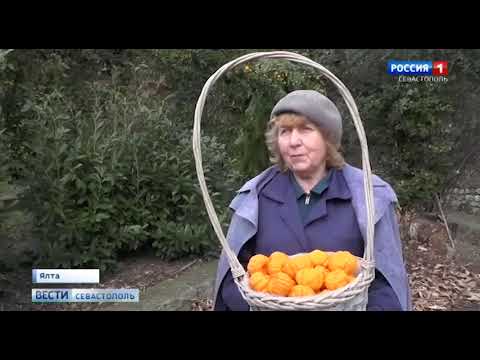
Are you familiar with the Ventura Lemandarin? It’s a cross between a keraji and Taiwanica lemon with zero trifoliate in the lineage. It has proven fully hardy in groves surrounding Yalta. The climate of Yalta is sometimes harsh, very similar to western portions of the Pacific Northwest. Here is a Slavic language report about it. The English translation can be found in the comments.
Here are the climate comparisons of Portland and Yalta. Portland on the left and Yalta on the right.
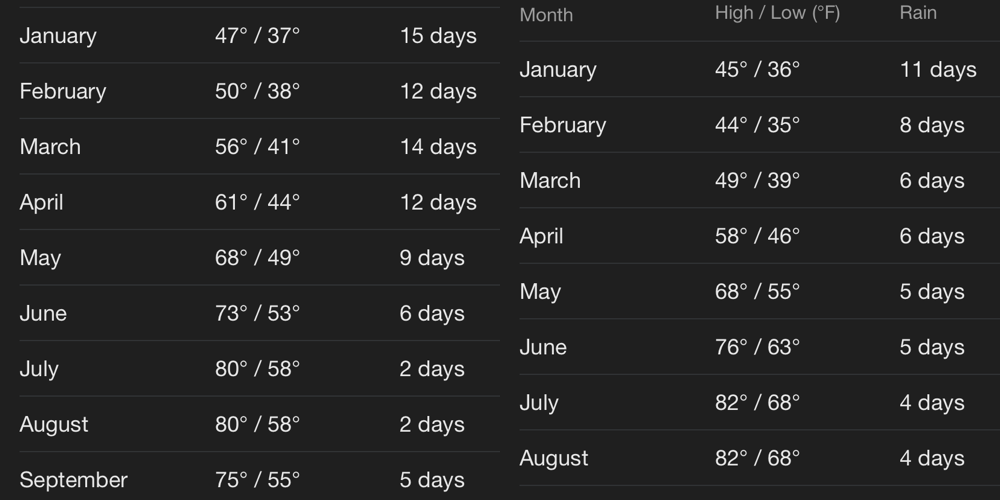
I’ve also done more detailed research and discovered that Yalta has more wintry weather than Portland, more snow/ice, more hours below freezing each year, and more days that don’t rise above freezing. It would appear this fruit would be fully hardy in the PNW, along with yuzu, the only other non trifoliata hybrid that I’m aware is. That’s why I’m hoping to find people who have tried it. A cross between a taiwanica lemon and keraji should be decent as a sour citrus. I’ll be grafting some specimens this spring.
8 Likes
The USDA ag zones can’t be inaccurate by definition. They are not predictive, they are simply a historical average of a 30 year epoch and averaged over a given region. They are simply a tool, you know your yard or community better than anyone else.
Again, an average means (assuming a roughly gaussian distribution) half winters will see lowest temps lower than that given by your USDA Ag zone and half will see lowest winter temps warmer than the lowest temp given by your USDA Ag zone. There is variation within a given region due to micro climates and terrain, so you know whether or not your specific growing area differs appreciably from the average surrounding geographic area.
Here in Virginia even the updated USDA Ag zones from Nov 2023 are too cold for my county. For decades, we were Zone 7A, but in the last 35 years it has only dipped below 5F once in the winter and we only dip to below 10F maybe one in every 5 years. That being said, it is common to have several nights in the low teens each winter and a period of a few days below ~28F when the Polar Vortex comes.
But again, you know your area best. Weather patterns are becoming increasingly extreme and harder to predict. USDA Ag zones aren’t a predictive model, they are historical average computed over a historical climate epoch and averaged over a region.
I’m passionate about data and am setting up my own weather station to collect data on temp, wind speed, UV & light intensity, rainfall, etc. You can set up with Rasberry Pi to host your own server and collect and record lots of data at your exact location.
7 Likes
is anyone growing tango mandarin and sunburst tangerine? i got them last year without researching them and have kept them in pots in the greenhouse all winter. i’m curious about the temperatures at which they get damaged (defoliate) as well as their kill temps. because i am wondering if i can ever put them in the ground.
3 Likes
I have sunburst, it seems really hardy. It’s handled a low of 14 a couple years ago and sailed through the 24lows these two consecutive years.
3 Likes
I don’t have Tango, but UGA is growing many as a study and listed results here: https://citrusindustry.net/2023/10/20/sugar-belle-is-cold-hardiest-among-non-satsumas/
should work.
Short answer, it’s less hardy than Satsuma, but a tad bit hardier than a Navel orange.
Navel Orange hardiness is about 20f, and a Satsuma is about 16f. So about 18f. A 9A should be safe for Tango most years in the ground as long as it’s a few years old.
Sorry nothing on Sunburst…
3 Likes
I assume these are all supposed to be F not C. 20C is like 68F.
6 Likes
the link is sending me elsewhere
1 Like
Delete the word “less” from the end of the link when you paste it into your browser. There was supposed to be a space so after the hyperlink it would have read “less hardy than satsuma.”
2 Likes
Thanks. I meant F- i’ve edited it and the link. Phone posting is awful…
3 Likes