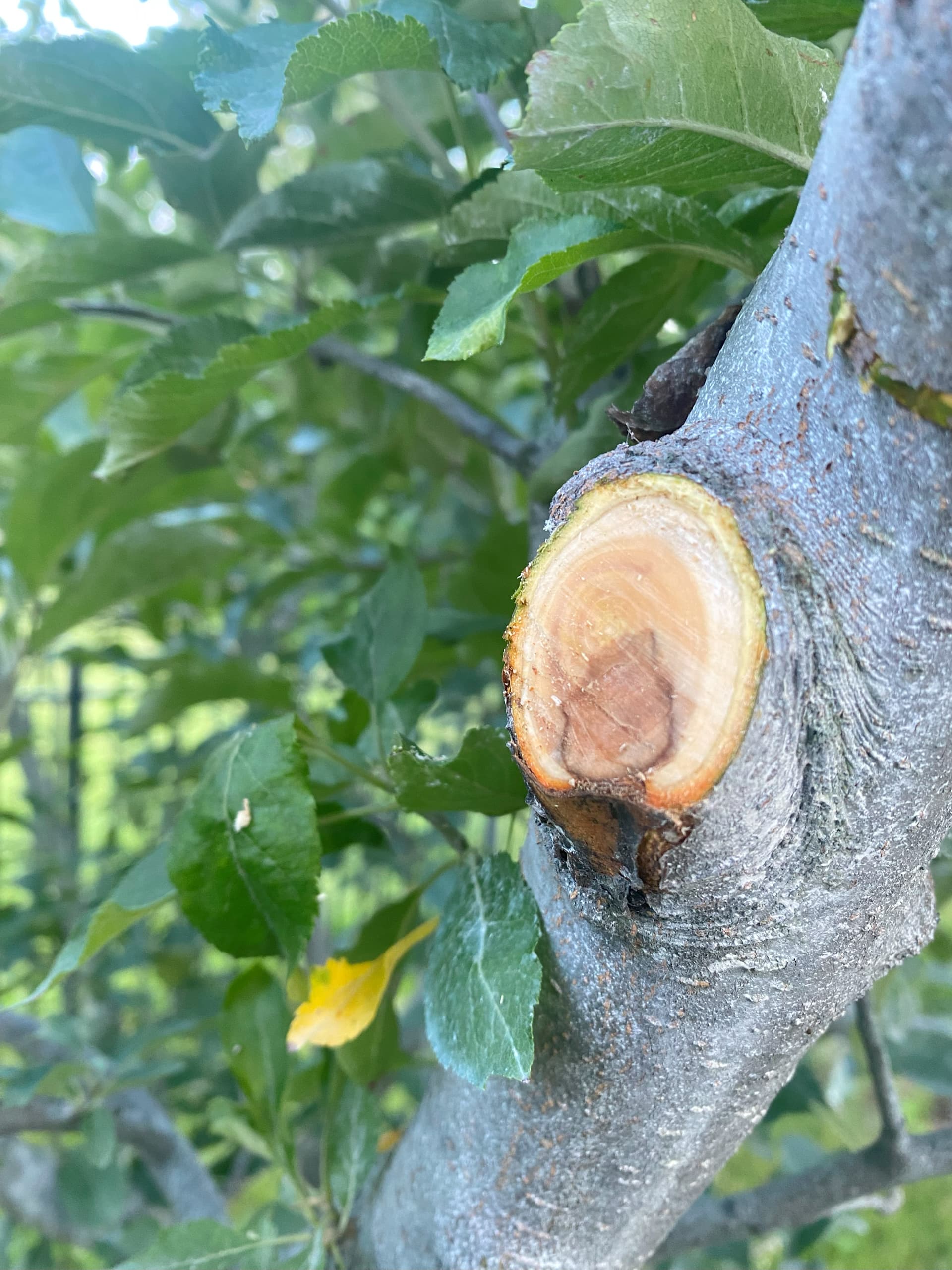
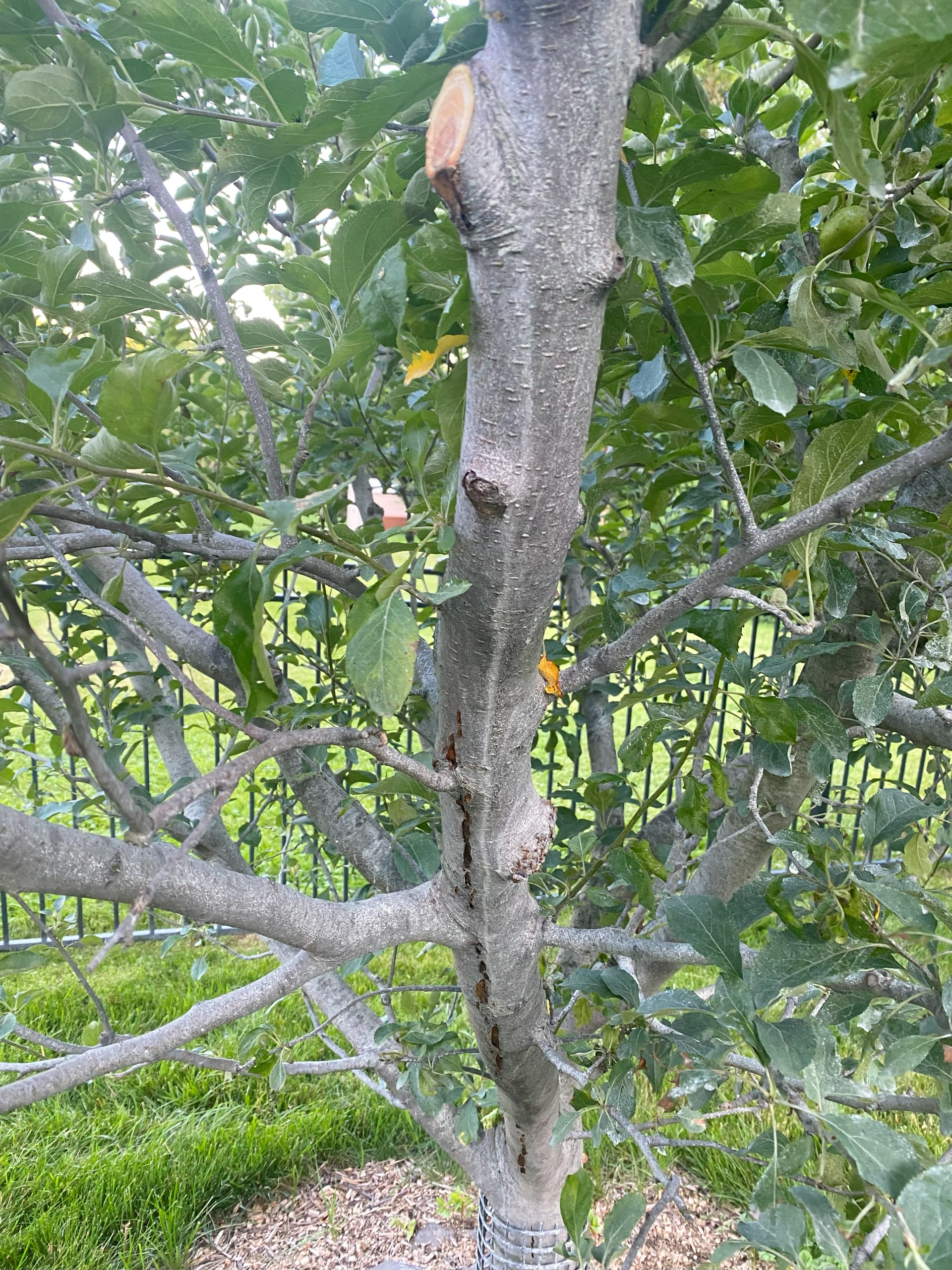
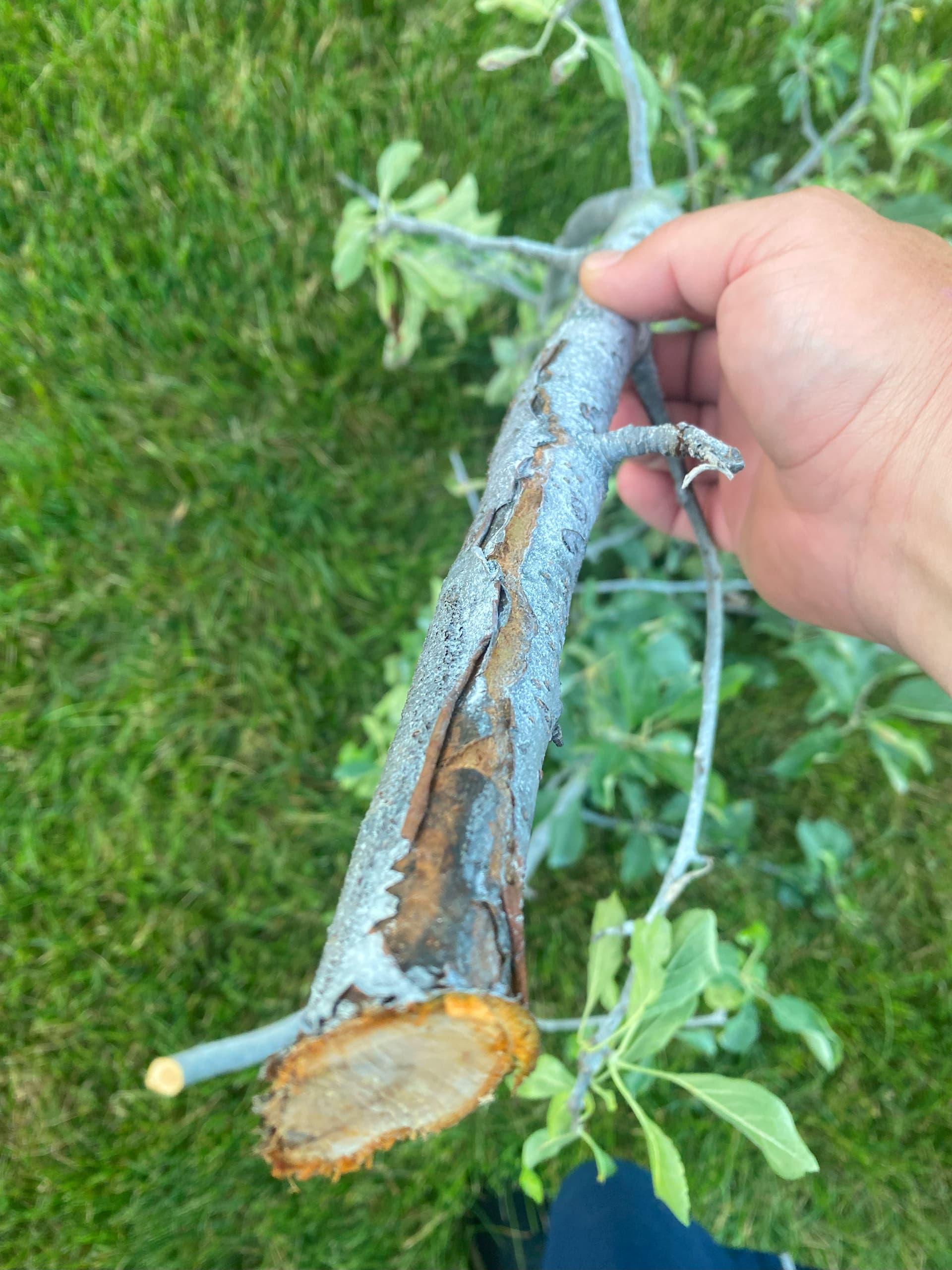
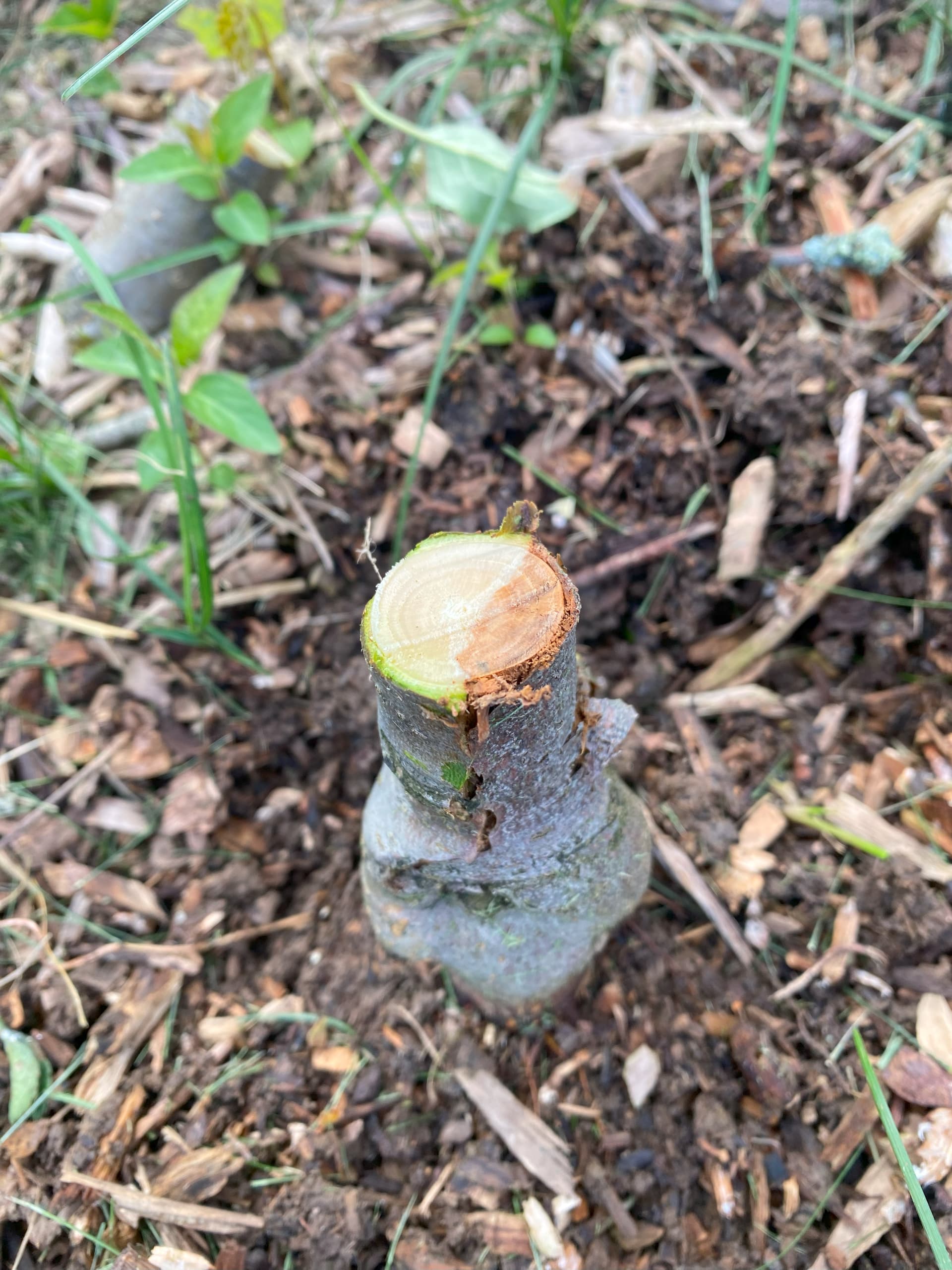
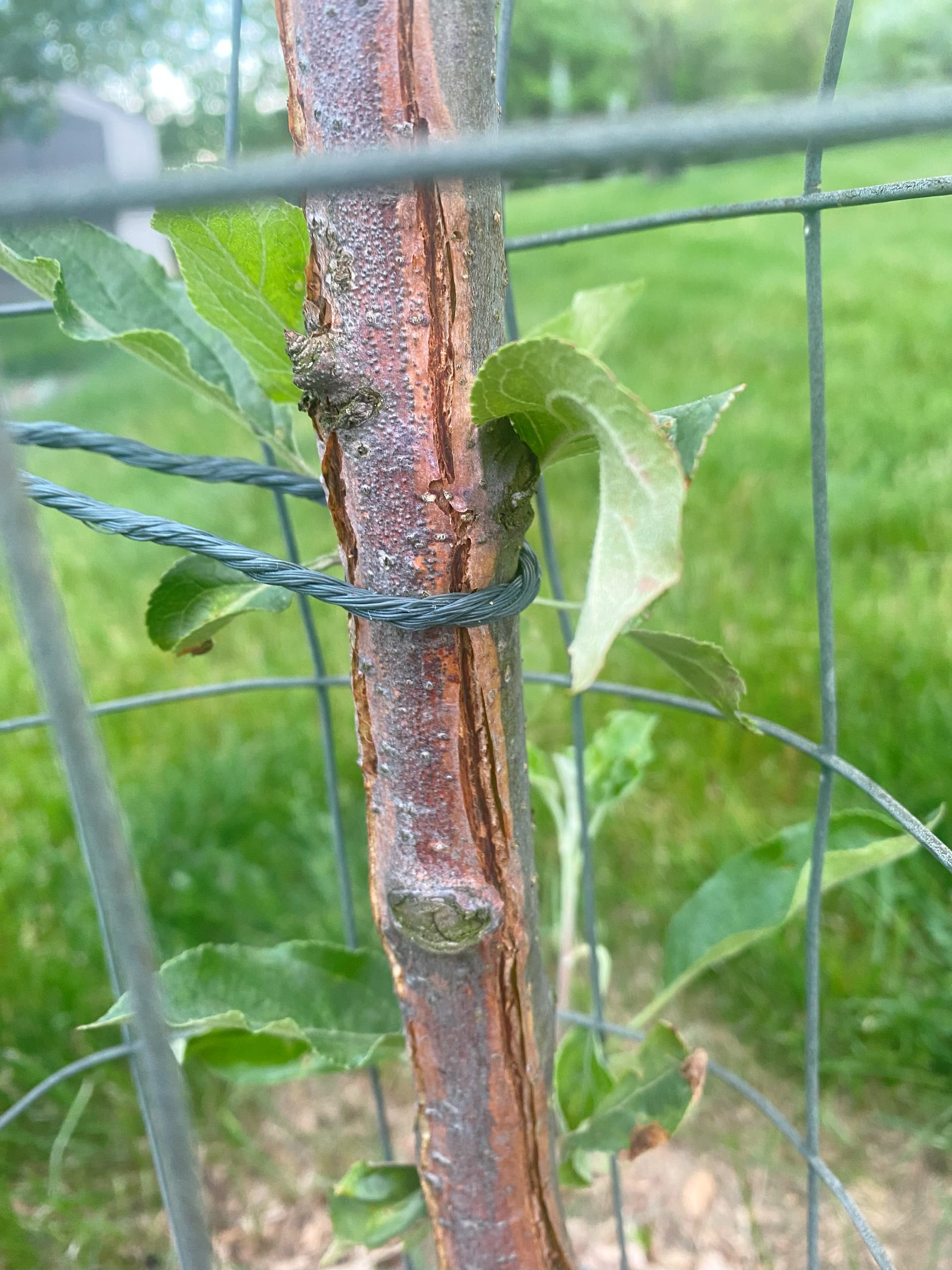
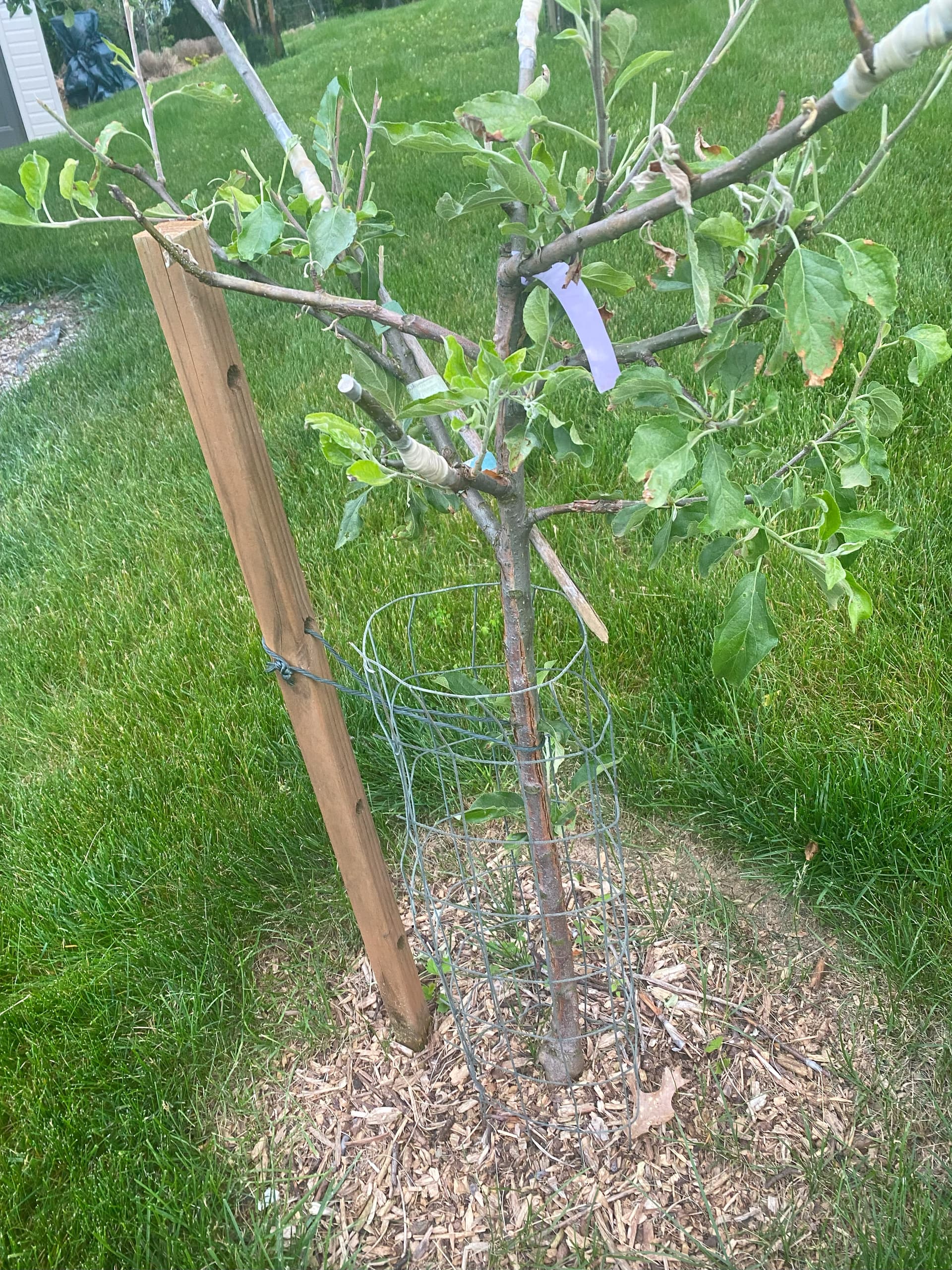
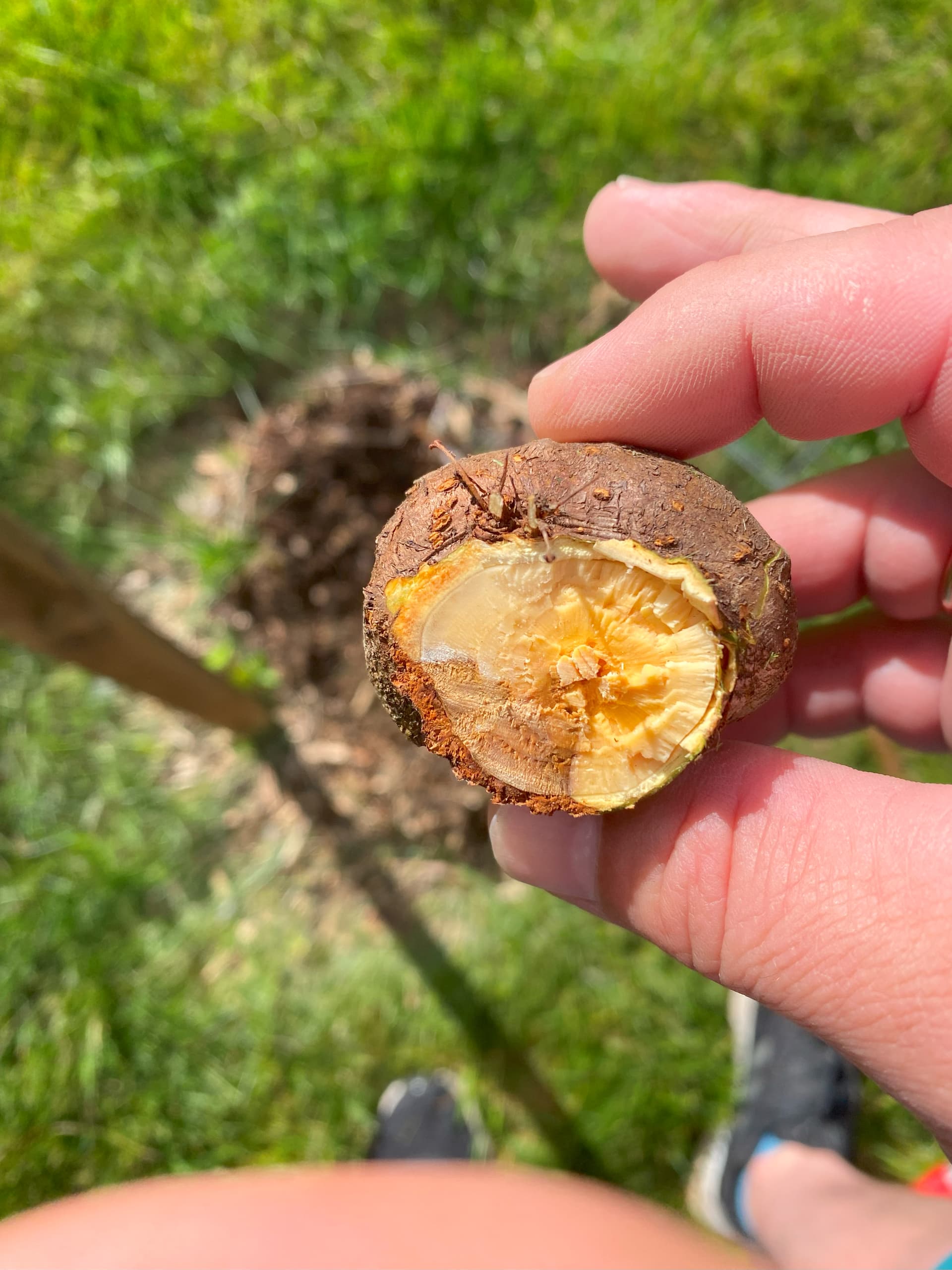
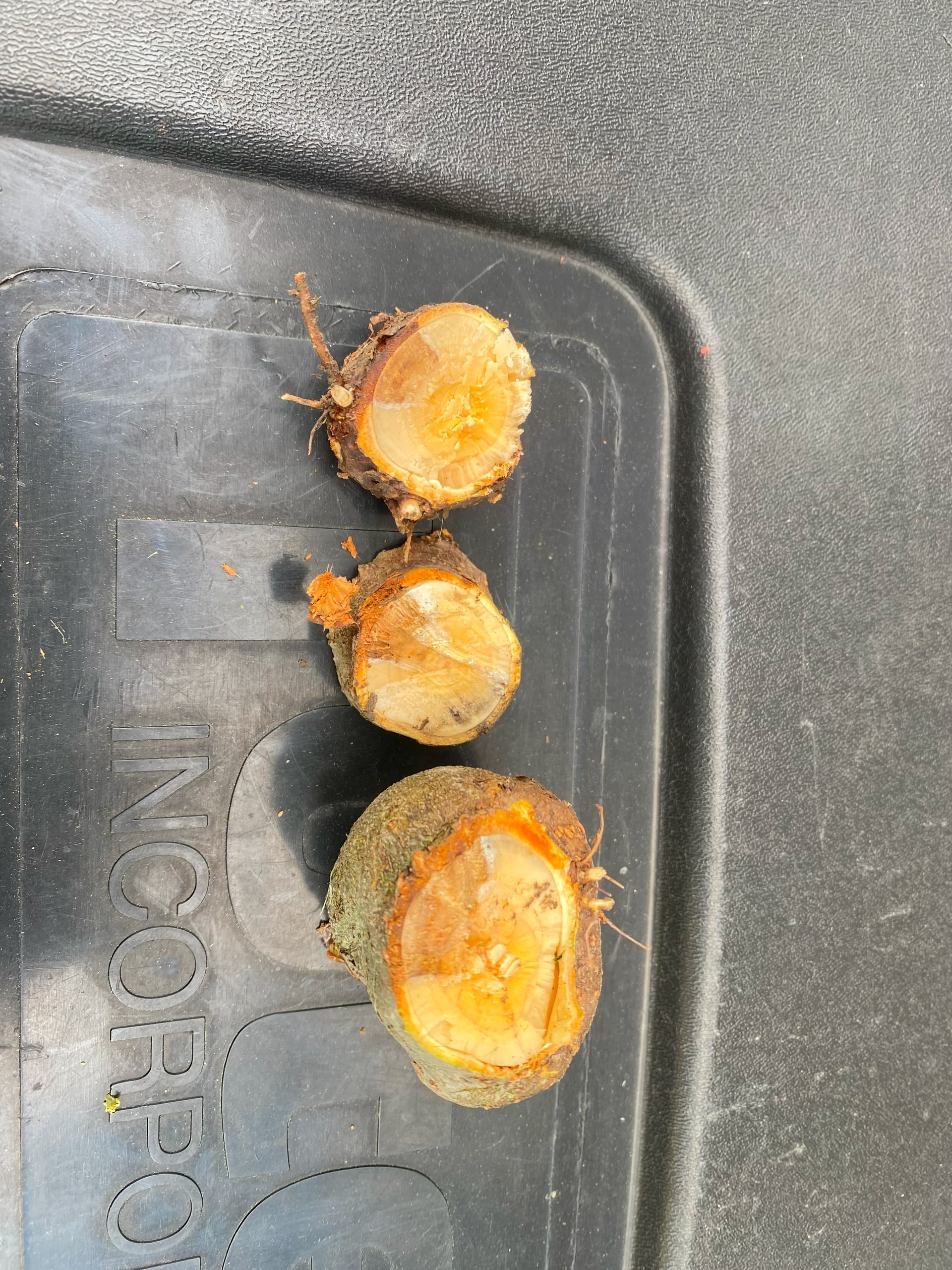
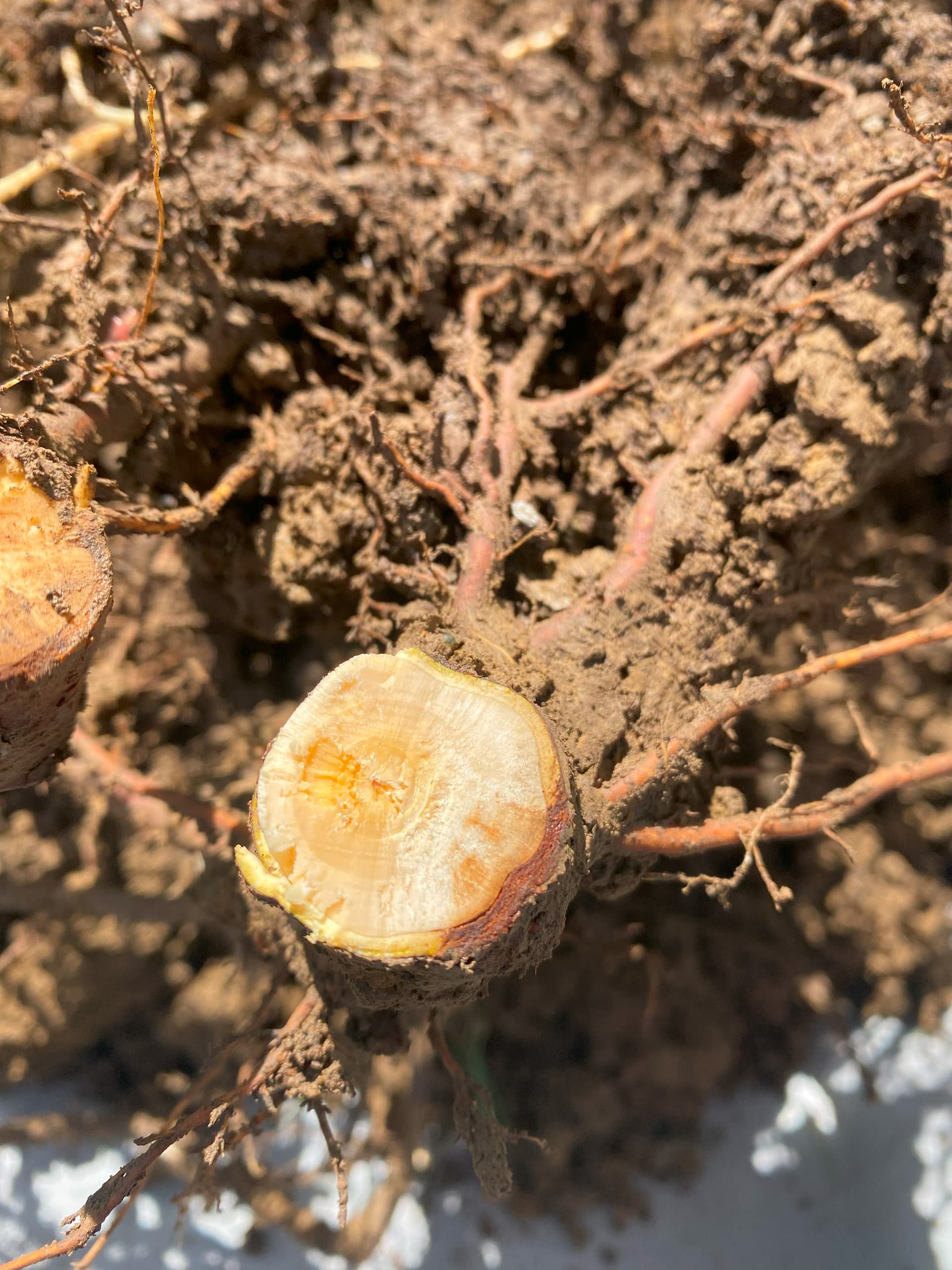
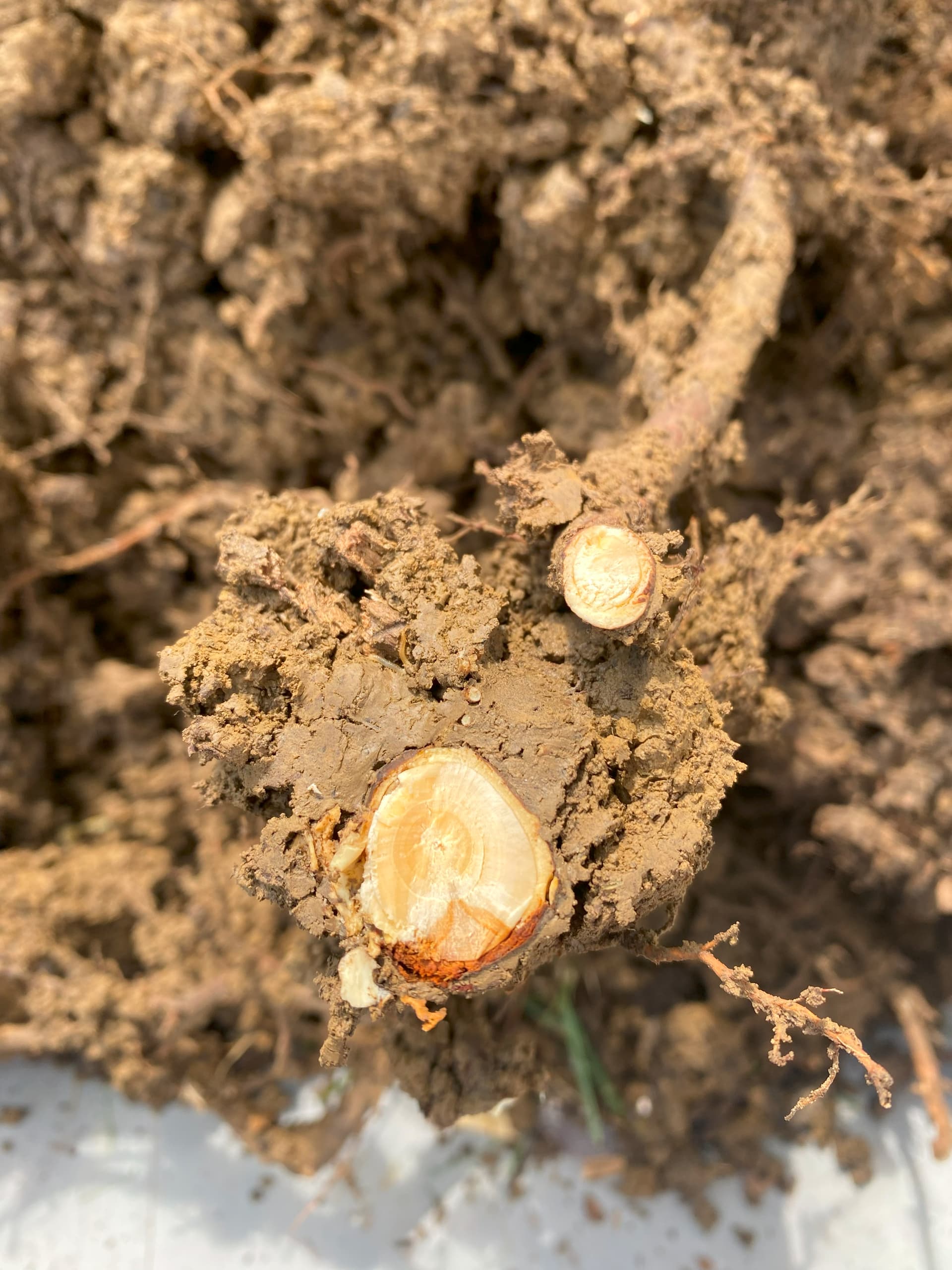
I noticed some suspicious dieback on a couple of branches on two apple trees: a young Cox’s Orange Pippin on G.890 and a mature CrimsonCrisp on M.7. I’ve decided to remove the Cox, and after making several cross-cuts to inspect for the damage, I found that the damage extended all the way down to the roots.
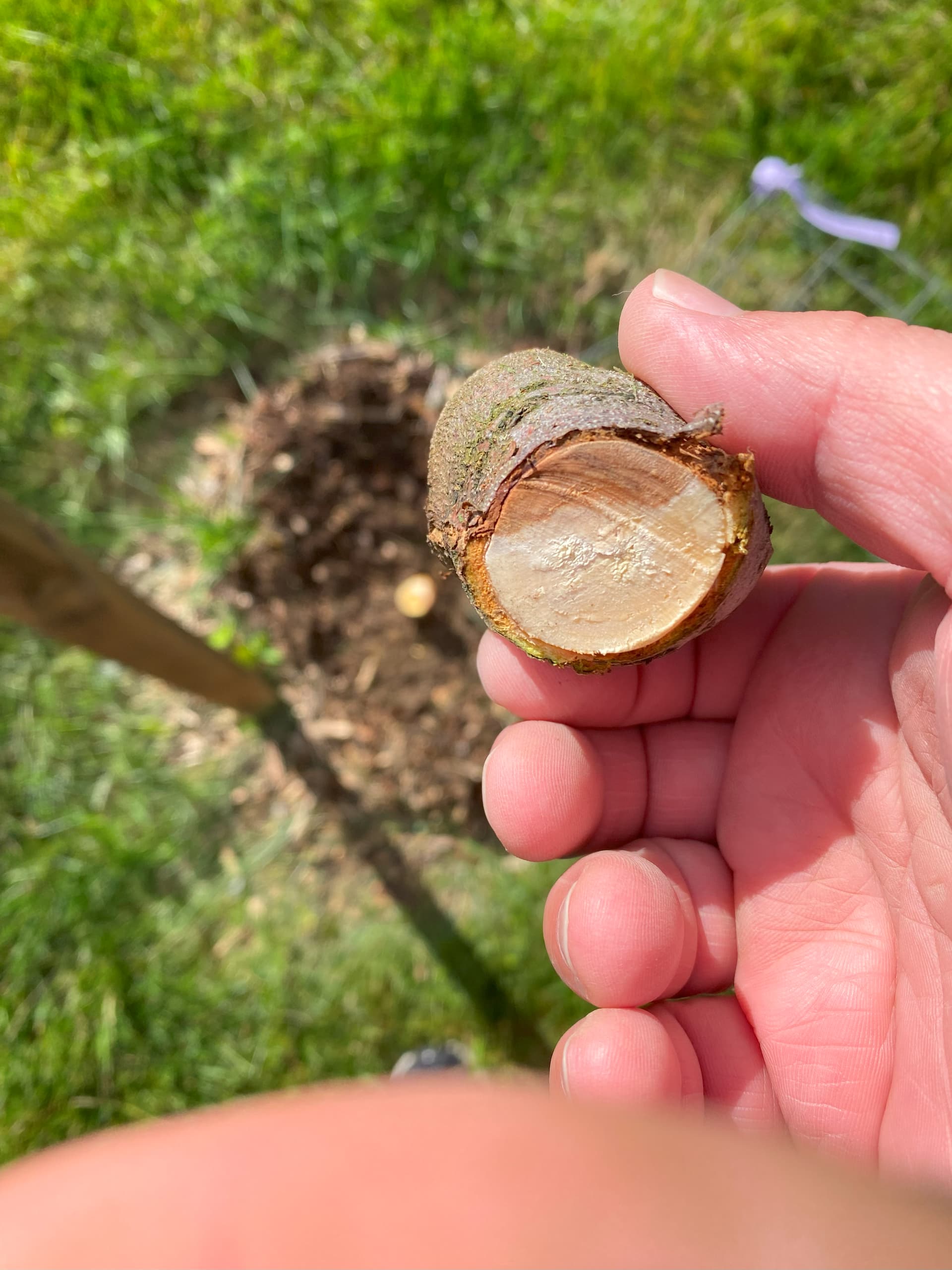
The affected branch on the CrimsonCrisp shows similar symptoms.
I think so. Don’t take my word for it though- I’m lucky enough to have never had more than a few little strikes so I haven’t experienced what you have.
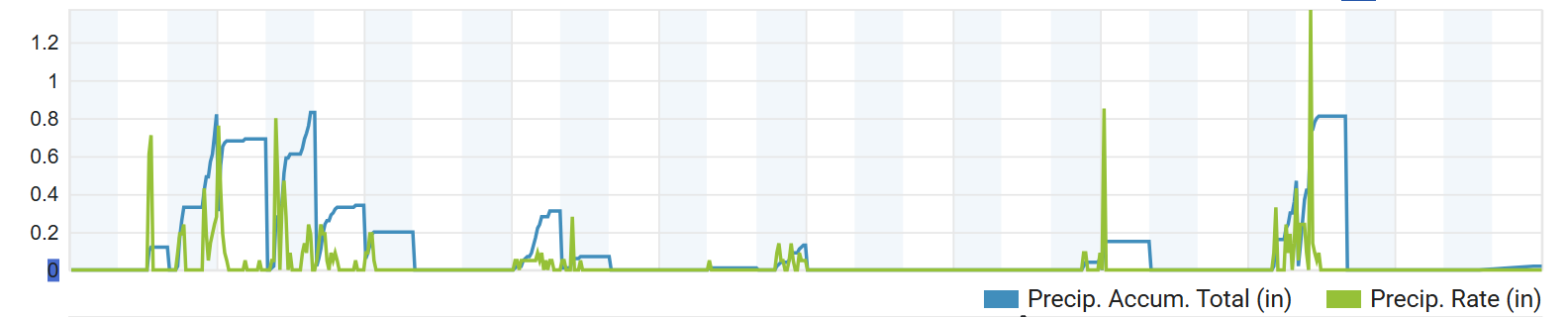
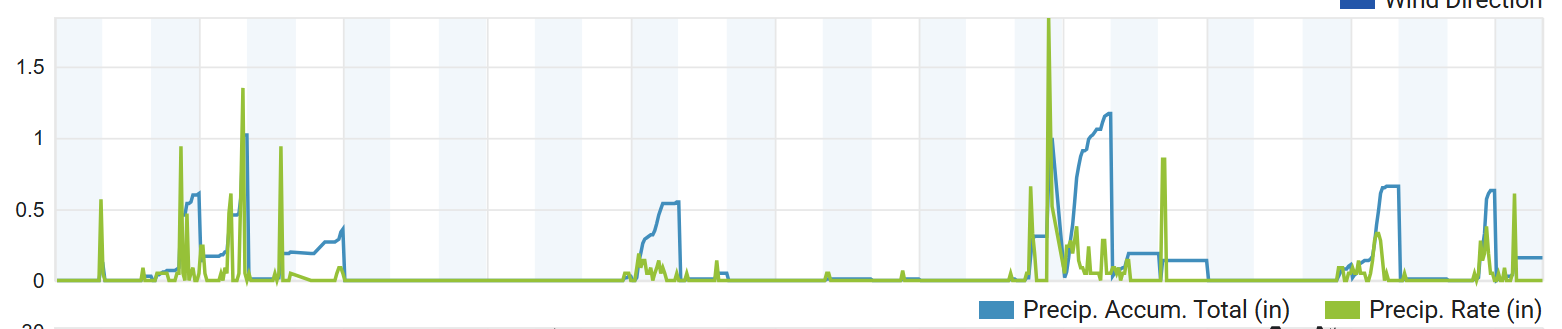
Maybe this is an odd question: When this first happened had you had a lot of rain in a short amount of time?
I had four (4) G series rootstocks ( two different G varieties) planted for a few years. We had a huge rain one day ( say 4-4" of rain) and each of these G series rootstocks cracked open like that. Just curious.
Sorry to hear you’re dealing with this. From the cross-section photo and your description, it definitely looks suspicious for fire blight. That amber staining and the dark streaking in the wood are pretty classic signs, especially with how it seems to track down toward the roots on the Cox. Given how susceptible that variety is, and the fact that you found the infection that deep, removing it was probably the right call.
CrimsonCrisp is usually more resistant, but fire blight can still get in, especially through wounds or during a heavy bloom year with warm, humid conditions. If you’re seeing similar symptoms there, I’d suggest cutting well below the visible damage and checking the wood for discoloration. Make sure to sterilize tools between cuts and dispose of the material completely.
I think the end of April was the first time I noticed leaf wilting on a few shoots of a young Cox and one CrimsonCrisp lateral.
I kept an eye on the Cox - it seemed to be pulling through - but once I noticed a major vertical bark crack, I decided to cull it.
I actually made cross cuts down through the root system until I found a healthy, undamaged root stem.
There was enough viable root to replant it, so I added a Honeycrisp graft on top. Time will tell what happens next.
I’m thinking the wood turned brown after the tree cracked. The rootstock may be sensitive to rainfall and prefer irrigation in lieu of pulses of rain. I look for fire blight as soon as the flowers are pollinated. I look for a dark pistil, then desiccated flower stems. This is where it all starts. Shoot blight comes in later. If you did not see darkened and shriveled bark on the limbs, I seriously doubt it was blight. I’ve once owned a Cox Orange in central NC. It wasn’t blight resistant, but it wasn’t the worst in the orchard among 23 varieties either.