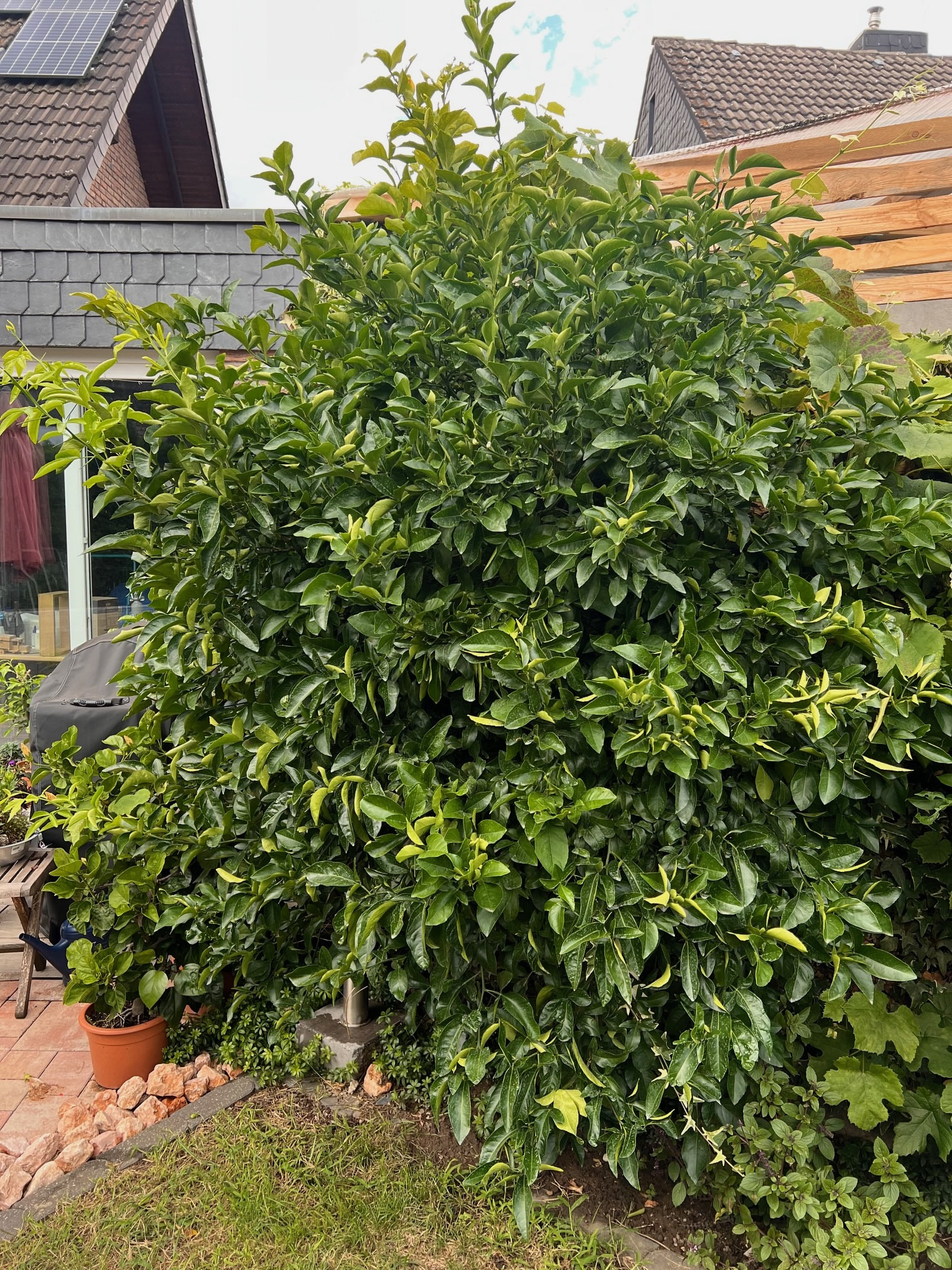
Citrumelo

CitrumeloCitroncirus spp.) is also called Swingle citrumelo trifoliate hybrid, because it is cold hardy and is a hybrid between a ‘Duncan’ grapefruit and a trifoliate orange (Poncirus trifoliata (L.) Raf.), developed by Walter Tennyson Swingle.

These are available everywhere now

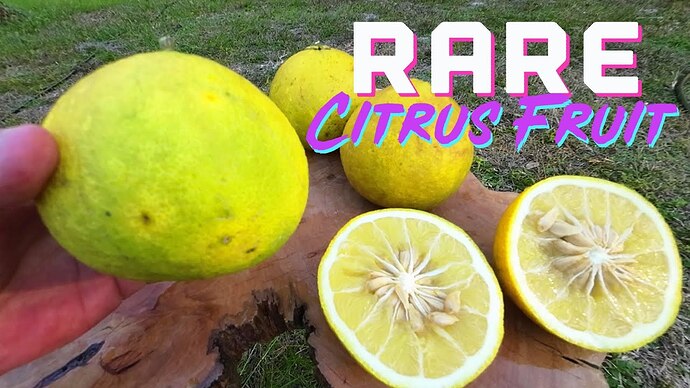
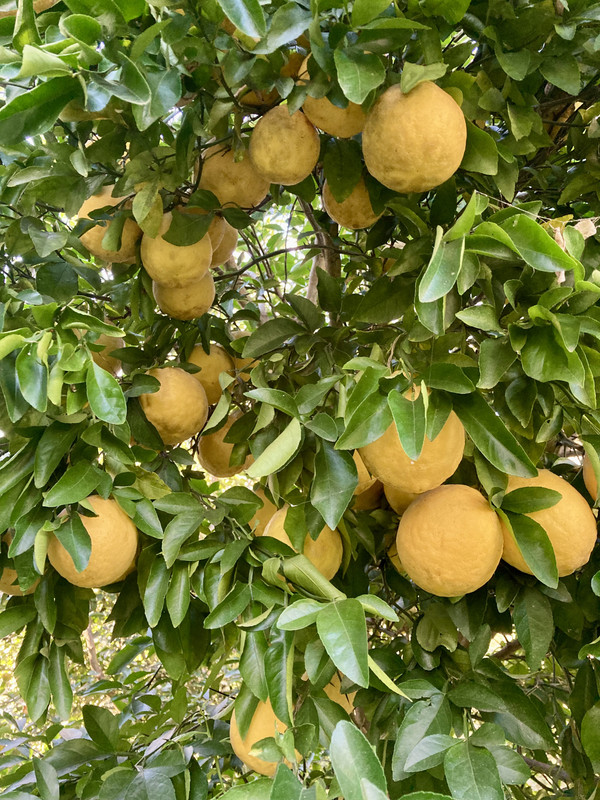
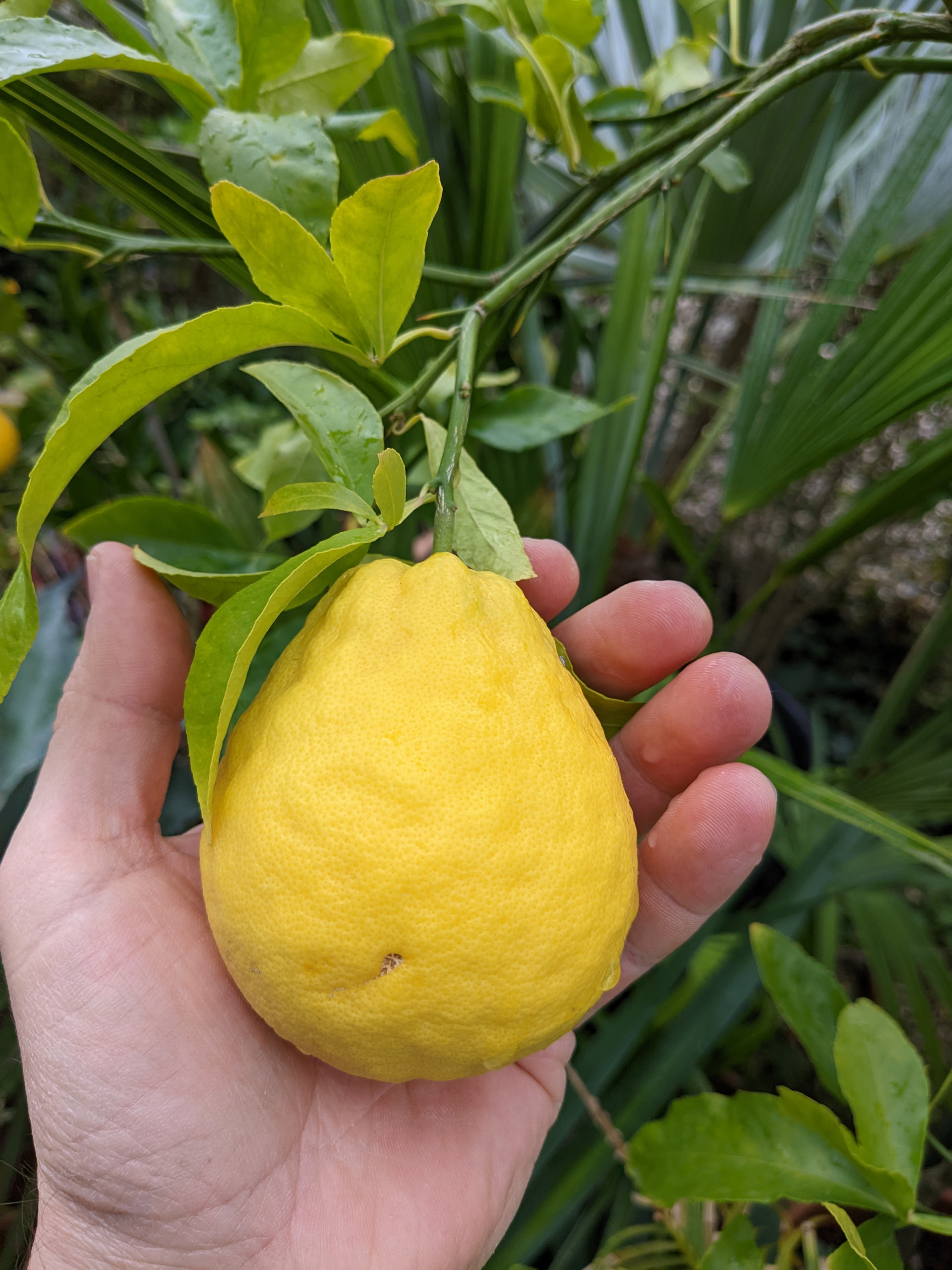
Citrumelo Hardy Grapefruit is will grow to be around 5 ft. and is very hardy for citrus surviving temperature in the low teens or below. The fruit taste like a cross between a lemon and a grapefruit, is smooth skinned, and as large as 4 inches.

Citrumelo Hardy Grapefruit

Citrumelo Hardy Grapefruit will grow to around 6 ft. and is very hardy for citrus, surviving temperature into the low teens or below. The fruit taste like a cross between a lemon and a grapefruit, is smooth skinned, and as large as 4 inches across.

Click here to view our Citrus Growing Guide.

Latin Name: Poncirus trifoliata x Citrus paradisi
Site and Soil: In spring, summer and fall, keep your potted Citrus in a location with 1/2 day to full sun. In the winter, place your plant in a well-lit room if you live in USDA Zone 7 or below. Potting soil should be coarse, acidic, and well-drained.
Rootstock Description: Flying Dragon is a hardy and very dwarfing rootstock for Citrus that induces very early flowering and fruit production. Trees grown on Flying Dragon will rarely exceed 5 ft. in height and will often produce fruit the year they are planted.
Pollination Requirements: Self-fertile. You can help it set fruit by taking a small brush and moving pollen from flower to flower.
Hardiness: Should be hardy to at least 20° F. We recommend moving it to a well-lit and protected location in the fall before hard frosts occur if you live in cold climates.
Bearing Age: 1-2 years after planting
Size at Maturity: 8-12 ft. by 6 feet wide
Taste: Like a cross between a lemon and a grapefruit
Fruit Skin: Yellow-orange
Fruit Flesh: Yellow-orange
Bloom Time: Winter to early spring
Ripening Time: November to January
Yield: 40-50 fruit
Care: Fertilize with citrus mix 3-4 times per year with typical applications in late winter (Jan-Feb), late spring (May-June) and early fall (Sept-Oct).
Pests & Diseases: While outside, Citrus plants will likely not be bothered by insect pests. Be on the lookout for slugs. Indoors, Citrus can have mites and/or aphids. Watch carefully for any problems and treat with an insecticidal soap or wash them off. We have not seen any disease problems on our Citrus varieties.
USDA Zone: 8
1 Like

Everything I’ve seen shows otherwise. I’ve seen photos of huge citrumelo trees.

3 Likes

@Ethancactus

Maybe depends how they make the cross.

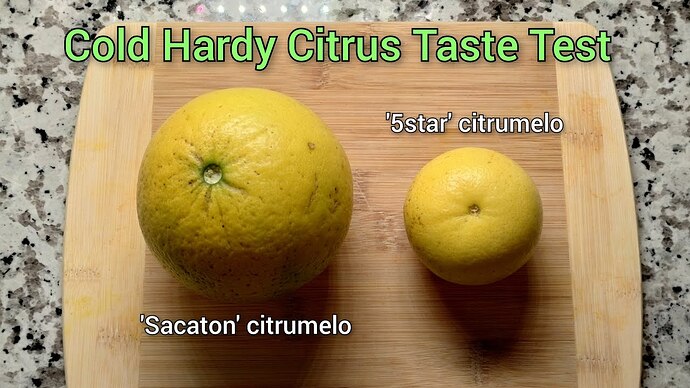
Sacaton citrumello is a citrumello I want to grow/use for breeding because it’s a 50% trifoliate and the fruits are phenomenally large and juicy, besides that it produces highly zygotic seeds.

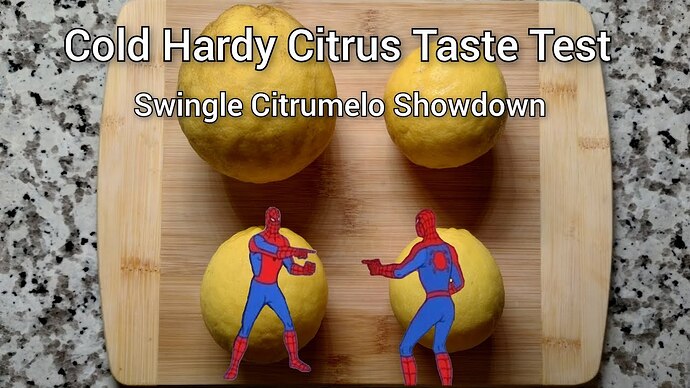
Here’s some videos of taste testing some citrumellos-


2 Likes

Have any crosses been made with newer varieties? Oro Blanco and whatever the red one was from I think the same program?

2 Likes

@evilpaul

That is the weird part no new work is done.

1 Like

The One Green World listing indicates that the rootstock is flying dragon. That is probably why they are saying 6ft because flying dragon is a dwarfing rootstock. On their own roots Citrumelo tend to be big trees.

4 Likes

I managed to find Citrumelo ‘Dallas’ (Trifoliate x Grapefruit)

“Sourced originally from the noted citrus enthusiast Tom McClendon, Citrumelo ‘Dallas’ is a cold-hardy hybrid between the rugged trifoliate orange, Poncirus trifoliata, and a grapefruit. From that unlikely pairing comes a vigorous small tree that carries the trifoliate’s toughness and a good measure of grapefruit character in the fruit.

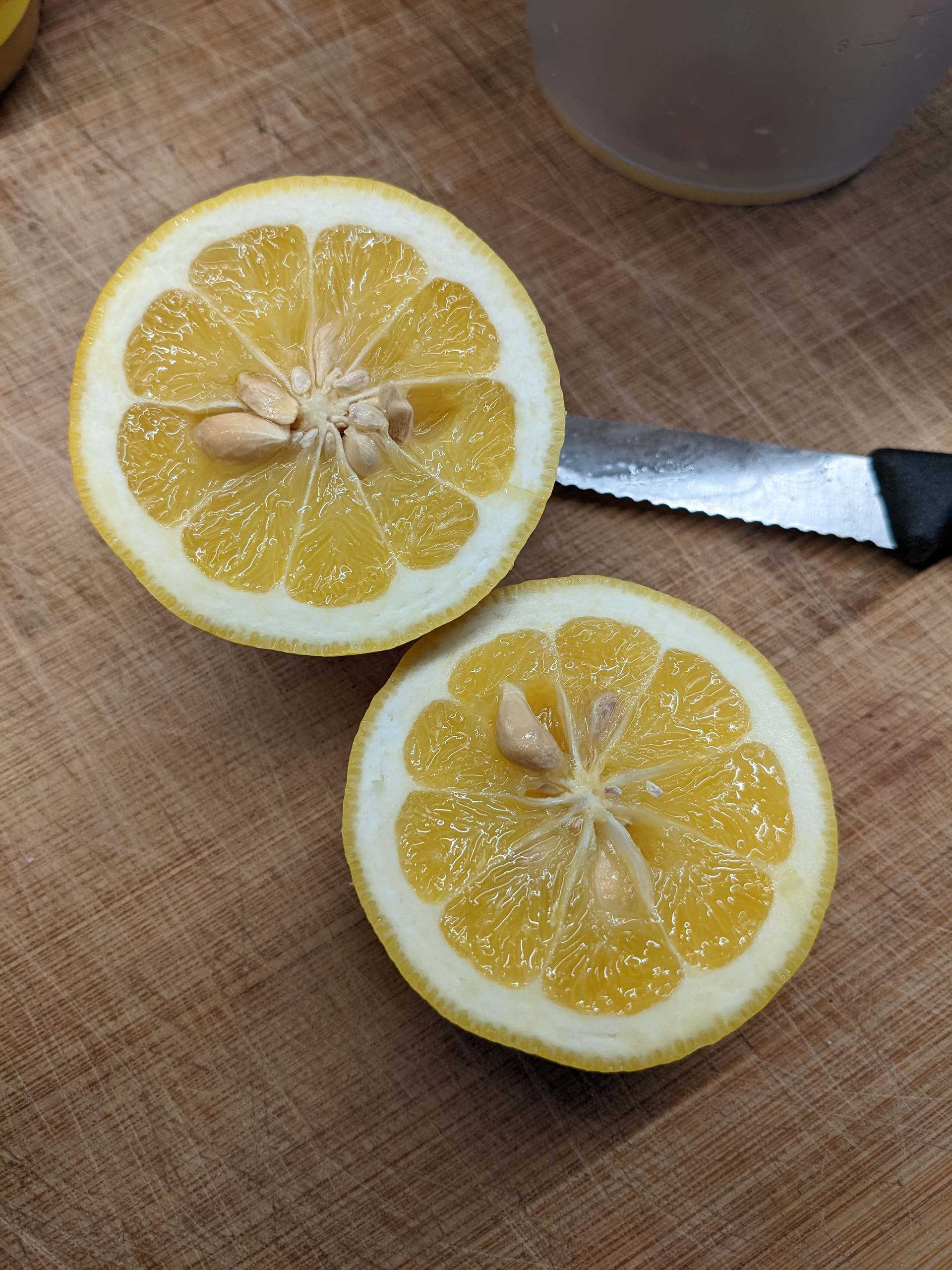
The fruits are large and round, with a thick, textured rind and strikingly big seeds, and the flavor is bold, tart, and unmistakably citrus. Too sharp for most palates straight from the branch, the fruit comes into its own in the kitchen: with a little sugar and some patience, ‘Dallas’ makes a fine marmalade, a bright syrup, or a zesty base for cocktails. This is a plant for the adventurous grower rather than the fruit bowl, and a rare one at that.

In the garden, ‘Dallas’ rewards gardeners who want to push citrus north. Hardier than true grapefruit, the tree will hold in southern gardens where tender citrus cannot, and takes happily to a large container that can be moved under cover for hard freezes. Give full sun, sharp drainage, and shelter from cold winter wind, and site where the fragrant spring blossom and the bold autumn fruit can both be enjoyed.”

I also located

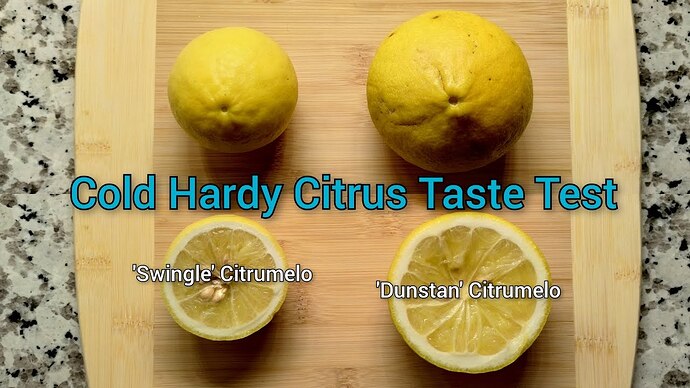
Citrumelo ‘Dunstan’ is a hardy heirloom hybrid of the rugged trifoliate orange, Citrus trifoliata, and the sunlit grapefruit, Citrus paradisi, and from that unlikely marriage comes a fruit and tree of real merit. The golden-yellow globes swell to nearly four inches across, fragrant, and, touched with sugar, carry the tart refreshment of a grapefruit picked a little shy of ripe. Here is fruit both rustic and refined, bred for survival yet still hinting at the orchard.

Growers have long rated ‘Dunstan’ the best of the trifoliate hybrids, often called the best overall cross with fifty percent trifoliate parentage, and the praise rests as much on constitution as on flavor. Where ordinary citrus fail at the first hard frost, ‘Dunstan’ endures, among the hardiest of all citrus, holding ground in southern gardens where grapefruit and orange could never survive. For anyone after both sustenance and experiment, here is a treasure: very hard to find, and worth the search.

The tree grows small and handsome, with glossy green leaves that fall in autumn to leave a strong winter silhouette. Fragrant white blossoms open in spring, and by fall the yellow globes ripen into a harvest that is as much story as sustenance. In the garden, ‘Dunstan’ suits the adventurous grower, the historian of southern gardens, and the lover of hardy heirlooms; give full sun, sharp drainage, and shelter from the worst winter wind, and this small tree will reward the gamble.”

Thank you https://woodlanders.net @woodlanders

1 Like

@KS_razerback @Cgardener @evilpaul @Ethancactus what citrumelo do we look for next? I dont have Sacaton yet. I did find swingle.

3 Likes

There is also Monticello Citrumelo. Cold Hardy Citrus Taste Test - Monticello Citrumelo - YouTube

2 Likes

@Cgardener

That one sounds like a good one to look for.

2 Likes

Sacaton, to me, if you’re wanting it for breeding seems like the absolute best option to use for easily (if crossed with P+) breeding a usable citrus for zone 6. It has has a high percentage of zygotic seeds, and huge juicy fruits. A fruit that is easier for people to juice and process would be more appealing than a fruit that tastes a little sweeter, more orangey taste, and is super small, low juice content and jam packed with seeds, even though the sweeter one would be a better direction to a good tasting citrus for zone 6.

1 Like

Monticello is a great citrumelo, and while its hardiness in the North is untested, we will find out soon enough. Stan’s Sacaton is a really good one for breeding since it produces so many zygotic seeds (and with good vigor). It will be an important part of our breeding program which is aimed at developing mostly orange and mandarin-like fruit for zone 8.

Some citrumelos you may are may not know about are Iva Swingle and Nr. 82. Both produce good-sized fruit with better than average eating quality on very attractive trees. The foliage on Nr. 82 is uniquely glossy, but my trees have not set fruit for me to try yet. It is very popular amongst citrus hobbyists overseas.

There’s some good info here:

4 Likes

I honestly haven’t been researching citrus recently, a lack of time, space, and money has discouraged that behavior.
When my dad and I eventually build the greenhouse with all the glass he’s bought over the years, I’ll look into buying more citrus varieties and plants.

2 Likes