US942 is a good one, I would plant but already have a Bishop citrandarin (seedling of US852) which is said to be decent. I have a couple of grafts of it outside and has been hardy so far. I had a Xie Shan which died to root rot, wanted one to make some crosses with Poncirus+ and possibly get an early and decent citsuma.
1 Like
Zone 7 can be tough. Are you close to the water? There’s a guy on Reddit who grows an yuzu in the ground outside in Cape May. According to the internet that’s an 8a, and he also said last winter was very mild. Still he just harvested his first fruit.
I’ve heard 842 is good. Not as good as 942, but in the pics I’ve seen the fruit appears larger than 942.
4 Likes
That’s great, I did notice the usda zone map update has Cape May in zone 8a now, up from 7b.
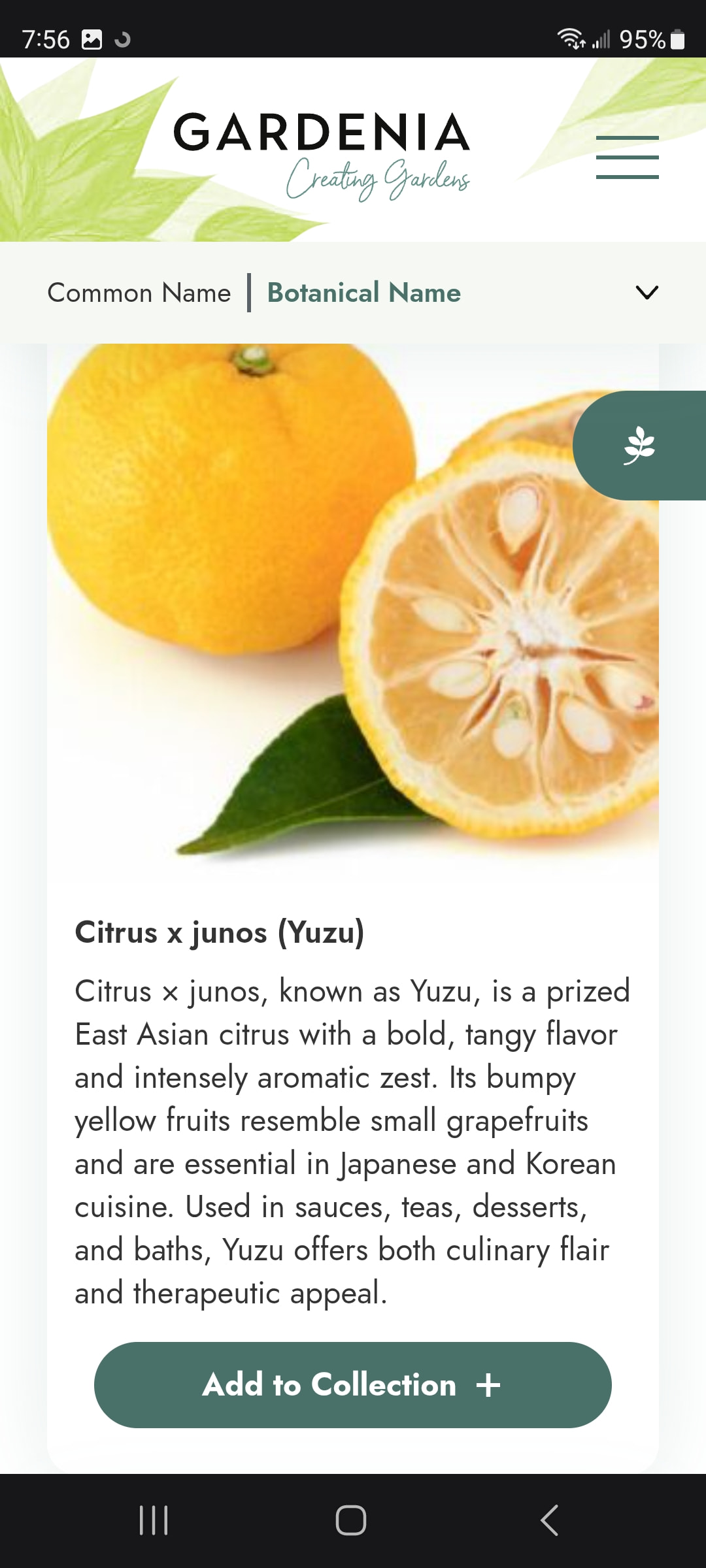
There are some hardier strains of Yuzu that can take lower temps but I’m not sure that those are in the US. My outdoor Yuzu seedling on own root gets damaged below ~9f. It has grown back to about 5 feet now after dying back once completely to the ground level in a polar vortex at ~1f. I am in north east NJ about half an hour from NYC. Houses and apartment buildings around me so there is a def a microclimate here. I wish I could get one of the hardier Yuzu that are available in Europe.
3 Likes
Anyone have experience with 6-15-150 mandarin orange out of the USDA breeding program? Sounds cold hardy and tasty, they consider it a great juicer. USDA 6-15-150 Mandarin Orange - fruitmentor™
4 Likes
That looks fantastic. I think I’ll order some budwood for this spring.
1 Like
There are some varieties of mandarin on Jeju island that thrive in winters that have temps often between the 40’s and 20’s with consistent cloud cover, and some snow and ice. I think varieties that can ripen there would also be excellent selection for Northern California and western Oregon.
6 Likes
Does anyone know where it is now possible to buy UGA Pink Frost Grapefruit? So far as I know it was licensed only to Georgia Grown Citrus, where it seems to have vanished from their website.
Well I can’t buy it, because it’s exclusive to GA residents. Unless I made the drive for those, not in my plans, I recall seeing them and Madison Citrus had them. But I haven’t looked since I realized I can’t buy UGA citrus.
1 Like
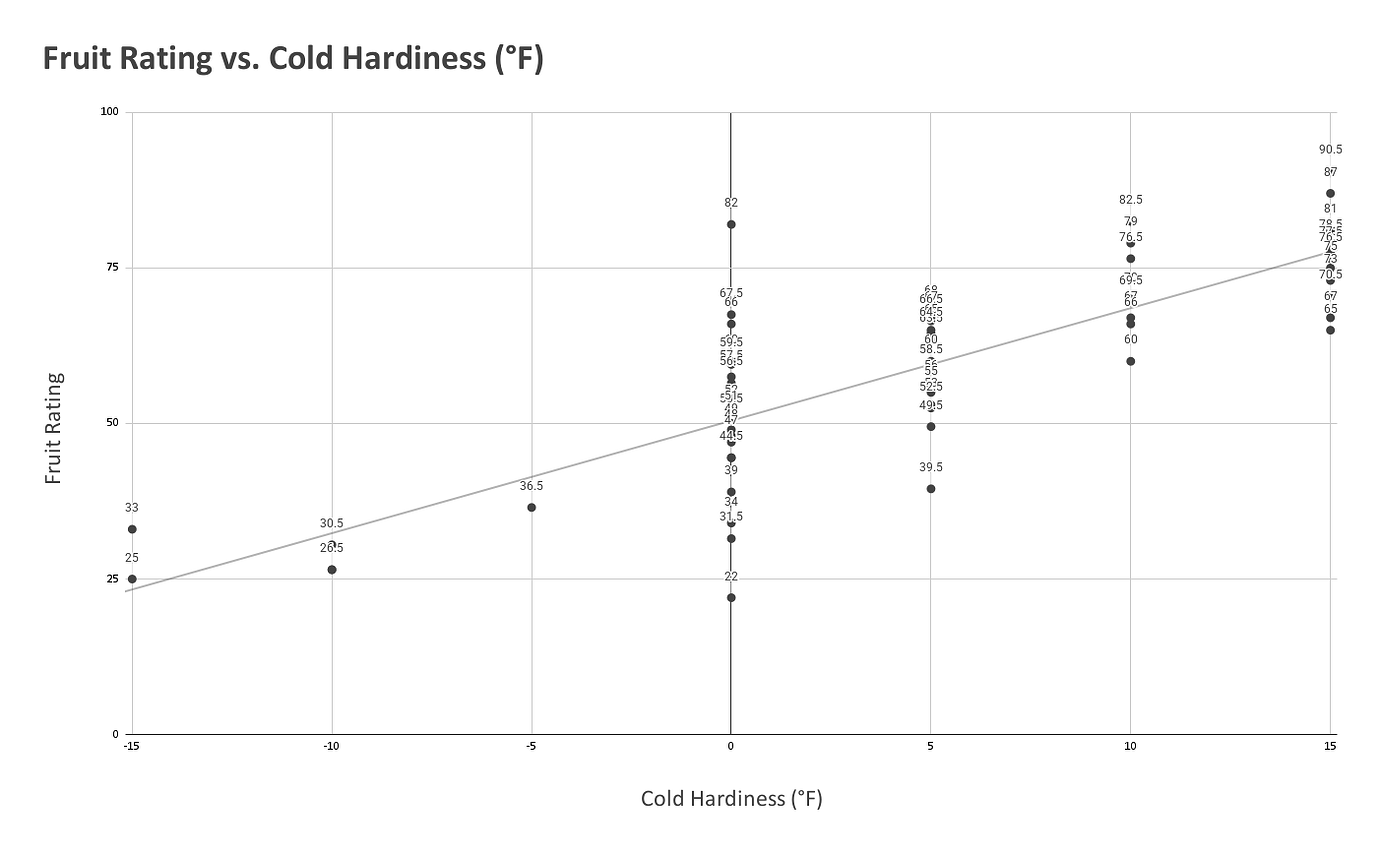
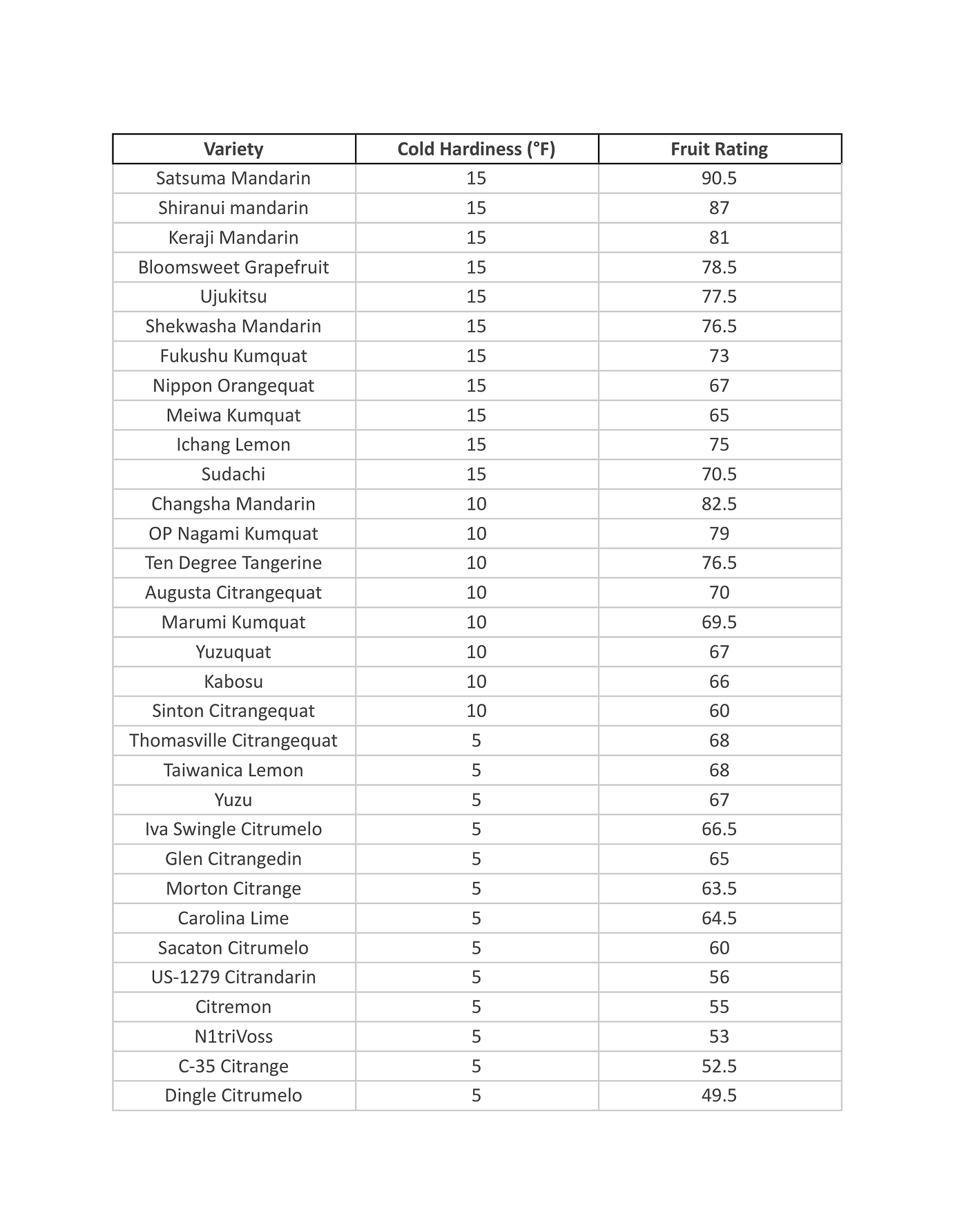
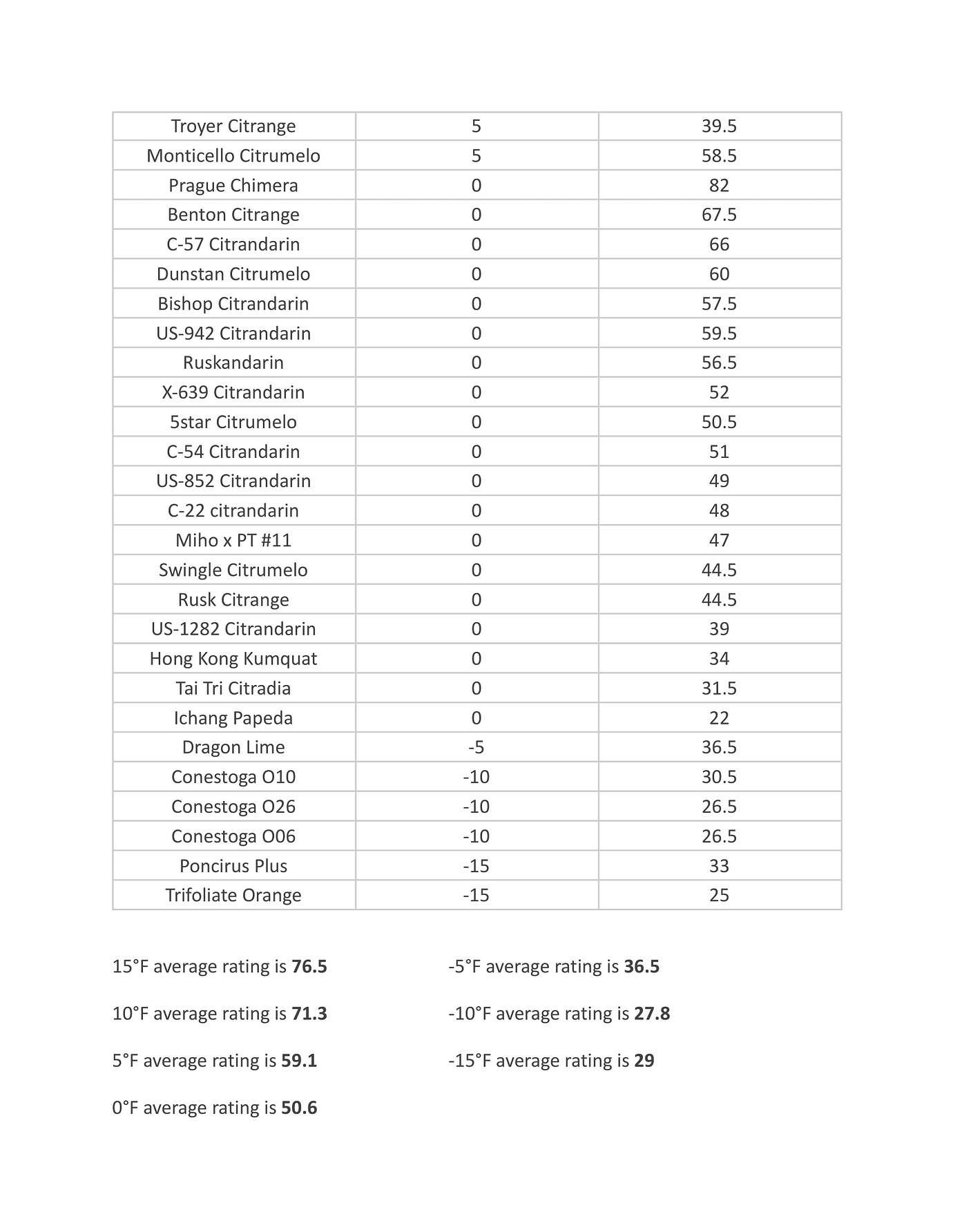
Here’s a neat chart from the themulberries on some cold hardy citrus hardiness and their fruit qualities rated on a 0-100 scale.
8 Likes
I’ve only grown a few from that list, but have to say it seems inaccurate. ‘Thomasville’ is not equal in hardiness to ‘Morton’. Last winter my ‘Thomasville’ froze to beyond recoverable while ‘Morton’ saw no damage at all. Also, ‘Dunstan’ certainly isn’t 5 degrees more cold hardy than ‘Morton’. Having a higher percentage of pomelo genetics should be an indicator, but actual observation over many years shows that though quite hardy, ‘Dunstan’ will still see some tip die back in years that ‘Morton’ sees no damage at all.
The inaccurate stats for these more commonly available clones would certainly cause me to doubt the accuracy of the stats for the more obscure clones on that list.
4 Likes
What has reliably survived your 7b in ground? I’m 7a and was thinking of experimenting.
1 Like
I think once established Thomasville is good to around 5 F, but I wouldn’t know for certain, mine was killed by temperatures in the low teens (poorly established, stressed tree). Morton’s limit should for sure be less than 5 F. But then 5 F for Taiwanica seems generous.
As for Dunstan, yeah, it’s not as hardy as some other citrumelos. The 0 F number is accurate though, for a full sized, well-established tree. There’s one in Raleigh that’s survived more than one lower single digit to 0 F winter and it’s pushing 25-30 ft tall and wide. That being said, Dunstan has been the least hardy of my citrumelos and I’ve got a good half dozen of them at this point. It regularly suffers dieback and I’ve straight up lost a few small ones to cold.
US-1279’s ranking is based on Mel’s comments comparing it to the Conestogas I think. Yes, most of the Conestoga series are way hardier, but I’m pretty sure it’s actually good down to around 0 F. Heck, 5 F would mean it’s barely any better than it’s parent Changsha.
Ichang Lemon is good to at least 10 F when established and healthy. Mine didn’t even fully defoliate this past winter and had very little dieback with no protection and a few weeks below freezing ending with a night at 10 F. But when it was smaller it struggled with temperatures in the teens. I think it has poor dormancy or something as well, seems like the hardiness is a bit random.
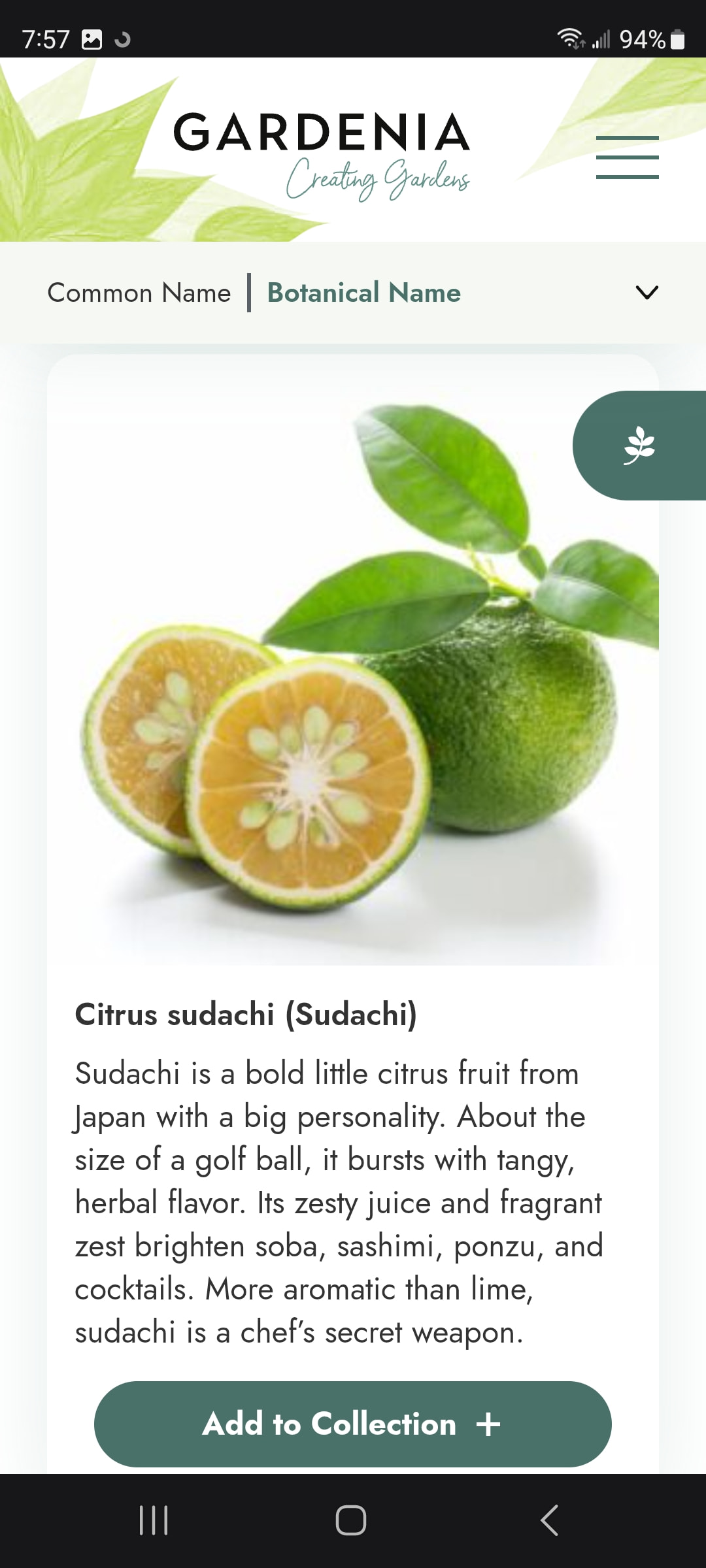
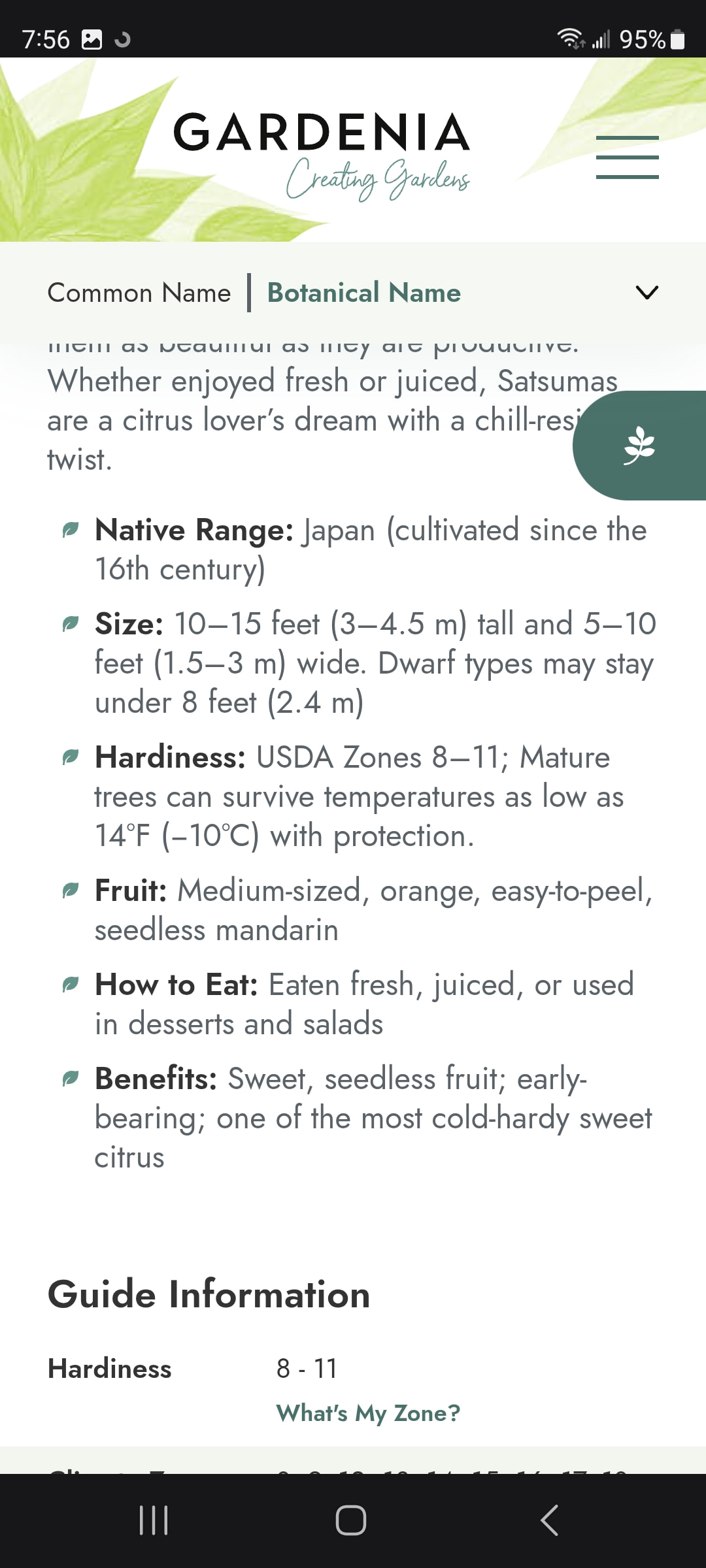
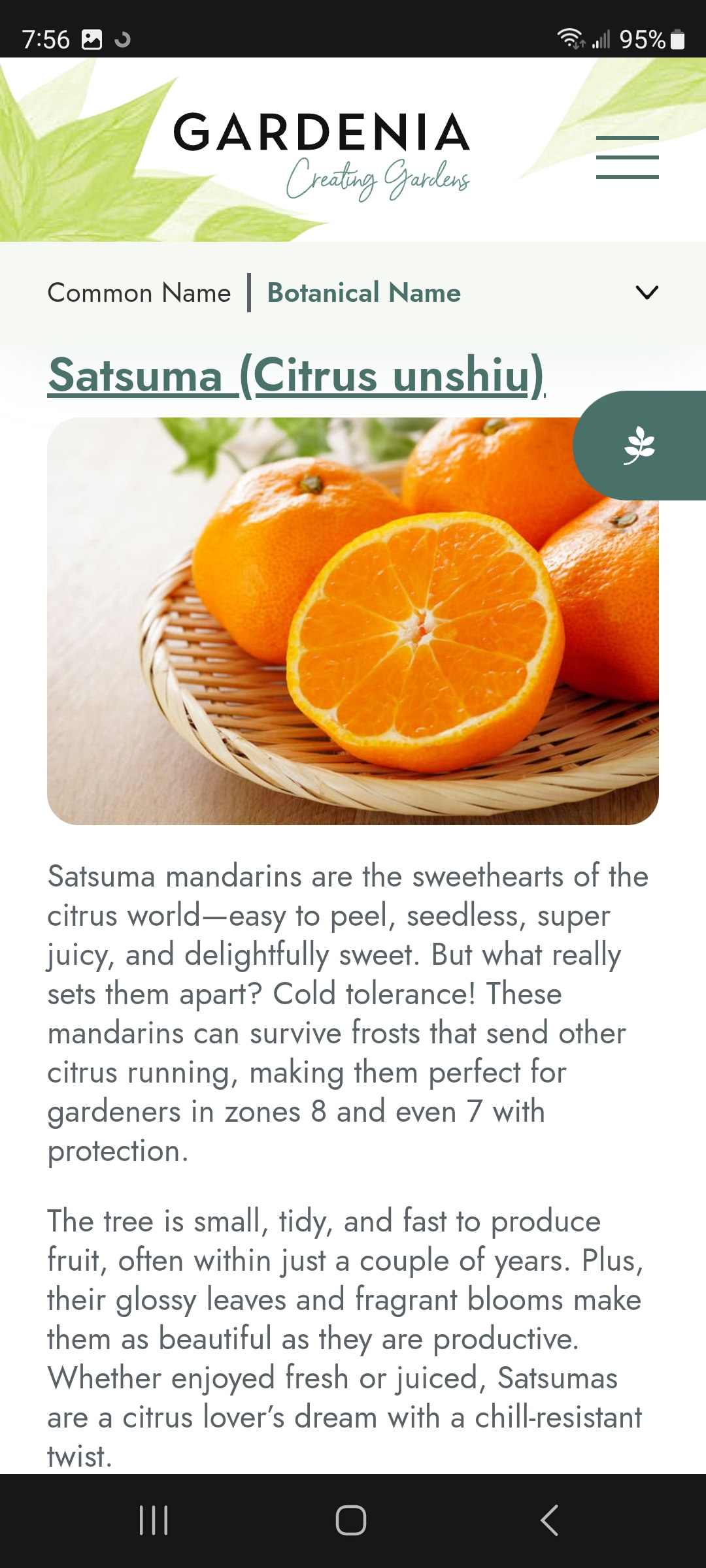
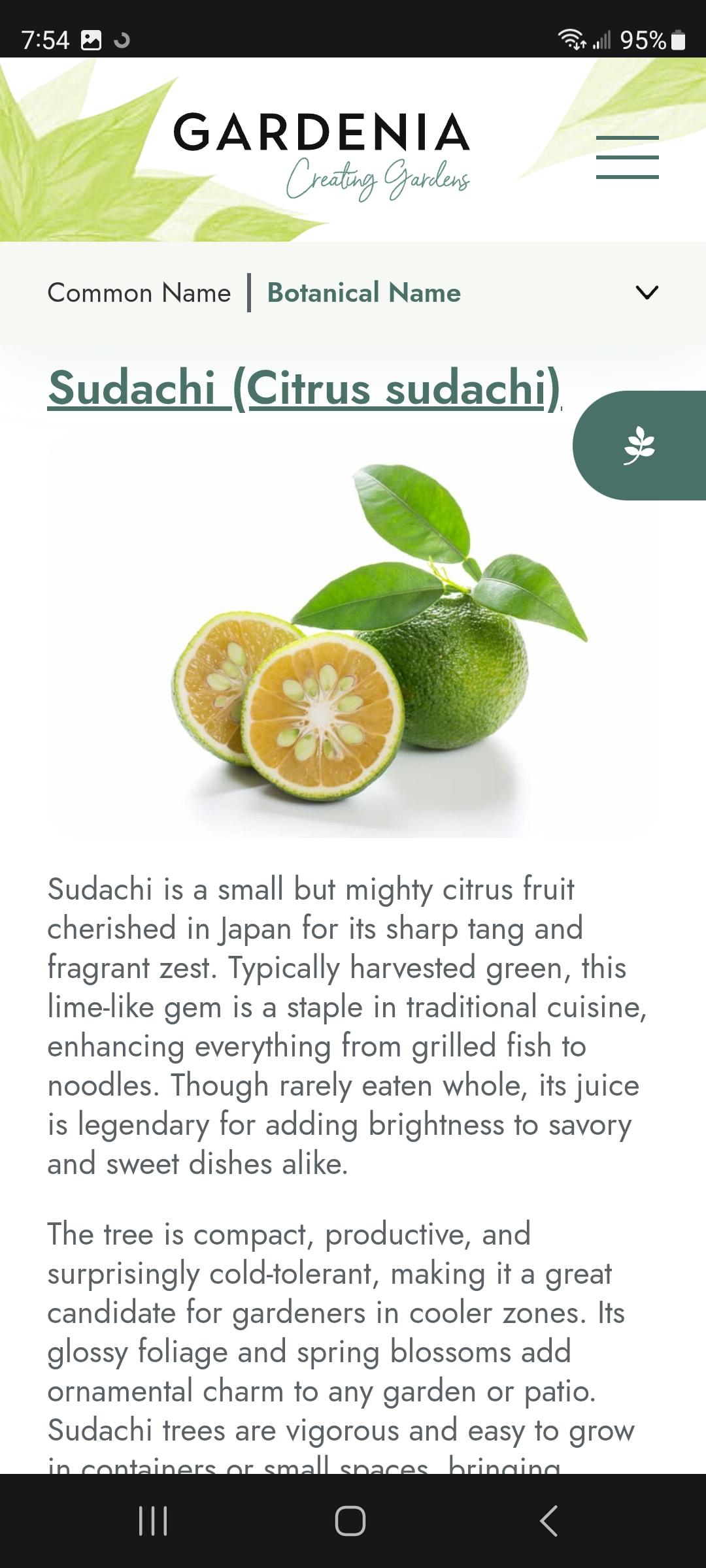
Sudachi, Satsuma, Dekopan, Keraji, and Bloomsweet have no business being in the same tier. Dekopan is probably decent for what it is, but it’s not as hardy as those others. Keraji is definitely a bit more hardy than satsumas.
3 Likes
In my opinion a tree shouldn’t be considered hardy down to any temperature unless it stays at that temperature for long enough that the tree actually cools to that temperature. Very brief dips aren’t meaningful for proving hardiness.
2 Likes
Haha fair enough. I’d say that’s the difference between East Coast and West Coast hardiness in some respects. I’ll have to dig up the charts and see how long the most recent of those lows lasted.
EDIT: the low single digit drop in 2018 lasted about an hour then temperatures warmed up into the 20s. The previous lows to zero and a little below zero occurred before the tree was planted.
Weird. Raleigh was actually a good bit warmer than over here in Greenville. That same night we got -1 F, the second coldest low ever recorded in the town and the worst in forty years. Raleigh is a half zone colder but that night the script was flipped.
3 Likes
There is much speculation, and still, we discuss the most cold tolerant citrus.
Well we still are not at 0 degrees for good citrus. There are Citrus that actually thrive in zone 5. Yes I said it and it’s true Poncirus trifoliata - Plant Finder
Poncirus trifoliata
Type: Deciduous shrub
Family: Rutaceae
Native Range: China
Zone: 5 to 9
Height: 8.00 to 20.00 feet
Spread: 6.00 to 15.00 feet
Bloom Time: April to May
Bloom Description: White
Sun: Full sun
Water: Medium
Maintenance: High
Suggested Use: Hedge
Flower: Showy, Fragrant
Fruit: Showy, Edible
Other: Winter Interest, Thorns
Tolerate: Drought
Invasive: Where is this species invasive in the US?
Culture
Grow in average, medium moisture, well-drained soils in full sun. Prune as needed after flowering. May not be reliably winter hardy in northern parts of USDA Zone 5 where it should be sited in a protected location.
Noteworthy Characteristics
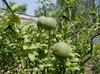
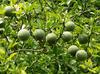
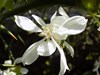
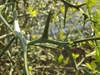
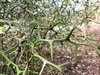
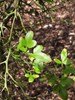
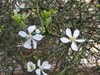
Poncirus trifoliata, commonly called hardy orange, a citrus relative, is a thorny, well-branched, deciduous shrub or small tree which typically grow 8-15’ (less frequently to 20’) tall. Three-lobed (trifoliate as per the species name) leaves emerge yellowish-green in spring, turn glossy dark green in summer and fade to yellow in autumn. Spiny, dark green stems. Fragrant, white, 4-7 petaled flowers (to 2" diameter) appear singly in spring. Flowers give way to 1-2.5" diameter fruits (miniature downy hardy oranges) which ripen to an attractive yellow in the fall. Fruits of this citrus relative are edible (lemony flavor), but are very acidic and seedy. Fruits can used to make marmalade (use peel zest and pulp), but are usually left on the tree where they persist well into winter and often provide significant ornamental interest.
Genus name comes from the French word poncire a kind of citron.
Specific epithet refers to the three-lobed leaves.
Problems
No serious insect or disease problems. Thorns are vicious.
Uses
A classic hedgerow plant that is virtually impenetrable due to its formidable thorns. Makes an excellent hedge, particularly for remote or uncommonly frequented areas of the landscape. Also an effective accent or specimen in the sense of being an interesting and unusual plant.
| 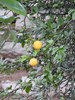
Fruit | 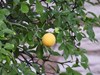
Fruit | 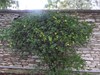
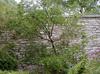
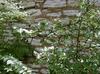
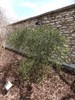
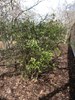
Overall plant | 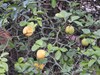
Fruit | 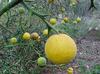
|
|----|----|----|----|----|
| 
| 
| 
| 
| 
|
| 
| 
| 
| 
| 
|
| 
| 
| 
| 
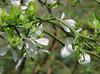
Flowers | 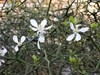
Flowers |
| 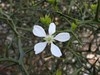
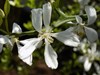
Flower | 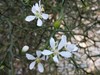
Flowers | 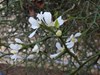
Flowers, bud | | |
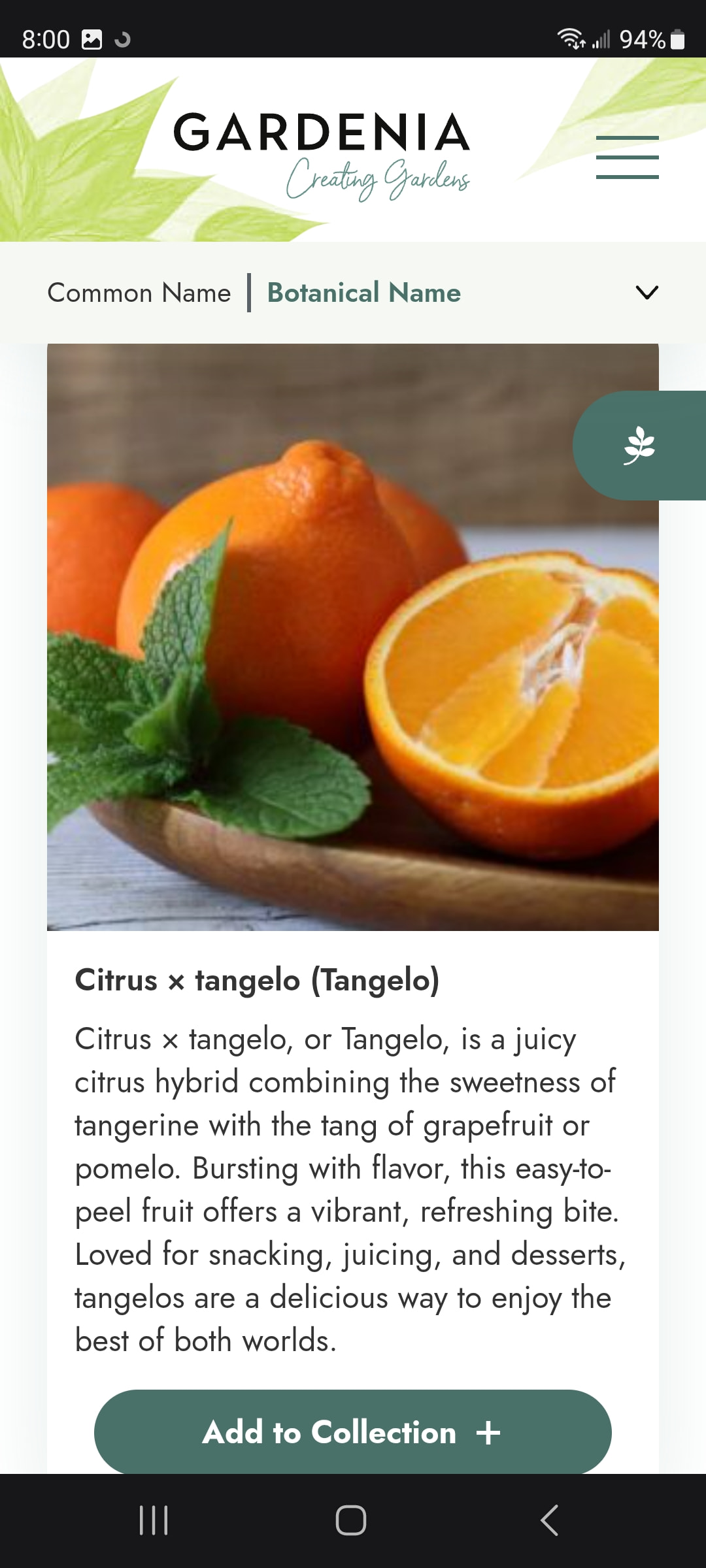
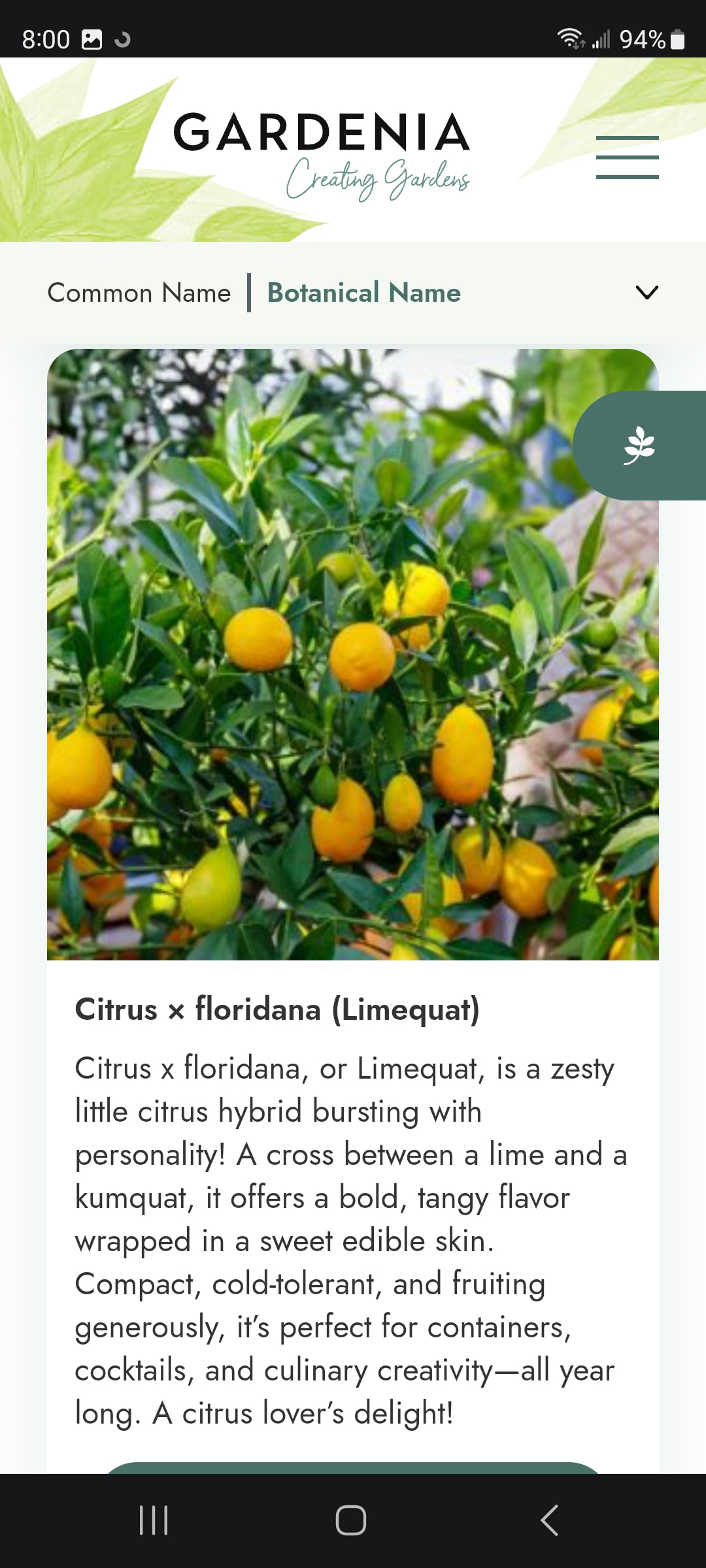
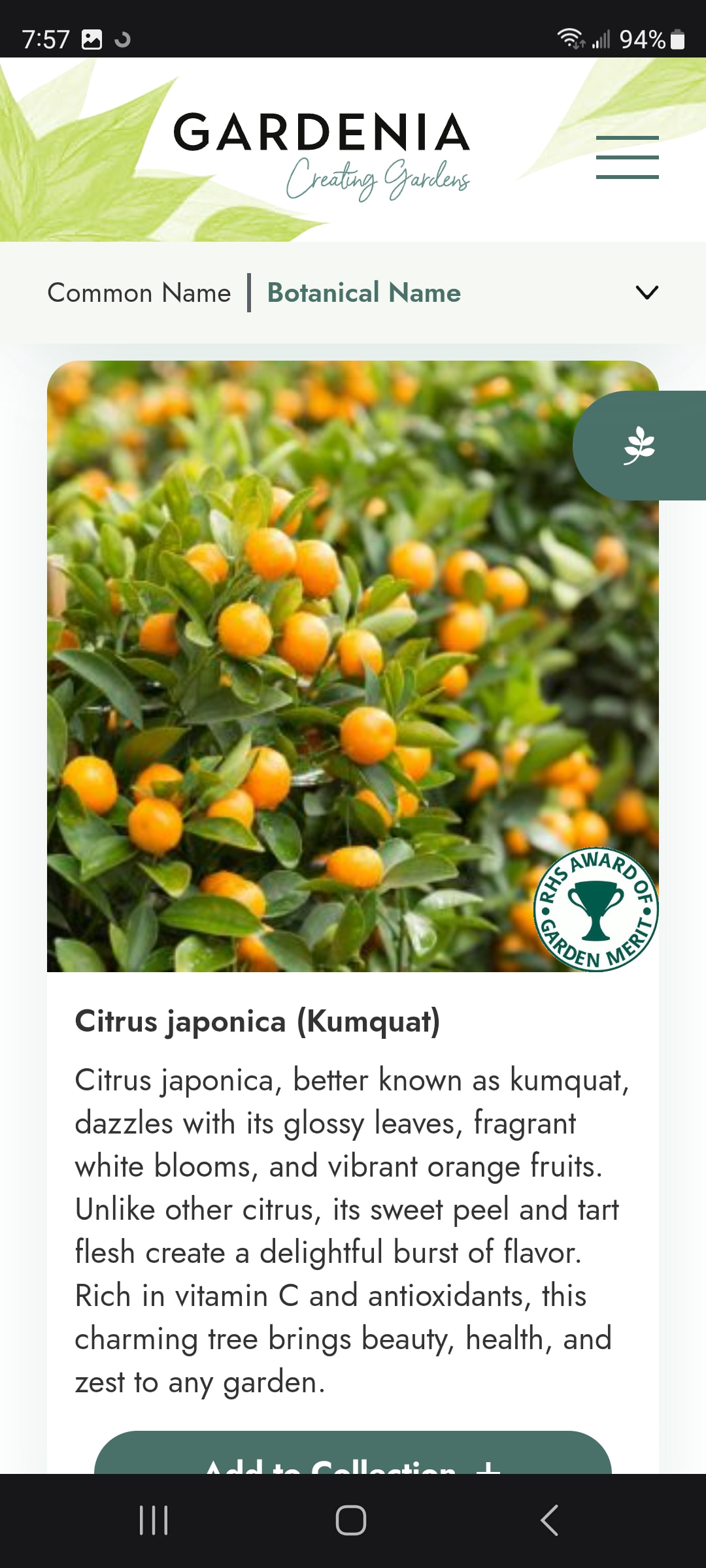
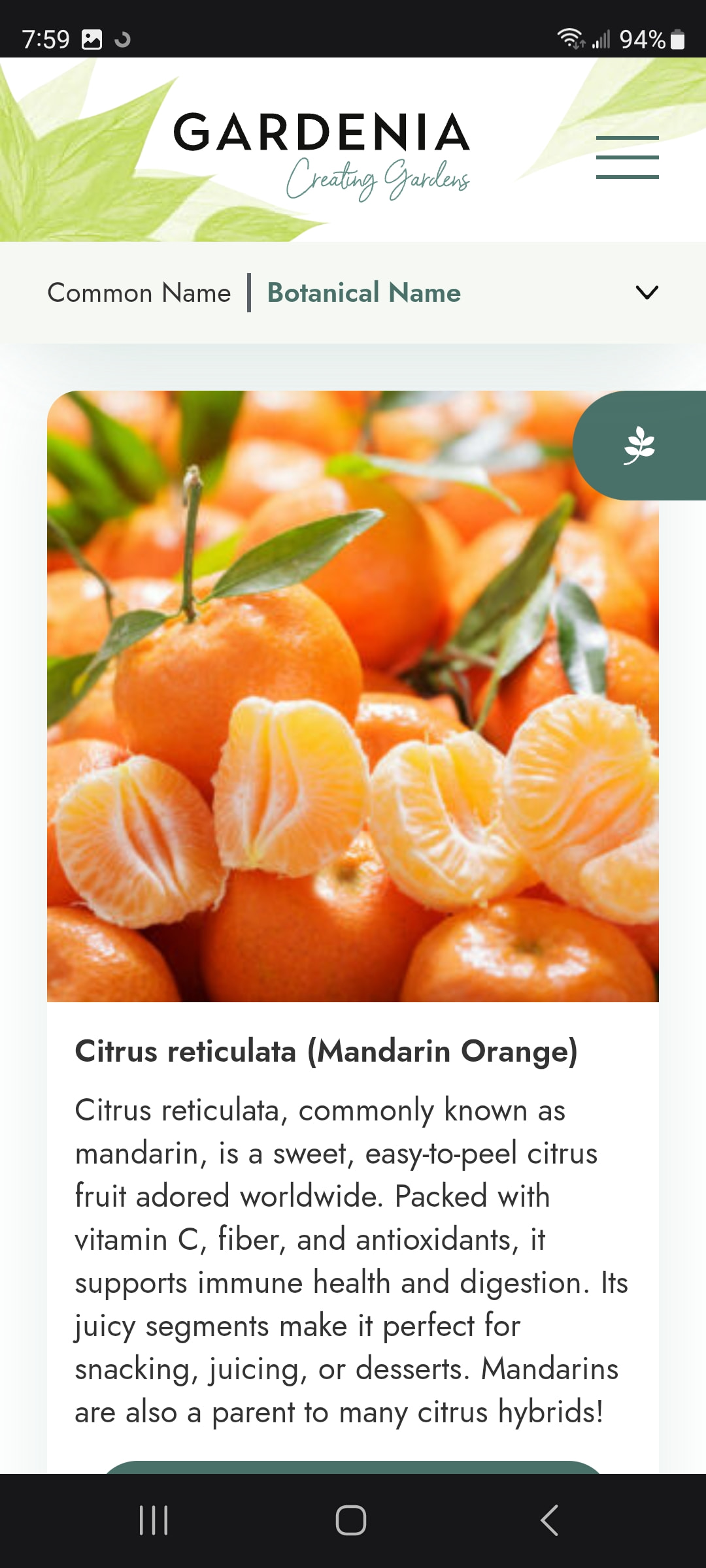
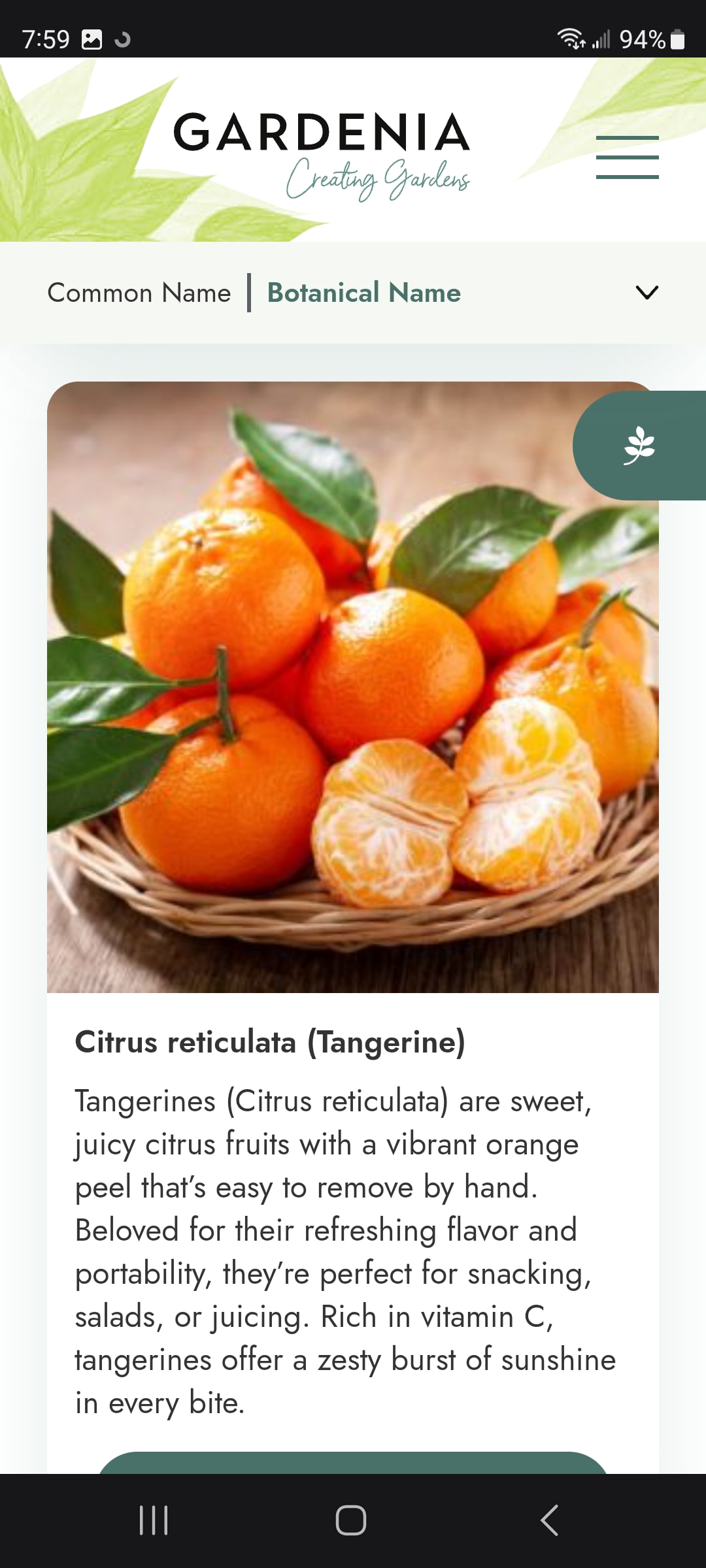
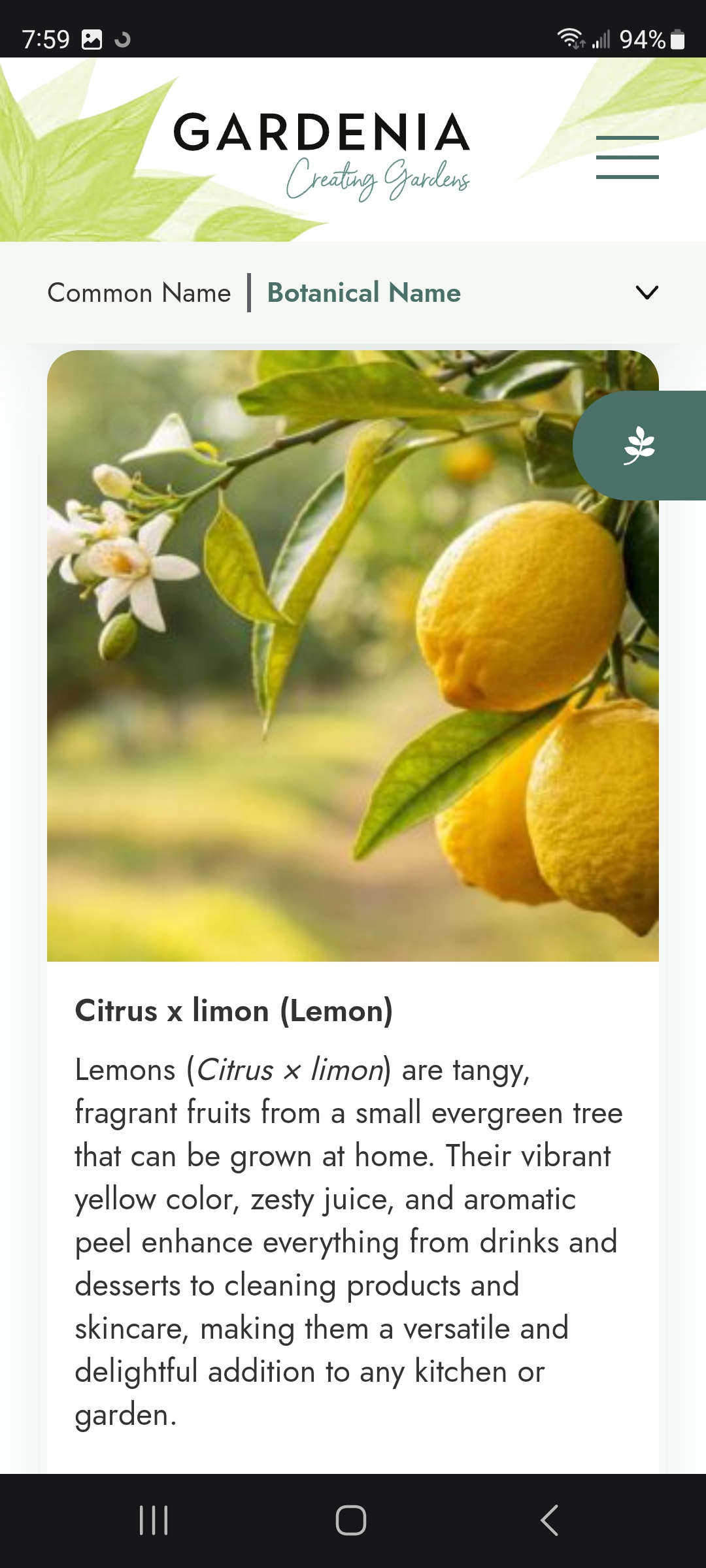
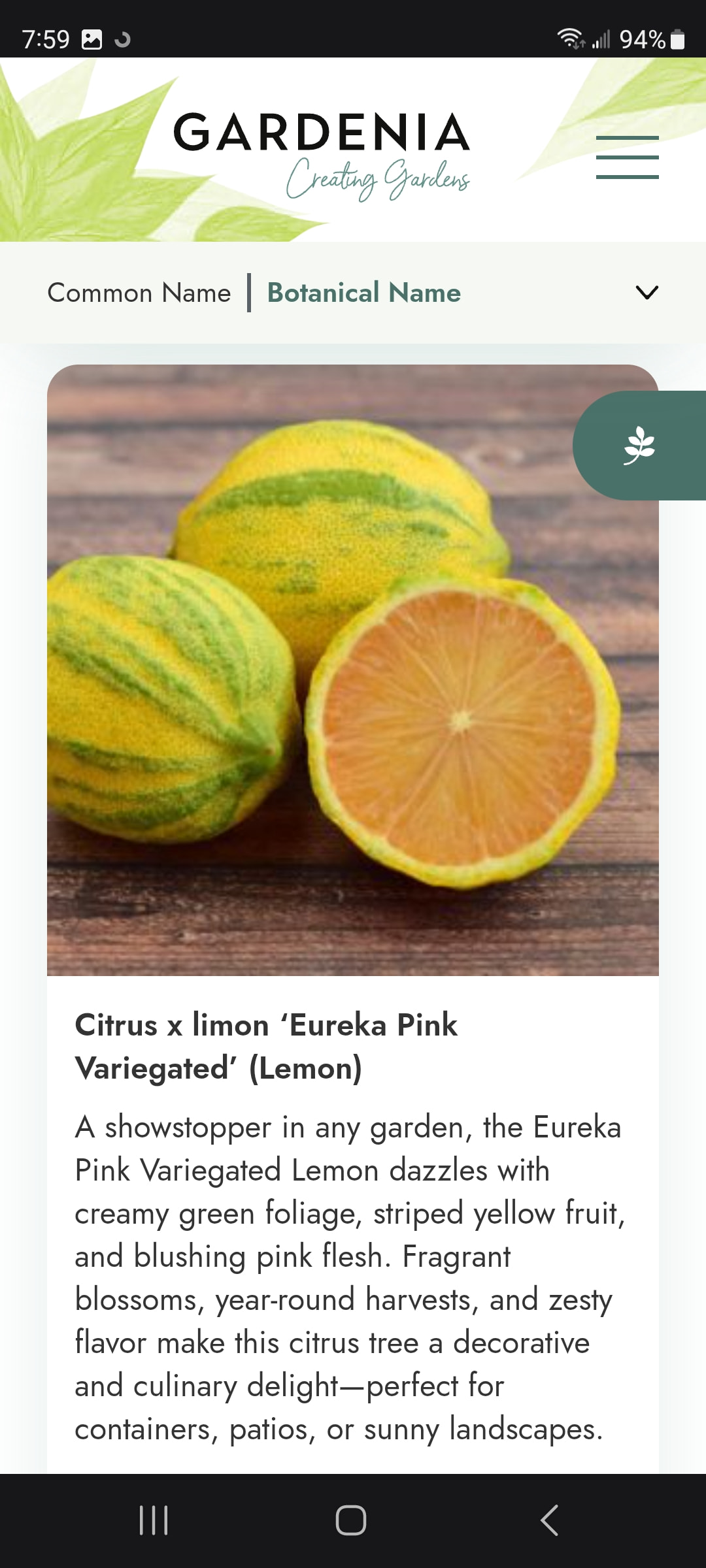
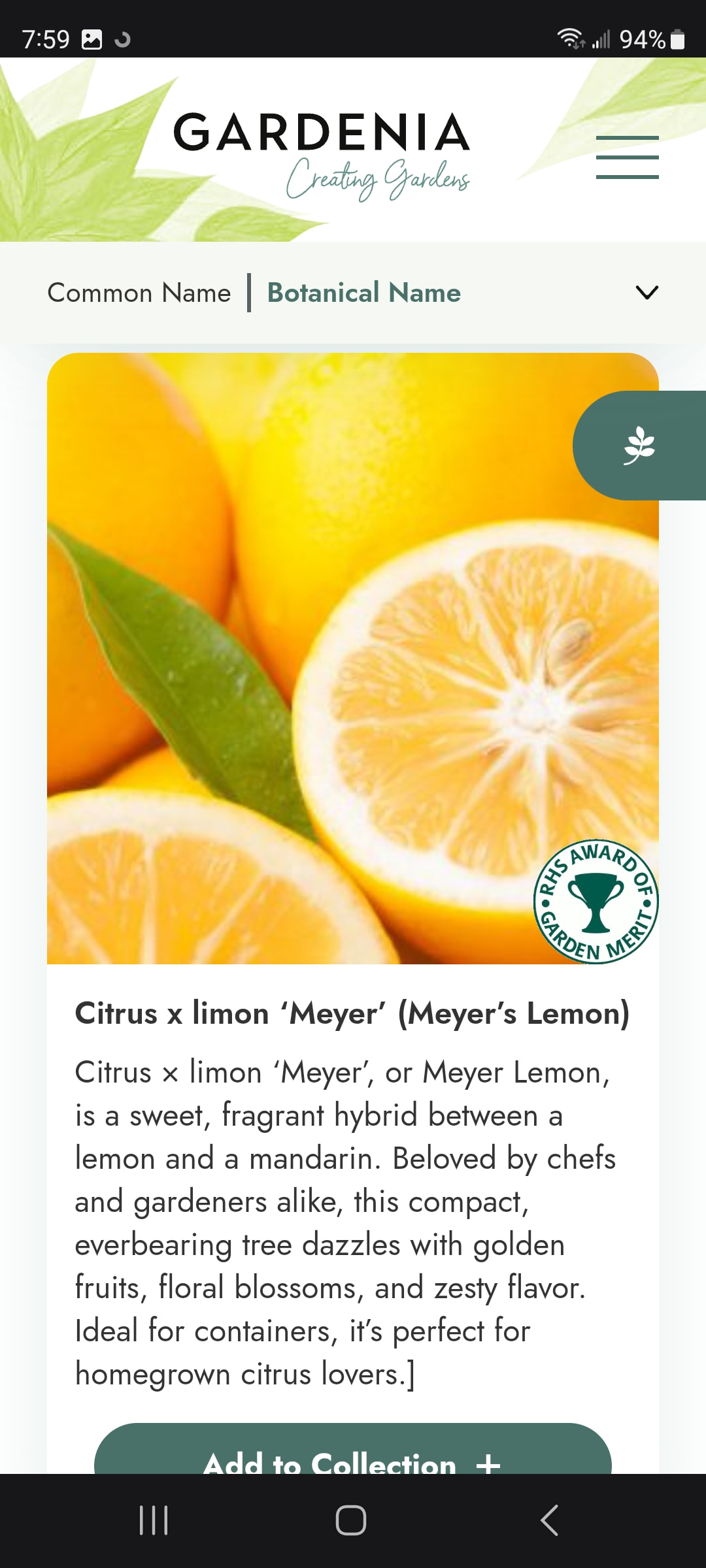
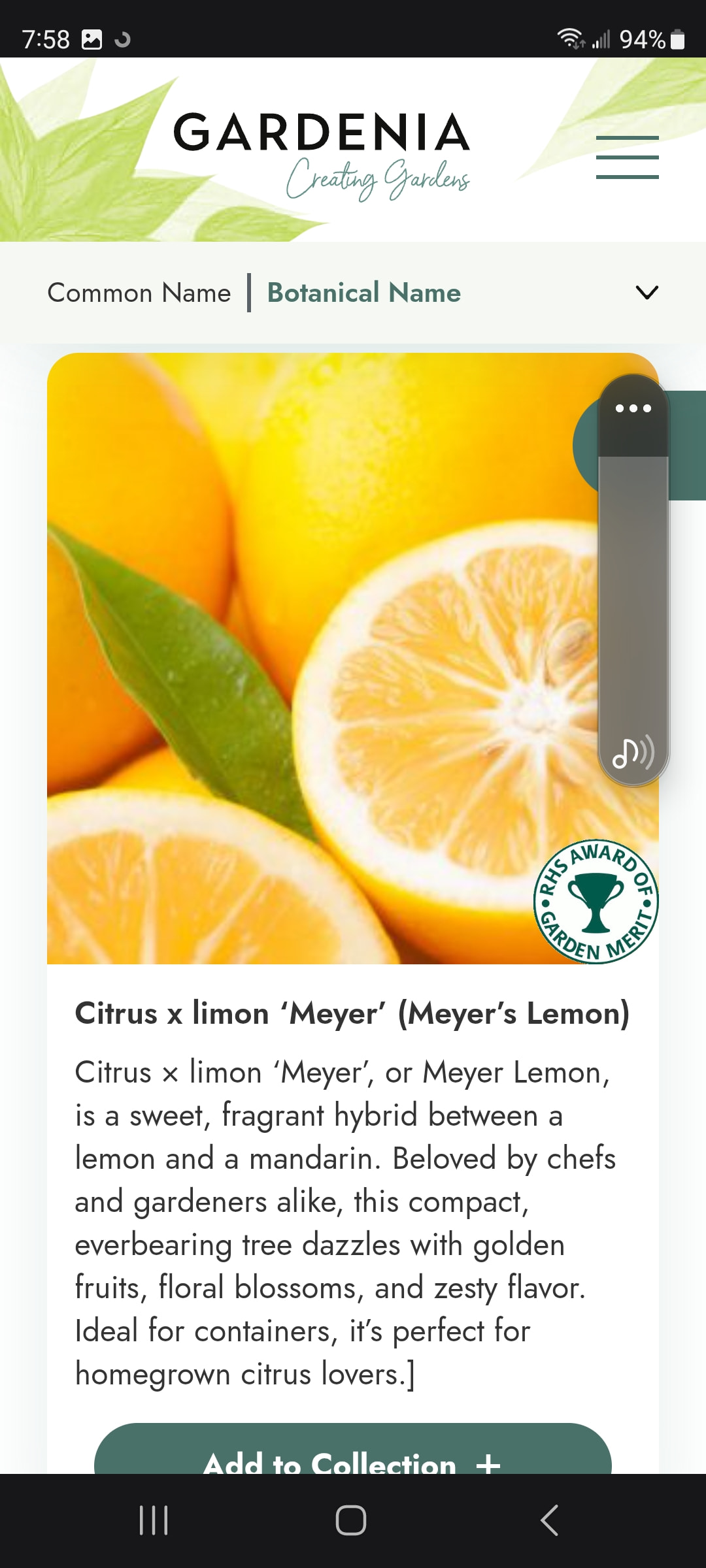
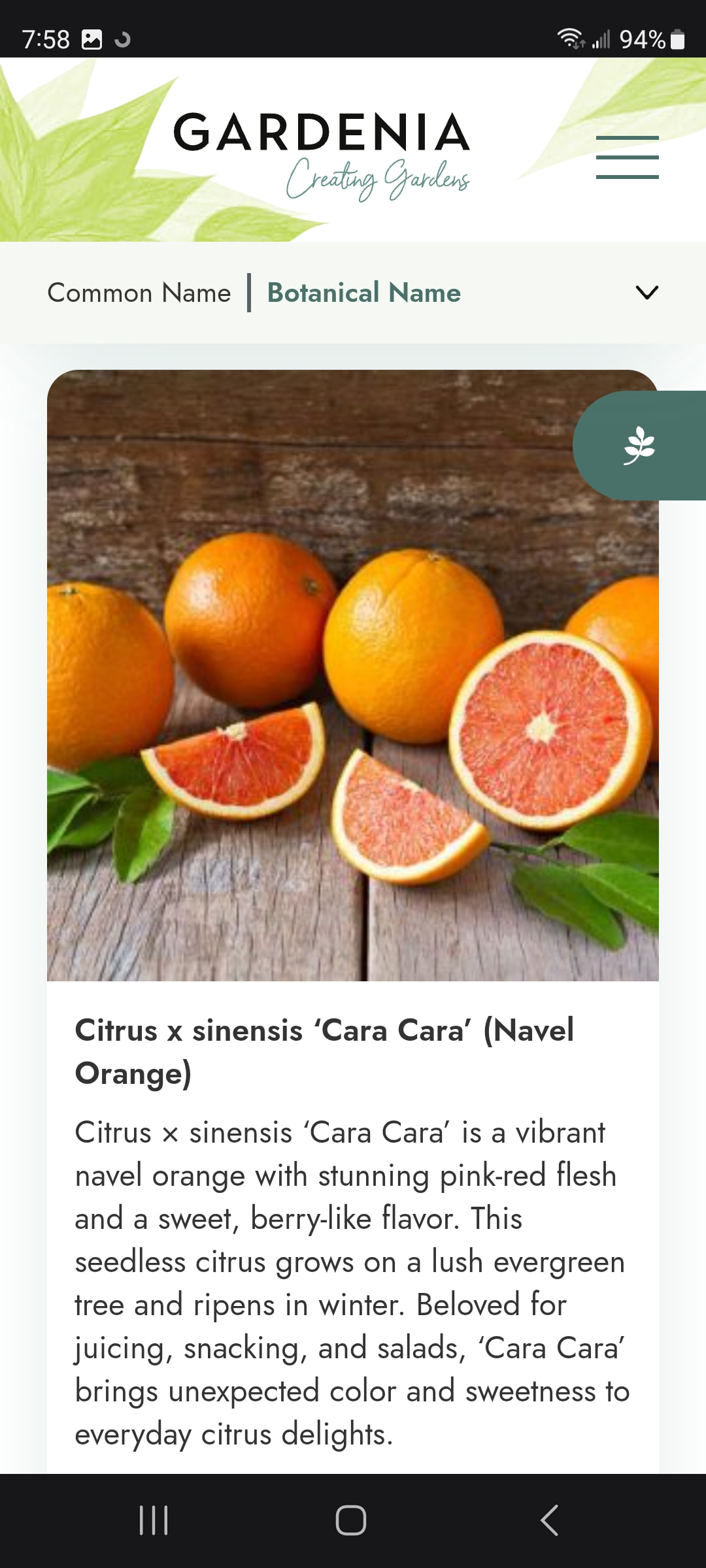
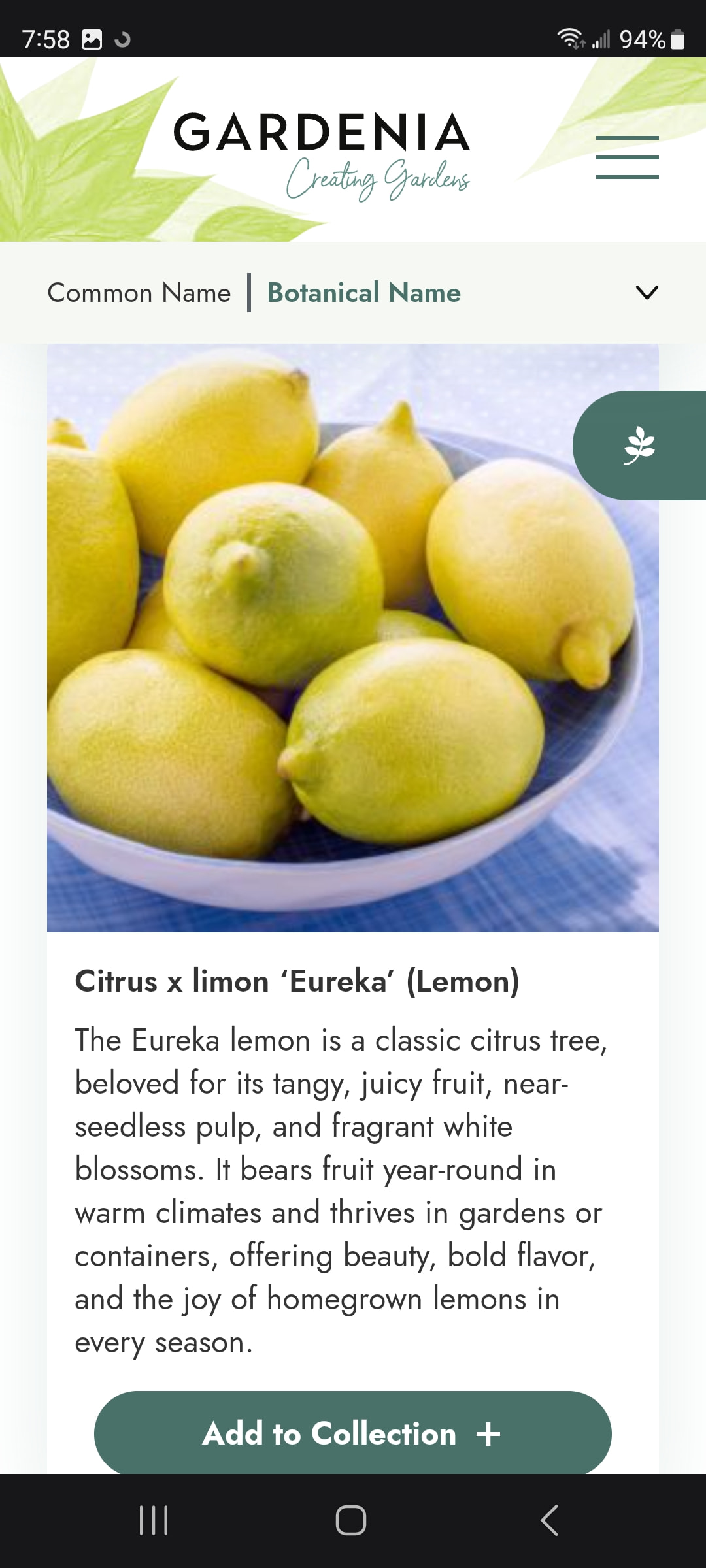
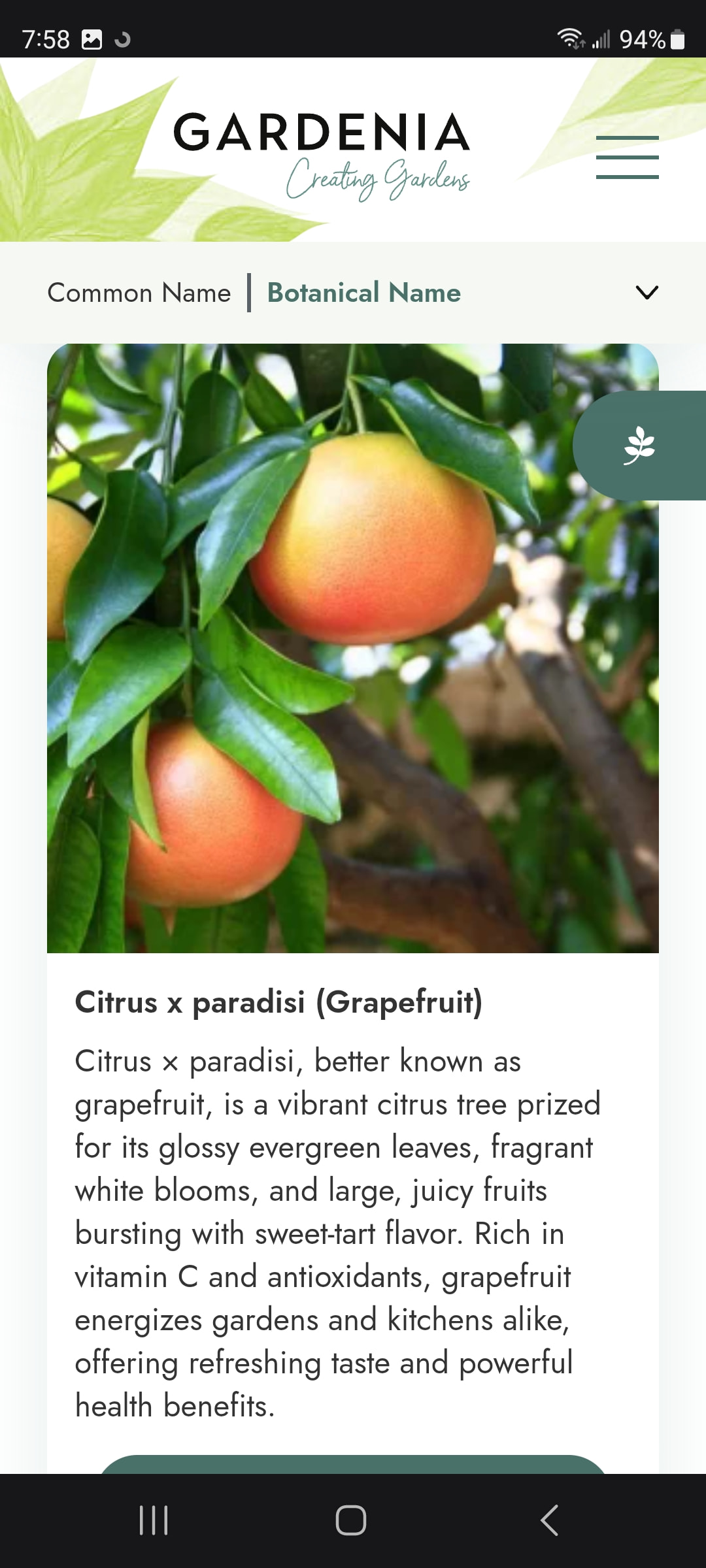
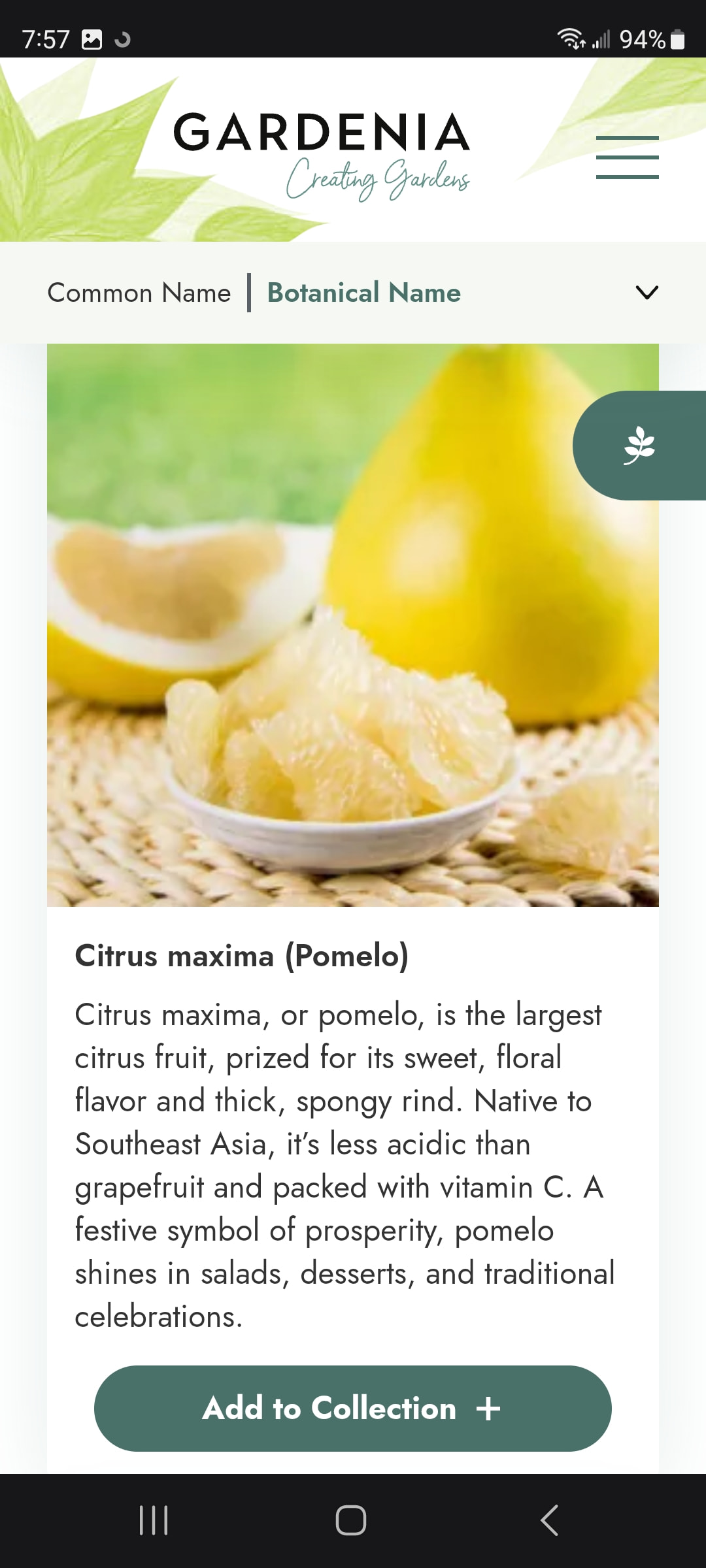
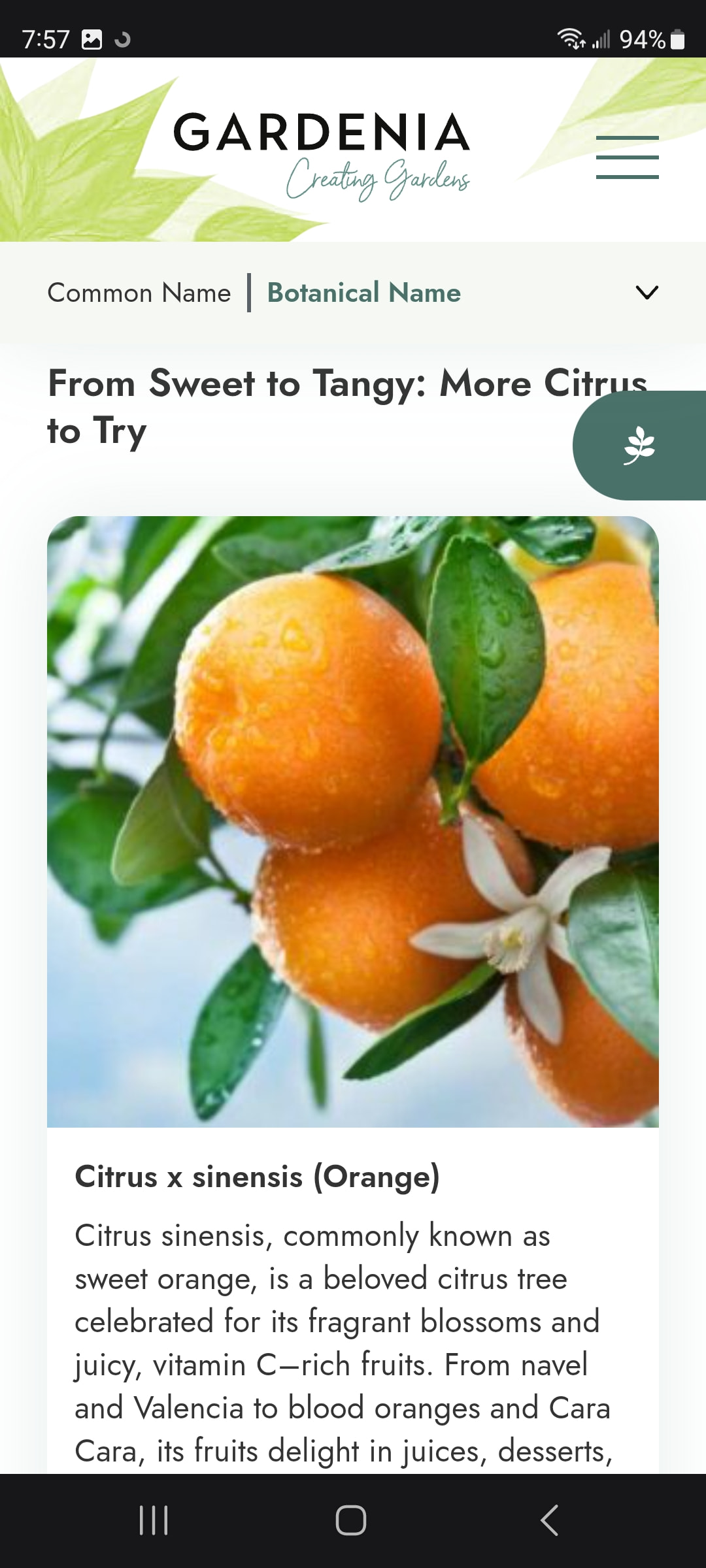
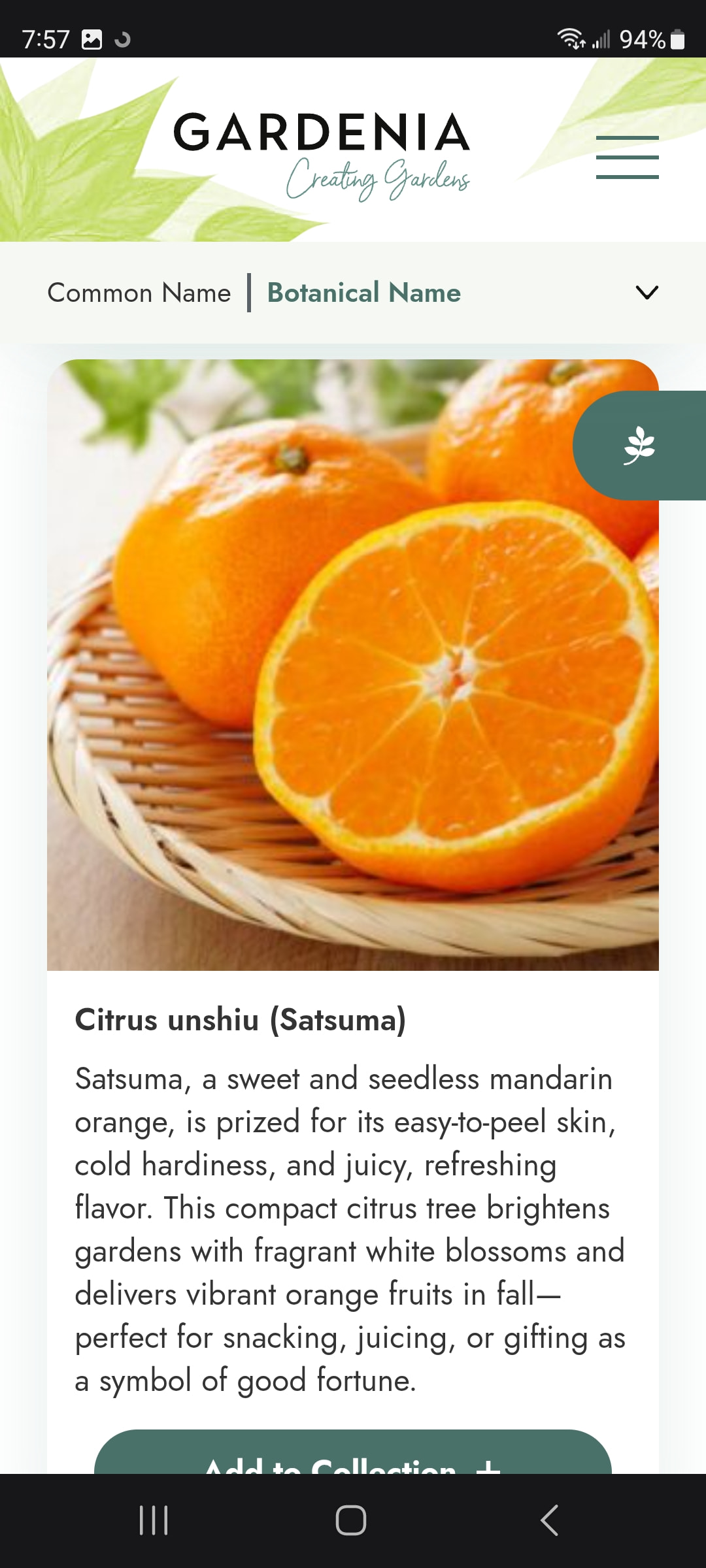
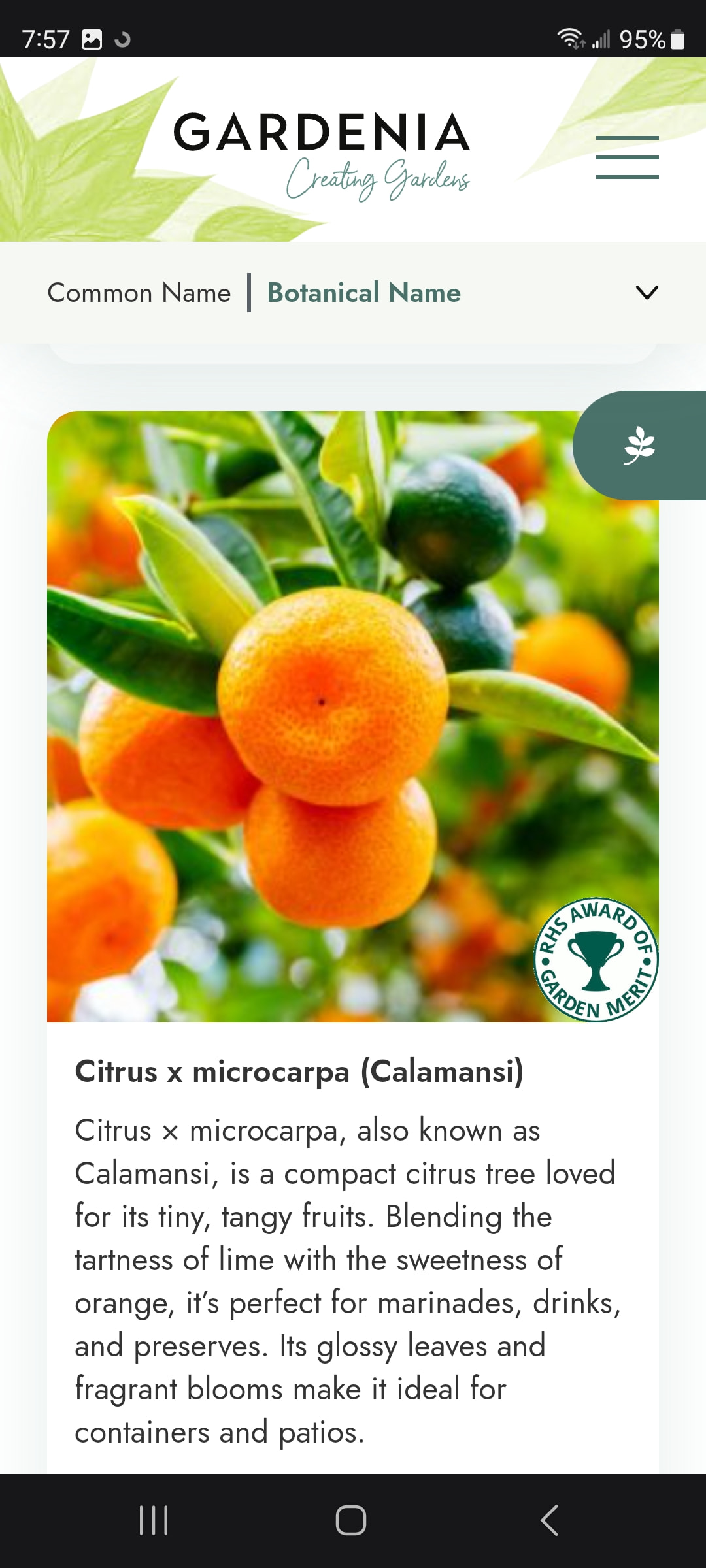
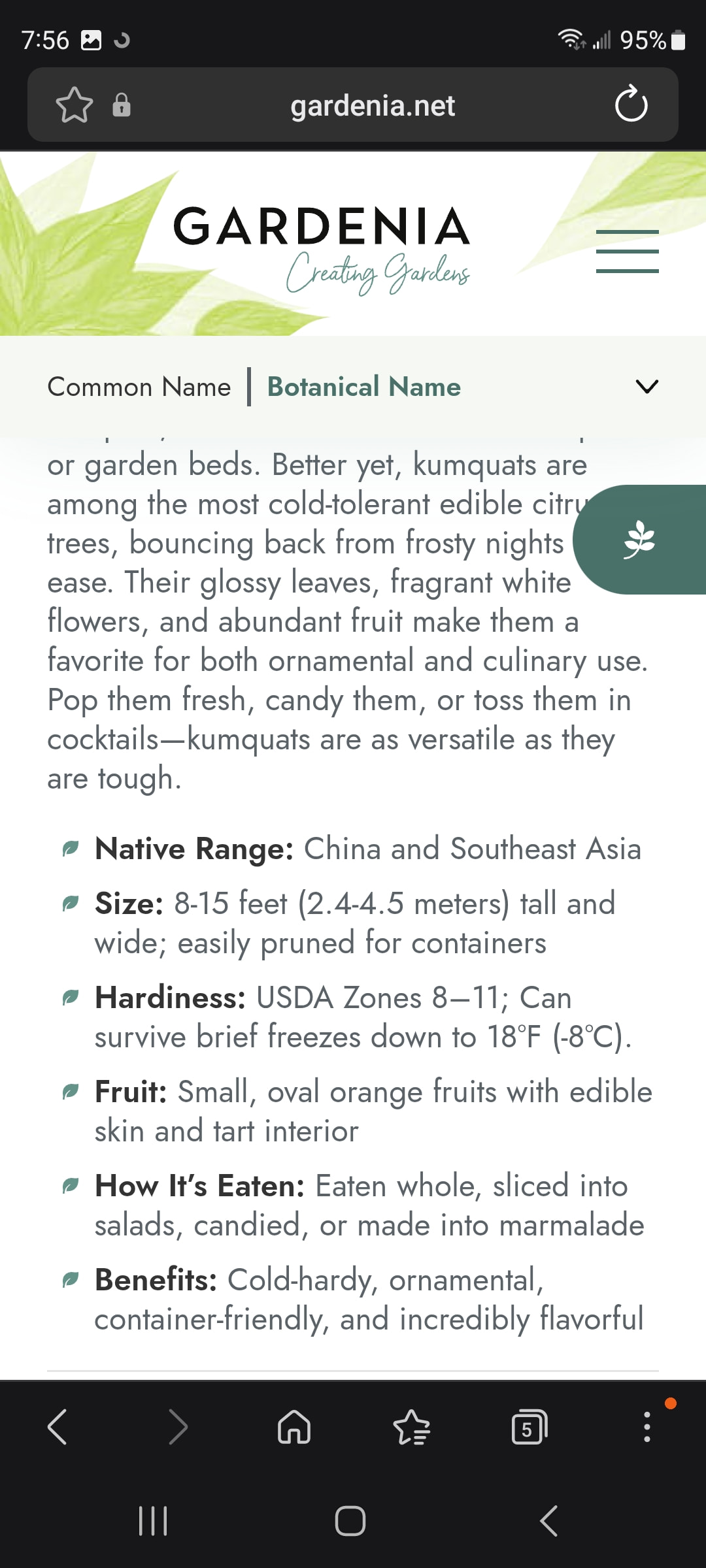
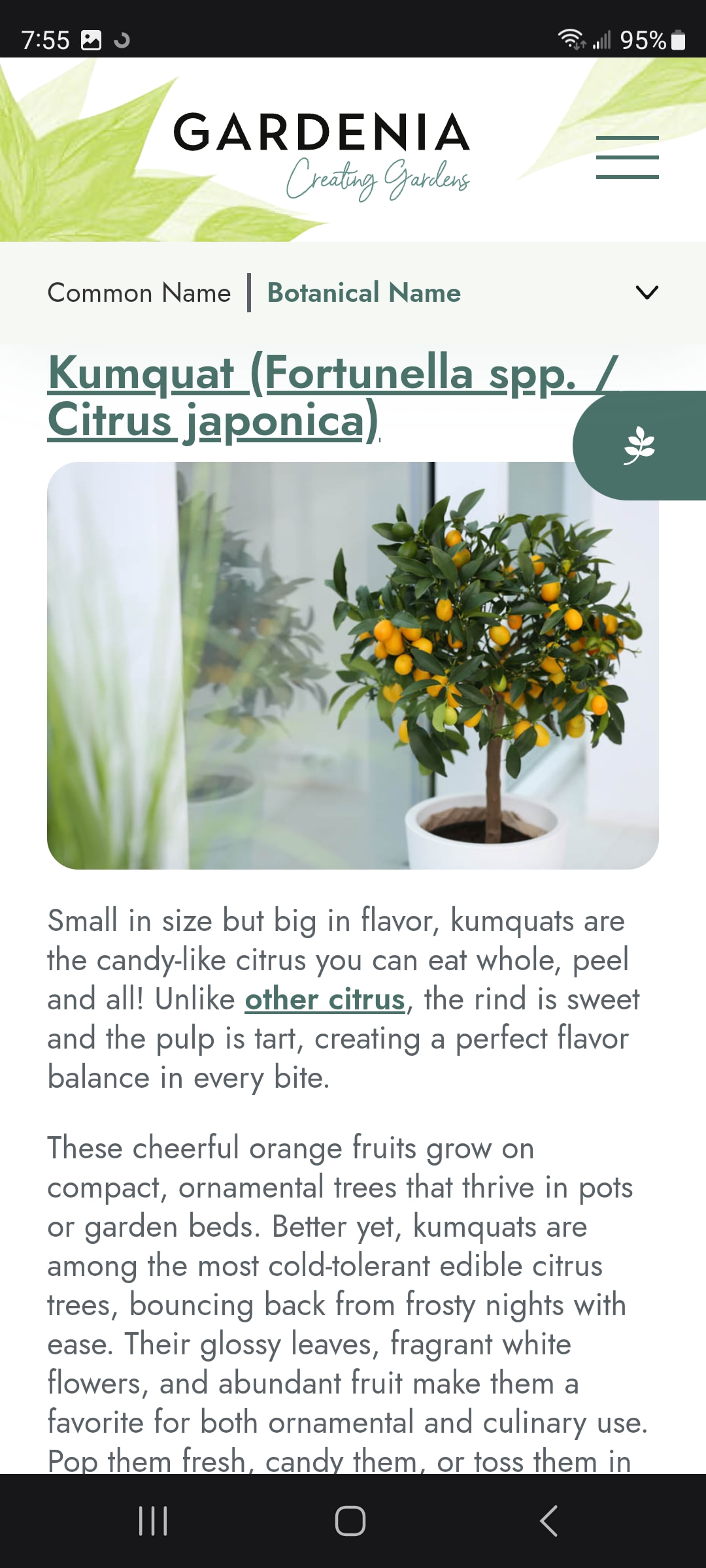
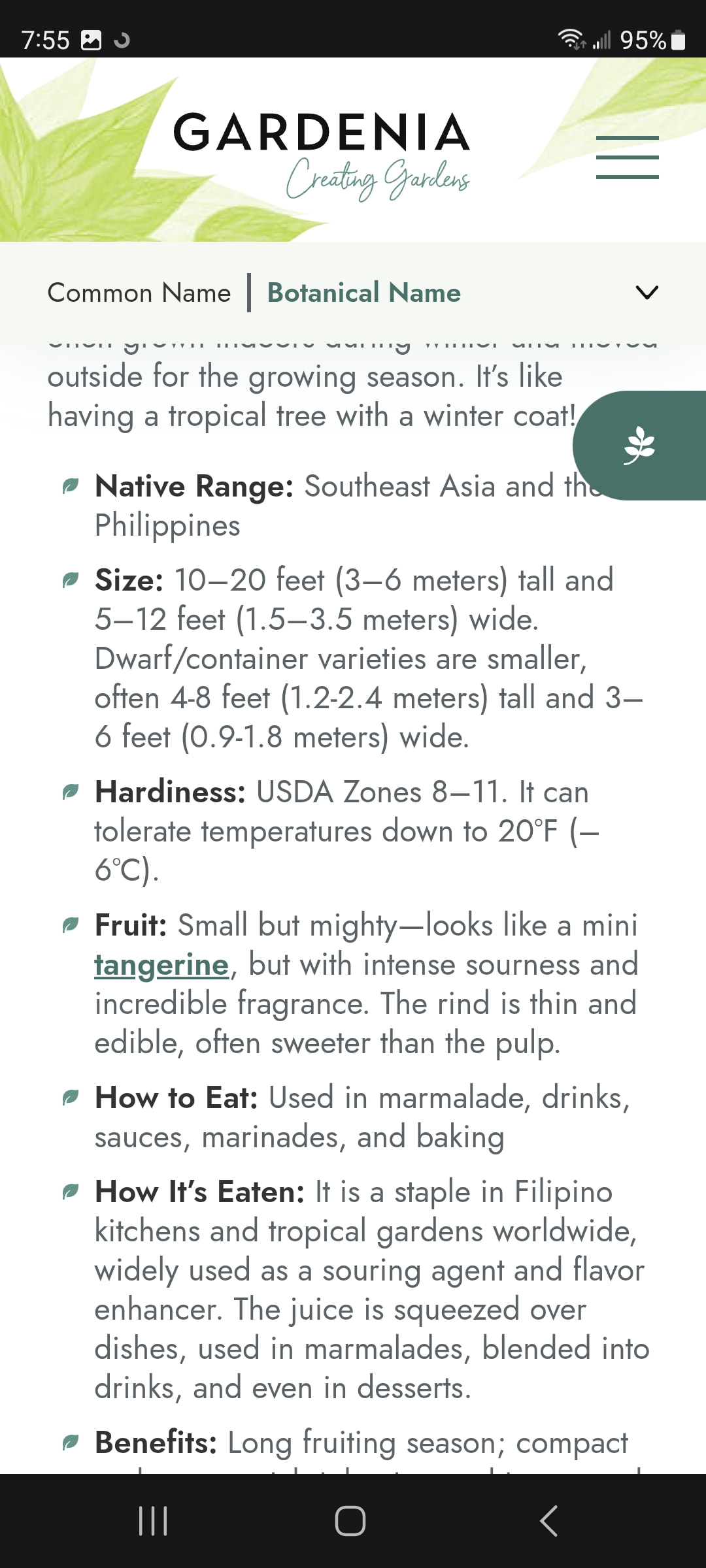
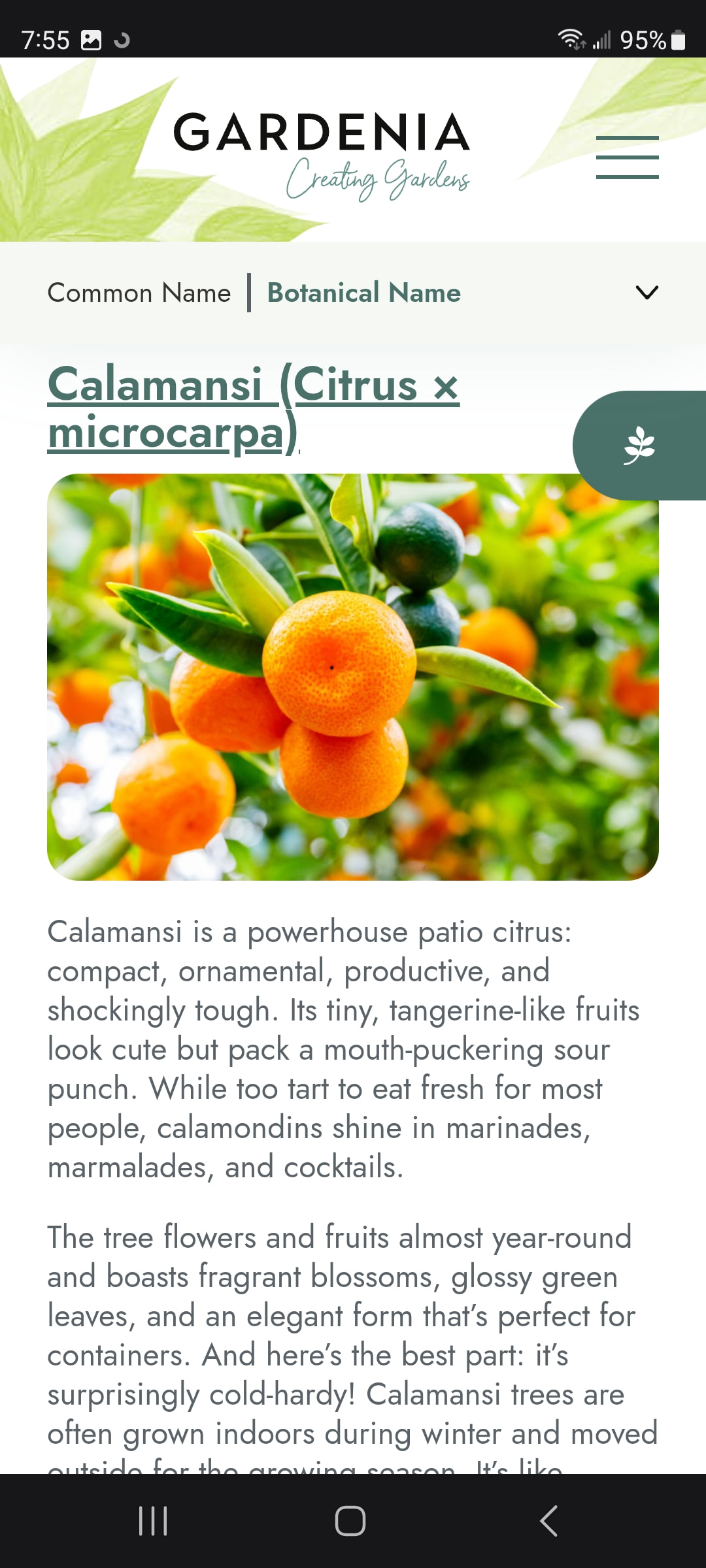
Let’s get on to the real Citrus and save a discussion on trifoliata for another time. Most citrus can survive 14 F to 20F. It is Hardier than you think. Some are not that hardy




1 Like
I get the impression this isn’t an active group. The website is unfinished, I recall coming across it a few years ago and it was the same. None of the links work either.
3 Likes
I’m going to fill in the gaps since I know more than the website about these I referenced. I hate writing up material twice. These hardy citrus all belong to a group now known as Papeda or papaeda. This is the common name for a group of Citrus species and varieties native to tropical Asia that are hardy and slow-growing, and produce unpalatable fruit. I will break it into a separate thread.
1 Like
If you ever want to spit something out of your mouth, bite into a trifoliate orange.
Going on memory, there are two species in China and one of them is more cold hardy. Both make inedible fruit though there are ways to separate the juice from the spit-out-da-mouf resin.
There is a very large patch of trifoliate orange trees about 40 miles south of Selma Alabama. This should get you to them. 32°06’25.2"N 87°05’40.9"W
They have 3 inch thorns that can puncture a tractor tire, the trees are somewhat invasive, and the fruit are not normally eaten by wildlife.
We also had this thread going for a while a few years ago. All Things Cold Hardy Citrus, news, thoughts and evaluations
4 Likes
I agree I even grew trifoliata outside here in Kansas several years. They are hardy as claimed and about as palatable as kerosene.
1 Like