I agree with you I love pawpaw but don’t overdue it.
They are delicious but if you ever eat to many you never forget it.
I agree with you I love pawpaw but don’t overdue it.
They are delicious but if you ever eat to many you never forget it.
Have you try the Kentucky HI 1-4 yet? It is supposed to be real good. I bought a few seeds three years ago and the seedlings are about waist high. Hopefully, they are mild like Shenandoah. I liked the mild paw paw flavor also.
Tony
Yes I have. Very nice fruit, sweet, firm, fruity but still mild. Good size and roundness. Seedlings definitely have potential. Usually they’ll fruit at head height.
Agreed. When I have shared pawpaw fruit with others - granted, early on, these were all just wild finds - folks immediately fall into two camps: those who find them delectable and can’t get enough, or those who find them disgustingly insipid and never want to see another one.
When I had my first pawpaw fruits, 30 years ago, I was in the first camp - I really loved them. Now, even though I have access to superior grafted selections, I can eat one fruit, and that is enough. I don’t care if I have another one until next year, or five years from now.
I’ve been amazed, watching some of the antics on the Facebook pawpaw groups, at folks making extensive plantings (sometimes 10 acres or more) of pawpaws - and often, these people have never eaten one! I wonder what their business plan is (if they have one), and what they intend to do with all that fruit.
“The (purchased) blueberries i had in my cereal this morning were disappointingly bland.”
Back when I was a kid in the 1960’s, I disliked lueberries because they had no taste. So I was surprised when we went camping up in the Smokies and found wild blueberries to pick that actually tasted good.
Eventually I found out that most commercial blueberries at that time were lowbush, with low acid, and many were the ‘Jersey’ cultivar known for being flavorless.
The more pawpaw I eat, the less I acquire the taste for it. One per year is more than enough. My oldest does like them though, so I keep the trees. Who am I kidding- even if nobody in the family liked them, I would probably keep the trees and just give the fruit away to others. No sense in cutting down (semi) productive trees that don’t cause me any trouble 
And same for Asian pears. I do like 1+ pounds of jujube or cherries in a sitting, but probably shouldn’t, given how much sugar there is in them.
the point about opening one and not being able to finish it rings true. they ripen so fast once you pick them that you end up wasting half anyway. a smaller fruit that keeps for a day longer seems more practical for most people.
I think probably the most critical thing about PawPaws is trying to breed the neurotoxin (annonacin) out of the fruit or drastically lower it. I feel like there isn’t enough research on the amount in different varieties.
That and focus on making dwarf style trees for home growers. Because of those 2 things I really have no interest in PawPaw trees. Although I do keep my eyes out for any new information regarding it.
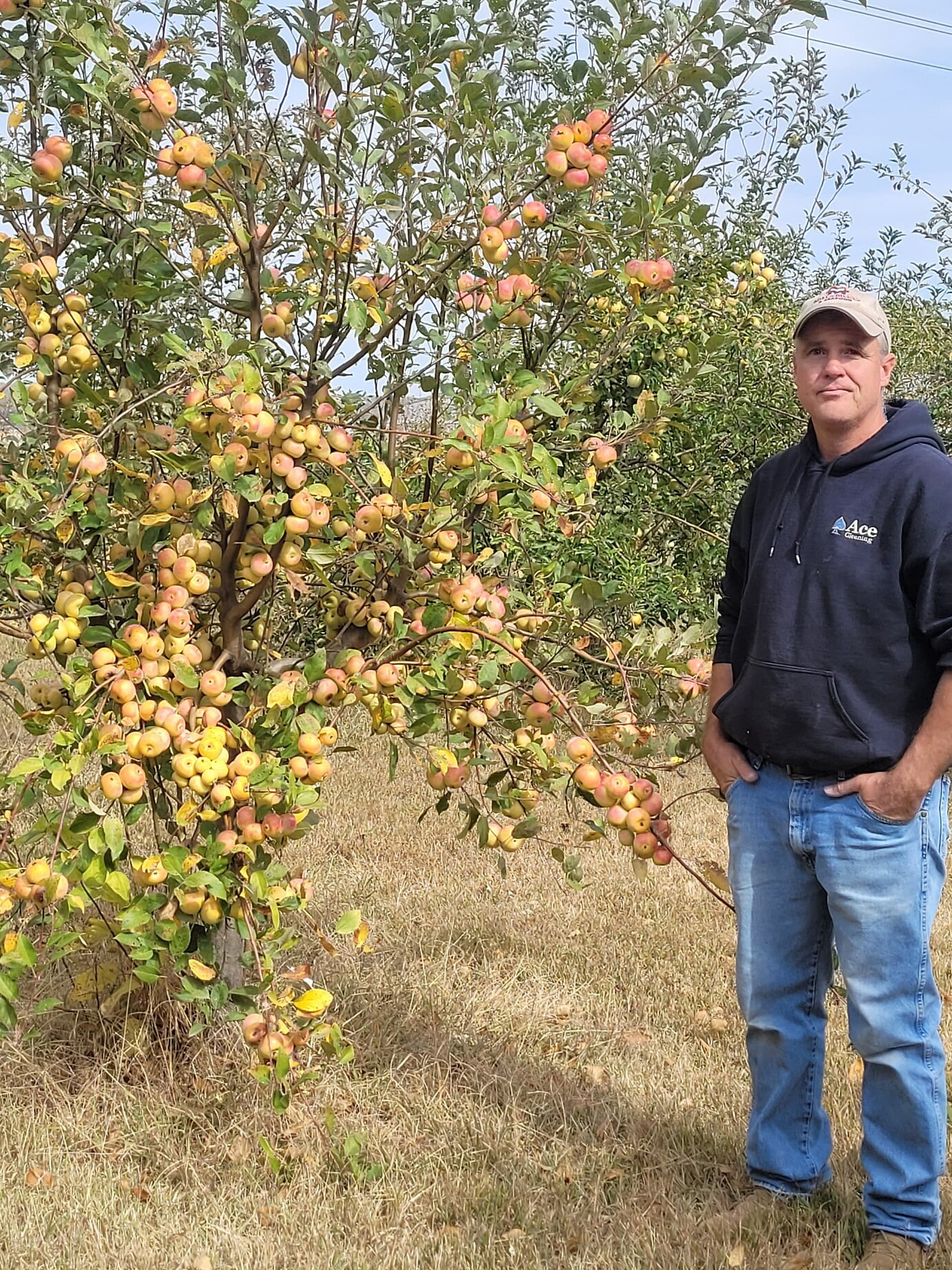
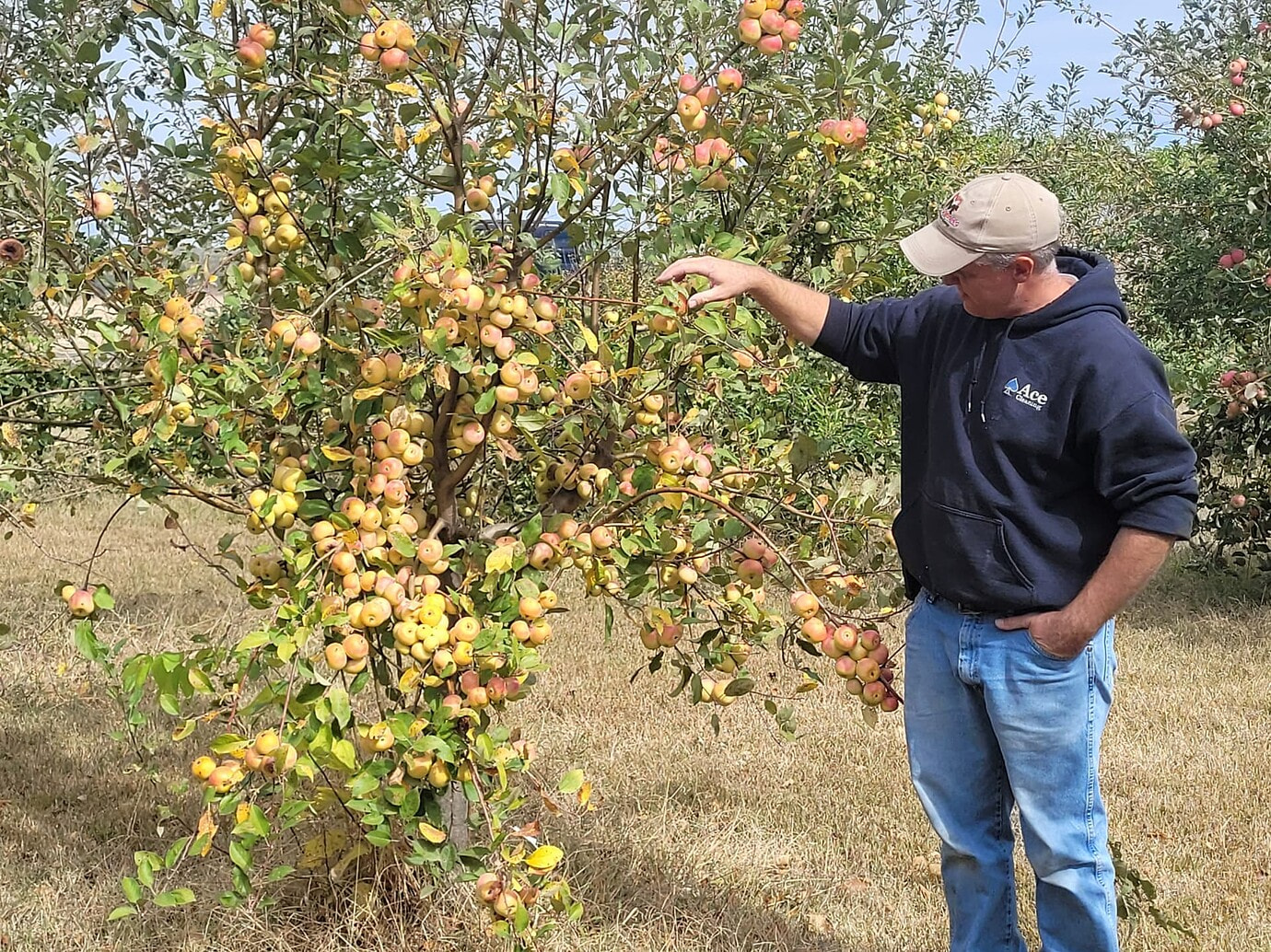
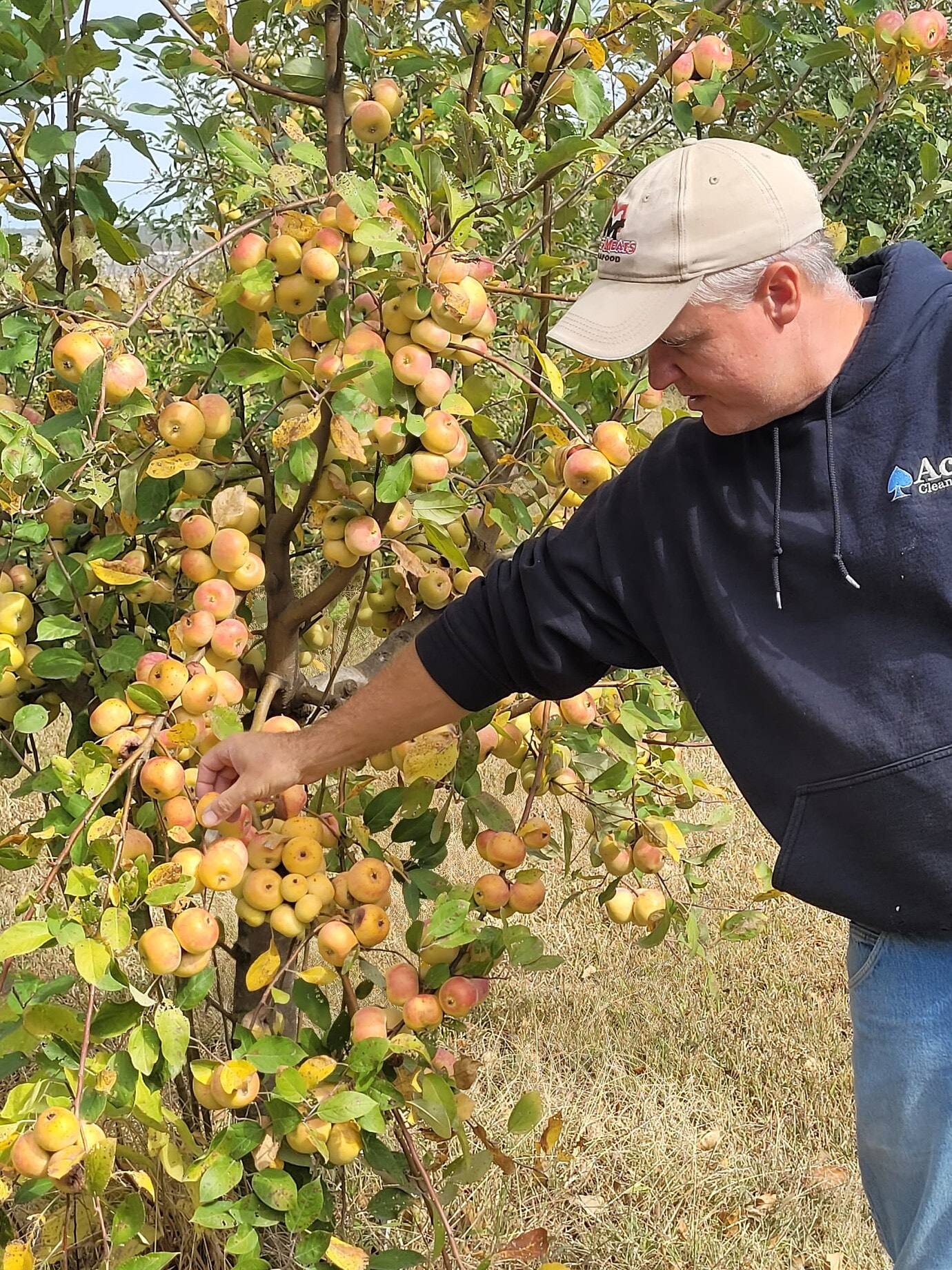
Keep fighting the good fight. Big things come in small packages. Many people told me the clarks crabapple I developed would never be popular because of its size. They were all wrong it is enormously popular Clark's Crabapple
This is my close friend Mike that owns the 39thparallel.com orchard . Mike is the type of guy who would agree with you on breeders looking for the wrong attributes. We have all tasted a wild strawberry or wild blueberry and that is what this apple did when it turned the apple industry sideways with its small size, good production, and highly addictive fruit. The point you make about size of fruit is 100% correct.
People dont just do it with fruit. We remember a time when the bigger cars were most popular. Glad you made this thread. My apple was developed by my hands and God’s will, the same makes it more popular everyday. God deserves all the credit.
I feel that, and one thing I would add is that there is a big difference between cultivars/selections/wild trees. I only eat maybe one a day during the season, but the great ones keep me searching for the next great one. I have had plenty of mediocre fruit, but I have also been lucky to have tasted some really excellent fruits. Right now there is demand, and a very small supply of excellent fruit.
They can be kept small with pruning, and I don’t see them as any more dangerous than eating avocado. Not a fruit you’d eat every day, but limited to about a month a year, where you might have one a day, is not going to be enough to cause any issues.
People have consumed pawpaws seasonally for millenia. As selections get larger and better tasting I think its reasonable to think it’s possible that we are also selecting for lower acetogenic compounds. Some fruits are noticably bitter(good sign not too eat them), but some are much more appetizing vs just barely edible. The problem we face now is the data collected on acetogenins was inherently flawed and doesn’t have a large enough sample size to provide insights.
Does this variety taste like cotton candy to anyone else? Easily jumps to the top of my wishlist for pawpaw if that’s the case. I personally find all pawpaws to taste very similar and I have been looking for the unique flavors.
This is a comparison that makes no sense. Avocados aren’t toxic to people in reasonable doses, you can eat multiple daily and your body is able to take care of the toxins, if you were a bird it might be different.
Pawpaws we KNOW it’s toxic AND our bodies don’t break down X amount per day like the avocado toxins. The EXACT same compound has been shown to cause neurological issues in people in the real world, completely different level
Some selections are lower but many have plenty of these compounds and still taste good, the correlation between bitterness and these compounds is weak at best
I heard from Tim Castellow, who sells a lot of pawpaw scionwood (pretty late into the season as well, got some in mid June from him), that he really enjoys this variety.
Normal fruit consumption yields normal results. There is no data to show that the amount of these compounds in the pulp of the fruit is anything to worry about. I was not suggesting that it is as simple as selecting for bitterness, just that it is already a trait being selected for.
The data I have seen seems like they were not even able to extract the compounds consistently and they had a tiny sample size.
No one has tested or even simulated pawpaw digestion, and measured the annonaceous acetogenins and how they are broken down. My biggest critique of the scared position is that where is the proof that regular consumption is harmful?
I agree that in cases of massive amounts of consumption are going to cause problems, but one a day for a couple weeks a year is not going to hurt anything.
I don’t think we need proof that it’s harmful. We need proof that it’s safe. And that proof doesn’t currently exist.
Probably low risk, but we don’t really know.
Don’t we have proof that Native Americans didn’t die from eating pawpaws?
exactly the kind of proof I need. Evidence of seasonal consumption. I am okay with people being scared of them, but I do think it’s silly.
not to mention all of the other anonas eaten.
At any rate proving something safe is impossible. what yo can do is do some more studies on it but honestly it is an extremely low priority on the realm of what studies I want to see. I guess in a few years they can do some surveys of paw paw eaters and use that data.
We don’t have strong evidence that seasonal consumption of pawpaws doesn’t increase the risk of neurodegenerative disease. I’m not aware of any evidence on neurodegenerative disease rates in historical native American populations that ate pawpaws.
We do have some evidence that populations eating the related fruit soursop, and other parts of the plant, who had year round and potentially higher exposure levels, have higher rates of atypical Parkinsonism. The effect could be caused by soursop or by something else, but acetogenins are a prime suspect because they cause parkinsonism in rodent experiments.
The evidence isn’t strong but it’s enough to make me cautious. I love pawpaws but there are many other good fruits. Others may have higher tolerance of this probably-small risk and I don’t think that’s unreasonable.