Fig cultivars of the same name are not reliable. It would require a single mother tree per cultivar, plus a coordinated effort between growers in various hardiness regions – all using the same scions.
3 Likes
Now we just have to get a group together and a source of starts from the same source😅.
1 Like
My interest is related to ancestry. In my 10b hardiness zone, I’ve noticed that my F.j. afghanistanica and immediate hybrids with F.c. carica begin dropping leaves around November. Alternately, my F.p. palmata and immediate hybrids with F.c. carica will wait until January to drop leaves – if at all.
I’ve also observed other landrace figs of unknown ancestry that drop leaves across this entire spectrum of time. Whether this is due to ancestry or centuries of conditioning in the same location is unknown.
4 Likes
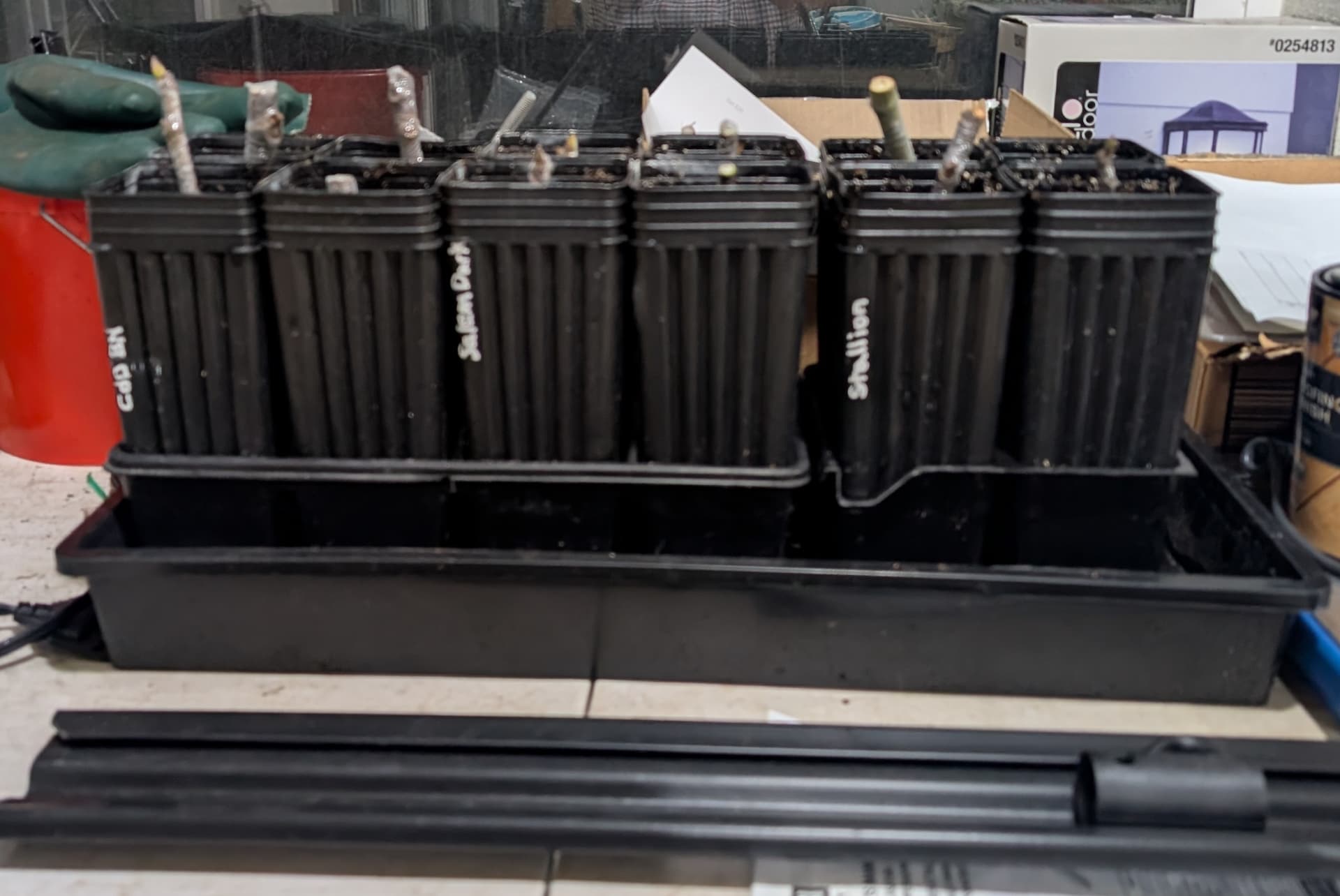
Today I started eleven cuttings of Coll De Dame Blanca-Negra, Salem Dark, and Stallion indoors. They are claimed to be closed eye figs. I have doubts.
4 Likes
active outdoor leaf sprouts 2026/1/1
Black Capri
Black Celeste
Capri Q
Kafe Te Gjate
Marius’ Negretta
4 Likes
Mine is currently dropping whatever crop it is bearing. They are green, about 1.5" long and 3/4" wide.
2 Likes
Makes me wonder if persistent caprifig’s do sometimes produce a mamme crop. But abort them. Thank’s. That gives me something else to look for.
3 Likes
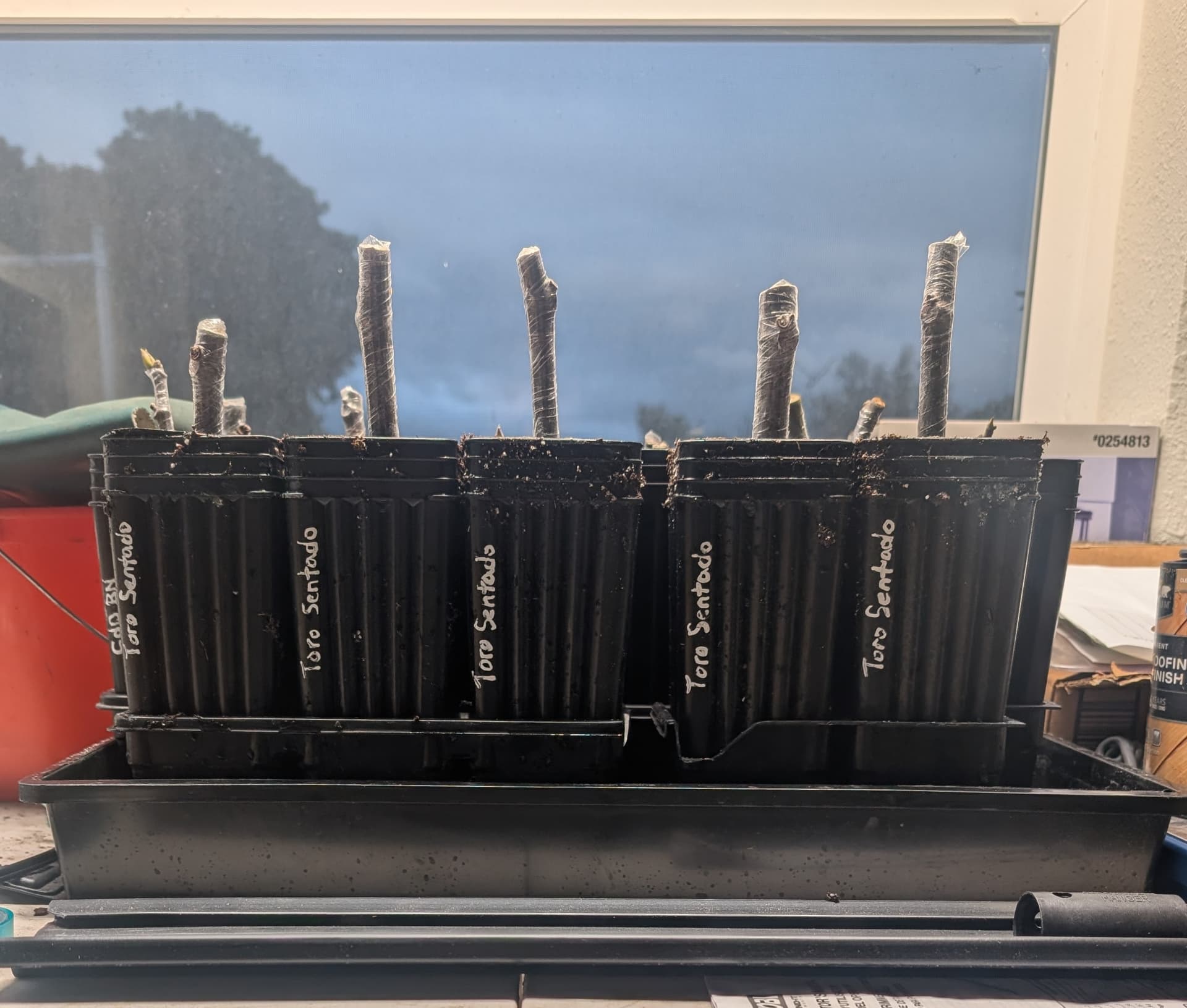
This afternoon I started rooting five Toro Sentado scions, which are claimed on OurFigs to have closed-eye syconia.
4 Likes

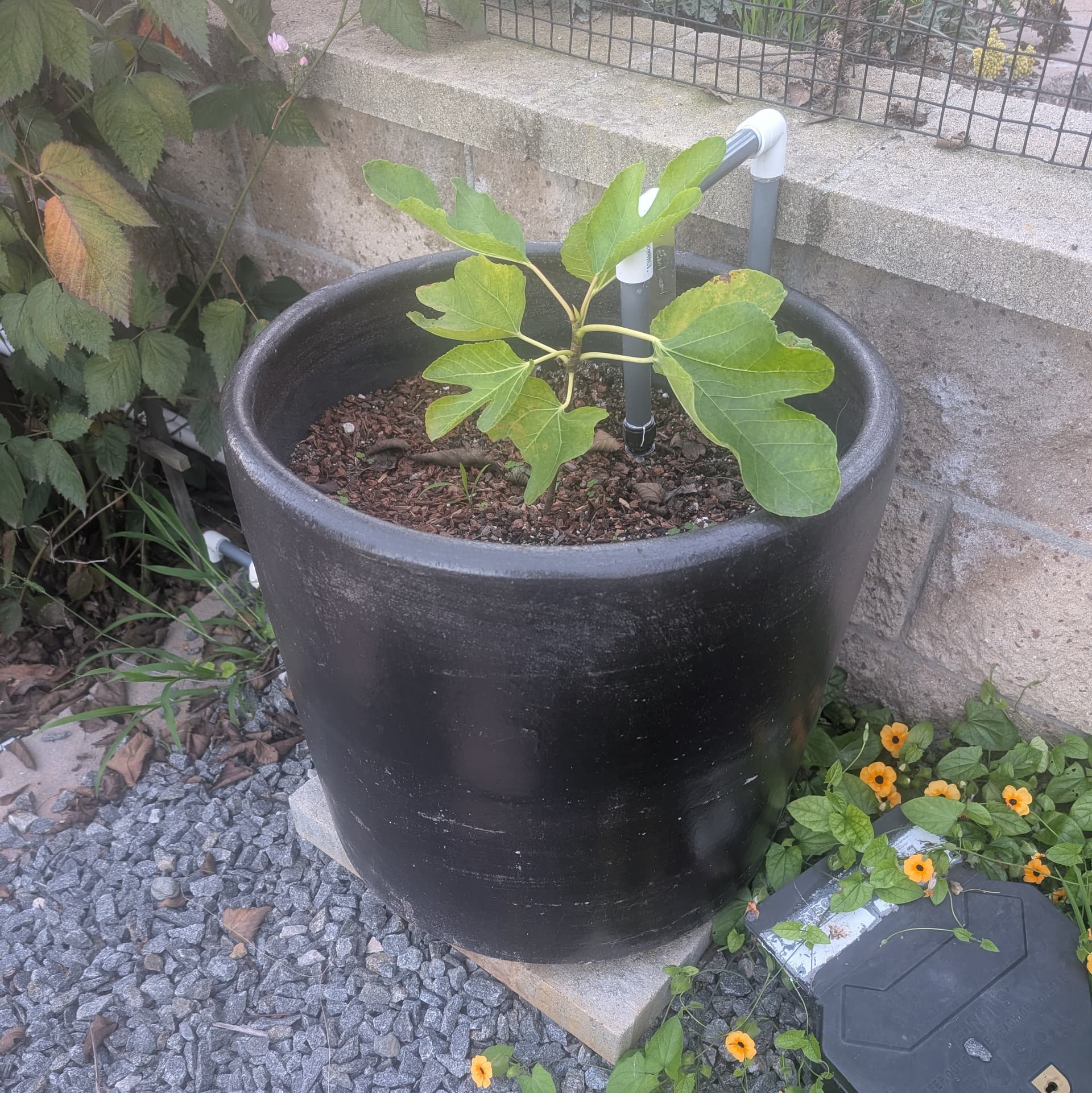
Here in zone 10b, we have 10 Caprifigs outdoors year-round in ~20 gallon pots. Three of them, Roeding #2, Girsh, and Wild #1 have dropped their leaves this “winter”. The remainder haven’t bothered. Here is Enderud:
5 Likes
4 Likes
While at the PAG 33 conference, I met with my colleagues at Arizona Genomics Institute who have been sequencing my 18 Fig and 1 Rubus specimens. It turns out that two of the Figs are likely aneuploid, meaning that there is an extra copy of one or a few chromosomes.
4 Likes
Very interesting. Did they say which ones?
@snarfing
Let’s wait for the ploidy tests.
1 Like
This morning I saw the results of the k-mer analysis from the 18 fig specimens I had sequenced. Here’s a few tidbits.
The two possible aneuploids are ‘Janice Kadota Seedless’ and ‘Adriatic’ (DFIC 32).
‘Anjeer Koji’ is a cultivar of Ficus johannis subsp. afghanistanica.
‘N1’ is a hybrid of Ficus carica subsp. carica and Ficus palmata subsp. palmata. There is no information yet on which might be the seed parent and pollen parent.
6 Likes
mike fons (figfair.com) has grown out many figs from seeds he harvested from dried figs he imported, and many, if not most, look similar to ‘anjeer koji’. but i’m pretty sure that the dried figs he imported were all ficus carica figs that had been pollinated by wild johannis, which would make them ficus carica x johannis rather than pure johannis.
on inaturalist, whenever i run across a fig with leaves even a bit more finely divided than carica, i id it as johannis and then tag my friend mahdiraeisi in iran who nearly always disagrees with me and labels it as carica…
part of the issue is that on inaturalist there’s no option to id a plant as a hybrid between carica and johannis.
3 Likes
@epiphyte
The ‘Anjeer Kohi’ specimen I sequenced is from Michael Fons, who in turn obtained it from Bass.
I’ve previously told you that I’ll never use iNaturalist, owing to the high percentage of misidentified plants. It is an echo chamber of misinformation.
I’ve also told you that identification of plants by leaf shape alone is folly. It is especially poor for cultivar ID.
Further, please notice that both F. carica and F. johannis are categories, each containing two subspecies. In both cases, one of the subspecies is a landrace of hybrids. Thus, “a hybrid between carica and johannis” is irrational.
The focus of my genome research is to develop deterministic genetic methods for horticultural cultivar discrimination and ID. I am writing a four-part paper on the subject. Part I is currently under review. It has taken awhile to find a journal with reviewers who have the requisite background in college algebra, freshman statistics, and modern genetics.
5 Likes
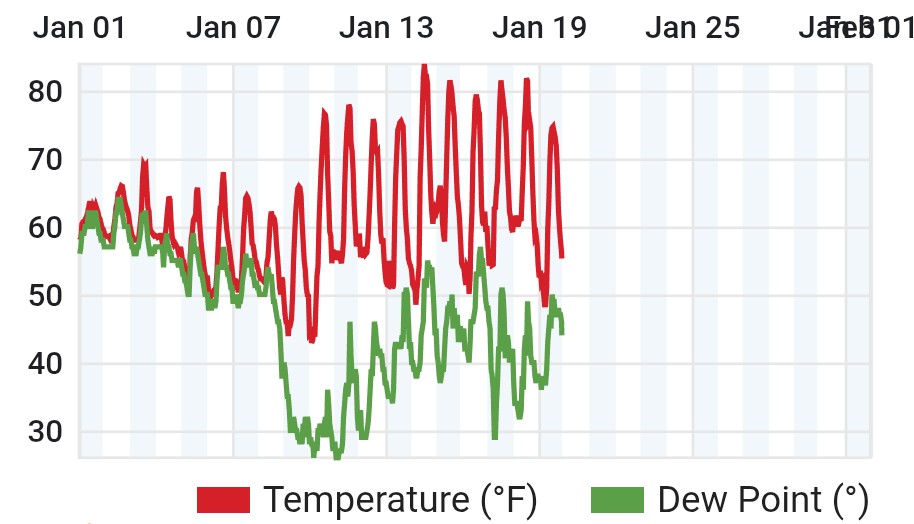
2026/1/19.
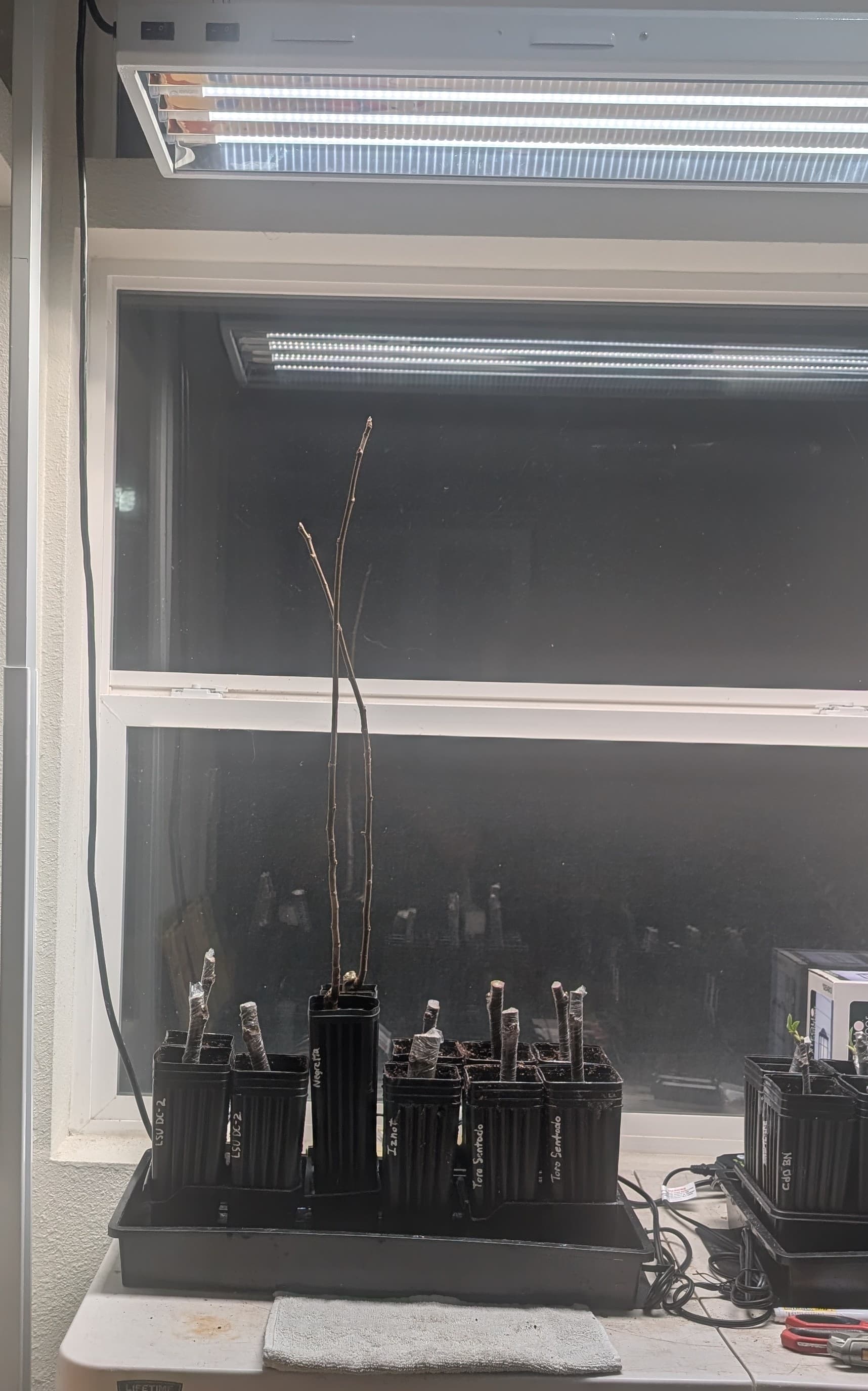
17 of 20 scions have sprouted leaves. The two saplings have bud swell. Now I’m waiting for roots to appear at the bottom of the pots and warmer overnight weather outdoors.

6 Likes


6 Likes
I see you still have your christmas tree up, very romantic  .
.