Unfortunately for me my data disagrees. I track my humidity and soil moisture of 25% of my pots, when there is a burst of soil moisture they split, our humidity has been very low compared to normal and still splitting. If you check some of my posts on various platforms I track very detailed info about everything.(Especially VPD)
Where are you?
My understanding is that figs regulate transpiration by opening / closing pores in their leaves. Also, my understanding is that any adjustment to changing water / humidity is slow. There may be a parallel mechanism in the roots that modulates how quickly any available water is absorbed.
So I can imagine that if a fig tree adjusts to persistent dry air and dry soil, then a “burst of soil moisture” might result in excess water that (a) is picked up readily by roots desperate for water; and (b) does not escape readily through pores closed to conserve water; and so the excess might end up in the fruit.
My experience is solely with trees that never have to deal with persistently dry soil. This year, for example, I watered them at least every other day. I’m guessing that each tree gets 1-2 gallons, though some may travel around the rootball rather than into it. So long as the air was dry, figs on these trees never split.
1 Like
I’m in Zone 8a(SC) - yes VPD is the relationship of temp/humidity and spore opening. Its very possible I simply am not watering them enough to keep a consistent soil(preventing up/down). I haven’t got a chance to change it but want to change it to a few more outlets per pot and run more frequently. I’ll likely do that next year.
That’s basically where my veggies(tomatoes/etc) are and they are flourishing. Studies showed that deep watering infrequently is better for those but that doesn’t really accommodate random rain showers which will most assuredly cause them to split heavily here, so I instead do frequent watering and then when it rains I just don’t water until the soil moisture drops back to normal. They will occasionally split a litte bit but they will heal fine vs deep watering they were destroyed when they split from rain.
The purpose of caprification is to supply sustenance to oviposited fig wasp larvae.
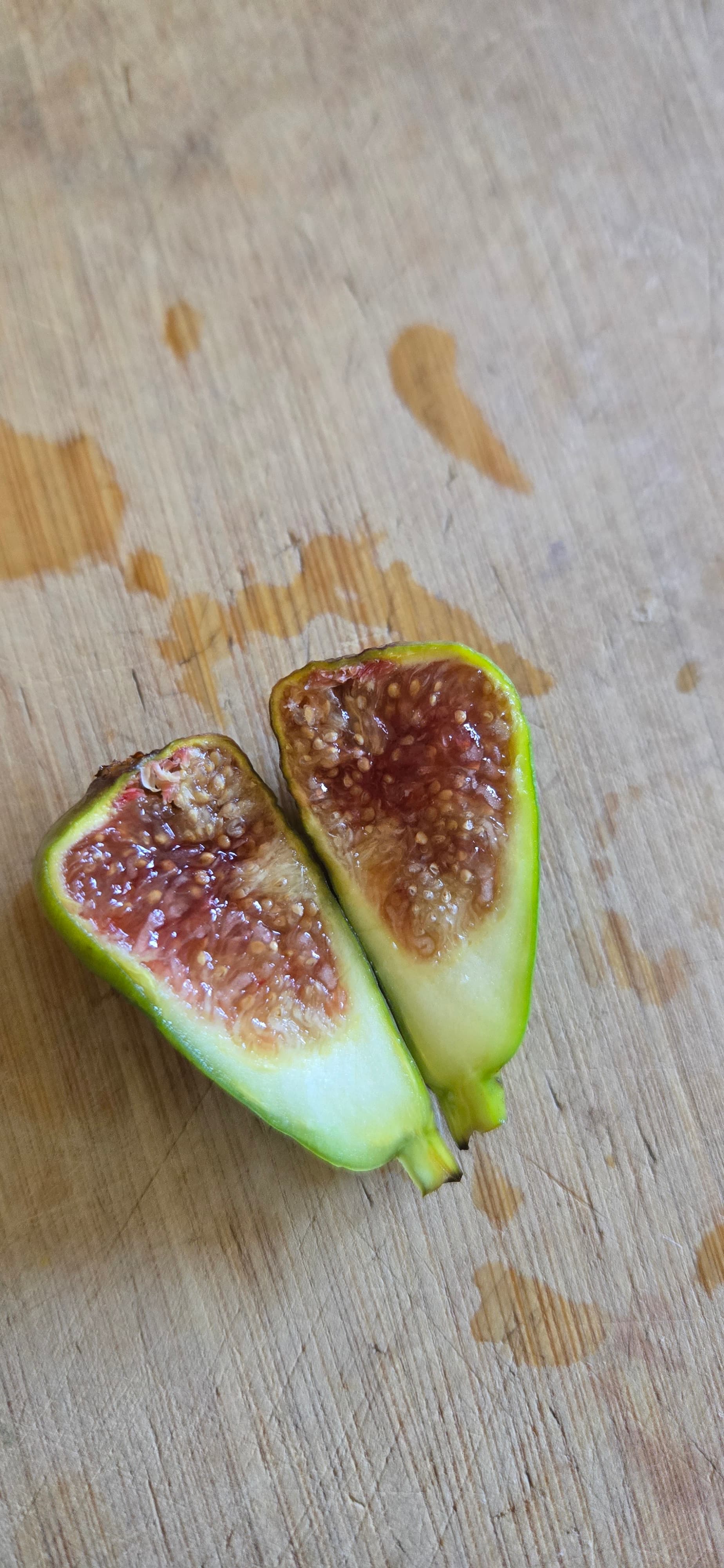
My second fig from smith. It’s a small tree and this is the first year it’s putting out figs. This fell off the tree sometime yesterday. Absolutely flavorless  I sure hope it’s better next year!
1 Like
Not shaped like a normal Smith. Can you show the skin?
Unfortunately it has been eaten. I’ll post it next year though!
Be assured that Smith is not flavorless. If I had to make just one choice to grow in this climate, Smith would be the one.
2 Likes
My Smith was very bland it’s first year fruiting as well. The shape was abnormal and it dropped half its fruits the first year too. I wouldn’t worry about it. It took mine a few years to start to taste really good, but is one of my better tasting and most productive varieties now.
4 Likes
I cannot imagine Smith ever tasting bland. It’s the most delicious fig even from the first year.
2 Likes
Yeah, my Smith’s have been like Ram’s. Also while some complain about reluctant fruiting, I find that a well pruned Smith tree with ample sun hitting all the leaves will produce a huge crop in Year 2.
This has been an incredible fig season here in the PNW. I’ve been picking an average of 50 figs a day for weeks.
They are all partly drying and shriveled up starting at the neck thanks to our dry weather.
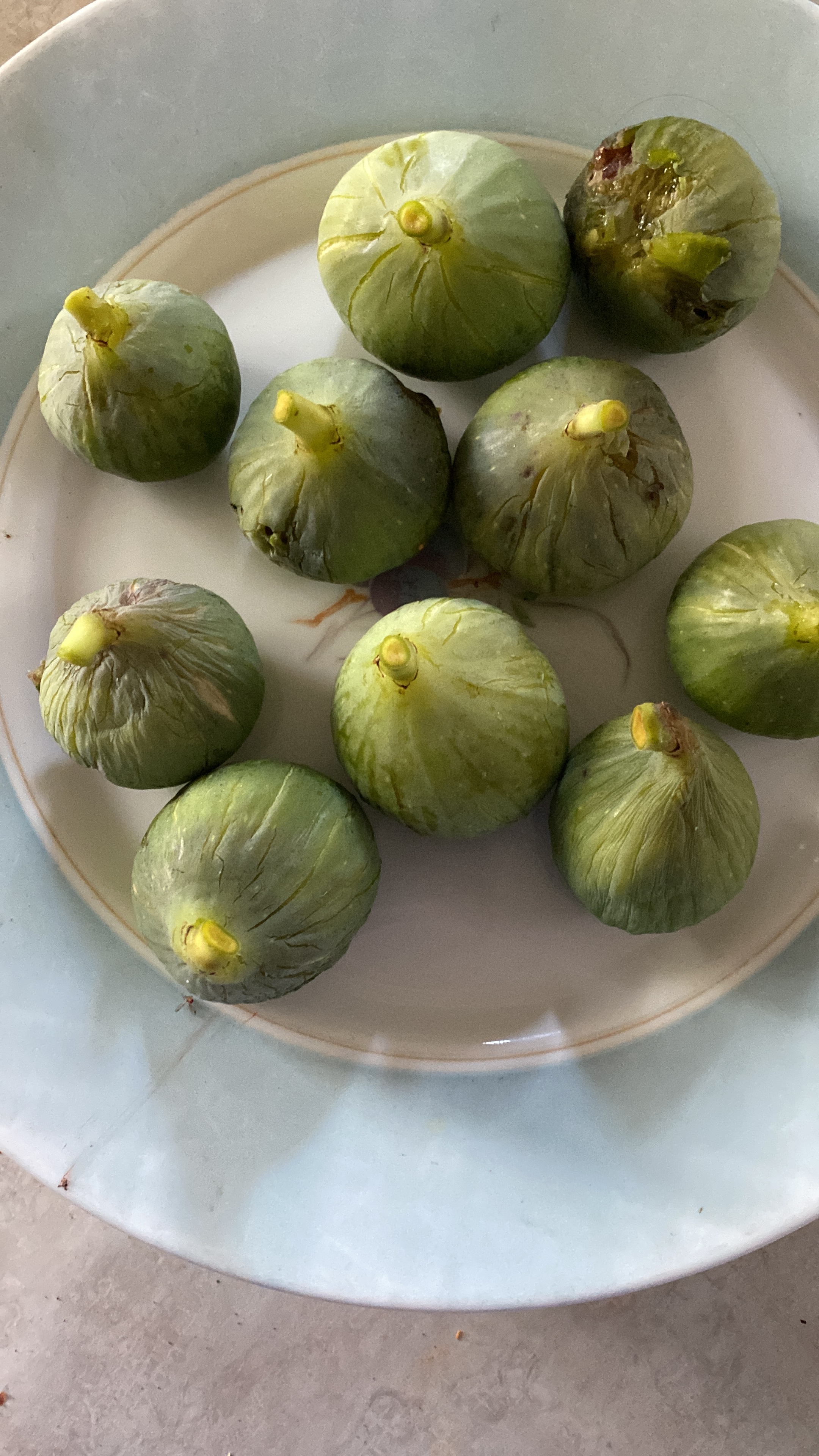
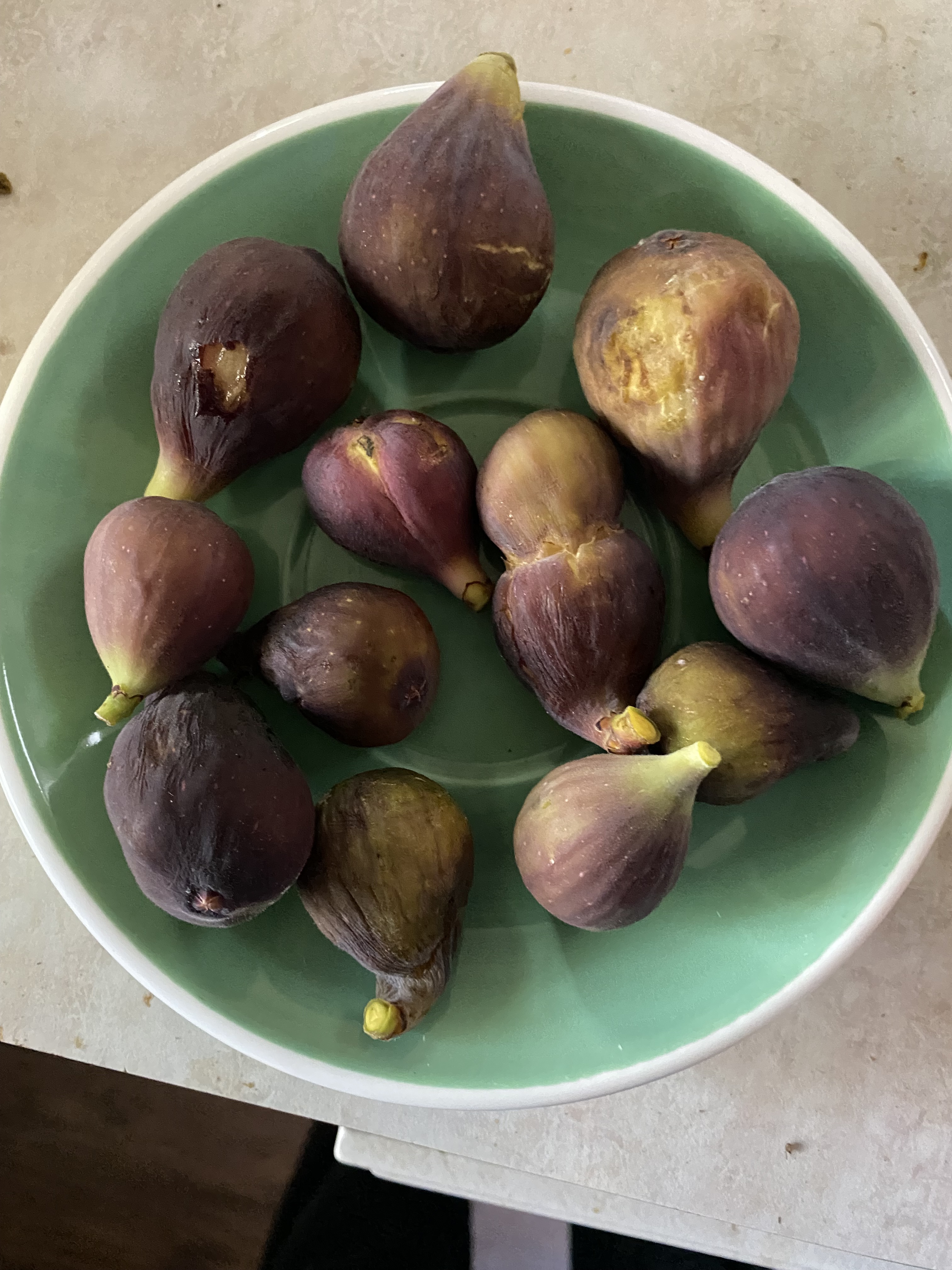
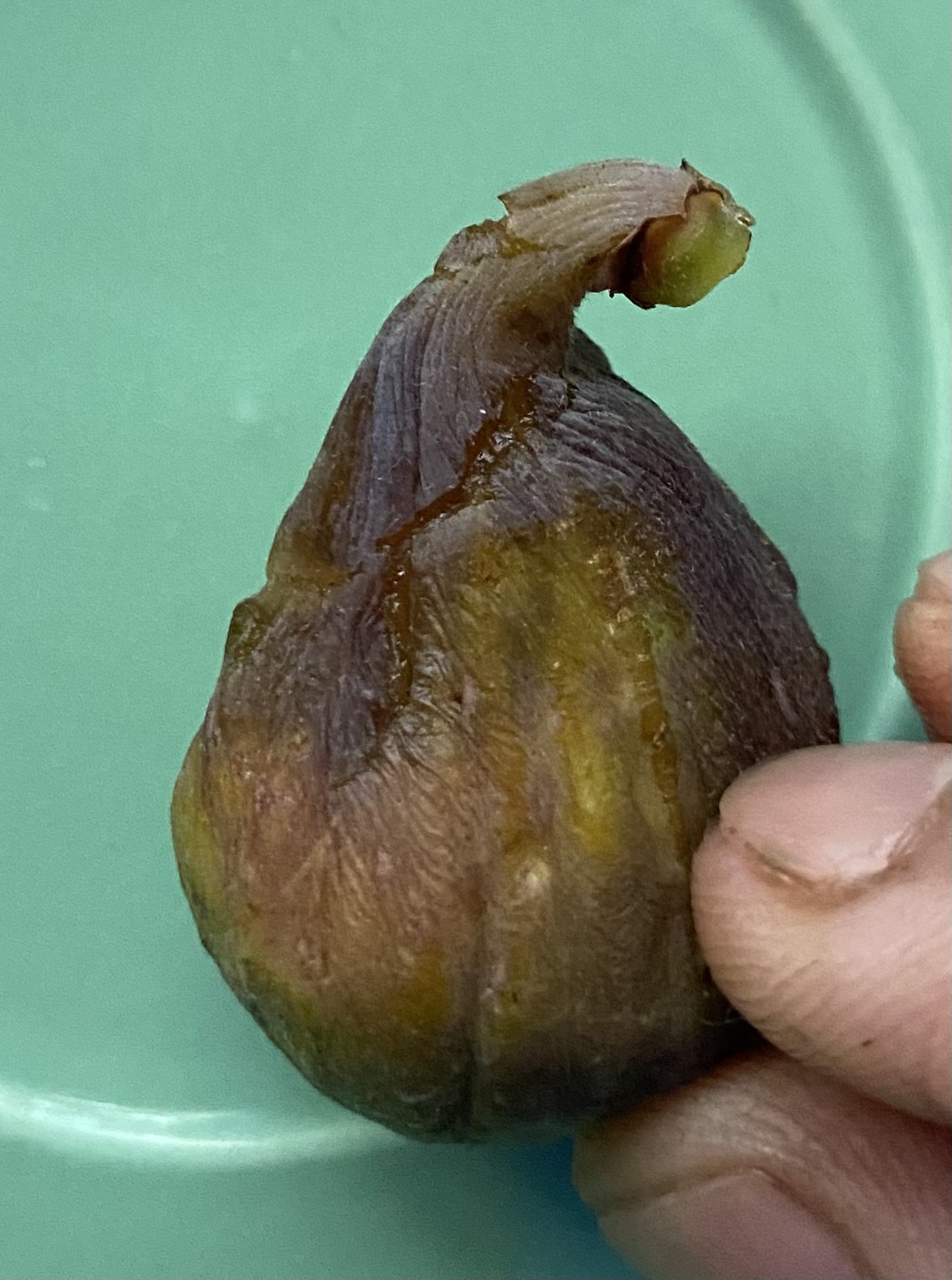
6 Likes
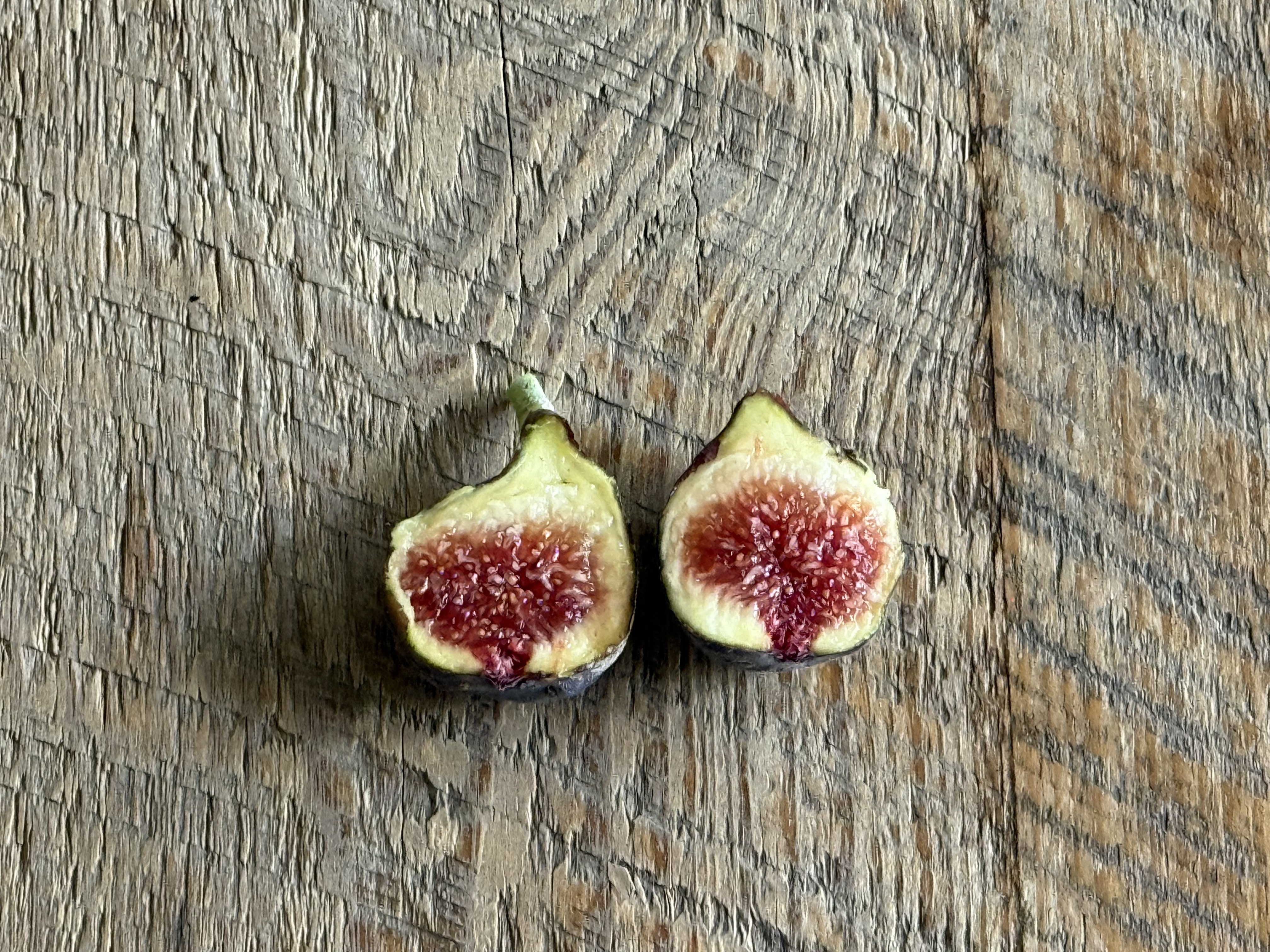
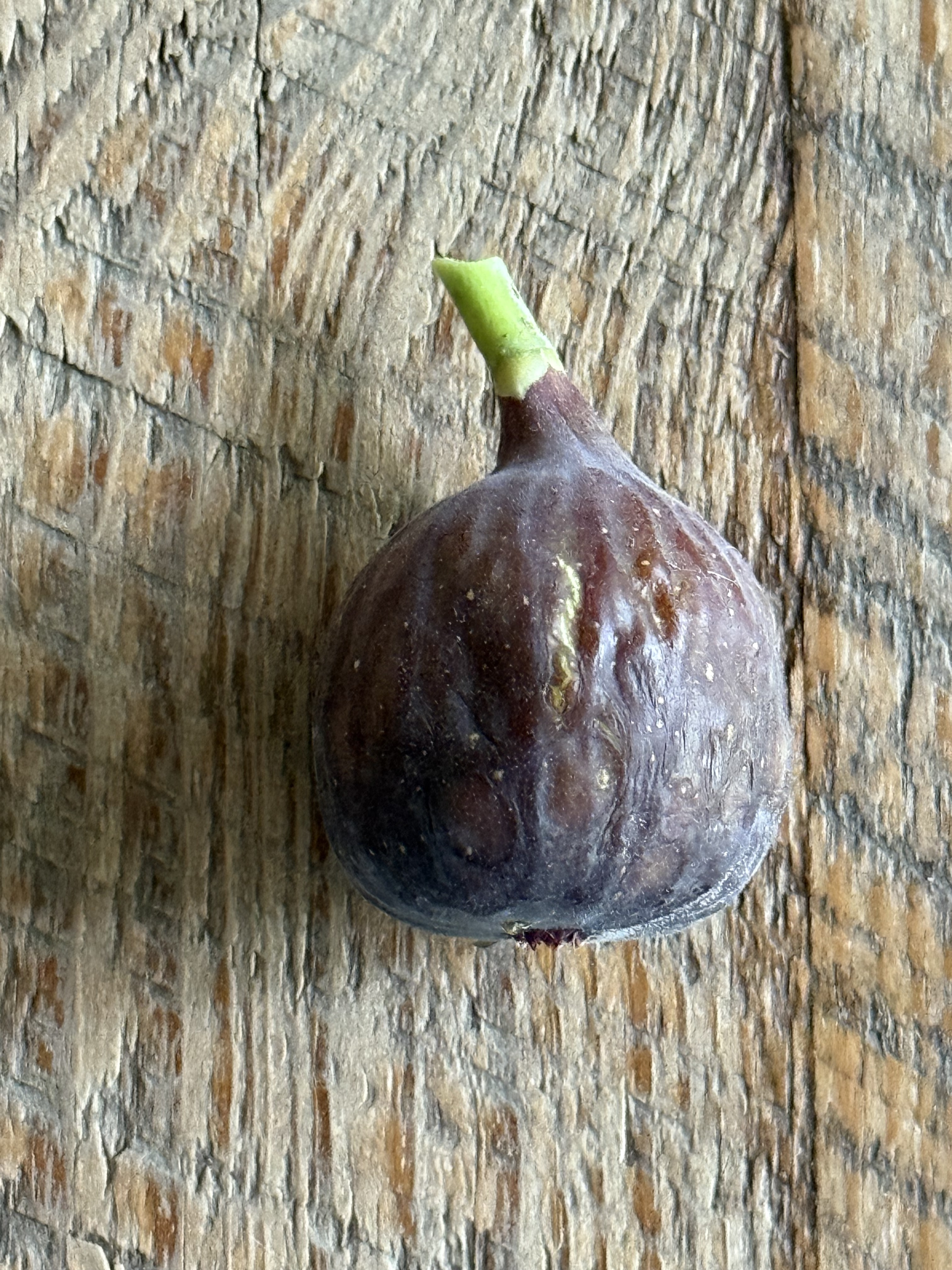
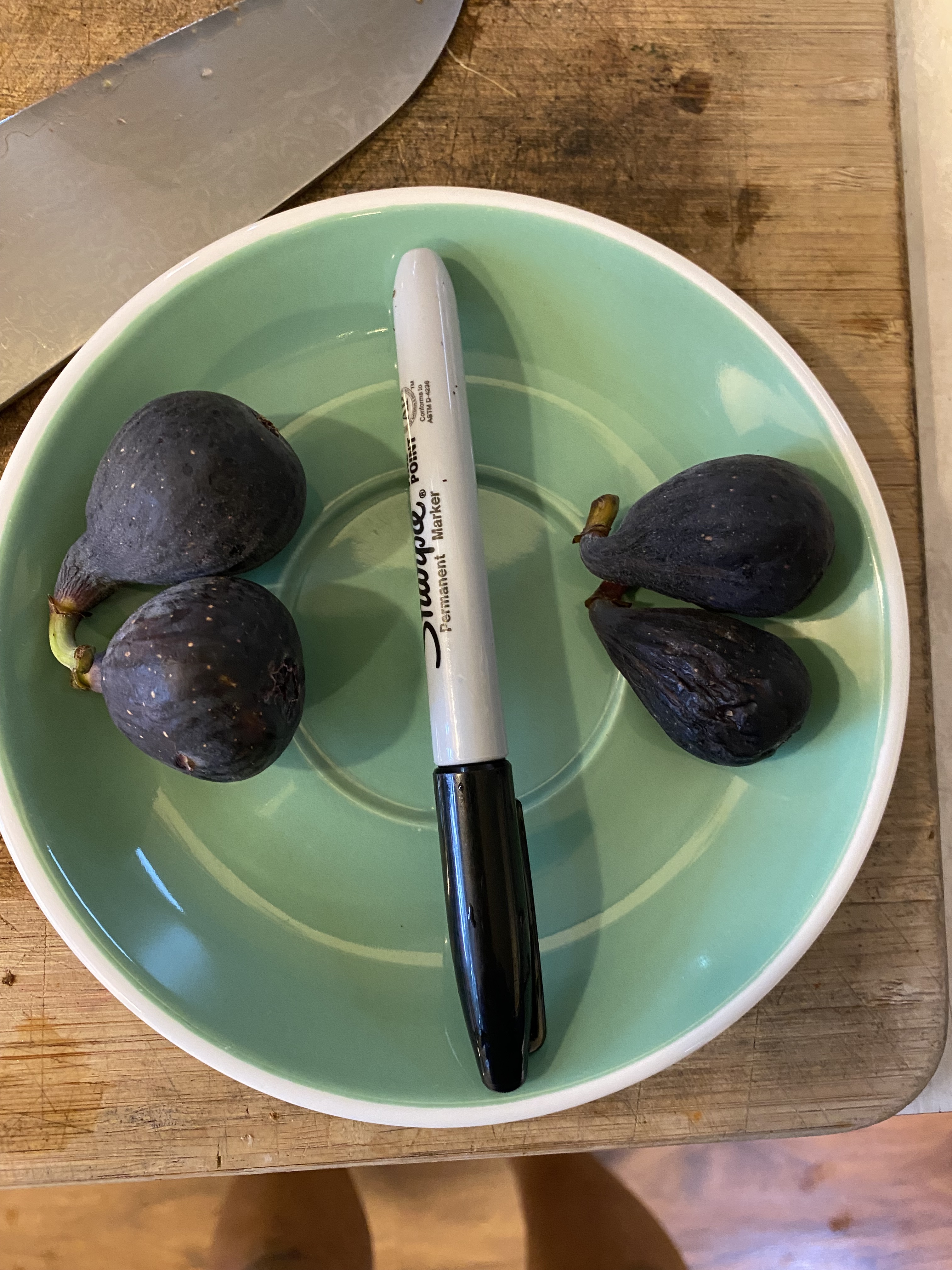
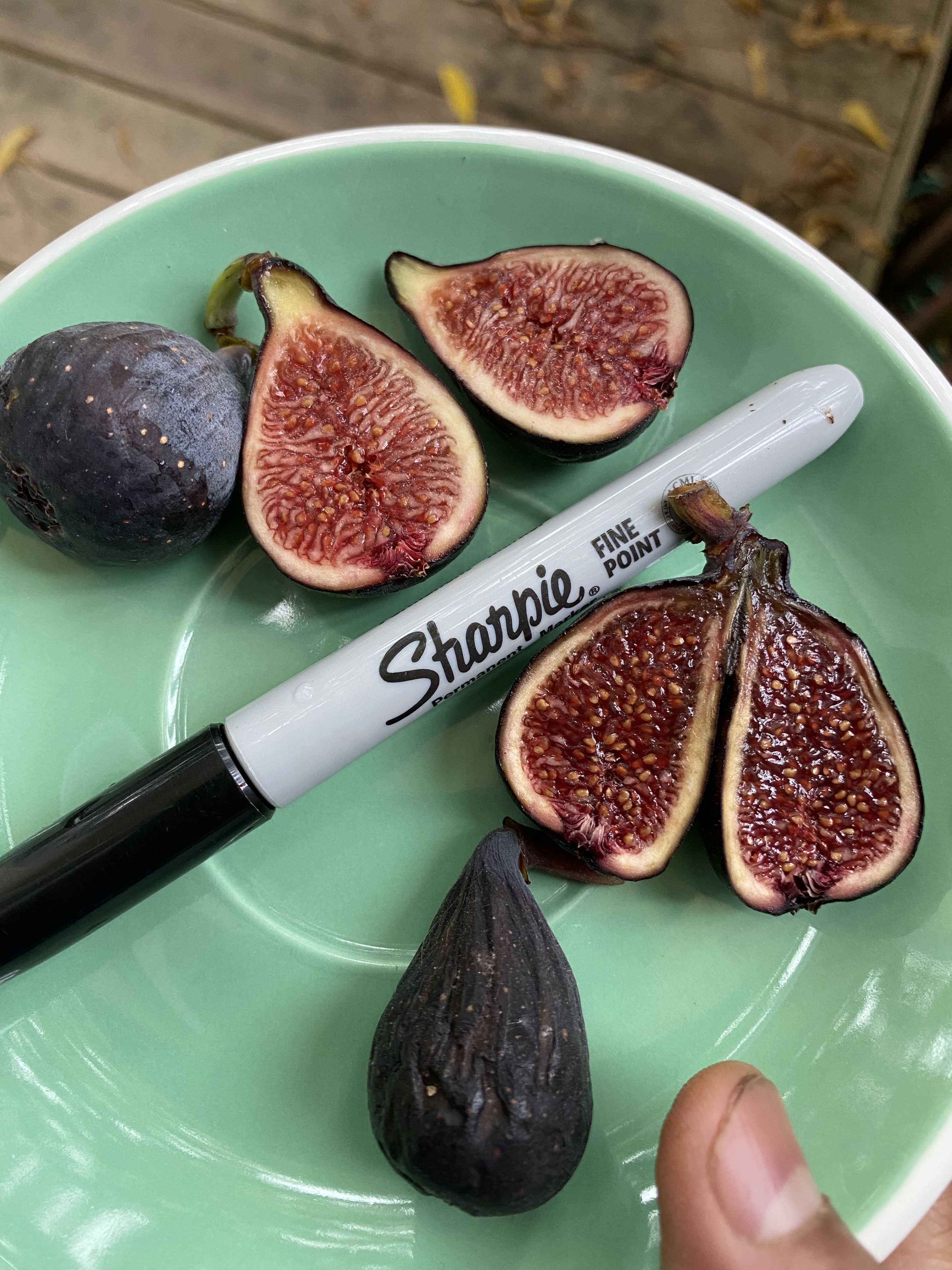
VdB vs Valle Negra. Not entirely scientific. The VdB is not as ripe and shriveled up.
VdB is on left hand side.
But Valle Negra is darker inside and has more concentrated flavor. The darker interior is a trait that is consistent.
VdB has higher end flavor. But that could be ripening related
4 Likes
I also have VdB and Valle Negra and enjoy both of them. Performance wise, I prefer Valle Negra because it is better at ripening most of its crop before cool weather sets in. They both ripen fruit very slowly in cool weather, so it makes a big difference how quickly they can ripen their crop before we get to that point in autumn.
3 Likes
My VdB ripens much earlier and more fruit. But that could be micro climate related.
1 Like
My VdB started ripening a few days earlier than Valle Negra this year, but has been ripening its crop very gradually. Once my Valle Negra starts, it ripens a lot of them in a short period of time. So my Valle Negra is already finished while VdB still has a lot left to ripen. That’s been a consistent pattern of behavior that I’ve noticed over the years from both of them. We do live in very different climates from each other, so I’m sure you see different behaviors from them than I do.
3 Likes
@ramv & @TJ_westPA
Are you referring to breba crops or main crops?
Main crop
2 Likes