Main crop for me as well.
1 Like
@ramv & @TJ_westPA
Both of your observations are similar to mine here in Vista CA.
2 Likes
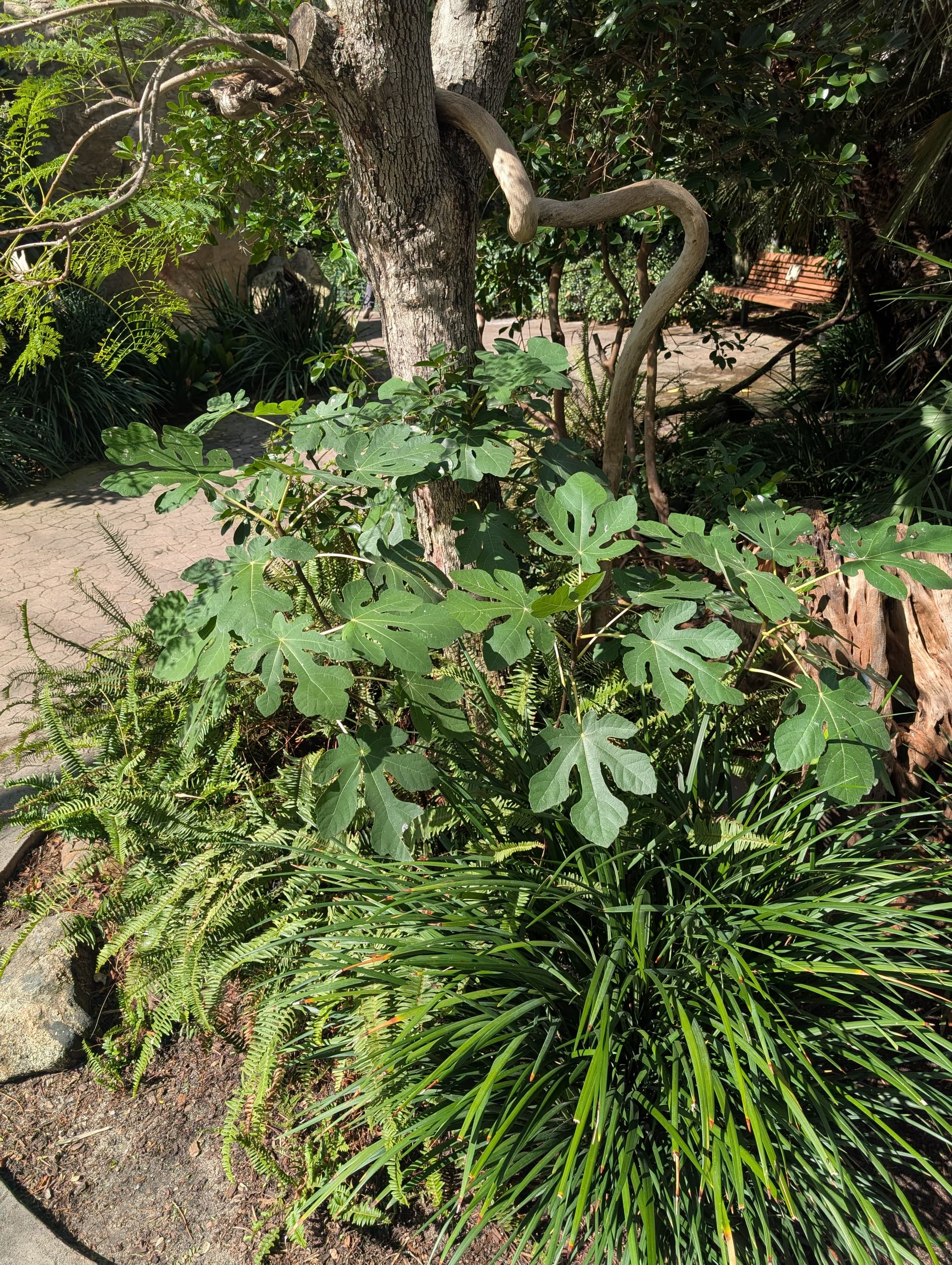
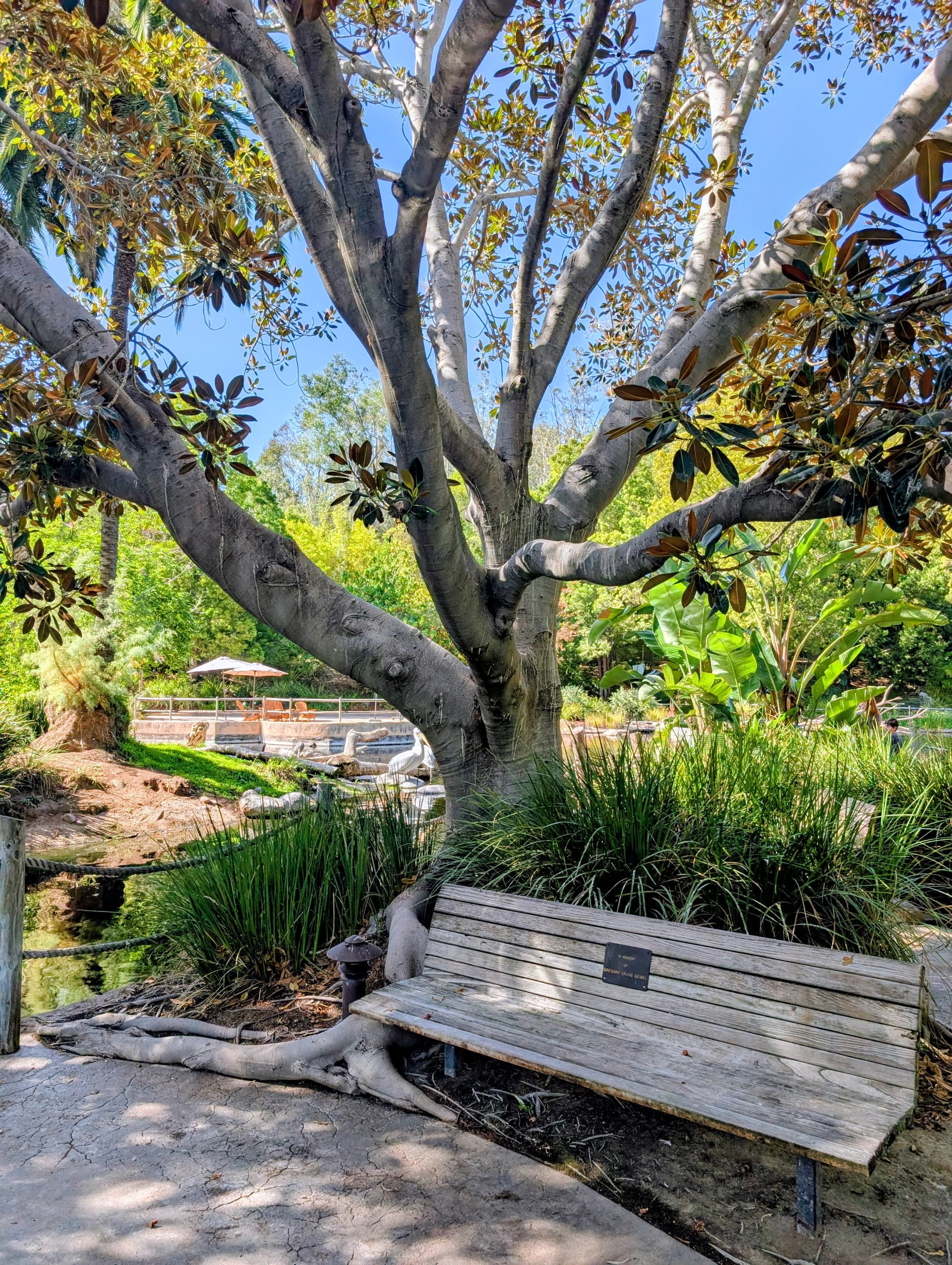
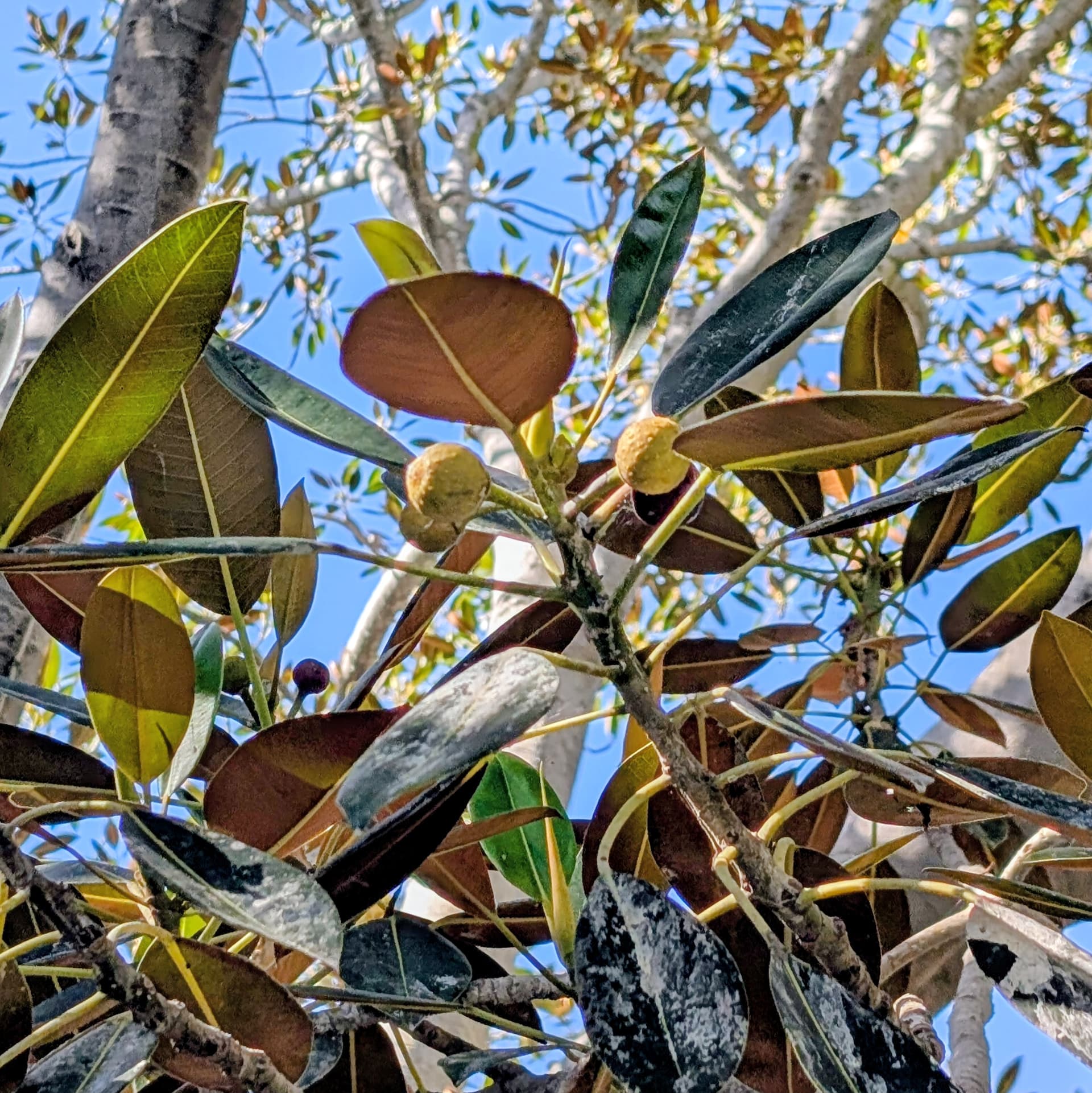
Adriatic Winner: Unknown Prosciutto first year fruiting in ground had some extra dimension to taste and edged out Adriatic JH; Battaglia Green; first year White Madeira#1. I’ve probably gone overboard on Adriatics so I rooted an Izbat An Naj this year, only to discover it’s probably AKA Peter’s Honey. Would love to see DNA tests on Adriatics some day.
1 Like
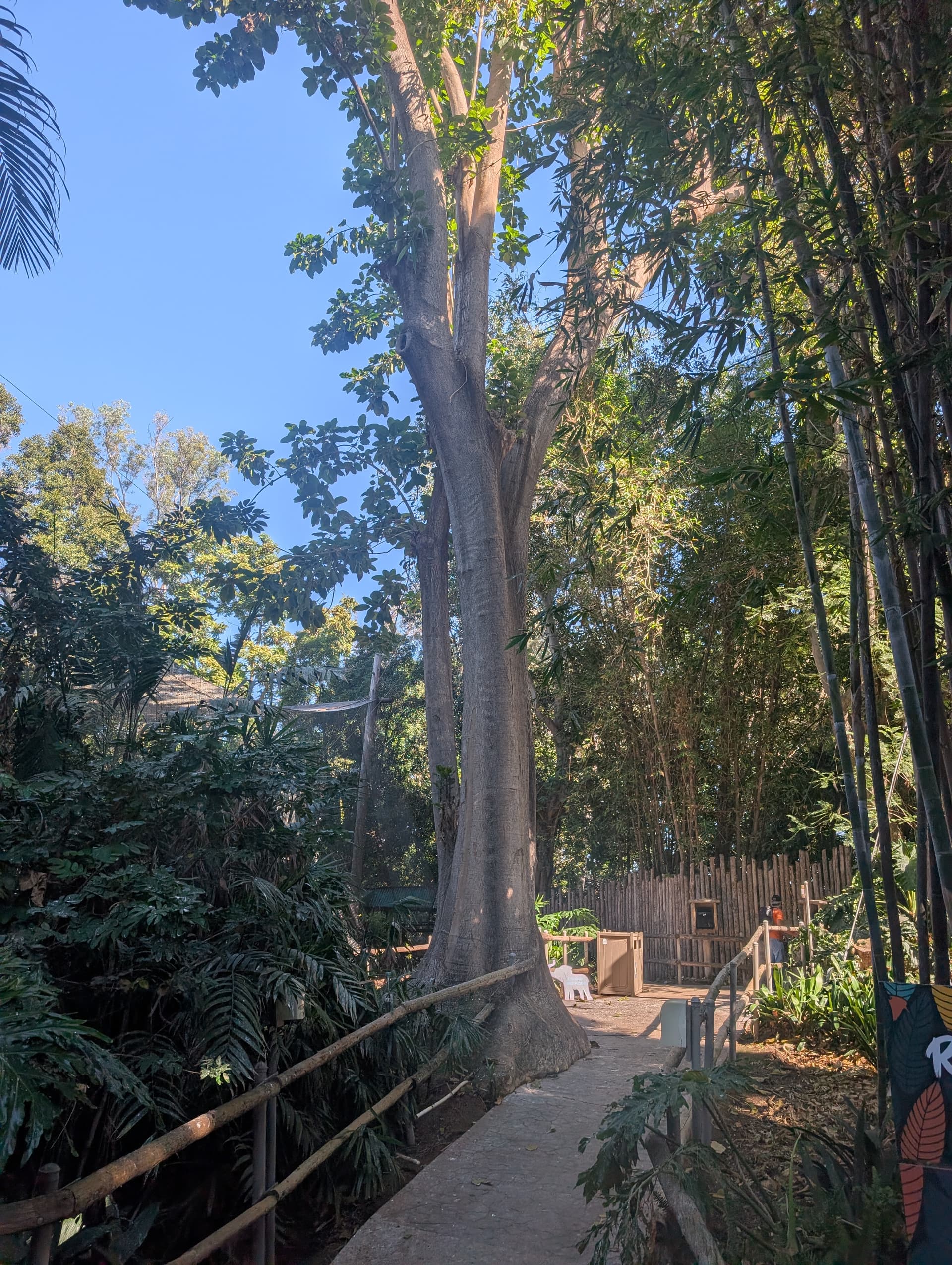
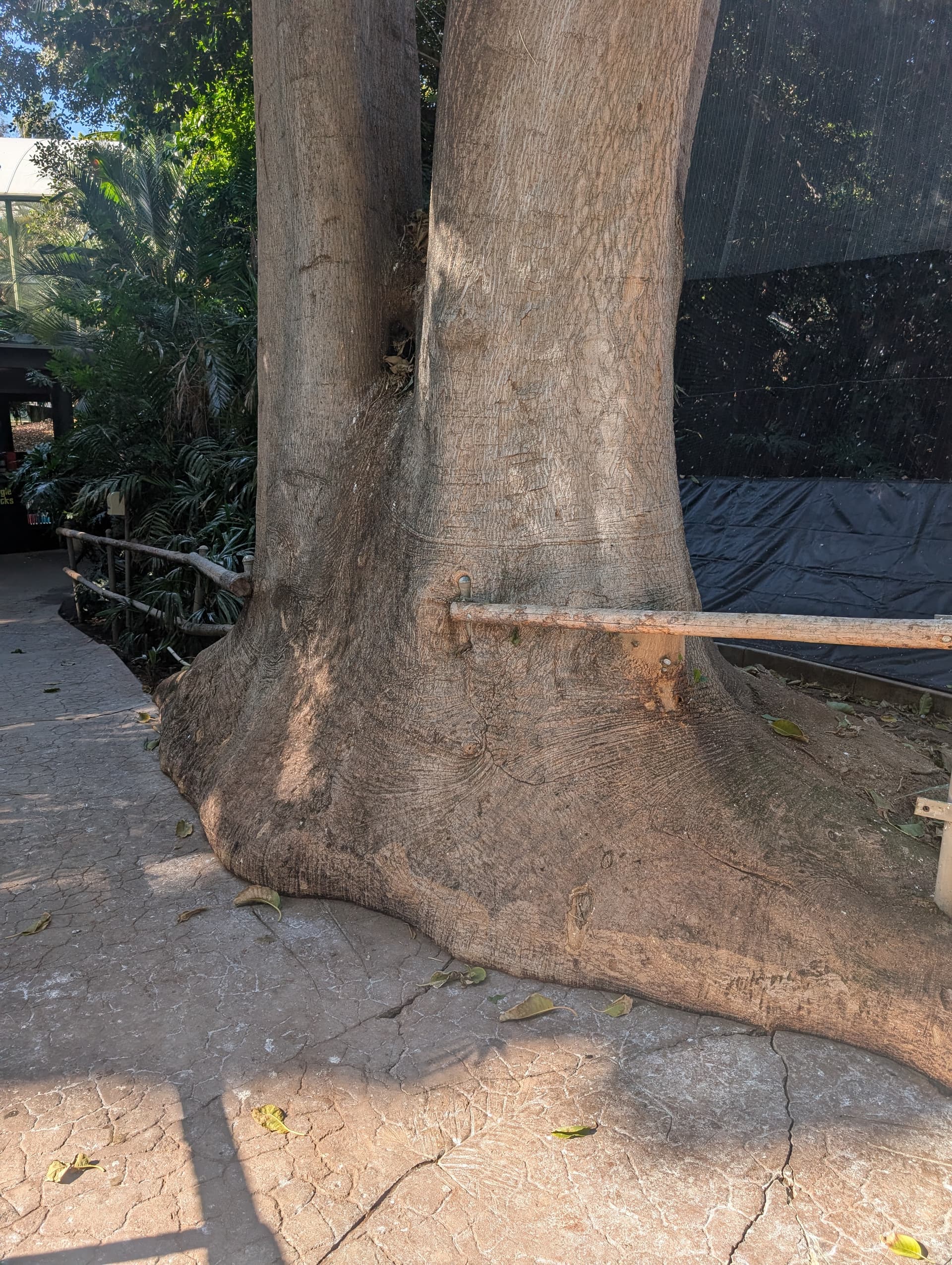
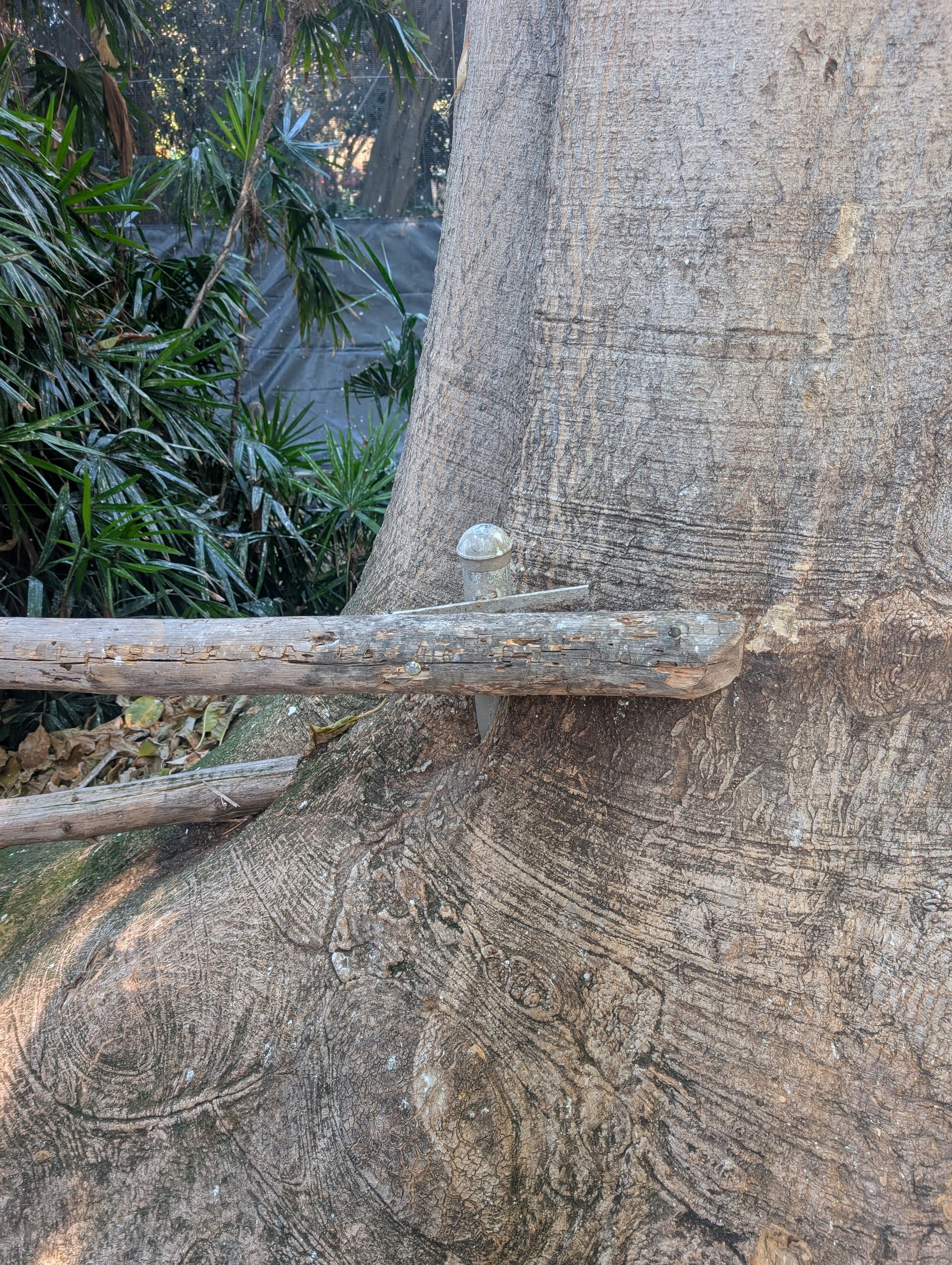
Ficus specimen devouring sidewalk and railing at exit from the Rainforest Aviary at the San Diego Zoo Safari.
10 Likes
Did I screw up?
Hi all, someone gave me 2 branches of a good neighborhood fig yesterday. They’re not dormant yet. We have about a week of decent weather then the rains and cold start for real in. Zone 8b. Won’t warm up till february, then it warms for a week or so and yo-yos between warmish and cold till april.
I did a little bit of reading last night and decided to take all the leaves off, cut them up and put them in water. I think they’d rot in soil as my house isn’t always consistently warm.at night. I have a heating pad I could use but not sure if I should- maybe cooler temps would delay root formation - which would not be a bad thing if they don’t rot.
Did I screw up?
The mother tree is an unknown variety, about 30 ft tall, bears at least once each year, purple fruit that tastes berry-like I’m told and is growing by a seasonal creek bed. Supposedly the best tasting fig in the neighborhood.
Hoping I can get at least one piece to survive as that land is being sold.
1 Like
@Lynn345
I’d take them out of the water, pat them dry with a towel, then either
- vacuum seal together, or
- seal the ends with wax and place in a ziplock with very little air
Afterwards, place in refrigerator until late winter. At that time, attempt rooting them as described here:
4 Likes
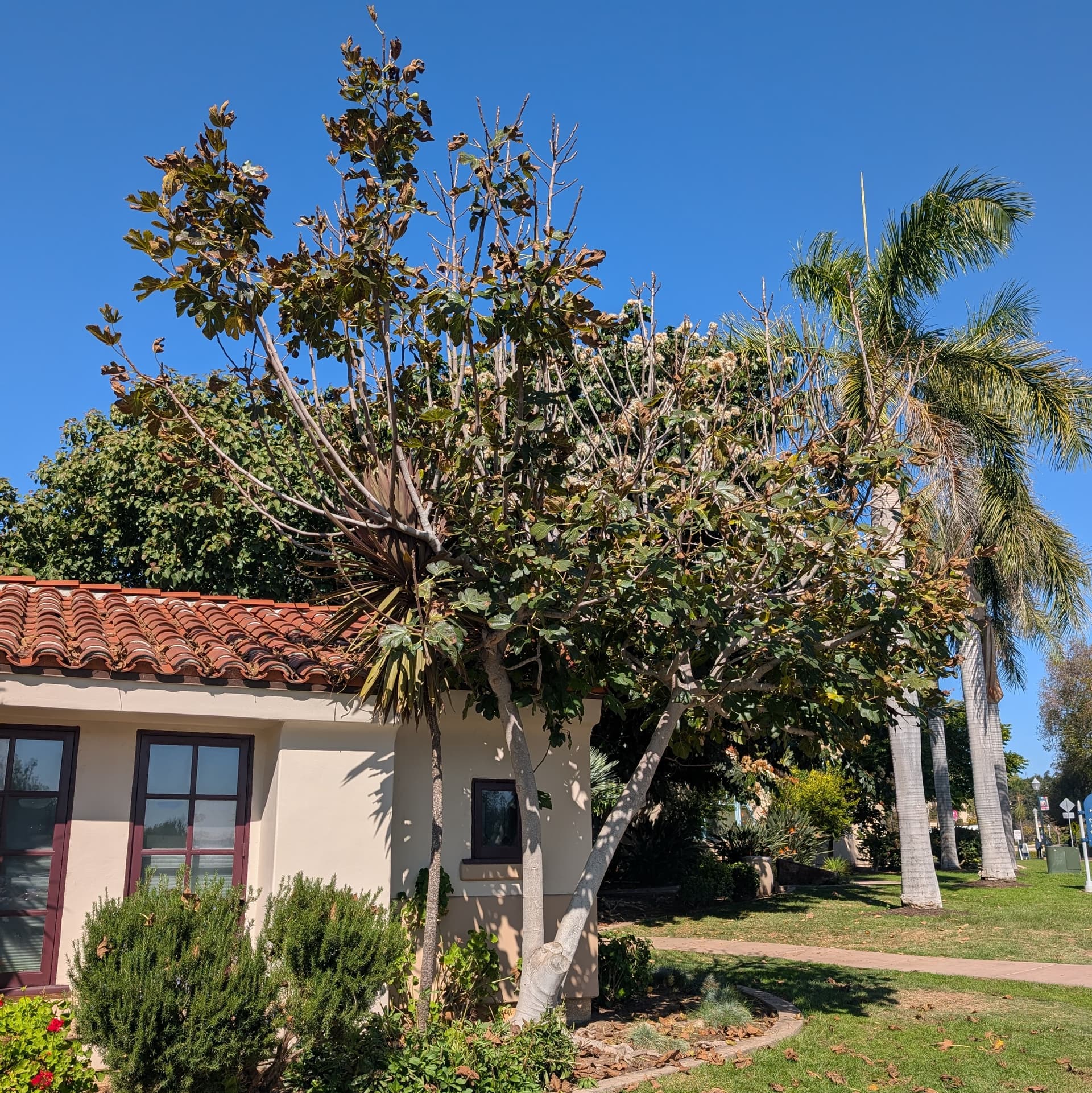

I keep a paper map and a digital spreadsheet of my perennial plantings, and a fruit tree focused one in addition. It’s the only way.
1 Like
On your 10 acres, I believe it  .
.
2 Likes
Thank you Richard! I really value your opinion. And, I just found a spare candle 
1 Like
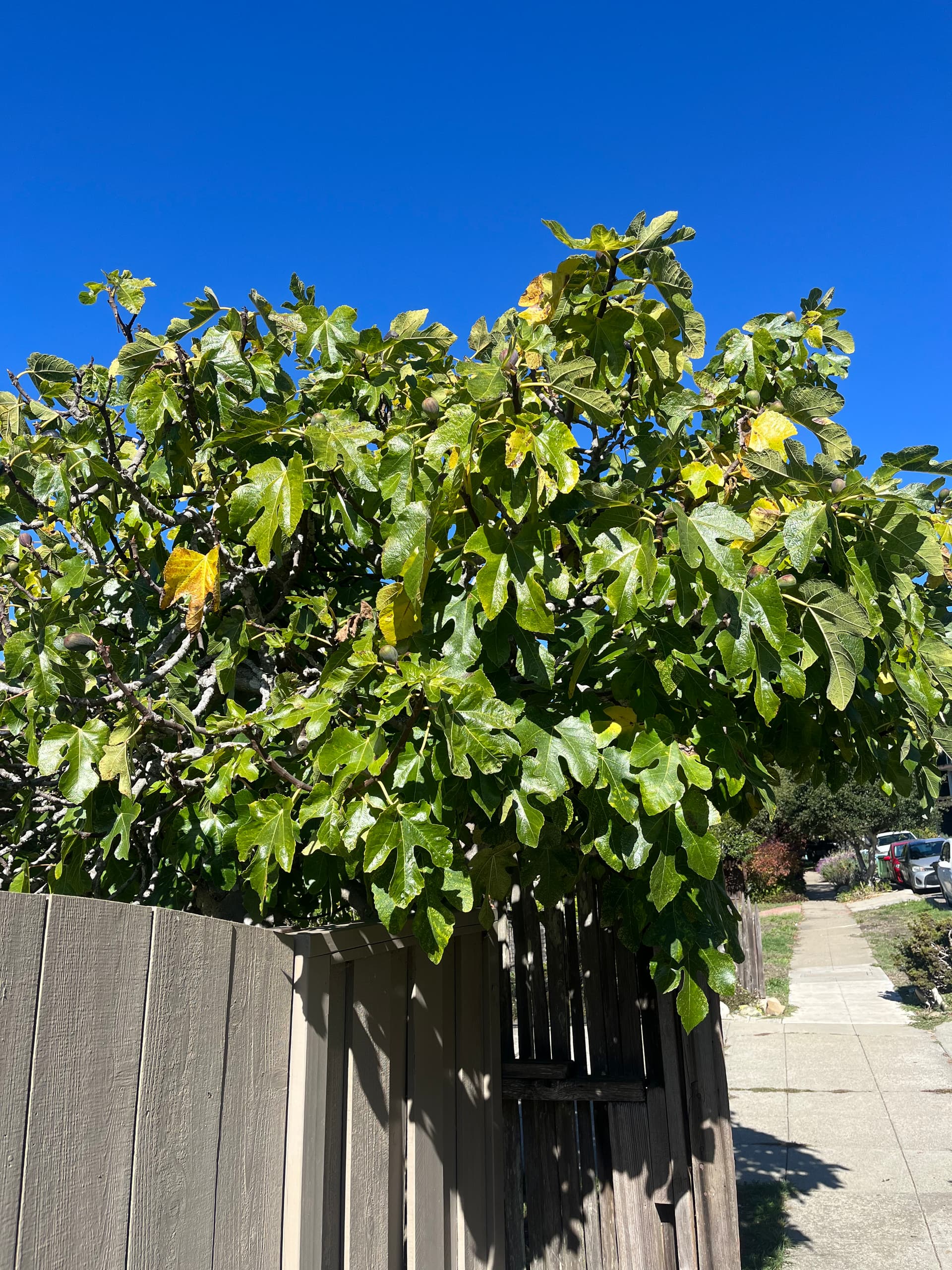
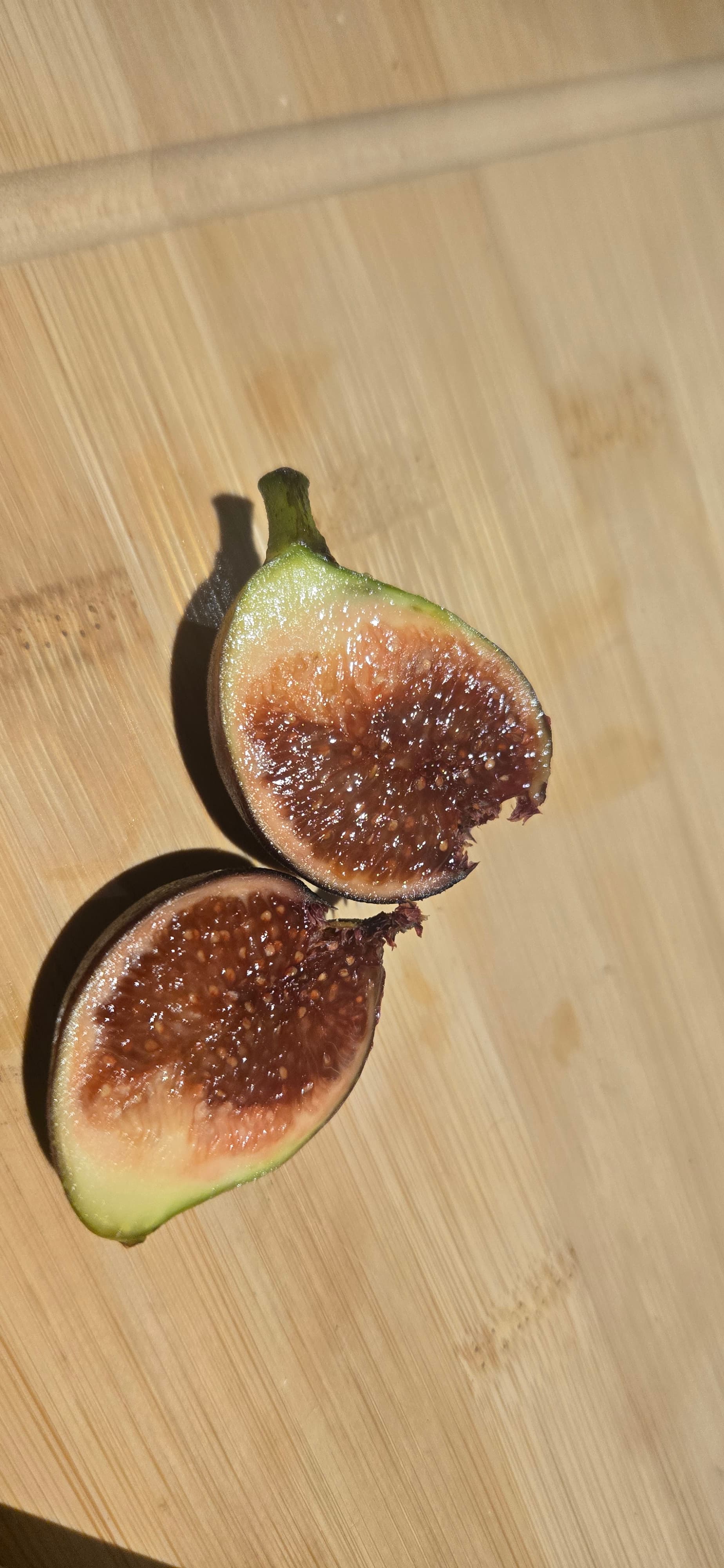
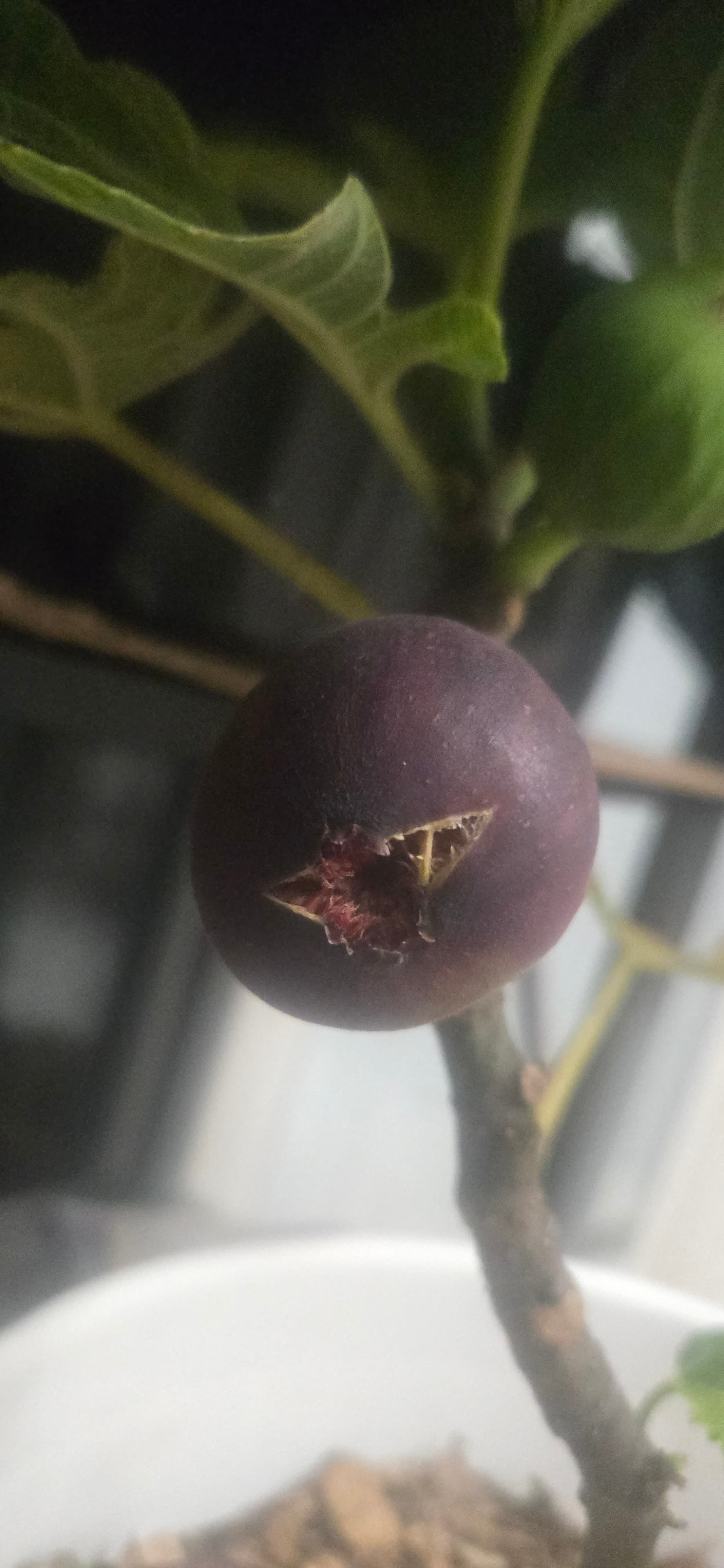
I ripened a sodus Sicilian for the first time in a 5 gallon container indoors after it started getting cold. It tasted like a watered down fig that was slightly sour, so like a bad peach. I was hoping for a good peach flavor! It may because it’s been split for a while, young, or because I was ripening indoors but I don’t think this one is a keeper for me if it’s like this for 2 more years
1 Like
That looks rotten/gone bad by the dull coloring. Maybe wait another year.
2 Likes
Did not somebody do that in Santa Barbara?
@Jtbuster
Not that I’m aware.
GEORGE C. ROEDING SUICIDE VICTIM
Madera Tribune, Volume XLII, Number 71, 24 July 1928
George C. Roeding, 60, former Fresnan and prominent valley horticulturist, committed suicide by hanging himself to and electric line tower near Livermore last night. He was a patient at a sanitarium at Livermore following a nervous breakdown several months ago. It was thought he had improved sufficiently lately to be allowed to take horseback rides. It was while on one of these that he committed the deed which ended his life. He had been in poor health for several years. Suspended from a cross bar of the tower., Roeding’s lifeless body was found four miles south of Livermore near Arroyo del Valle, by Douglas Mason. a Livermore youth. Listed at first as ‘'unidentified suicide.” it was discovered to be Roeding when sanatorium officials began searching for their patient. Roeding left the sanitarium early yesterday afternoon, and when he failed to return several hours later the search was instituted. His horse was found tied to a tree near the tower where he ended his life. It was Roeding’s father who gave Roeding park to the city of Fresno. Roeding founded the first large nursery in Fresno and later expanded it into the California Nursery company, which he owned until his death. His son, George Roeding Jr., is manager. At the time of the formation of the larger nursery concern, which had its chief nursery at Niles and others throughout the state. Roeding moved with his family to San Francisco, He owned a number of ranches near Fresno, holding these possessions until the end. He also had business property in Fresno and the Cinema theatre property is owned by the Roeding estate, Roeding also imported several varieties of table grapes from France and greatly stimulated progress in the Industry. He was a former member of the joint agricultural committee of the United States Department of Agriculture. In 1916 he was appointed a member of the state agricultural society and two years later made a member of the advisory committee of the federal department of agriculture. He was also a member of the Ford administration, which was organized to consider national agricultural and livestock problems of the country. His national reputation was established by his Introduction of the Calimyrna fig industry, which the picturesque agricultural figure continued through a score of discouraging years, his efforts finally being rewarded with success. Roeding made a valuable contribution to the army during the World war and turned back to the war department a check for $20,000 which they tendered him for his discovery. He evolved the idea that charcoal from burned peach pits and apricot pits would be more suitable for use in gas masks than the charcoal then being used. During the height of his activity he was a member of the board of regents of the University of California and also president of the California State Fair Association. He was also a member of the board of governors of the California Botanical Association. Roeding is survived by his widow, Mrs. Elizabeth Roeding: three daughters, Mrs, B. J. Butler of Oakland. Eleanor Louise and Evelyn, and a son, George F. Roedlng. Jr., who 1s manager of the Niles nursery. A brother, F W. Roeding of Berkeley, is an official of the land department of the Spring Valley Water company. His mother is also living.
6 Likes
Too much detail for me.
4 Likes
Bringing the Blastophaga to California
George C. Roeding
21 December 1907, Pacific Rural Press
Roeding 1907 - Bringing the Blastophaga to California.pdf (1.8 MB)
2 Likes