Grape breeding 101

This is an incredible resource, thank you for posting it.

You mention above about seedlessness in muscadine grapes. Can you offer some insight into breeding seedless bunch grapes?

I believe seedlessness in bunch grapes generally comes from a mutation (in the VviAGL11 gene) rather than ploidy mismatch. I’m keen to learn more if you are willing to share.

3 Likes

Hi turtle wax,

You are correct. It is possible to create seedless triploid grapes(ploidy mismatch), but that is not widely done. Most grape breeding is done at the diploid level. There are also parthenocarpic types of seedlessness, but the heritability of seedlessness with those types is very low, so it is not used in breeding as a general rule.

Most of the time, what is used in breeding seedless grapes is a dominant mutation in the VviAGL11 gene called SDI. Seed development inhibitor. How it works is the seed starts to develop in the grape normally, but at some point in the development process the berry naturally aborts the seed and all further seed development stops. The table grape breeding industry will cross two seedless types and do embryo rescue on the seed traces before they naturally abort, and grow out the resulting seedlings in tissue culture. At the hobby level it isn’t necessary to to that. You can use a seeded grape as the female. They use two seedless types and embryo rescue because it gives a higher percentage of seedlessness offspring with small seed traces.

Because this SDI mutation is a dominant gene, if you use a seedless type that carries this mutation as your pollen parent in a cross with a normal seeded type you can expect 50% of the seedlings to inherit it as well.

Things get a little more complex, because while that main SDI gene mutation is the driver of seedlessness, it does not determine the size of hardness of the seed trace. The seed trace size, or the size of the seed when it aborts and becomes unviable, is controlled by three more independently inherited genes. It is also influenced in ways we don’t always understand by the overall genetic background at times.

To break it down, in practice, at the hobbyist level, you can expect if you use a seeded female in a cross with a seedless pollen parent that 50% of the offspring will be “seedless” in a sense.

Meaning that the seeds will not fully mature and will not be viable. However with that 50% that are “seedless” you will have a wide range in seed trace size. Ranging from small, soft and not noticeable, all the way up to full size, and partially woody, but hollow with no viable endosperm.

In most crosses you can expect only somewhere in the range of 5-10% of the seedlings that would be considered “commercially seedless”. Types that had small and soft enough seed traces that the average person used to eating seedless grapes in the store would not notice or complain about them. If your female seeded parent has some seedless grape in the background(because of the possibility of inheriting some of those other genes that influence seed trait size and hardness) sometimes your percentage of seedless offspring with small soft seed traces can be higher.

That’s a general rough overview .

6 Likes

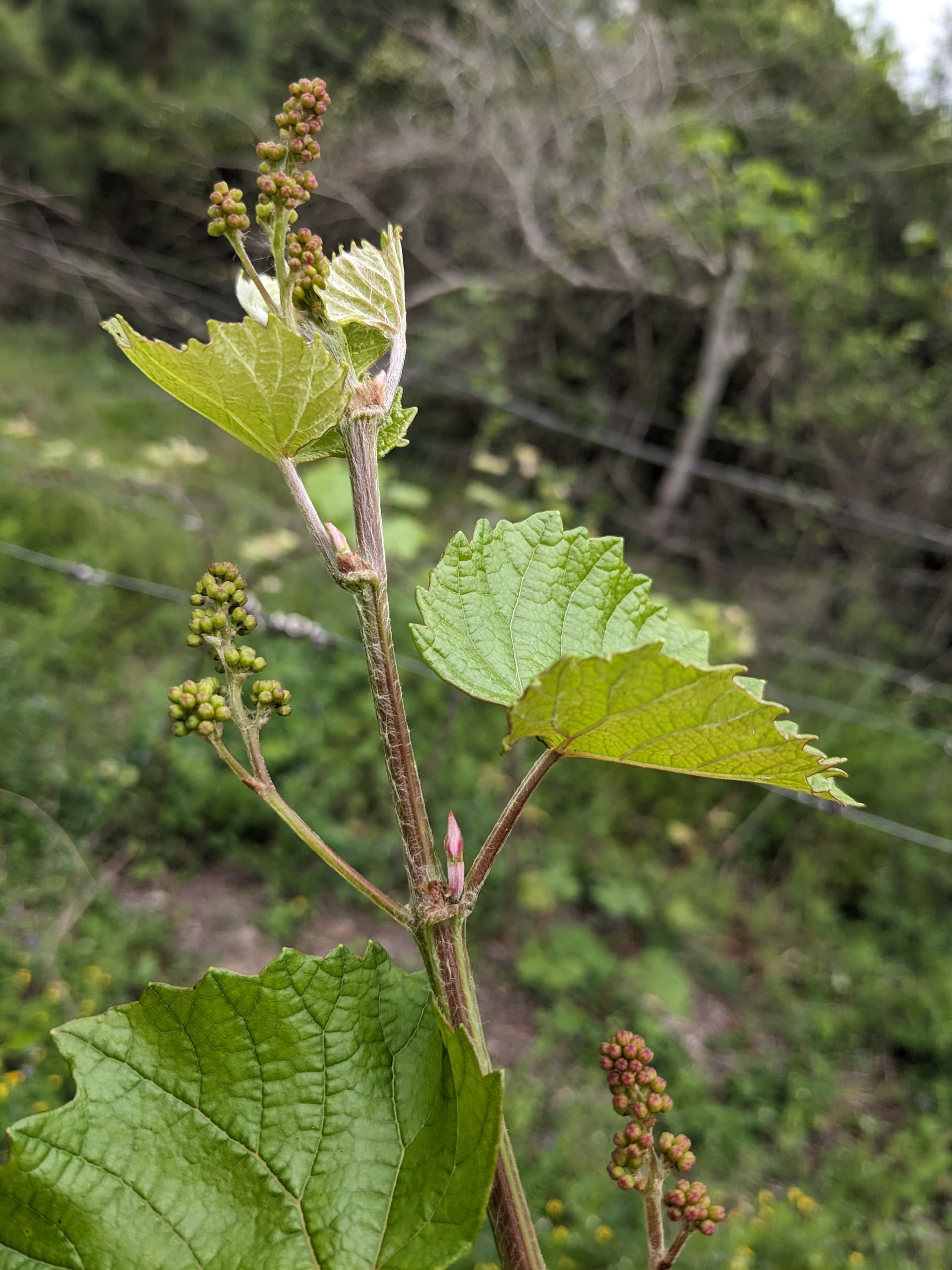
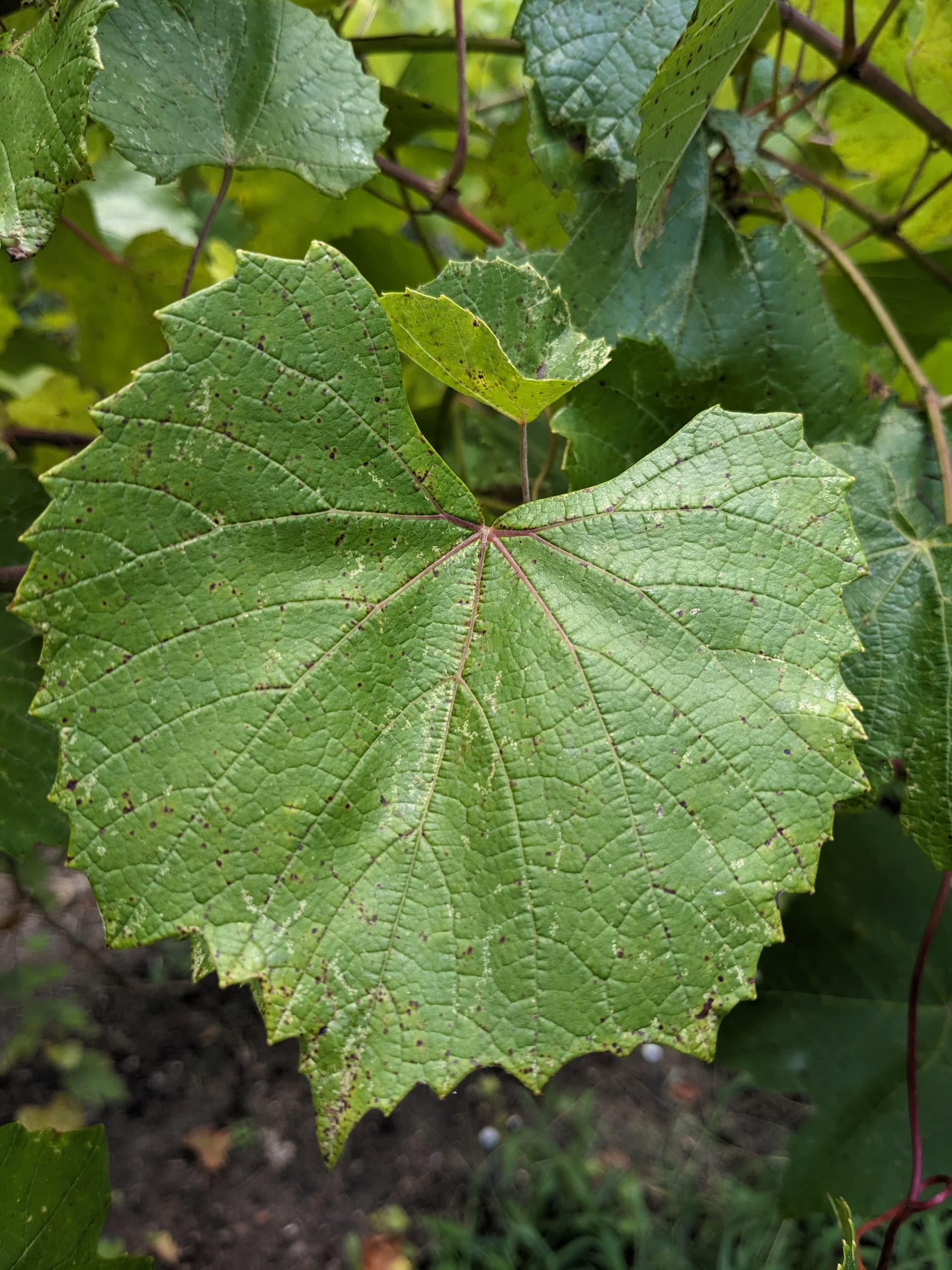
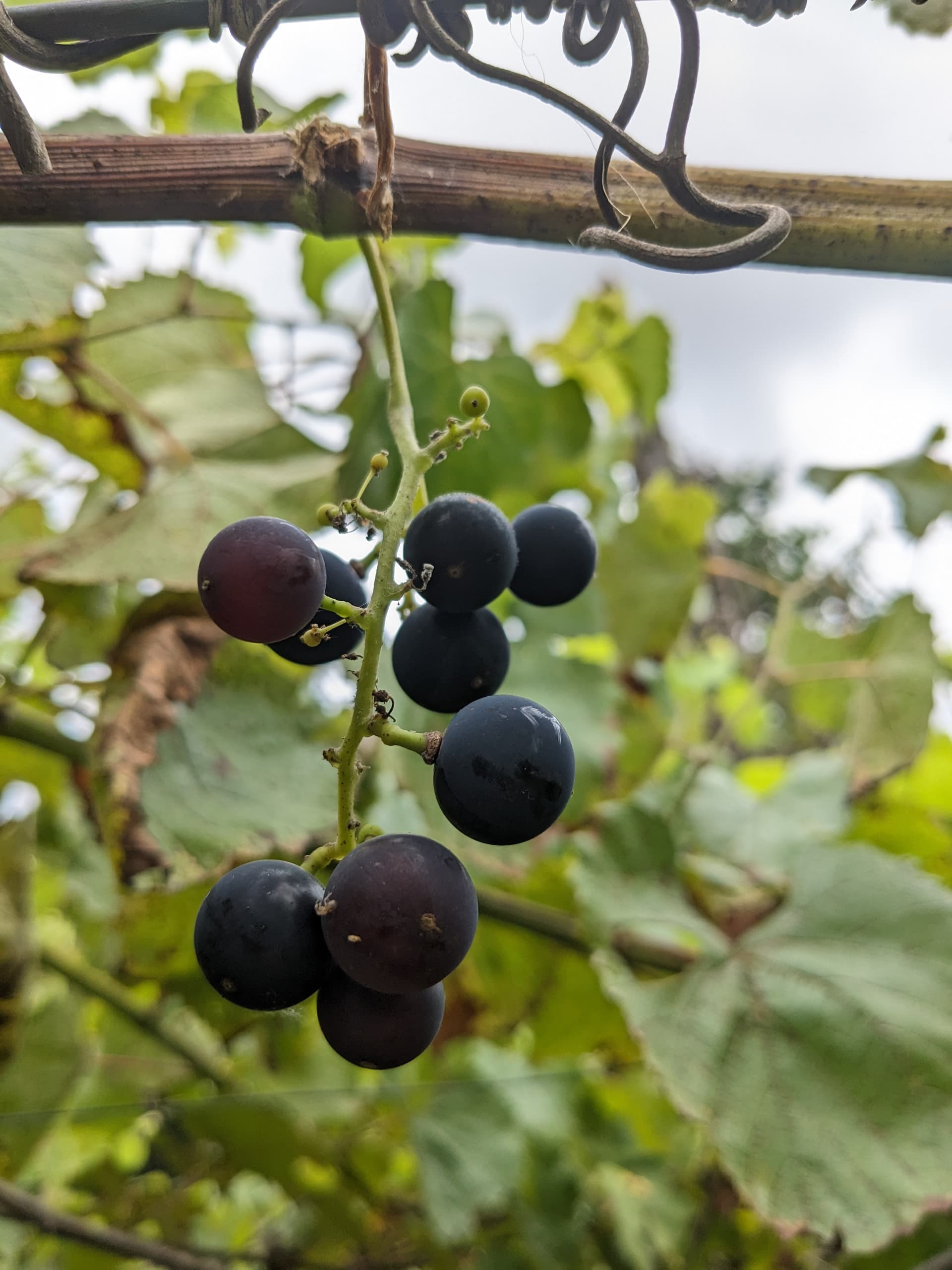
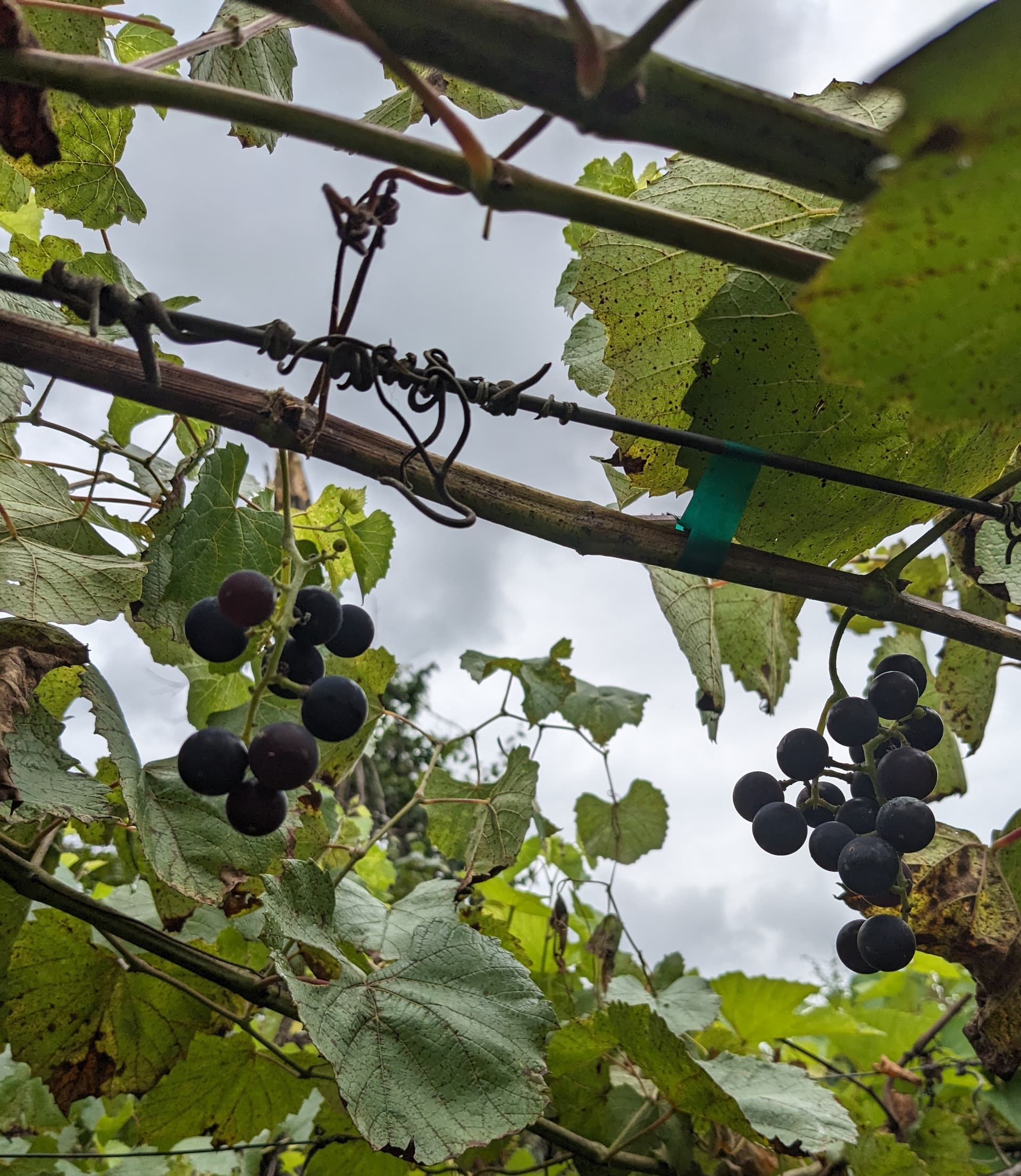
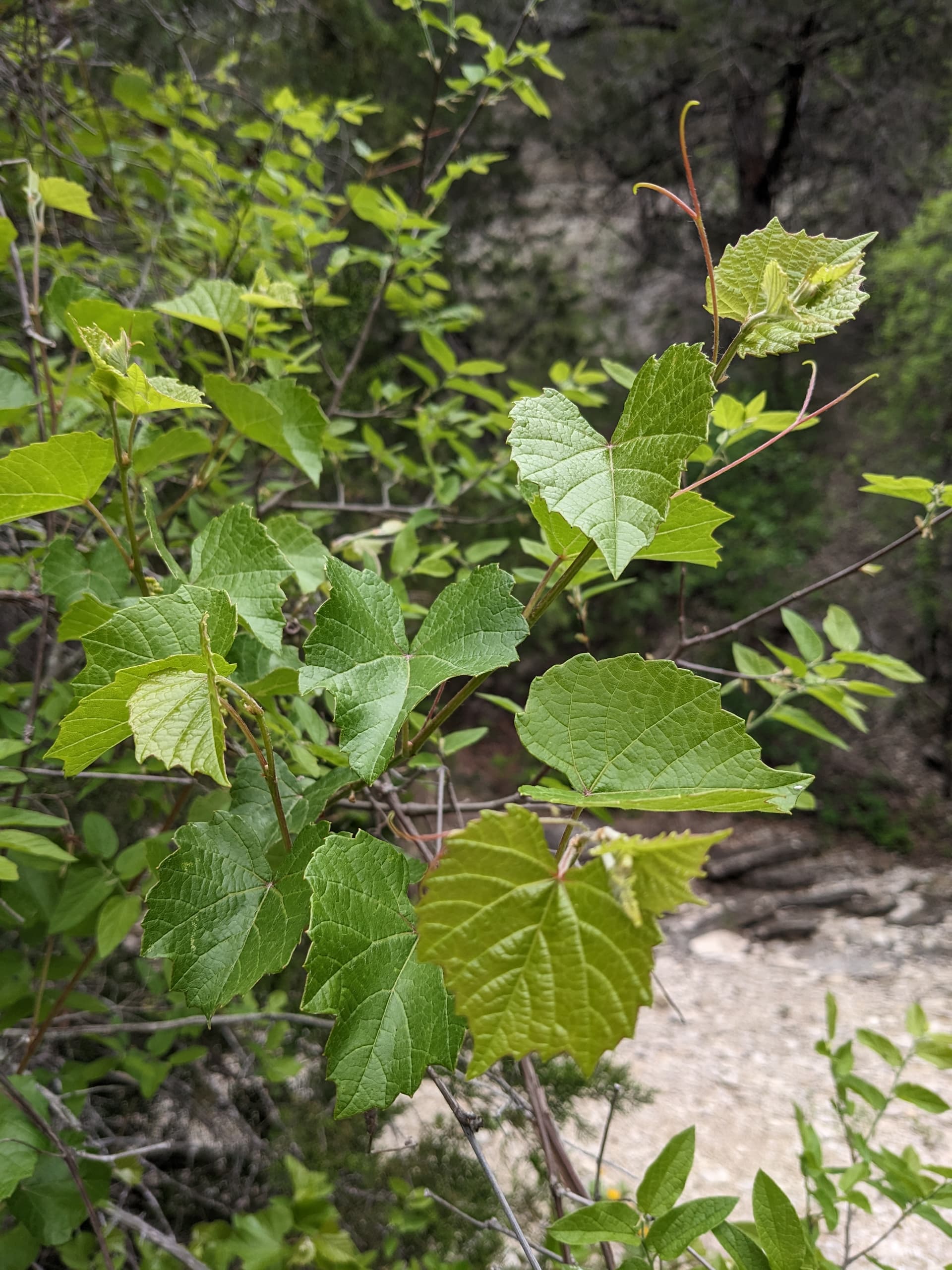
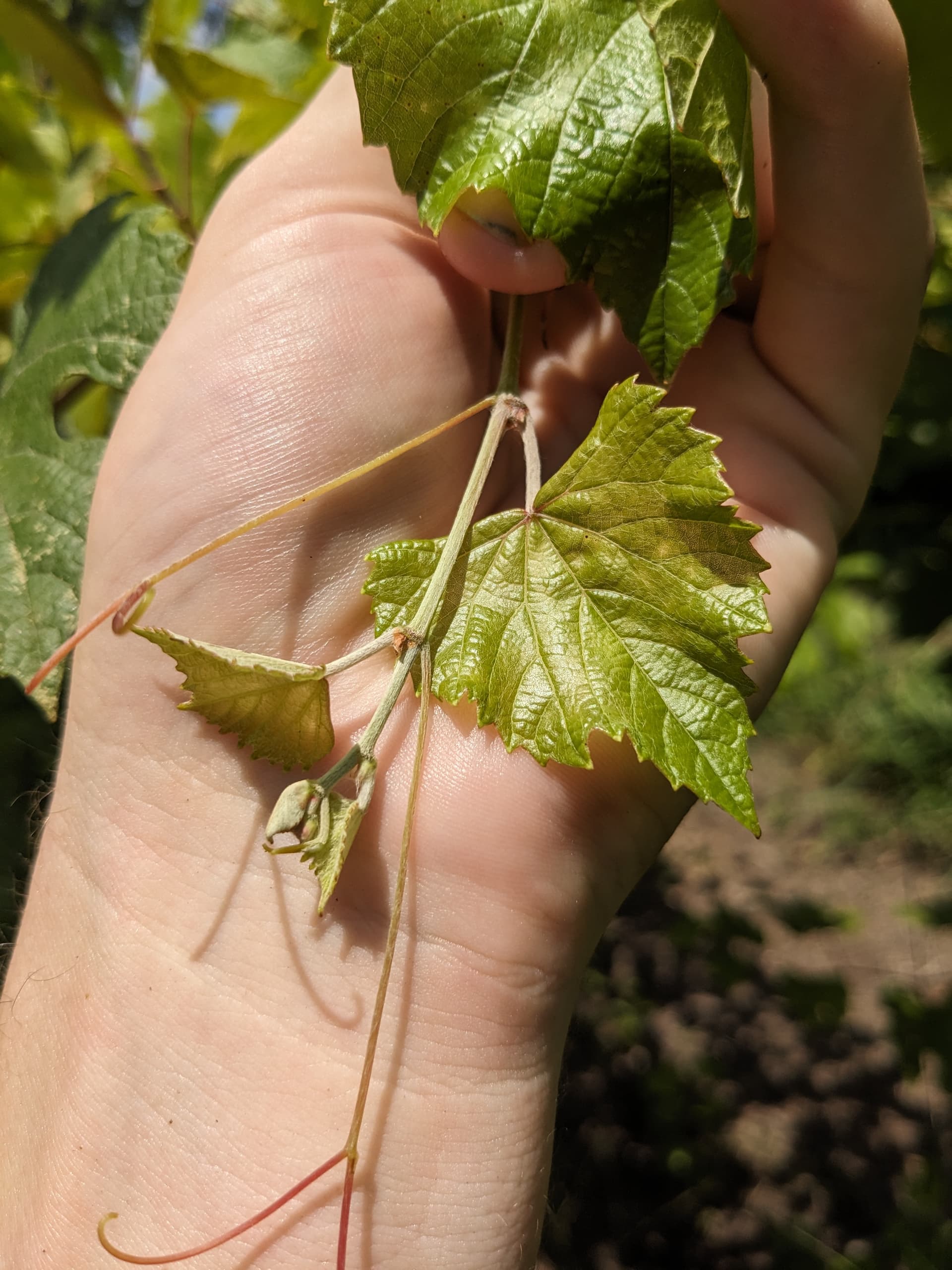
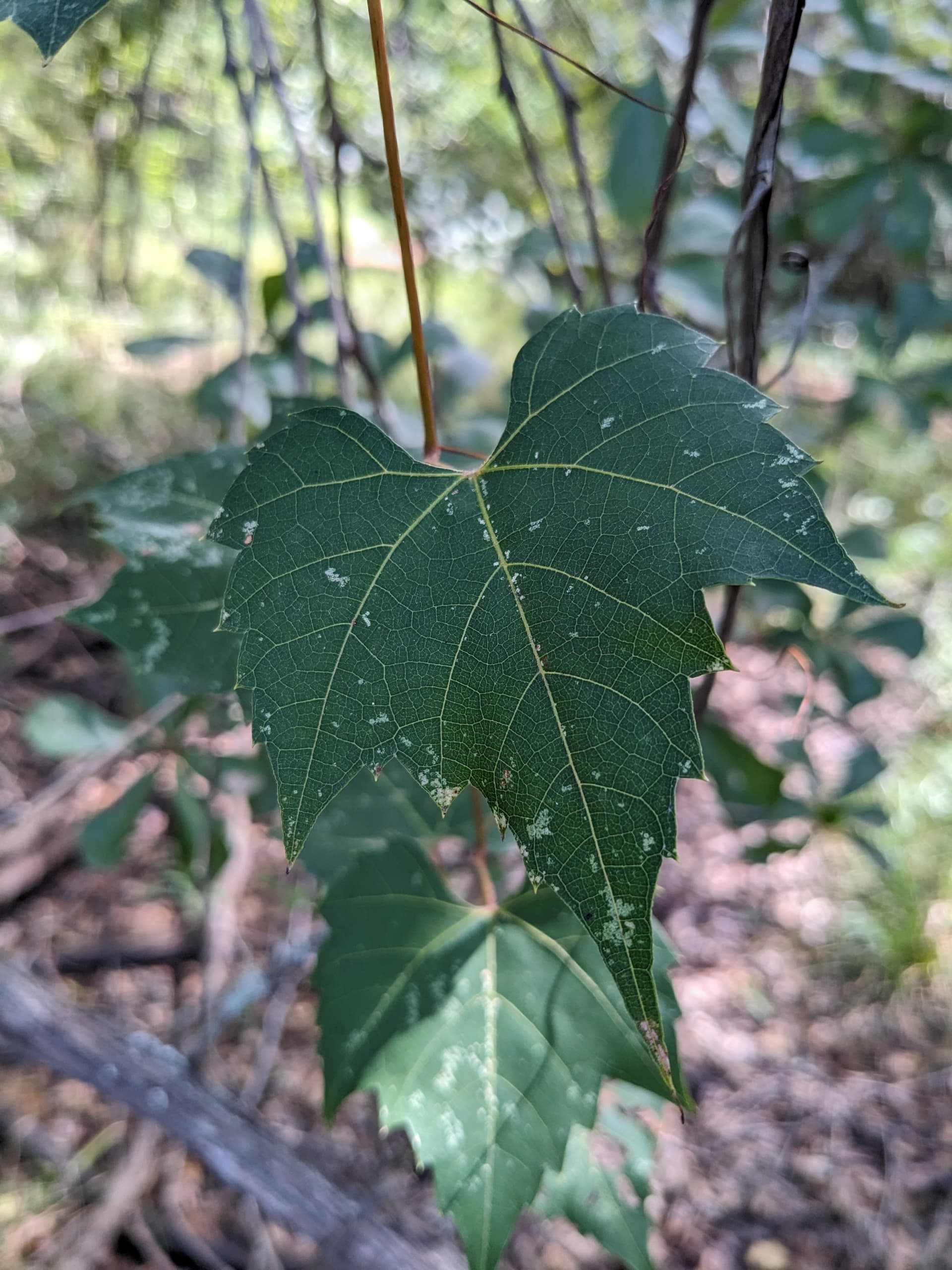
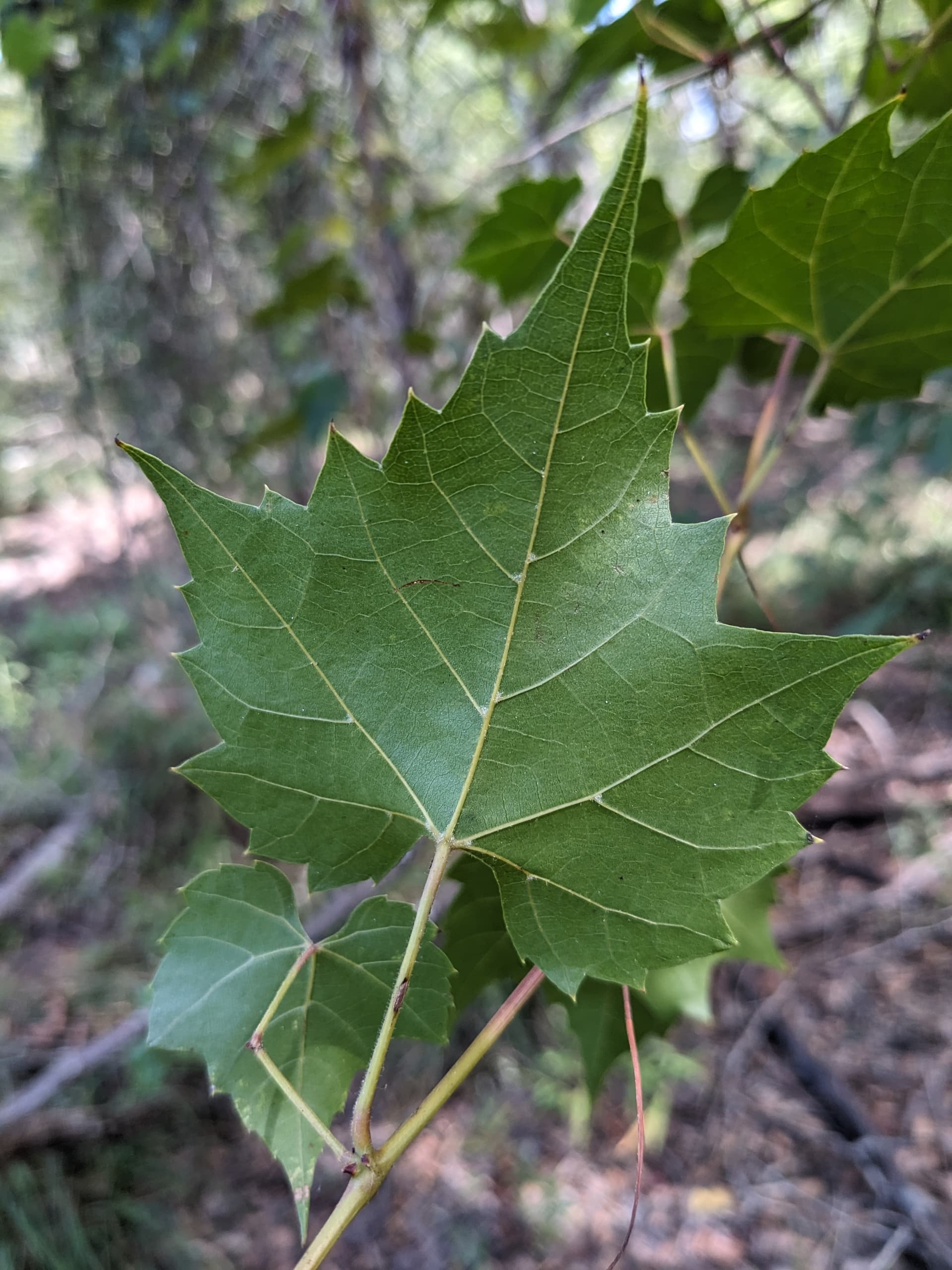
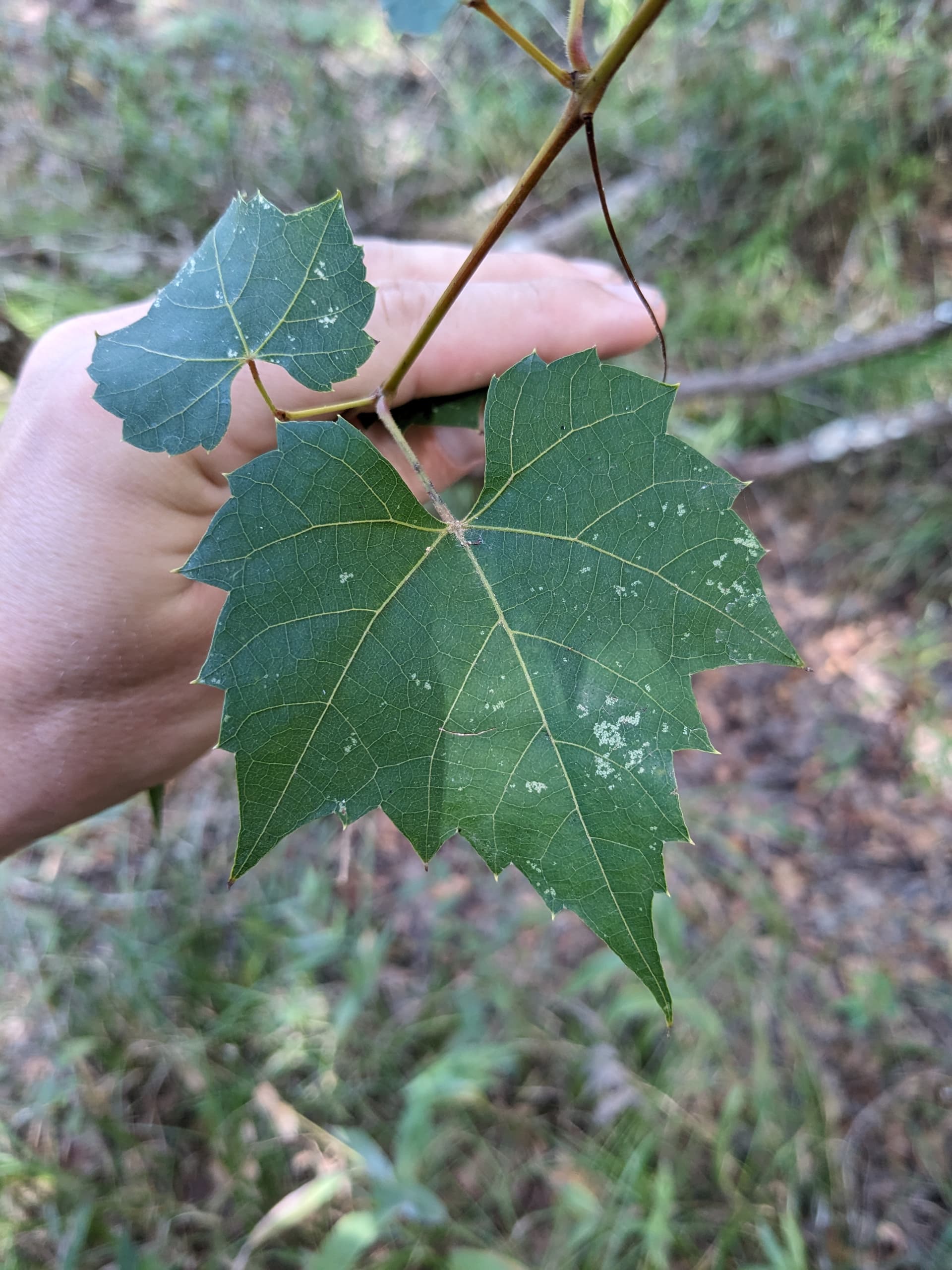
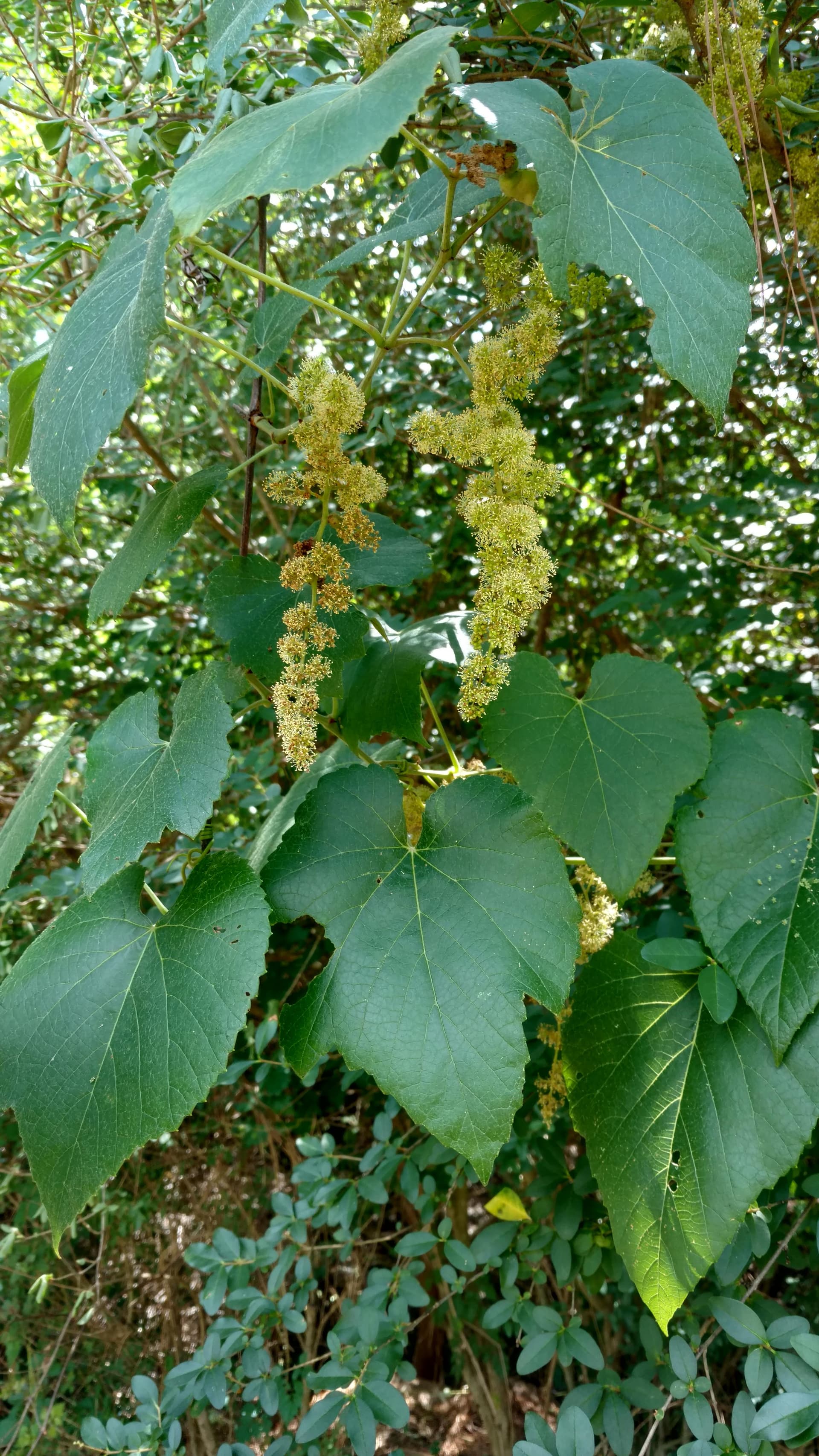
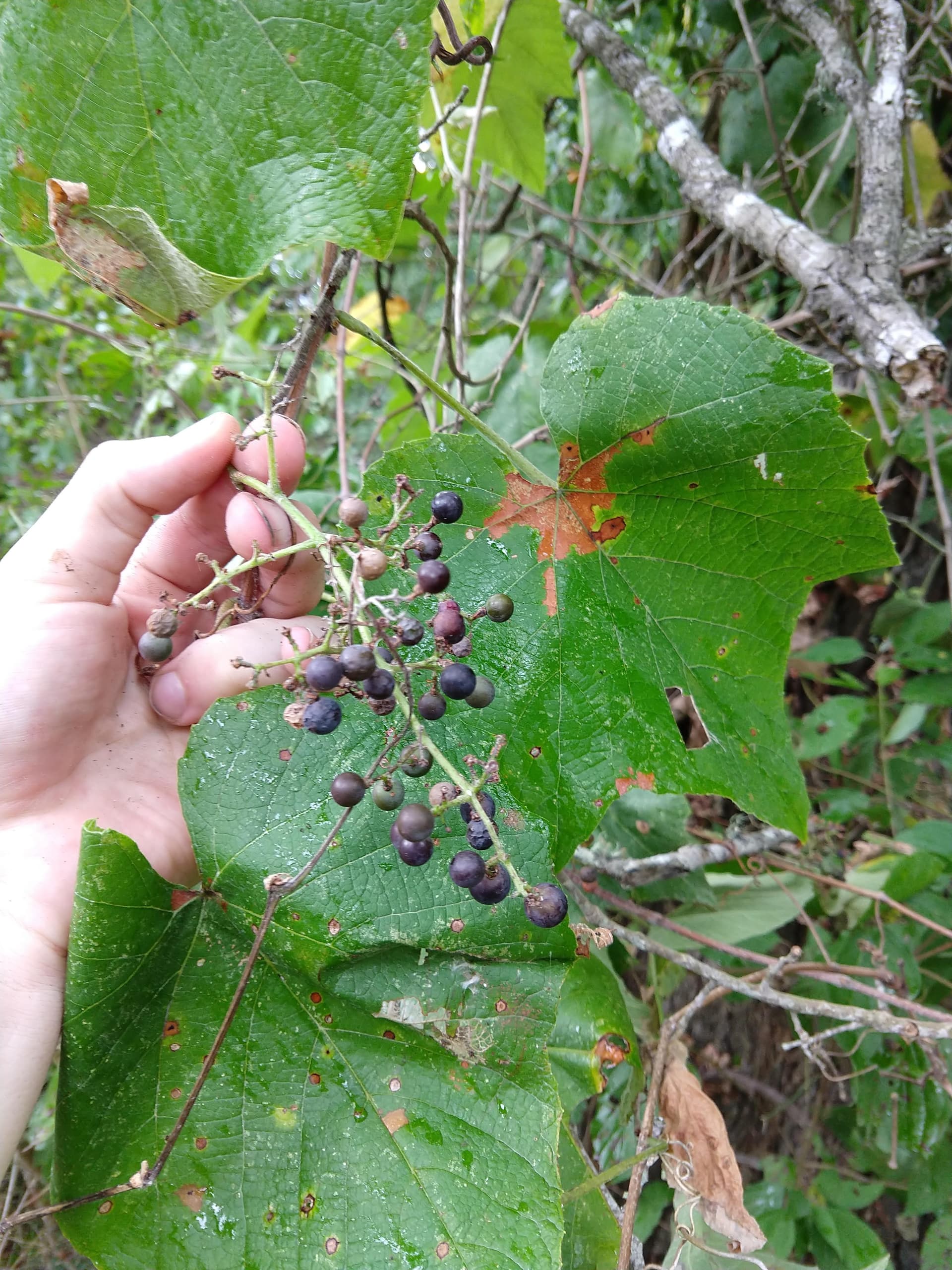
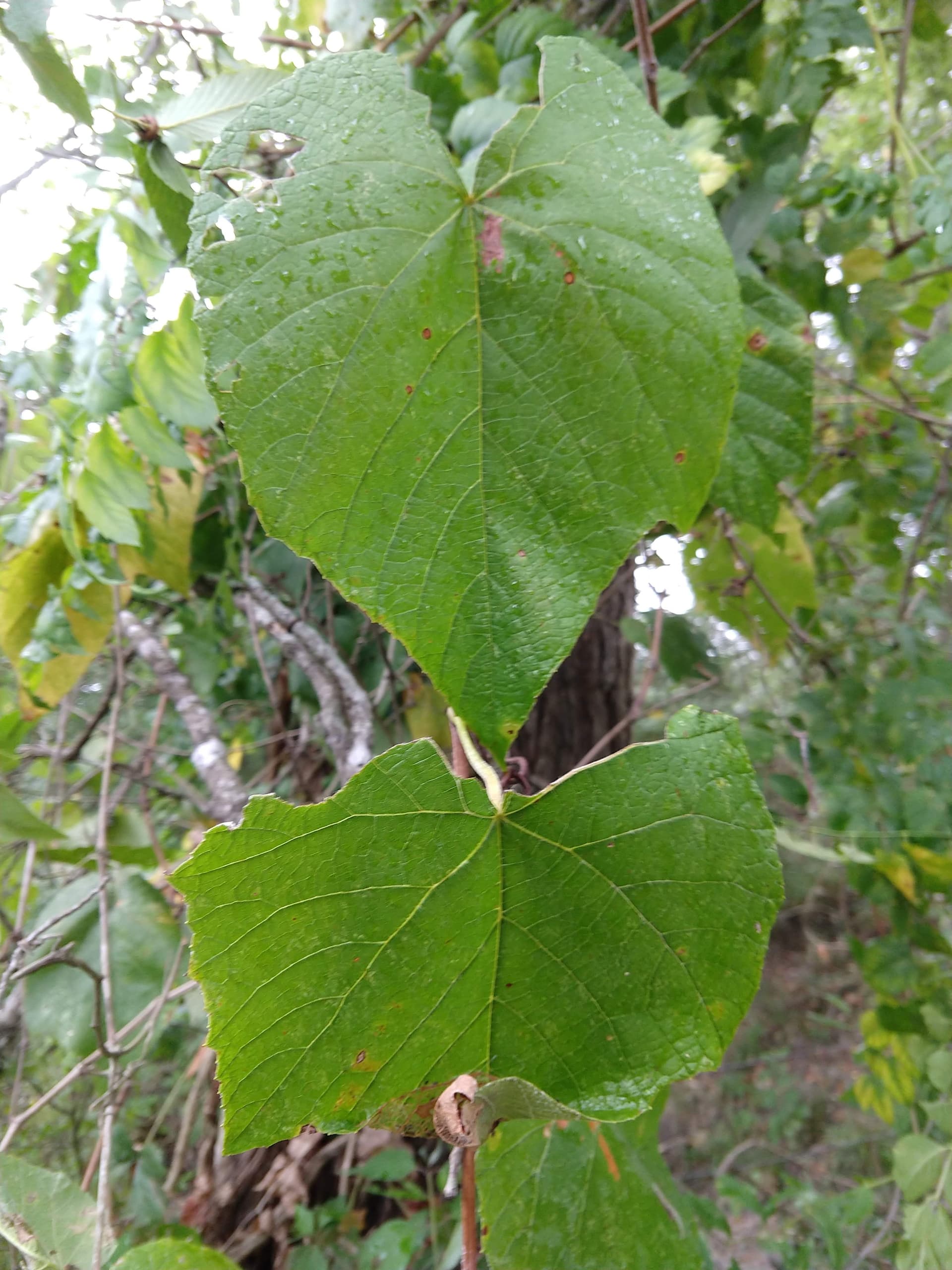
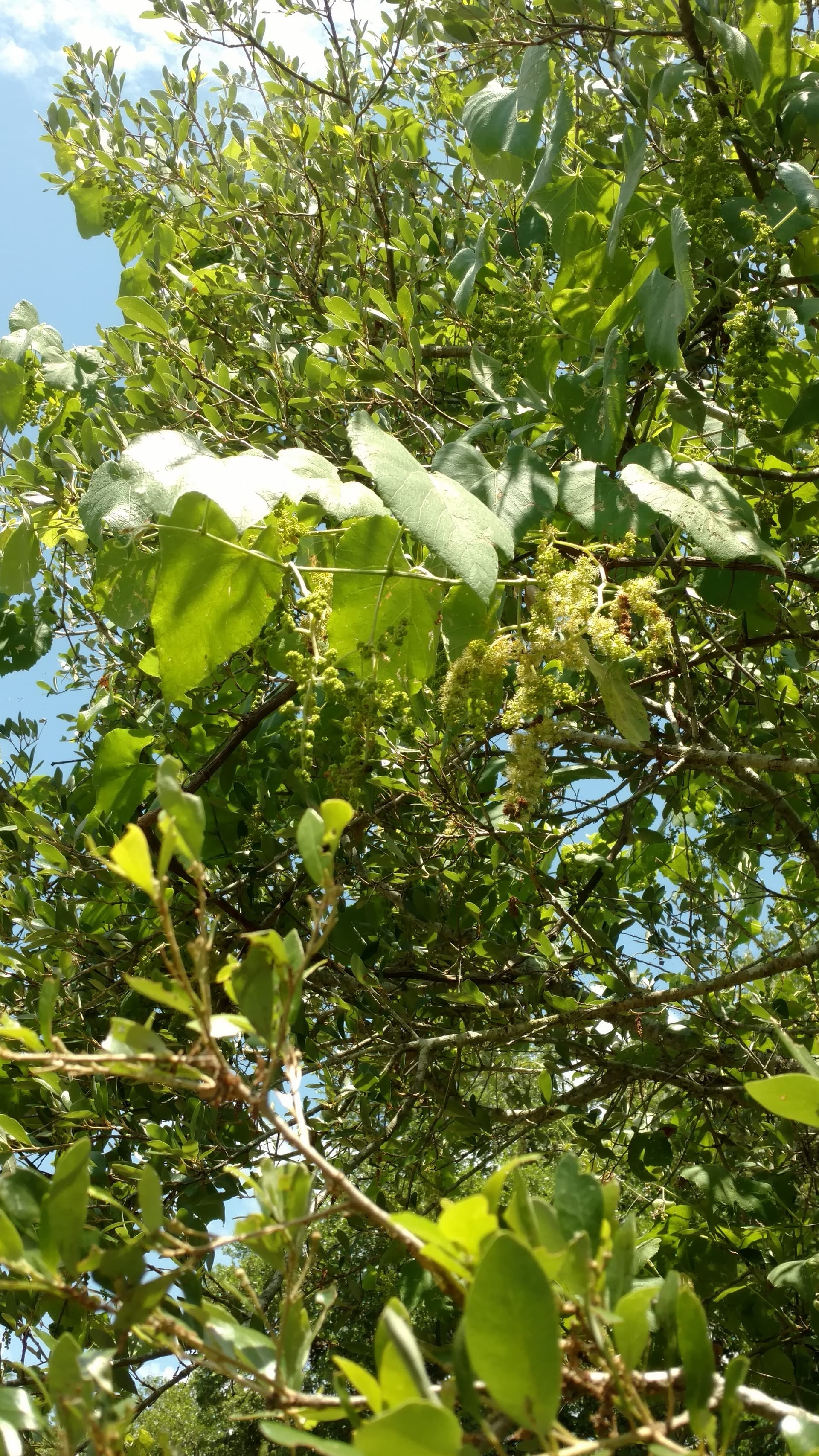
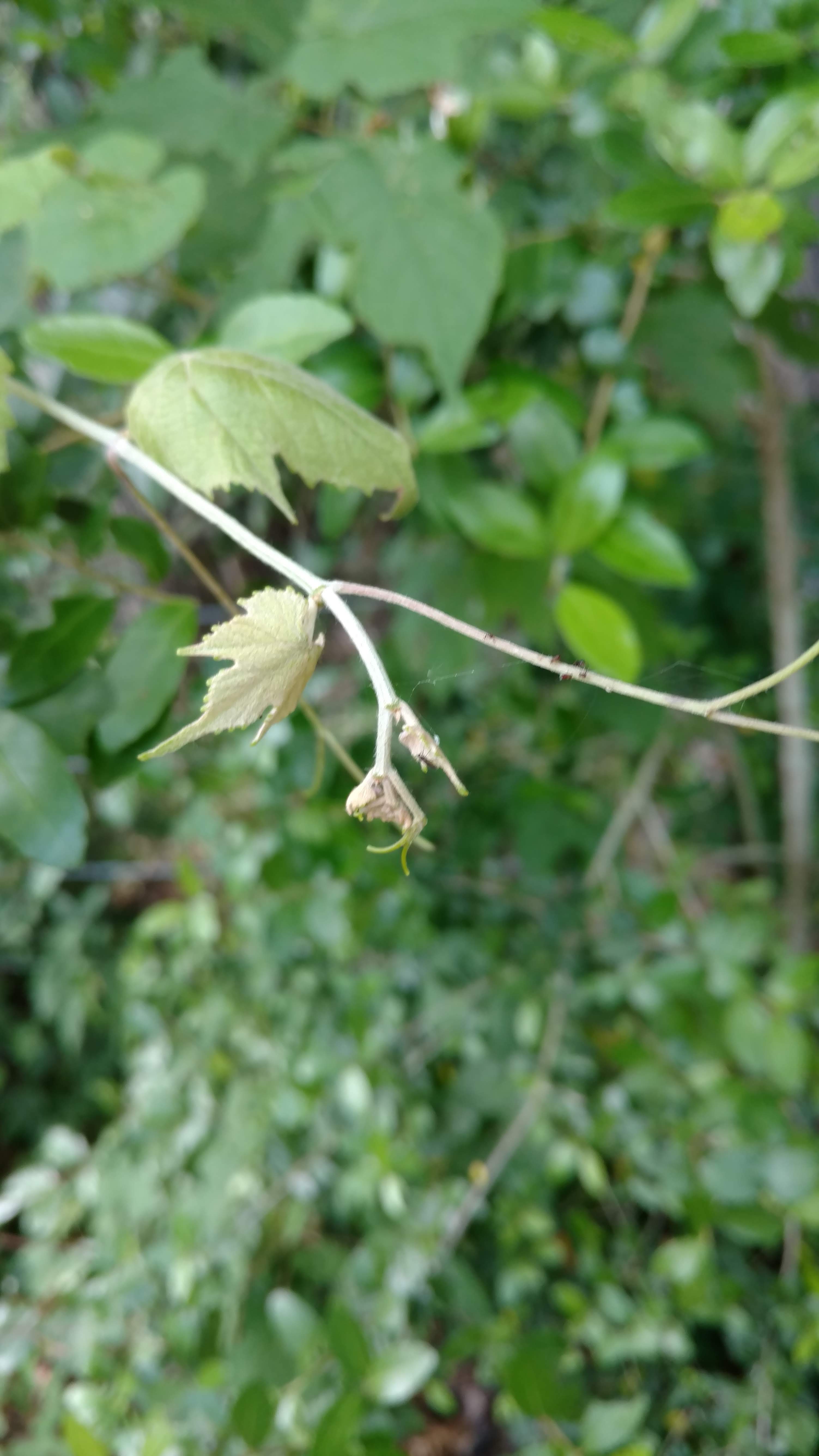
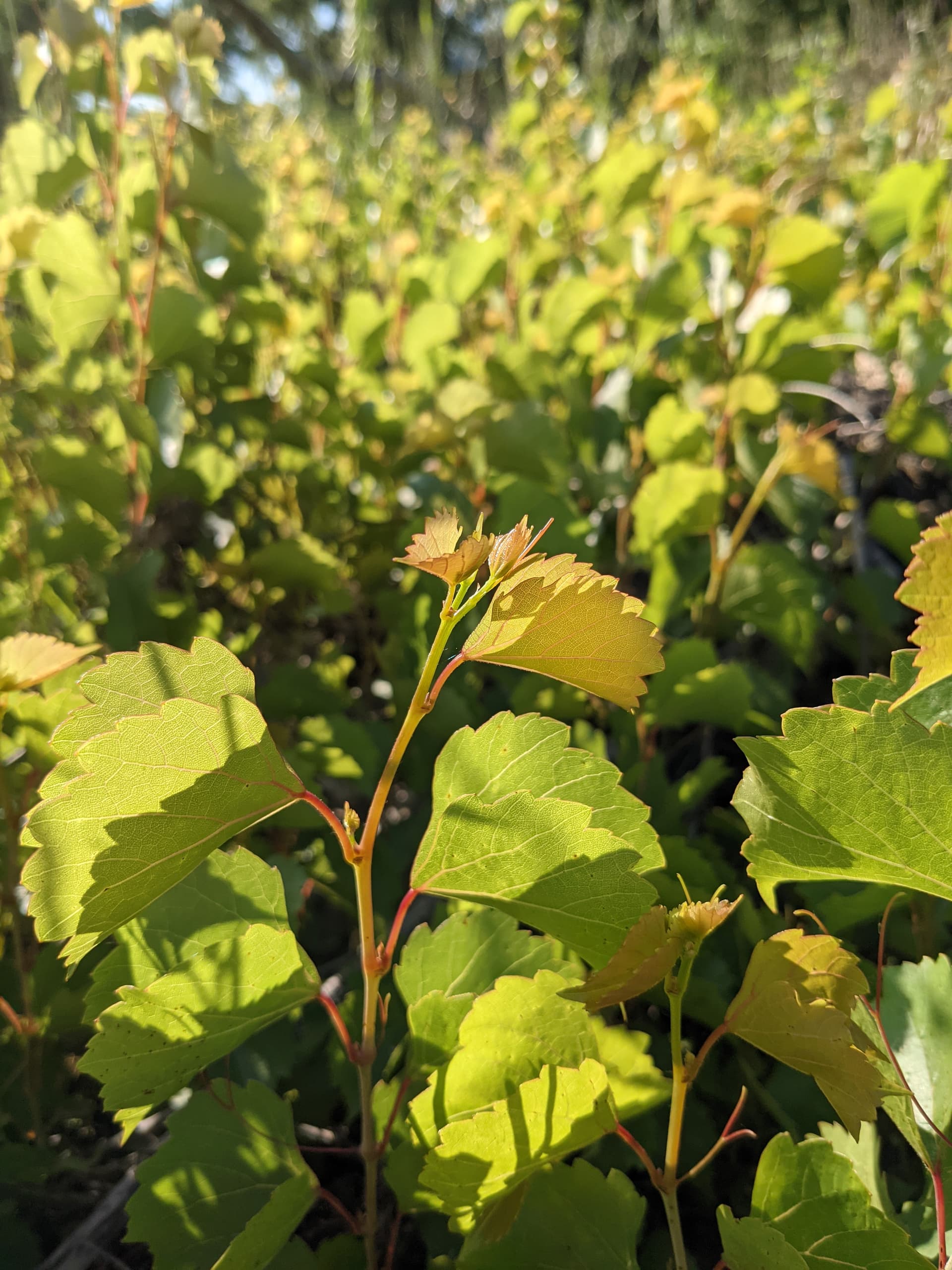
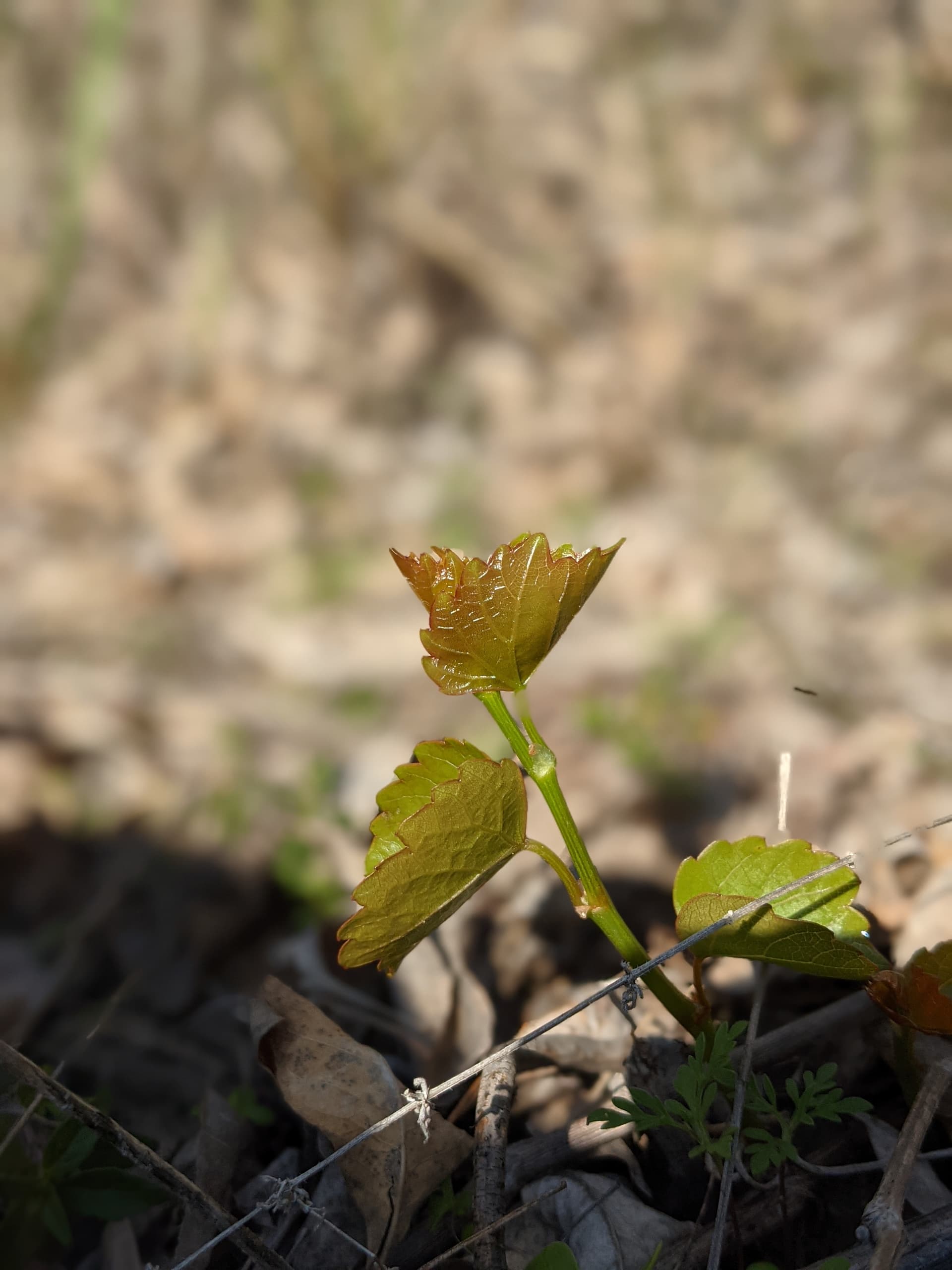
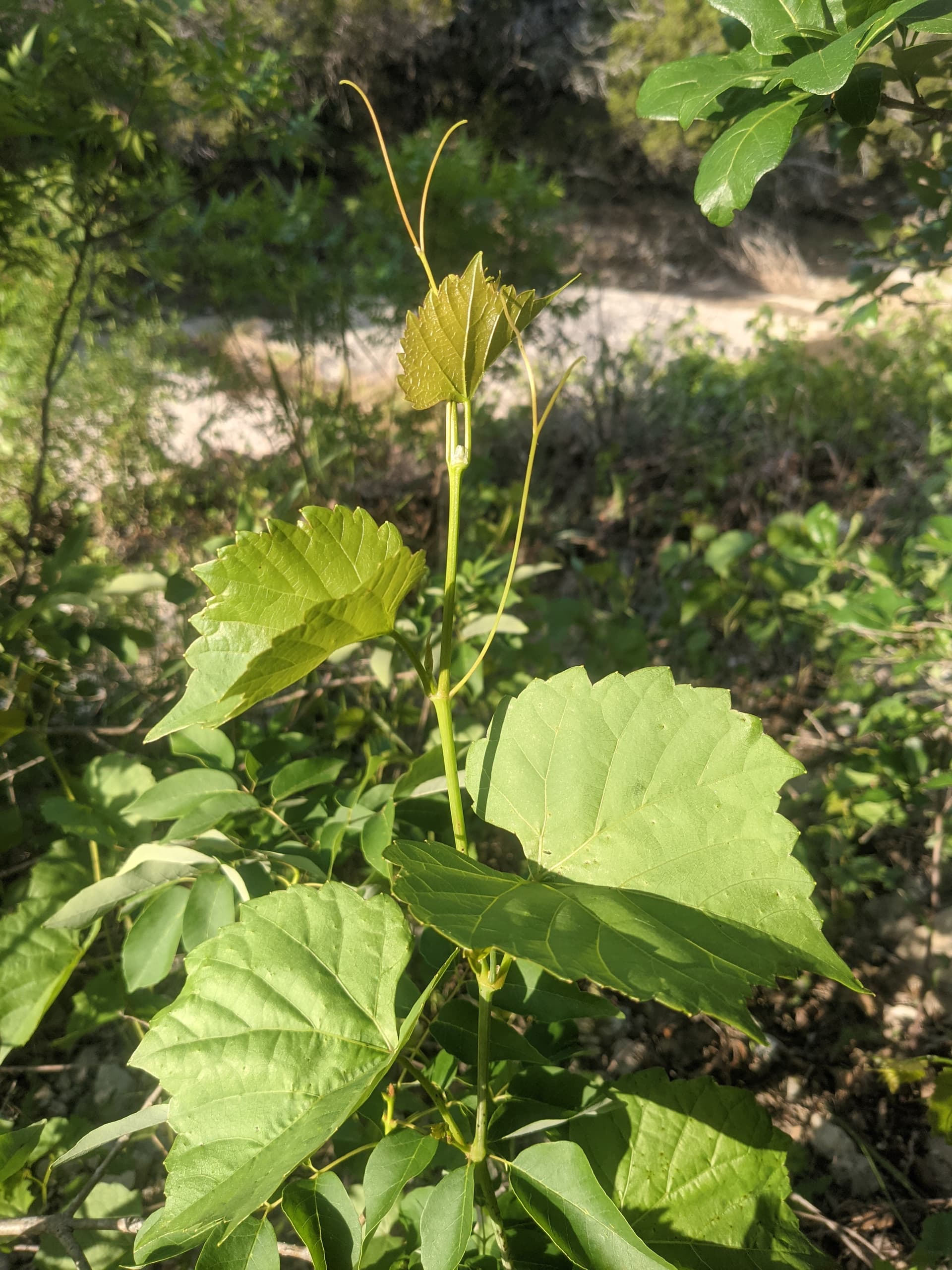
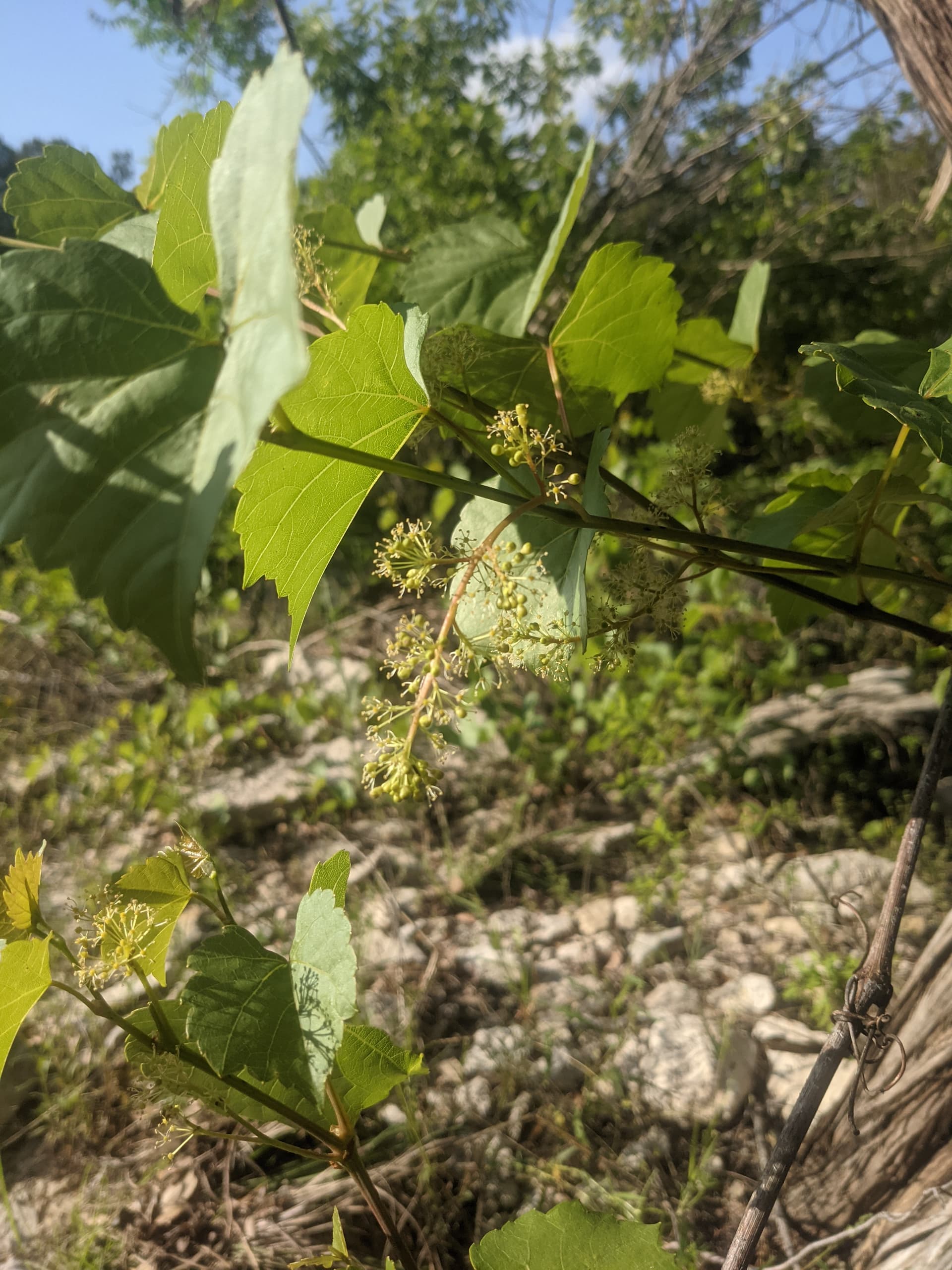
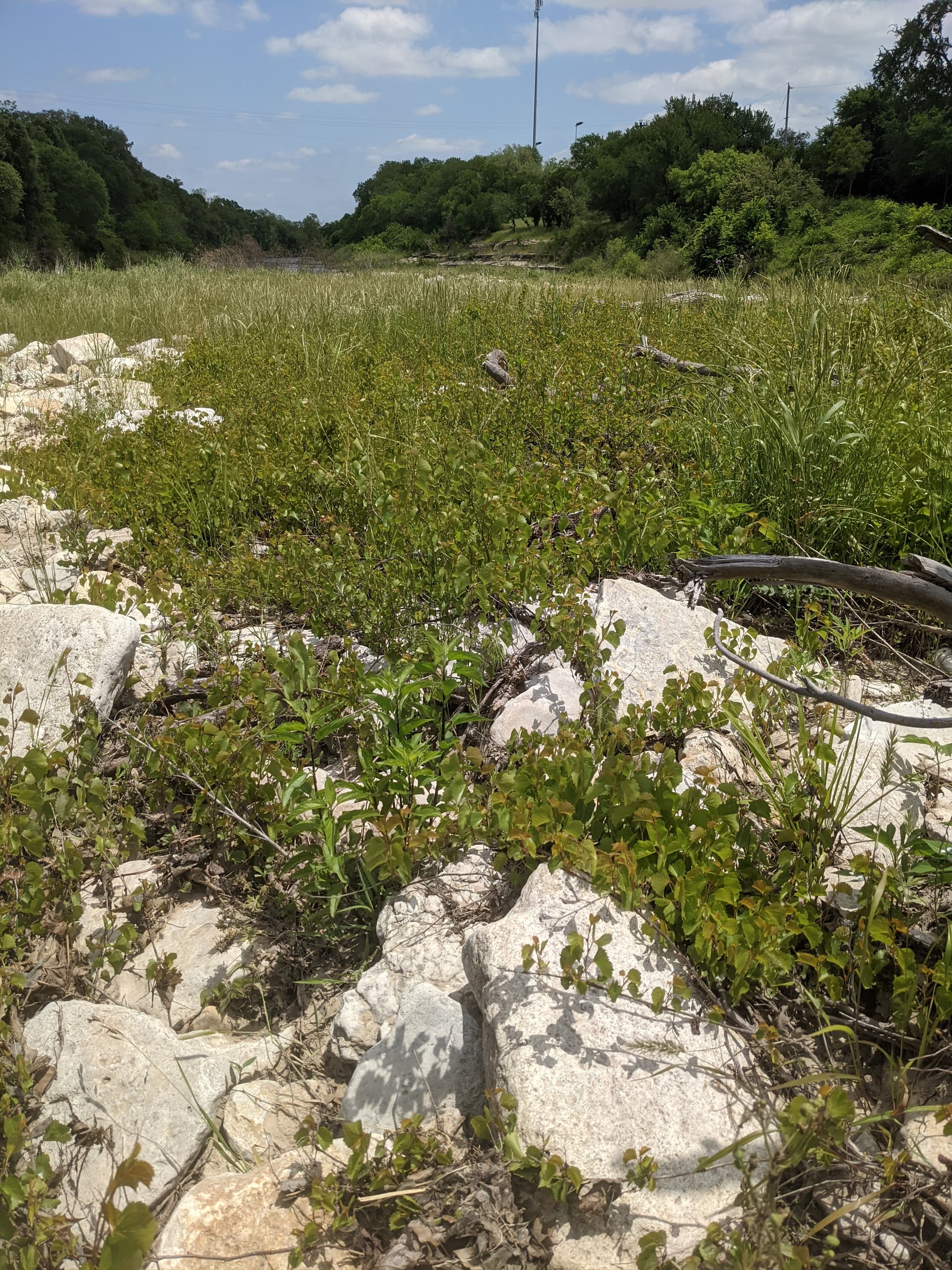
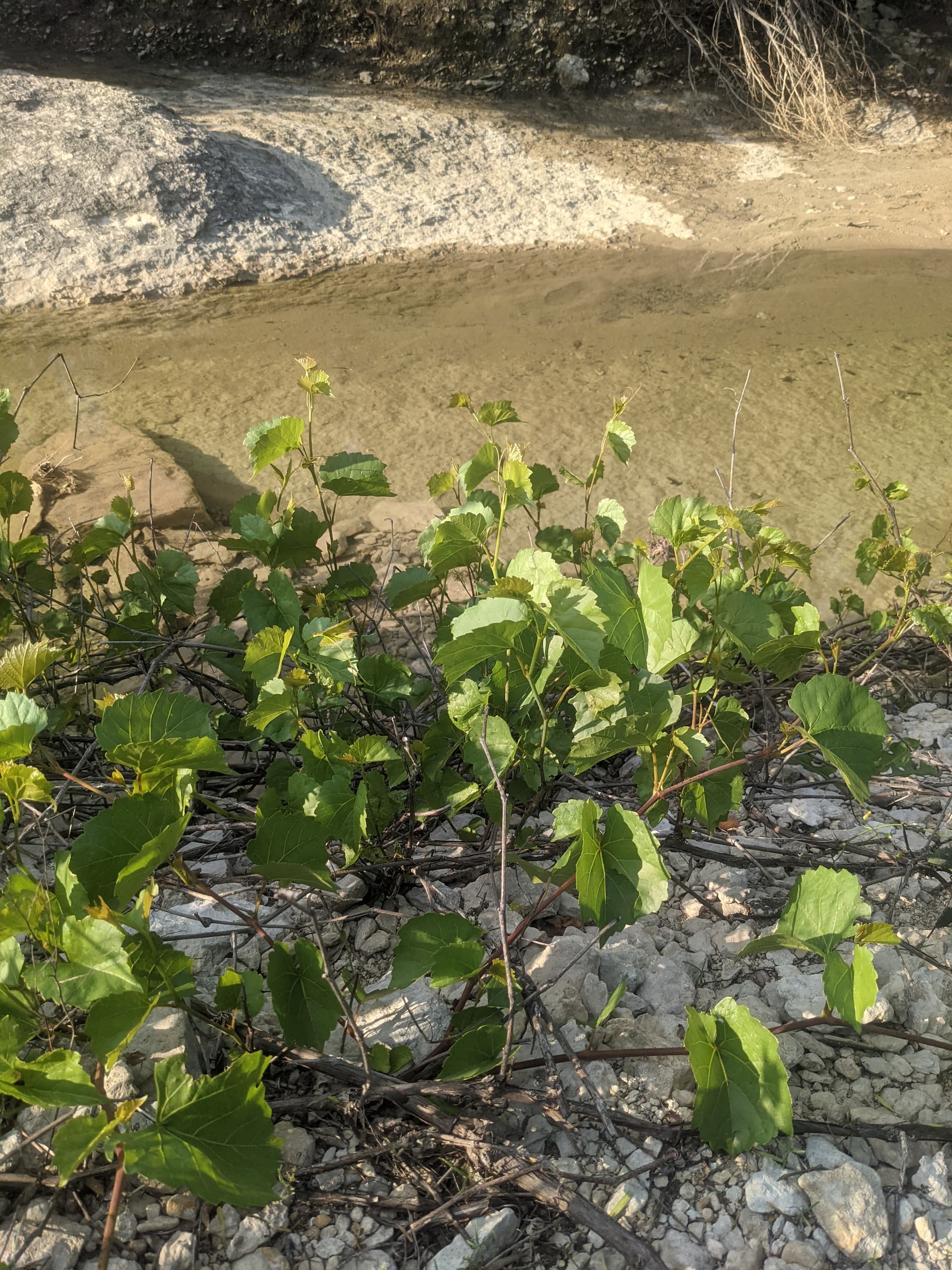
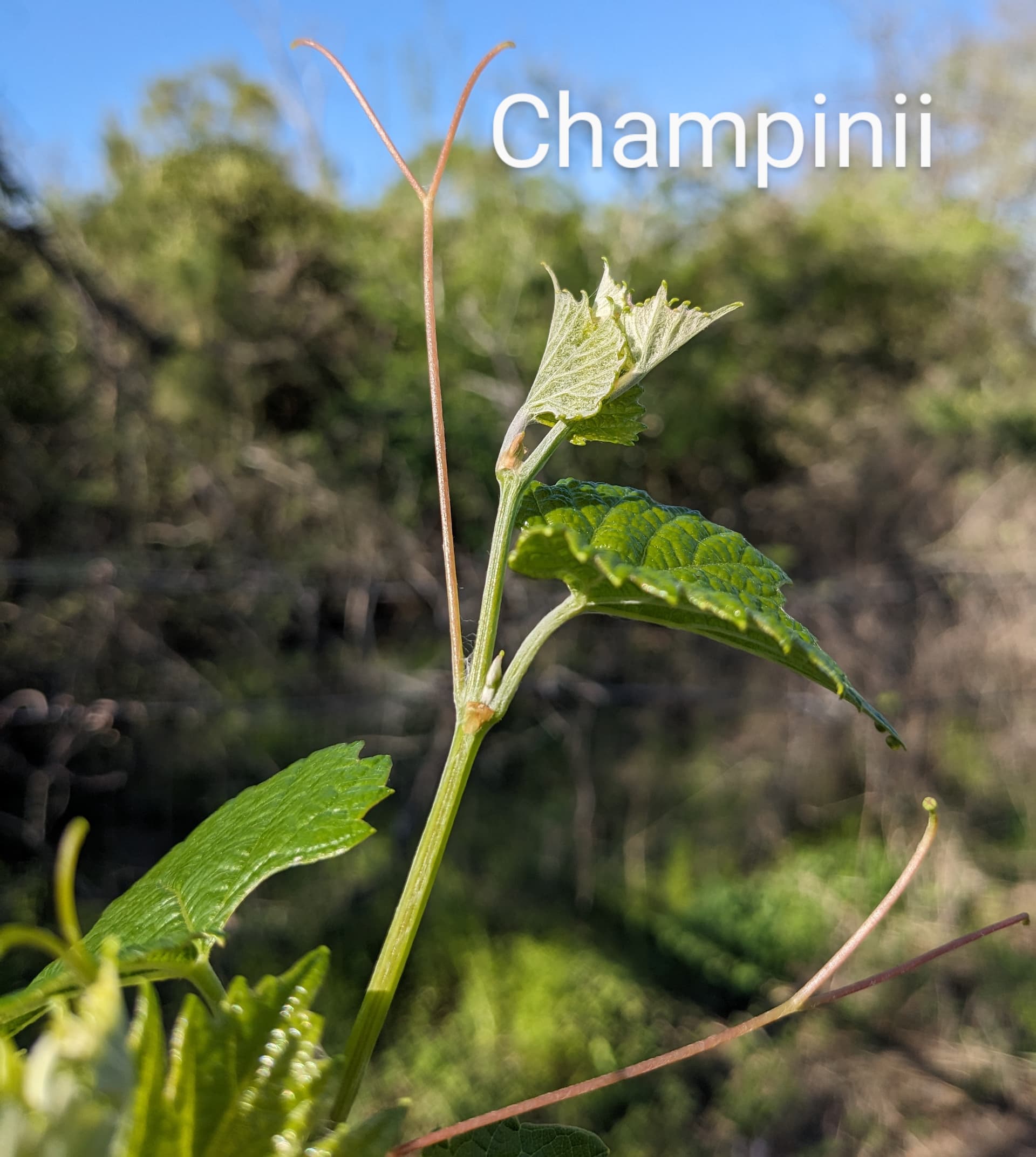
Vitis champinii

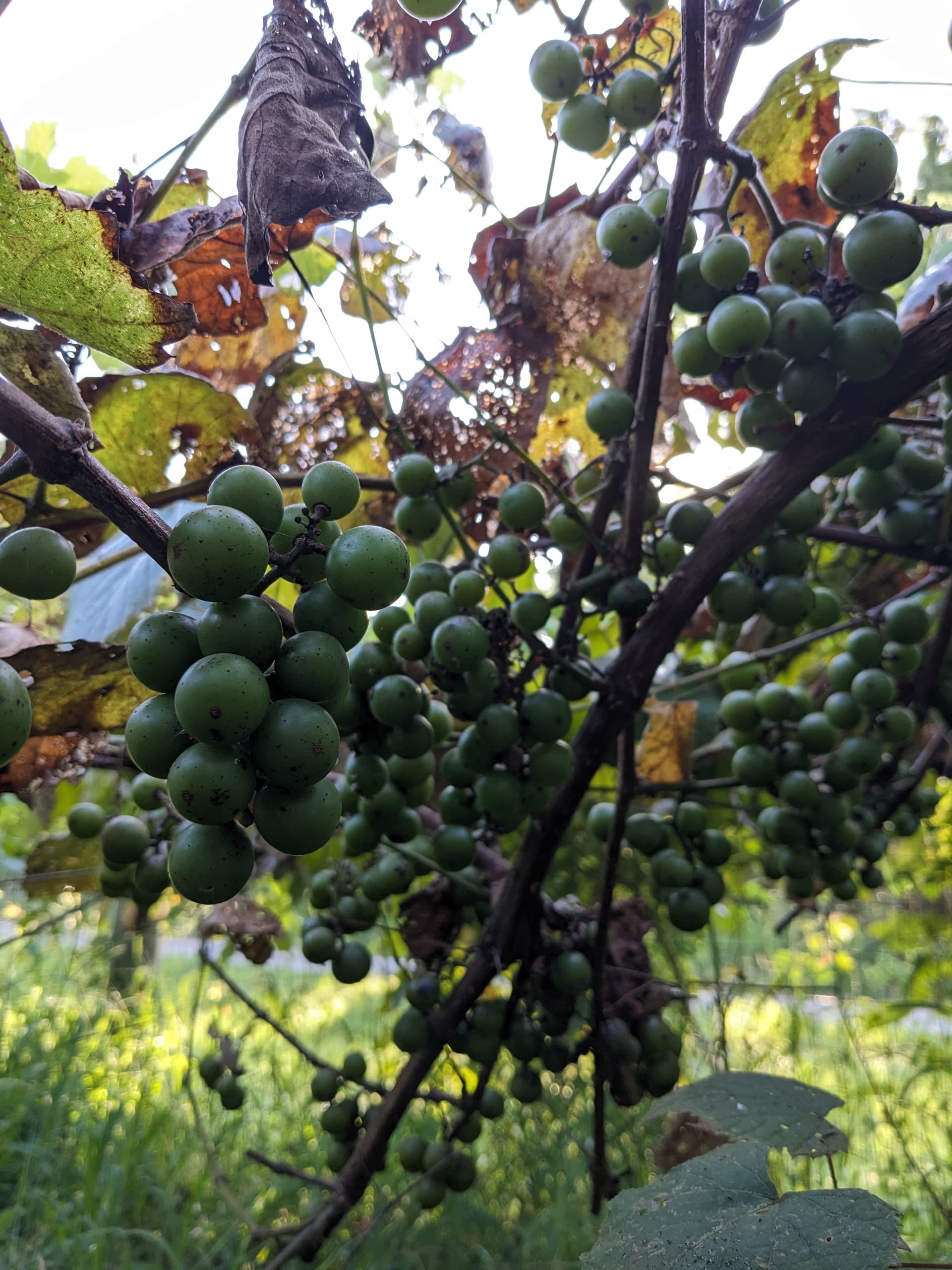
This species is exclusive to Texas, because it’s actually the result of a naturally occuring hybridization between two other species, vitis mustangensis(the mustang grape) and vitis rupestris(the rock grape)

This species is now quite rare in the wild, and this is due to vitis rupestris being nearly extinct in the wild(in texas), and Texas is the only area in its native range where rupestris grows and blooms near mustangensis, allowing the natural hybrid of champinii to occur.

Vitis champinii is one of the wild grape species that has been historically used as a rootstock. Cultivars like dog ridge, Ramsey, freedom & harmony are all rootstocks that are fully or partially vitis champinii.

It has also been used in cultivar development for the south. Varieties like lomanto, midsouth, etc. contain vitis champinii in the background, and owe their tolerance to pierces disease to it.


Because champinii is a hybrid species, there is some variability vine to vine, but in general:

It roots reasonably well from dormant cuttings(inherited from rupestris)

It has very aggressive growth and can grow well in poor infertile soils(inherited from both parents)

It is generally tolerant to pierces disease(inherited from mustangensis)

It generally has less foliar and fruit disease resistance than rupestris, but this varies from plant to plant.

It generally has good tolerance to soils from moderately acidic to rather alkaline and generally has good to excellent tolerance to phylloxera and many nematodes. Grows well in sand, or clay… Almost any soil type.

It often has relatively low fruit acidity for a wild grape(inherited from the rupestris parent)

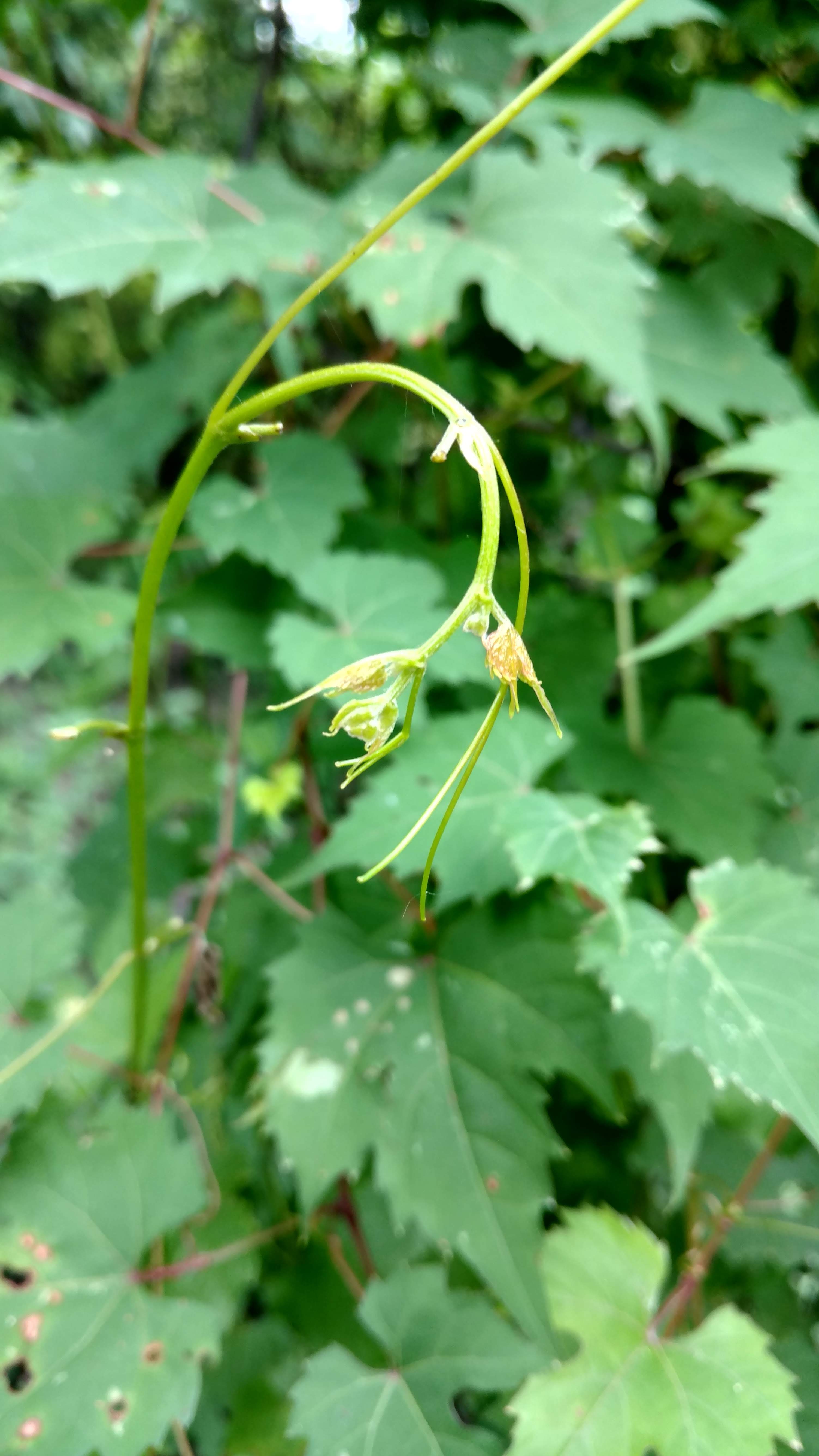
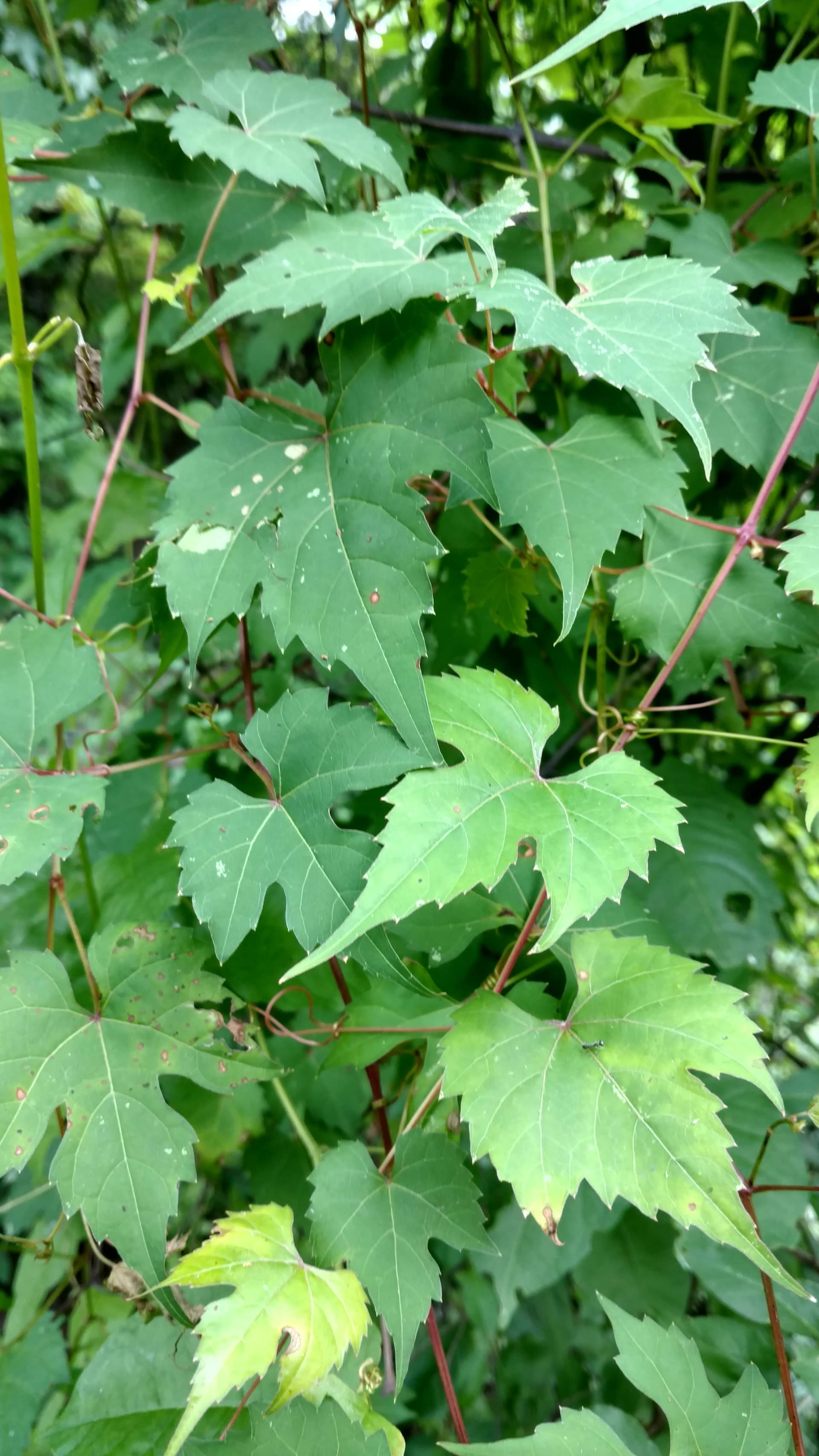
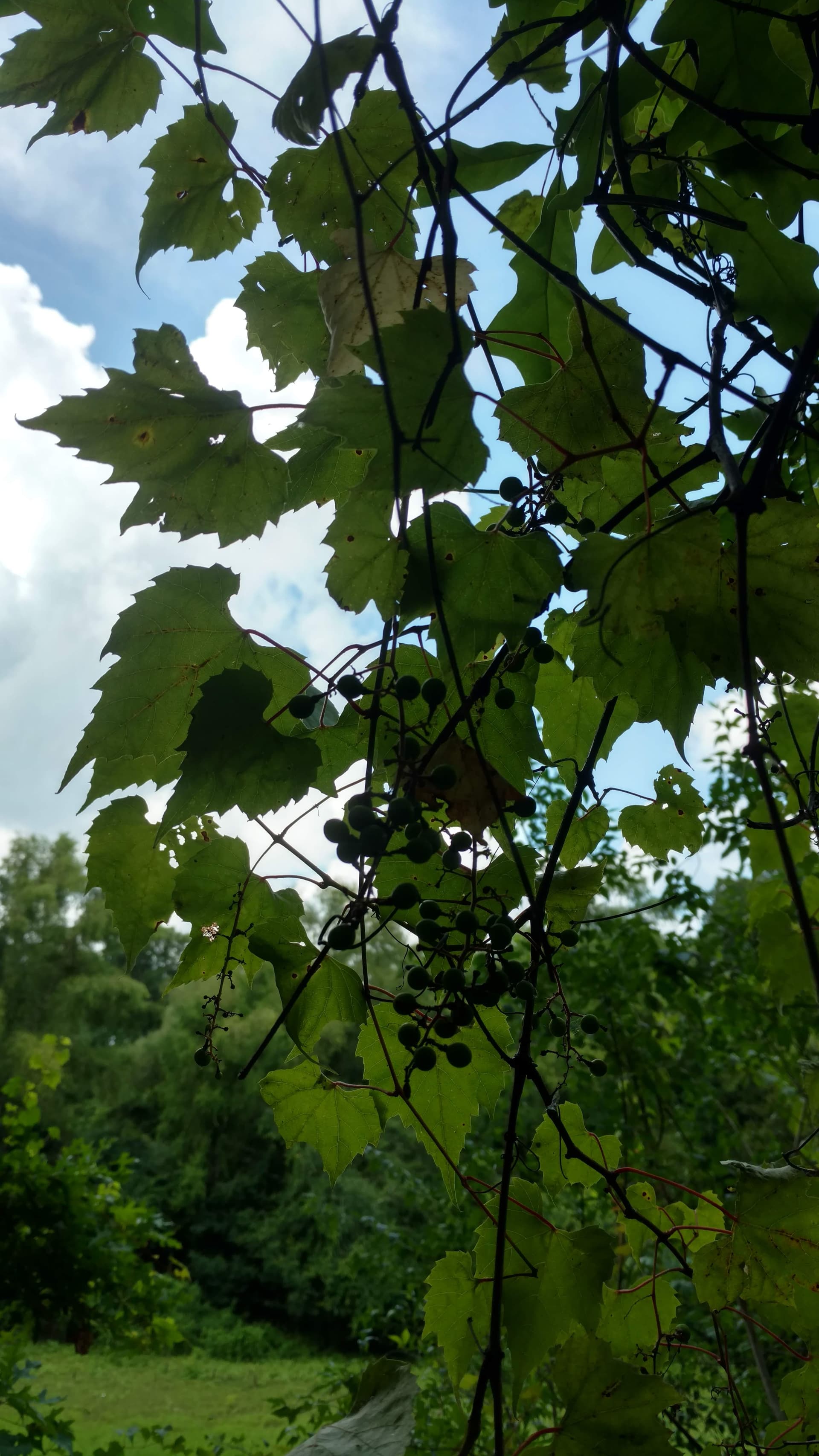
I included quite a few pictures I’ve taken because there aren’t many online.

It’s best use in breeding, IMHO is primarily for its pierces disease tolerance, and it’s outstanding root system. Some individuals do have some tolerance to black rot, downy mildew and anthracnose, but in general, this isn’t the first species I would use if resistance to foliar and fruit diseases was the primary goal for the cross. I think there are better species for that, but if you need strong growth in poor sandy soils, this one is tough to beat.

6 Likes

Vitis mustangensis

Mustang grape

This species is found mostly in Texas. It ranges through most of the state, but is not found in far west Texas, or in the Texas panhandle. It’s native range tends to end just across the red river in Oklahoma, and just barely extends into a few areas of Louisiana. It extends all the way down to Brownsville, and likely into parts of Mexico as well.

The species has very sour fruit, even for a wild grape, which normally have sour fruit. Ph of the juice is commonly around 2.0 and acidity around 27-30 grams per liter. REALLY sour.

Even so, it is one of the few wild grapes that is regularly used to make wine, particularly by the farming families of central Texas who decend from the Germans and Czechs who immigrated to the region in the mid 1800s, and first began harvesting the species for this purpose.

I am not a wine maker or drinker, but my understanding is that with generous additions of sugar and water it can eventually be made into a decent wine.

It’s a country wine no doubt, but it’s popular enough that my local county fair has a “mustang grape wine” division in their annual home winemaking competition.

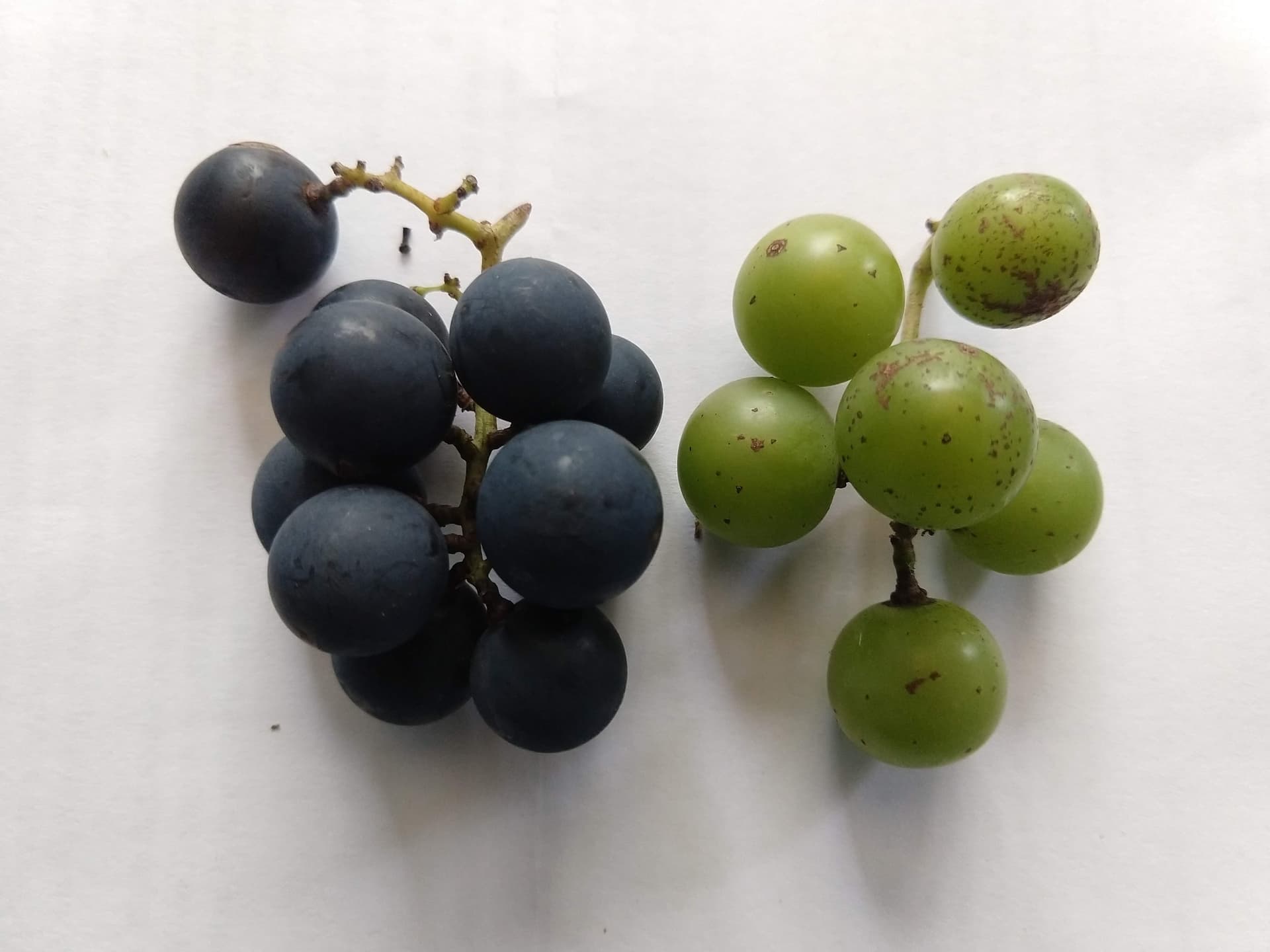
The species typically has large fruit between .65" and 1" in size. Clusters are small, typically less than a dozen berries per cluster. Fruit is most commonly black at maturity, but occasionally white fruited vines are found. Some would say red fruited types exist as well, but I have looked at a lot of mustang vines in the wild, and as far as I have personally observed, I’ve only seen red fruit when the fruit has stalled out and failed to fully ripen for some reason. Even then, it tends to be a fairly dark red, close to black. Perhaps vines that have red fruit that is not related to vine stress occur, but I have not personally observed them.


Some traits of the species of note for breeders include considerable tolerance to drought, tolerance to fairly wet soils, good tolerance to alkaline soils but only tolerant to moderately acidic soils. Tolerance of phylloxera and nematodes. Excellent pierces disease tolerance that transmits fairly well in breeding. Only moderately tolerant to black rot and downy mildew in most cases. Extremely high vigour once established, though young seedlings may stay thin and spindly for a few years till they reach a certain size. Not tolerant to very cold winters, which is why the northern limit of it’s native range stalls out just north of Texas in Oklahoma. It roots poorly from cuttings in general, but it’s possible, just not easy.

6 Likes

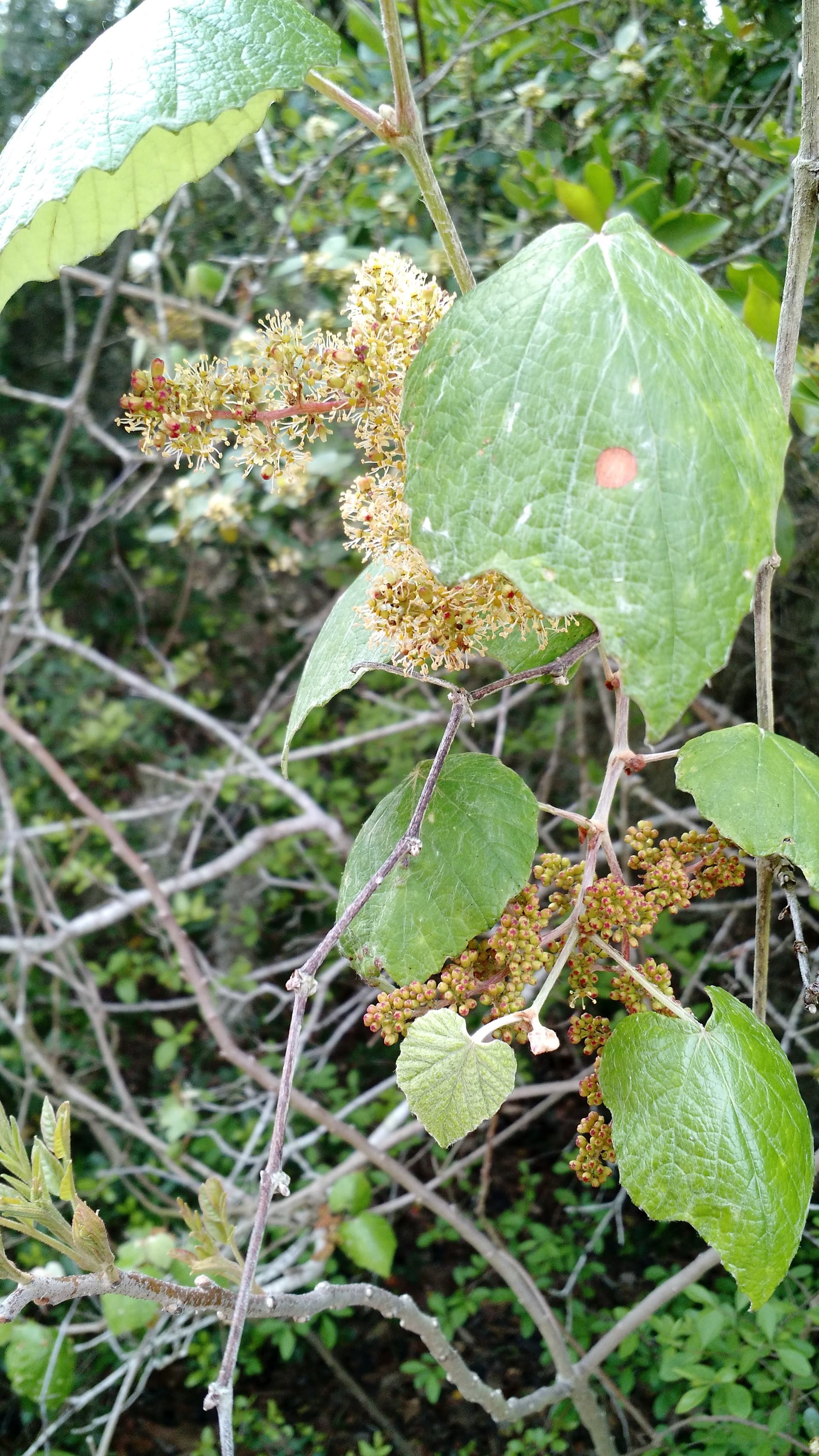
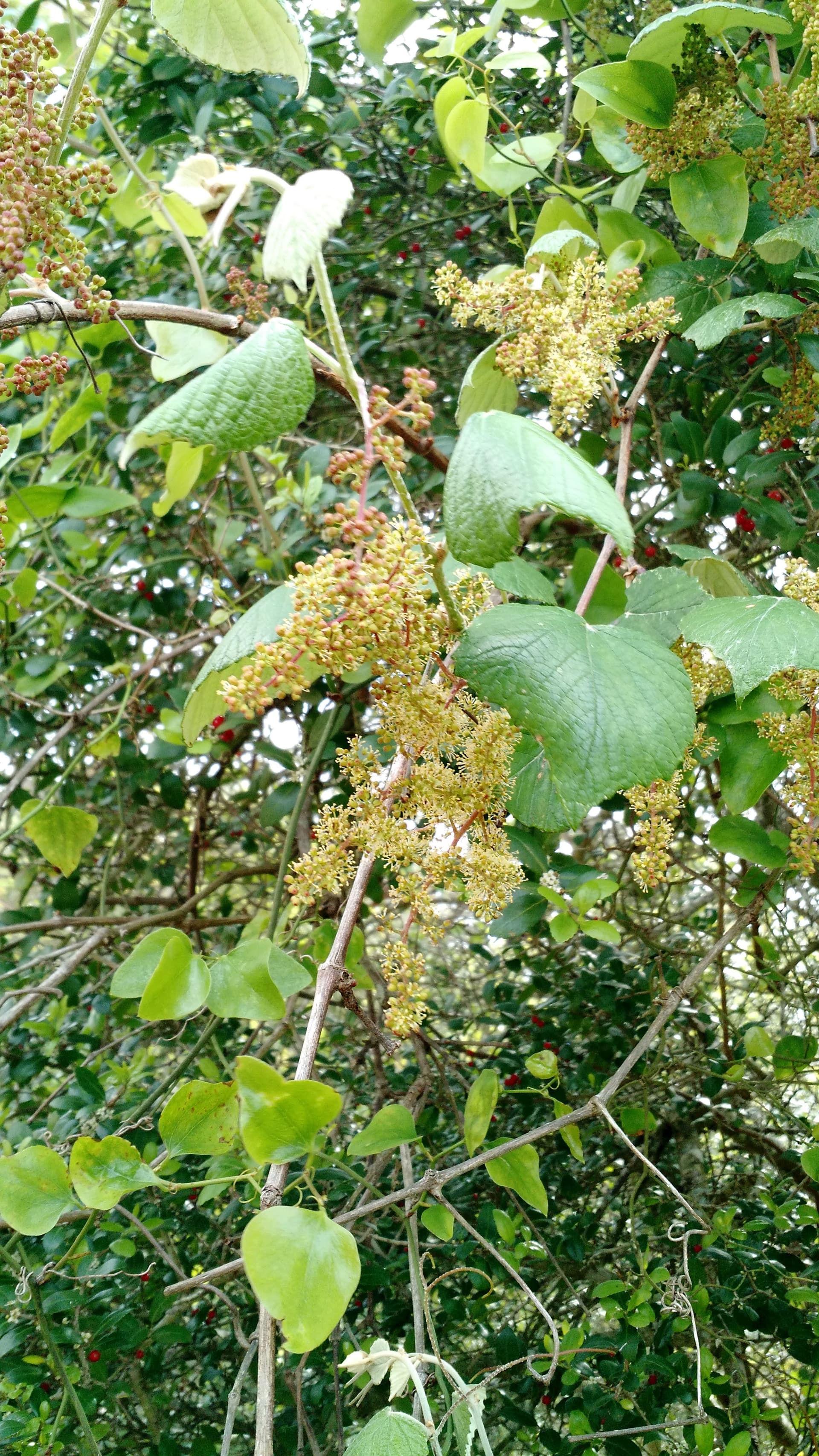
Vitis riparia

Riverbank grape

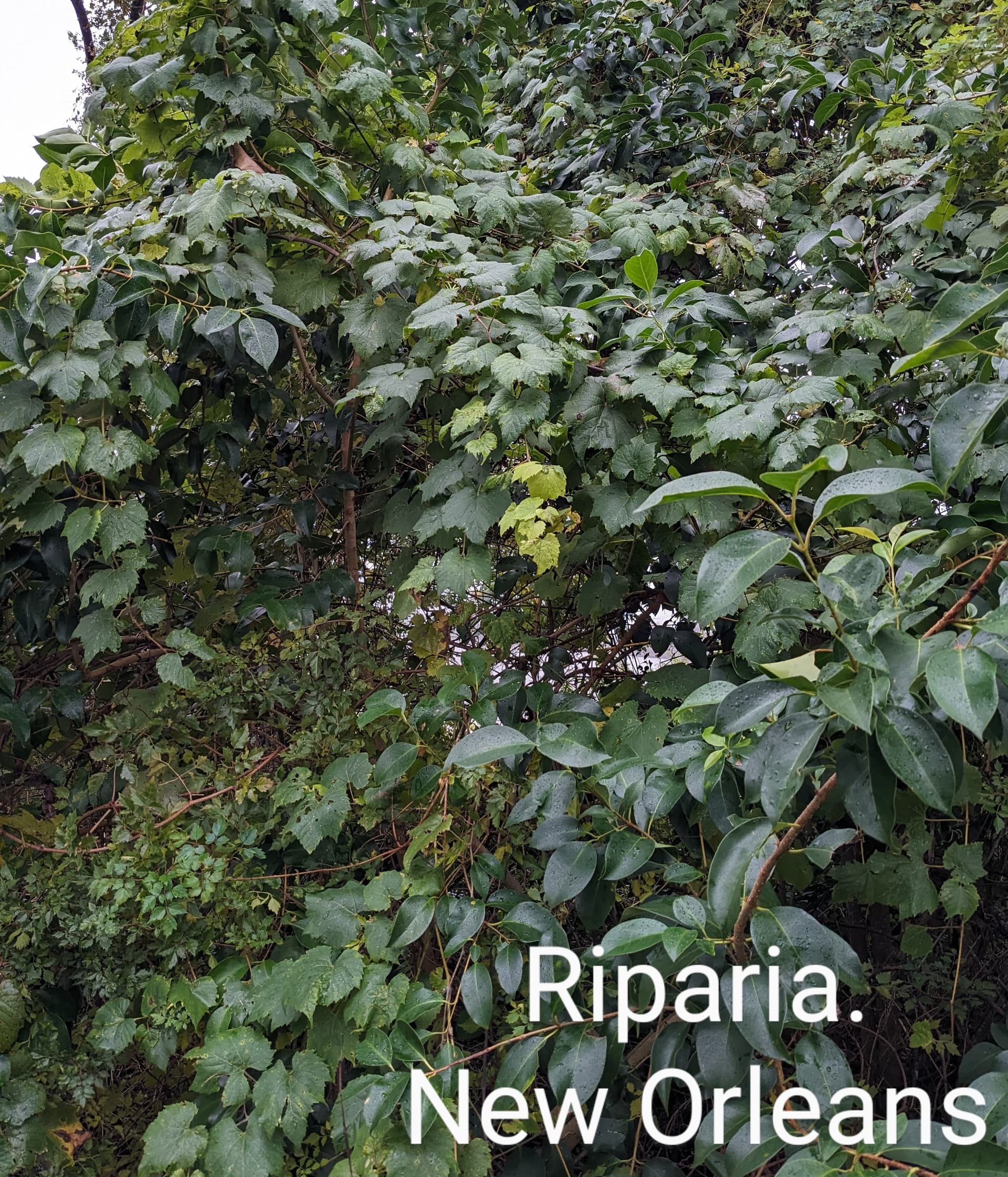
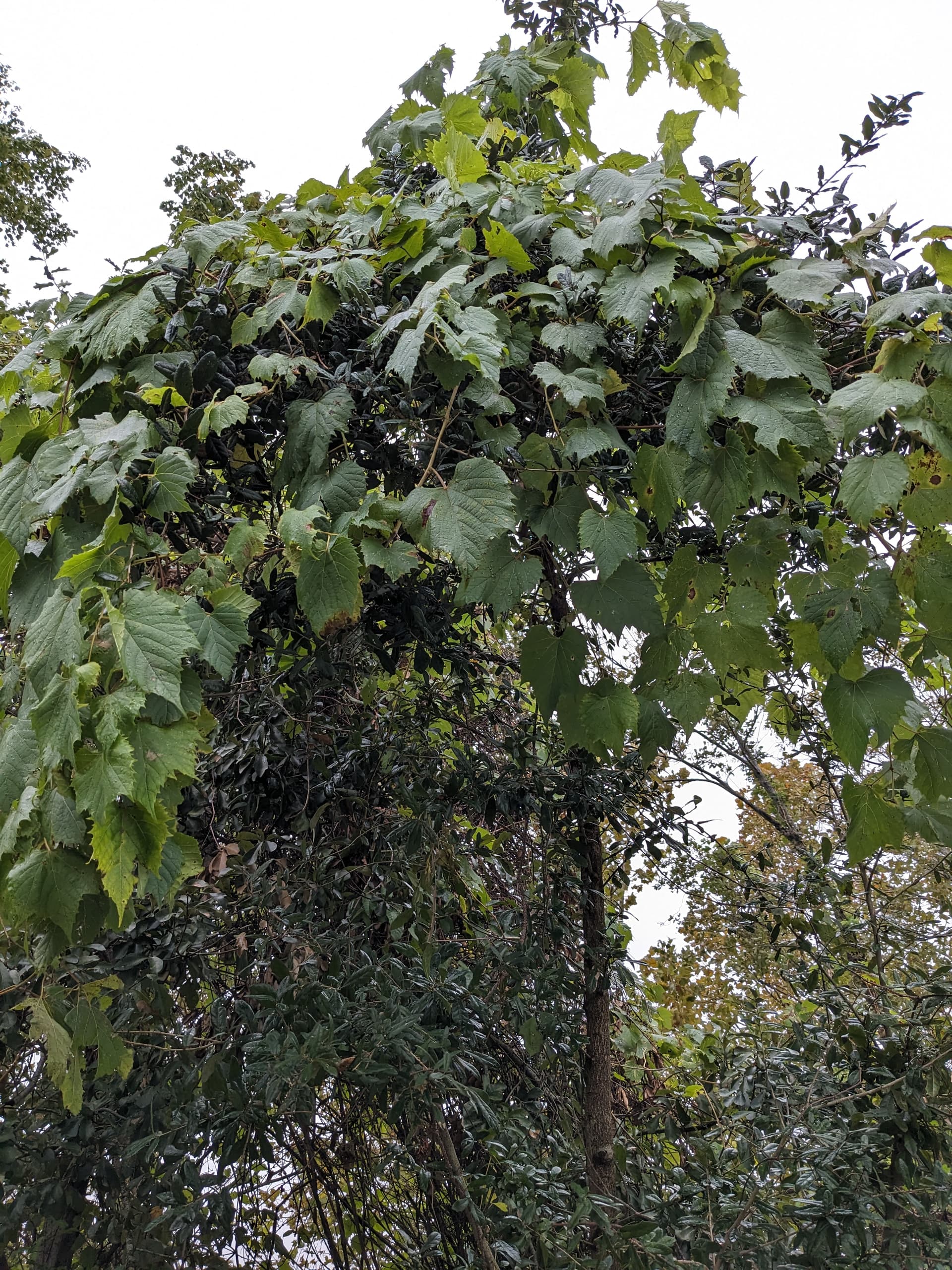
This is the grape species with the widest geographic spread in north America. It’s north to south range goes from a little north of Winnipeg in Canada, all the way south to new Orleans and the atchafalaya swamp in Louisiana. In the east, as far as the Atlantic ocean, and as far west as parts of Montana and Utah.

Although it does extend as far south as new Orleans, it mostly sticks to the Mississippi and red river basins in the south, for unknown reasons. It is not present in Texas except far northeast Texas, near the red river. It is absent from most of the southeast, most of Mississippi, Georgia, Alabama, all of Florida etc.

It is the most cold hardy grape species known, and forms of it have been used extensively in grape breeding by breeders focused on breeding for northern viticulture.

It is also probably the single most used species in rootstock breeding, largely because it roots well from dormant cuttings and has good tolerance to phylloxera.

Because this species covers such a wide range, it can vary quite a bit in its regional adaptations. For example, the types found in Montana and the dakotas have very good cold tolerance, but not very good disease tolerance(dry climate) while those further east in wetter regions(Minnesota, Wisconsin, Missouri, New York, etc) have much better disease tolerance.

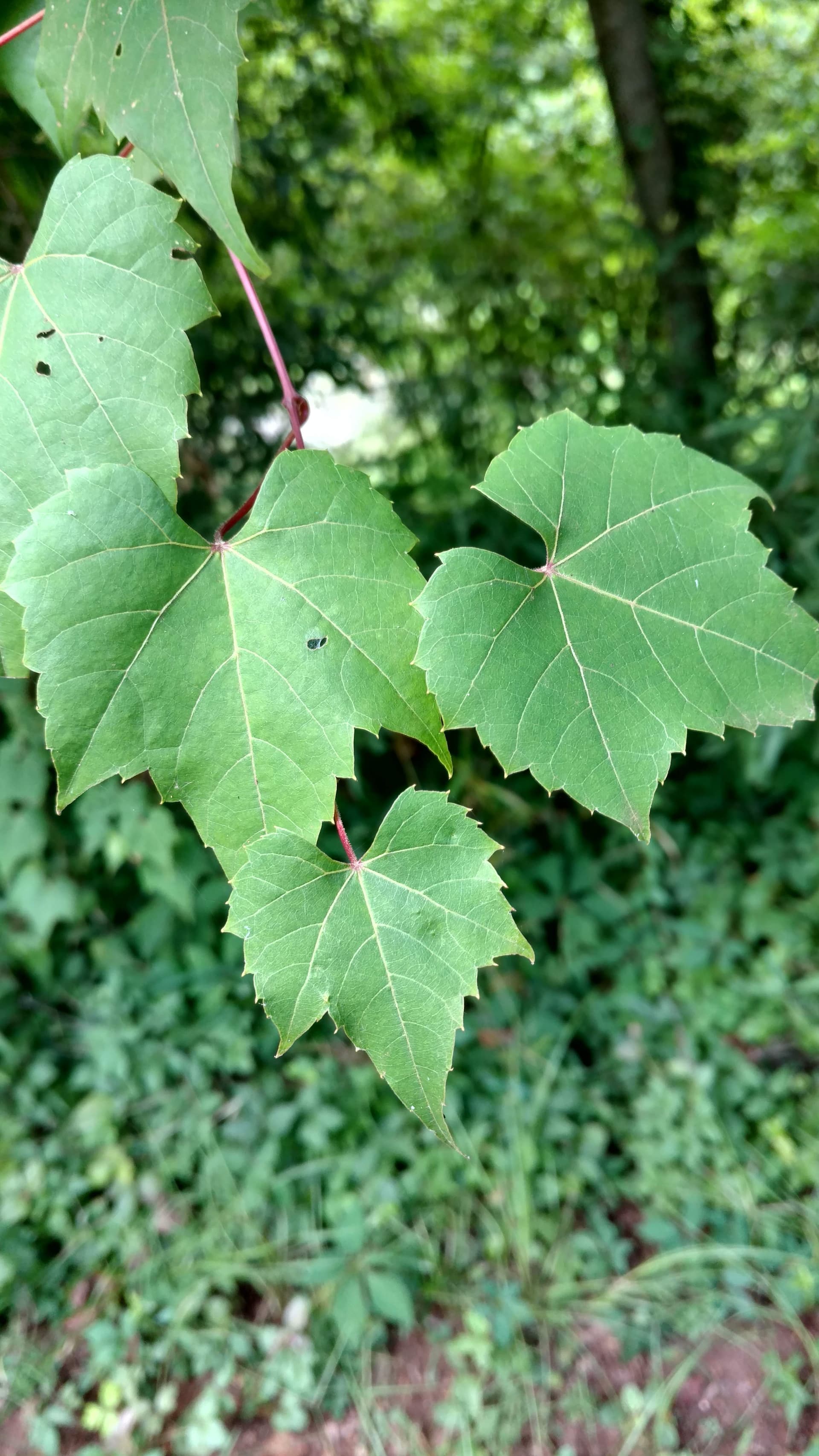
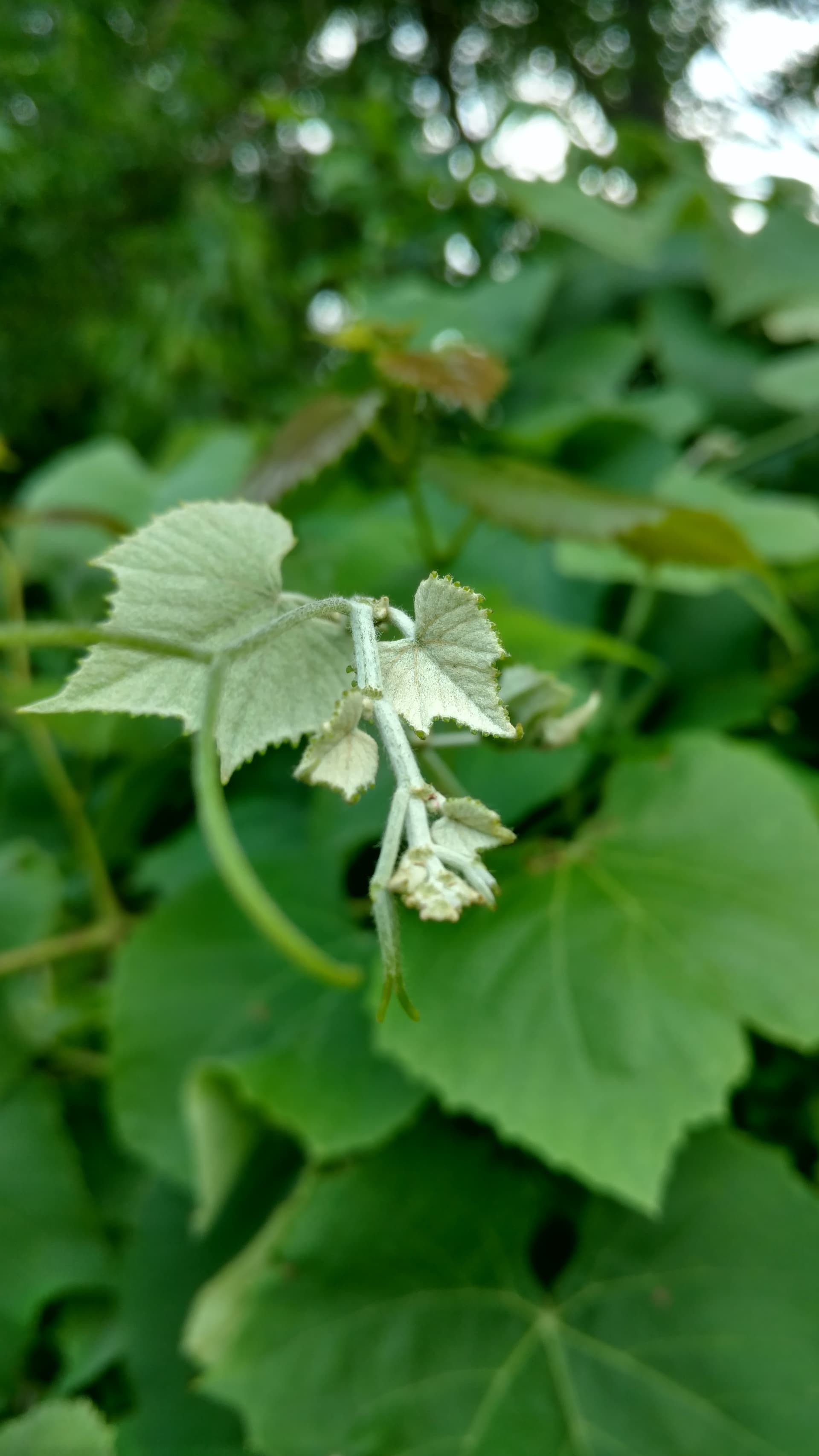
The forms in the south, those types in southern Louisiana, also differ. They tend to also have good disease resistance, but they also have good tolerance to pierces disease. Something northern types do not, because it is not present in those environments. The type of riparia in Louisiana tends to be very pubescent(hairy) on the leaf undersides and on the shoots, while most(not all, but most) of the northern types are hairless or nearly hairless. No one has a good explanation of why at this time, or what the hairs do, but it’s a thing.

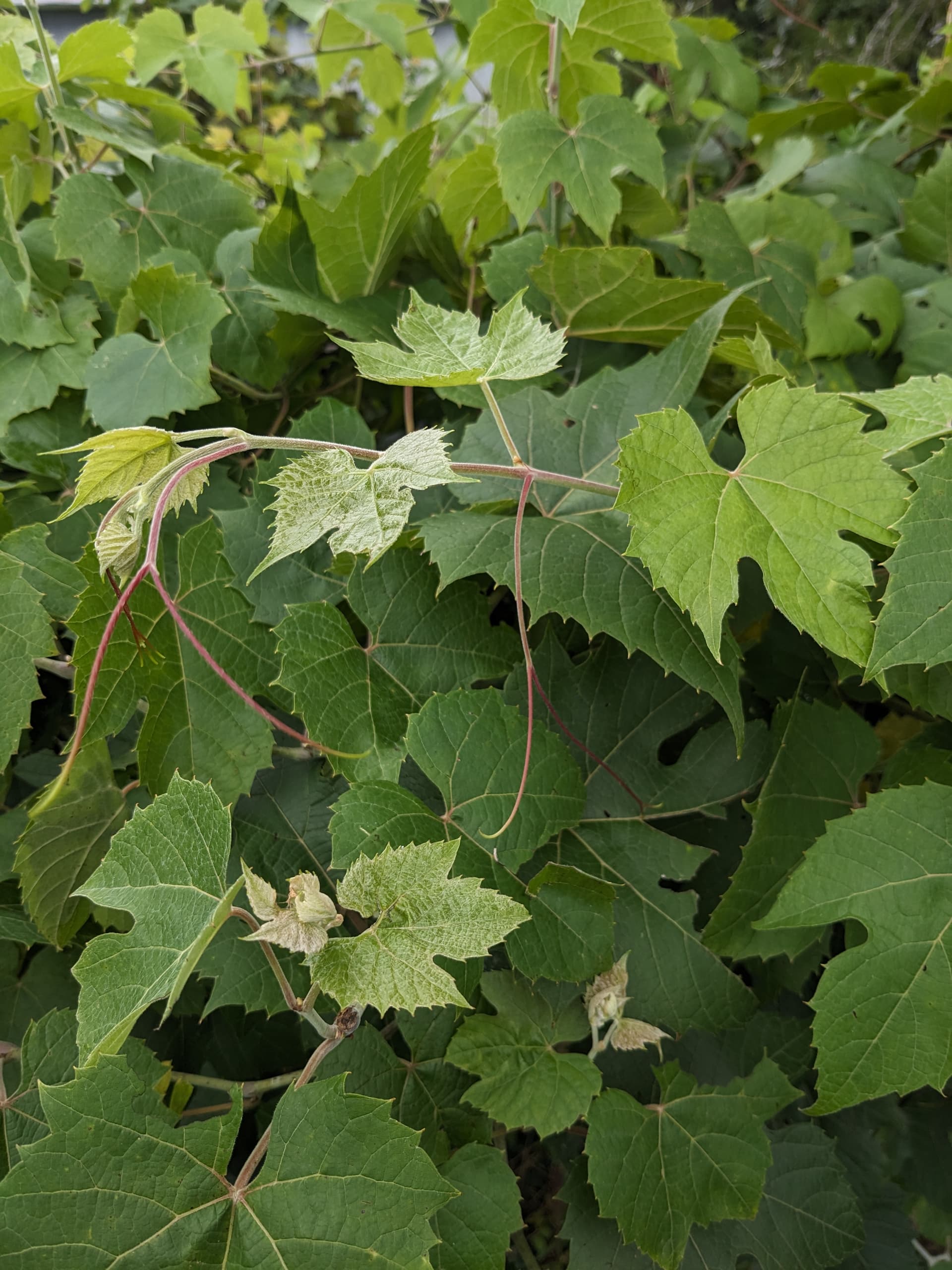
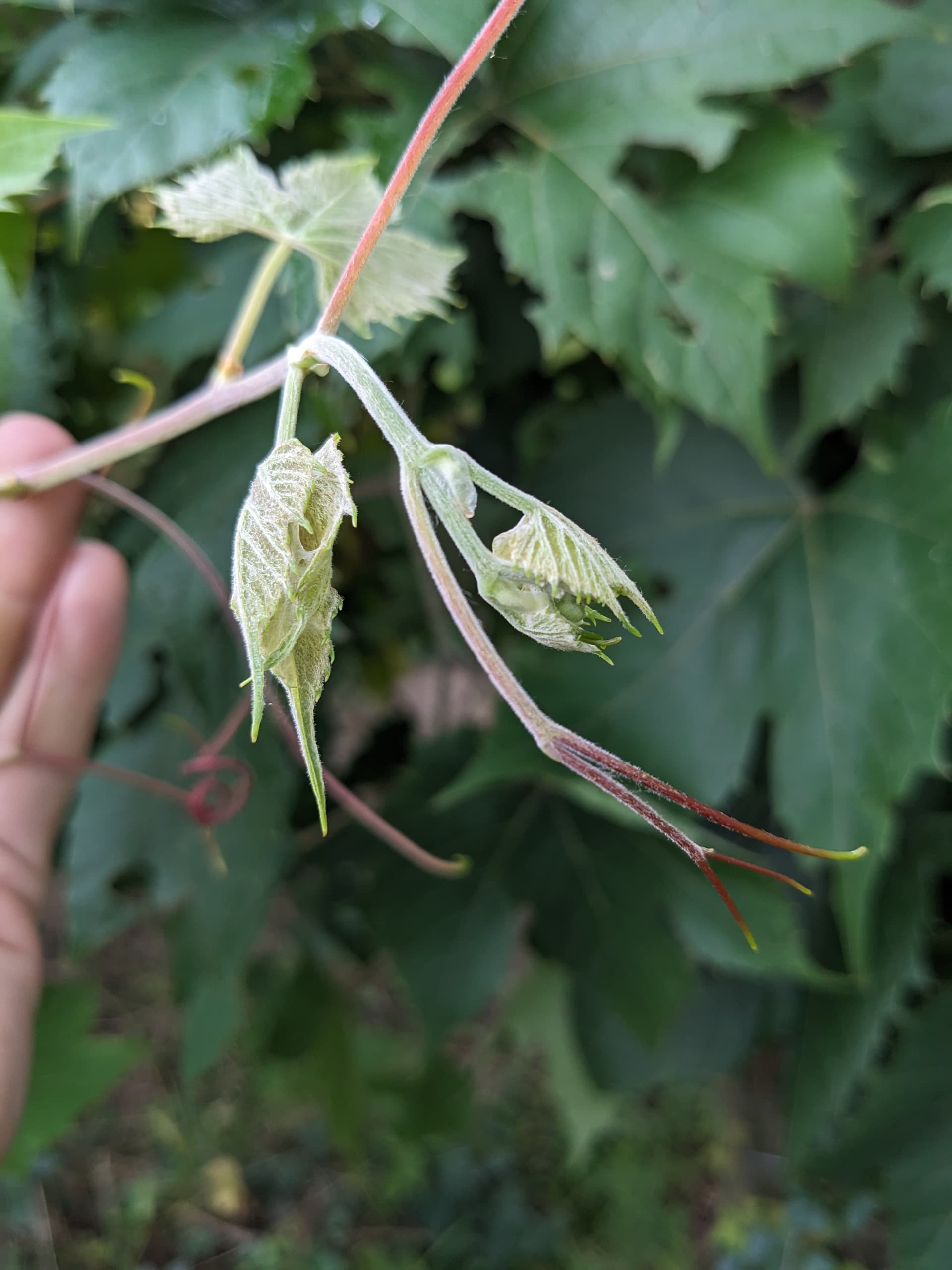
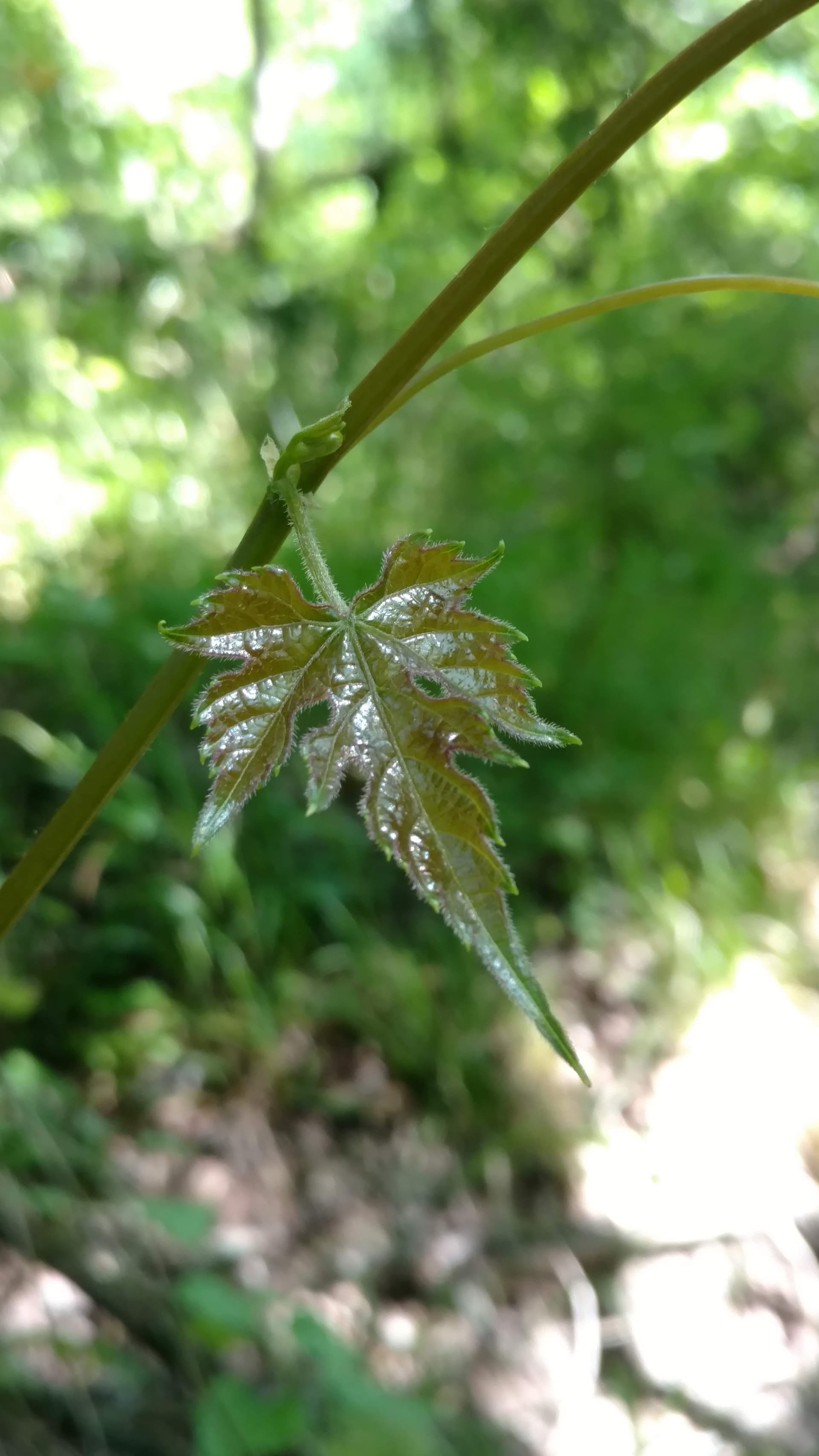
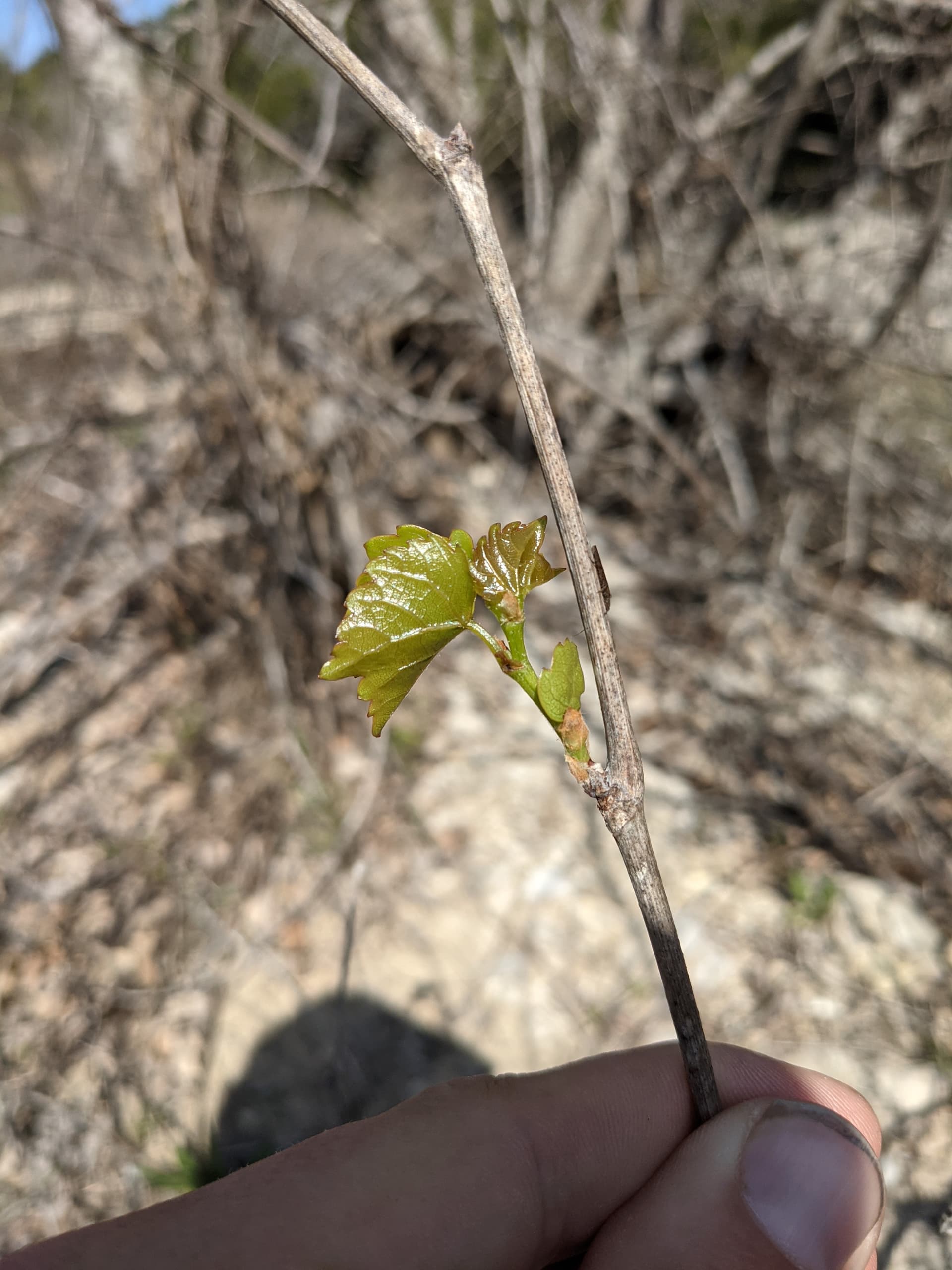
In actively growing shoots of this species, the new leaves are wrapped around the growing tip, and this is one of the defining characteristics of this species and makes it easy to differentiate from other species that may overlap in range with it.

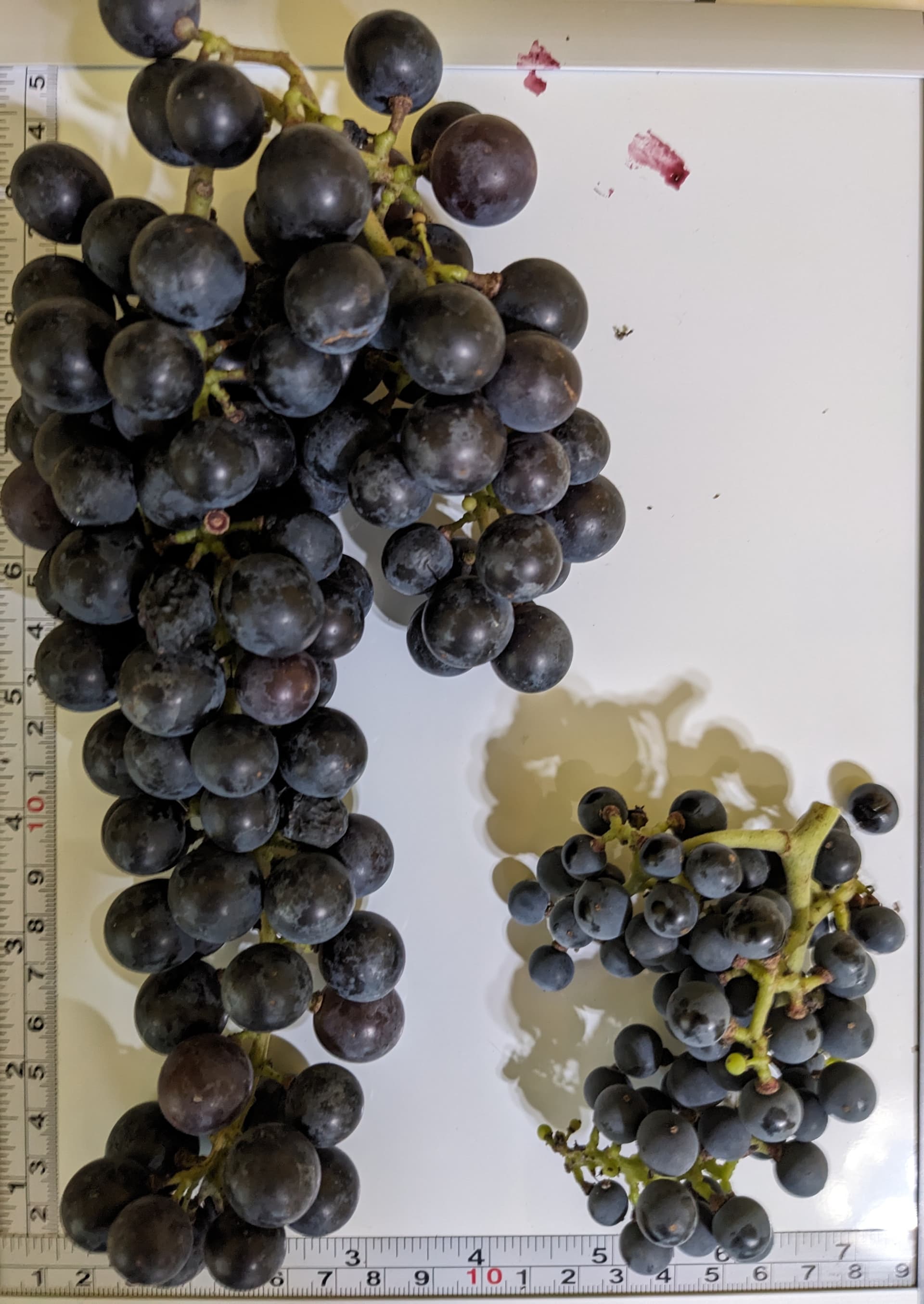
Berries are generally small and black, fruit acidity and sugars are both generally high, and clusters tend to range from about 4-6 inches, but there is regional variation and plant to plant variation as well.


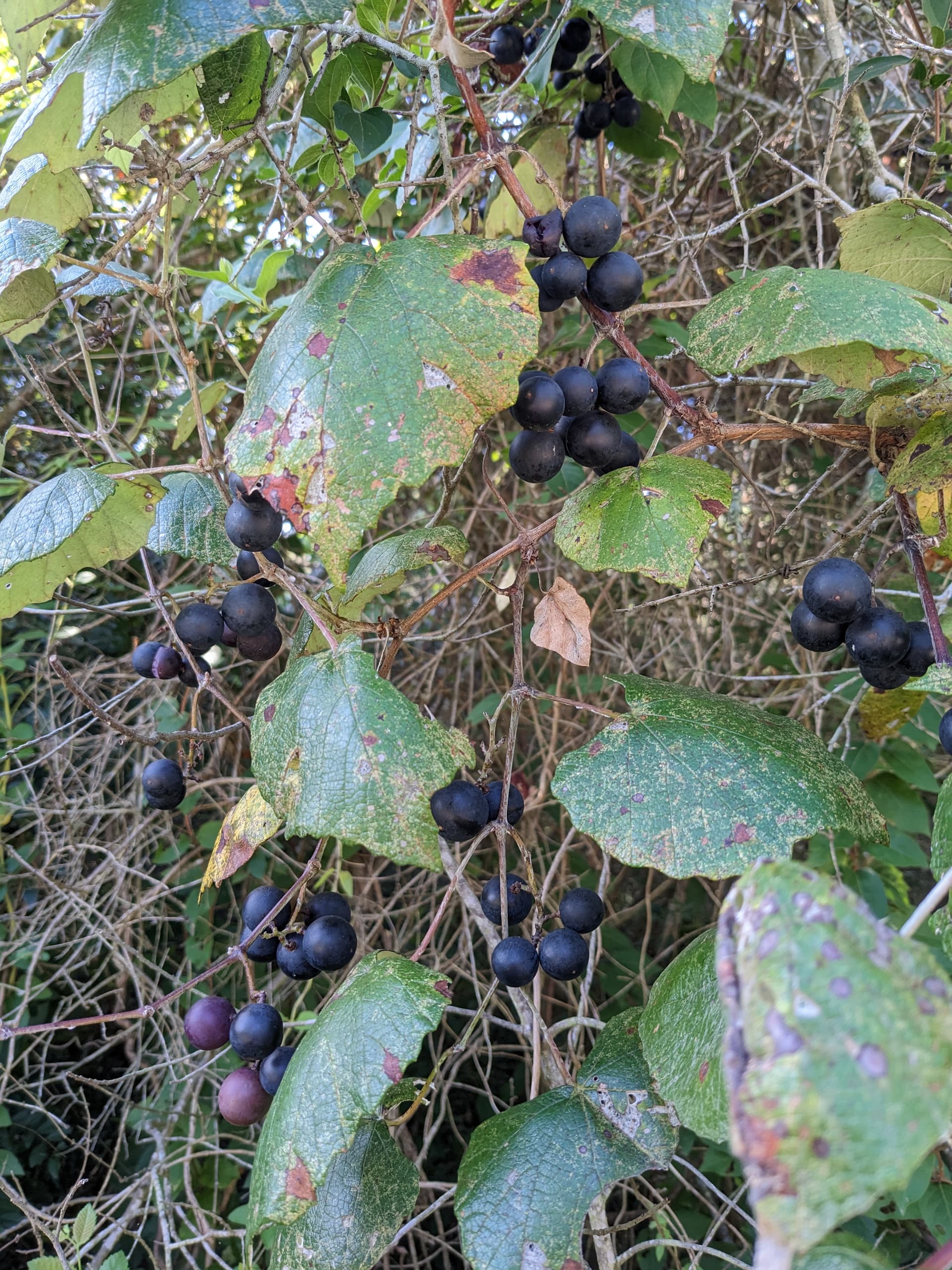
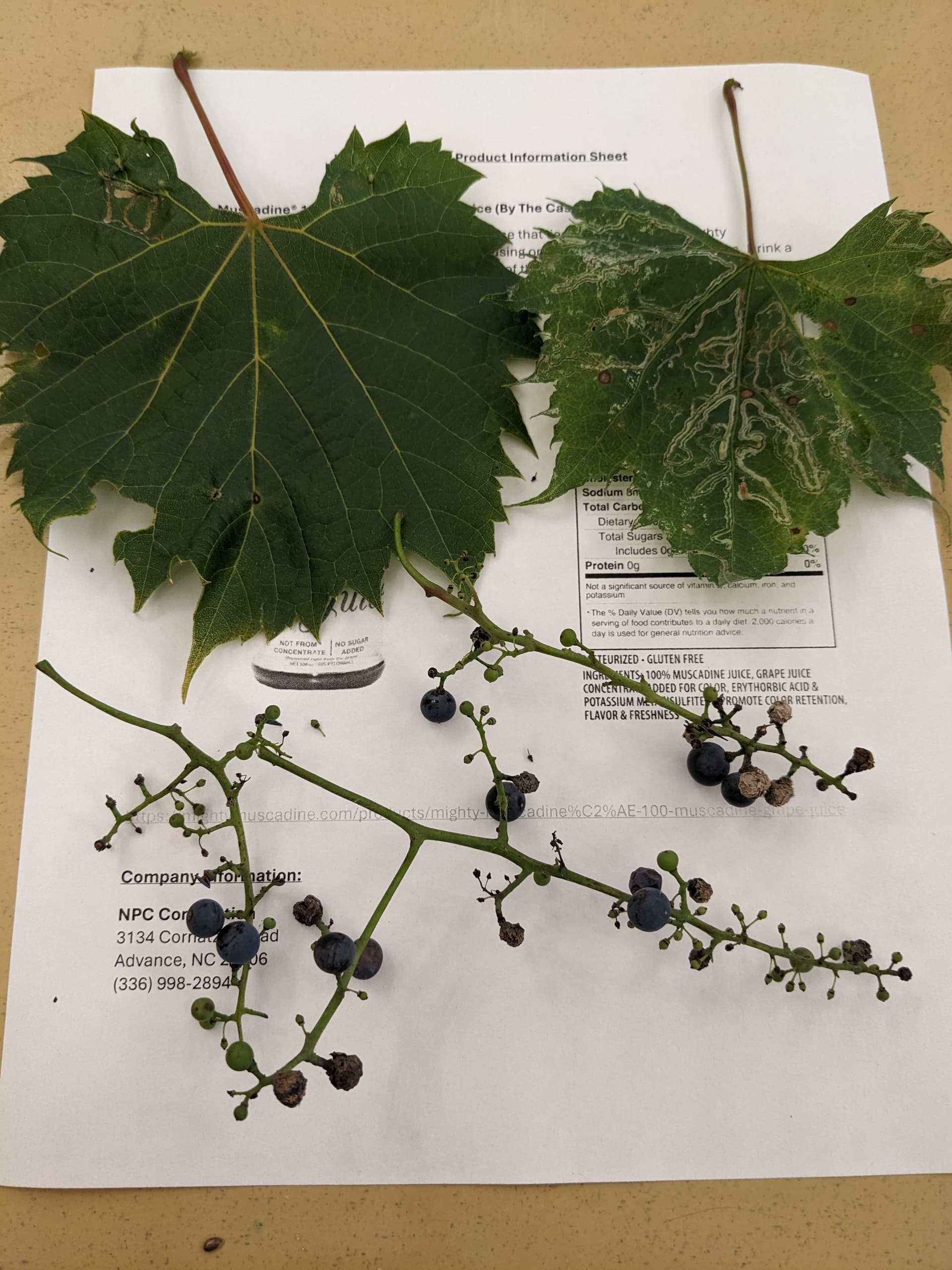
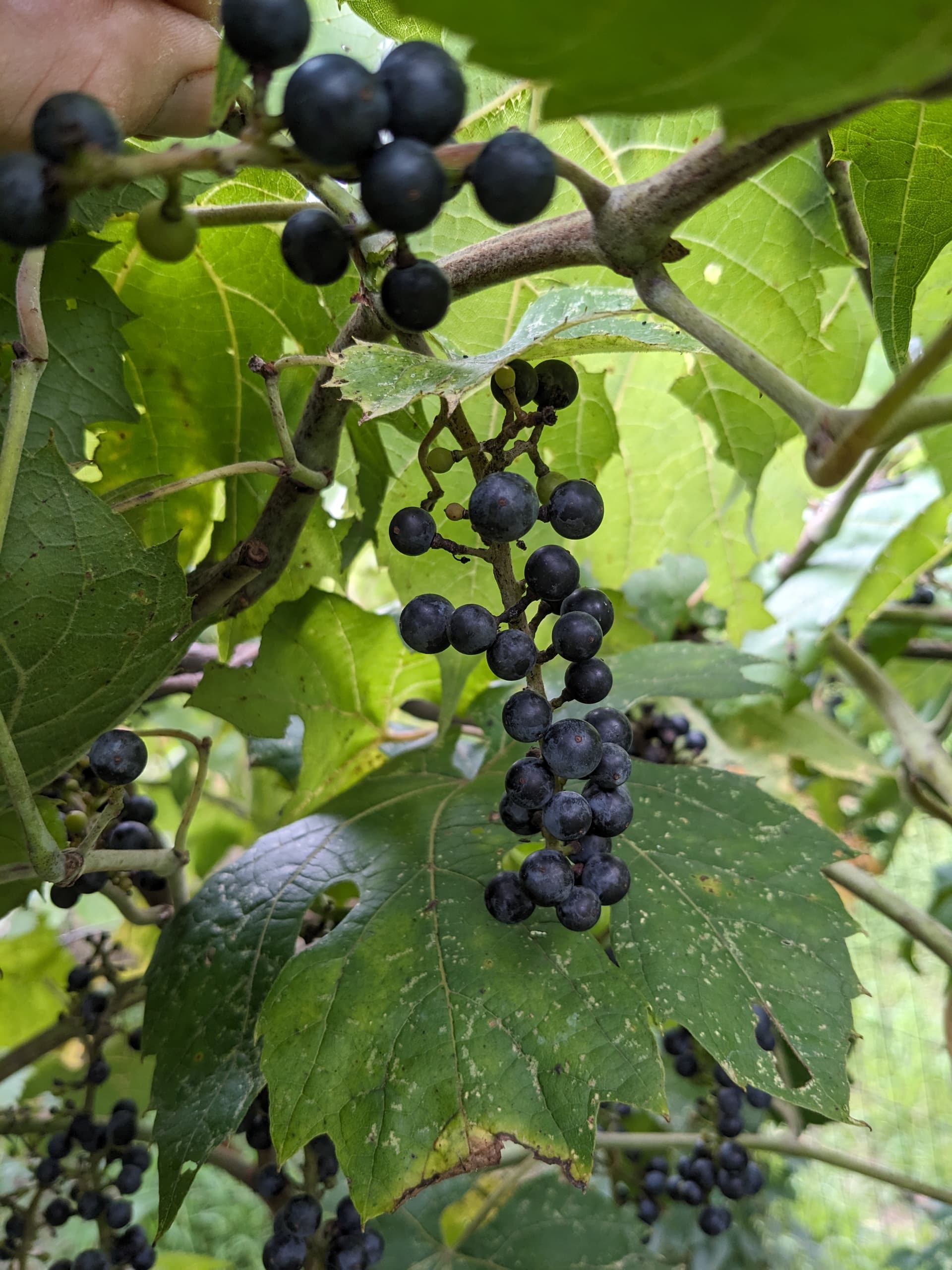
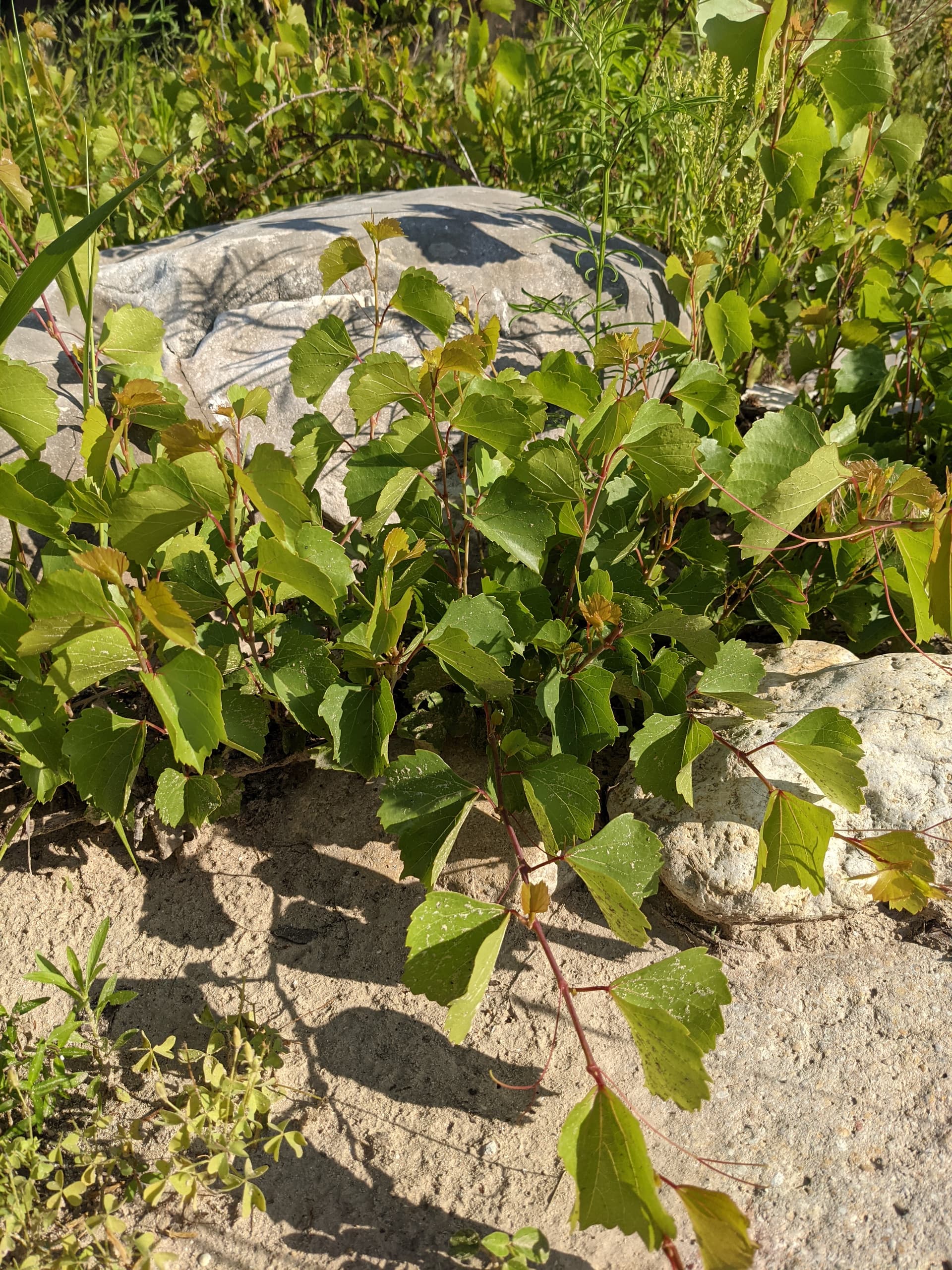
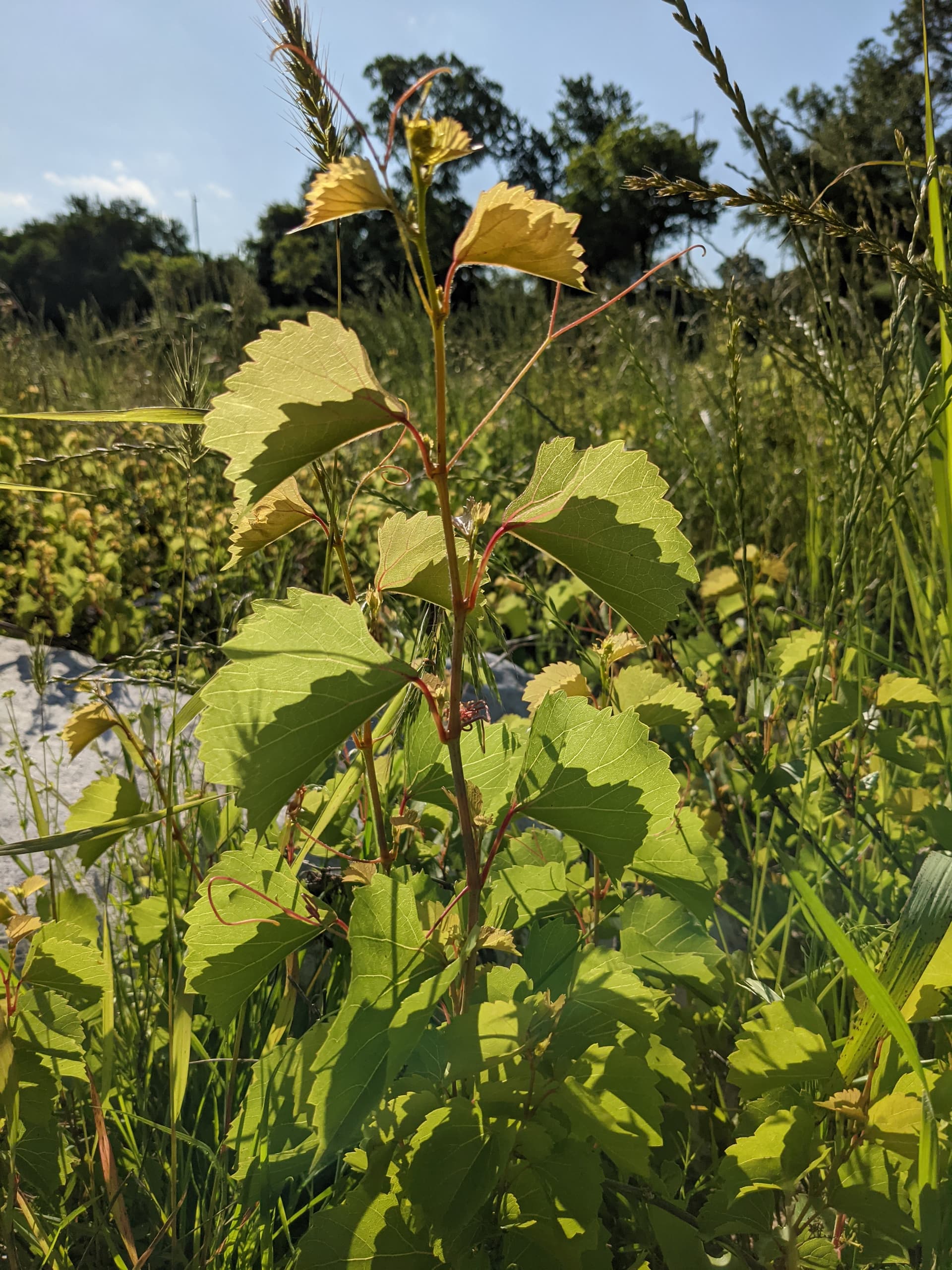
The picture of the leaves and ragged cluster remnants on the piece of paper was taken in Minnesota and is the more northern type, all the rest of the pictures are of the southern type found in Louisiana, as I am breeding for the south that is the only riparia type that is useful in my region.

Some of the traits riparia brings in breeding.

Good resistance to downy and powdery mildew, both on foliage and fruit. Some resistance to foliar black rot in some forms, but generally moderately to highly suceptible on the fruit to black rot. The best source of cold tolerance in grapevine. Adapted to short growing seasons in the northern types, long growing seasons in the southern Louisiana types. Northern types harden off wood early, stop growing and drop leaves in response to shortening day length, southern Louisiana types will continue growing into December if not killed back by frost.

Very early bud break in the northern types, later, but still on the early side for the southern Louisiana types. Excellent rooting from from dormant cuttings, nearly all types. Good to outstanding pierces disease resistance in southern Louisiana types, northern types general suceptible to one degree or another.

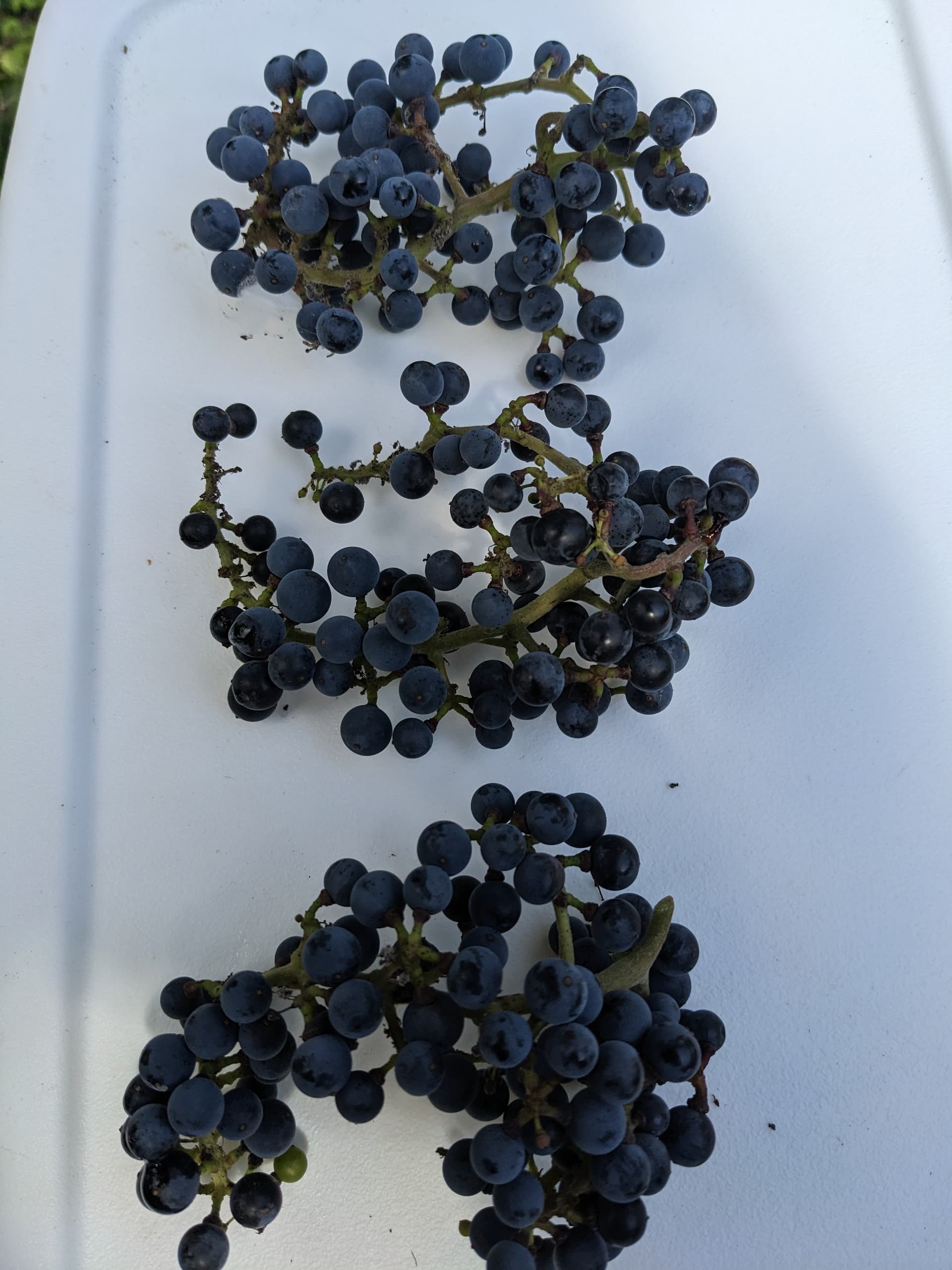
This last picture represents the improvements that can sometimes be made in one generation. The small cluster is the wild riparia parent, the large cluster a seedling that was crossed with a large clustered table grape type.
10 Likes

Hi Great posts. I lost all vision in my right eye and could no longer emasculate with forceps, so I invented another, much easier way. see https://www.youtube.com/watch?v=za1Kr7HlgdI
and https://www.youtube.com/watch?v=QyYSYbwydSw

4 Likes

Hi Denny,

Have you tested this with and without applying an external pollen source to insure you’re not getting selfs? My concern would be that once the flowers open you very well could be getting a lot of self pollinations.

I’m sure you would get some crosses that way, and if you can’t see well enough to emasculate, and don’t want to stick to just using female varieties as the seed parent, it sounds like something that could work in that situation!

1 Like

Hi, Yes, without external pollen, there is absolutely no self fertilization. I have also gotten near 100% fruit set when I cross pollinated the flowers. You should try it next time you want to emasculate some grape flowers and compare the two methods.

2 Likes

Sounds good. I will give it a try in 4 months or so when crossing season starts, and see how it works for me.

1 Like

Thanks. Hopefully you will find it quicker and easier than the traditional method.
Denny.

Vitis palmata

Catbird grape.
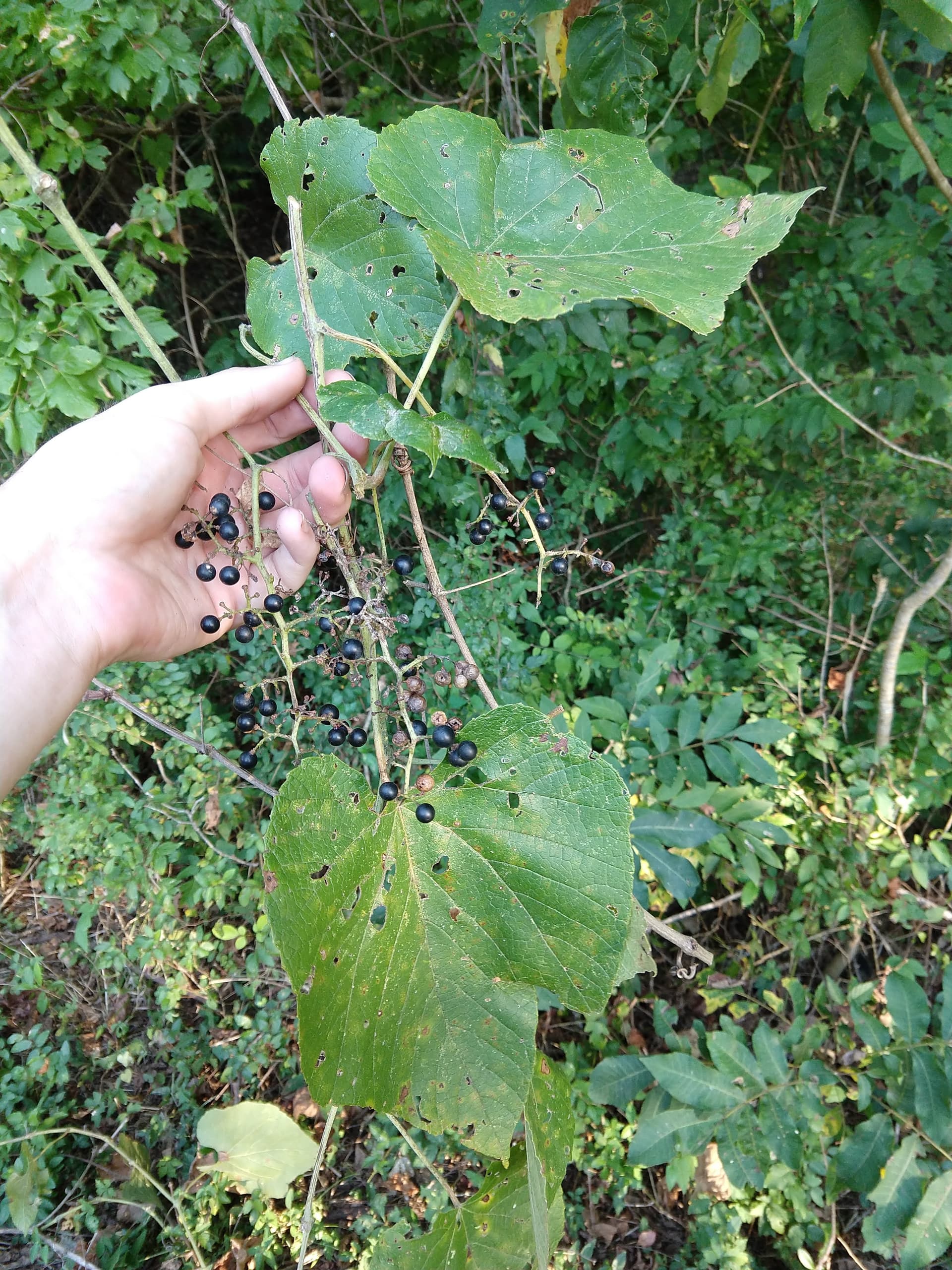
This species is found in the eastern third of Texas, eastern Oklahoma, all of Louisiana, parts of Arkansas, Missouri, Mississippi and up the Mississippi River roughly as far north as st Louis.

This grape really could have been called the swamp grape, as it is generally found in swampy, or at least seasonally flooded soils that tend to be acidic in nature. It’s commonly associated with trees such as cypress and water hickory if that tells you anything. Foliar disease resistance tends to be quite good. It is occasionally bothered by anthracnose and a little bit of black rot, but rarely to any significant degree by anything else, and that’s while living in a super humid environment with fungal diseases galore. I have not observed fruit often enough to say how resistant it is to fungal attack with certainty, but in my limited observations, fruit seems to have good fungal resistance as well.
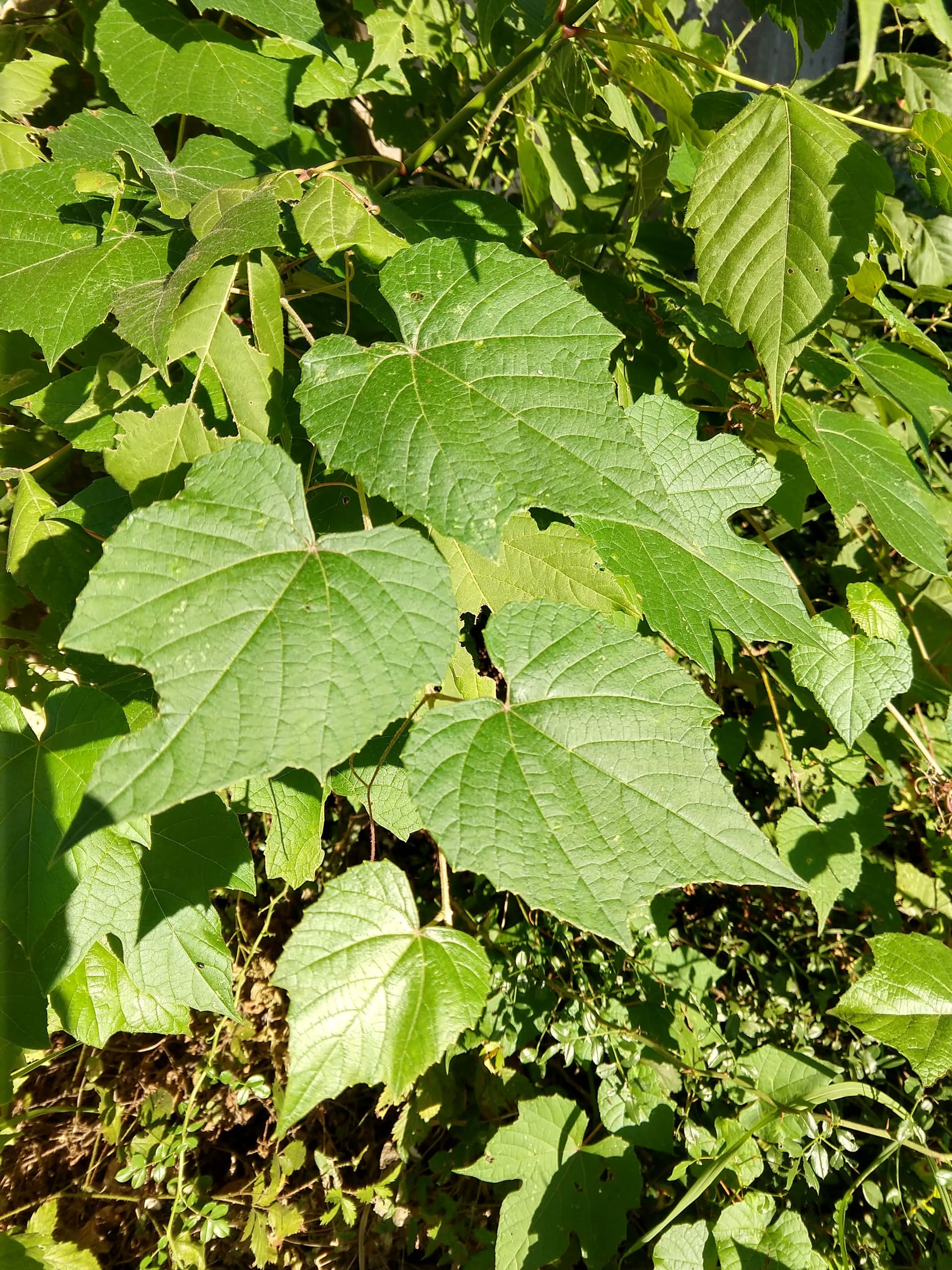
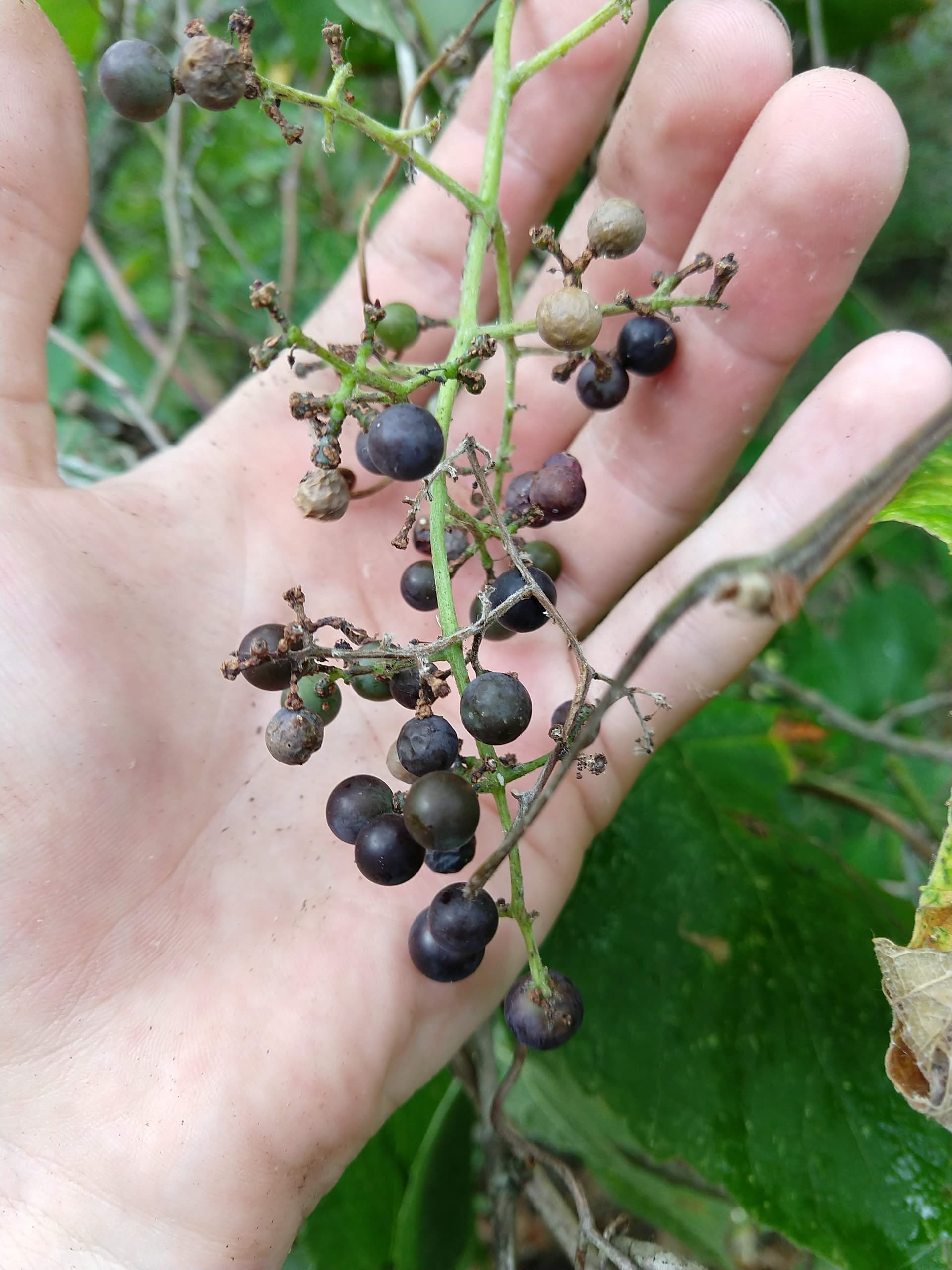
It blooms quite late, one of the latest, if not the very latest grape species to bloom. Fruit is also late, but not as late as the very late bloom date would suggest. Clusters are usually 5-6 inches long, berries are small, but generally a bit bigger than my local cinerea. Clusters loose and rachis is long. Flavor is relatively mild for a wild grape. A little herbaceous but less so than many specimens of riparia, vulpina or cinerea, some other species that often have herbaceous flavor tendencies. Tips of actively growing shoots are hairless, and the leaves are not wrapped around the shoot tip. Somewhat similar to vitis vulpina.

It has been used very little in breeding, but should be tried more, particularly for the south eastern USA. I personally have not used it in breeding as of yet, but I plan to at some point.


5 Likes

Vitis cinerea

This species covers a wide range with one subspecies or another. It goes as far south as parts of Mexico and as far north as central Illinois. As far west as central Texas(the berlanderi form)the Southeast portion of Nebraska and central Kansas, and as far east as the Atlantic ocean.

The species generally has late bud break, along with late flowering and fruiting. In most forms, the shoot tips are pubescent(hairy) and relatively open. Berries are small and sugars tend to be rather high. Fruit acids can range from very high to moderate. Clusters tend to be relatively large, typically between 5-8 inches, and generally loose, although this can vary somewhat by subspecies and region. Vitis cinerea var. Helleri, aka vitis berlanderi, often having more dense clusters.

Speaking of vitis berlanderi, it is now classified as a subspecies of vitis cinerea, but you will see the historical name berlanderi still in frequent use. Largely because it is a very distinct type of cinerea. For example, besides a tendency toward tighter filled clusters than other forms of cinerea, it is highly tolerant of drought and highly alkaline soils, while most other types of cinerea are not. For this reason it was used extensively in breeding rootstocks and is in the genetic background of a significant portion of grape rootstocks in use to this day.


Most forms of cinerea have good disease resistance in general. As you might expect, forms from drier regions like vitis berlanderi tend to have less fungal resistance than forms from wetter regions. Most forms have good phylloxera resistance, but some types of berlanderi do not. Many types have good pierces disease tolerance , but not all types.

The best types have excellent resistance to black rot, powdery and downy mildews. Most types are at least somewhat suceptible to anthracnose.

They have not yet been extensively used in breeding for resistance to foliar and fruit diseases, but some grape breeding programs, such as cornell, have used them. At least one cultivar released by that program, arendell, owes the disease resistance it does have largely to vitis cinerea, although that particular cultivar did not inherit good resistance to black rot.

I expect this species to gradually appear with greater frequency in the background of new disease resistant cultivars as time goes on.

5 Likes

Hi, I have a grape that has ‘Concord’ in its background but I do not know what the other parents are and instead of having a Concord flavour it has a Wintergreen flavour. Have you come accross a grape with Wintergreen flavour ?

1 Like

It’s hard to say for certain, but such flavors can sometimes come when a grape inherits some fruity flavors from labrusca or some other aromatic grape and at the same time some herbaceous notes from one of the other species that are often herbaceous. Riparia, vulpina, cinerea, etc.

The only grape that I know of that has actually been commercialized and has some of those flavors is this one:

It doesn’t seem particularly popular, as most people prefer fruity or neutral flavors in grapes.

2 Likes

Interesting. After I recovered from the shock of the Wintergreen flavour, I started to like it. If the grapes are left on the vine longer, the flavour changes and becomes milder and nicer.
I have used this grape in breeding this season.

I think you are right, the market for distintively flavoured grapes is much smaller than for neutral flavoured grapes. I am continuing to try and breed a Concord or Wintergreen flavoured grape with high didease resistance. Anthracnose is my main problem. I am hopeing some of this years crosses will be resistant. I am in the humid subtropics,so, like you, fungal diseases are a real problem.

3 Likes

Which fungi are the biggest issues in your part of Australia? What else besides anthracnose? What resistance sources are you trying to use?

1 Like

I have labrusca’s that resist everything except Anthracnose but vinefera gets Very bad Downey mildew. It is a struggle to keep Flame Seedless and Fantasy seedless alive. I am also using a French hybrid wine grape called ‘Cascade’ it has not had any disease in over 30 years. It has very small berries on small bunches but is good at transferring disease resistance. I also have Chambourcin, which is doing well, so far. I have only had it 2 years.

2 Likes