I have heard those recommended too. The stuff I saw recommended those pawpaws and they apparently do well in UK and should do ok here with shelter. (My mistake about what Australians call pawpaws aside) it’s the asimona I saw talked about being possible here.
2 Likes
This seems like a good source and range. I’ve ordered other things from there before that arrived fine.
3 Likes
Thank you!
I think these two have good selection too and I’ve confirmed with both of them that they ship to Ireland:
2 Likes
@nosummer You have Rosemary Russet planted a couple years ago. I am glad. I grafted it only to find I cannot grow full russets in my situation (so hot & dry all moisture gasses away leaving wooden golf balls). Rosemary russet grew wonderfully: nice scaffolds without my help, huge leaf surface, good fertile bloom, no disease problems, strong wood.
2 Likes
Totally agree on your observations, great strong structure and growth. Not a full russet.
I did get one spot of canker where my tie to the support was pooling water but I scraped it out and moved the support and now no issue, so I don’t think it’s particularly susceptible it was just situational.
I have another semi russet next to it called Irish Russet (aka Sam Young) which cracks and heals over leaving a scar (like french apple Patte de Loup / Wolf’s Paw). Last summer was so wet though it just cracked then rotted. Supposed to taste amazing. I’ll see if it’s second season trying to fruit goes better this year.
2 Likes
I stand corrected: Rosemary Russet is not as russeted as Hunt nor Ashmead’s Kernel, yet it was enough to render the fruit also inedible in my yard. Someday I must visit a more humid orchard east of the Mississippi & taste it.
Never been to Ireland…
2 Likes
Wanted to do some posts on DIY projects with a bit of how-to before it’s time to post flowers and fruit.
The most handy one was the DIY kerbing I did.


Background: The neighbour told me my yard used to be all uncut meadow for decades, so I wanted to return the majority of it back to this state. I wish I knew before I cut it. To achieve this I wanted to kerb the edges of the paths I’d built to have a border with the longer grasses and wildflowers.
Goals: I wanted to minimise cost as low as possible and had spare time. I couldn’t find any kerbing for less than €6/m and had almost 200m of path edging. I researched traditional shuttering methods and it looked like soooo much effort with shuttering boards braces and prep. So I invented a new method I could do quicker and cheaper. Unfortunately I didn’t take ANY photos of the process.
Materials:
-
Two 2x4s for each 16ft length you want to pour simultaneously. I would pour two lengths same day so 4 timbers.
-
Round plastic electrical conduit. This stuff is dirt cheap. Cut in to 2.5" lengths.
-
Sand, stone, cement for concrete. I was doing 1 bucket sand to 2 buckets stone to 1/3 bag cement.
-
Long screws like 6" plus.
-
Wheelbarrow to mix in. If you had a cement mixer you could pour so many more lengths per day but would have to spend more on timber to be able to shutter it all at once. I have a fat ass so opted for the exertion of hand mixing.
-
Plastic float (to level), edger (optional for rounded edges), hammer (to tap and settle concrete), drill (to drive the screws), pickaxe (for scalping turf).
Method:
-
Drill holes for the screws every 2ft along the timbers half way up.
-
Drive a screw through one timber, putting one of the 2.5" long plastic conduit sections over the screw, then continue the screw through the other timber so the conduit is sandwiched between them.
-
Continue this for each hole so a section of conduit is sandwiched at each. This will keep the two timbers braced together exactly parallel, so you can lift and place them as one unit.
-
Scalp the grass off where you want the kerb to run using the pickaxe. This is quick and easy because you only need to clear one pickaxe blade width and can just walk along the line scalping continuously.
-
Place the sandwiched timbers directly over the scalped ground where you want the kerb. If it’s the first section cap each end with a short bit of timber. If you are continuing a previous section leave one end uncapped and sandwich the previous bit of kerb between the timbers (can help to loosen then retighten the conduit screw at that end.
-
Pour in your concrete. A normal wheelbarrow mostly full of concrete should fill one 16ft length.
-
Tap the timbers all along with a hammer to settle the concrete. Flatten and smooth the top with the float tool.
-
Let it dry. If you want rounded edges use the edger to put an edge on after drying for 30min to 1h depending on how hot the day. It should be mainly firm but still able to push a fingerprint into it when it’s ready for edging.
-
Once it’s dry next day you can just remove the screws and the two timbers will just peel away, leaving only the kerb. You can oil the inside of the timbers before you pour to help this peeling off, I used sunflower oil. The timbers are the ready to be reused. The conduit stays in the kerb but I think it looks good and like it’s supposed to be there like it’s for drainage or something.

Comments: Honestly it took a few months on and off waiting for weather but it cost nothing and it got my fat ass properly strong by the end of it. With a cement mixer it could be so much less strenuous and finished infinitely faster. Hand mixing concrete is a proper workout! The kerbs were very bright white at first but weathered to their current state after a year. I prefer them now. In the summer the non-path bits get really long and there are wild flowers everywhere like spotted orchids and everything so the effect is really nice. Best thing of going back to meadow is now I only have to mow the paths, and it keeps vigour down on my trees which are spaced fairly close.
(I did the rounded corners in a similar way using conduit spacers, but the shuttering was plywood bent to fit a 90 degree corner of 2x4 timber, but that’s too hard to document here)
12 Likes
The Johnstown Garden Centre near Naas had Pawpaw plants Asimina triloba for sale this year but very expensive for a grafted Sunflower variety and the plants were very small. The other variety looked dead. Never seen them for sale elsewhere in Ireland.
4 Likes
Today:
-
Grafted two little Bardsey apple offspring to mature M9 rootstock (cleft) and transplanted to a primo spot.
-
Sunk huge Little Miss Figgy pot in ground in primo spot.
-
Grafted Reinette Amorique and Belle Fille de Salins apples to mature M9 rootstock (cleft).
-
Grafted Beth pear to potted up Quince Eline rootstock sucker (whip+tongue).
-
Took the chainsaw to dead central trunk of hedgerow rowan.
Last Sunday:
- Put out three early potatoes :
– Lily Rose (waxy w red skin and red flesh)
– BIM (waxy w purple skin and purple flesh)
– Alouette (waxy w red skin and yellow flesh)
- Put out one main crop potato.
– Connect (floury w yellow skin and flesh)
Flowers:
- Damson Farleigh petals open.
- Plum Czar petals closed.
- Apple Mrs Perry petals closed.
- Apple Irish Russet petals closed.
- Sorbus Burka petals closed.
- Goumi Sweet Scarlet flowers open.
- Pear Emile dHeyst petals closed.
- Pear Invincible petals closed.
6 Likes
Today:
-
Potted 4x Court Pendu Plat apple seeds from fridge.
-
Potted 2x Reinette d’Amboulne apple seeds from fridge.
-
Potted 4x Amour apple seeds from fridge.
-
Potted 3x Goumi seeds (SS and UHV - dried)
-
Potted 1x Webb’s Prize Cobb hazel nut (dried).
-
Potted 12x Sea Kale seeds (dried) foraged from huge plants on shore.
-
Grafted Medlar Nottingham to hedgerow hawthorn by pond.
Notes:
Amour was the best tasting apple last year with very long storage.
CPP is the flagship for my late frost avoidance breeding project.
Not sure how the dried unrefrigerated goumi seeds I saved will work or remember which bush(es) they came from. Would be great because it’s very hard to get real goumi to Ireland.
2 Likes
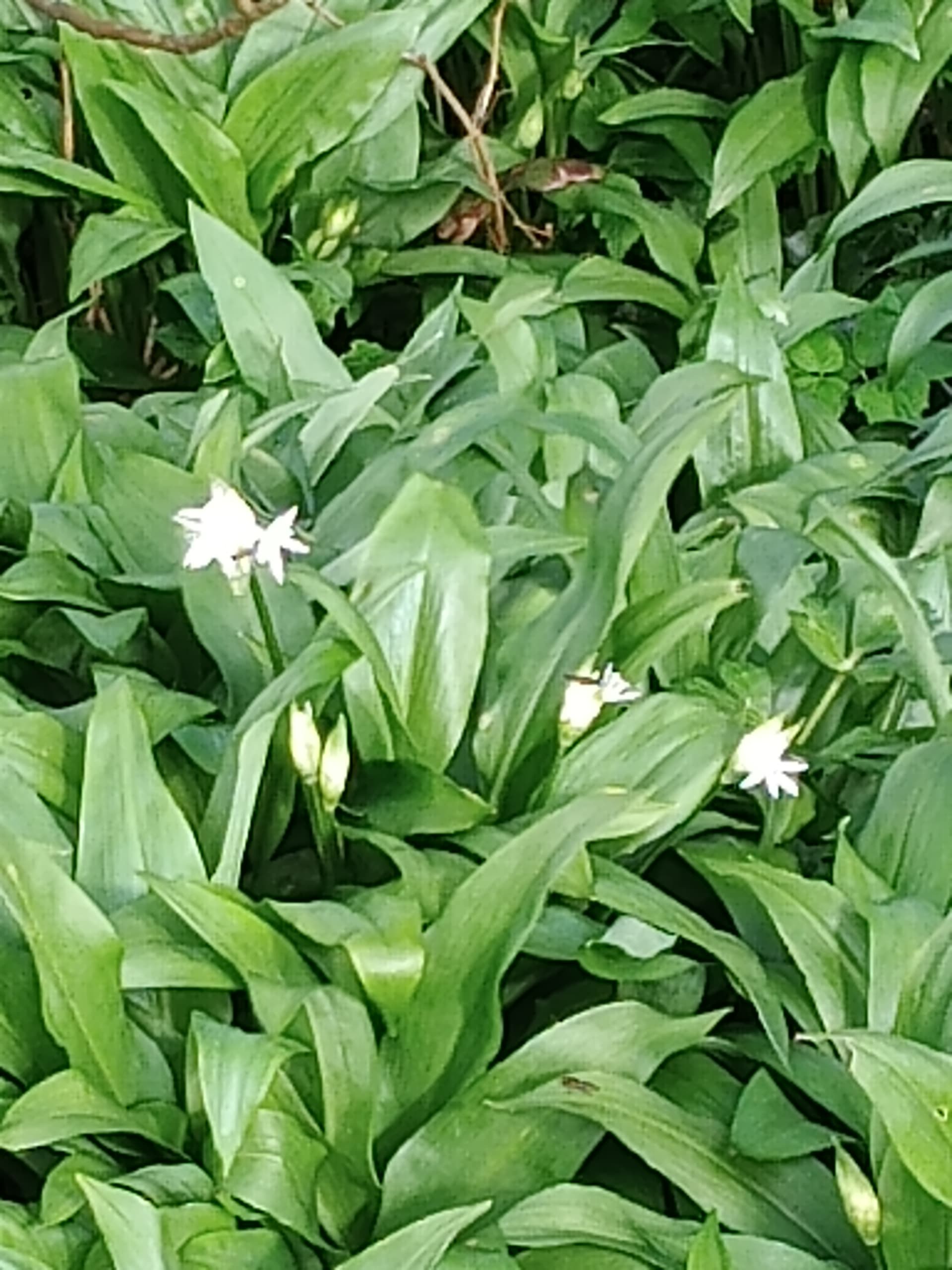
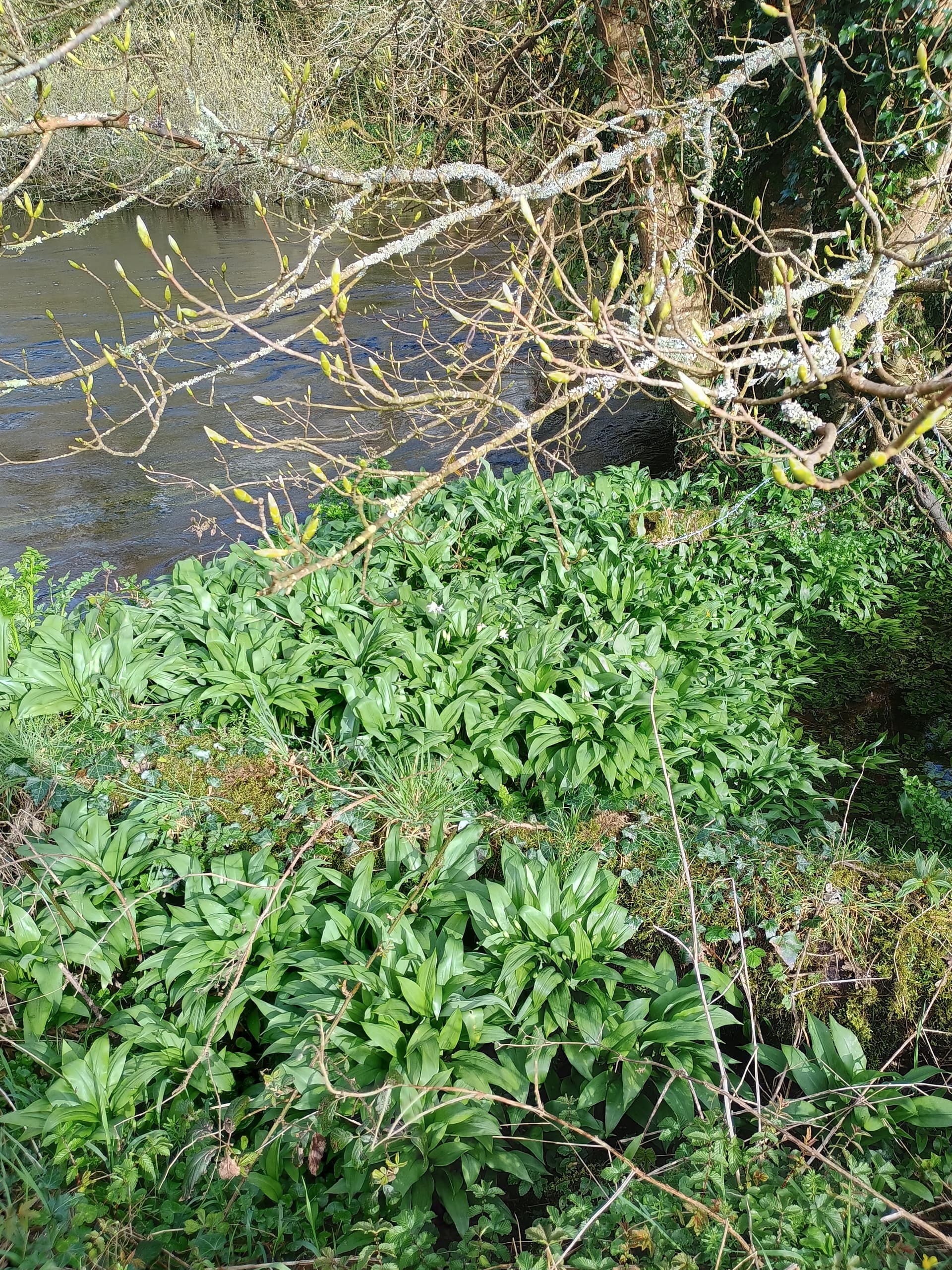
Found a huge patch of wild garlic (ramps) by the river across the neighbouring field. Have been looking to find this locally for a long time.
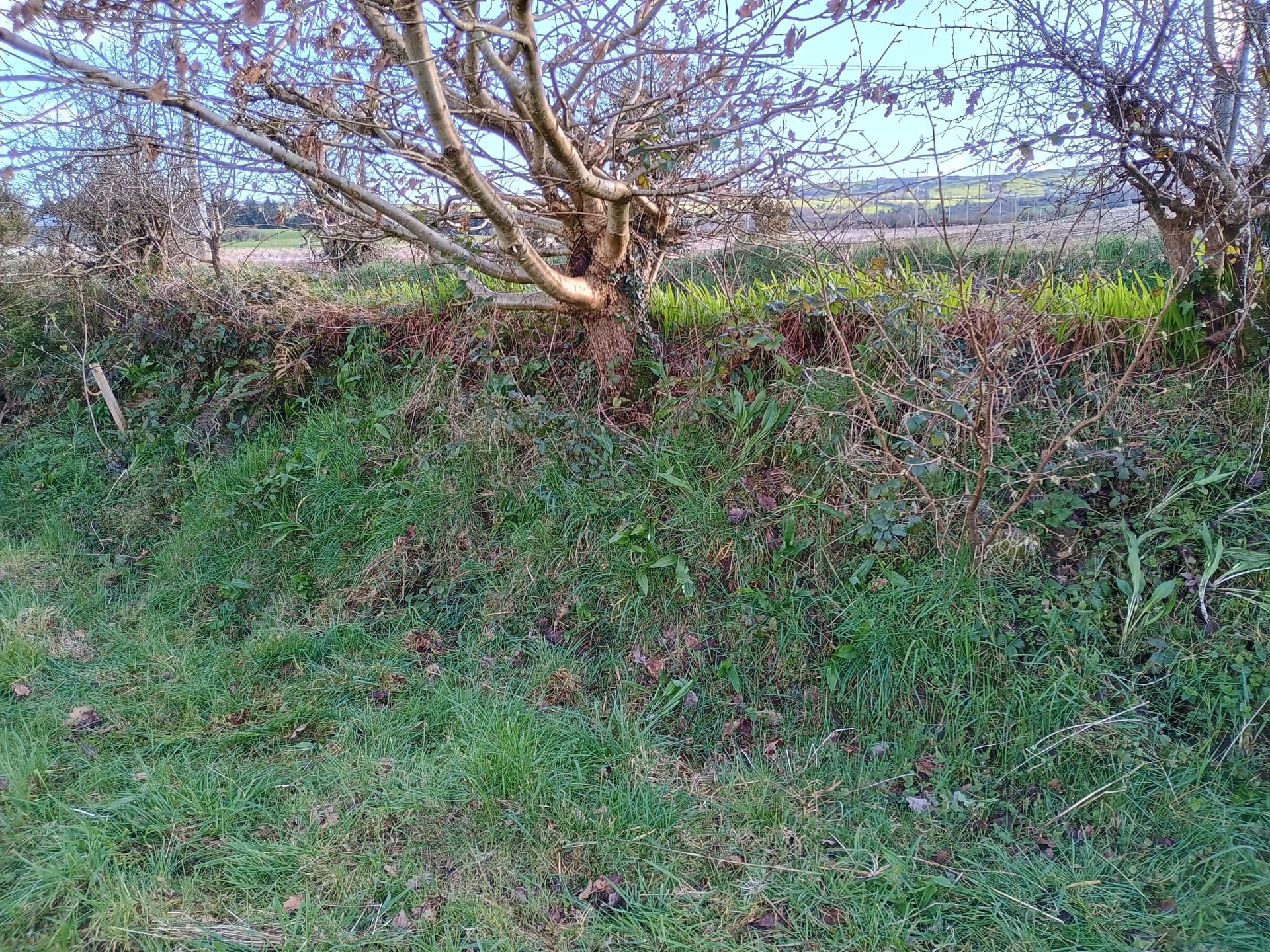
I uprooted up a big bundle and brought it home to plant out my hedgerow bank that’s always in shade north facing under an oak tree.
Hopefully it’ll take and spread to cover that whole bank. I heard it’s good for lowering cholesterol, I could do with that!

7 Likes
they’re delicious sauteed and in stews. i got some from a guy in Vermont and planted them under my spruces in some compost. they havent spread yet but are doing well.
3 Likes
My janky DIY tunnel is standing up to 100kph (64mph) gusts right now  Not bad.
3 Likes
Hello
I’m hoping to have a lot of chat about Pawpaw and persimmon in the future.Give us a look at Fruit,nuts and unusual edibles in Ireland on Facebook.
Hello
I am hoping to have a lot of conversations about Pawpaw and persimmon in Ireland in the future.
Please have a look in
Thanks Anthony
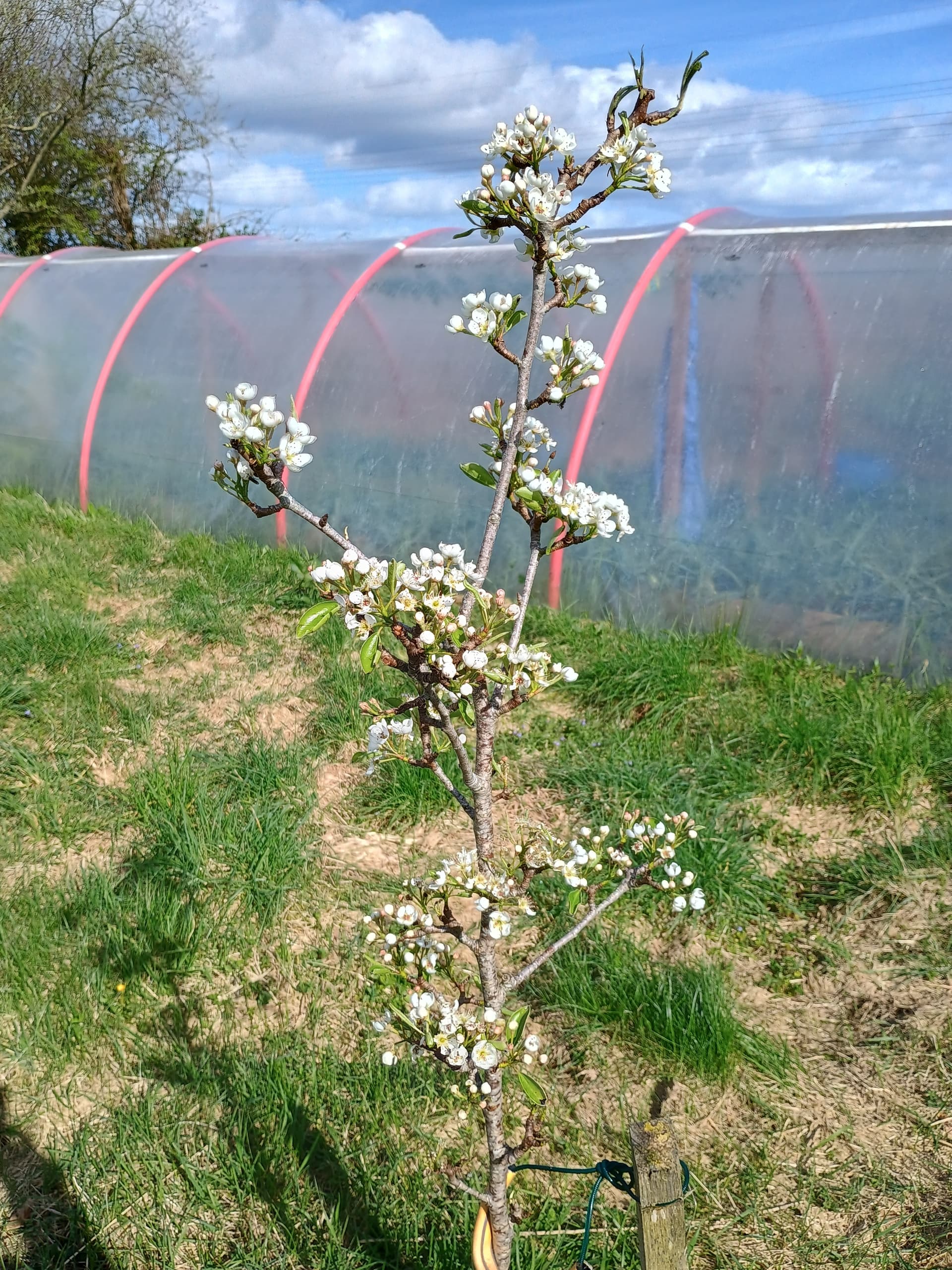
Pear Invincible on Quince E. E is dwarfing similar to C and doesn’t branch much so this one is all fruit buds.
Invincible will flower twice, if there’s late frost you’ll still get a crop, and if there isn’t you’ll get fruit ripening in two sets spread over time.
2 Likes
Apple seedlings. 4 from Court Pendu Plat for my late flowering breeding project. 4 from Amour a french storage apple with elderflower fragrant crispy flesh. 2 from Reinette d’Amboulne I probably won’t do much with RdA hasn’t impressed me too much yet.
3 goumi seeds there too yet to come up, I didn’t cold stratify so probably a bust.
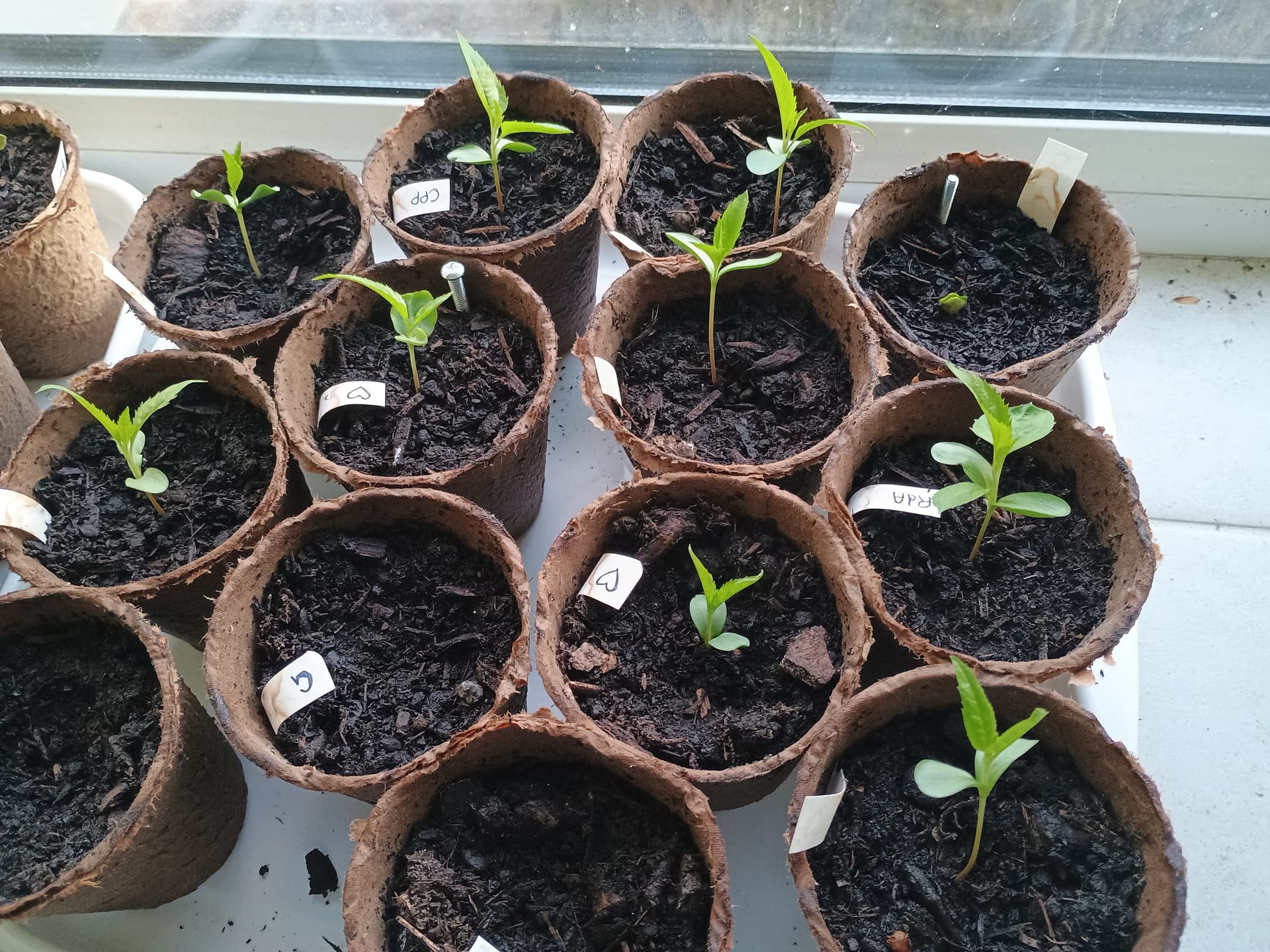
Last year’s apple seedlings (3 from Bardsey) survived the winter in pots, the two most developed were grafted and the grafts seem to have taken.
3 Likes
Currently Flowering:
Damson Farleigh
Plum Czar
Plum Opal
Apple Mrs Perry
Pear Invincible
Pear Emile d’Heyst
Pear Durondeau
Apple Sam Young
Quince Krymsk
Apple (my feral find) Ballineen Roadside
Amelanchier Smoky
Goumi Sweet Scarlet
Grape Black Hamburg
Almost all the currants and gooseberries.
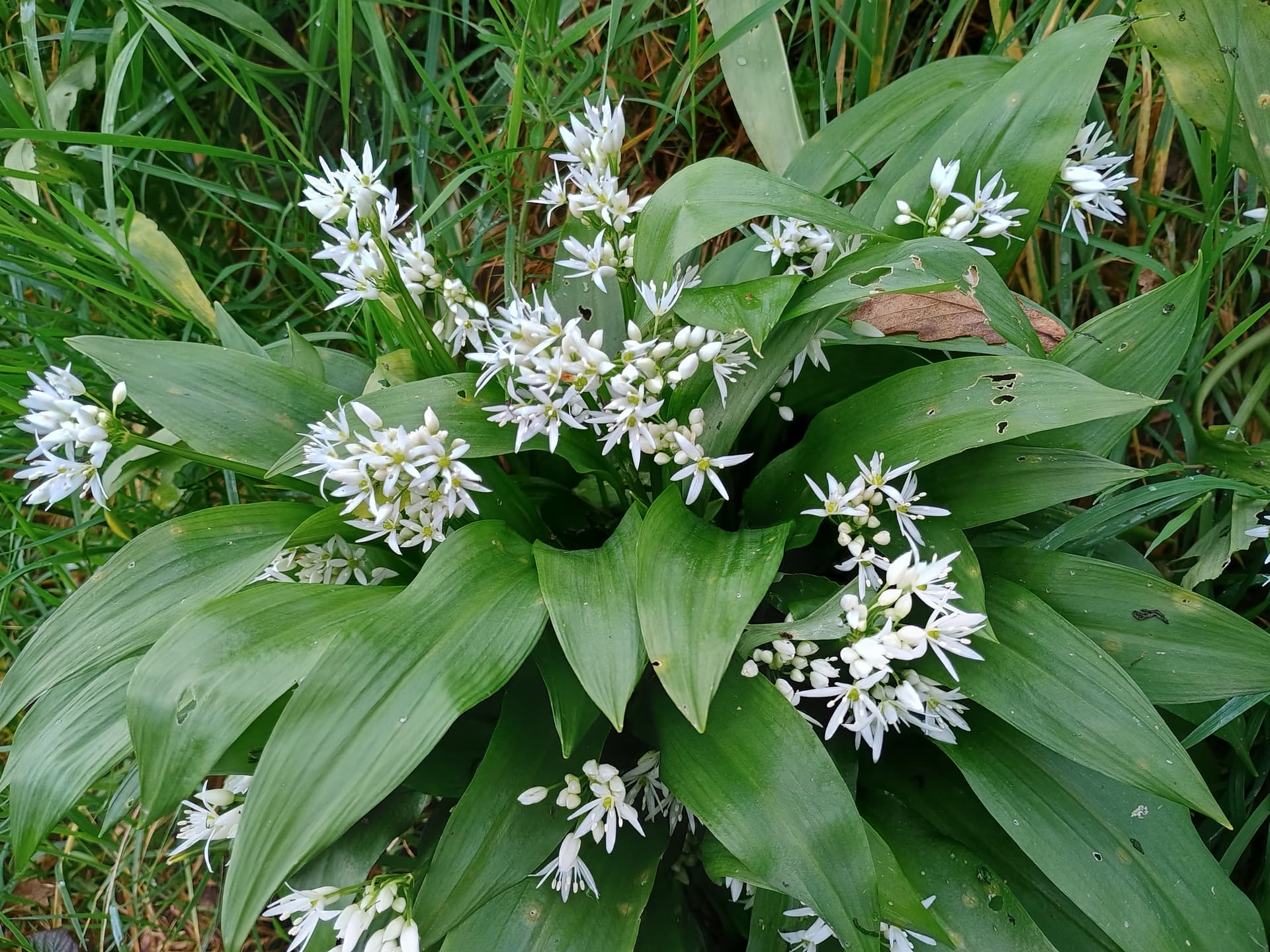
The wild garlic I transplanted the other day. Beautiful!
5 Likes
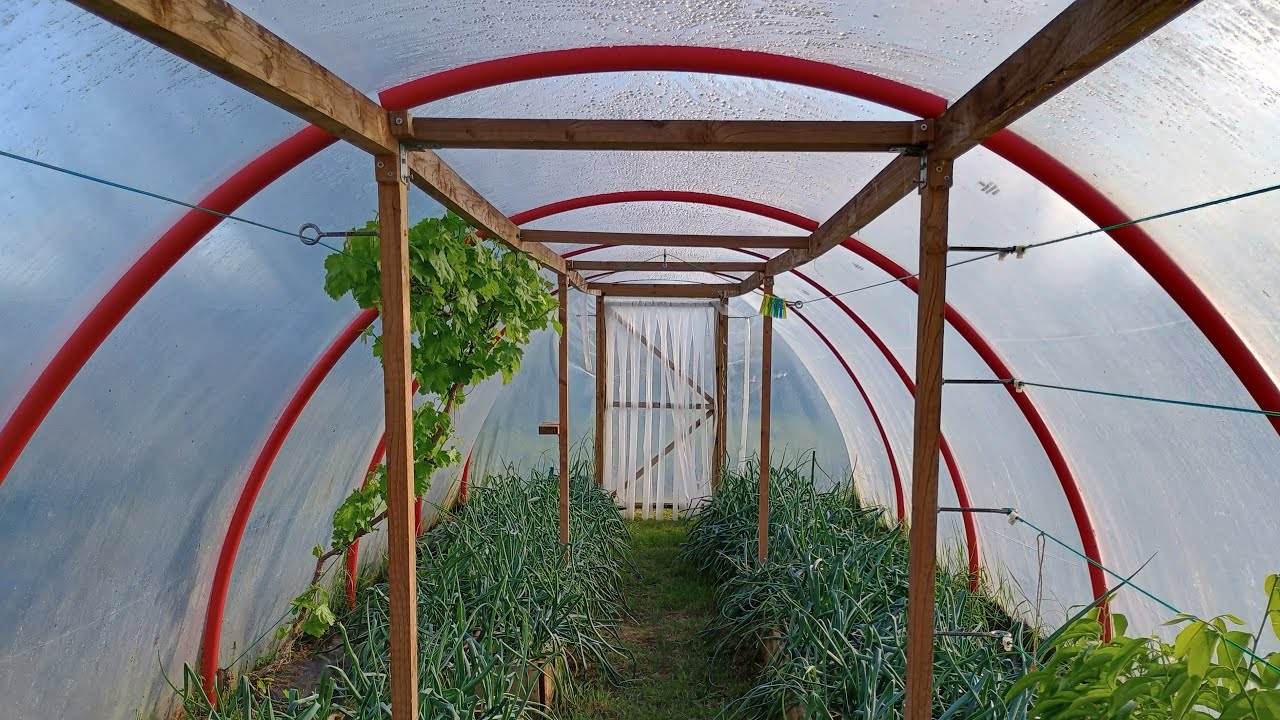
26 minute tour or the backyard in spring!
2 Likes
Just when it was getting into a really lovely shape my big goumi Uroz Hayraya Varilova is dead. RIP 
 . Luckily the graft I took of it onto AO rootstock took and is growing out the back. Not sure what got it but it never came out of dormancy, maybe the -5C we hit?
It’s death freed up a primo spot (hopefully fairly enriched by the nitrogen fixing goumi) to put Sunrise Persimmon in the ground. Also put Rosseyanka Persimmon in the ground in another less primo spot.
Potted up a 3rd leaf black mulberry into a ⅓ blue barrel too, and that’s the last of my waiting list of trees without a space left now.
I should update my fruit map some time soon.
1 Like