Universal looks so much like Caucasian persimmon!
Zone 5 Hardy, but the fruit is tiny, it’s HIGHLY astringent, and usually falls as soon as it’s sweet; it’s not a genetic line I would want spread anywhere.
It might be Caucasian persimmon x Japanese or even Caucasian x American that fruit looks smaller than cultivar American persimmons! Maybe it’s Caucasian x American and it shouldn’t be planted outside the established range of Caucasian persimmon if that’s true.
In terms of struggling grafts which die in the winter, I believe that they die due to drying out, not directly due to cold weather, as I’m sure you’ve noticed on your skin that cold weather does dry you out, and this may have to do to temperature differences as well, but clearly cold and sun can dry things out quickly, so my opinion is that if they have open ends, recent unhealed pruning cuts, or poor grafts, they could dry out and not die specifically due to the cold weather.
I have very sandy and fast draining soil that doesn’t hold on to moisture well. Where could I find asian seeds or asian trees with asianrootstock?
Most PNW nurseries carry d.lotus rootstock and use it for their grafting. Check onegreenworld, raintree, fruitwood, burntridge and restoring eden. All have solid reputations.
Protection from wind and sun to limit dessication may be more important than temperature itself for cold hardiness. I have no data personally to confirm this but I have been and will continue managing my trees with that assumption in mind.
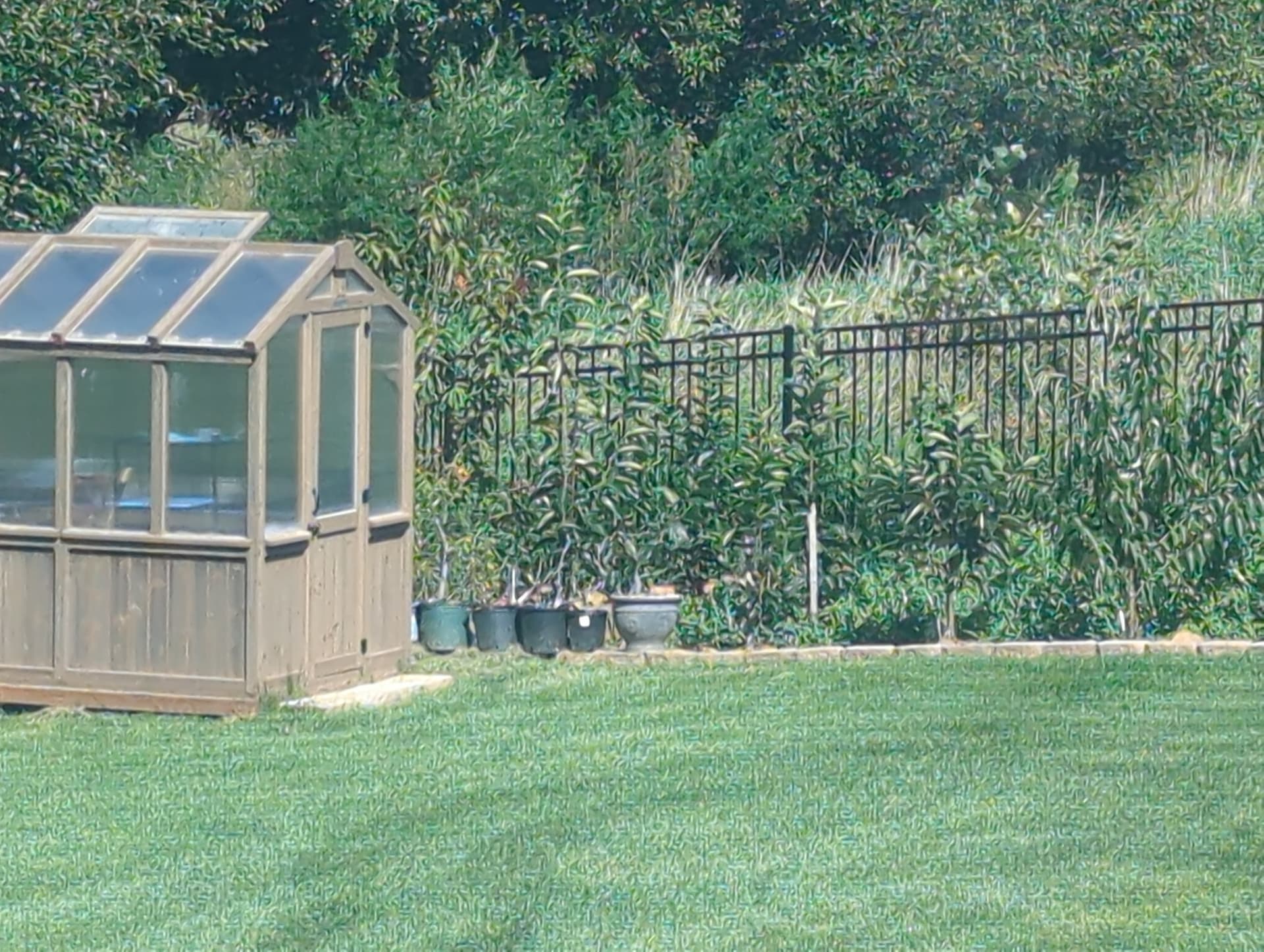
Most of my hybrid persimmons are taking off this year with all the rain we are having. Some are taller than my green house.
Didi you ever find a source for the claypool lehman persimmon
video? I would really like to see it.
I never did find that, unfortunately.
Kyt=Alex if my memory it’s good.
You don’t ask about Early santa ?
that is very interesting.
due to my incompetent our lab always lack enough stock for our graft.
we currenty use D.japonica seedling as stock.(common practice here)
but D. kaki is arguably better.
but D. kaki is way harder to mass produce by seed.
we been seraching for alternate for a while.
maybe a root sucker system can work ?
D.japonica only produce sucker when main trunck is dead.
This discussion of seedling rootstock leads me to a question.
Background: Some of my DV trees and/or purchased seedling DV rootstock seems to be infected with SDS. I suspect this because I have had one Kaki tree (Saijo) die suddenly, one Kaki grafted branch (Miss Kim) die suddenly, and 4-5 attempted grafts of a Hybrid (Nikita’s Gift) all fail. The last two are on the same tree.
Quite separately, I have a vigorous (purchased) and very cold-hardy Kasandra that produces hundreds of fruits and seeds. It is mostly pollinated by two PVNAs, Chocolate and Coffee Cake.
Question: Is there a good strategy for growing Kasandra seedlings as cold hardy (and disease-free) rootstock? Will cold hardiness of the offspring follow a random distribution reflecting the parents? Is the best strategy simply to grow out the seedlings, let them endure a few harsh winters, and see what survives?
DV suckers like crazy and has been a good source of clonal rootstock.
I’ve noticed very little suckering on lotus. Kaki rootstock I have are too young at this time.
Why is kaki hard to produce by seed? I have several hundreds of seed of Saijo and other varieties in my small home orchard.
Sounds good Joe. Let the seedlings grow and pick the most hardiest ones then use them as large rootstocks.
https://filmot.com/channel/UC5YQw2j6dprjgTsTf0Bc2PA/0/myriadeyes so i found thechannel that it was on, but the channel does not appear to exist anymore? it was named “myriadeyes” @myriadeyes which might be this member on the forum?
Edit: found them on fb (dont worry its a creator account with the myriadeyes name) and they have a farm in Tennessee, sent em an email. lets see if they still have any videos…
They are.
kaki seed are bigger take out more space. they grow slower then D.japonica
they need Stratification and can not be store for long.
D.japonica fruit are very small. hallf of weight is seed.
kaki as we know has a lot of eatable part and are useless in this case and need more work to remove flesh.
just generally harder/need more time to work with in large scale logistacly.
Yes. I forgot you are in a tropical climate. Our seeds get naturally stratified. I also put the seeds in a fridge for a few months.
I agree that the seeds are large. I do find that they grow pretty fast.
I don’t participate much.
Tony talked about David Pierce’s selections. A man I discovered two years ago.
He’s a man who worked with Claypool and Jerry Lehman. A guy of great value, like Donald Compton and Cliff.
Before hearing about his selections, I mainly heard about his work on the sudden death of persimmon. He found the solution.
Two years ago, I received a stick of his strains that Cliff had sent me, without me having asked for it.
Last spring, Dax sent me some more.
Unlike you, I didn’t get the F100.
I received KYT (which was also called Alex; he has two names, so be careful). Tony talked about it.
But I also have the Seedling Dr. Kazas. I admit I was surprised to see a selection that had already flourished from Jerry’s Dr. Kazas. This variety produces large, seedless fruit.
But the one that interests me most is “Early Santa.” I haven’t heard anyone mention it, so I wonder if others have it too.
It’s one of five hybrid varieties selected by David Pierce. It’s early-maturing, with large fruit and never produces seeds. But what I like about this variety is its appearance. Persimmons generally have flat leaves. These leaves are different from other persimmons. The edges are wavy, curly, as Dax says. This aesthetic feature sets it apart from all other persimmons.