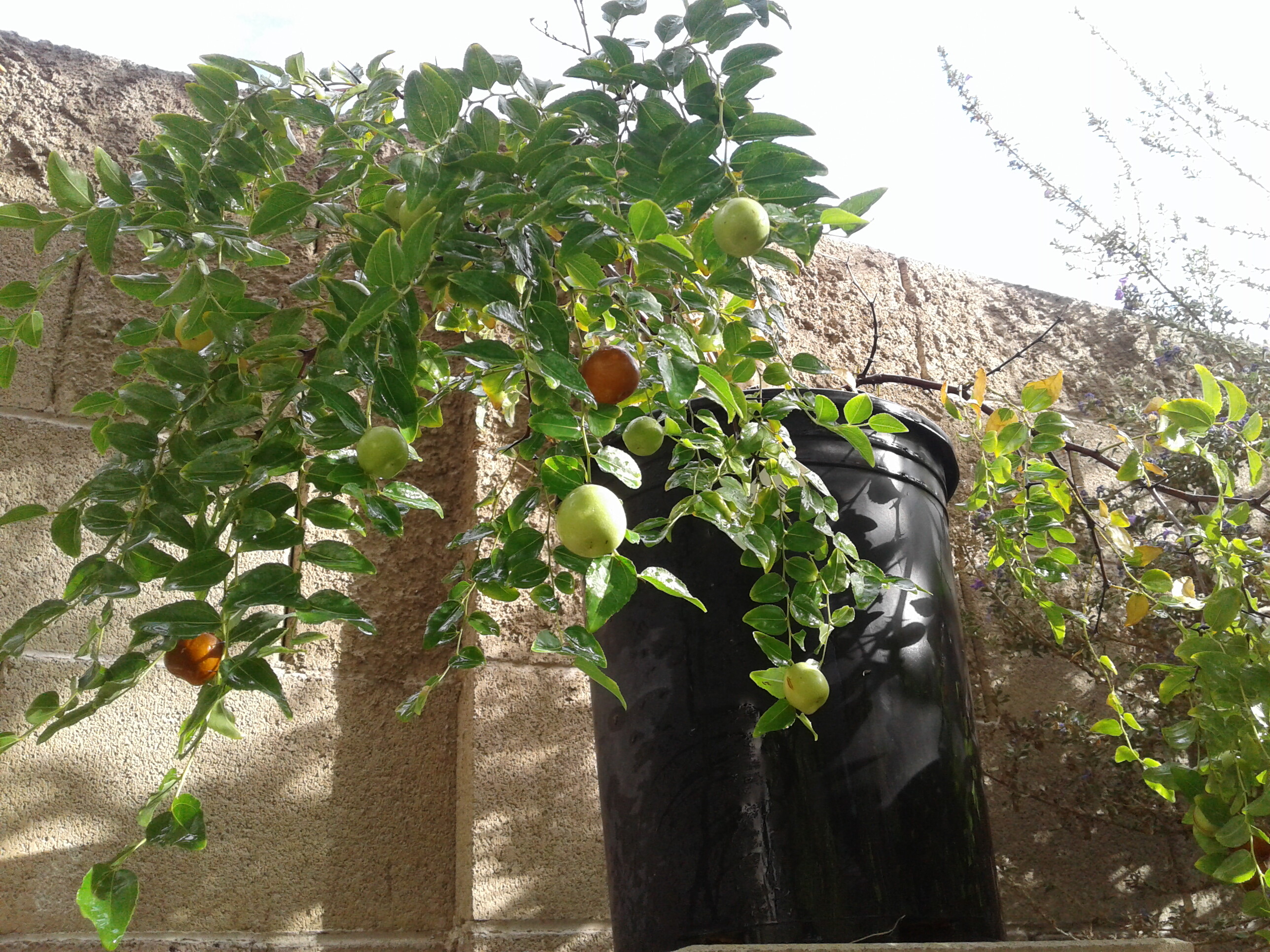
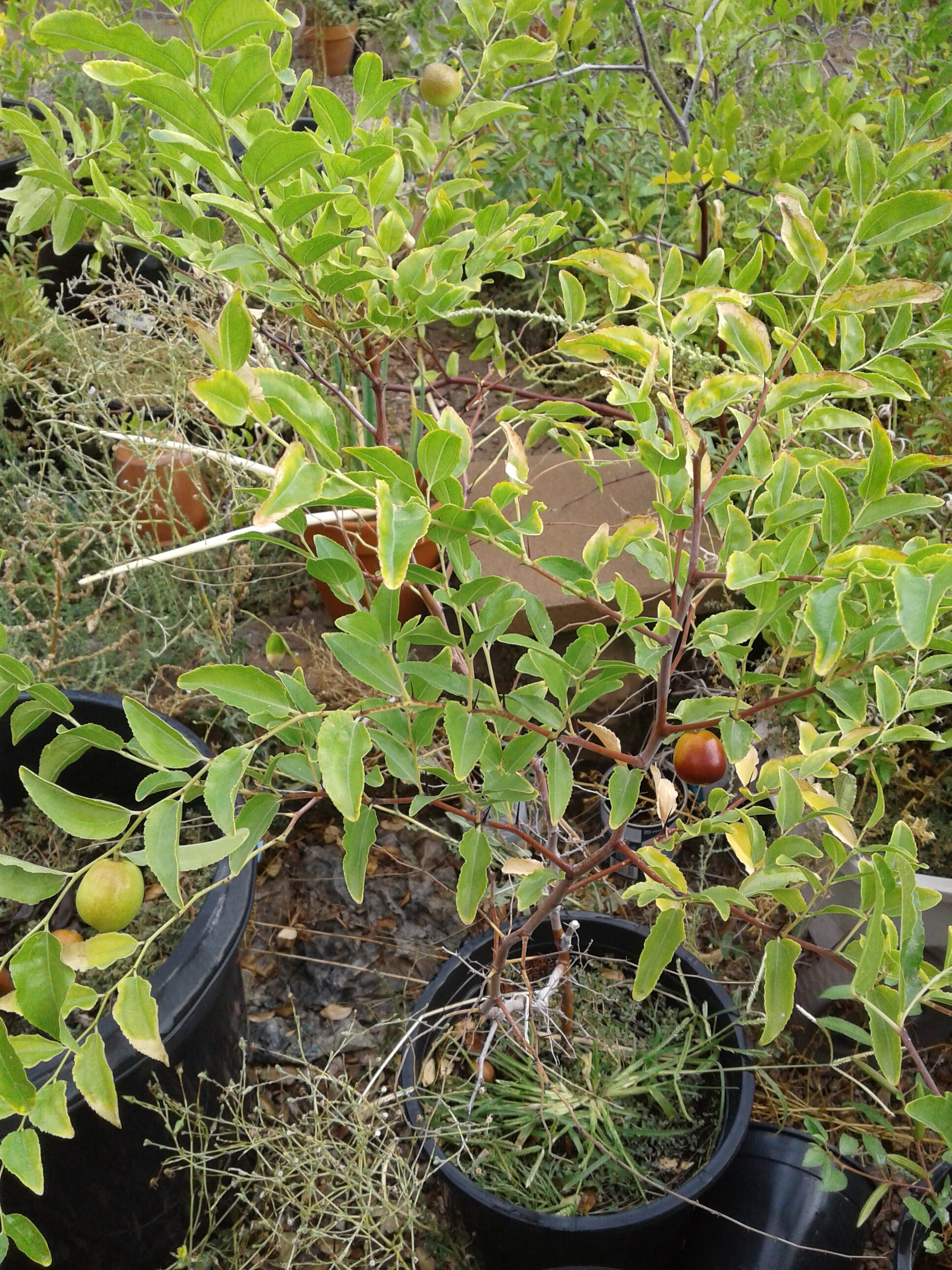
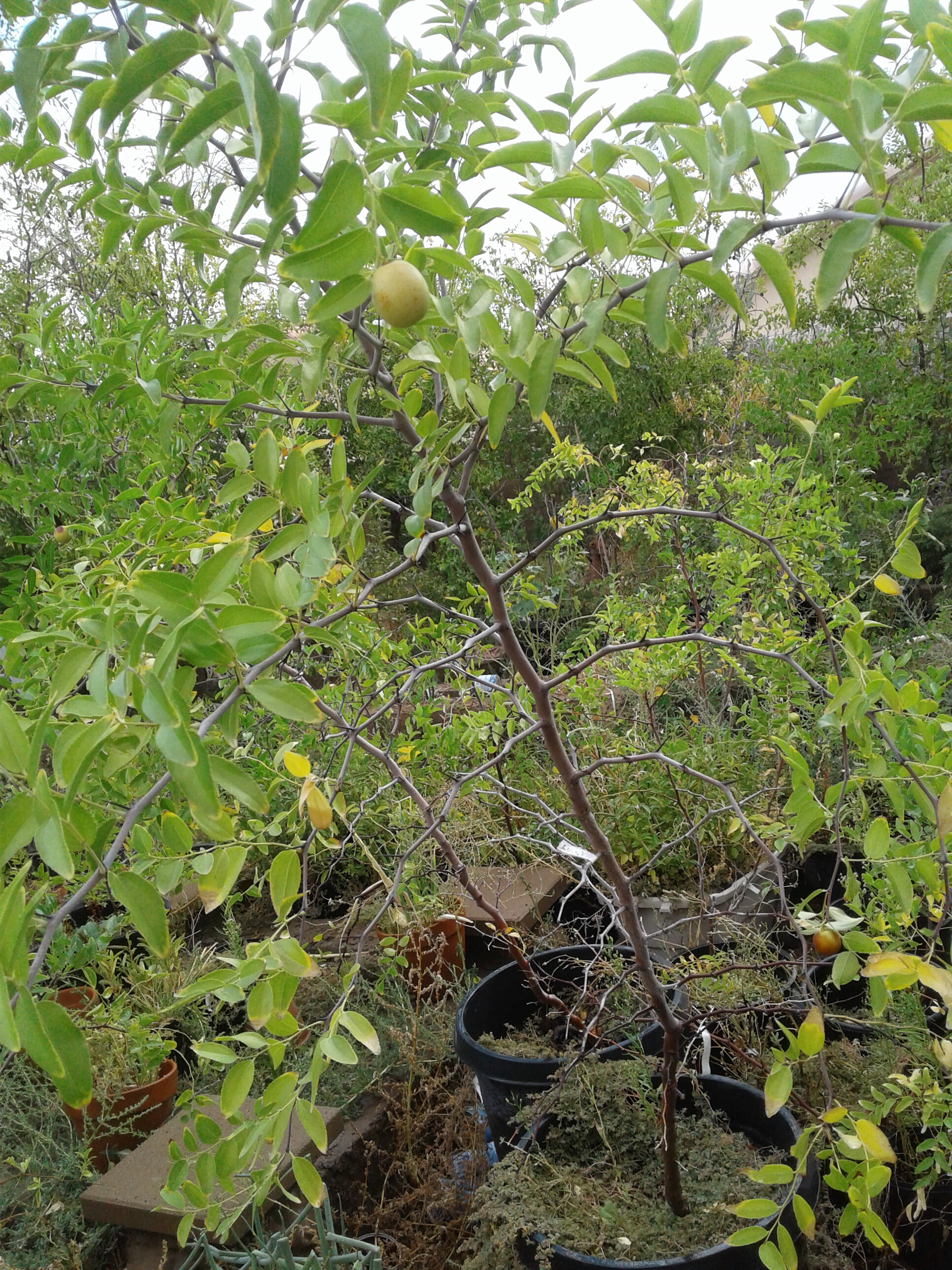
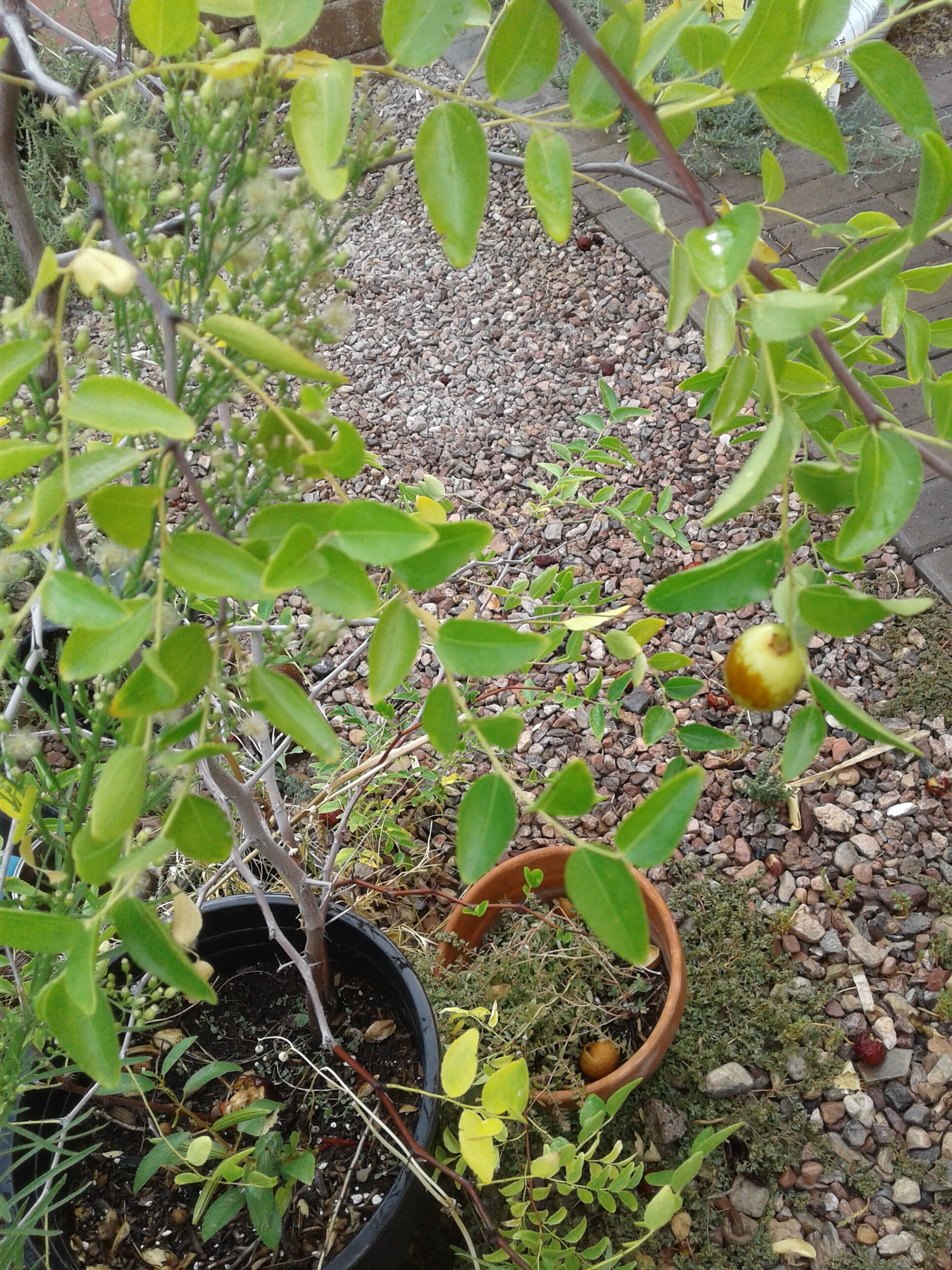
Mature viewers only -- explicit Jujube videos/photos

we used lignified upright stems in may/june(when juju stems in vegas conditions are fully leafed out), each with one lateral cut down to just one node(fruiting spur) and any foliage on each of the nodes gets whittled to just 2-4 leaves. Then dipped the raw bases with hormex#16 powder and planted in tiny pots then placed in ziploc bags and placed under dappled shade/reflected sunlight for 3-4 months and wait for new growth to develop. New leaf growth is a good sign that the bottom part is callusing or already budding out rootlets.
our success rates are quite low at about 10% to 30% with this method, but still happy with it since once we get at least one cultivar on its own roots, we could just poach for root suckers every year when the specimen sizes up its rootball.
jujus can also be airlayered, and we had 0% success in the absence of hormex, and 100% when hormex16 was used( have to say our sample size of 4 hormex-treated airlayers was too small to be of any statistical significance, but 4 out of 4 success rate sure is promising!)

striking from bare-bottomed cuttings(green stems at that) has been proven easier and with high rates of success in regions that have cooler summers, as @tonyOmahaz5 has posted at another thread. Some scientific literature have seen online also report of the same success rates with green stems, and no mention of lignified stems. So my results are outside of what’s considered the norm by the jujube community, as never been lucky with green stems. Maybe the extreme vegas conditions are what made my experiment deviate from the norm, favoring lignified stems. Or that my IBA concentration is better suited for lignified stems… At the end of the day though, am just glad managed to get at least one self-rooted specimen of a self-rooted cultivar, even if my batting average is way lower than 10%, since one success-- among a thousand failures-- is slated to make thing easier for me :slight_smile:

BTW, @tonyOmahaz5, i was curious, has any of your successfully cloned cuttings launched upright stems yet. And if any already did, has any bloomed or produced fruits?

anyway, @PaulMtree , we posted the step-by-step of last year’s juju cloning in the video below

that it produced fruit on same year’s growth is just awesome right? Practically impossible to get that “perk” from a peach or plum that succumbed to dieback/lost all fruiting spurs. Worse-- with grafted specimens-- is that dieback that extends below the graft is outright loss of the peach/plum
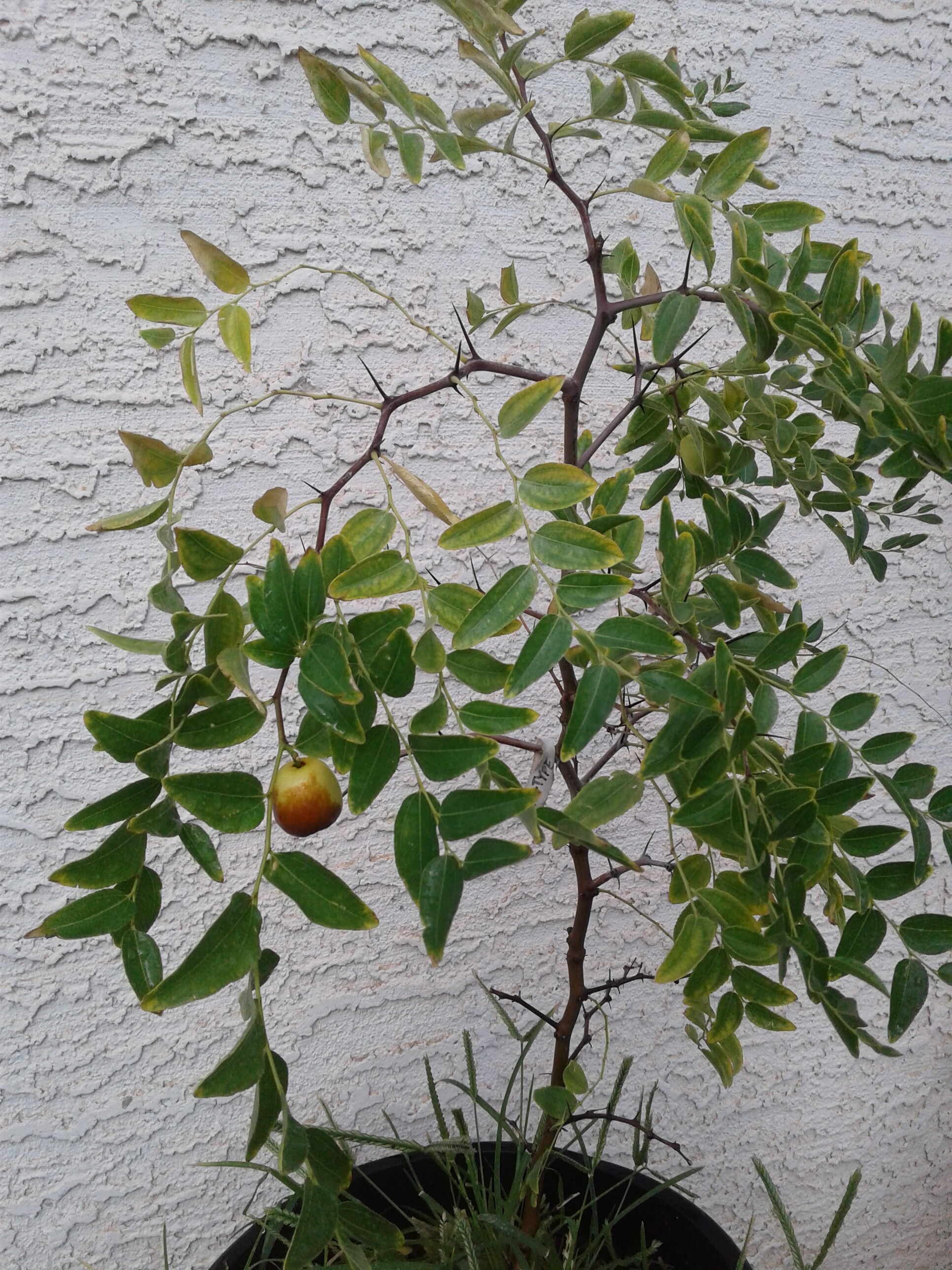
3 Likes

and forgot to say, @tonyOmahaz5 . Your hj seedling that survived -31F then launched a 4 ft tall upright(with fruit to boot!) all in the same year just proved its mettle. Whereas the “over-achieving” self-rooted li currently have may only be an achiever simply because it is in vegas.

yours is clearly a desirable contender, especially in cold regions–used either as rootstock for other cultivars, or just a stand-alone tree since you say it is producing good quality fruit

1 Like

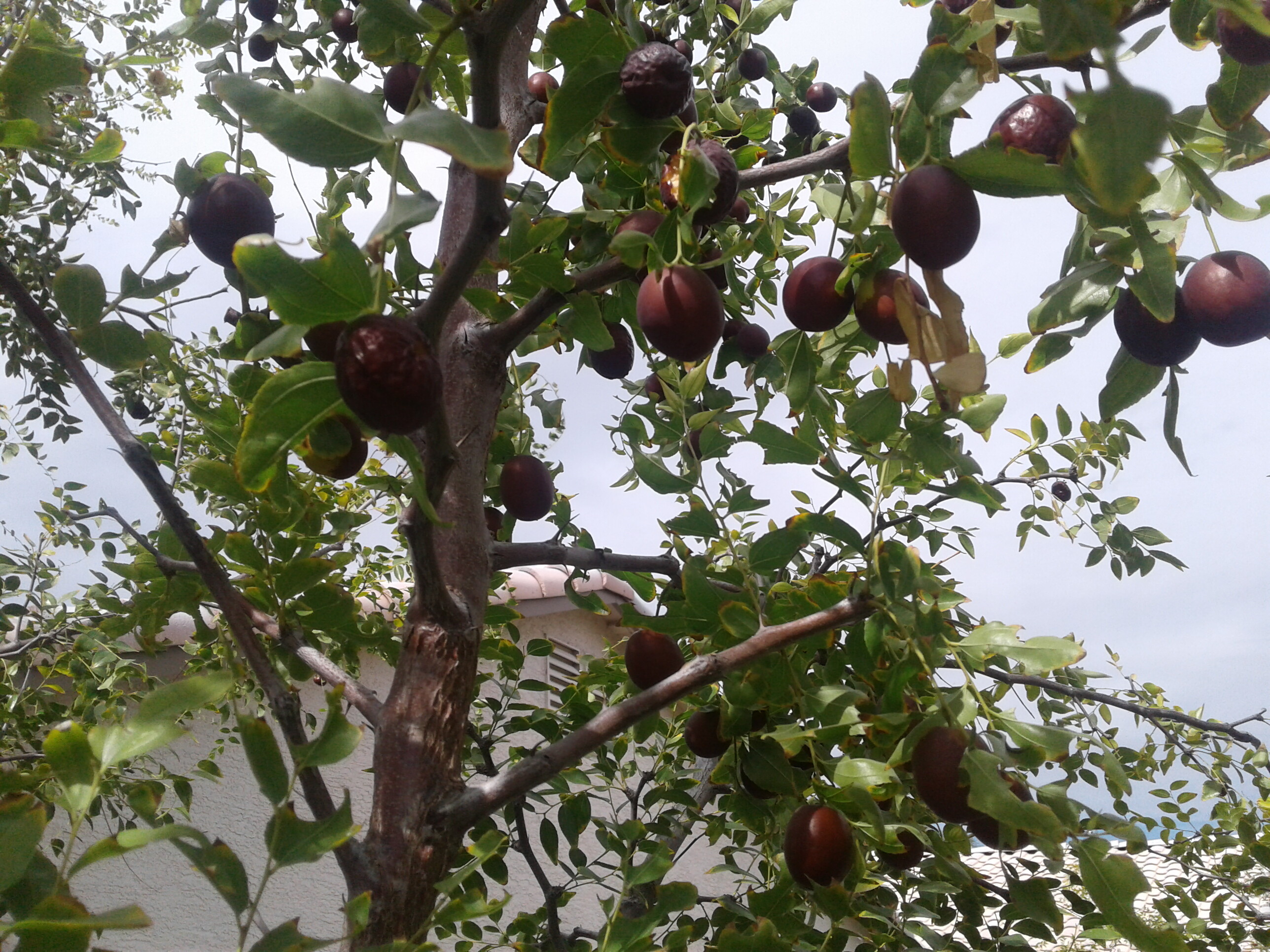
below is vegas honey(from hj seedling) demonstrating ability to multi-crop in one growing season. Just as juicy and sweet as hj(even at the peak of vegas’ summer), but has a sharper jujube flavor than honey jar. Well, most named cultivars have a more pronounced jujube flavor than hj anyway.
HJ bears mildly flavored fruits here in vegas. V. Honey would make a great addition to folks who think “size doesn’t matter”, as it apparently is going to be similar in size as hj fruits

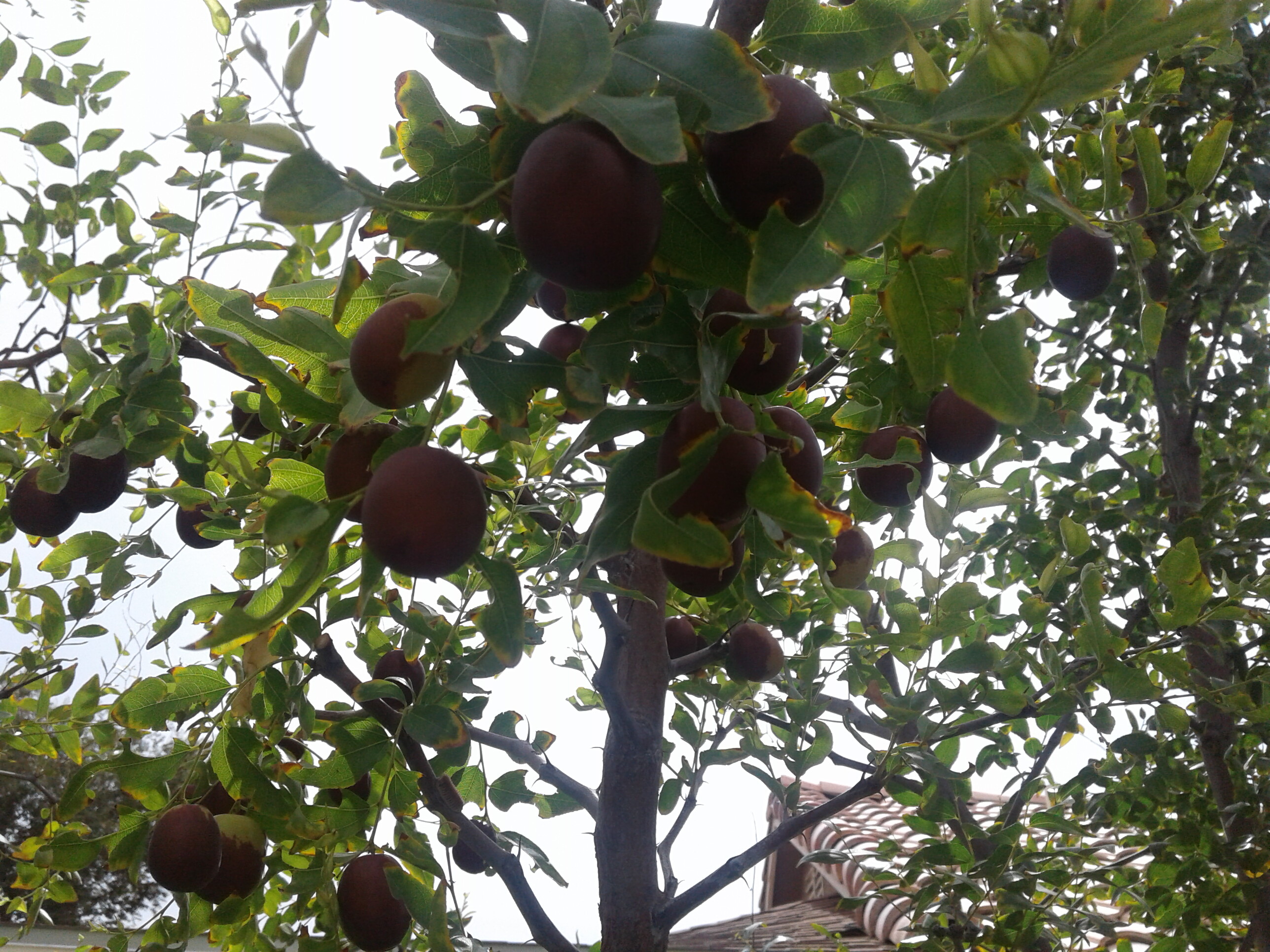
below is @castanea’s “Sweet Tart” which is a most apt description. It is a great cultivar to have if you like your jujus dense and zesty. It is similar to sihong in denseness as fresh fruit. I actually like it better in overall quality than Orange Beauty, which is also tart, but maybe because Orange Beauty is more sensitive to our extreme high temps in vegas. Picture below was taken today, so it is proof that Sweet tart is able to multi-crop in one season, and quite productive for a second drop, despite potted condition :+1:

below is vegas pasas, fruiting on its second year, and also demonstrating ability to multi-crop. It has a pleasing sweet-sour juju flavor, and proved juicy on its first crop in the middle of summer. Its excellent qualities make it worth having, despite the smallish fruit size


vegas lucky below also multi-cropping in one growing season. It produced bigger fruits last year, but maybe because i poached root cuttings from it back in january.

vegas bounty below, also multicropping in one season. Fruits also seem sensitive to extreme vegas high temps, as the fruit quality now is so much better than the ones harvested a couple months ago. I predict it bearing much better quality fruits in areas with cooler summers. It is more vigorous in vegetative growth and production than v. sweetie(its sister, having ant admire as their mother). Both sweetie and bounty don’t have the bitter after-taste of their mom’s fruits.

4 Likes

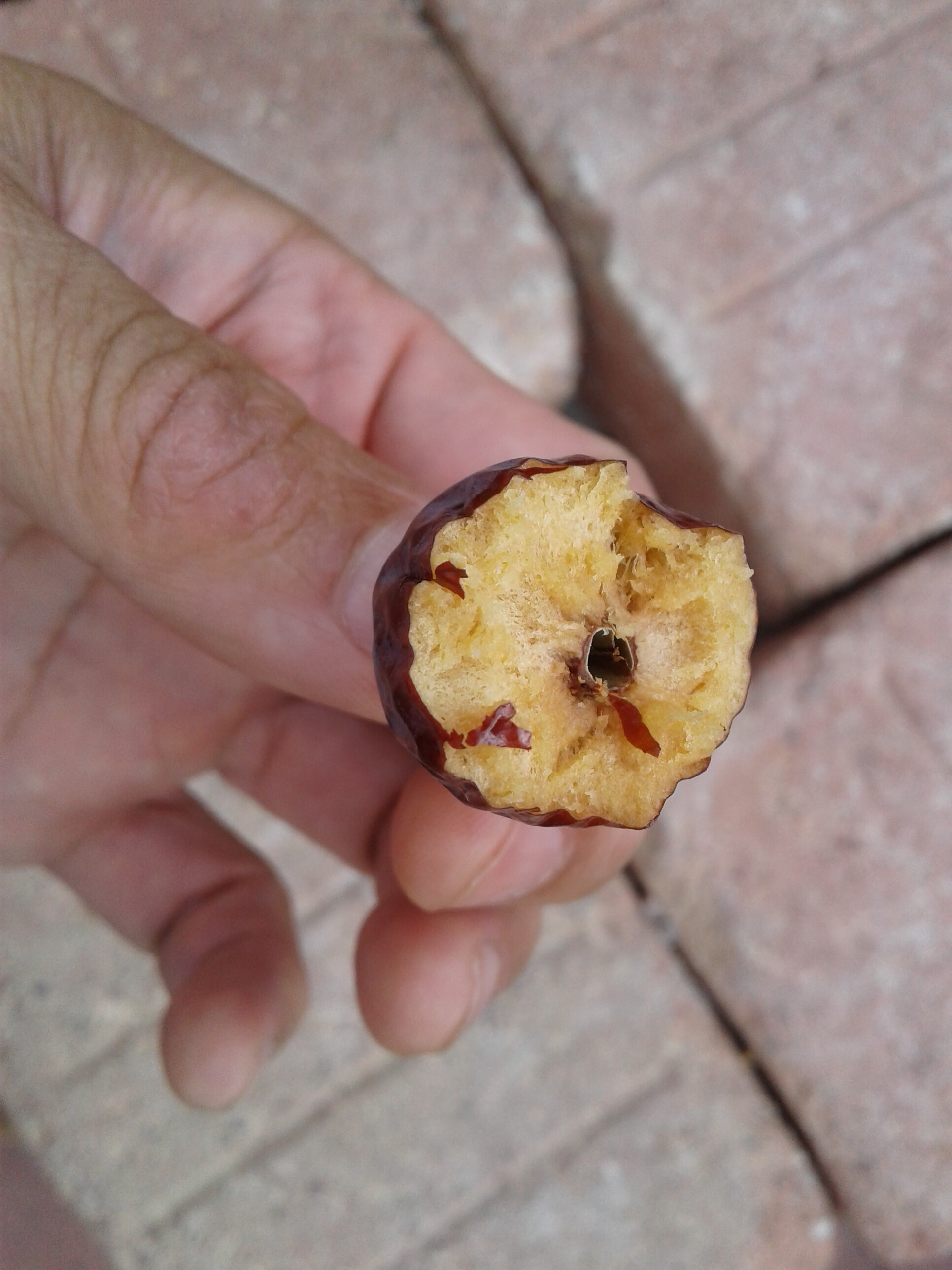
v. booty dried date below. Of the large-fruited jujus, it is the closest thing to a sihong dried date. Booty pits seem to be sterile, never seen any with seed, not even vestigial ones…

below are bok jo, which have proven sensitive to the dry heat of las vegas’ summers(August). Fruits this october are so much better tasting and juicier. This cultivar also makes great dried dates

6 Likes

Nice collection there. Love the spikes on V. Honey!! I have a few but I’m struggling with naming them. I have a Texas Honey. The fruits are small but prolific. Some of them this year we’re about HJ size so hope most of the fruits will increase in size next year. One of them is being called Texas Twister or Twisty. Anyone know if that name is taken by anything else? I also have one that I think might be T. Lemon Drop but I’m not even really satisfied with the fruit yet. It might not deserve a name!!! :flushed::joy:

3 Likes

The only jujube that has ever made my mouth water just thinking about it is Sweet-Tart. I am glad it is doing well for you, but if you ever get it into the ground you will see amazing productivity. It is a monster.

2 Likes

Mine is doing well. No fruit this year. Next year? :+1:

2 Likes

I saw that Fruitwood Nursery sells Texas Tart jujube scionwood, so that name appears to be in circulation already. Do you know anything about that one?

2 Likes

Nothing other than what I’ve read and that doesn’t even include origin……:flushed:

Just read that it was small and sweet/tart. Came from Texas Tech in Lubbock.

3 Likes

My second season Li is as good as Honey Jar. Especially at 3:00 am while chasing horses out of the orchard! :flushed::flushed::flushed:

3 Likes

where am at, a prime li( those which matured late sept to november) is so much better than hj which matured in late sept to november.
while an hj that matures in july/august is much better than a li that matured in july/aug

quite a heavy hitter in its combination of sweet and tart. I predict it will also be a heavy cropper growing in the ground. If you remember i poached some root cuttings from it last january-- and still it managed to multicrop on the same year and quite heavily at that!

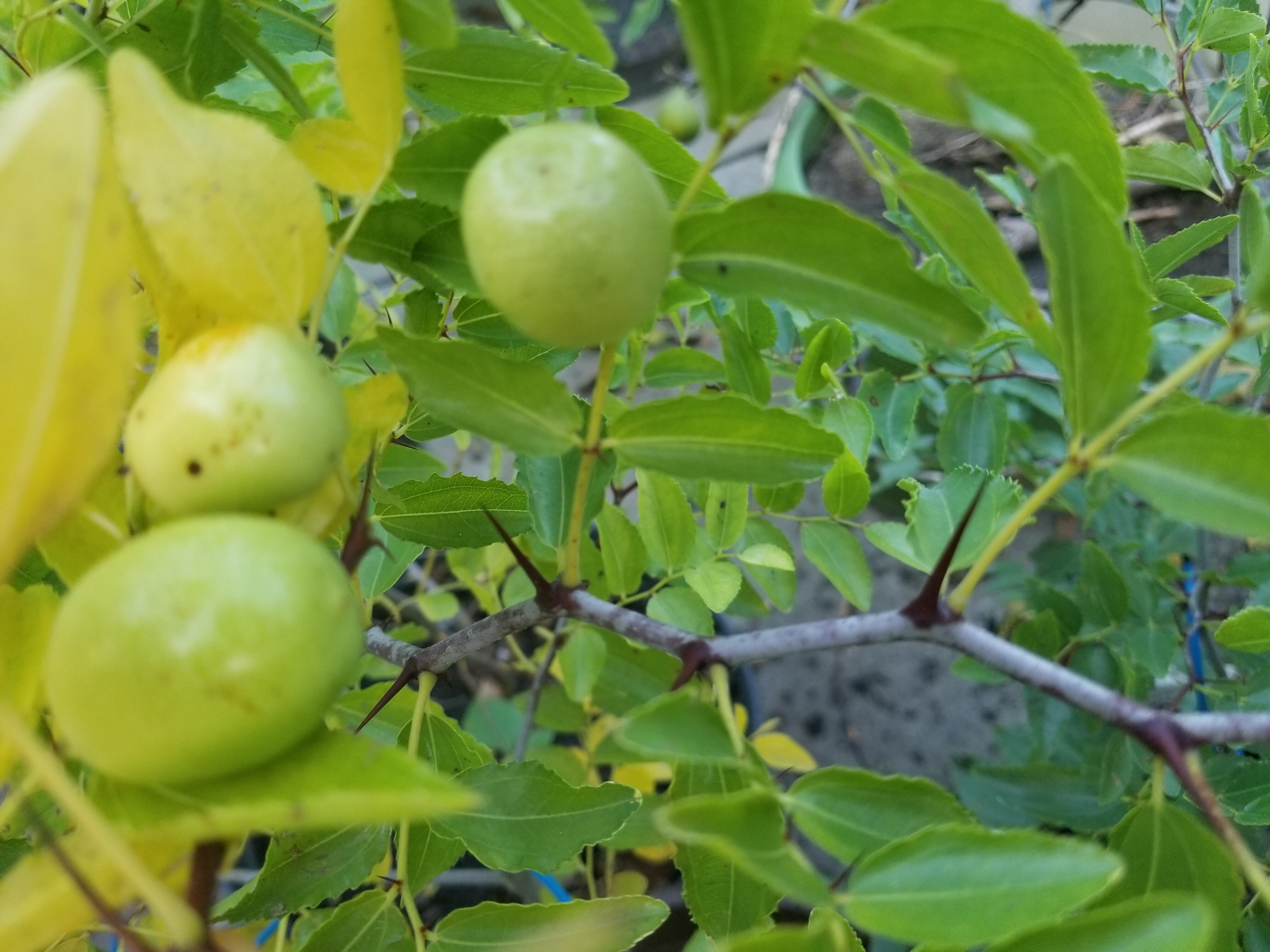
juju thorns have an eye-catching cosmetic effect, but they sure have a negative cosmetic effect on humans, lol

btw, there are certain standards i have arbitrarily come up with with regards to assessing desirability of juju cultivars. Apart from precocity, productivity, and tolerance of 110F summers, i also go by the fruit quality/size versus thorn size/location. V. honey’s fruit-size/quality versus thorn size/location easily deem it within the desirable category.

what i mean by thorn size/location is that --while large thorns are obvious dings against a cultivar’s desirability, i feel that the location of small thorns are just as bad, especially if fruits are tiny. The cultivar chico has long manicured nails which can be more intimidating than those brandished by vegas showgirls, but what thorns you can see, you can easily avoid. And the fruit size of chico, plus its quality make it worth growing.

and again, regarding thorn size and location, if you have ever handled nopales cacti(opuntia prickly pear), you could easily avoid the large thorns because they are quite visible, but the tiny ones(aka “glochids”) will be the ones that get ya! Among jujus, li will sometimes have tiny thorns at the axils along the length of its herbaceous fruiting stems, but having large fruits, you could easily avoid such thorns. Chico may have longer thorns than li on its laterals, but the herbaceous stems rarely have glochids, and the relatively large chico fruits size make it an easy harvest.

important to note that even though these fruiting stems are permanently herbaceous and flexible(and also deciduous)-- so annoying that the glochids that develop on said stems tend to get woody and stiff.
anyway, glad that among this vegas series: pasas, uvas, lucky, bounty, honey, sweetie, kinky, nasty, and booty rarely have glochids, even when they were so much younger.

love this!

has a nice euphony to the names! If you have two contorted seedlings that are worthy of being named, one may go by Texas Twister, and the other Texas Twisty :slight_smile:
i don’t think anyone who may have coined those names ahead of you would litigate. Quite certain that the names were christening other things, and not for contorted juju cultivars.

1 Like

Beautiful plants! I’m excited that you’re trialing these in the Las Vegas crucible, as we had record heat this year in Tucson.

I’ve paid for a love of thorns in blood and really like the aesthetics of Vegas Honey. (Vachellia karroo is one of my favorite trees.) And having wrangled lots of free, discarded cactus out of alleys I agree that the larger thorns are generally easier to deal with.

Technically speaking, would these be considered varieties or ‘cultivars’?

1 Like

I’ve never had a a Honey Jar fruit that came close to the best Li fruit.

1 Like

glad there is another person who find it appealing! Not sure why, but there is something about thorny plants that couldn’t help but contemplate. From a safe distance at least, haha

i think vegas and tucson have similar summer temps. Well, maybe vegas has hotter extremes, and tucson has the advantage of some degree of humidity. While humans feel more uncomfortable in humid-hot, most plants definitely prefer that over dry-hot… Likely that the jujus we assess(in vegas conditions) equate to higher chances of being of better quality when grown in tucson.

i thought it was just me, so happy to hear it from somebody else. Most especially coming from you!

the jujus they sell at 99 ranch asian grocery stores here are a bit too dry, even for me.
Lang and Li grown matured in extreme heat of california deserts aren’t worth the 3$/lb, sometimes 5$/lb they are priced at when sold here

2 Likes

Another good size fruit Honey Jar seedling compare to Orange Beauty fruit with the fall yellow leaves. Hj seedling sure got some thorns.

8 Likes

Wow- I’ve had fruit from a couple of Li trees so far, but haven’t been impressed so far. While it is extremely rare for me to have Honey Jar (on at least half a dozen trees) which wasn’t top-notch. Maybe the Li will get better with time (Honey Jar starts out good). Alternately, it could just be the climate here and the temps we have when jujubes are ripening (no hot weather).

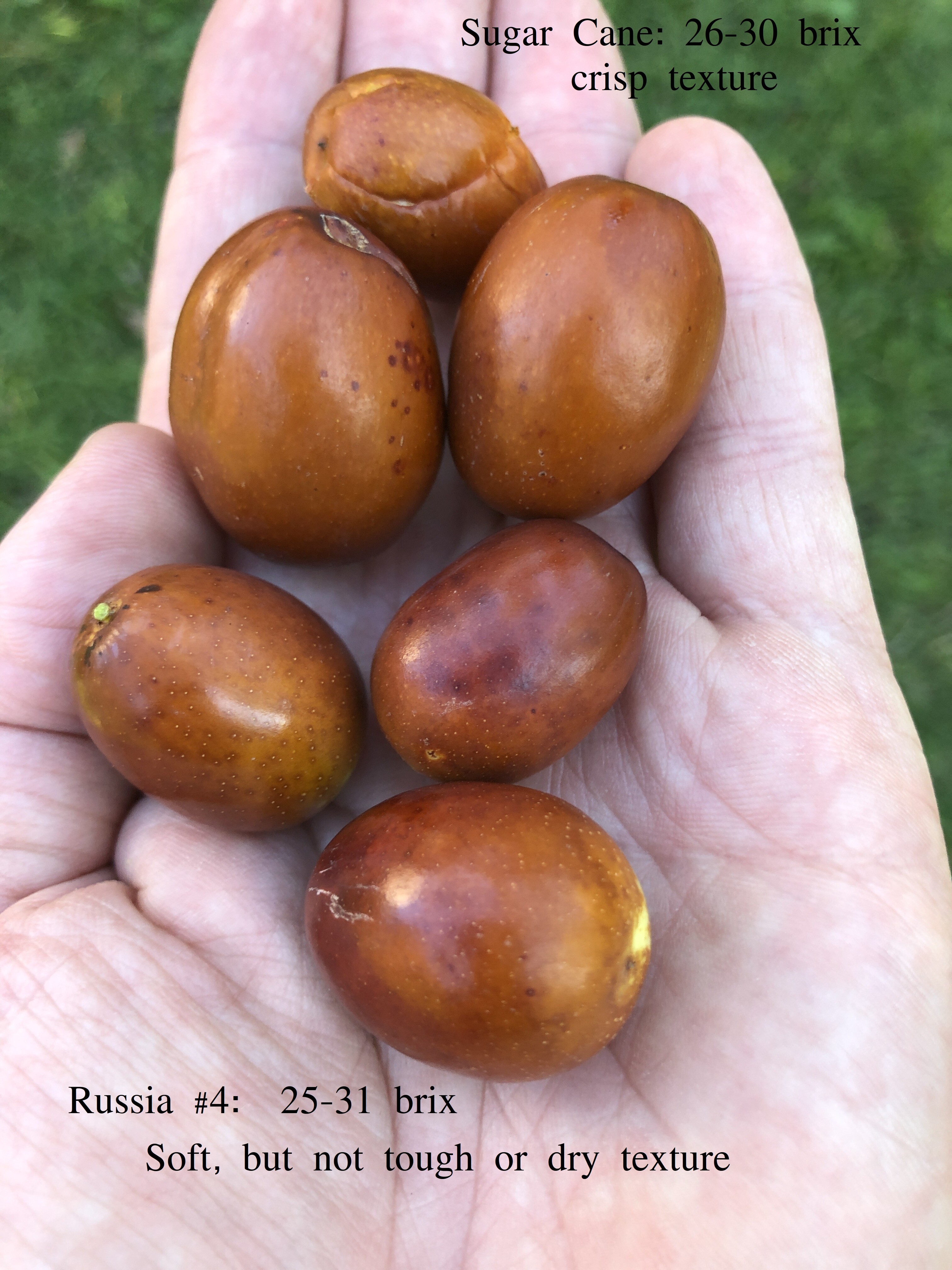
Here’s some jujubes I’ve picked recently…

Russia #4 is very productive, but the texture is lacking. It isn’t a tough dry texture like Huping. Instead it is softer with a bit of juice, even though there is no crispness at all. These Sugar Cane had great texture, just like those from past years (unlike some of the early season SC).


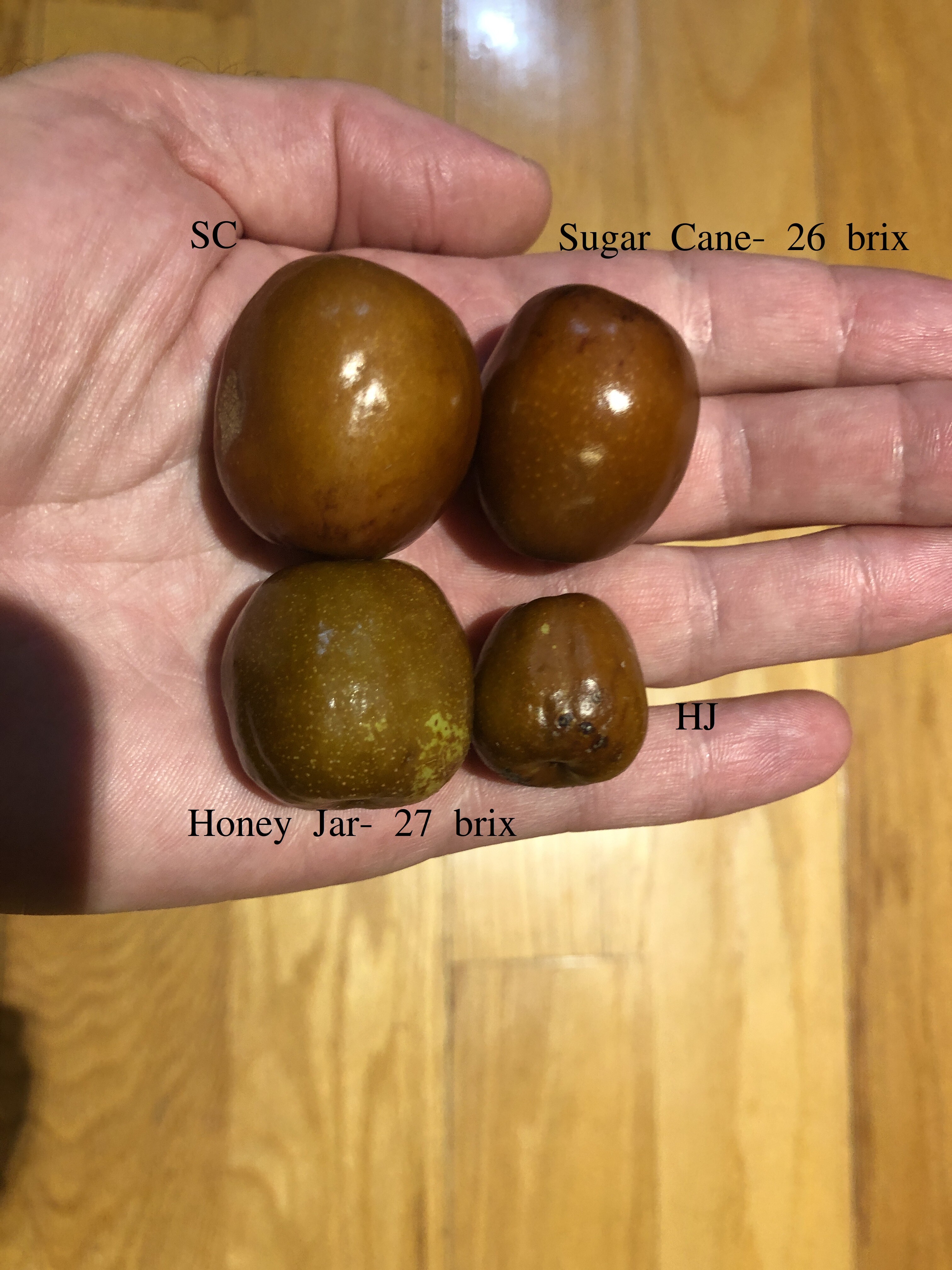
The largest Honey Jar are similar to the average Sugar Cane in size.

I’m not sure if my sense of taste is different (I did lose taste and smell in March from Covid, but mostly got it back a long time ago), or if the fruit is different this year. But the Sugar Cane has an off taste to me. I had my wife sample the 2nd half of the ones I tried and she said both tasted good to her with no unpleasant taste. I did the same test with my daughter and she said there was an after-taste on the Sugar Cane. So it doesn’t seem like everyone can detect it.

I’ve been getting significant numbers of Dae Sol Jo for the first time from 2 trees. Not bad and great size. Texture is OK, but not on the level of HJ/SC. But for it’s size it is pretty good.

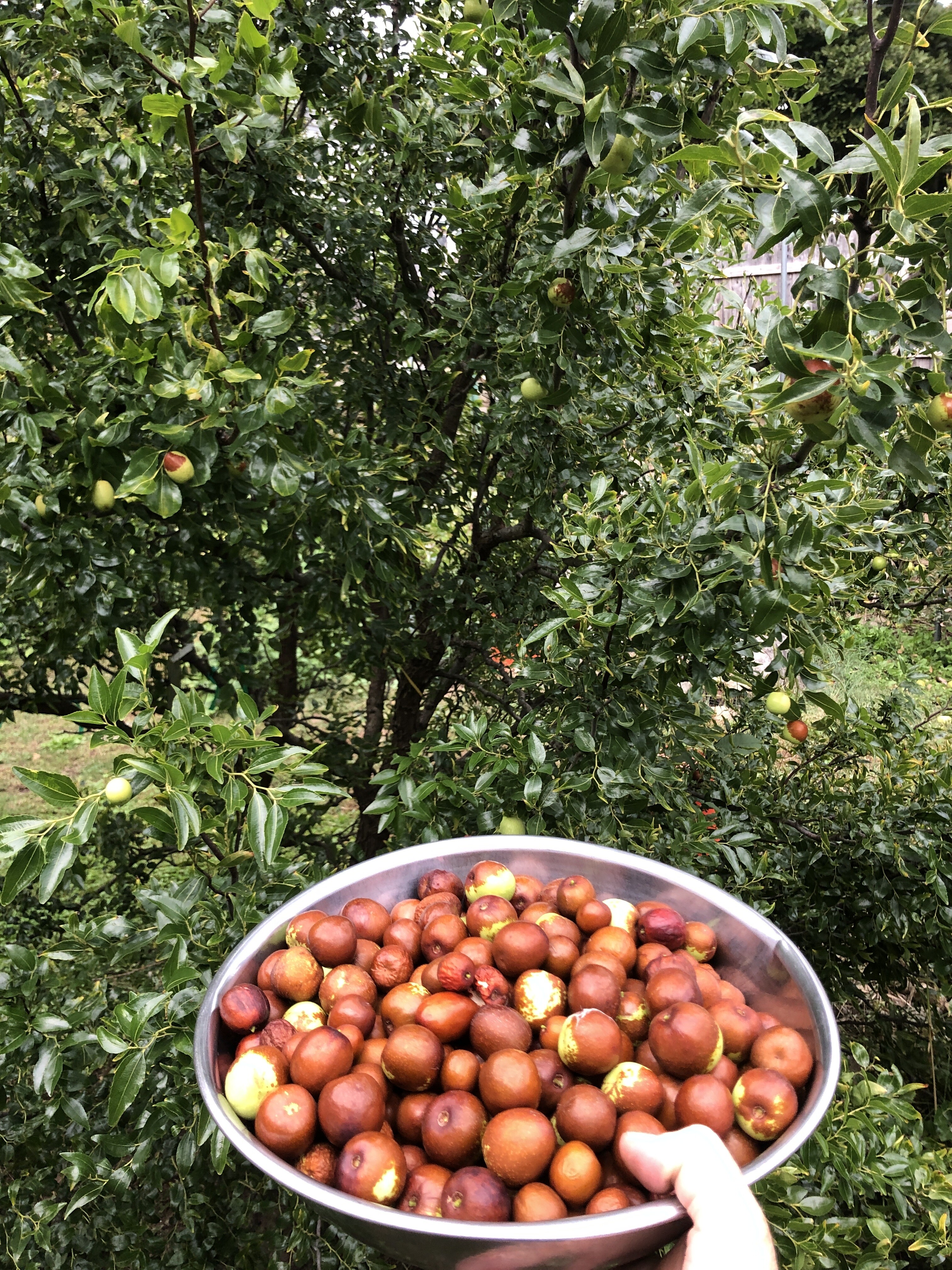
Last week I picked a ton of fruit from my oldest So. But only 60% of it was firm/crisp. This large bowl (with 4-5 lbs) is almost entirely fruit from that one So tree. There is a single Massandra fruit on top for those with sharp eyes :slight_smile:

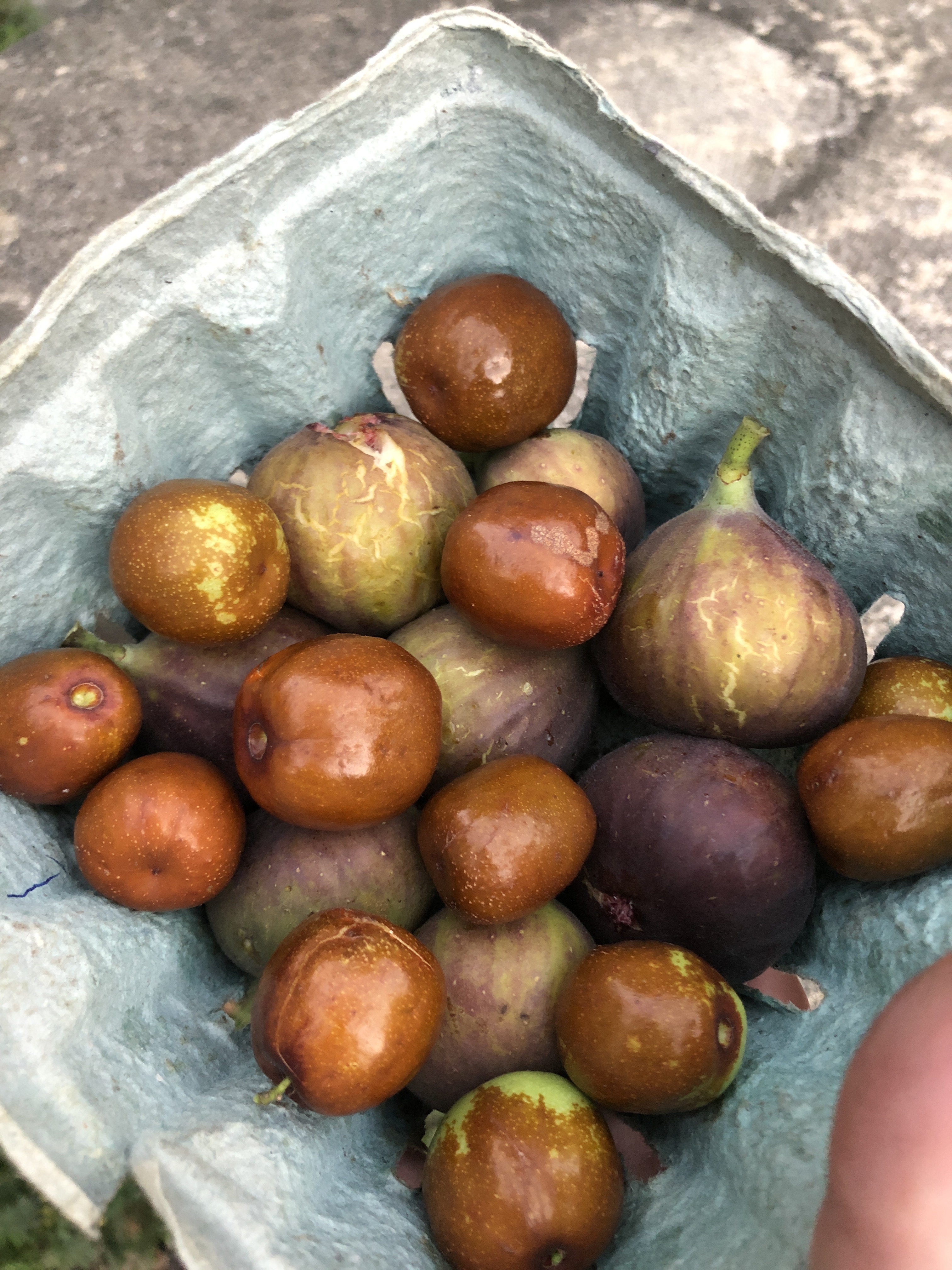
From today, when I picked some figs and Honey Jars from a rental. The figs are slowing down (there were days when I would pick 1.5-2 quarts in a day) and this is the last of the first flush of Honey Jars. There are a lot of green ones still, some of which look like they are close to ripening. This site also has Li and Lang which aren’t ripe yet, as well as a 3rd Dae Sol Jo graft from this spring which has a decent amount of fruit.

8 Likes

oops, overlooked your query, but they are supposedly interchangeable terms. I think cultivar is more accurate a term for seed-grown novelties(of the same species).

what i mean is that it won’t be an ambiguous statement to say there are many varieties of stone fruit: plum, peach, jujubes, and cherries are all varieties of stone fruit(of different species)

while it will sound a little off to say there are many cultivars of stone fruit, even though it is true that there are lots of cultivars-- as the person who reads the statement is likely to ask: which variety of stone fruit has many cultivars?

that is one more of your full-detailed entries, which is excellent reference for folks in your growing region :slight_smile:

glad youre getting back your sense of taste and smell. Even for folks who’ve never had covid, sense of taste and smell is purely an individual thing.
sugarcane also tastes off to me but the majority apparently love it. HJ does not taste off to me, i actually also like it for its mild flavor, and is mostly just sugar to my taste. Li seems to be just as sweet but also has a bit of tart and a tinge of aromatics in the mouth, which hj does not.

2 Likes

My few second crop Redlands is good with very sweet flavor followed by tartness around the stone.

2 Likes

It took years for my Li to start producing quality fruit, then a bit longer for me to understand it needed more water, and yet longer for me to realize that late season fruits were superior to early season fruits. A quality late season Li fruit can be exceptional.

Dae Sol Jo also gets a lot better as the tree matures.

3 Likes