Yes, Bok Jo sets well enough to not need help. Same for Xu Zhou. I’ll probably skip them, as well as some not-so-good setters (control group…). In future years, I may try spraying some Bok Jo and not others (I’ve been propagating) to see if GA3 induces earlier set and thus earlier fruit (Sept vs Oct). But, before I do that, I need to get the other Bok Jo regularly bearing.
2 Likes
Where are people getting their rootstocks these days? I am growing Li, Lang, and Empress Gee but I am also interested in growing Ziziphus jujuba var. spinosa for the purposes of producing the seeds. I am under the impression that that is the rootstock most people are getting? Or maybe that’s not the case. Anyone out there growing out their rootstocks and getting pits with good sized seeds?
1 Like
I have a large rootstock for crossed pollinating and harvest seeds and suckers for rootstocks.
I got mine from Planting Justice(Rolling River). A little expensive, but potted.
1 Like
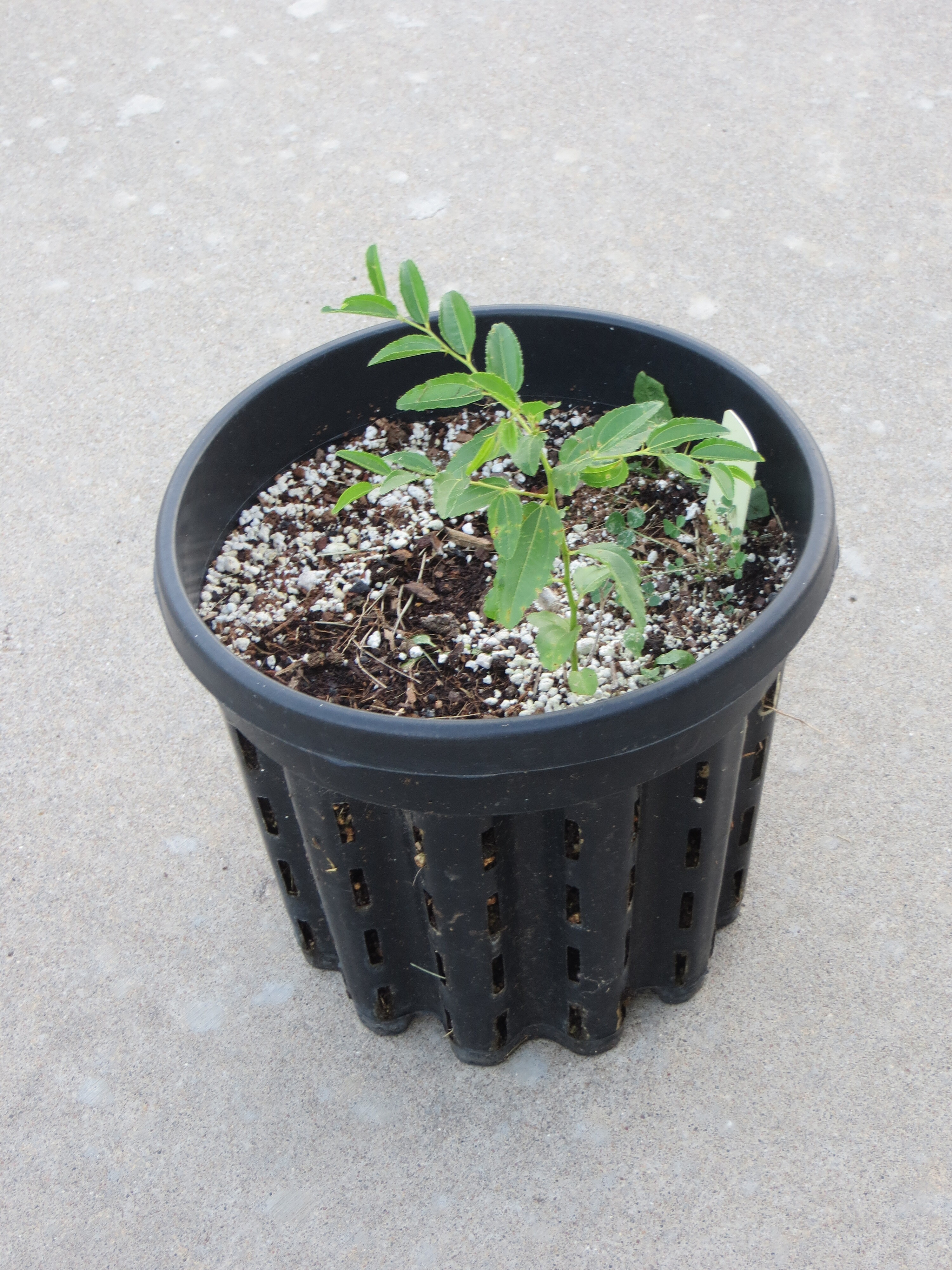
Rooted Sihong from jujubemulberry
It was very slow to get going this year but has picked up speed the last couple of weeks.
5 Likes
i don’t have alcalde unfortunately, but from photographs posted, they seem to be the same, at least judging from thorns here in vegas…
Hope it sizes up over the summer 
1 Like
can send you some spinosa-type(wild-type) pits next year, even though no longer recommending this, especially if one’s patch of mother earth has not been planted with wild-type rootstock. Wild-types are hard to kill, and can send out many suckers and produce fertile pits, which is good if you are running a nursery, but can be bad if you are not able to control their overgrowth and possible feral spread. Would be ideal to use self-rooted clones of desirable(minimally -spiny) cultivars as stand-alone trees or as rootstock for other desirable cultivars. If hj’s grafted to spinosa-type rootstock could sell for 100$ each, i predict an HJ grafted to self-rooted Li or sihong or r4t3 rootstock would command twice the price. Unfortunately may take many years for this to be ubiquitous, but making this happen would be most ideal for home gardens, and even more if trying to grow food forests.
will add some contorted pits and pits from other named cultivars, just pm us later this year
4 Likes

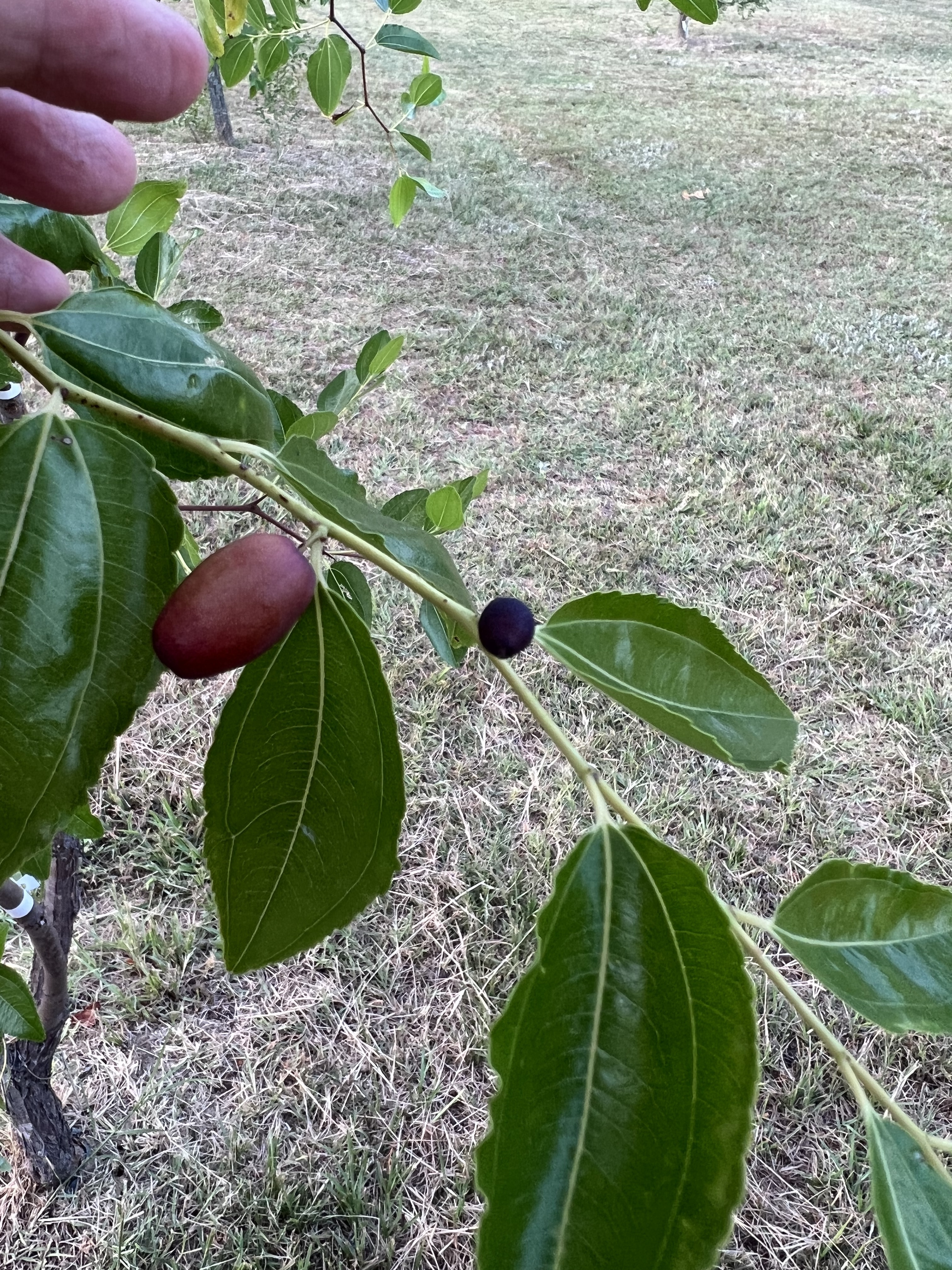
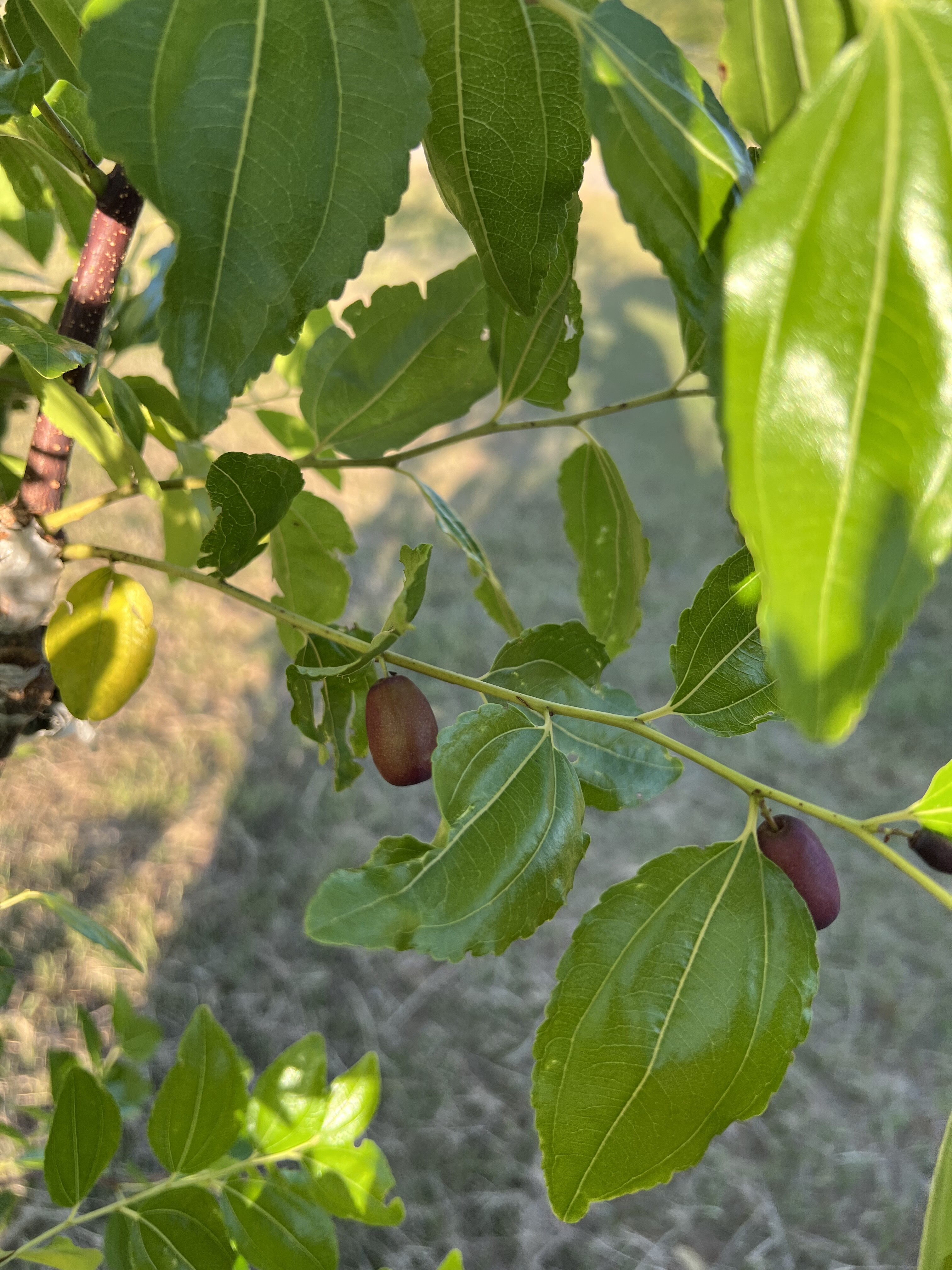
Nice! Is it an early ripening cultivar? Some of mine are turning color. It is very HOT and DRY here. I don’t know if that has to do with it or not.
7 Likes
It is a fast ripening cultivar. In California it was always one of the last to set fruit, as it is here too, but it matured fruit very quickly so they were ready in the early middle part of the season. Yours set fruit so quickly that you can expect them to mature very early.
3 Likes
My alleged new Porterville has no fruiting stems. Can you see small fruits on yours yet?

My possible old Porterville has no fruiting stems either. So I can’t verify that either one really is Porterville.
Porterville has such unique fruit that its easy to ID it from the fruit alone. But with no fruit it’s just not possible to be sure.
2 Likes
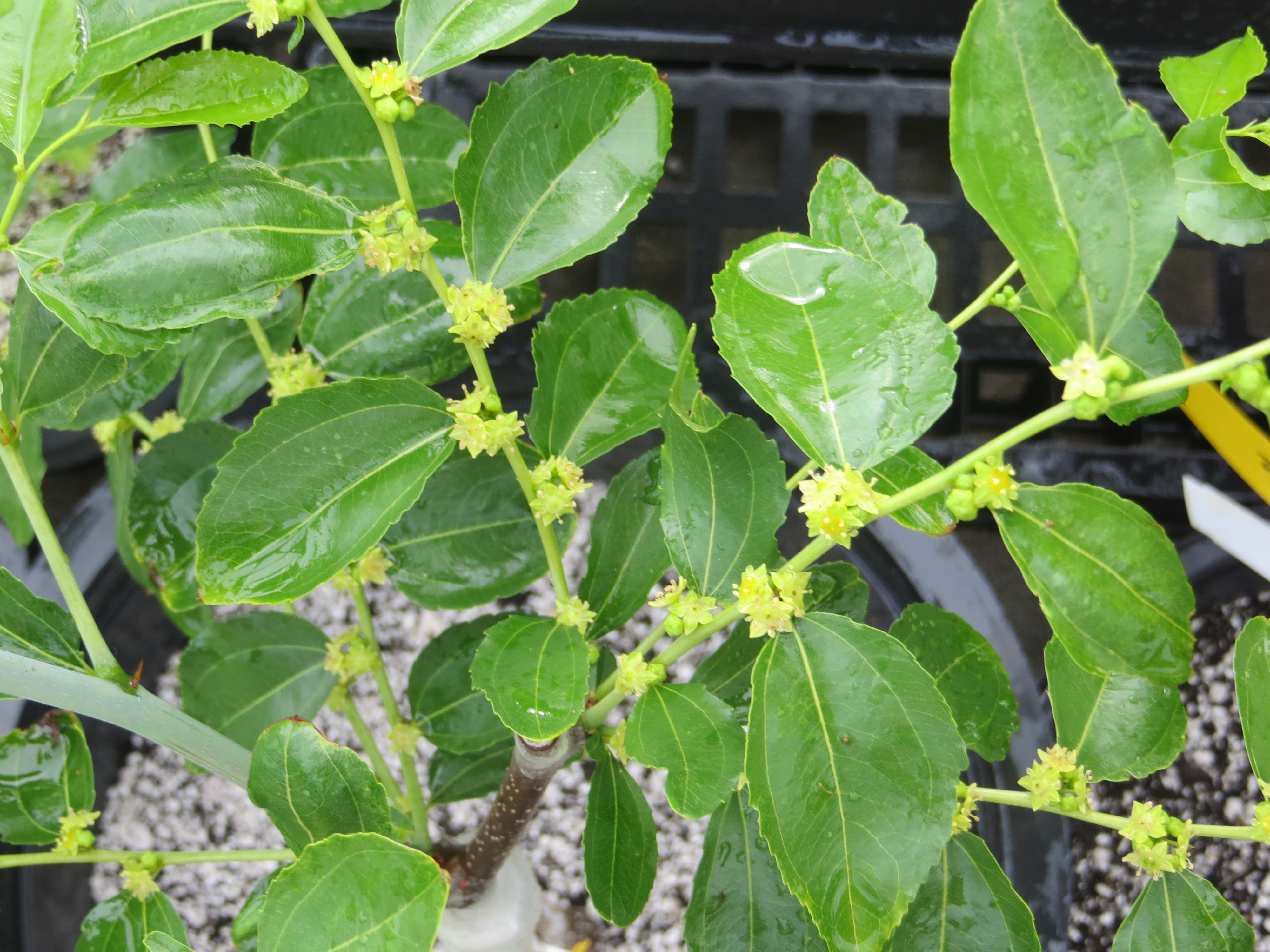
This is the only two fruits on my Porterville and those are on two different grafts.
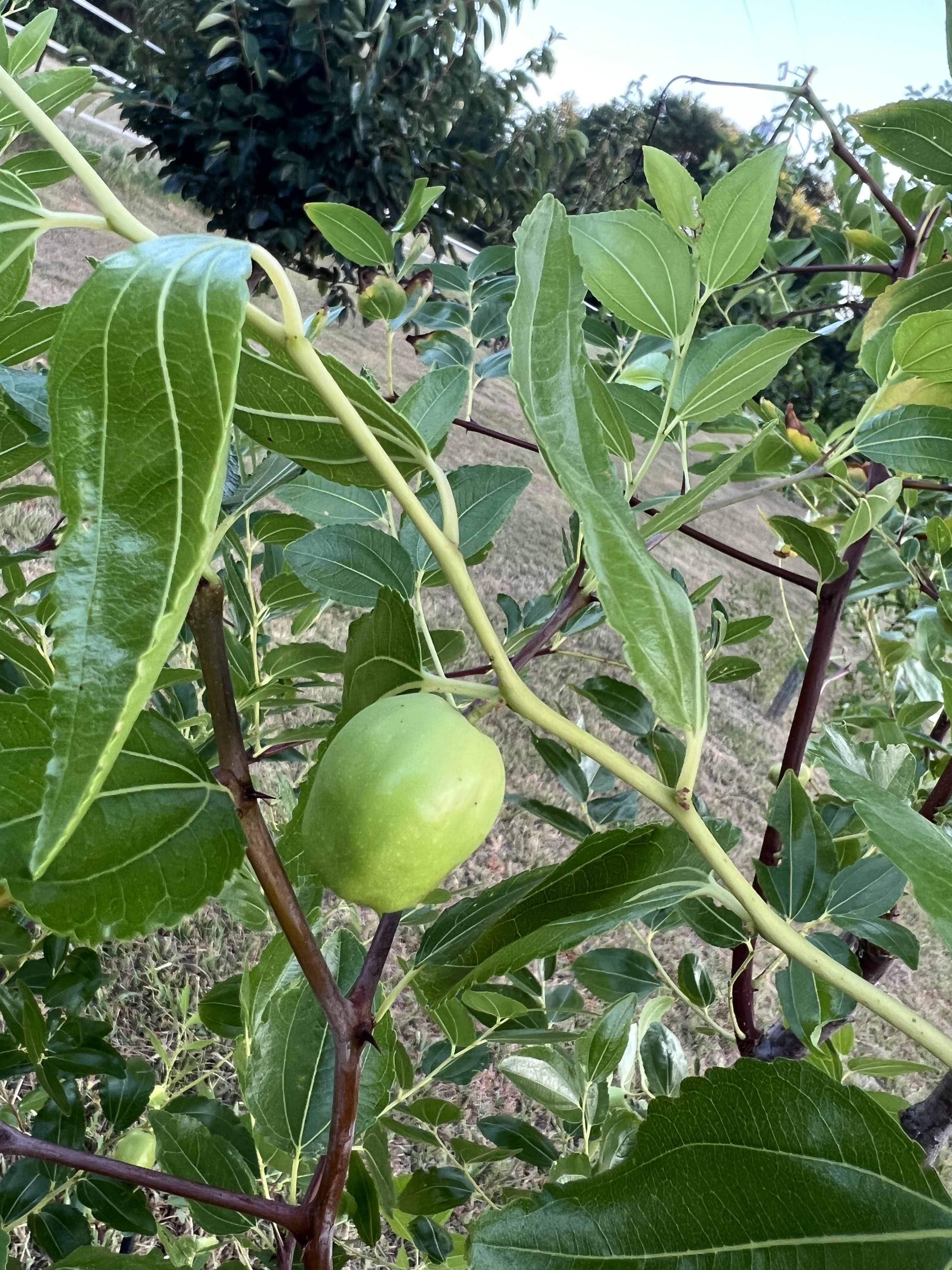
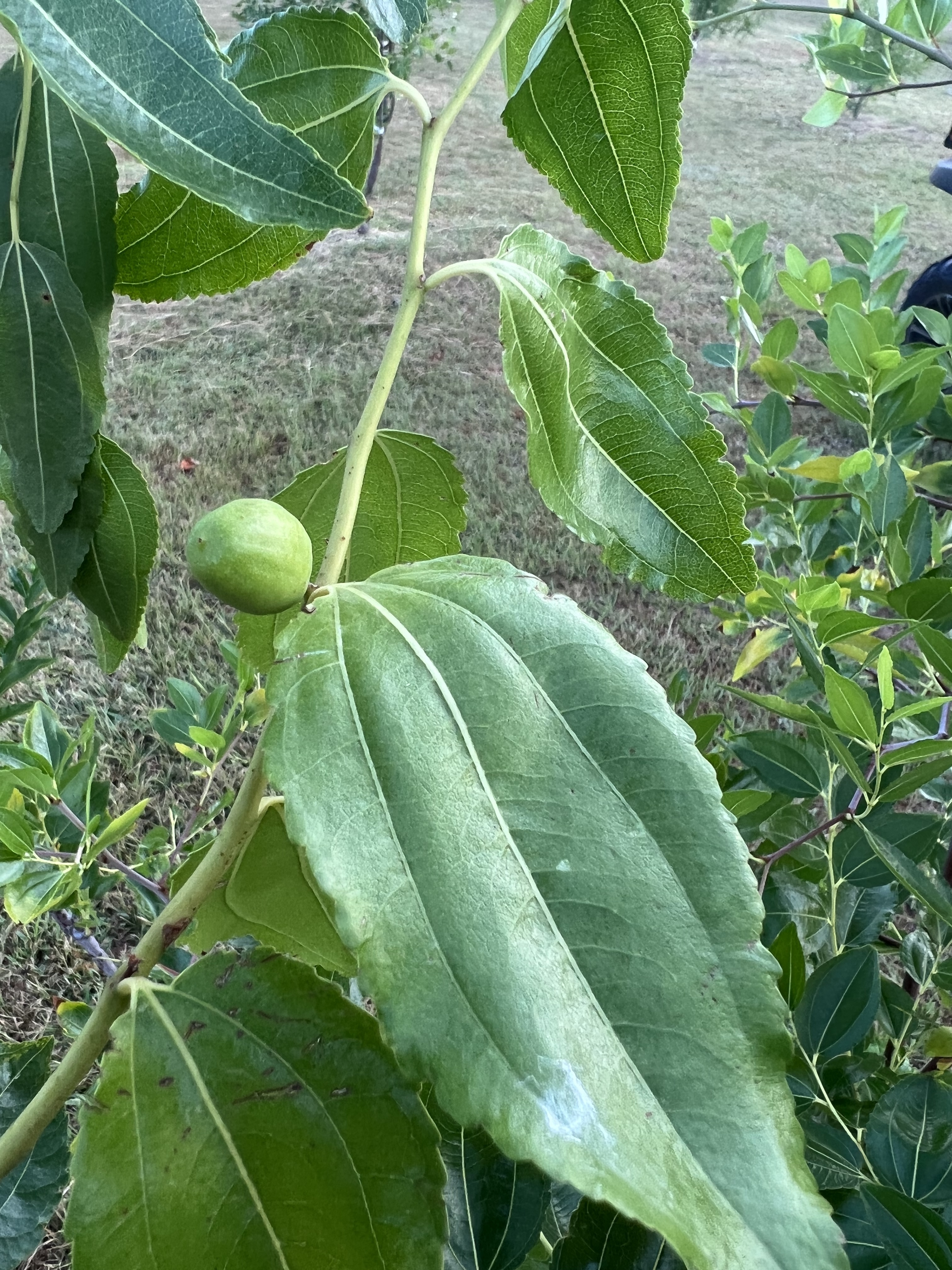
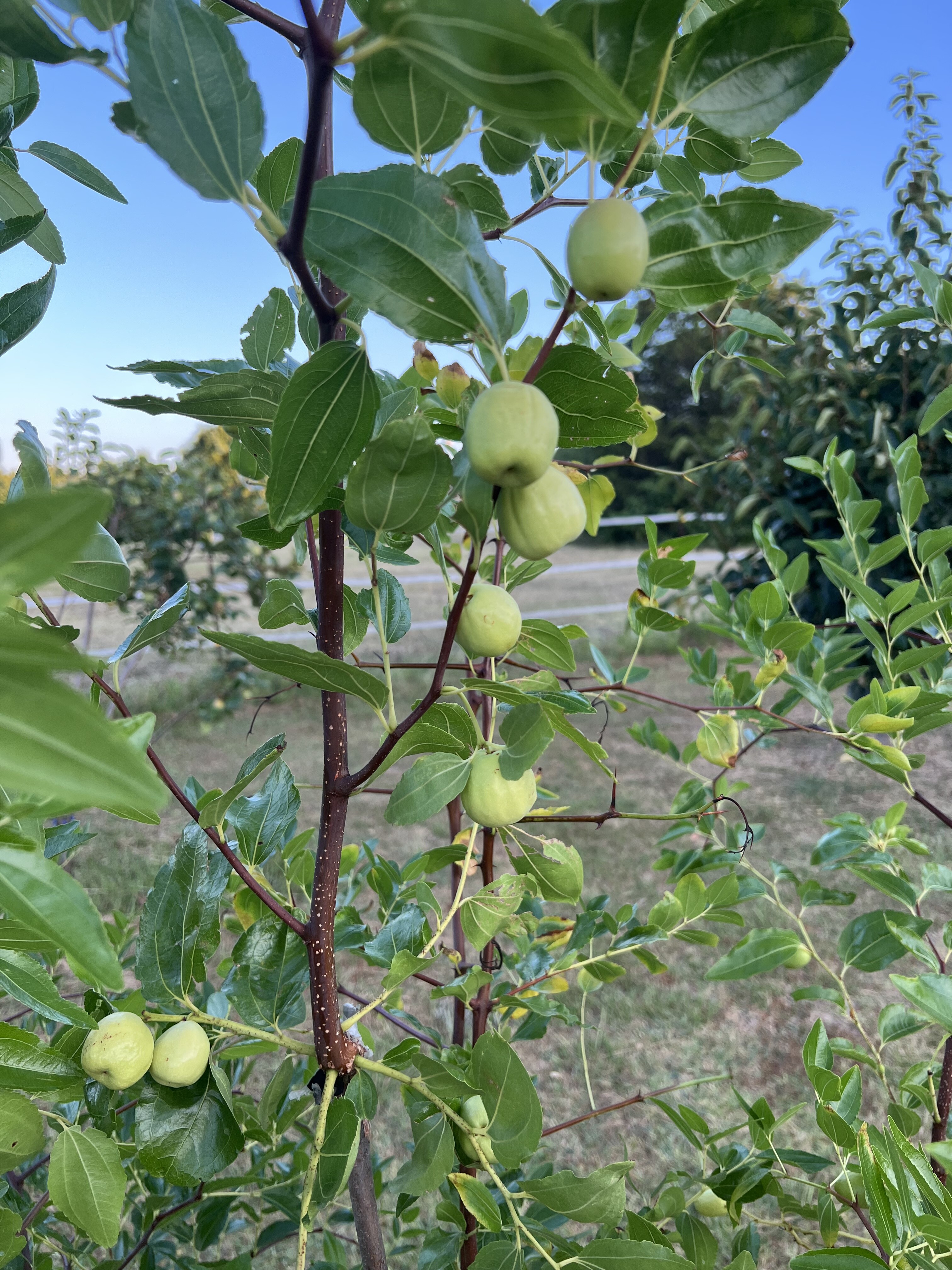
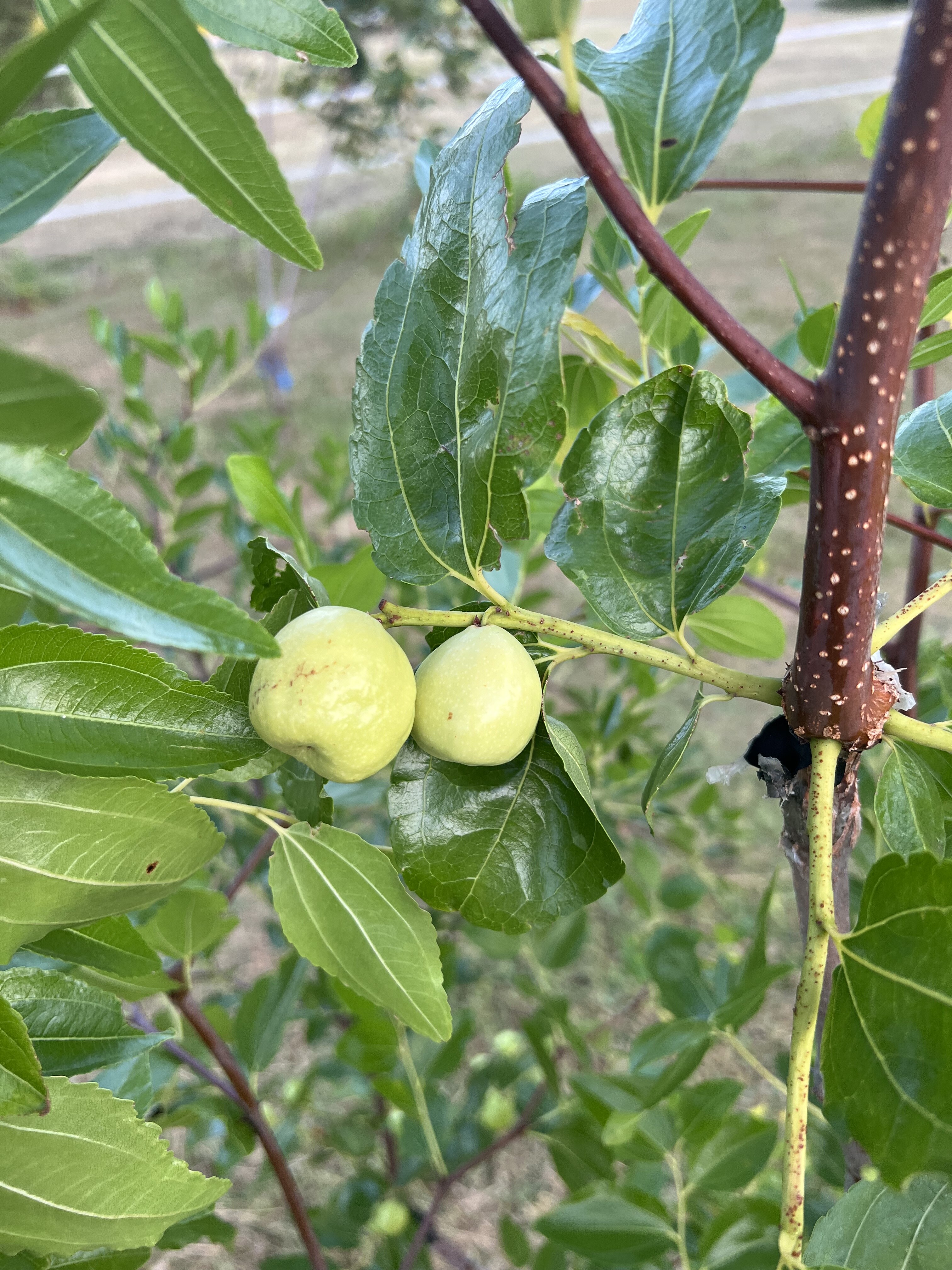
What does Big Melon look like? I have fruits that look like this on Big Melon.

6 Likes
Those do not look like Porterville. It’s possible that as they get bigger they will grow into their shape because many jujubes will do that, but it’s not encouraging.
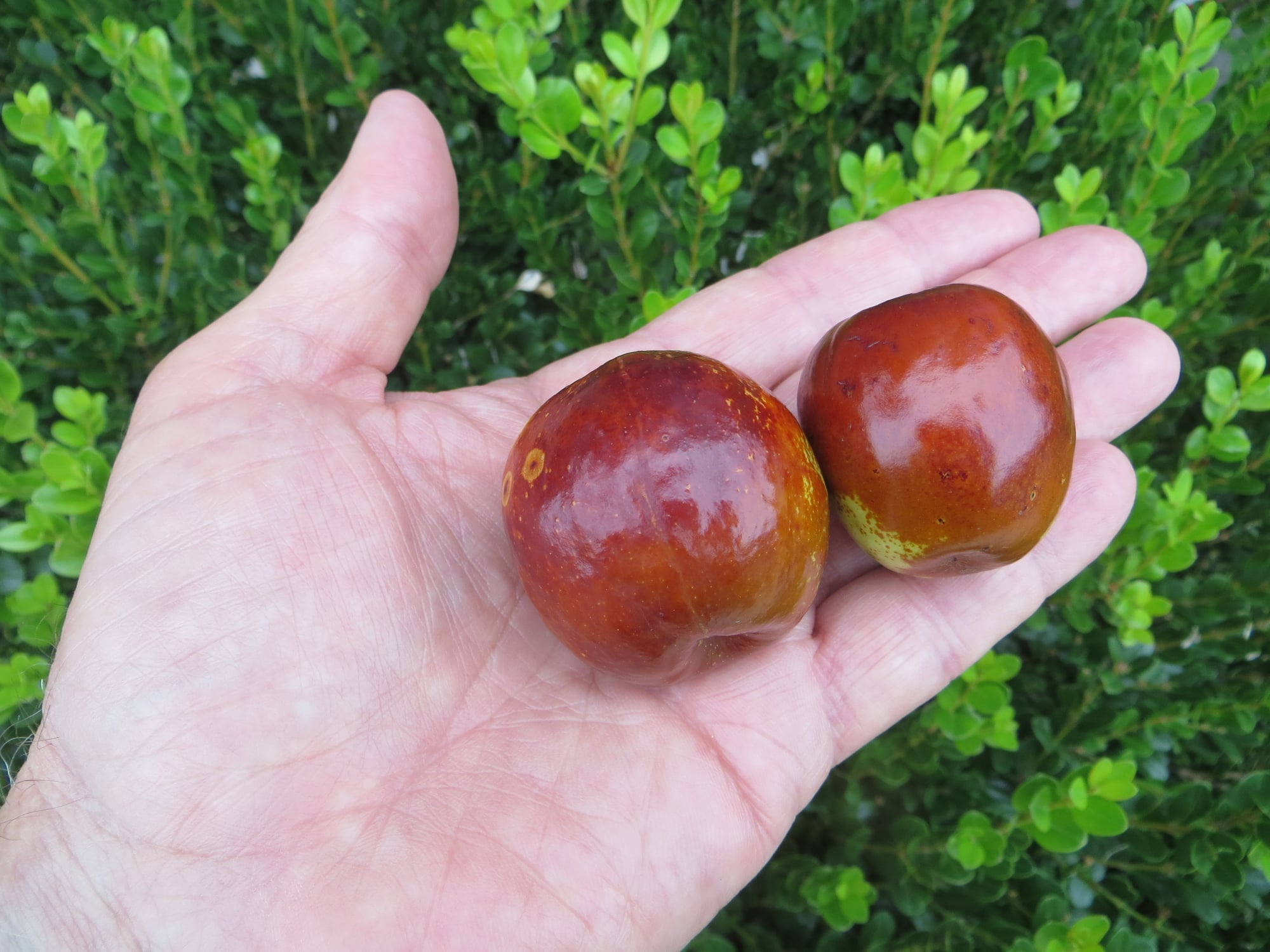
Here’s an old photo of Porterville fruits-

Here are a couple of mature Big Melon fruits -
6 Likes
Which Porterville was the source for the wood I got? I made two grafts with it and both sent up shoots. One, at the rental where everything grows well, is 1.5’+ tall and the other is only a few inches, but is the new central leader of a Sihong at my house at about 7.5’ up, so it should grow more.
1 Like
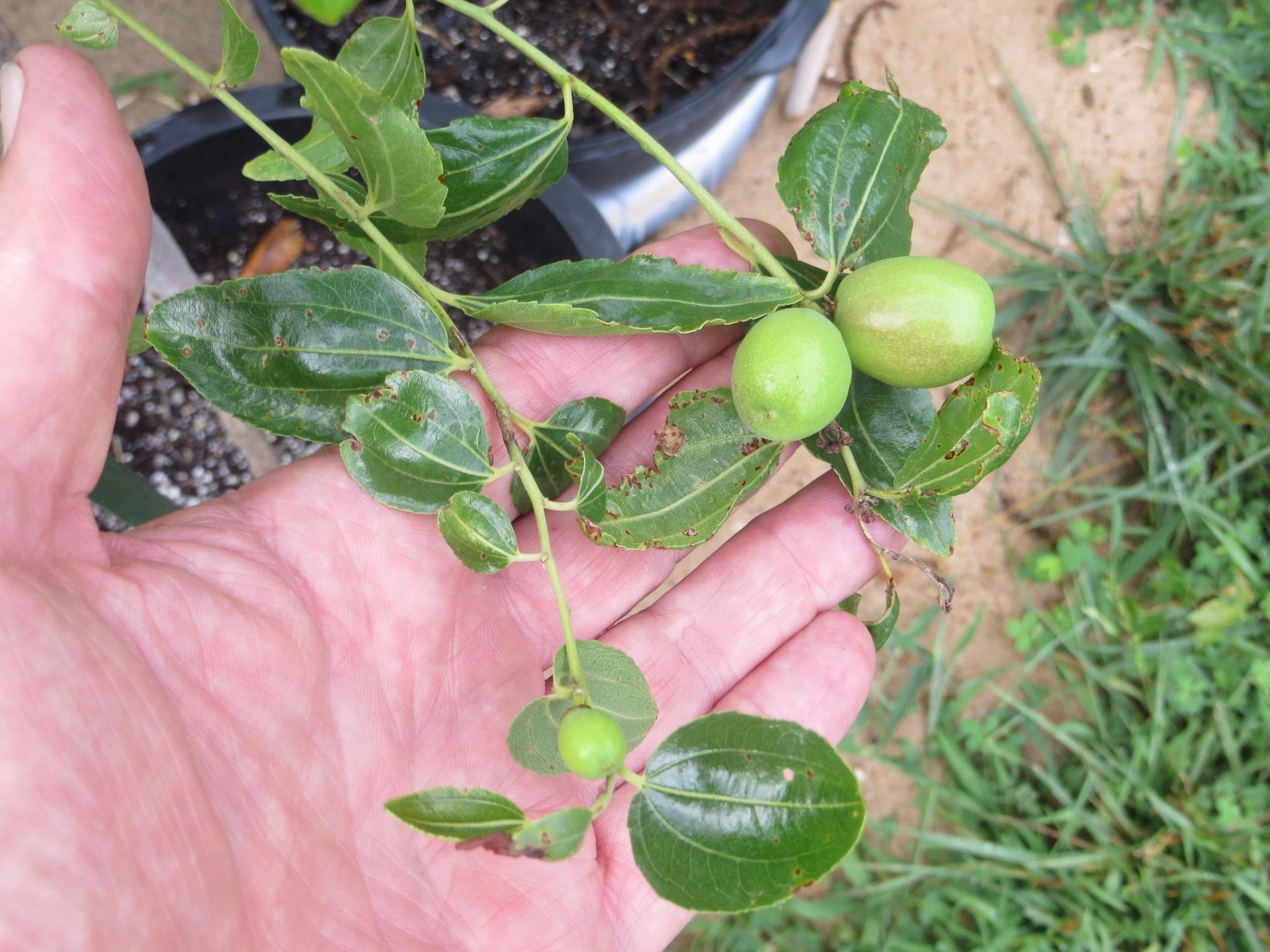
Do you think those look like Big Melon fruits on the “Porterville”. Here is a picture you posted on Facebook. Do the fruits on Big Melon look like they might be Porterville? Could they have gotten switched?
Your picture of Big Melon fruitlets
1 Like
Your source was wood from a SoCal grower.
1 Like
Switching is always a possibility if human beings are involved.
1 Like
I had meant was it “possible old Porterville” or “alleged new Porterville”? 
From the answer, I think it is “alleged new Porterville”.
I’ve never heard of Kitaiski 2A. How does it differ from Kitaiski 2?
I think Roger Meyers had Kitaiski 60 (Russia #2) and Kitaiski 2. I’ve never had Kitaiski 2 or 2A, but Harbin described 2 as “very good variety with medium sized fruit, juicy sweet/tart, my favourite of the list” in the thread on Russian varieties.