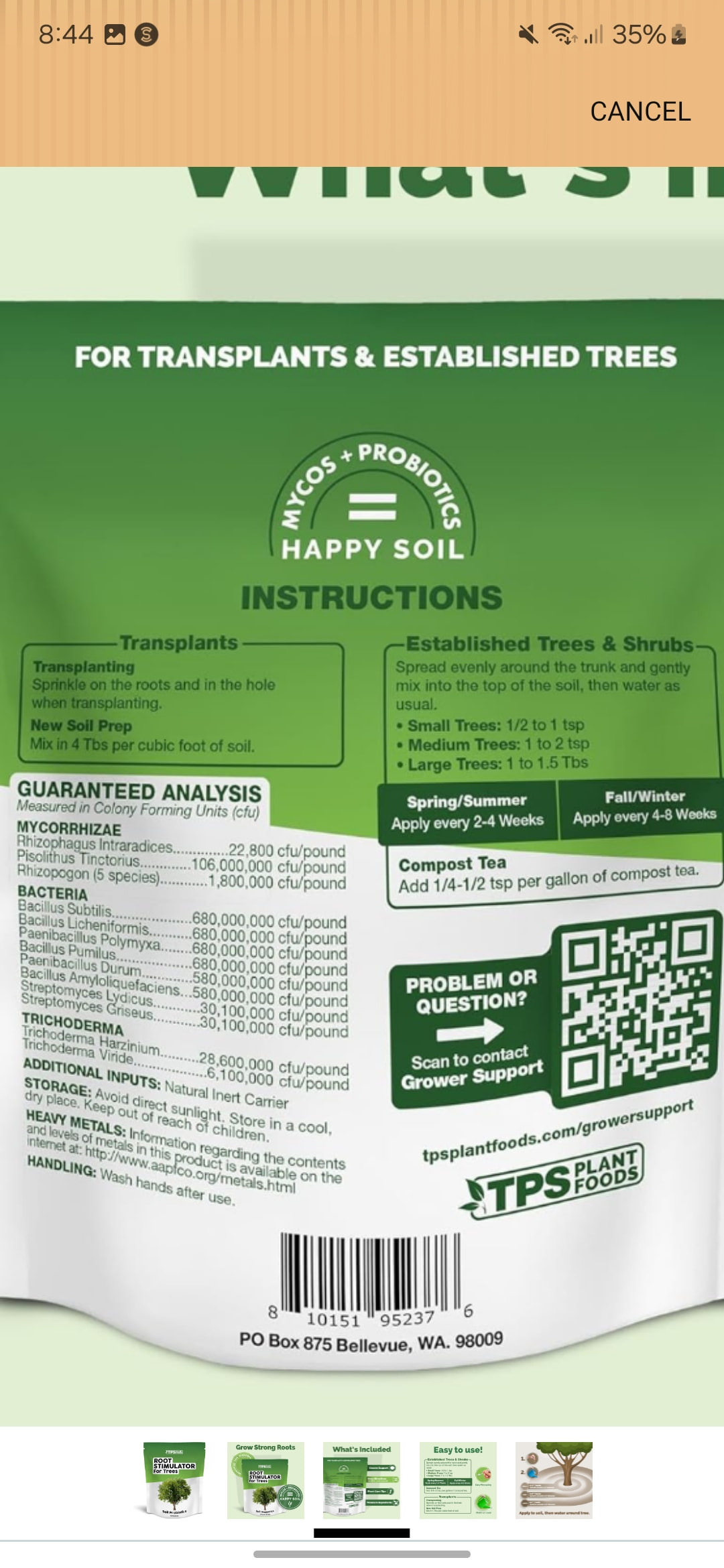
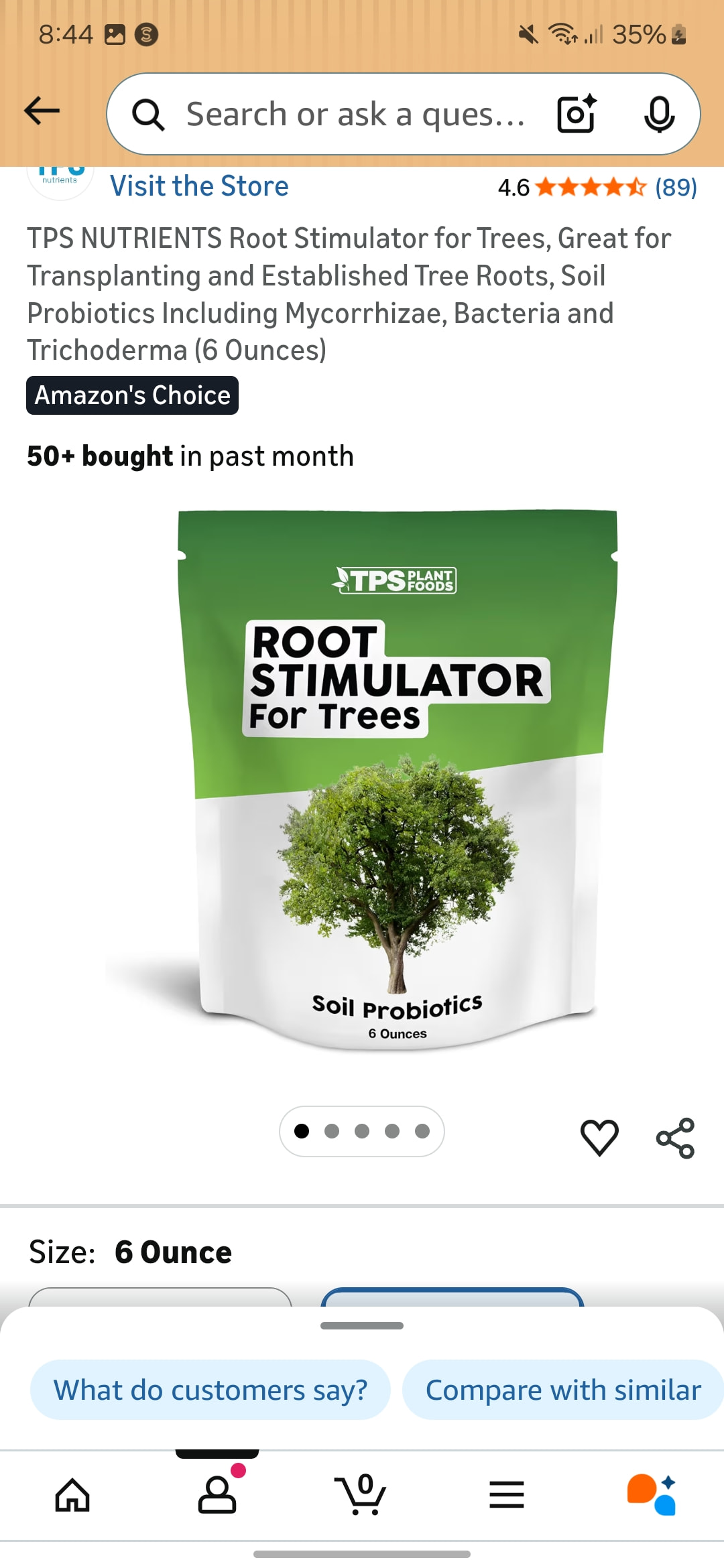
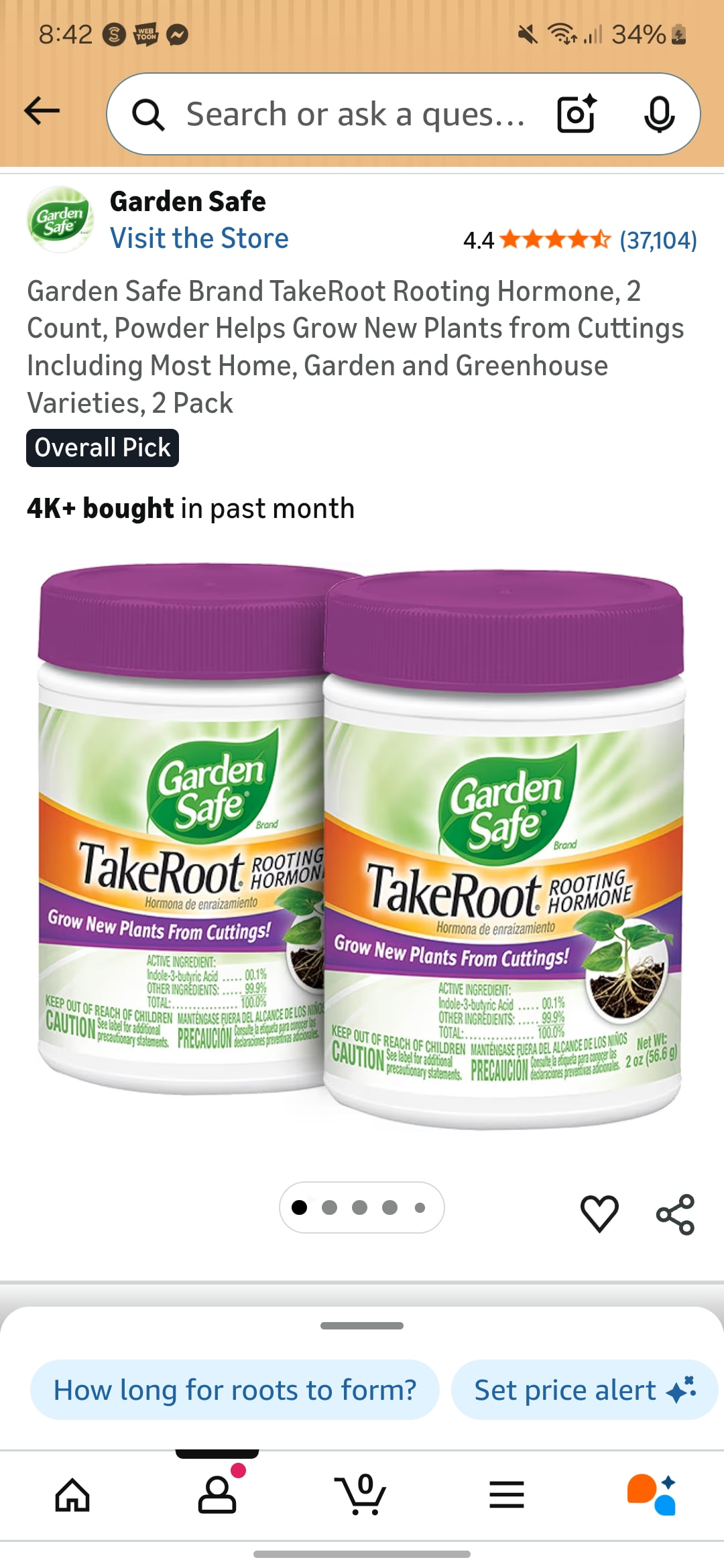
This is a very good thread, thanks to all participants.
Where I work we are in the beginning stages of attempting to grow a Rhododendron, R. groenlandicum (“Labrador Tea”) from seed, as well as multiple Vaccinium species. Sure, they could be propagated via cuttings - but cuttings are labor intensive, and labor is a serious bottleneck in propagation. Why would we want the random genetics of natural seedlings instead of carefully selected cultivars? Because we don’t grow for the Ag/Horticulture market to produce commercial foods or landscaping, we grow for customers who want - natural seedlings.
One of the challenges of growing from seed is mold during stratification, which leads to use of sterile mediums there. But such challenges continue after germination, most particularly for germinants requiring higher humidity (often wetland species). Keeping them in proper humidity is also keeping them in proper conditions for molds, algaes, and unwanted/weed species such as Liverworts.
So I can see a definite potential use for Ericacae mychorrizae products in particular, as a way to re-introduce them to otherwise un-natural growing mediums, and I was pleased to learn of these. Now I just hope I can find live examples of such, rather than just claims to such.
@Bakeapple has had good results growing Rhododendron from seed. He suggested above that the Rhodies don’t need stratification. Please let us now how the Labrador tea does !
I am having a tad bit of trouble understanding all the posts as I’m new to the terminology and even some concepts. Most of the soil I use for my potted trees and berry bushes is a mix of the soil I got them with, some soil from our garden and bagged tree soil from lowes. That being said most of my trees I rooted from cuttings, I had initially bought a root stimulator that said it was a probiotic blend. I did attach pictures of what I use. But now I will have new cuttings of plants and the only soil available is bagged soil from lowes, what should I be adding to the soil for the best plant growth and will the fungal innoculalant help prevent fungal issues in the trees from humidity and rain? I had some issues towards the end of the season with rust on my fig trees and was going to do a winter treatment for fungal issues but if the trees need certain fungal microbes then treating them could harm those benifical one? I have only been growing trees and fruit for a year or 2, so any suggestions on this particular topic will help! I am trying to successfully root currant cuttings and eventually want to see if I can with blueberry cuttings.
Hi Emily, This discussion has been going over a lot of ground. It sounds like you’re interested in the best soil mix for plants you have growing in pots. It’s hard to know what packaged products really have living microorganisms that can add to the health of your plants, but the TPS seems to at least name what they are offering. It certainly is worth trying. Look for bagged soil that’s made for potted plants - if it has ingredients to improve drainage, like perlite or other more coarse material like compost or coir, it will be better. Mixing in some garden or forest soil can’t hurt but probably not more than a third of the mix if your garden has been healthy. For Blueberries I’d add peat moss if the bagged potting mix doesn’t have it. I usually have something called Pro Mix which is just peat moss and perlite, and I add compost and organic fertilizer to that. It works for all the things I grow. Chemical fertilizers will defeat the purpose of adding the TPS you have. Some of the bacteria and fungi in the TPS you have could help for the upper parts of the plant. I see they include adding it to ‘compost tea’, which you can then spray on your plants. @steveb4 also suggests adding molasses. The apple grower Michael Philips used this formula to spray his trees. The idea is to establish a population of healthy microorganisms to prevent disease causing ones from getting started.