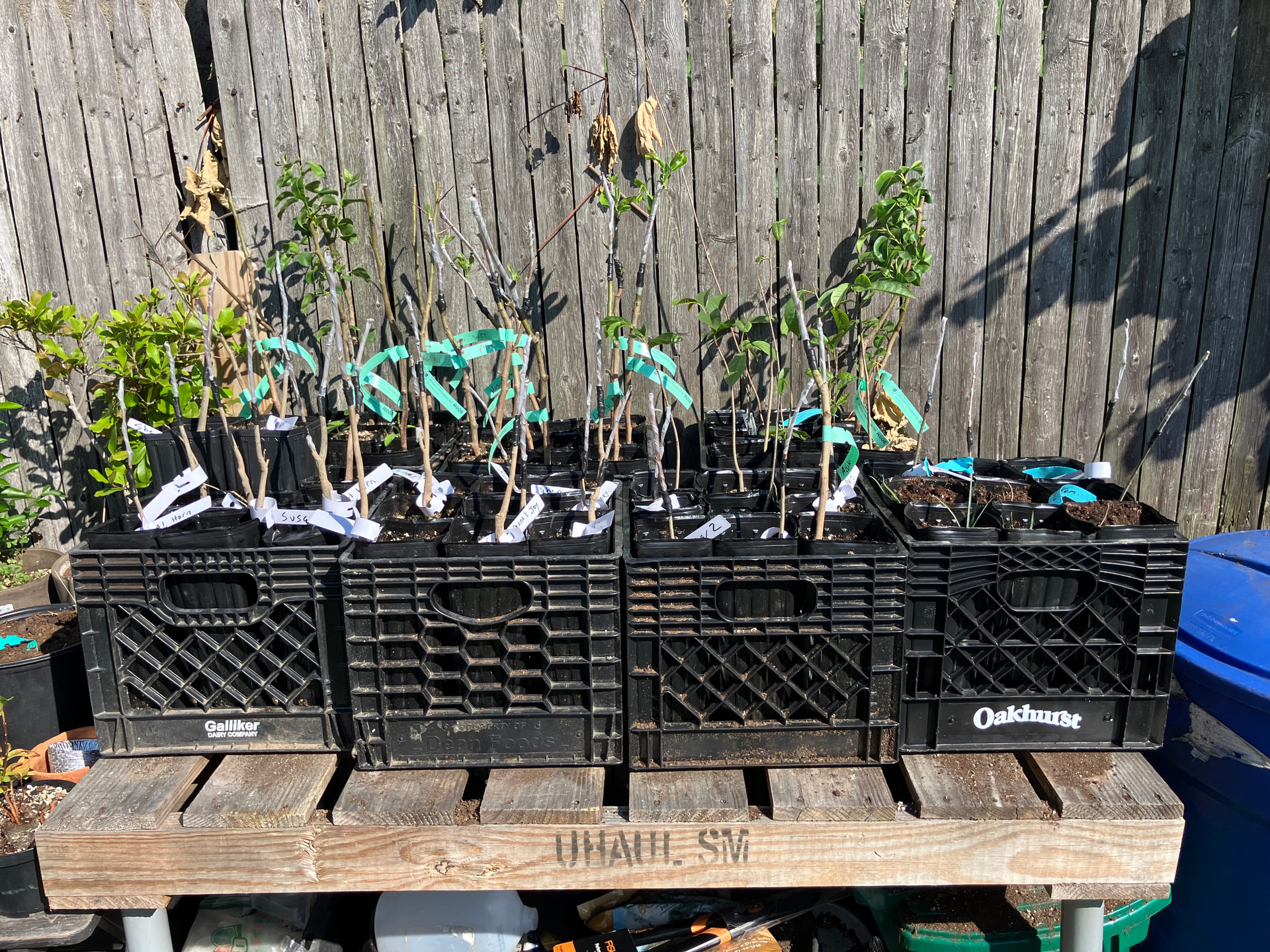
Started some grafting. First MSU
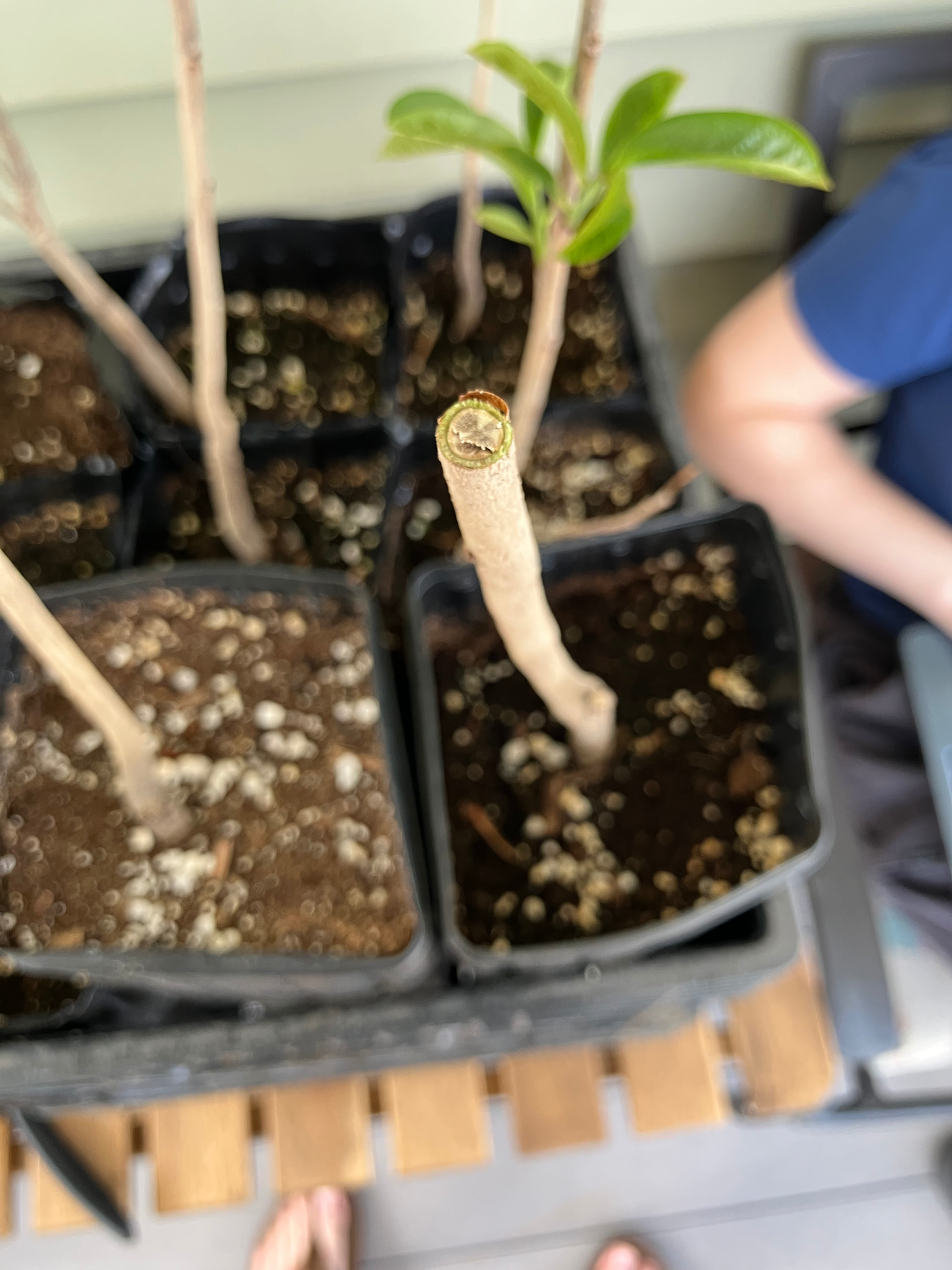
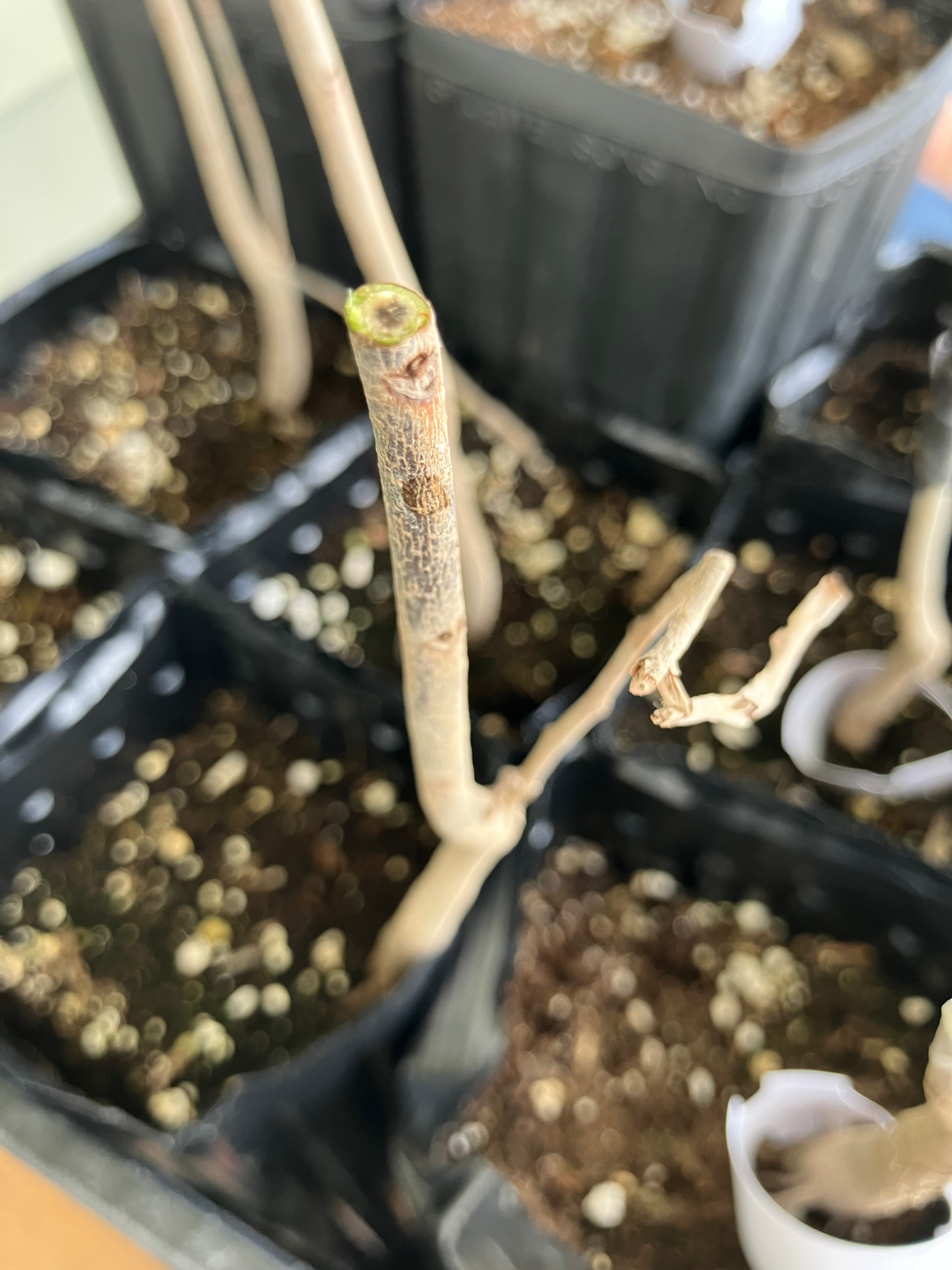
seedling I cut into looked like this — is it sick?
Cc @weatherandtrees since I think you ordered some too.
Started some grafting. First MSU
seedling I cut into looked like this — is it sick?
Cc @weatherandtrees since I think you ordered some too.
I didn’t order any. The cambium/phloem look pretty healthy. I would use them, but for less important or duplicate cultivars if possible.
I had some concerns about darker previous year wood too, but I’m not finding a good correlation with it on mortality. If you check Blake’s scionwood page on his site you’ll see different color variations of the wood.
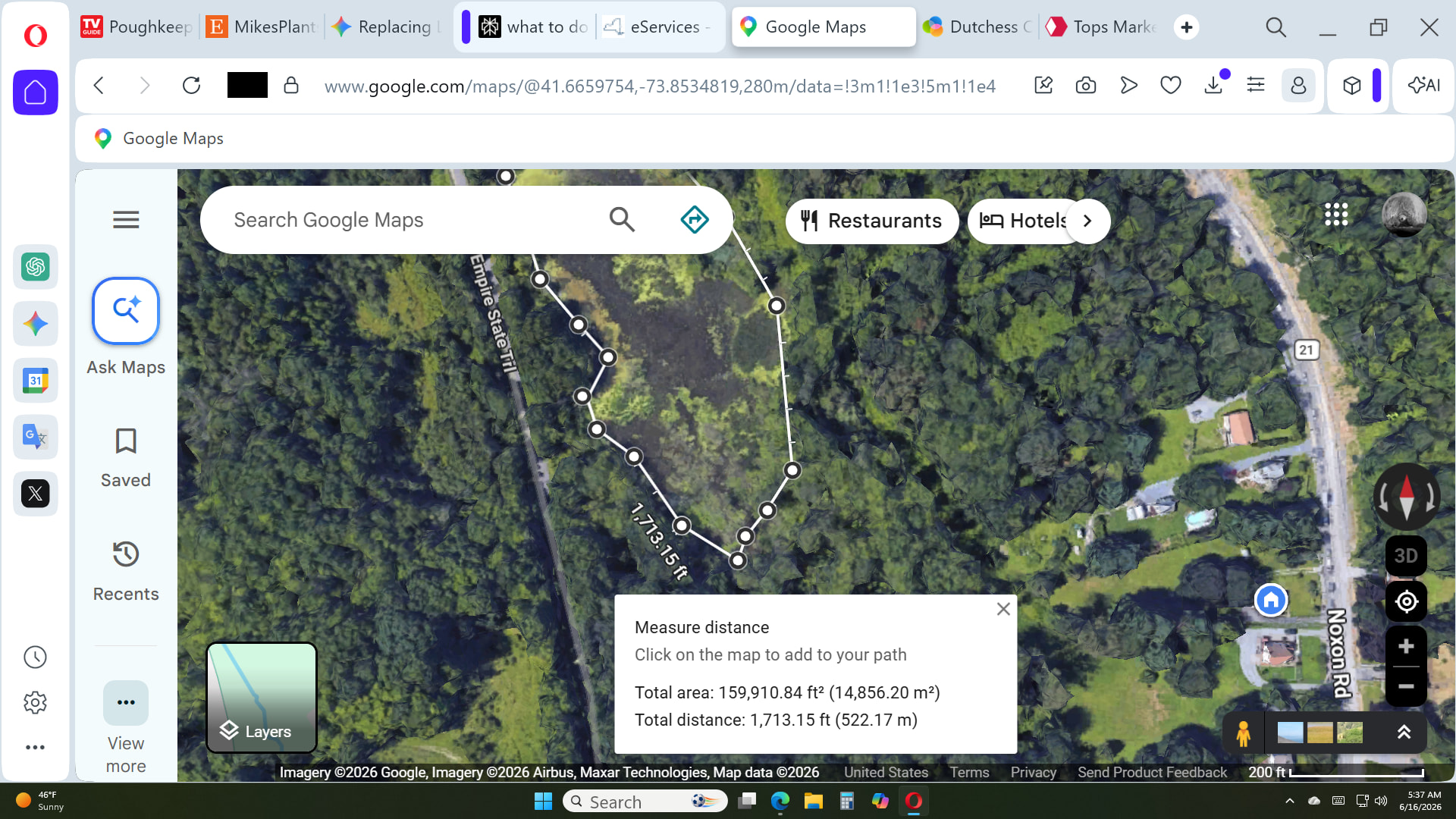
Dutchess County Z6A… my lawn guy planted the Mammoth X I received from Blake…very dense root ball allowed for easy planting with little to no disturbance of the roots…looks like I can fit 11 trees down there in the form of a solid patch with almost the same sun / shade relationship…while I think it helps some, I think more important is the rich moisture retentive (alluvial?) soil particular to that area…it is easily the best soil structure coupled with a favorable sun / shade profile on my property…the area slopes from the patch very gradually (14 ft in 600 ft) down to a stream and 4 acre swamp behind my property…sounds near ideal…I think this fortunate location makes for such good unattended growth…it’s certainly not anything I’ve done…see maps
I saw this on a seedling coming out of its first dormancy but not thereafter, IIRC. Weird!
Thanks. I ended up doing it with duplicates as you suggested. Did a lot today. Fingers crossed they take.
The ones in the ground ended up having more solid lignified growth than I thought so I just grafted to those directly.
Do you have any photos of it 
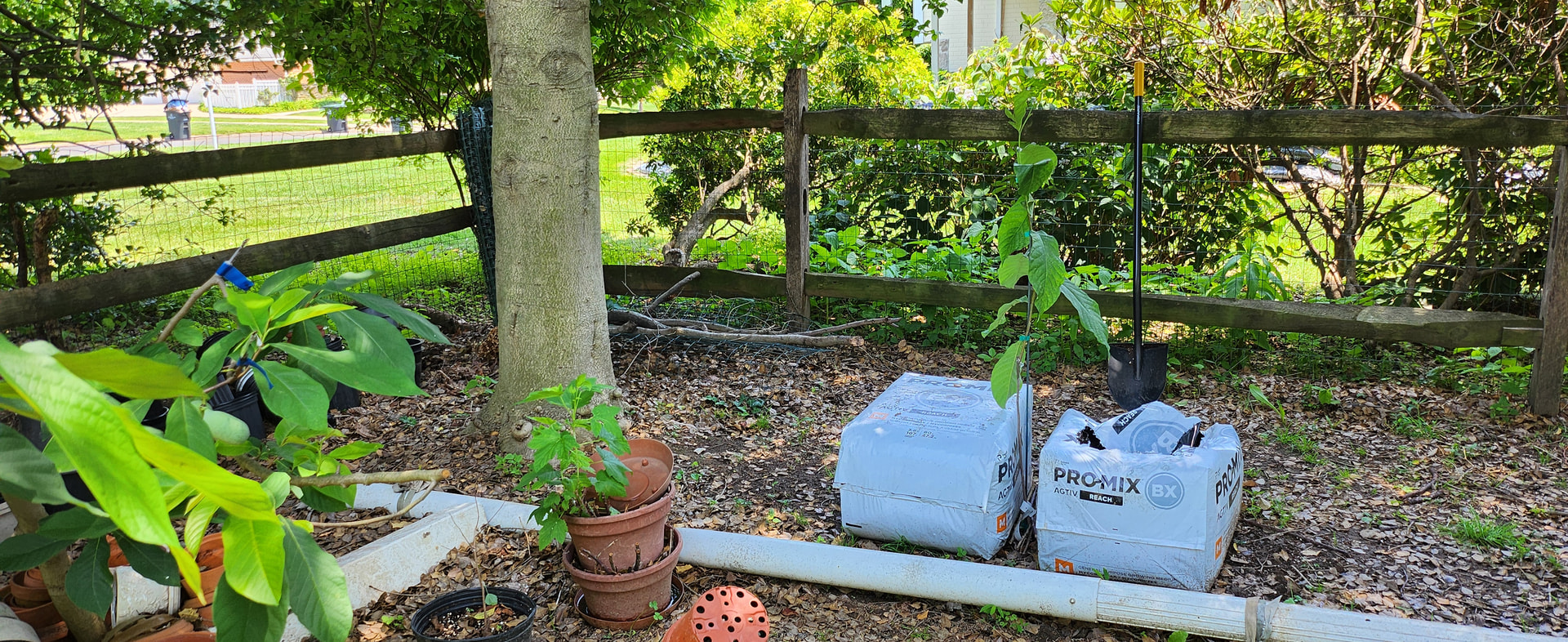
Think it’s about 4.5ft tall. I have it between my promix-b soil boxes now just to keep anything from knocking it over hehe. And about 10ft away to the left is my Sunflower (I multi-grafted 60+ extra scions to my 5 various 10year old trees).
it has been cool here so i have not yet started misting or dampening the pawpaw patch yet. 70s-80s highest temps and we’ve had a good amount of rain so far compared to the usual
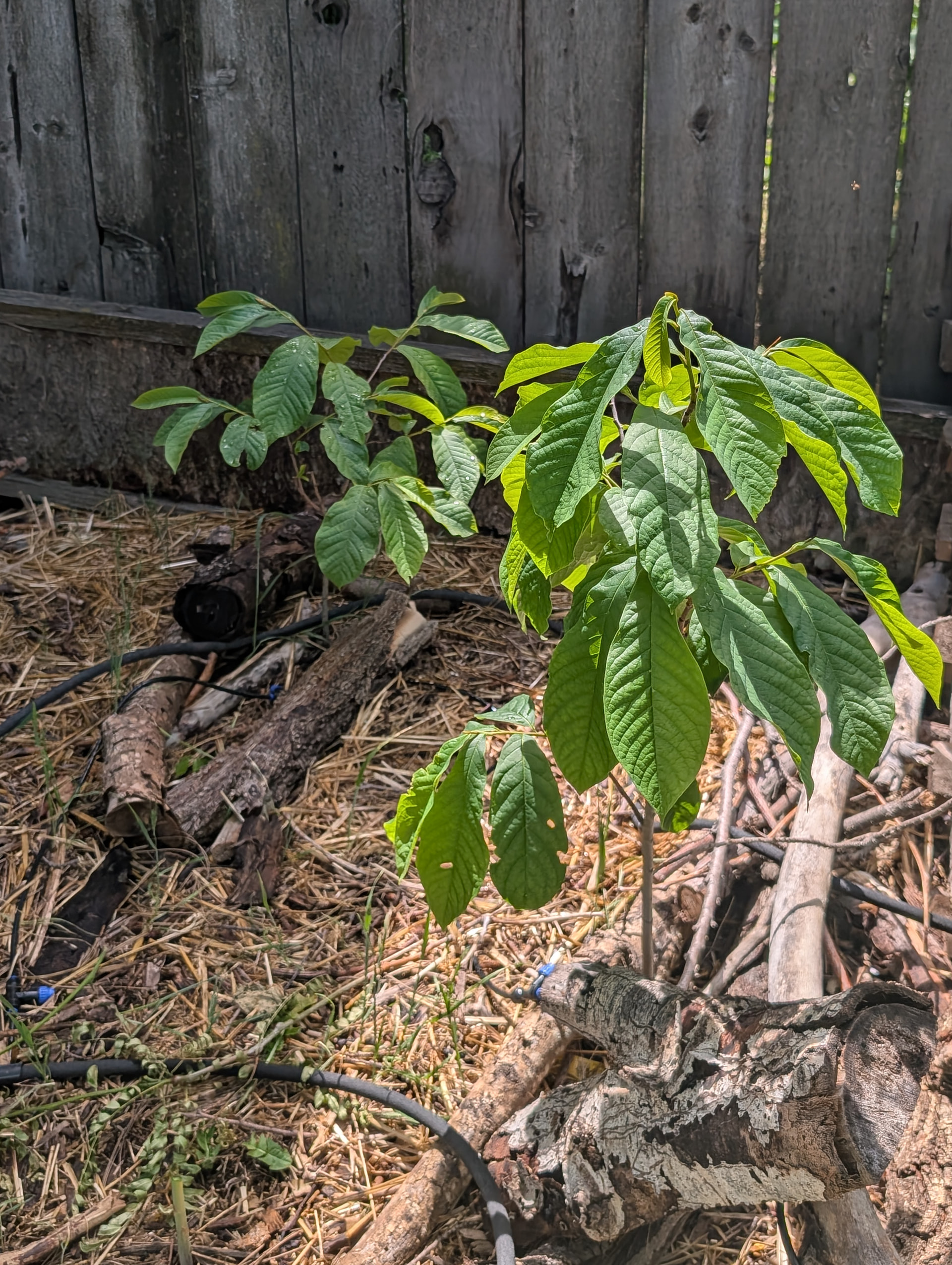
there’s finally some new growth visible, and I’m hoping all that surrounding straw provide the humidity for them a little better than wood chip like preceding years.
they don’t really get cold damages do they? I’m in 7a so it’s not so low temps, more dessication and arid air. they seem like they struggle late summer in the heat the most
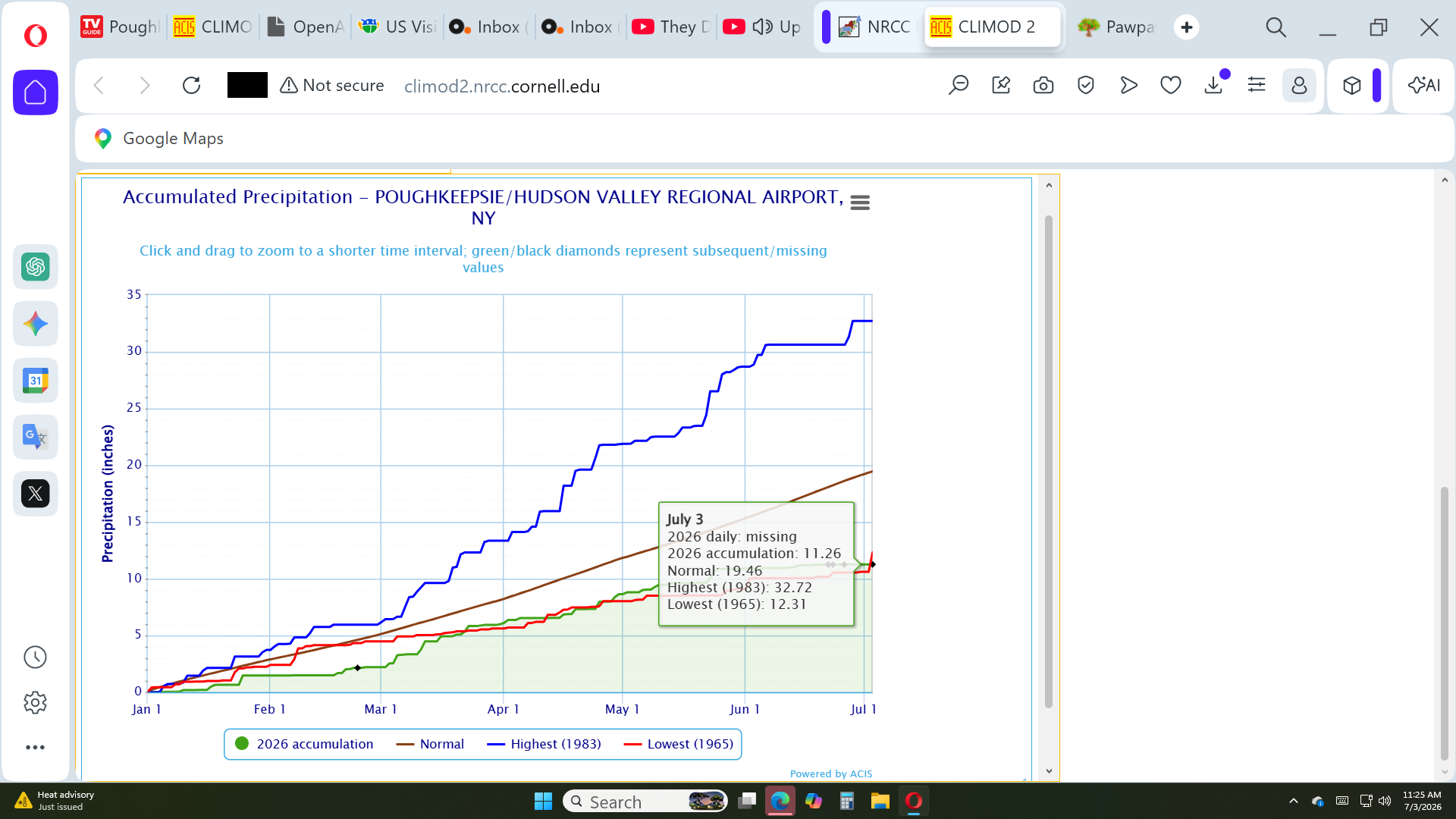
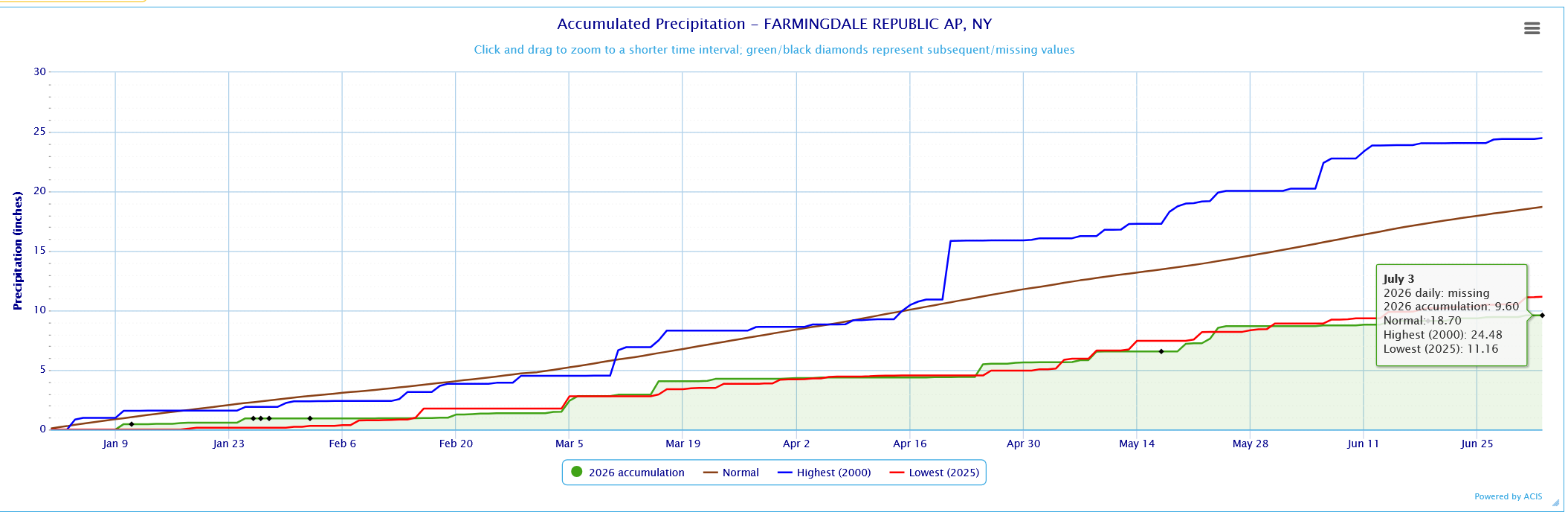
Dutchess County NY Z6A…local drought continues and intensifies…now least amount of rainfall (Jan 1 to present) in 60 years…moving the hose around about every hour to water as much stuff as I can reach…but much remains unwatered and will suffer greatly if this continues…Beemster
…
Dutchess County NY Z6A…seems the localized drought is even worse for you down on the island…bummer…you know, for some time I’ve been wondering why the line of thunderstorms associated with a strong frontal passage often dissipates when it nears Poughkeepsie while maintaining a strong structure both north and south of me…I queried Gemini and this explains it:
…
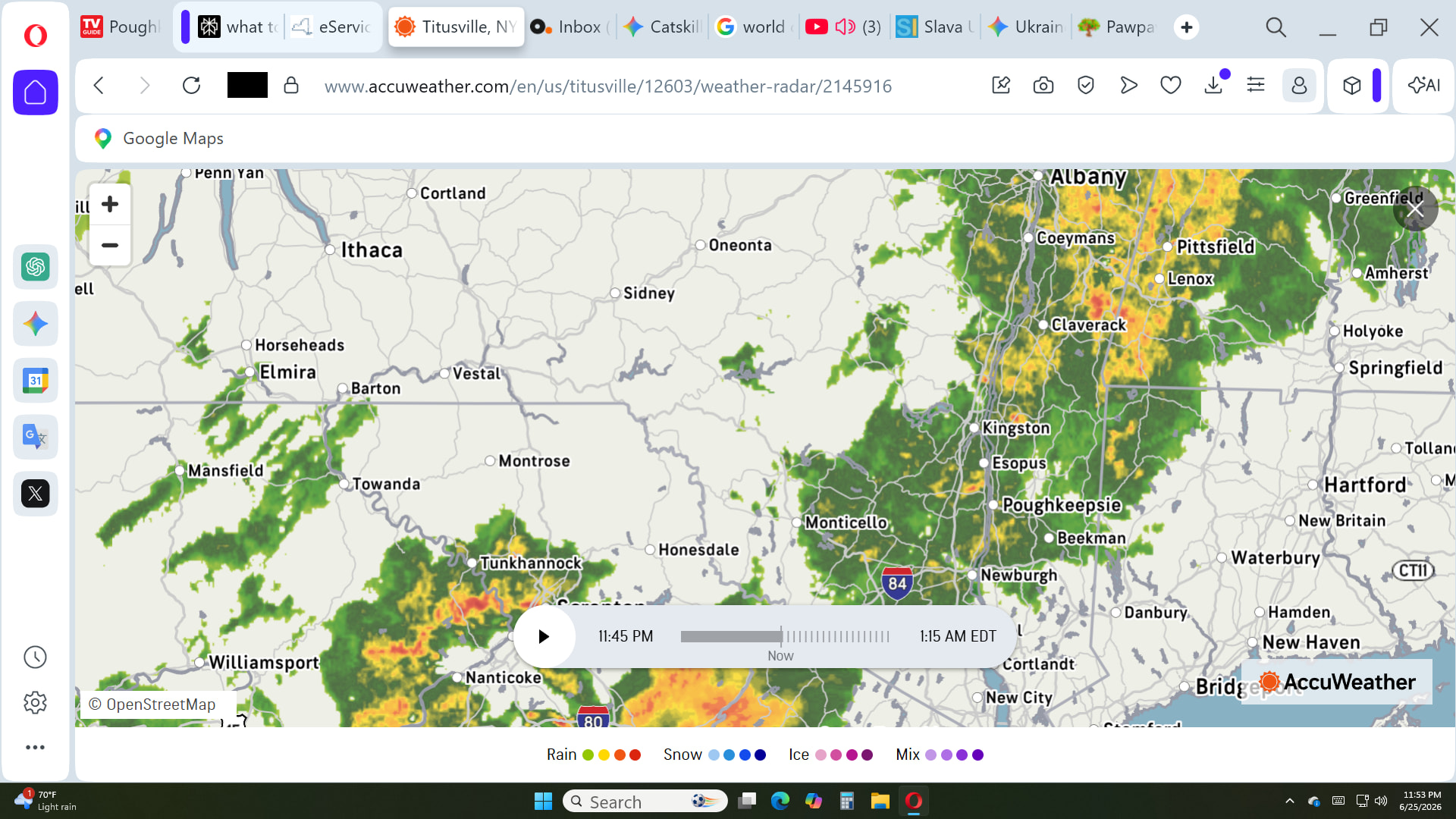
…note this screen shot of the last front approaching Poughkeepsie from the west…it illustrates what I see far too often…the severe thunderstorms downgrade to some light rain over the Poughkeepsie area while both north and south of me get downpours…it is just so frustrating
from Gemini:
That frustrating phenomenon where a solid wall of storms on the radar seems to split or evaporate right as it crosses the river into Poughkeepsie is a classic piece of local meteorology. It isn’t an illusion; it is a direct result of the unique topography of the Mid-Hudson Valley.
The primary culprit behind this localized weakening is orographic downsloping—often referred to locally as a “storm shadow.”
Here is exactly why that line fractures right over Poughkeepsie while remaining intact to your north and south.
For a frontal boundary moving in from the west, the air mass must first traverse the high terrain of the Catskill Mountains and the Shawangunk Ridge.
As the storm system is forced up and over these elevations, it utilizes a massive amount of its moisture and energy on the western, windward slopes (upslope enhancement). By the time the upper-level winds push the storm line over the crests, the air is forced to rapidly descend thousands of feet into the low-lying Hudson Valley basin.
Sinking air is the natural enemy of a thunderstorm. As the air drops down the eastern leeward slopes toward Poughkeepsie, it undergoes a process called adiabatic compression:
The downsloping off the Catskills and Shawangunks essentially punches a localized hole of warm, sinking, dry air right into the middle of the oncoming squall line.
The reason the line maintains its structural integrity to the north and south comes down to where those mountain barriers end:
The result is a localized “bifurcation”—the line fractures right over the Mid-Hudson pocket, leaving Poughkeepsie in a temporary bubble of clearing or light rain, while regions up toward Albany or down toward Westchester get hit with the full brunt of the front.
Hudson Valley Orographic Effects
This video explains how the unique interaction between wind direction and the local terrain of the Mid-Hudson Valley and Catskills creates shadowing and precipitation minimums in the region.
…
James Alexander Little Jr (31 Dec 1870–27 Mar 1938) & Uncle Tom PawPaw
All previous histories have been conflated into an enigmatic Chimeras,
of 3 different (James Alexander Little) living in the same city at the same time.
A Fascinating Timeline Outline of James Little on Reddit.
*** The Real James Alexander Little *** (1870-1838) died 67
You may be complaining about too much rain rather than drought in a few days. Models look very wet in CT/NYC Metro
Not seeing any bud break at all 7 days later. Chat am I cooked?
Scratch the bark. If it’s not green, then you are definitely cooked.
I did mine a bit earlier in the season. On hardwood growth I think it was 2-4 weeks before growth started. On semi hardwood (this year’s growth) I had some take off in a week.
It took a very long time for some of my pawpaws to start growing; 6 weeks for some. They are doing well now. It was dormant scionwood in early spring on older rootstock though.