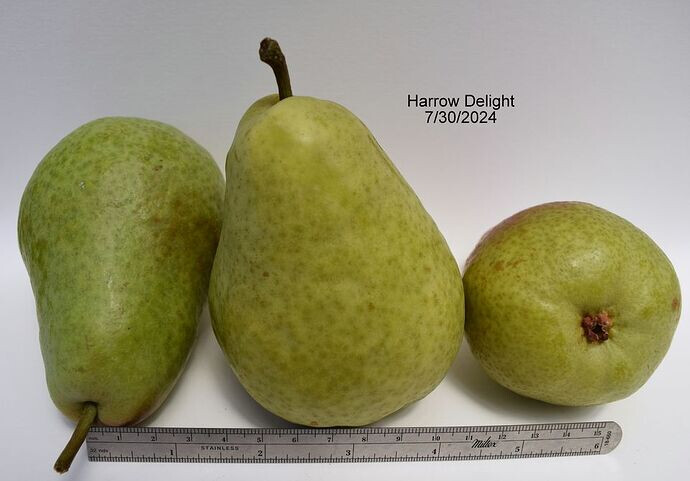
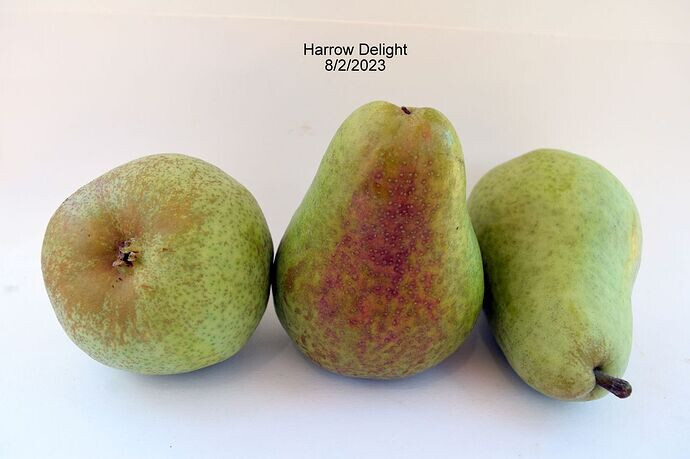
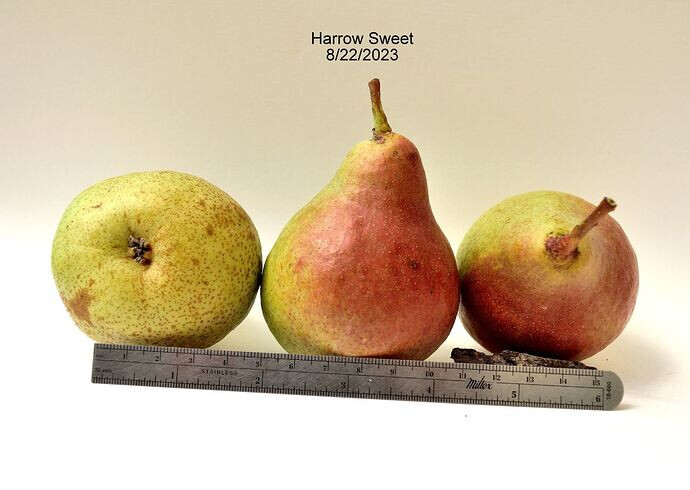
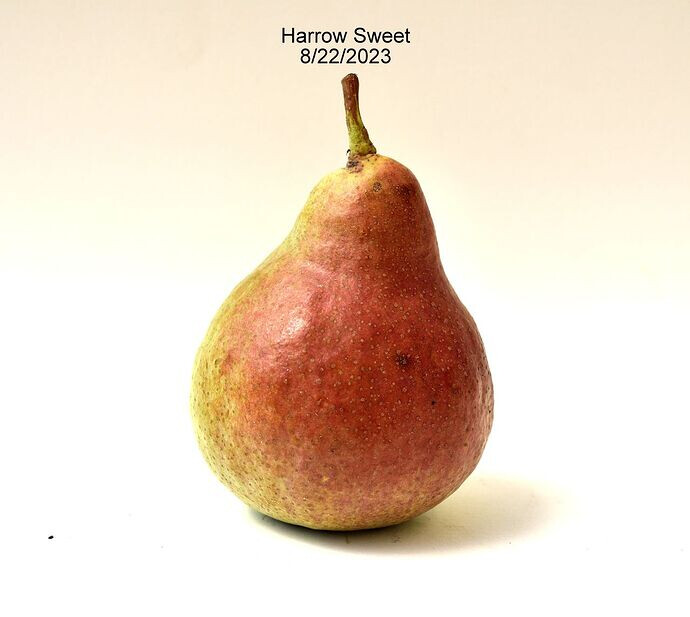
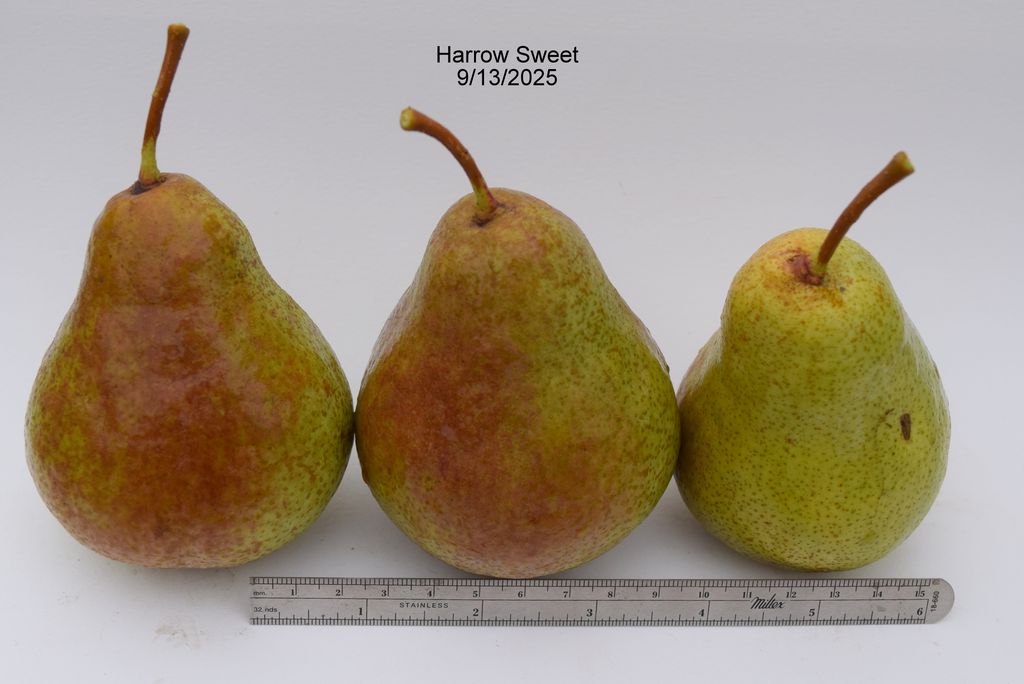
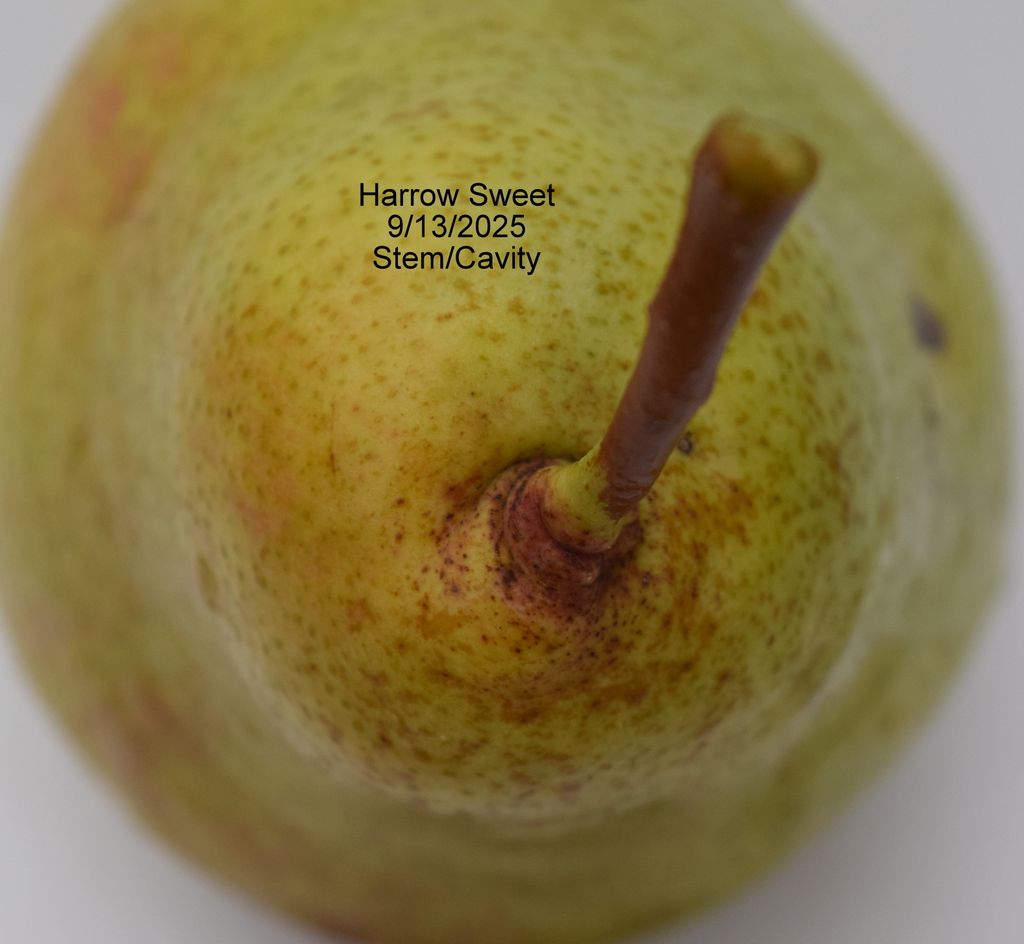
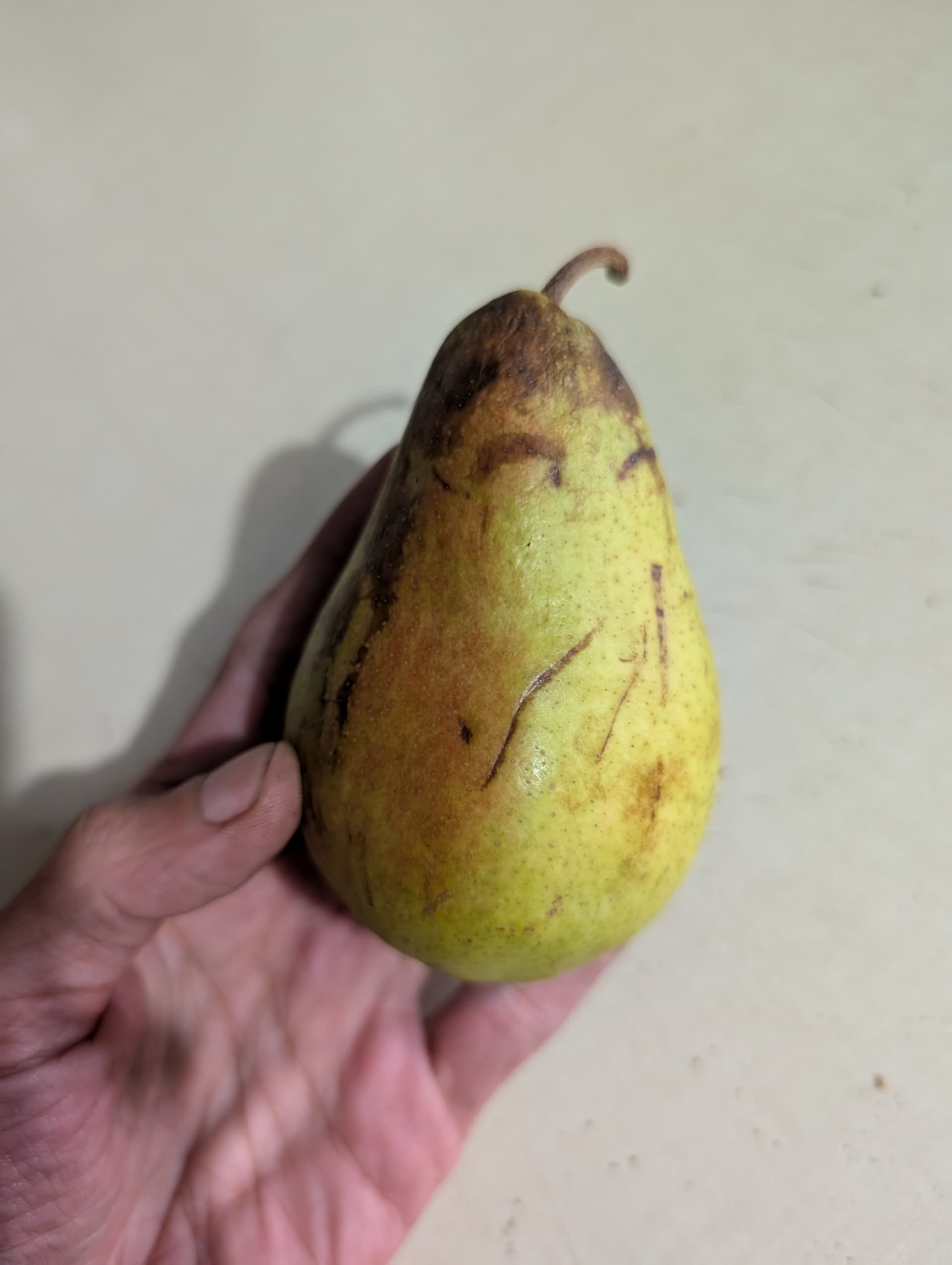
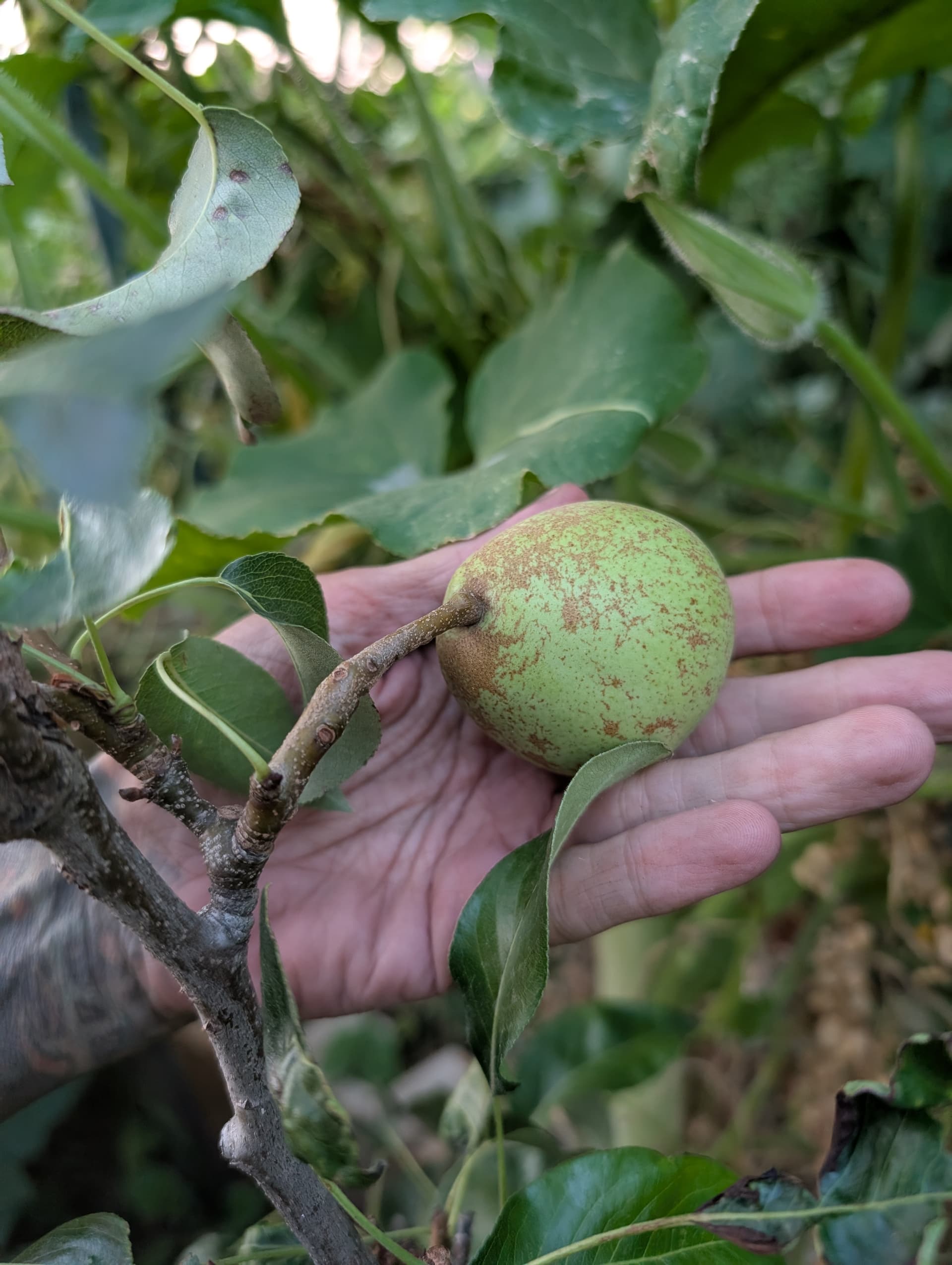
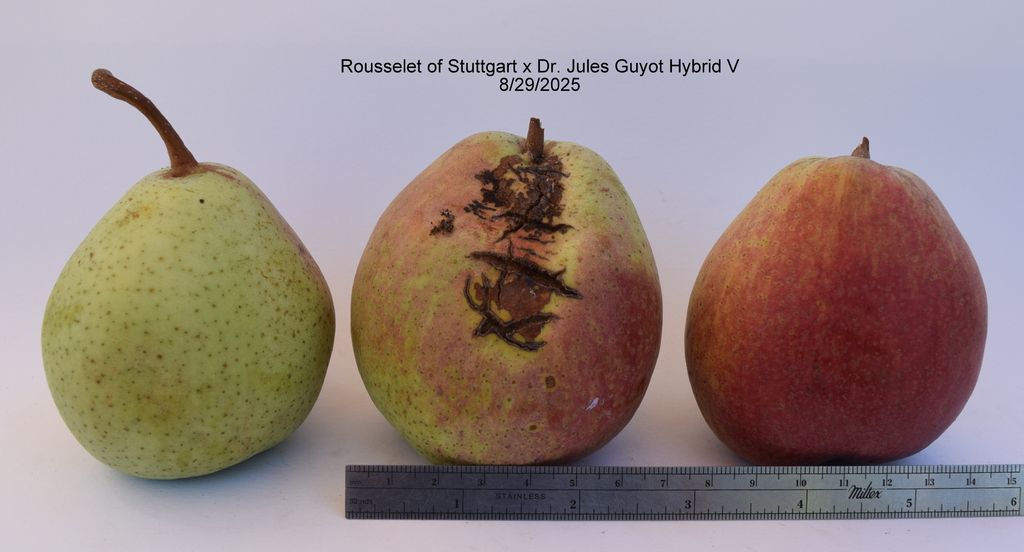
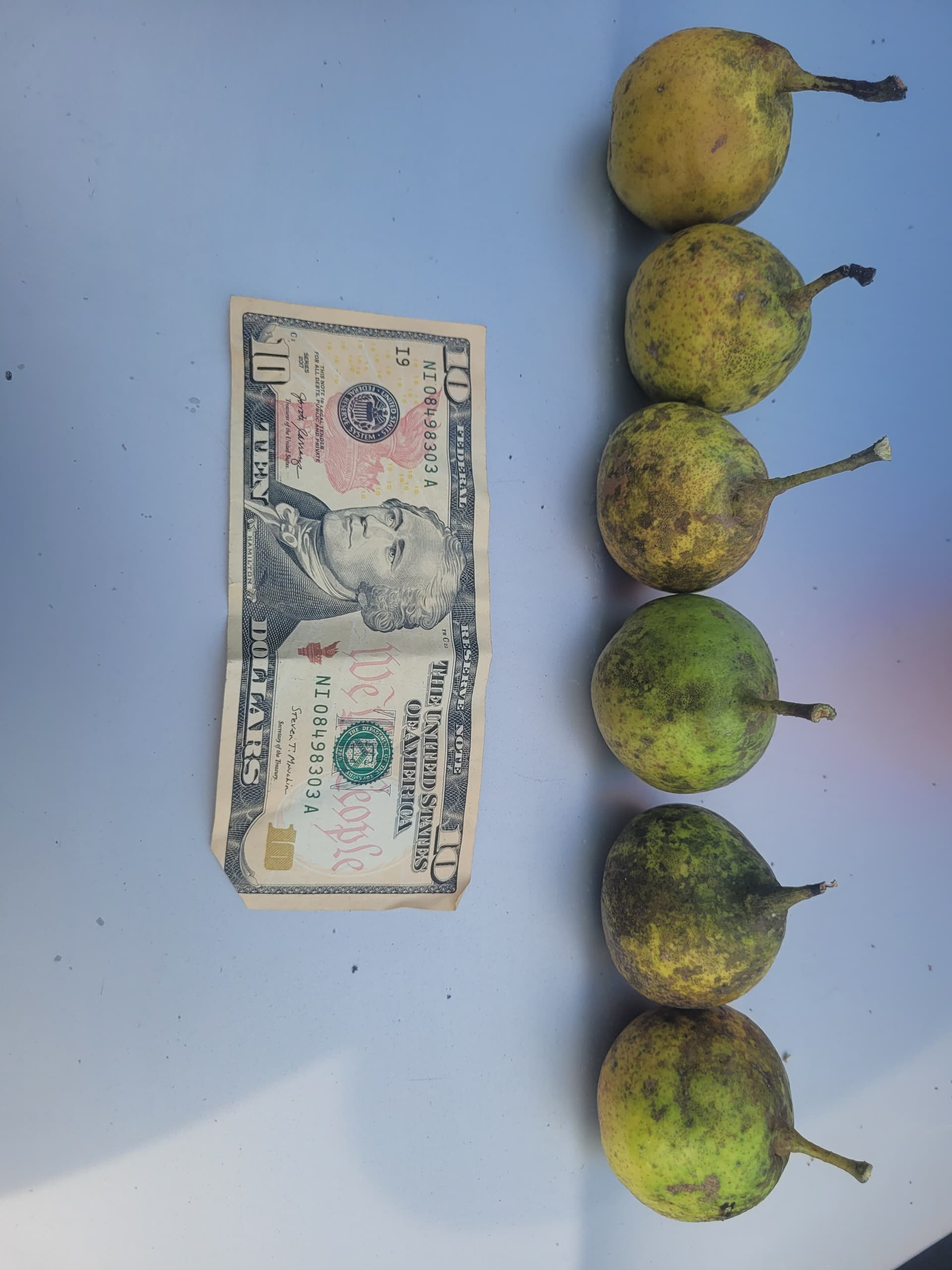
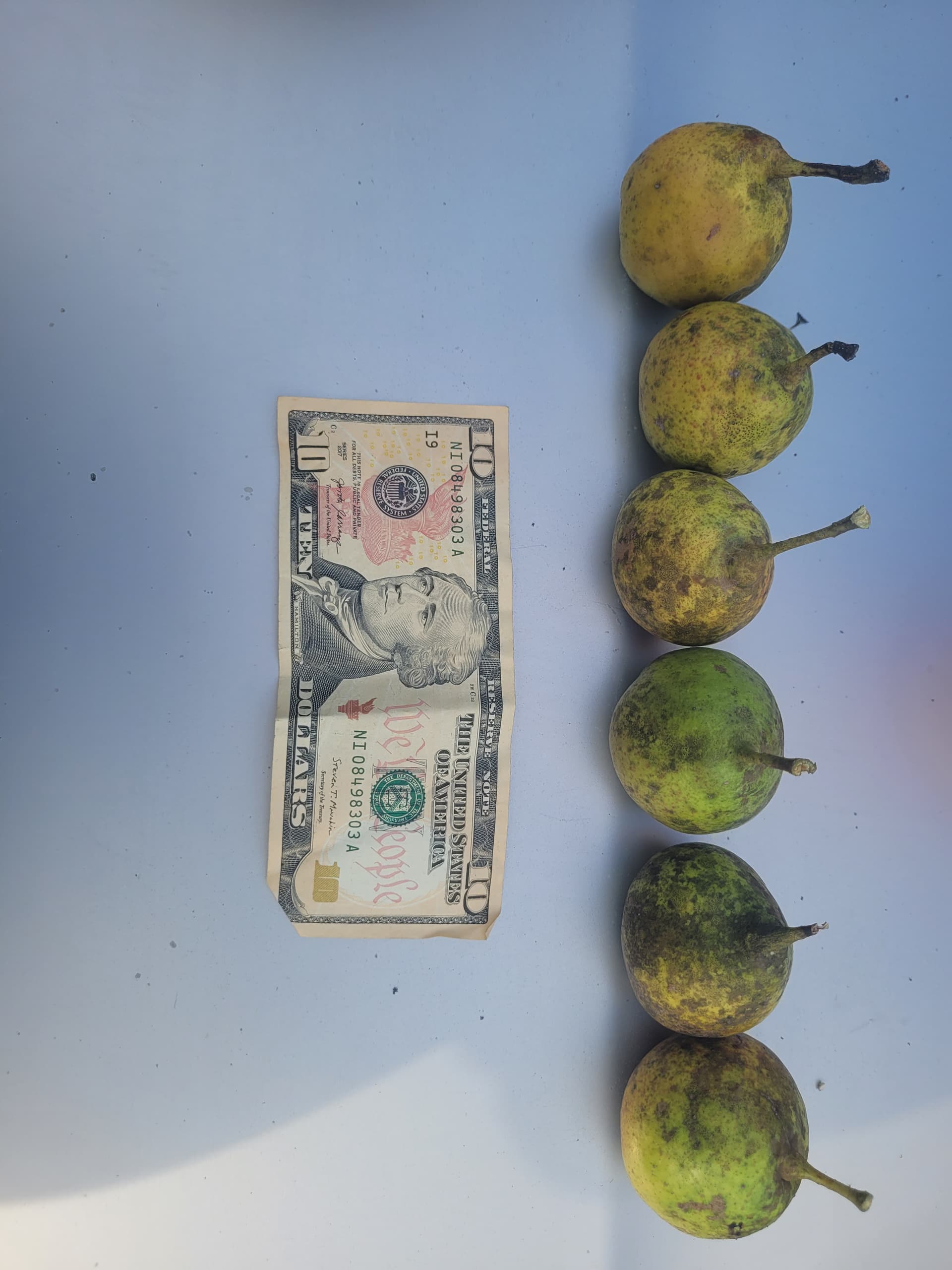
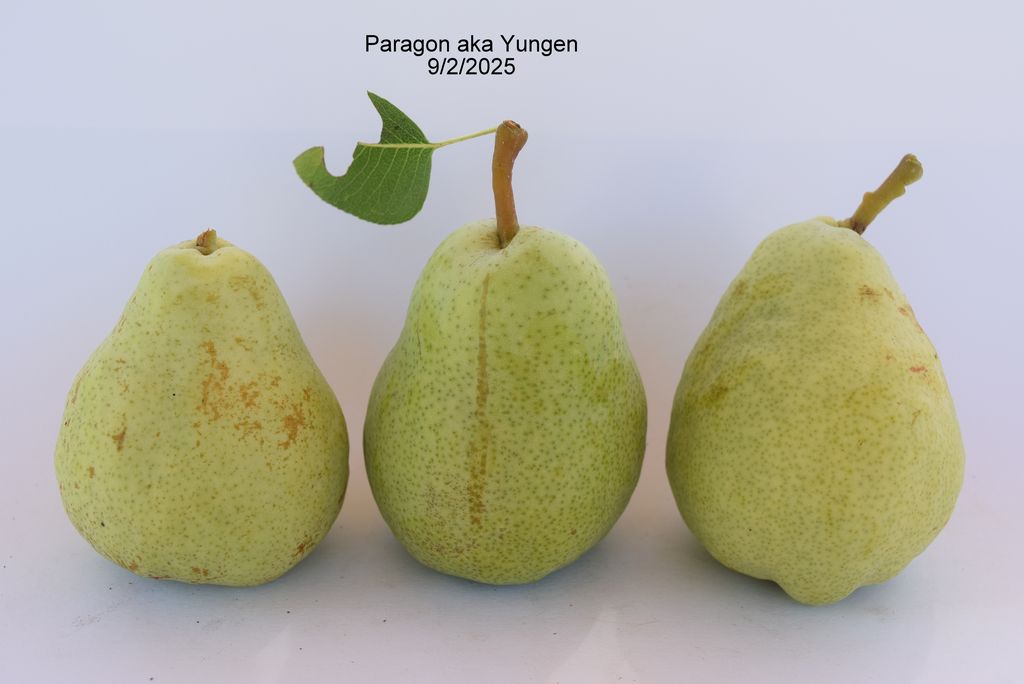
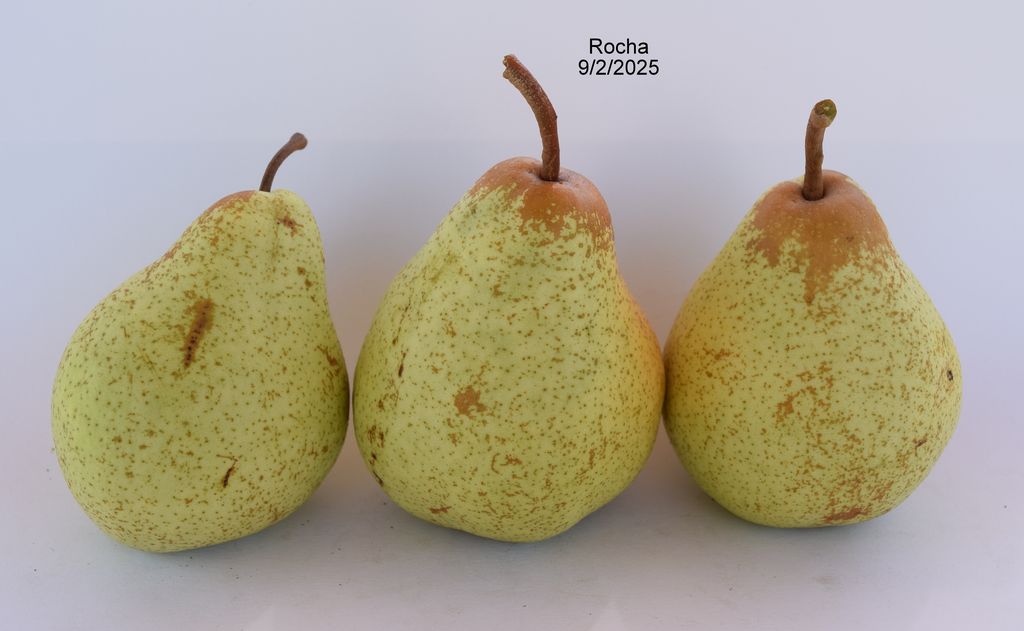
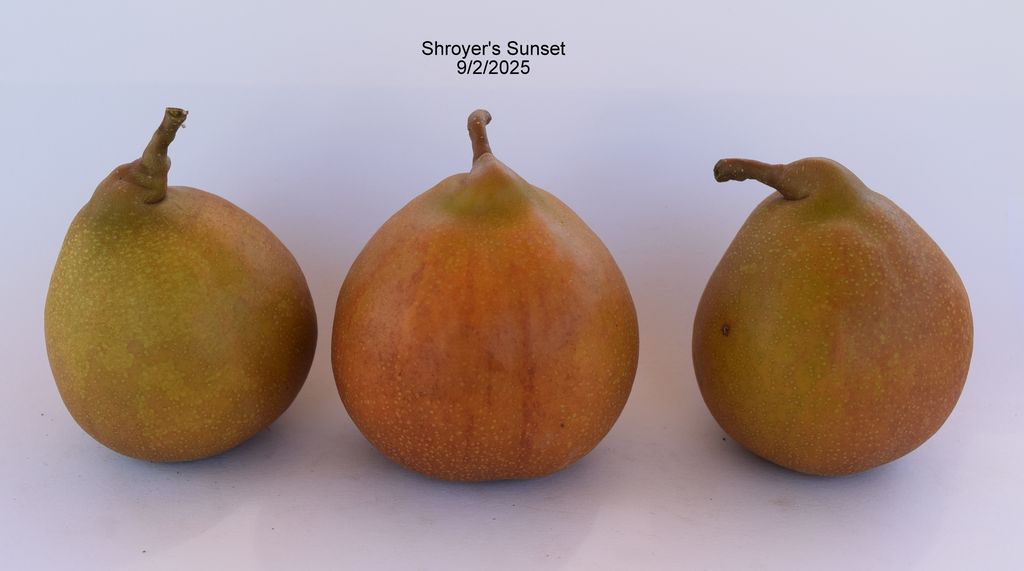
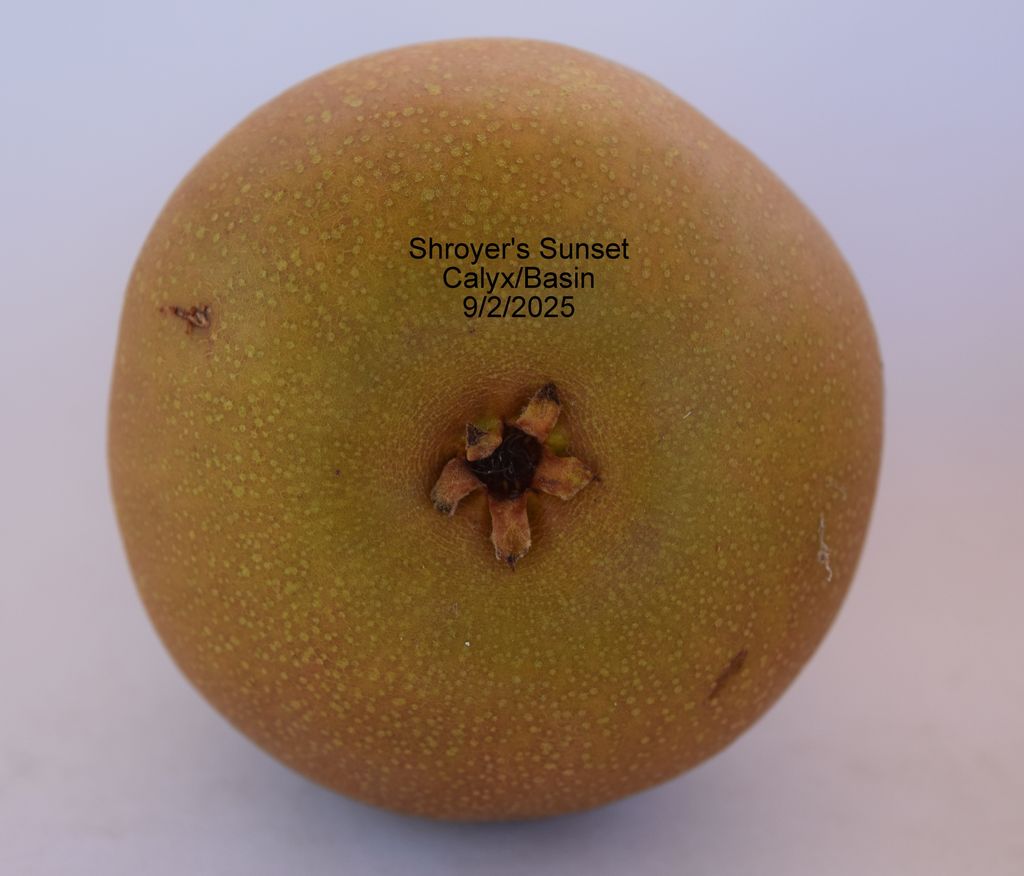
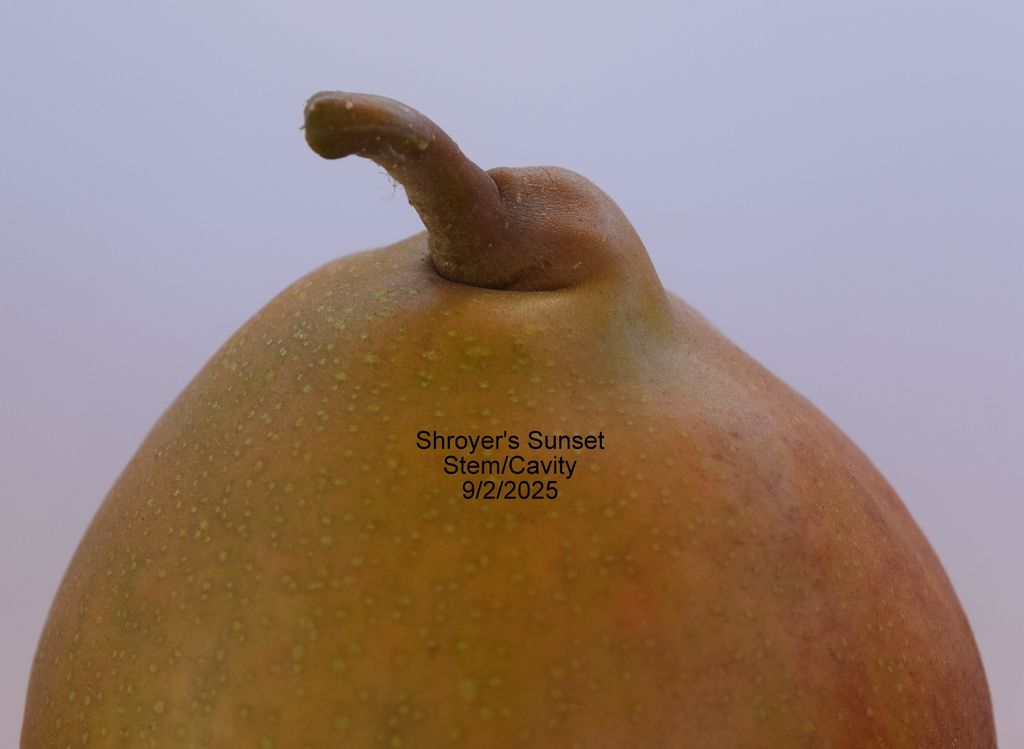
There are characteristics that are used to describe the fruit. I have never had any formal training in botany or pomology, so I only know what I have read and observed.
I bought Joan Morgan’s The Book of Pears a few years ago and became interested in trying to ID pears based on her descriptions. She has the Fruit Description outline on pages 189 - 191.
Below is what is in The Pears of New York. It doesn’t mention the Eye that can be open, part-open or closed.
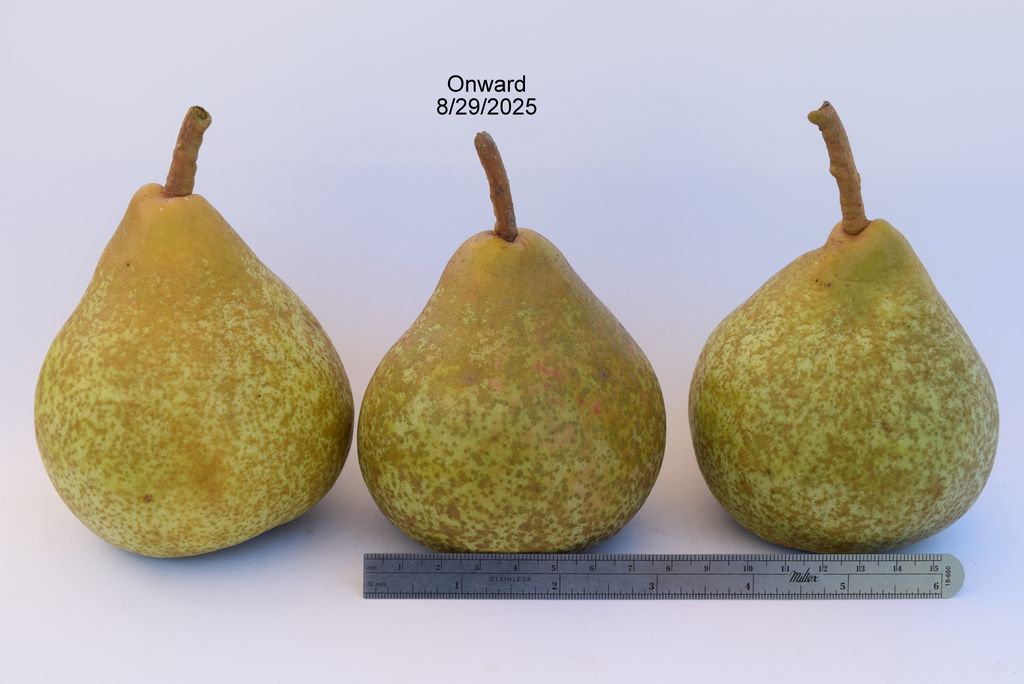
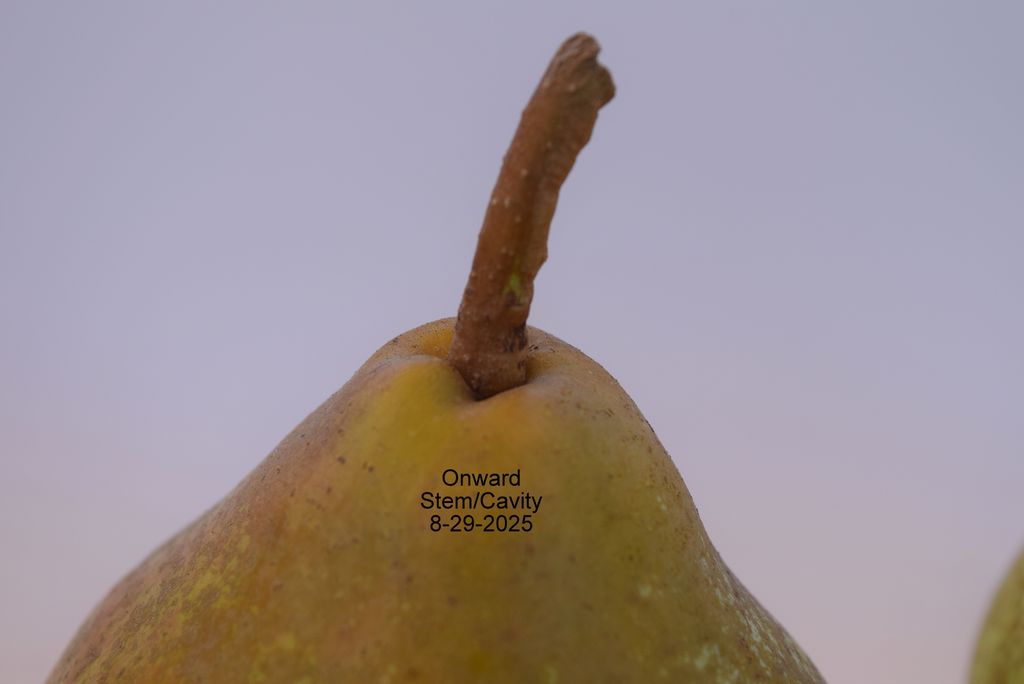
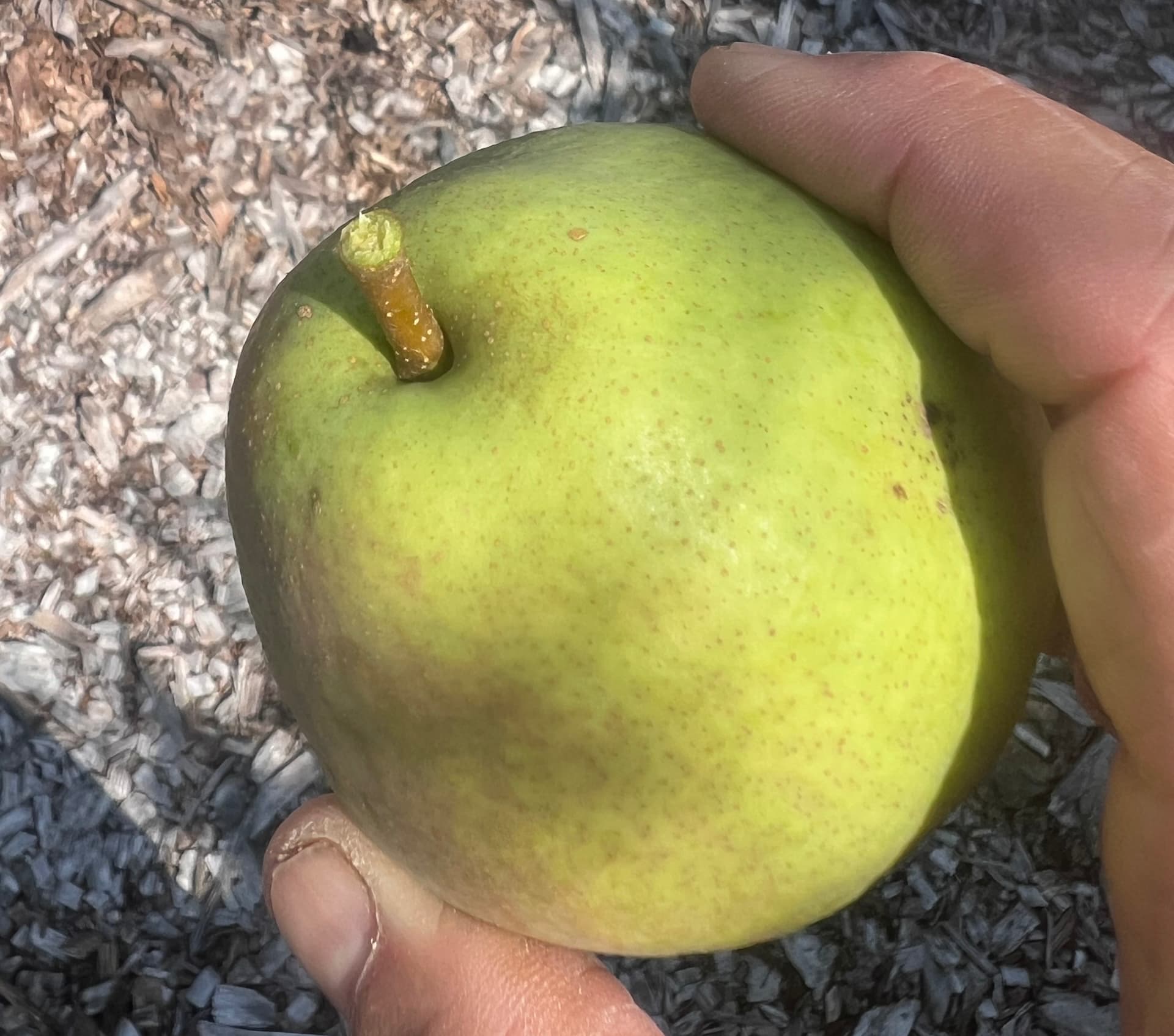
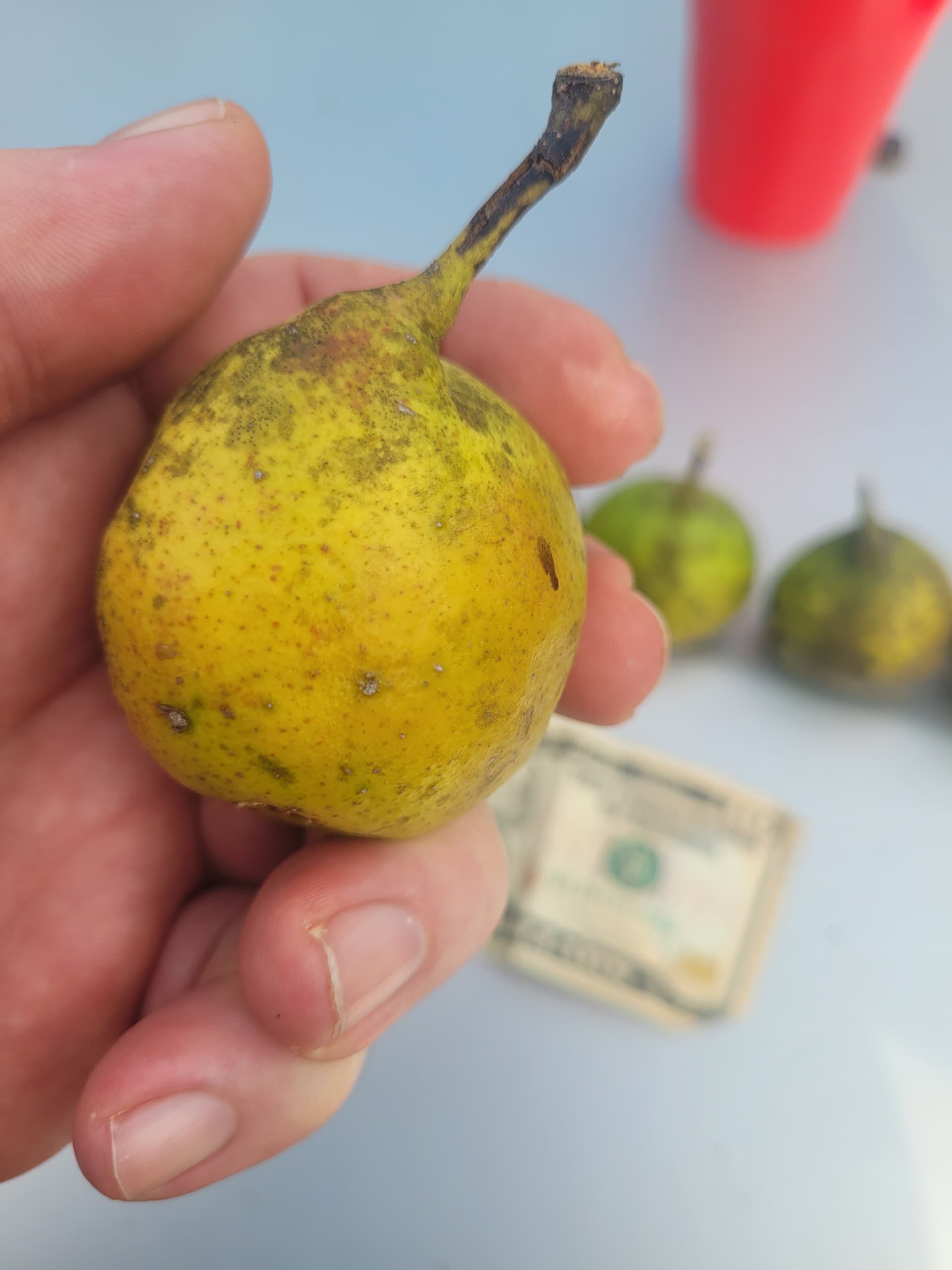
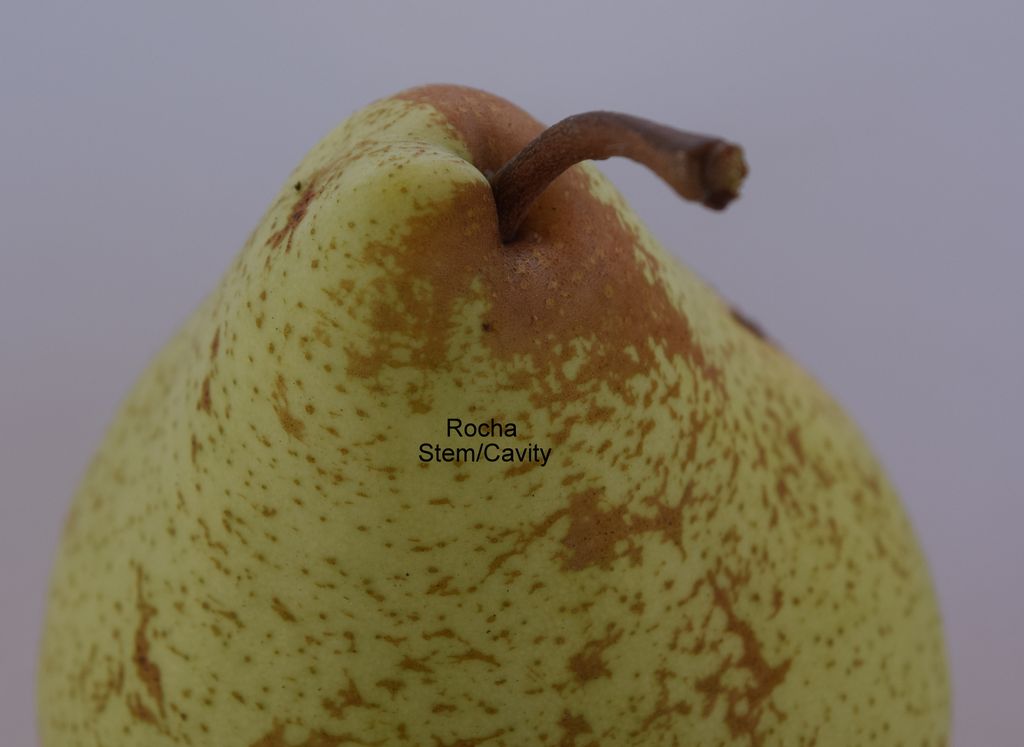
"The stem.—Varying as little as any other character of the pear, the stem is much used in identification. It may be long and slender, as in the Beurré Bose; short and thick, as in Doyenné du Comice; fleshy, as in Louise Bonne de Jersey; clubbed, when enlarged at the end; and lipped when the flesh forms a protuberance under which the stem is inserted. The stems of pears are often set obliquely as in Beurré Clairgeau; or are crooked or curved as in Howell. In a few varieties the stems are channeled. The stems of some pears have distinguishing colors, those of others are pubescent. In some pears, as Souvenir d’Espéren, there are bud-like projections on the stem.
The length of the stem in pears is a reliable diagnostic character only when it is known from what part of the flower-cluster the fruit was developed. For, as a rule, the nearer the flower to the tip of the raceme in the pear, the shorter the stem on the fruit.
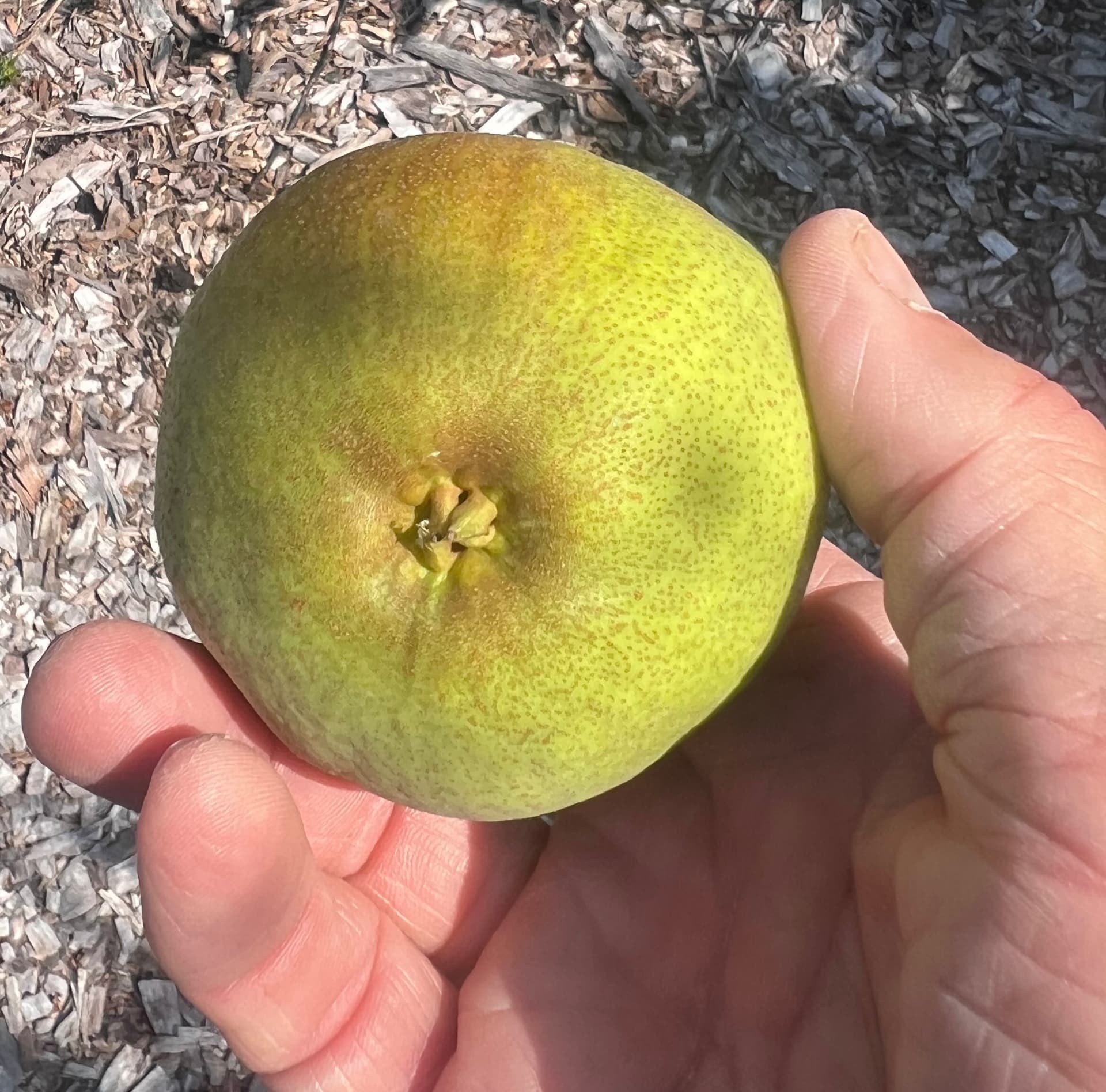
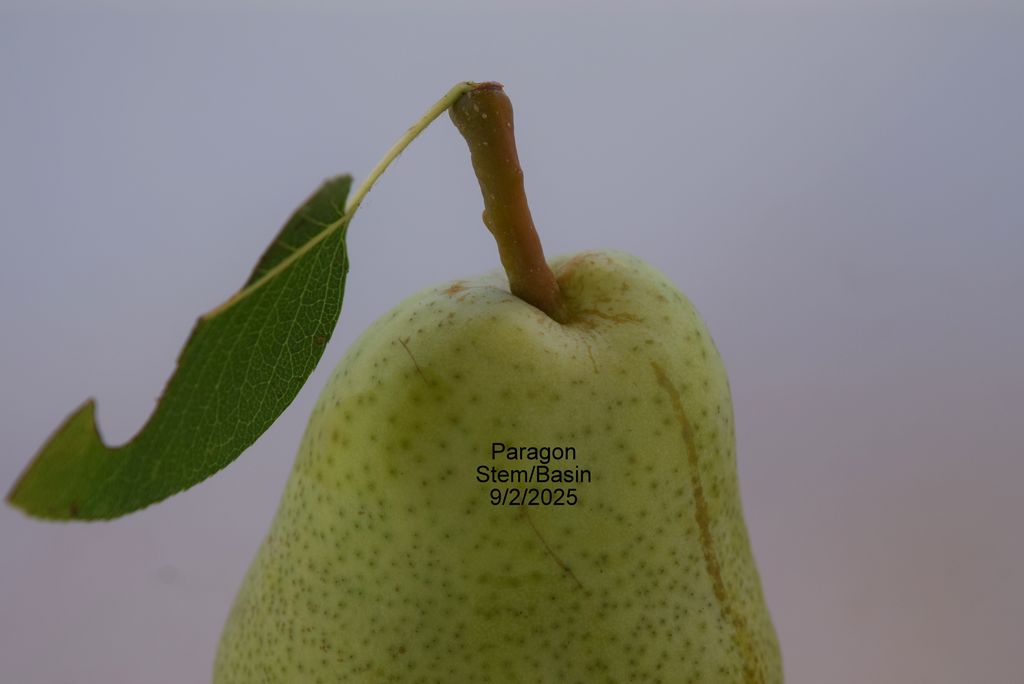
Cavity and basin.—The cavity, the depression in which the stem is set, offers several marks which greatly enhance the value of a description of any of the pears. The cavity may be acute or obtuse; shallow, medium, or deep; narrow, medium, or broad; smooth or russeted; furrowed, ribbed, angular, or uniform; or it may be lipped as described under stem. The color of the skin within the cavity is sometimes different from that without, and there may be radiating lines, rays, or streaks.
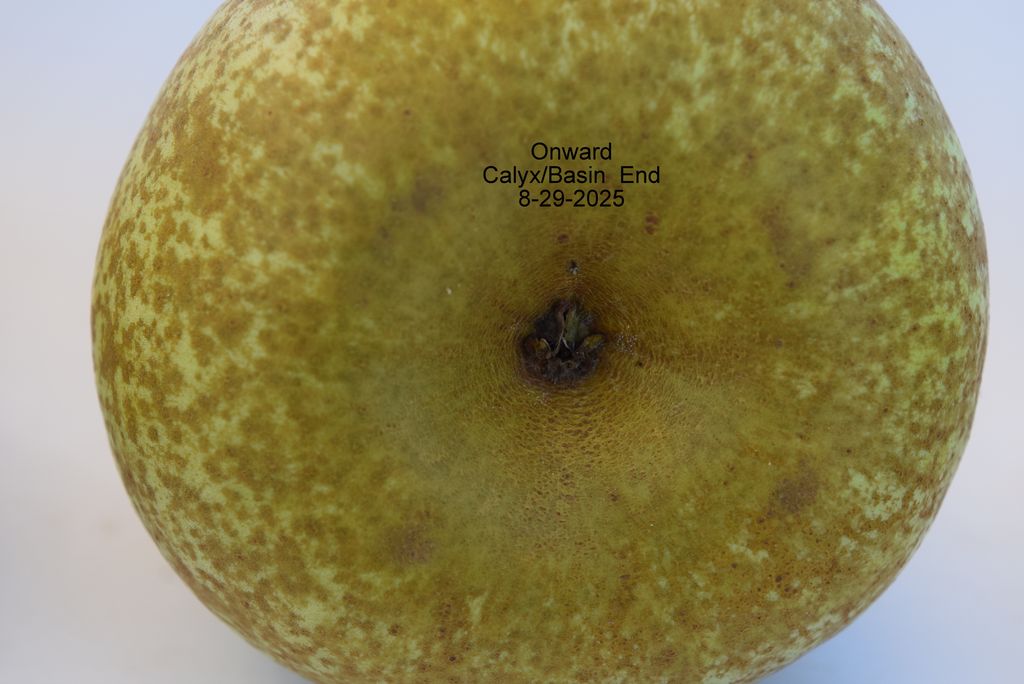
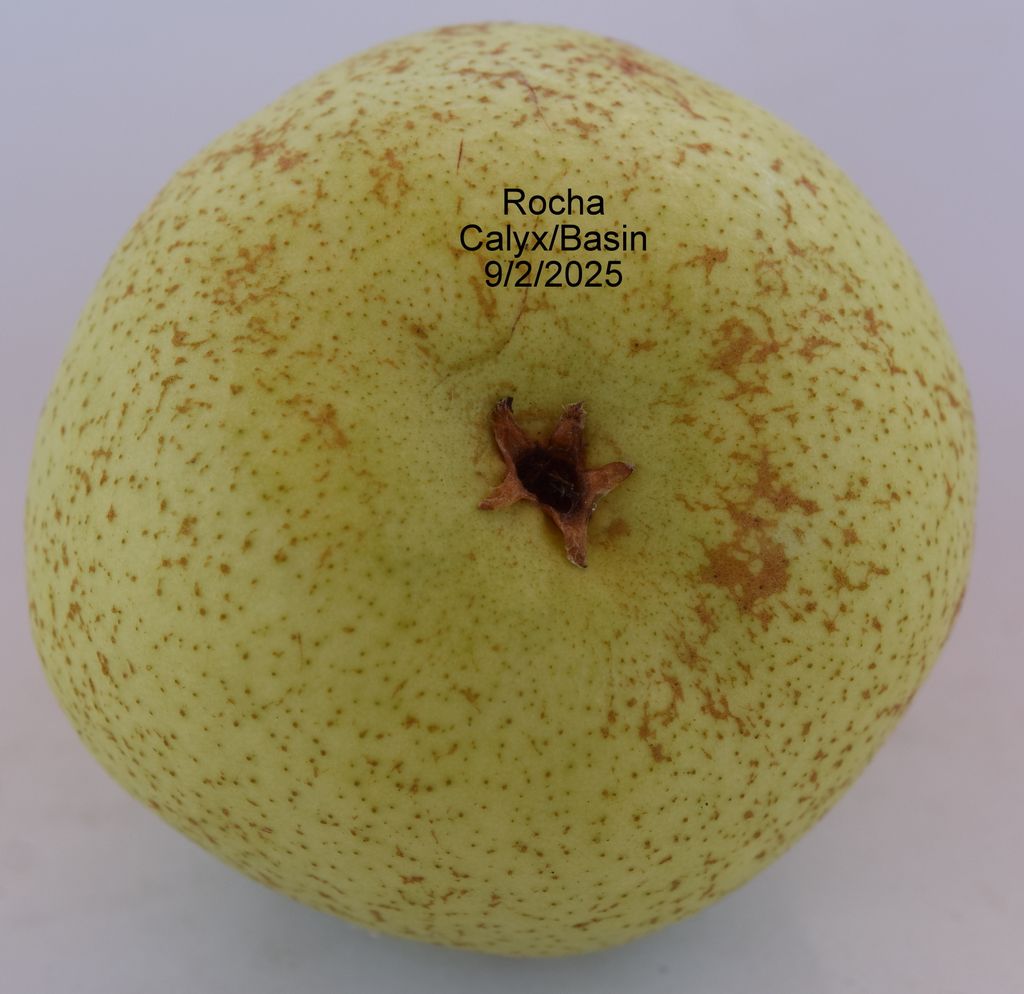
The basin, the depression in which the calyx is set, is as important as[65] the cavity in classifying pears and is described by the same terms. The furrows in the basin are sometimes indistinct and are then called wavy. The skin around the calyx-lobes may be wrinkled, plaited, folded, or corrugated. Rarely, there are fleshy protuberances about the calyx-lobes called mammiform appendages.
Calyx-lobes.—The withered calyx-lobes persist in some pears and not in others. They persist in European pears, but are deciduous in the edible-fruited Asiatic species. The calyx-lobes may be open, partly open, or closed in varieties of the fruits in which they are persistent. In some varieties the segments are separated at the base; in others, united. The lobes may lie flat on the fruit or may stand erect. When upright, if the tips incline inward the lobes are said to be connivent; if inclined outward, they are reflexed, or divergent. The lobes may be broad or narrow, with tips acute or accuminate."
That is probably a lot more than you wanted to know!