Clark is stretching things a bit. Ask him to tell you something good about TS Hardy.
2 Likes

1 Like
Why look at Winter Nellis?
JRD’s picture is very similar to Winter Nelis. He describes it as a late long storage pear. Shape is similar, more so than to Kieffer.
2 Likes
Thanks a lot. I agree that the varieties look similar.
Whatever my unknown variety turns out to be, it must be some older name because the tree is old – I’d guess at least 50 years.
1 Like
I’m sorry that I don’t have any pictures of Winter Nellis. I cut down my tree many years ago because it was badly infected with fire blight and was the most scab-sensitive variety in my orchard.
Although the shape is similar, this fruit does not remind me of Winter Nellis. The description in The Book of Pears does not match very well. “Eye: open”, “color: much/almost covered in russet over green”, and “inconspicuous fine russet lenticles”.
In Hedrick’s The Pears of New York, he states the following: “In the orchard, the trees are among the unmanageables. They are small or of but medium size, with straggling, wayward tops with habits of growth so self assertive that no art nor skill of the pruner can bring the branches under control. The limbs are always crooked; some bend inward toward the main stem, some are upright, some droop, and no two behave in quite the same way.” That was my experience growing the tree in MS and here in CA. How does your tree grow?
Here is the image from The Pears of New York:
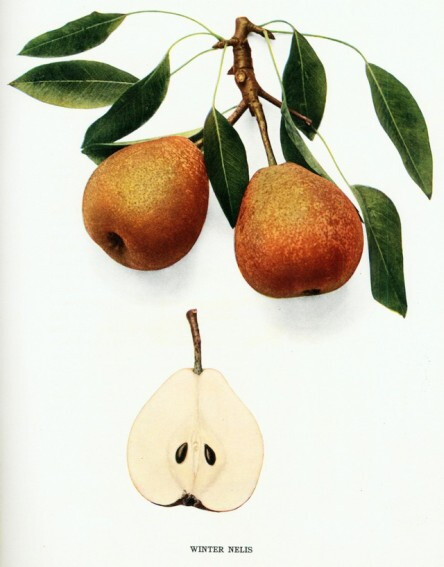
If you don’t have a copy of The Pears of New York on your computer, here is an excellent link. The Project Gutenberg eBook of The Pears of New York, by U. P. Hedrick.
2 Likes
That’s helpful. I’ve been watching this abandoned tree for 13 years. It has never developed fireblight, at least not in any significant way that I’ve noticed. Also no scab.
The fruit on the abandoned tree does show some malformation, which I’d attribute to insect damage. The fruit on my own grafted tree, which was sometimes sprayed this spring but not intensively, is generally flawless. Dozens of fruits look just like the one in the picture.
3 Likes
FWIW, here’s an Improved Kieffer picked here today. Again, not ripe; just for comparison. The fruit is from a young tree purchased with that label.

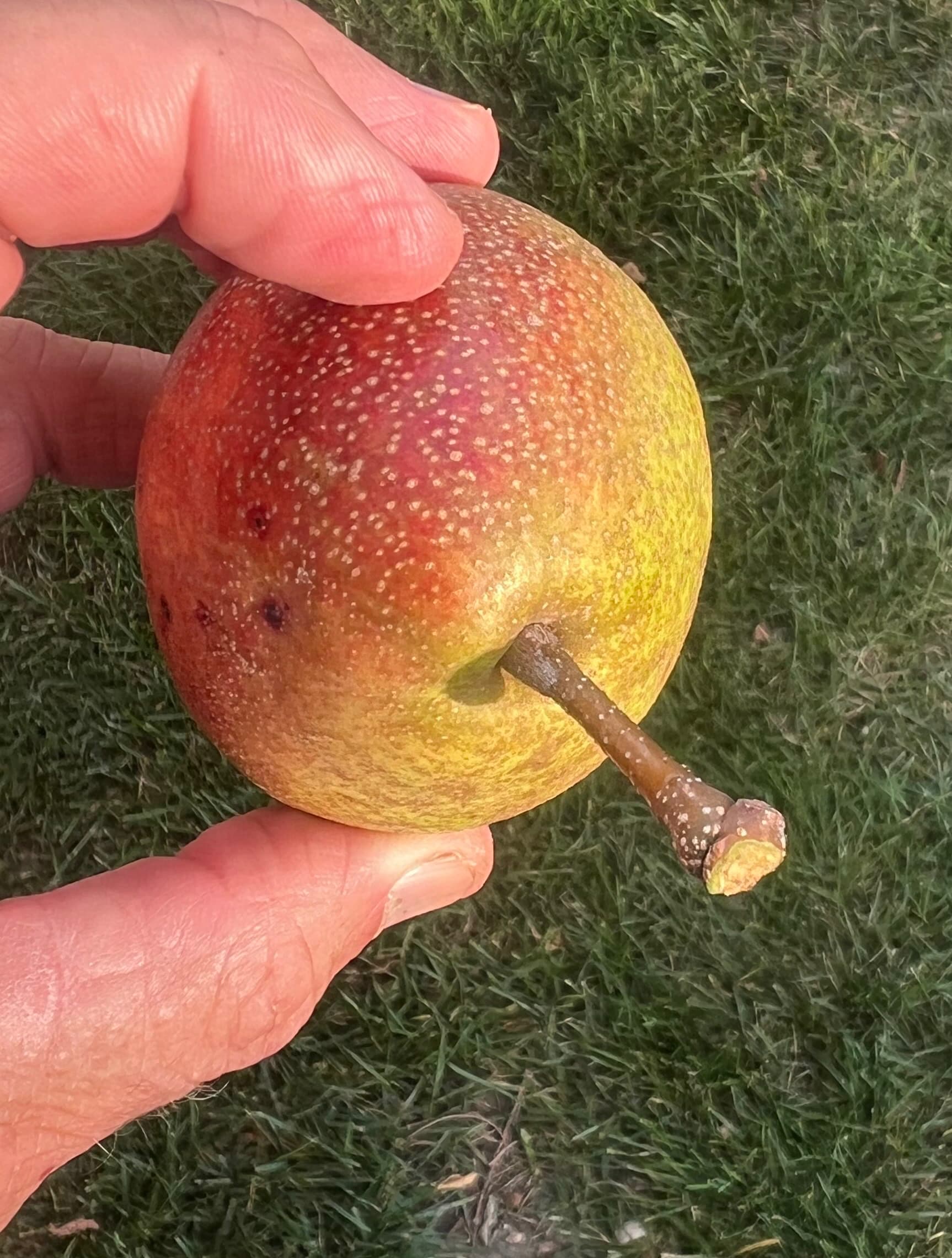
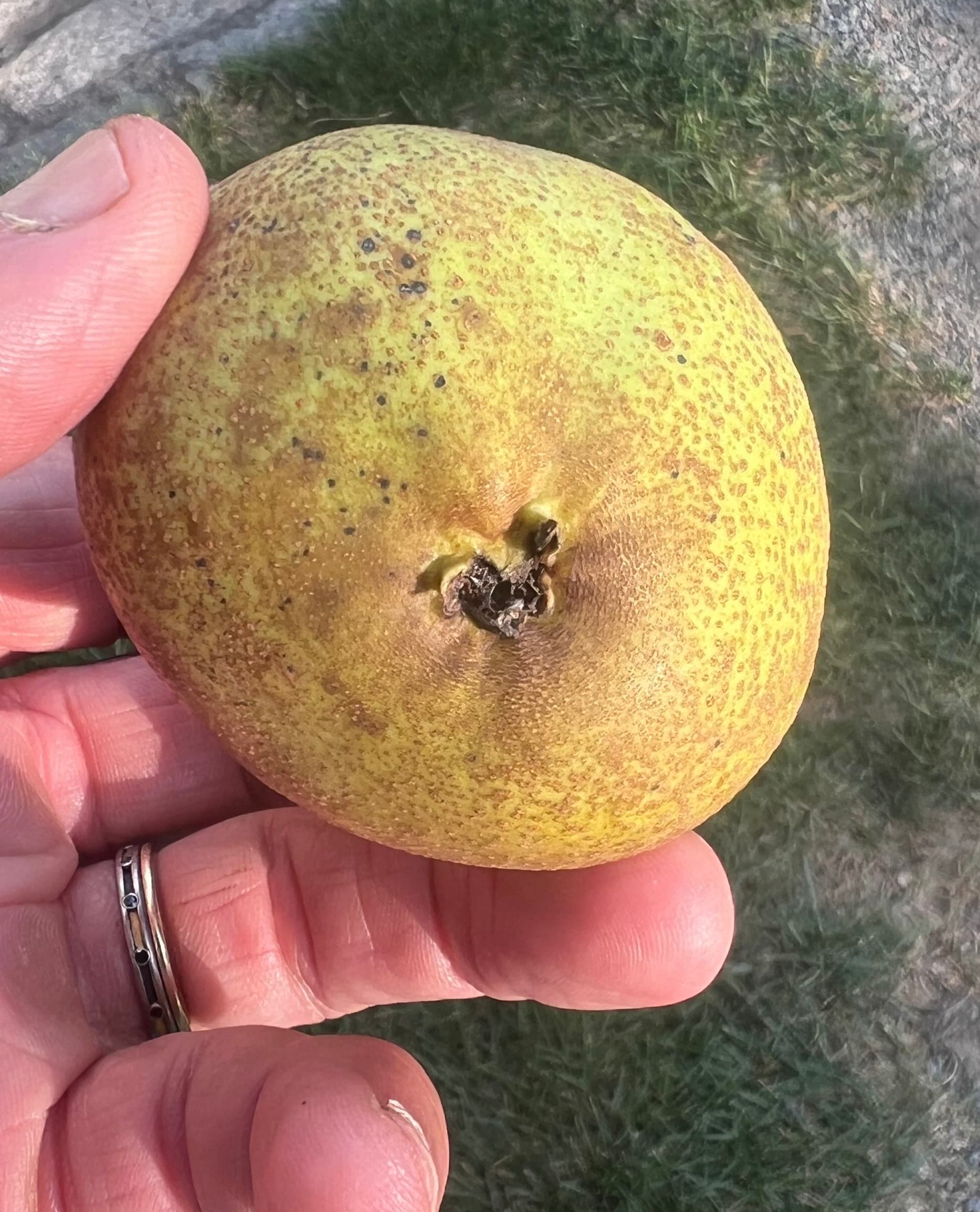
3 Likes
I think we can put the Kieffer possibility to rest. I’ll look closely as some of my late maturing pears to see if any look similar to your fruit. We need to think of what varieties may have been planted in your area 50 years ago. Are there other fruit trees of the same vintage present?
2 Likes
You got me there. There is very little going for ts hardy but it doesnt get diseases or have insect problems. It is hardy thats positive. Nothing ever steals them from my trees either. Dont get me wrong you want to can some pears they are perfect for an organic farmer who wants to can some pears.
5 Likes
Not that I’ve discovered.
As I recall, there’s an abandoned pear growing along the road that runs through nearby Colt State Park, which used to be the estate of the gun manufacturer Samuel Colt. I’ll have to try to find the tree again and see whether it has any fruit.
There’s also an old orchard within the confines of a residential property a mile or so down the road. Many of the trees have been taken down but there may be a surviving pear. I’ll try to look.
3 Likes
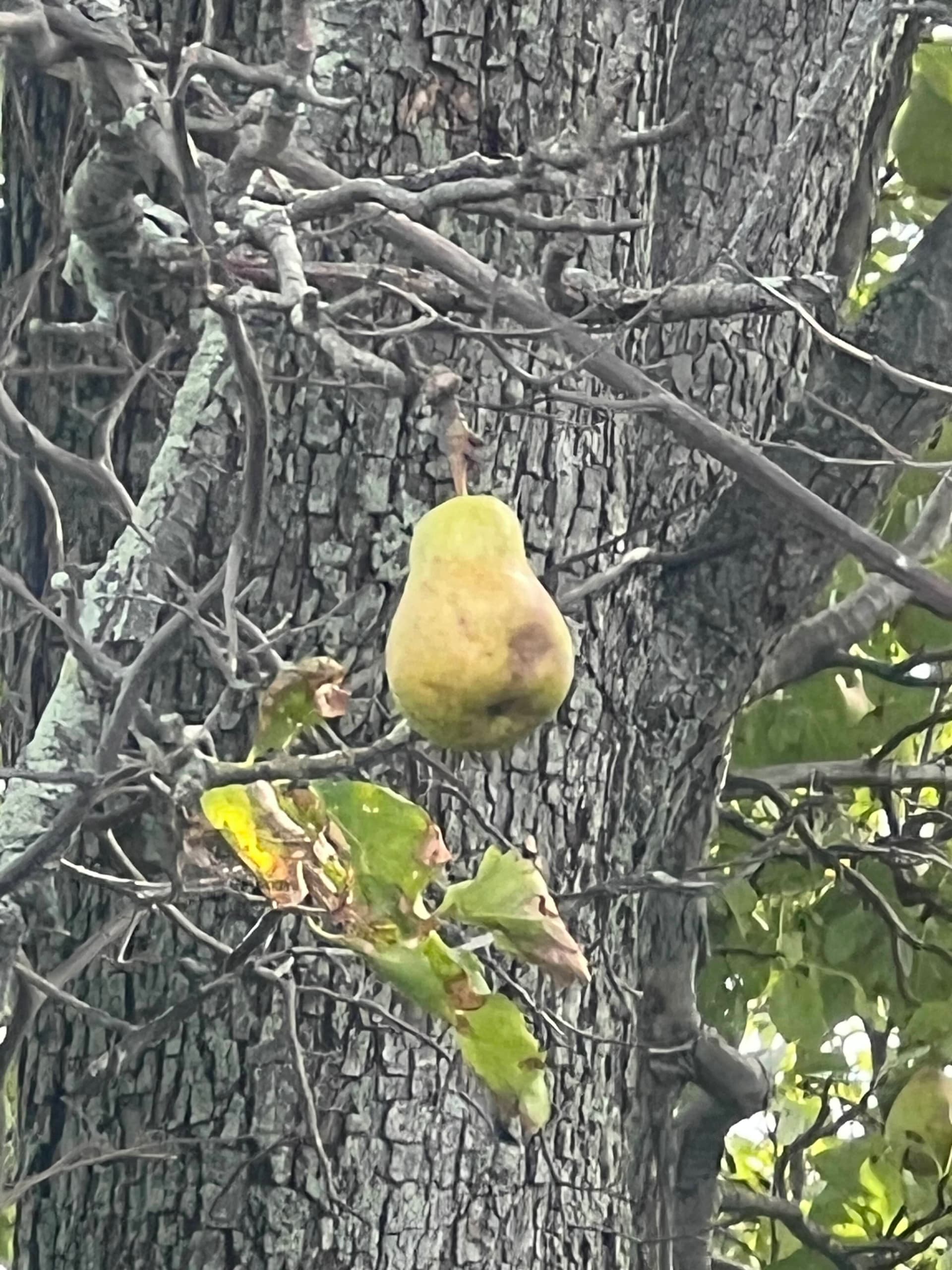
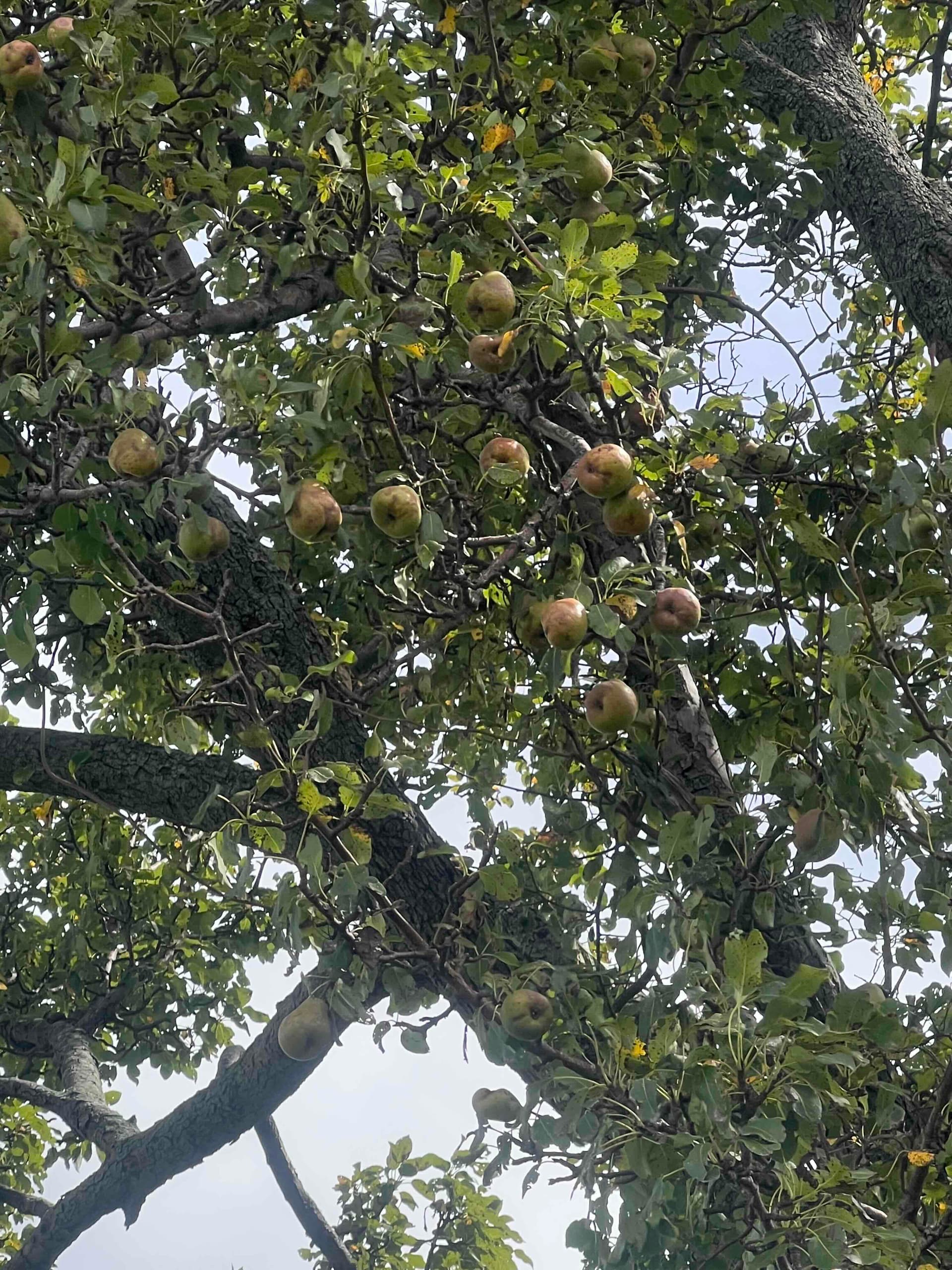
Here’s the pear tree. It is growing off the side of the road amidst thick vines and underbrush. The trunk is roughly 2’ wide. The tree is roughly 40’ tall. As you can see, there are numerous pears on the tree – but I don’t think they’re Kieffer. Of course, the tree might be worth cloning since it is capable of producing fruit with zero maintenance. Who knows what it could accomplish with some TLC.
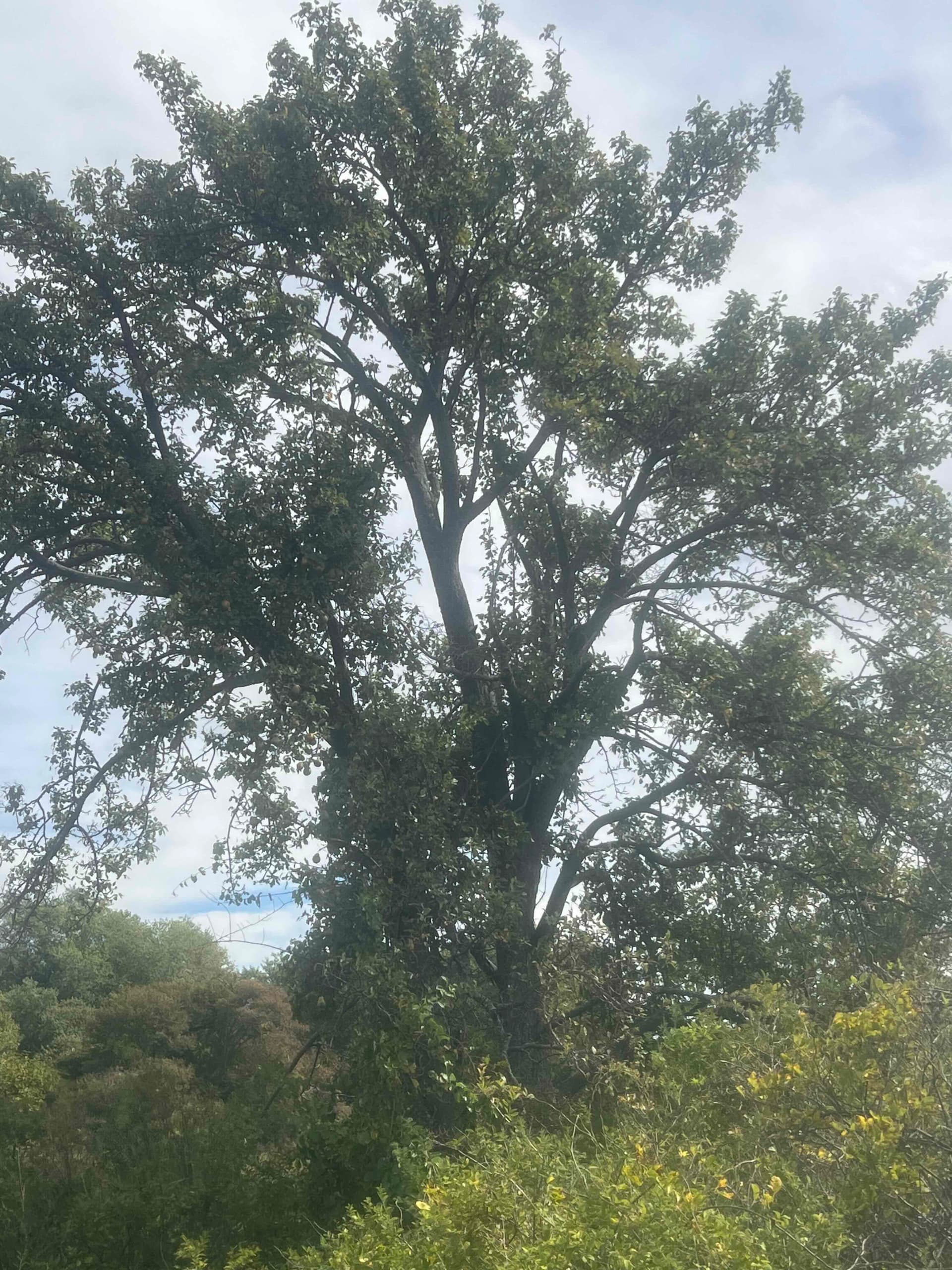
11 Likes
Yoinashi…
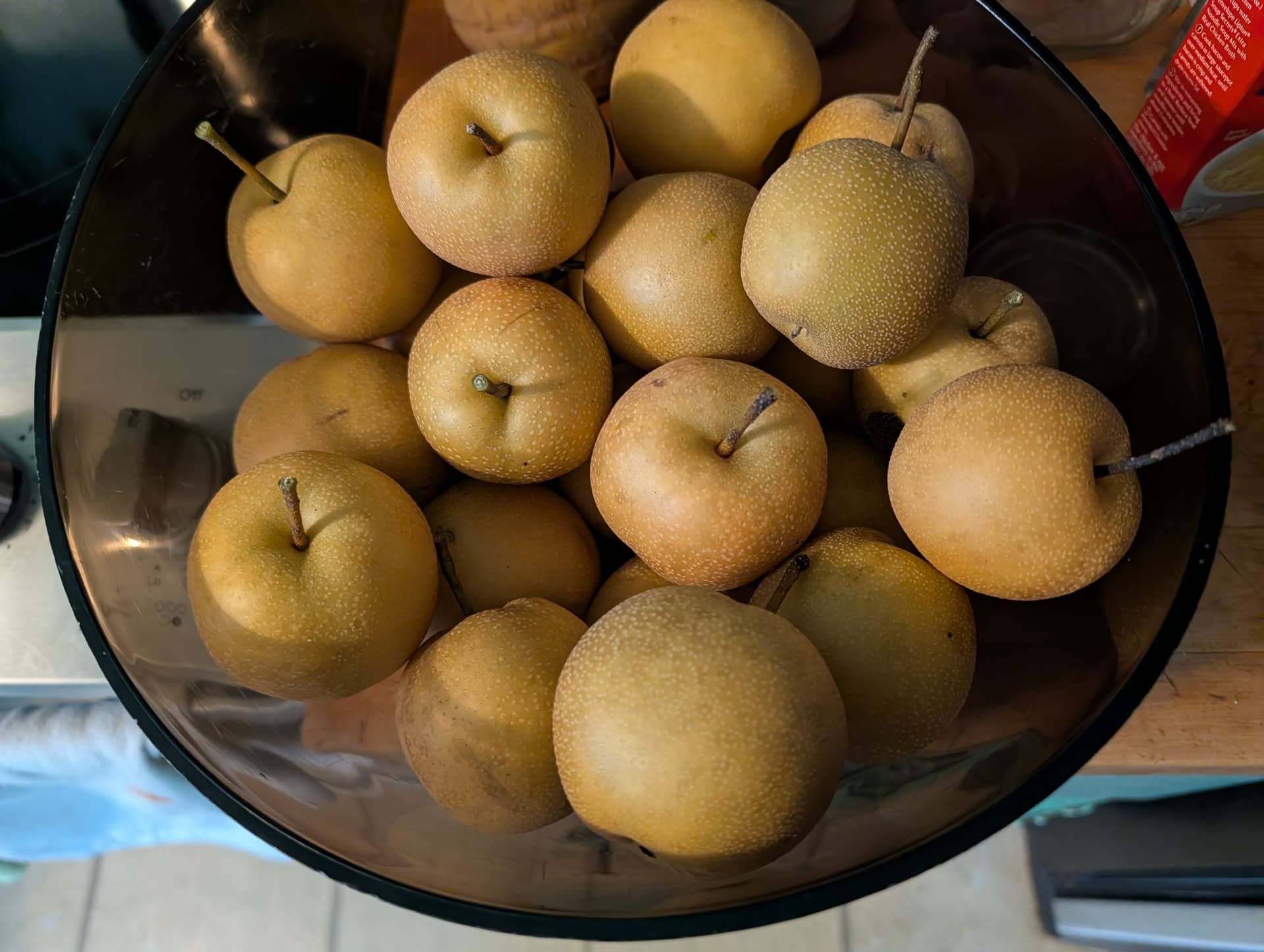
I didn’t thin them enough after the squirrels thinning all the fruit off several other trees.
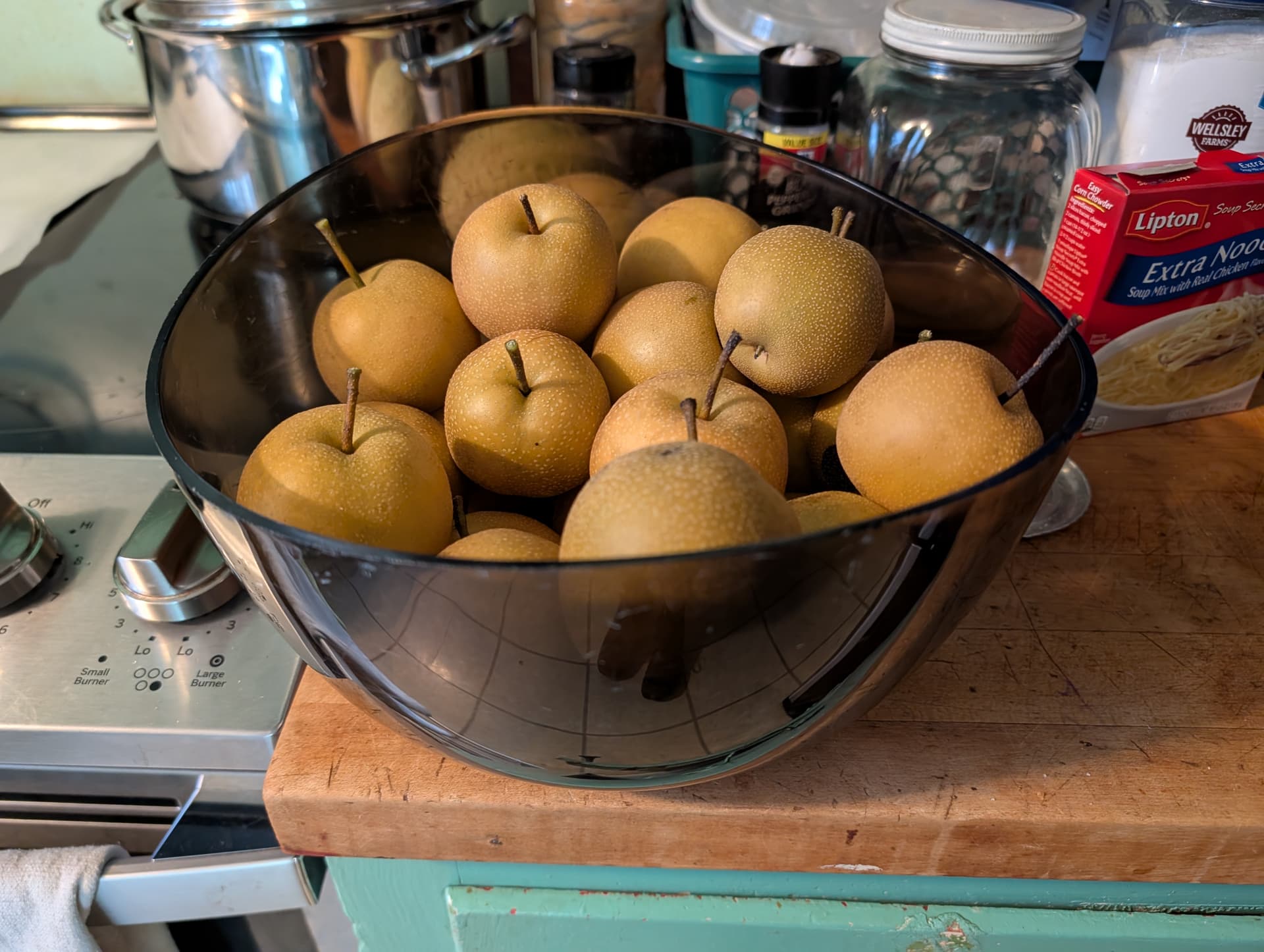
They’re juicy and lightly sweet. There’s a couple larger ones still on the tree, I picked about half of them.
8 Likes
That’s a happy old tree. I agree, it should be preserved and maybe we can figure out what it is. Or, is it a seedling???
6 Likes
If you can somehow get a few scions from that tree I would be interested in trading/buying for one.
4 Likes
Given its location, right next to a road, I have to imagine it was planted long ago next to a carriage path. So most likely an heirloom.
I’ll try to harvest some scions this winter, then solicit interest.
p.s. It’d be a good idea to remind me. 
5 Likes
I randomly saw two nice pear trees taking a slightly different route on the way home, one was a very old yard tree bent over with pears.
One is outside a business and it looks like it might be a seedling, going to go back and examine the leaves more closely for diseases and nab a fruit
2 Likes
I just picked the rest of my Abate Fetal pears off my tree. They were actually being baked right on the tree it has been so hot here. They look great and when you pick them they feel like mush. So instead of trying to pick just the ones that get some red blush on them I picked them all off.
I picked two 5 gallon buckets full. I have had probably another 5 gallon bucket full by just picking up the ones off the ground that dropped.
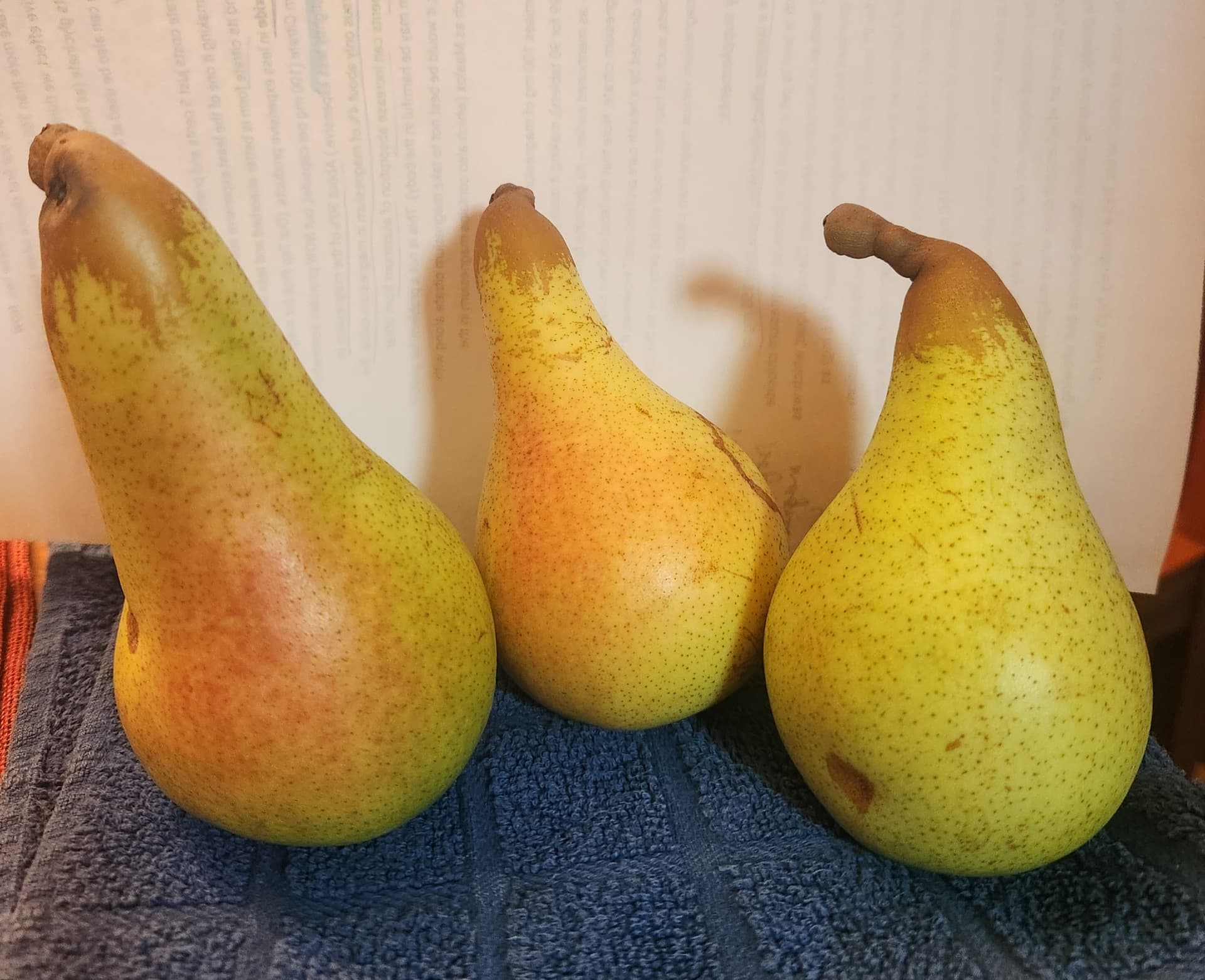
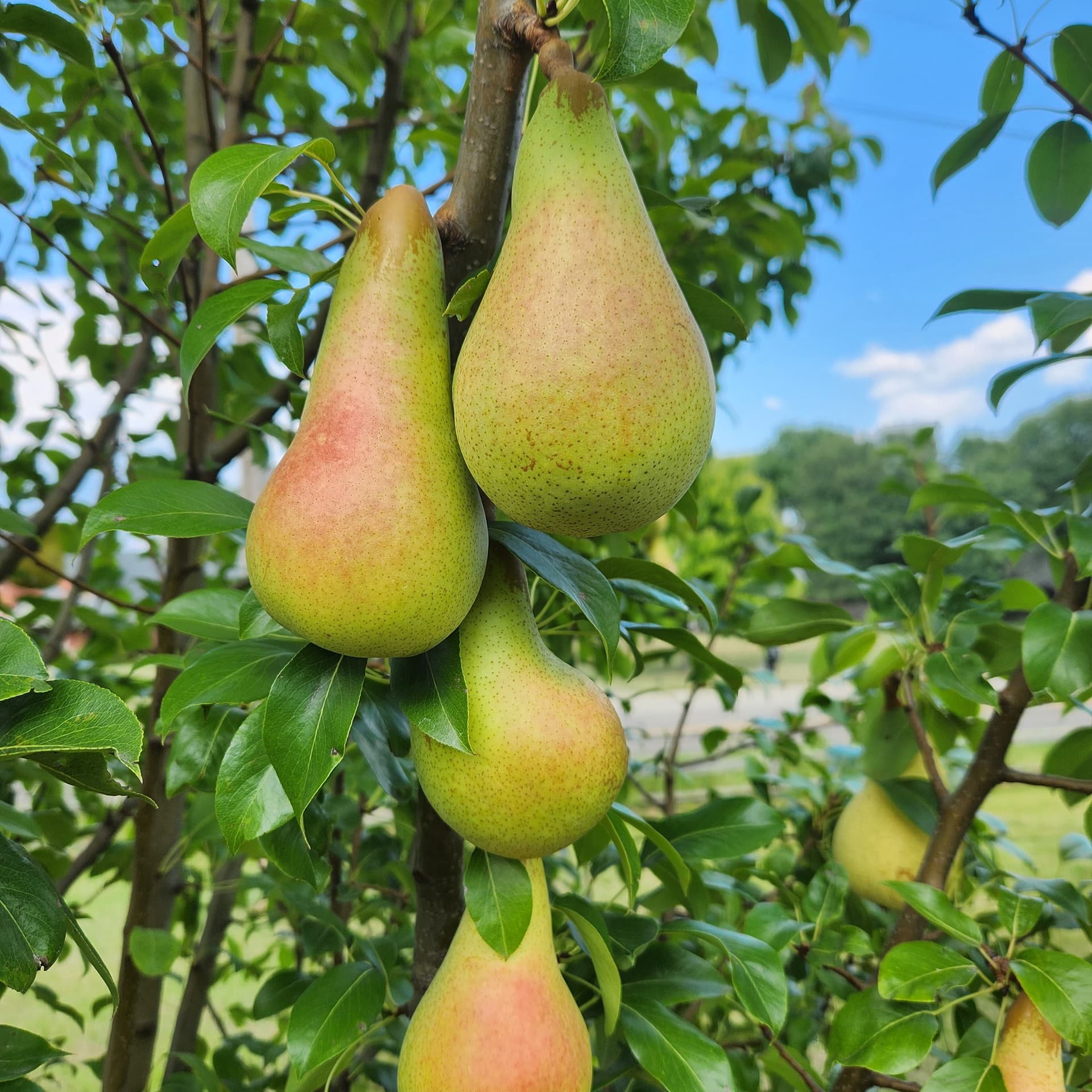
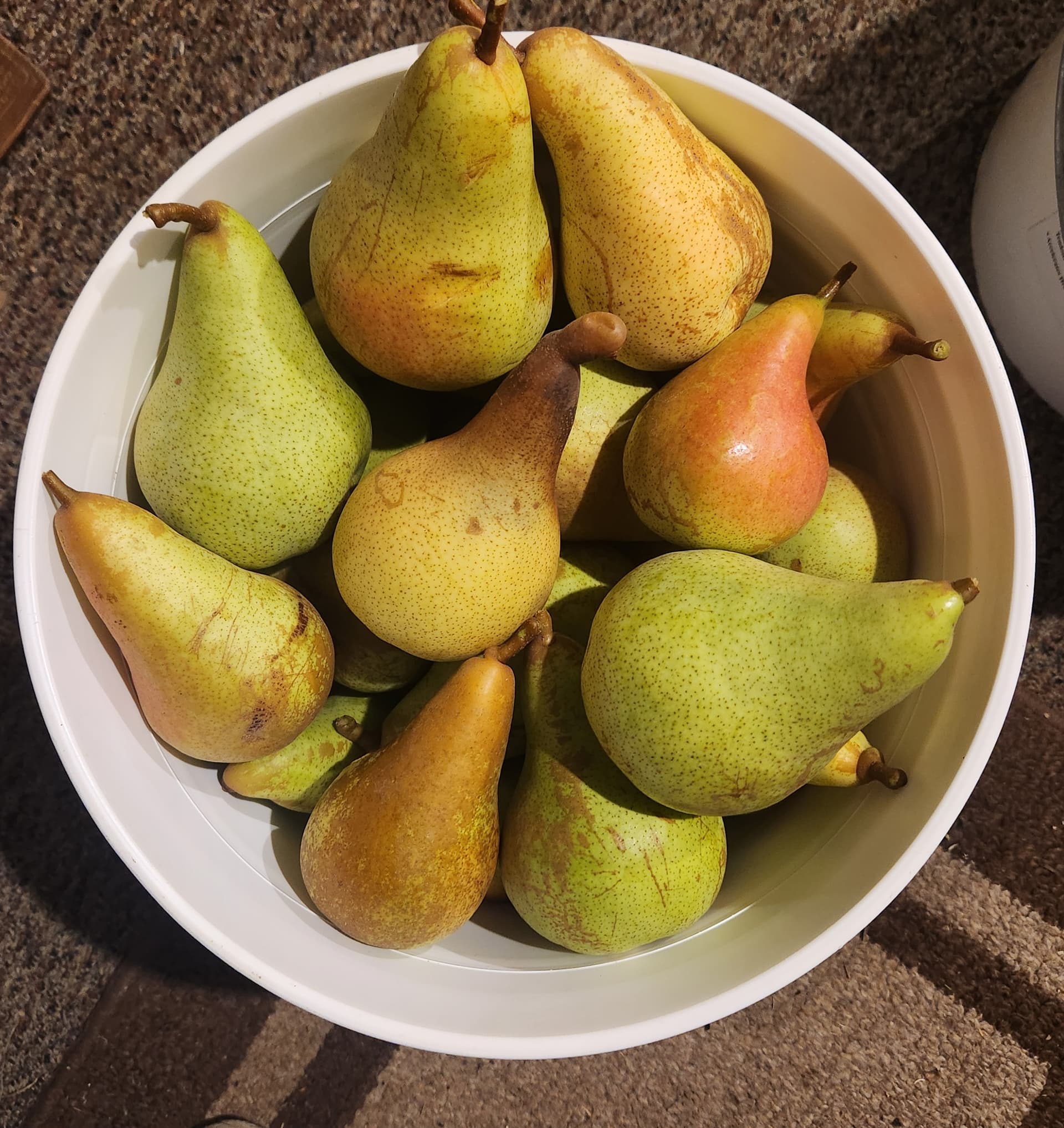

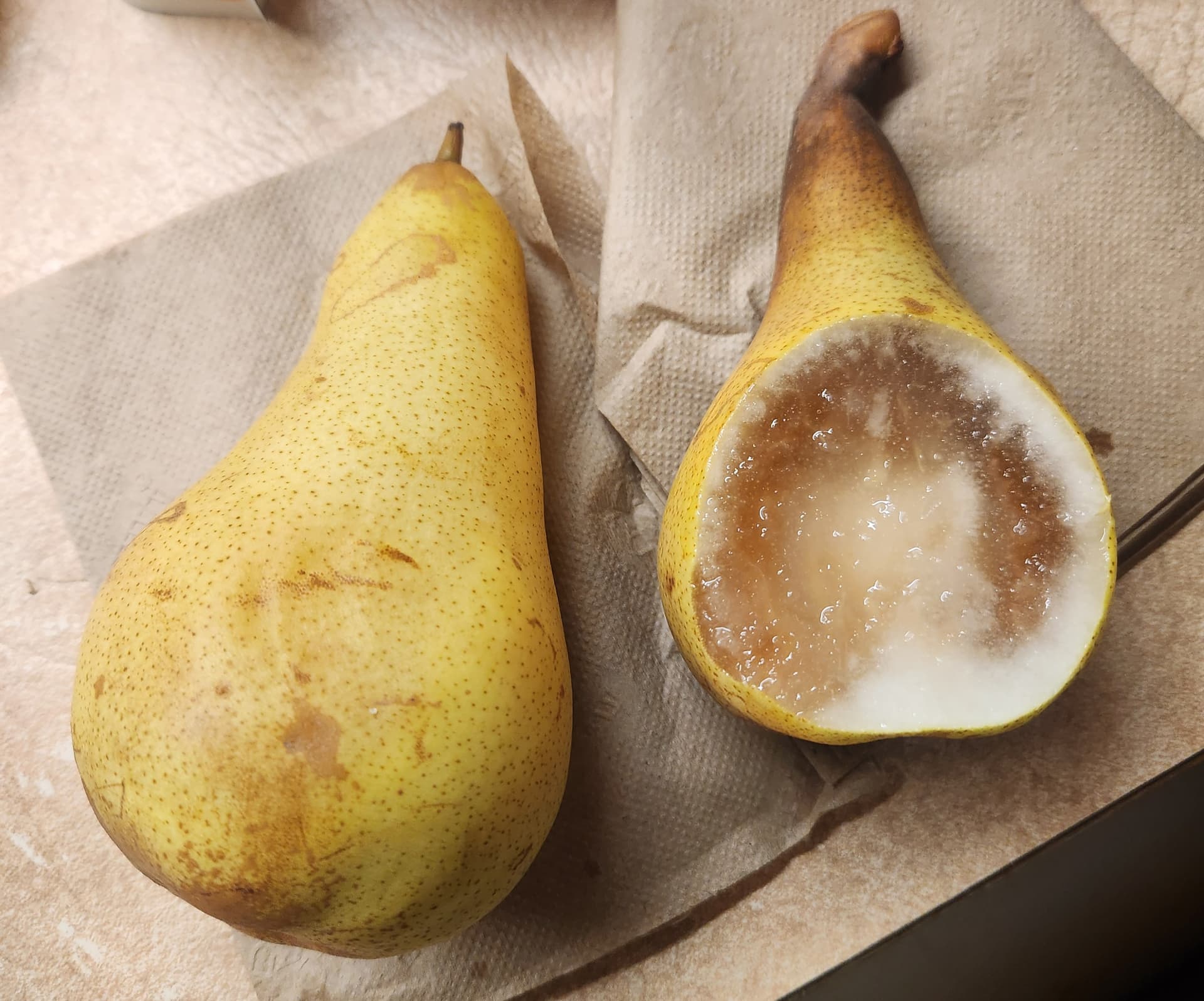
The pears look like this because of the high heat- baked right on the tree.
10 Likes
I picked my last Abbe Fetel today. It was hiding from me. I like to pick them when they start dropping and give them a little time in the refer. I picked the first about Sept. 2 and more a few days later. Those are beautiful fruit!
2 Likes
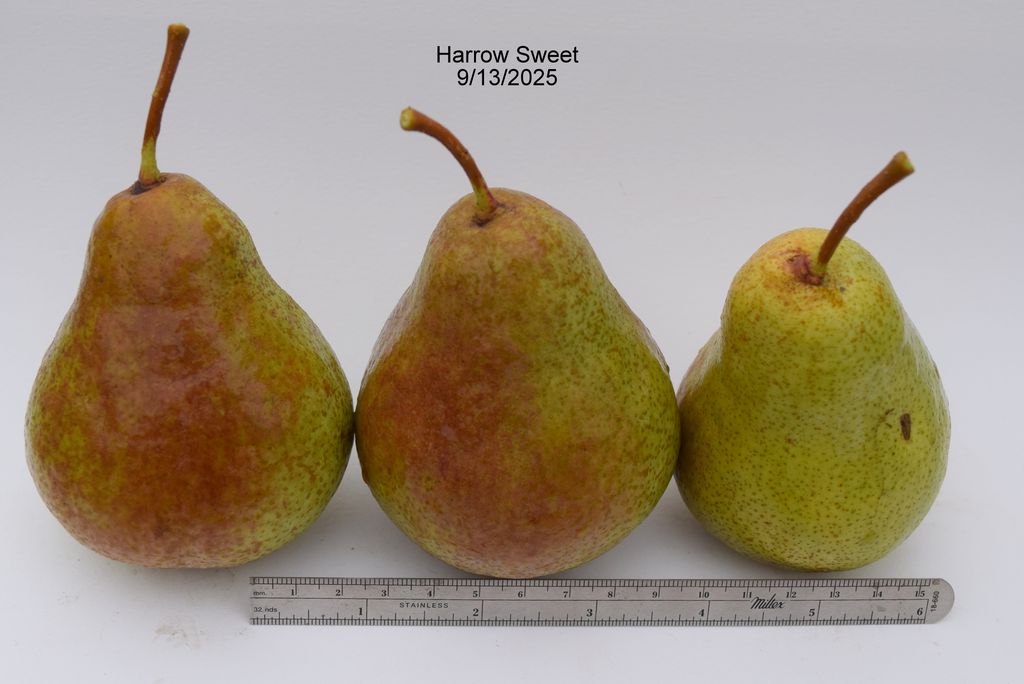
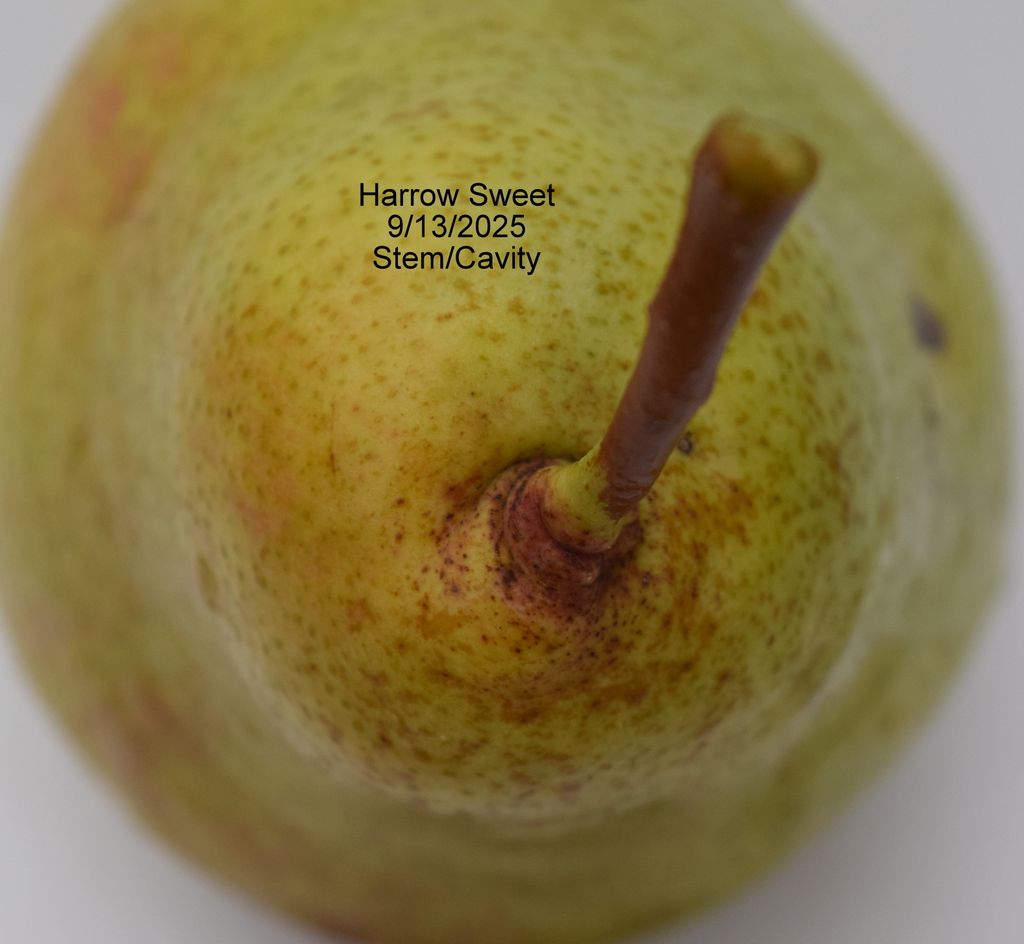
I started picking Harrow Sweet or HW 609 on 9/13/2025 and still have a few on the tree today 9/17. I picked and ate one today - delicious. As Clark mentioned it is now sold as the Trademark AC Harrow Sweet, but is available from the Corvallis Repository with the name it was released under - no AC.
Here is an edited narrative from GRIN:
Harrow Sweet (PI 617562). -A high quality late-season pear for the fresh market, selected for precocity, productivity, cold hardiness, and fireblight resistance. Originated at Agriculture Canada Research Station, Harrow, Ontario in 1992. Cross of Bartlett x Purdue 80-51 and tested as HW-609. Fruit: medium to large, pyriform, yellow with red blush; visible lenticels, some russetting, appearance resembles Bartlett; Flesh white, sweet, juicy, flavorful; stores 10 weeks at 10C. Tree: medium size, upright to spreading, productive. Fireblight resistance similar to Harrow Delight. Pollen cross-compatible with Bartlett; graft compatible with quince. - Brooks and Olmo Register of Fruit and Nut Varieties is an edited note from GRIN:

8 Likes