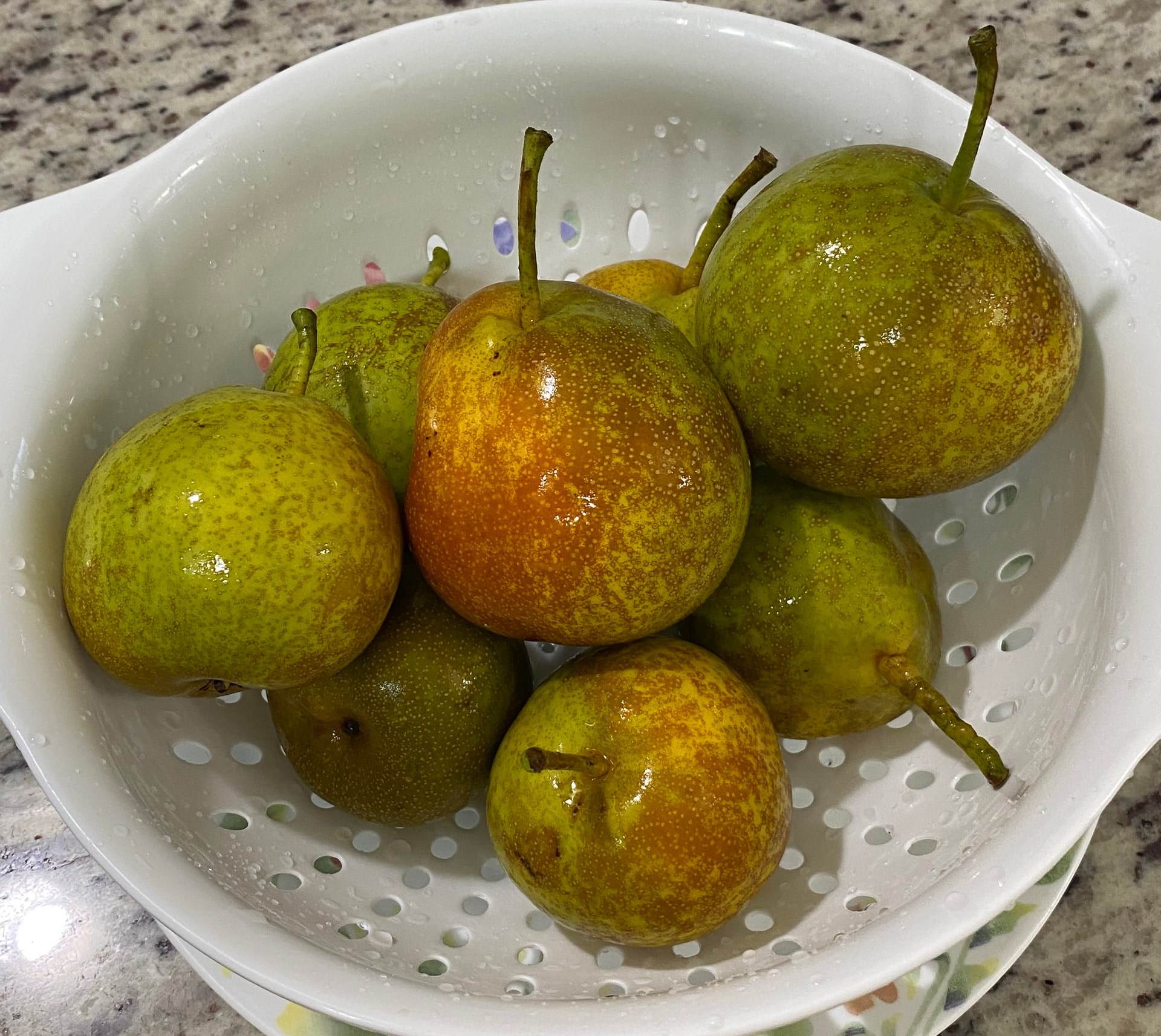
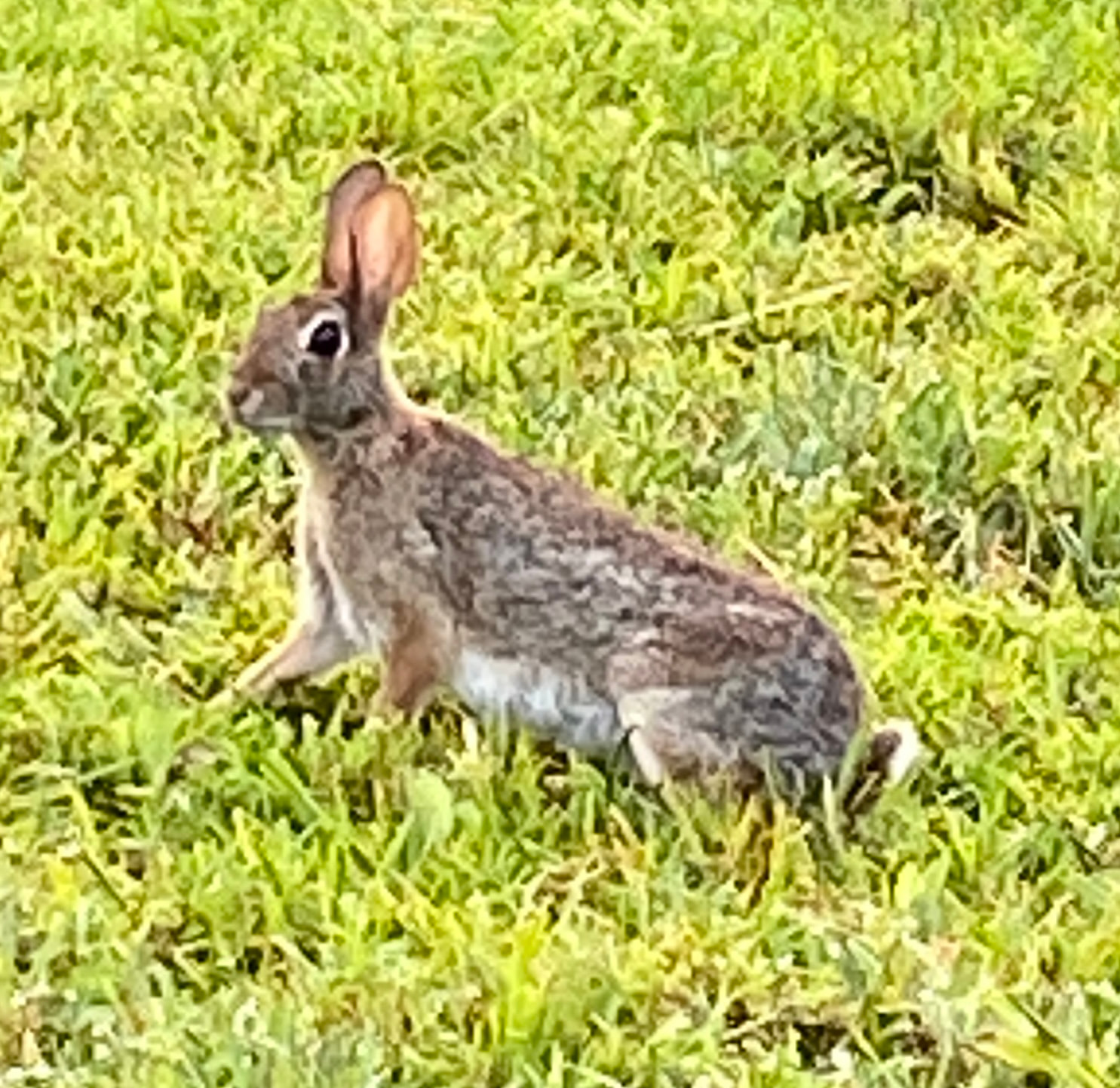
oh duh. i crossed my bugs.
1 Like
I think it’s possible that they may be all right. I am beginning to think knowing when these orient pears are ready to peel and eat is almost an art form that I have not mastered. Working on it. It’s been three days. Tried peeling one today still pretty.Dry
1 Like
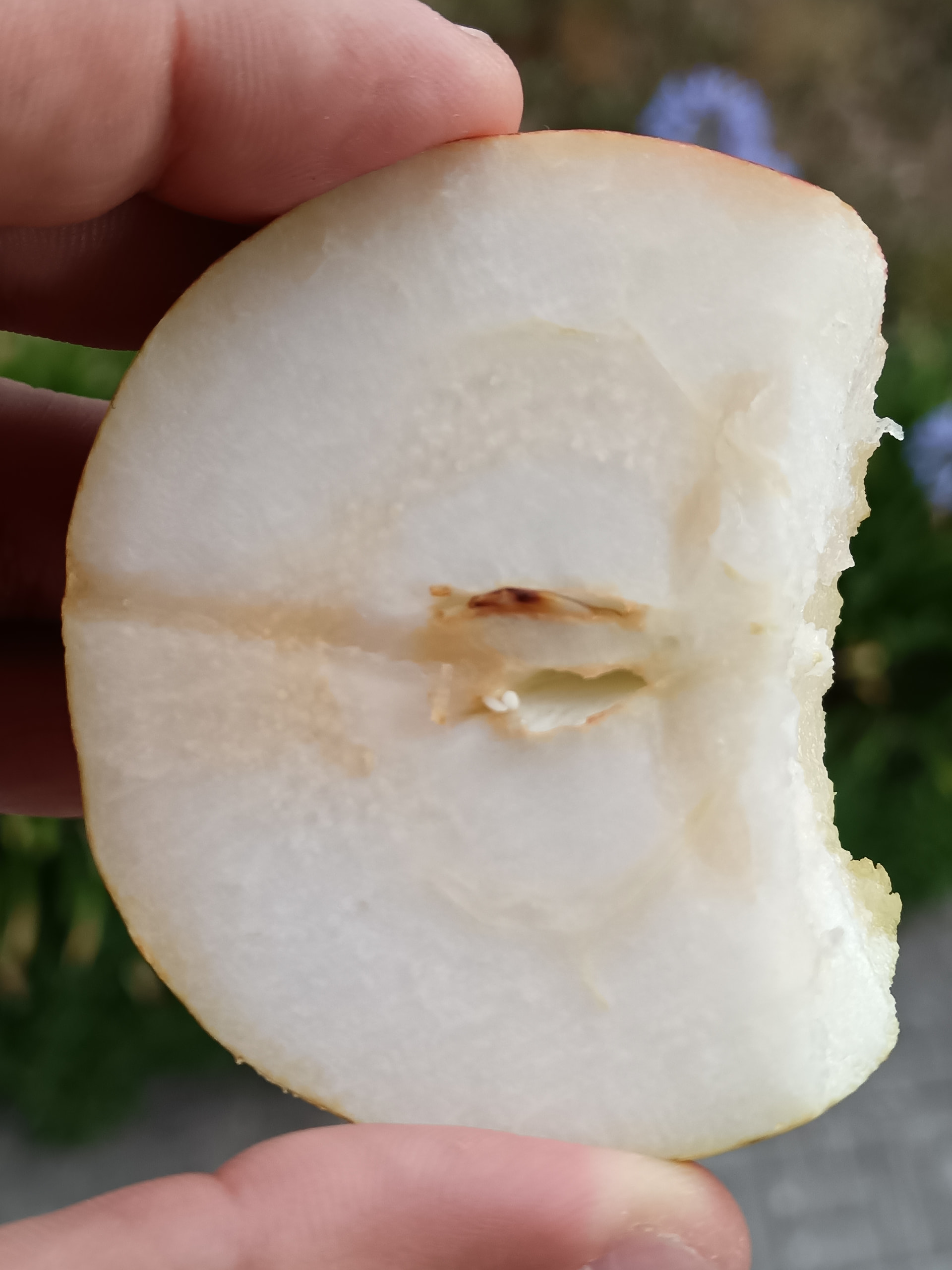
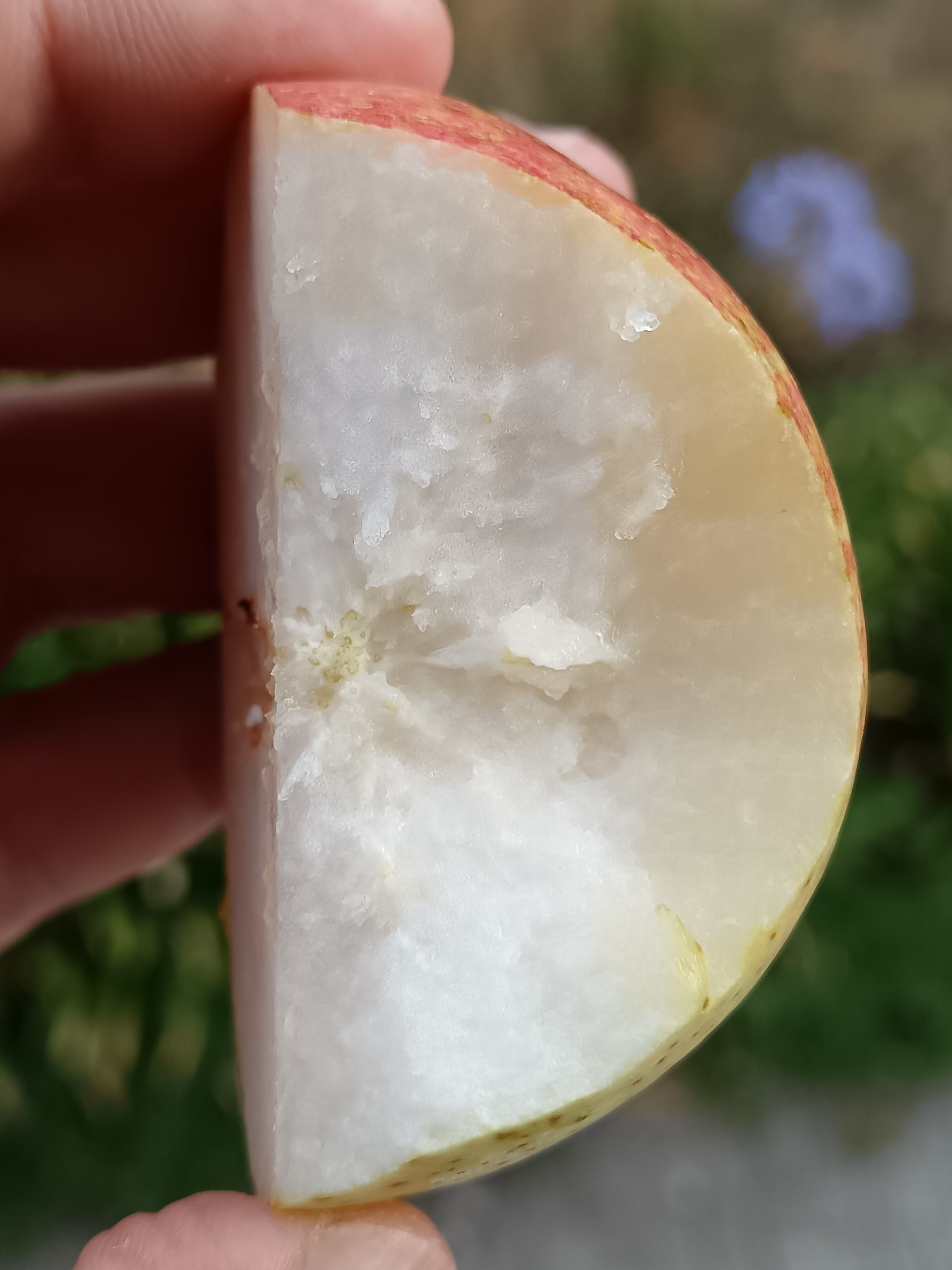
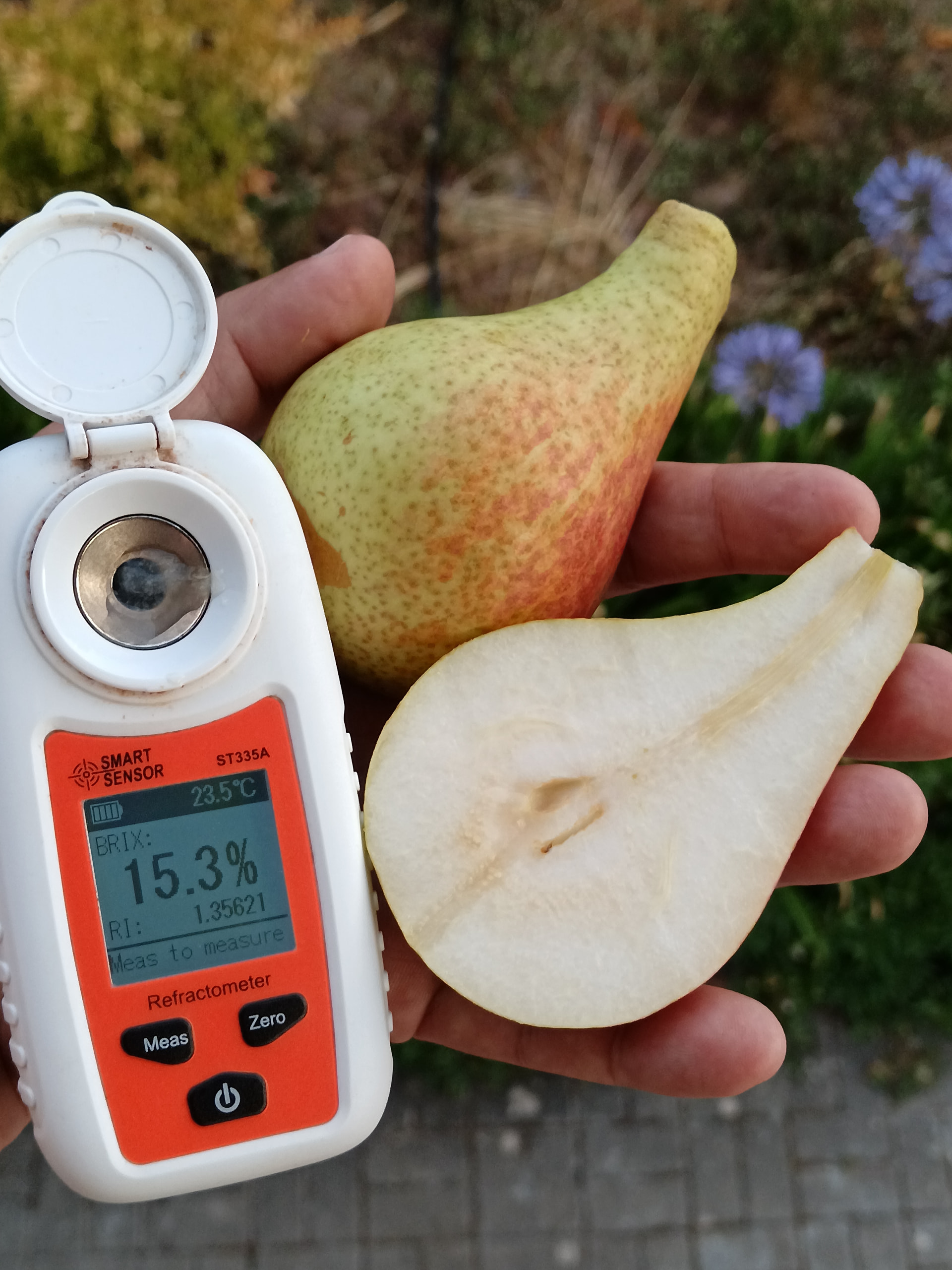
Luis, do you realize posting things like that constitutes cruel and unusual punishment?

6 Likes
 Oh my…
2 Likes
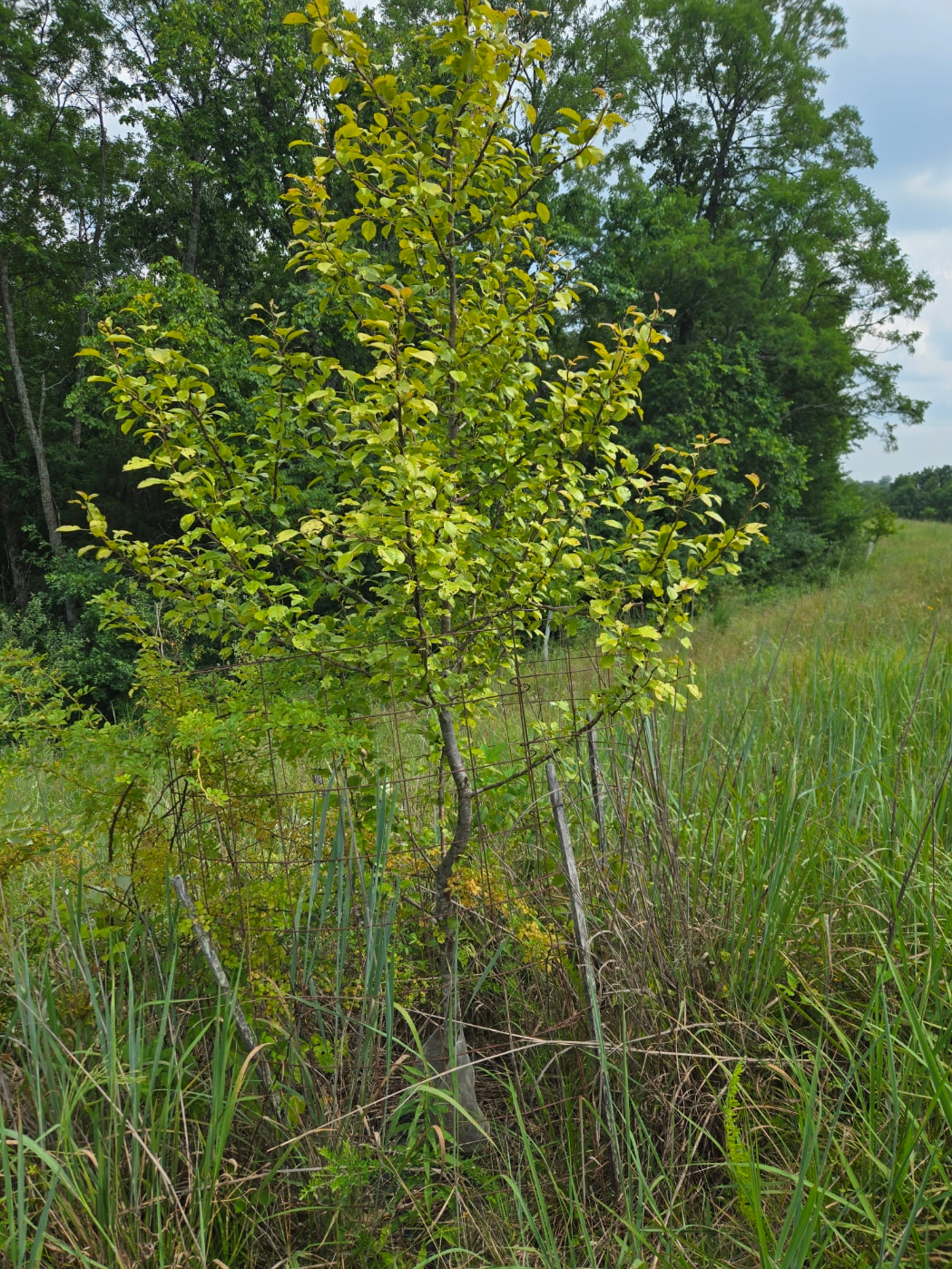
I have a question. I planted about 30 pear trees in 2019 at my farm. Most were European but some Asian pears. I fenced them from deer (and cattle in areas with half the trees), put a weed mat down, and watered when necessary the first couple years. Half the trees are on cattle pasture with predominately fescue. The other half are planted in native warm season grasses (NWSG), which includes mostly big bluestem.
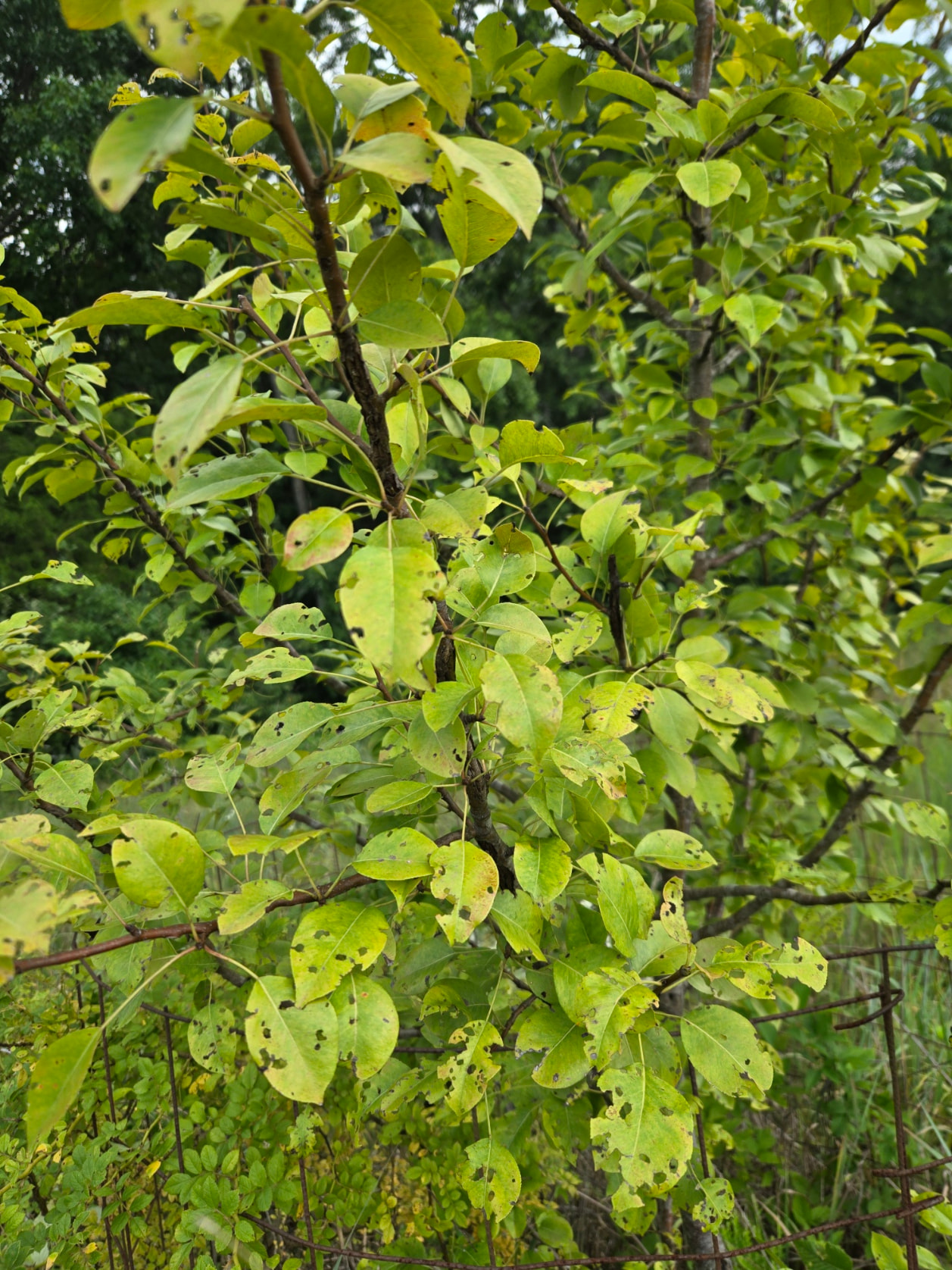
I tried a bit of fertilizer one or two years and noticed that several had branches hit with fireblight. I’ve since not fertilized and haven’t noticed any major strikes. The problem is that 50-60% of trees in the NWSG have been extremely slow-growing and have chartreuse leaves. I haven’t even seen a bloom yet on those trees. The trees on cattle pasture are overall roughly twice the size. I haven’t been able to get more than a handful of pears past June presumably because of late frost some years and squirrels every year, but that’s a problem for another day. Despite better growth on the cattle pasture, there are probably 2 trees that have stunted growth and chartreuse leaves.
When things slow down and cool down, my plan is to check them all to make sure that the weed mat isn’t below the vegetation growing around the tree and choking it out. Beyond that, I’m not sure if it’s a nutrient deficiency or root competition. I know NWSG have deeper roots and it’s probably tougher for a pear tree to compete with. It doesn’t seem invasive autumn olive with shallow roots has too much of an issue growing in it though. In 2019 and possibly 2020, I’ve sprayed Round-Up around the tree, but the bluestem creeped back in quick. Long-term suppression seems to be a difficult task.
Perhaps it’s a nutrient deficiency if some trees on both properties have chartreuse leaves. Fields have had lime applied a time or two over the years to raise the pH. I’d appreciate any thoughts you could share about how to. There’s clearly a fabraea leaf spot issue this year due to the rain. I don’t think that’s a problem every year though.
1 Like
That is classic nitrogen and potassium deficiency. Slow release nitrogen should make a difference.
3 Likes
Orient tends to be drier than the typical European pear. If they aren’t dropping I would try leaving them on the tree longer.
2 Likes
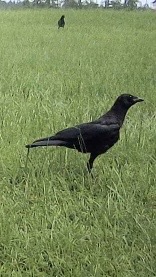
I wish I could leave them longer, but not possible. I read it by pulling them and leaving them on the counter for a week or so they will get better. Lost more than 50% last year due to crows here before it was raccoons took them all doing a little better this year. I have motion alarm for a shotgun sound a fake dead crow trunk protection, and I have them bagged only lost a couple to the crows. They went right through the bag.

1 Like
Thanks @Fusion_power. That helps tremendously. Should I wait until the Spring to fertilize?
Would a dark coloured bag help? It might make the fruits less visible to them, or perhaps I’m overthinking it.
A small amount of fertilize now would help. I’d give each tree a couple of pounds so long as they are at least 9 feet tall.
1 Like
@Fusion_power .. don’t remember a year when we got so much rain in July.
Sometimes 2 or 3 good rain showers a day and in between lots of sunshine.
Hoping this makes for extra large persimmons this year.
TNHunter
I thought I would give a little information about my fire blight for the year, so here goes.
We should all remember that fire blight resistance does not mean immunity! As I posted on another thread several years ago, I had friends in southern MS and LA that occasionally lost Warren trees to fireblight. And we should remember that the bacteria does mutate and different strains act differently.
This is a bad fire blight year here in northern California about 60 miles north of San Francisco. I live in Sebastopol in what is known as the coastal cool climate zone. We had very unusual warm weather almost the entire month of March with high temperatures into the 90s. This is a historic Gravenstein apple growing area, and long-time apple growers say this is the worst fire blight year they have ever seen. I have had a lot of terminal and spur blight on my apples, but no fatalities yet.
For the pears, as of 7/21/2026: So far, I have removed large trees of Easter Beurre and Leopardo Morretini. Small trees of Rousselet of Stuttgart x Dr. Jules Guyot Hybrid V and Rescue. The following grafts have been removed. I starred the varieties that I no longer have in my orchard:
Beurre Superfin
Canal*
Concorde*
Doyenne Blanc*
Gorham
Juteuse de Chailly*
Rousellet de Rhims*
Suij
Urbineste*
The following have been severely cut back:
Asians:
20th Century
Drippin’ Honey
Hosui – I thought this variety was not going to survive, but it seems to be regrowing some healthy twigs.
Shinseiki
Europeans:
Barlow AKA Eric’s Pear
Late French
Chapin
Doyenne du Comice - old tree with multiple severe strikes – still had strikes this week
Doyenne du Comice Crimson Gem
Doyenne du Comice Regal Red
Doyenne du Comice Spur - think this entire graft needs to be removed
El Dorado
Onward – still had strikes this week
Patrick Barry
Seckel
Taylor Gold– still had strikes this week
Of the pear varieties that are known to have good resistance, Shenandoah had many bloom spur strikes but no extension into the limbs. That has been my impression of this variety in the past. Magness had one small strike, Tyson lost a small limb, and as noted above El Dorado had to be cut back severely but is regrowing well. Also, as noted above, Seckel had several large strikes that I removed early. No further strikes. Clark, I think you have said there are several Seckel clones or imposters out there, and I’m wondering if the one we grow around here is a true Seckel. It doesn’t taste as good as I remember my Seckels in MS.
And interestingly, some P. calleryana suckers at the base of several trees had strikes.
But all that said, I have excellent crops of the Magness/Warren/Jana’s Pear group and many others. Today, I started picking Butirra Rosata Morettini. It is a little later than I thought it would ripen. Beierschmitt should be mature very soon. The Warren group should be ready to harvest in the early part of August.
Maybe I can post some photos later.
David
5 Likes
Thanks for the update.
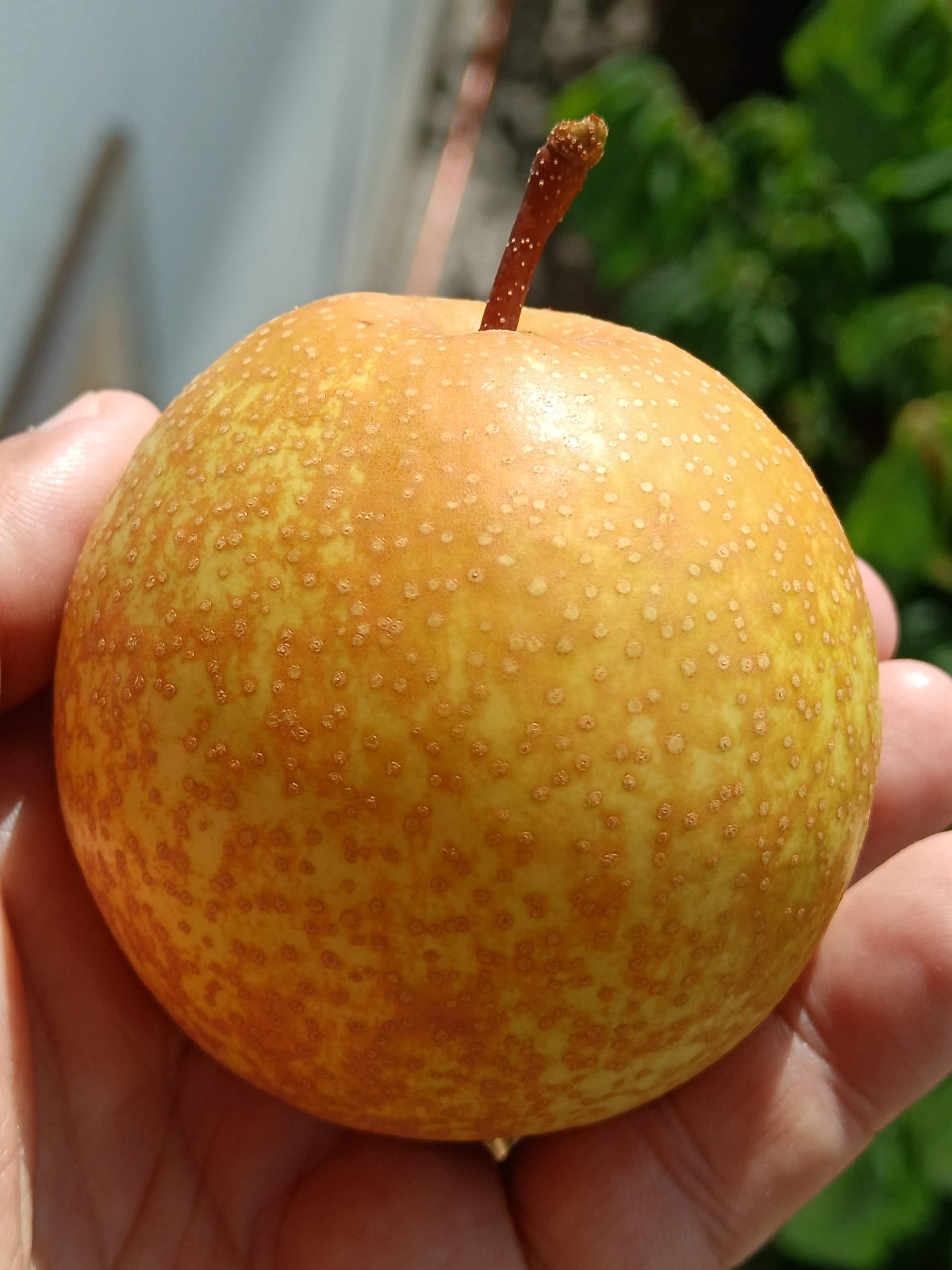
I really don’t know. I have probably over 300 of the white bags of all various sizes so I went with what I had. I actually think the white might be better because they don’t like shiney stuff and the white bag is kind of flutter in the breeze, two years ago. I lost my entire pair crop to raccoon 80 pears in two days. The raccoons wait until they’re big and almost ripe the crows will attack them whenever they’re small because they’re mainly after the seeds when they’re very small size However, I have found that they will still attack them when they’re almost ripe and eat the flesh. I lost over 30 pairs last year to the crows before I started bagging them. I didn’t lose any to raccoons because I used trunk baffles last year
So far, I have only lost one to the crows and not even all my pears are bagged I really don’t I think they like flying in the tree with all those bags fluttering about, but whatever the reason I’m OK I have my game camera set up on one of the trees and they will not fly up into the tree. They just stay on the ground.
1 Like
Word of advice. I’ve watched cattle completely bull doze 15-20 foot pear trees down to get the fruit. Those fences may not be enough.
Wow, that’s a pretty long list of strikes. It was horrible here also. I had about 13 pear trees and three apple trees get hit. Most I was able to cut it out, but two I just keep cutting on and more keeps popping up. Those two are not dead yet, but I think they will have to be taken down to just above the graft line to “maybe” save them. Odd you said Seckel as mine was also lit up pretty good. I lost almost half of that one. I agree with your resistance statement. Here “resistant” and prone trees alike were hit. It sucks losing all the time and work invested in trees, but I guess that’s part of the game.
2 Likes