Duh. I should’ve thought of that. I have a son renting in Hawaii with a ton of trees in pots for exactly that reason. Unfortunately for his garden, he’s moving to CA and can’t take the trees with him.
2 Likes
I would put up a shade cloth over them during those hot days. Also mulching the base of those trees will help preventing water evaporation.
1 Like
That’s a lot of slides! The presentation looks very through  Nice job.
3 Likes
Thank you for sharing your hard work on the presentation with us.
3 Likes
Thanks @FarmGirl-Z6A/@ShiverMinneapolisZ4b / etc , I’ll keep it as an evolving document. If any new pics or info, I’ll add onto it.
2 Likes
6 Likes
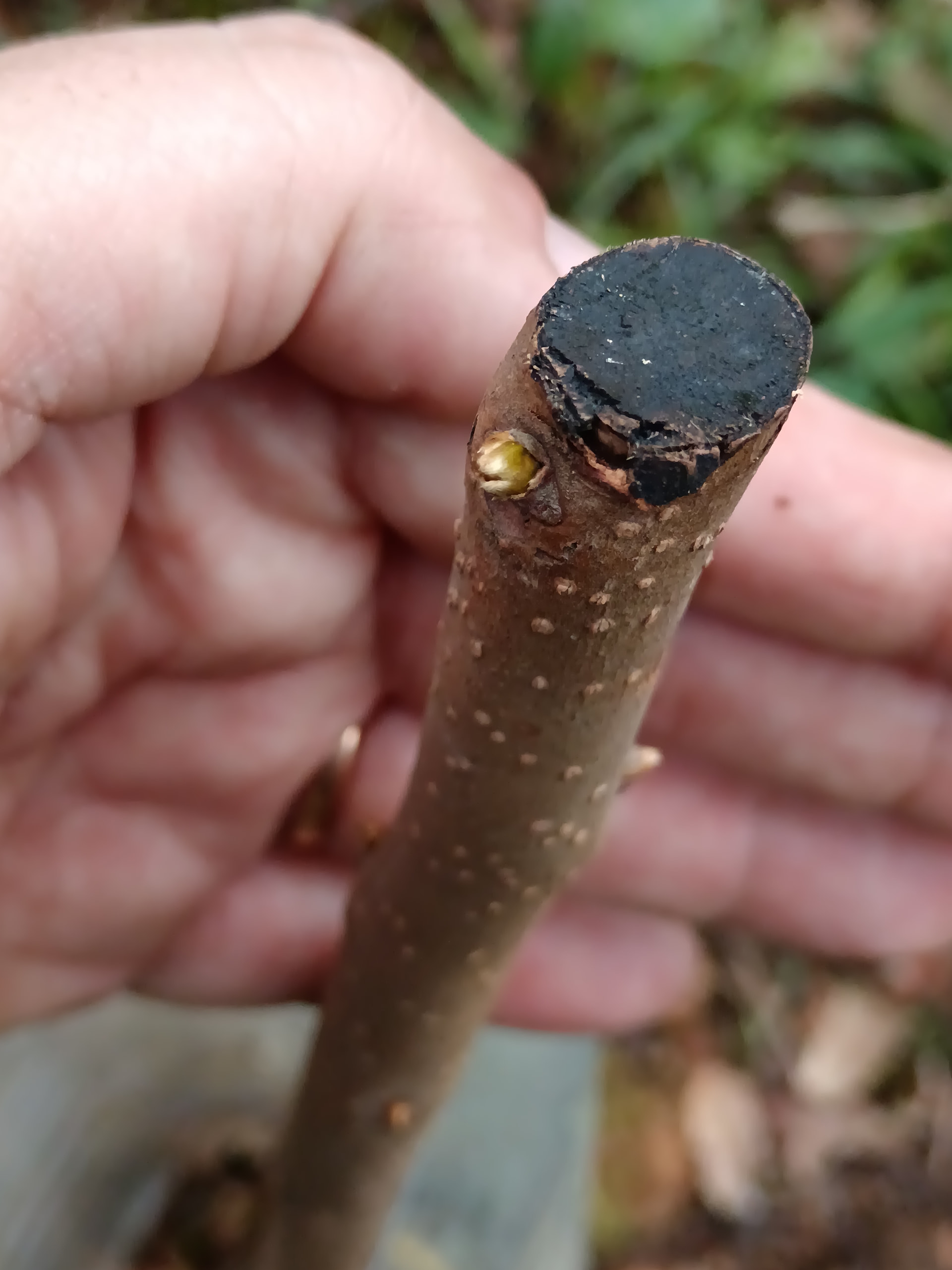
I have an order of 50 American persimmon bare root seedlings coming from the Kentucky forestry department. They are 1-2 years old and 12-24” tall.
I have several questions:
Thoughts on grafting versus natural seedlings? What are the odds I get good fruit from these? How long would you wait to graft and what style (scion next winter or chip budding next summer)? I live in the mountain west, zone 6a; are there any special considerations there?
Thank you!
1 Like
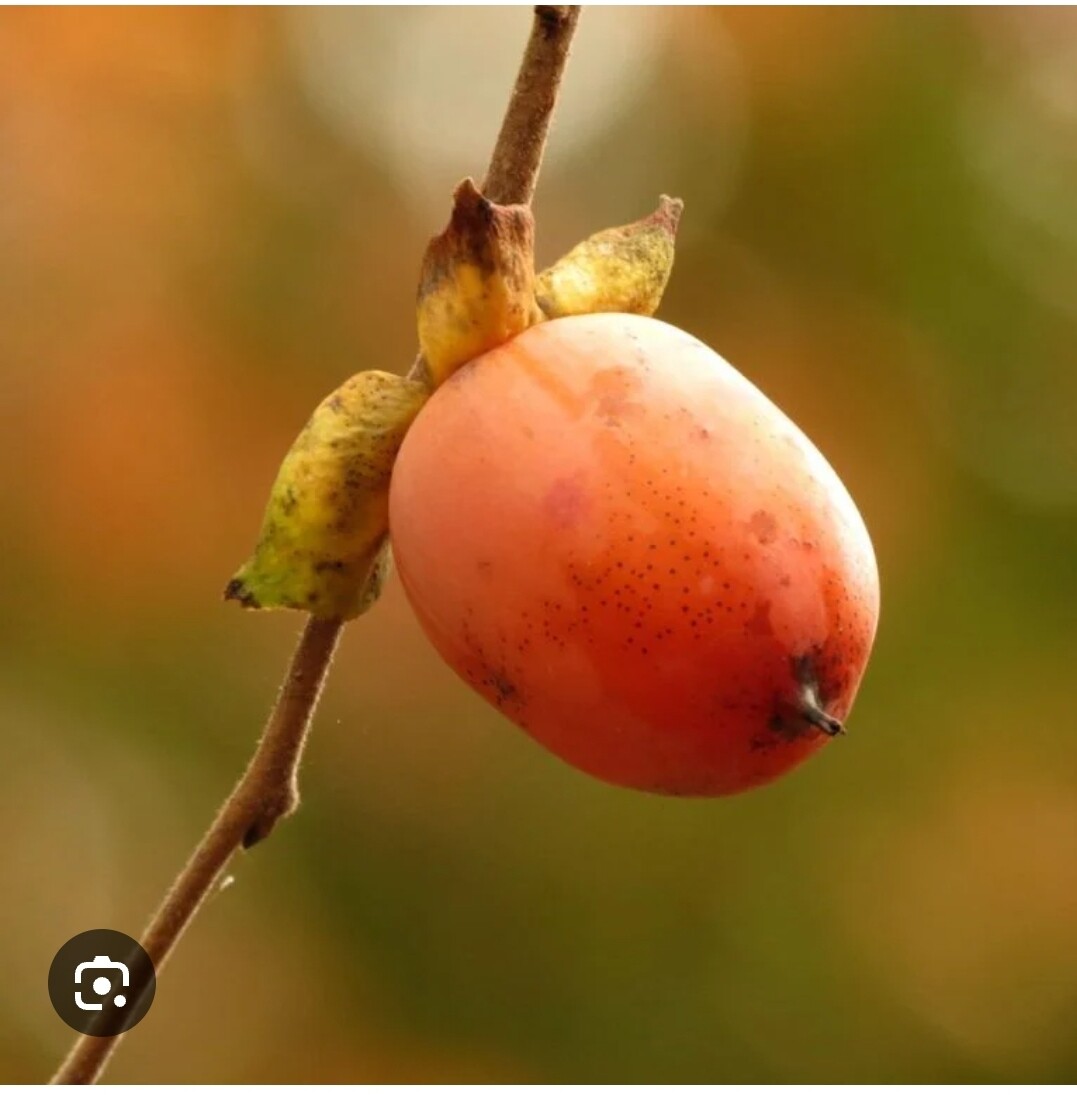
Most wild persimmons are going to taste pretty good. The downside is they need a male and are usually smaller fruits full of seeds. I used to eat them before I got named varieties. IMO the wilds carry a wider taste range than named varieties that all taste pretty similar.
5 Likes
Also most wild seeings are male. I have read numbers in the 80% range
3 Likes
People have spent many thousands (maybe millions) of hours searching the woods for tasty fruits, selecting them for future cloning and breeding, growing and testing the offspring . . . . It seems utterly impossible that the resulting named varieties are not superior to the random fruit still ripening in the wild.
Get some scions from superior named varieties, and graft them.
3 Likes
But a wild variety may have a unique trait that could be useful in breeding. It may not necessarily be better in every way, but just one interesting trait is enough
6 Likes
If you are grafting, consider early ripening varieties since 6a will be short for long season varieties. Persimmon don’t ripen all at once, and many varieties ripen over a long period of time, so a late variety, like rosyanka, may not ripen a full crop.
Seedlings can make great tasting fruits, but the most undesirable trait to me is astringency that lasts. Cultivated varieties like H63a can lose that astringency very early, but some cultivars will remain astringent without a long bletting time.
Another consideration is size and precosity. More precocious persimmons tend to make less tall tree forms, which is good for picking since the fruit doesn’t splat on the ground when falling. It is also nice to get fruit in 2-4 years vs 7.
For wildlife, seedlings are great. For people, I would graft.
6 Likes
Though I dream of a test field, I will leave that to people with acreage. On a small plot, I don’t think it’s worth the gamble.
2 Likes
Sure, if you are actually going to engage in breeding. Is there anybody in this thread who is planning on breeding American persimmons?
Also, the traits of many dozens of varieties produced by breeding have been catalogued. What else would you like to find in a persimmon, if possible?
Non astringency in an American strain (PVNA)
They are definitely pollinated by bees and other insects, not wind. Wind pollinated flowers have different structures, like mulberry catkins.
2 Likes
I don’t mind astringency/PCA. Most of the better Asian varieties I prefer to eat soft.
It would be cool if you can pick American persimmon hard and ripen it to it’s soft form off the tree (or a hybrid that’s truly tastes like an American that you can do the same). I tried 5 hybrids this year and they taste 99% like Asians. Nice, but no butterscotch flavor. Someone breed that for me :).
Curious has anyone tried UKR 15-9?. that’s the next one I’m interested in that 1 or 2 nursery/growers have said may have amazing unique flavor.
2 Likes
i swore i was done trying then a friend sends me some unlabeled “American persimmon” stick so i guess here we go again.
i think it’s too dry summer and too cold winter for them here as none have survived yet.
heeling this up on the window pane for now

4 Likes
That’s a good one. But growing seedlings seems a very inefficient way to find this trait. It seems better to try to discover NA varieties the way the Japanese and Chinese did – walk the woods and sample as much unripe fruit as you can. It would be a disgusting way to spend August, but that’d be most efficient. Just be sure to spit, not swallow – the tannins would give you bezoars, for sure.
Early loss of astringency or just very early ripening (still PCA) might be traits that are more likely than total non-astringency (PCNA) or non-astringency when seeded (PVNA). Again, a rough way to spend September, ow whenever.
3 Likes