Hello,
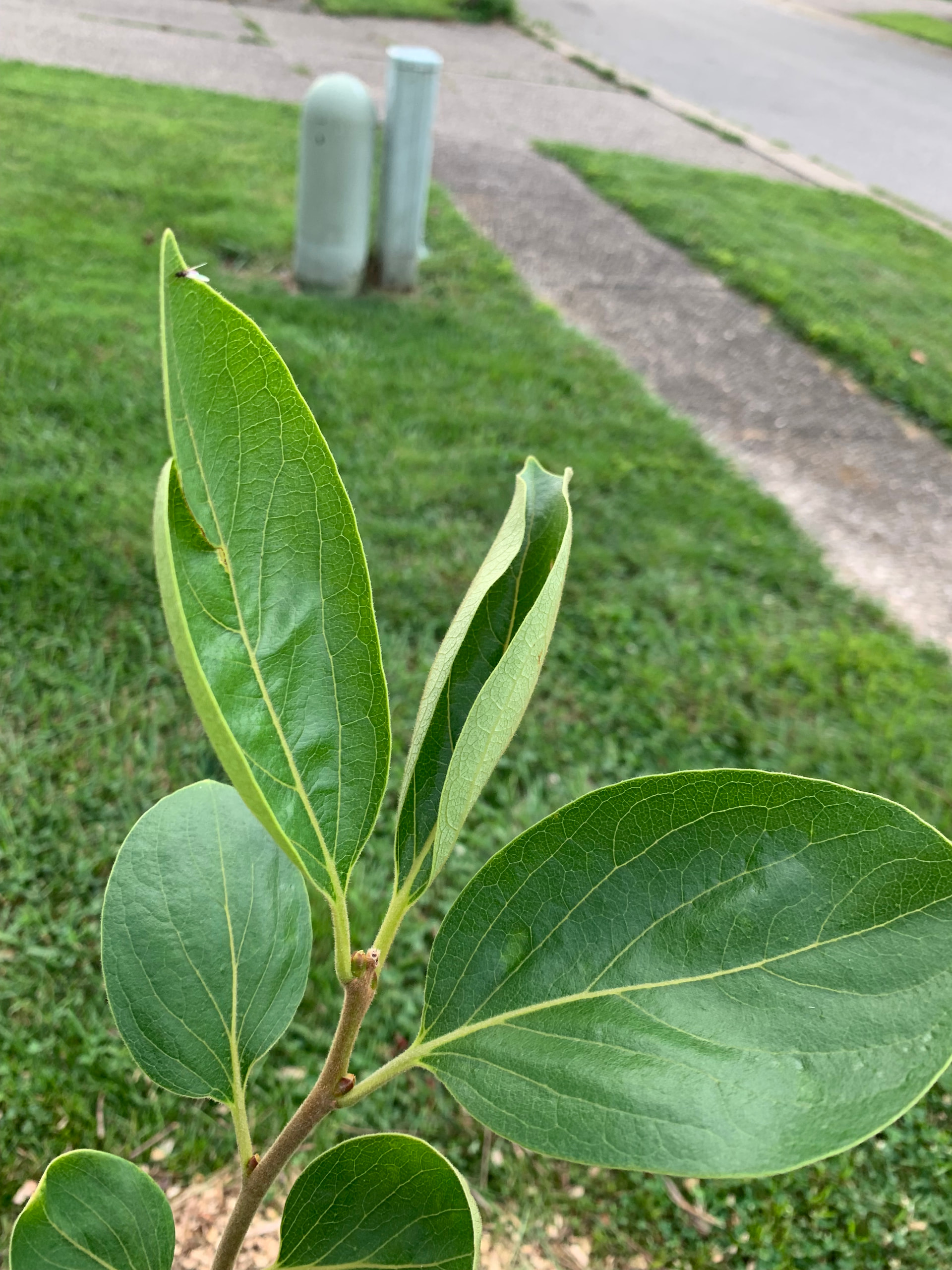
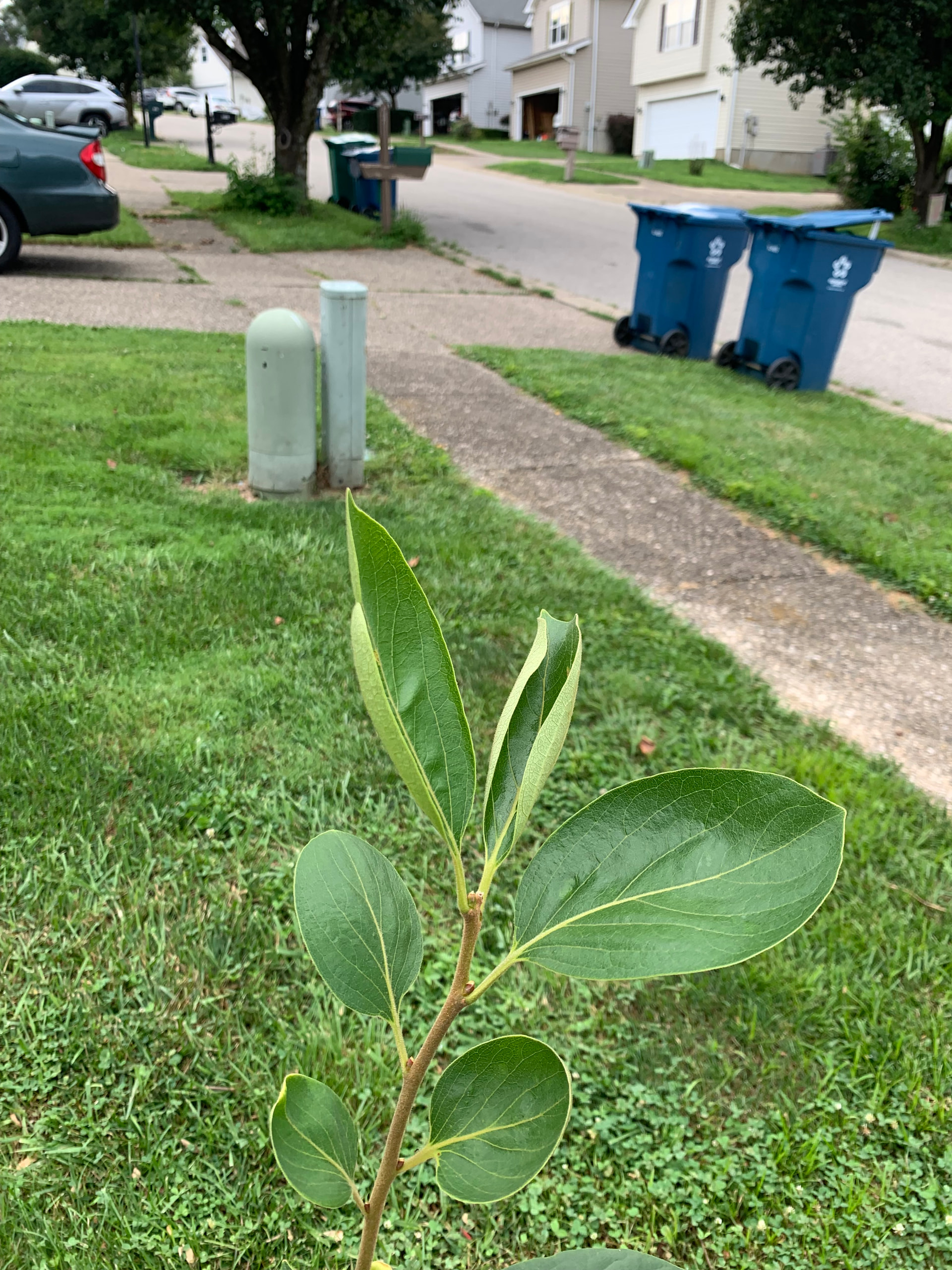
I have 3 persimmon (diospyros virginiana) trees, two of them Yates, the third one of unknown variety. I think it was the rootstock of a died back kaki, but I am not 100% sure. It’s definitely a female tree though.
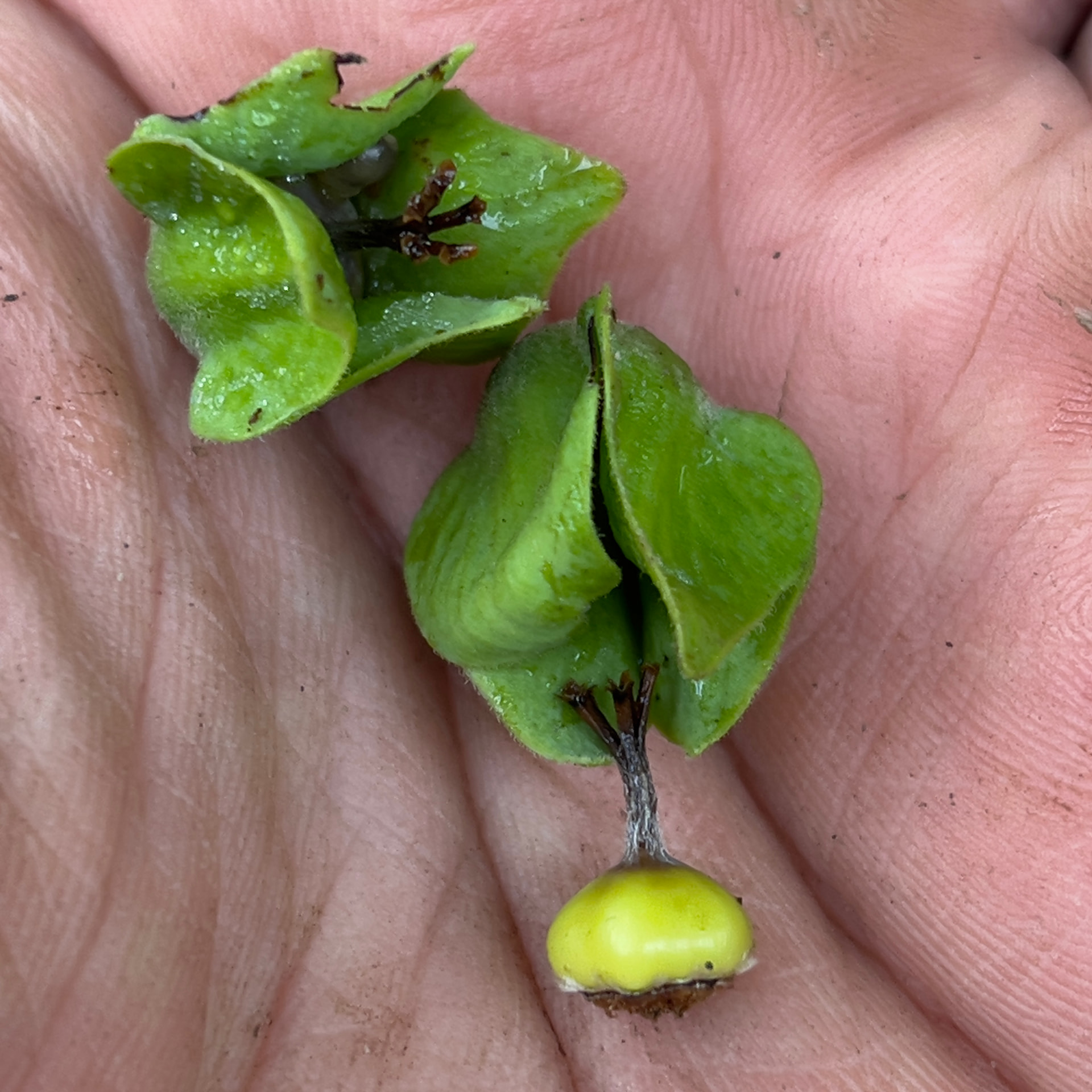
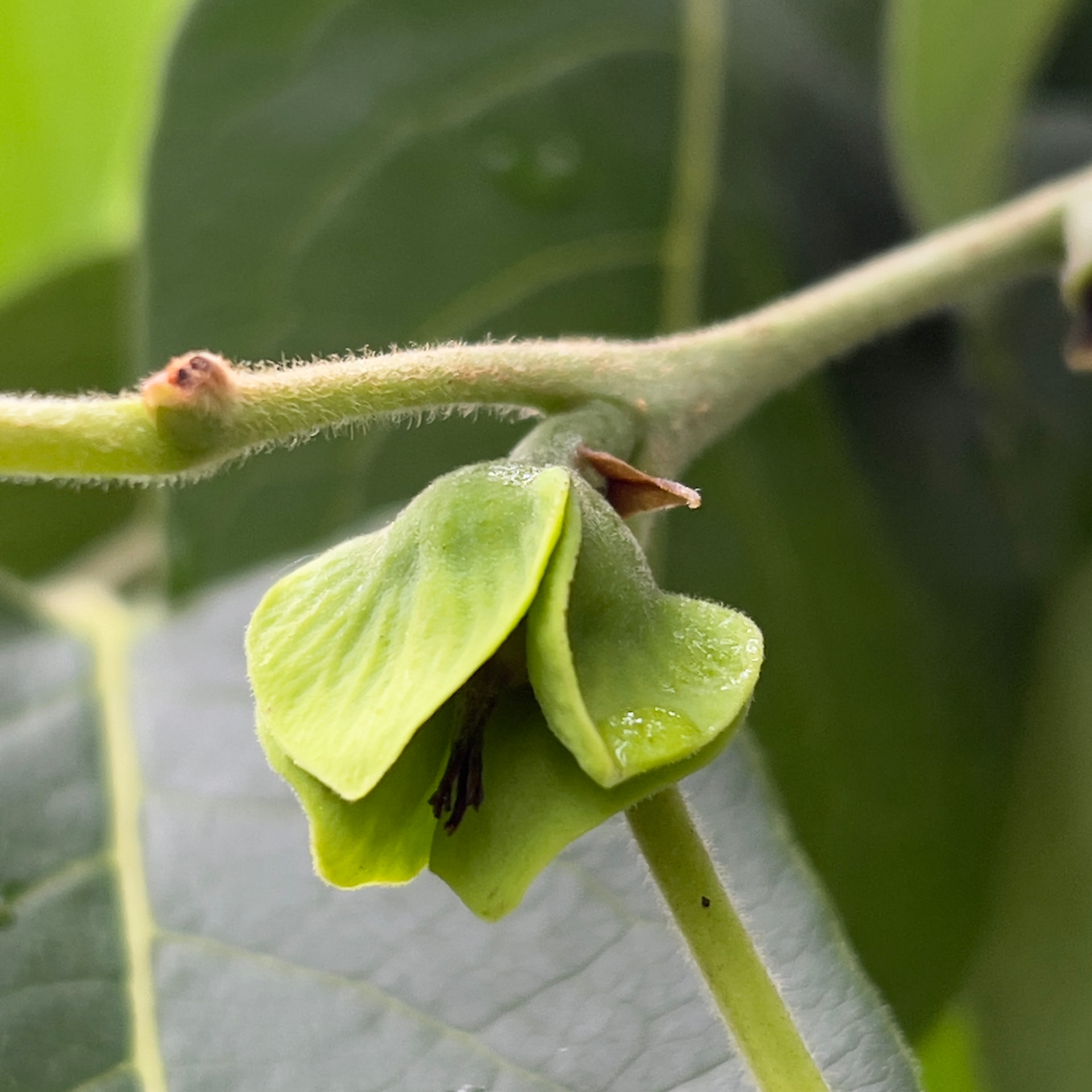
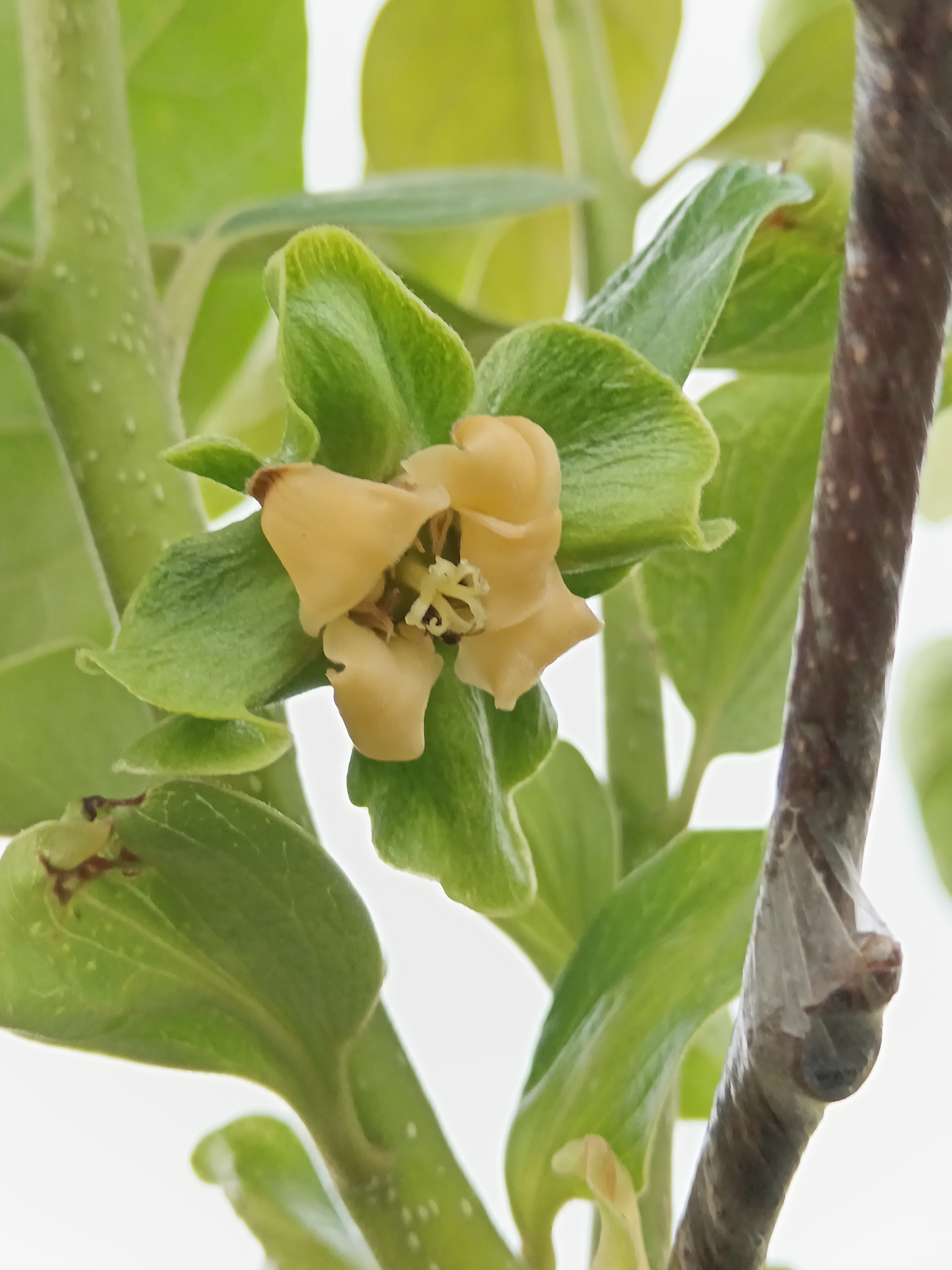
I have them in ground at my site since 7 years. Last year they started flowering and setting small fruit and this year again. In both years though, ALL of the fruit were dropped at the size in above picture (late june)
I am in an urban zone 8b in Central Europe. The trees are growing slowly but without issues
Any recommendations?
I am not familiar with Yates, but here is what an AI search tells:
Yes, the Yates American Persimmon is self-fertile
. A single tree will reliably produce heavy crops of delicious, seedless fruit without requiring a male pollinator nearby. This process, where the fruit develops without fertilization, is known as parthenocarpy.
While a solitary Yates tree is perfectly capable of fruiting on its own, it has a few specific characteristics you should keep in mind:
-
True self-fertility vs. parthenocarpy: Most American persimmon cultivars actually produce fruit parthenocarpically rather than through true pollination. If a male tree is not present, your Yates persimmons will be entirely seedless.
-
Yield optimization: Although a pollinator isn’t required for fruit, some orchardists note that having a compatible male persimmon nearby can occasionally improve overall yield consistency.
-
Hardiness: This variety thrives in USDA zones 5 through 9, producing rich, apricot-flavored fruit that ripens in early autumn.
-
Harvesting: The fruit is highly astringent until it reaches full maturity, at which point it becomes soft, sweet, and naturally drops from the branches
So if you have limited space you might try adding another pollinator to cross pollinate your Yates.
Here are AI recommendations for DV male flowers
Common American Persimmon Varieties with Male Flowers
-
Early Golden: A famous native selection and its direct descendants (such as Garretson and George) often produce male flowers. Early Golden is unique in that it can sometimes be monoecious, meaning it produces both male and female flowers on the same tree.
-
Szukis: Known to produce male flowers, though its floral expression can sometimes be mixed or unpredictable.
-
Seedlings: If you plant unsexed American Persimmon seeds, up to 80% of them may turn out to be male
Persimmon flowers and young fruits commonly drop off due to natural self-thinning, especially in young trees. Other primary causes include pollination failure, extreme temperature shifts, incorrect watering(too much or too little), and excessive nitrogen fertilization which forces leafy growth over fruiting.
The main reasons for persimmon flower and bud drop include:
-
Tree Age and Self-Pruning: Young trees frequently drop flowers and unripe fruit so they can focus their energy on root establishment rather than fruit production. Even mature trees will drop excess blooms if they cannot support the projected fruit load.
-
Inadequate Pollination: Although some persimmon varieties (like Fuyu) can produce seedless fruit via parthenocarpy, they are prone to dropping unfertilized flowers or small fruits prematurely. Planting a compatible pollinator variety nearby, such as ‘Gailey’, ensures higher retention and larger crops.
-
Moisture Stress: Drastic fluctuations in soil moisture, such as a severe dry spell followed by heavy rainfall or over-watering, can shock the tree and cause flower or fruit shedding. [1, 2]
-
Temperature and Weather: Cold snaps, late spring frosts, or sudden heat waves can damage developing blooms. Furthermore, heavy rain or wind during the blooming period deters pollinating bees and can physically blow flowers off the branches.
-
Nutritional Imbalances: Over-fertilizing with nitrogen causes rapid, tender foliage growth at the expense of fruit development. Conversely, broad nutritional deficiencies can also cause the tree to shed flowers
We had a recent heat wave with multiple days of more than 40 degrees Celsius.
I never ever watered the trees, we get 500mm annually and they always look healthy
The soil is also very fertile, even though I never fertilize them, they might have too much nitrogen available.
So those are the possible factors I can narrow it down to: heat wave, maybe water stress, too much nitrogen, no pollination
but it all seems strange, because #1 they behaved the same last year without the heat wave, #2 the trees never show other symptoms of water stress, (and none of my 50+ other fruit trees that grow under the same conditions drop their fruit) #3 Yates is supposed to set at least SOME fruit through parthenocarpy, but my trees drop 100%
As the saying goes, “Even a blind squirrel sometimes finds a nut.”
Anyway, that all makes sense. I’m glad you figured it out and I’m impressed that you’ve maintained such helpful records.
FWIW, according to my notes, David Lavergne crossed Honan Red x F2 Rosseyanka Male to produce a variety named X3 aka Russian Red. What I don’t know is whether Cardinal is that same variety renamed or a different seedling from the same cross.
This was part of the same breeding program that produced Kasandra, which is Great Wall x F2 Rossey Male. I doubt that Cliff created X3 / Russian Red / Cardinal; probably he got it from Lavergne.
@DennisD .. I have only had one hybrid ripen so far and that was Kasandra.. and man was it delicious.
We ate 32 fruits from it and never tasted any astringency at all… but I waited for it to change from orange to reddish… and soften up some.
They were all ripe and ready once they did that… delicious and no astringency at all.
I have heard that when Rosseyanka is orange but still firm… you can slice them and dehydrate them and those dehydrated slices will have no astringency.
You might try that with your Cardinal hybrid some time. Other than that I think you may need to wait for the fruit to soften up some and perhaps turn a little more red.
TNHunter
I’m perplexed by your observation that the trees are growing slowly. In my experience, DV is very vigorous. Also, 7 years is a long time to wait. I have stand-alone trees of H63A, Barbra’s Blush, and Dollywood that I grafted myself in 2022; all are bearing fruit.
Is there enough sun?
So I don’t know what to think about your Yates. But assuming that your Kaki did not die of KSDS, I’d top-work the third tree with a Ukrainian hybrid such as Dar Sofiyivki. Honestly, I’d top-work the other two with Kasandra and another early-ripening Ukrainian such as Sosnovskaya.
Hi Trev
Thanks for your response. Two years ago I had Roseyanka and Kasandra and several other DV grafts growing on a Chocolate tree with the intention of growing a multiple variety tree. Something happened to trigger SDS and the whole tree died. We had enough growth on the Roseyanka and the Kasandra to taste their fruits for two years before they withered away and were very impressed. Now that I have several mature trees producing I hope to obtain scions of those two to start over.
Dennis

To me dropping the fruit first year or two is normal. They should begin to hold more and more each year. The slow growth is normal for some also. I have several of them. Some of mine grow fast and others slow, but most are fairly slow though. Guessing that comes down to the root stock and location. Some people get quick results while others do not. You and I appear to be in the second category.
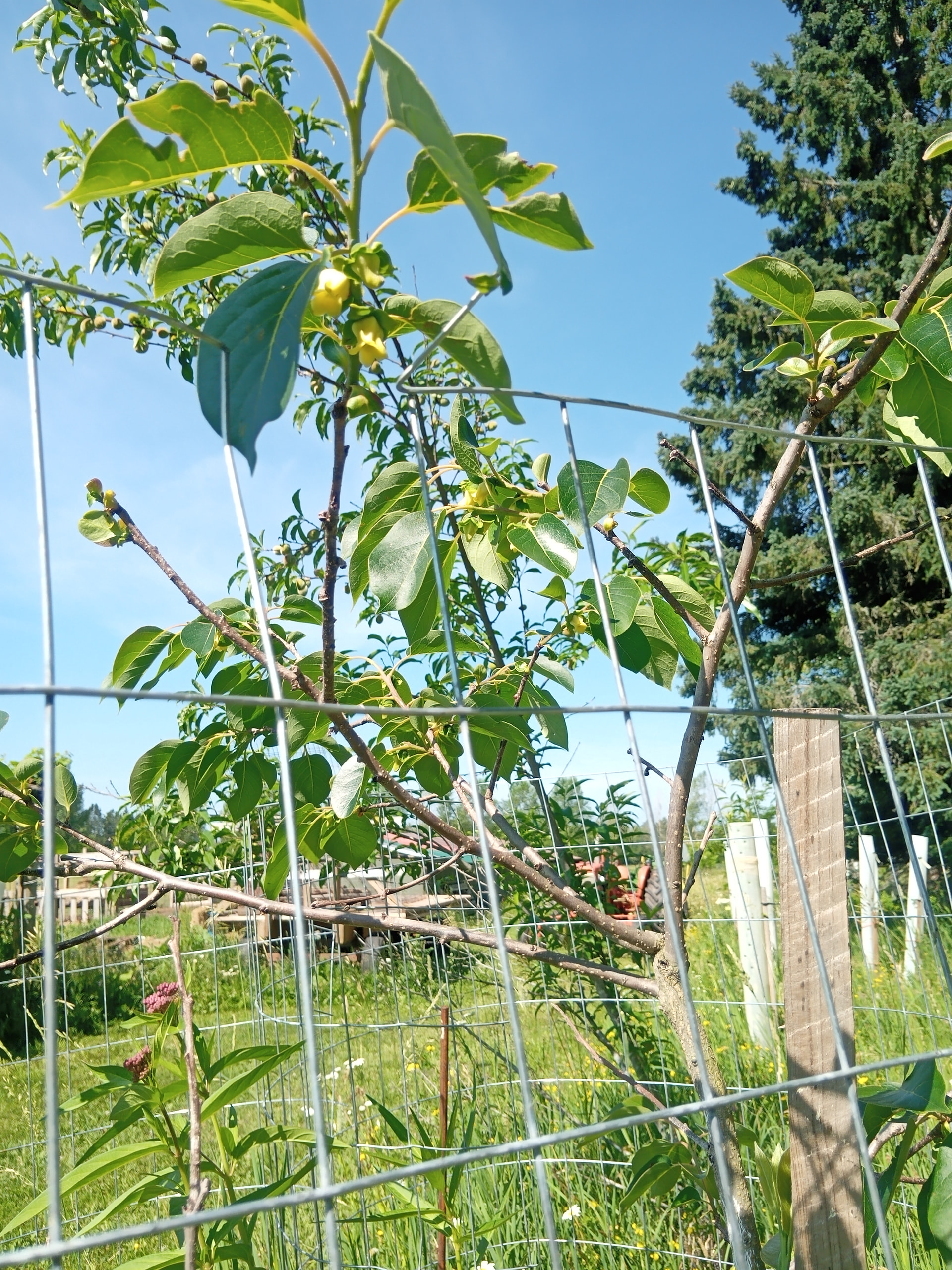
Good luck! Do you have a seedling or a named variety? Here in zone 5 Catskills my seedling male has been feeding the bees for about two weeks, my H-118 just over a week.
The picture is Prok. I have about 60 or so other persimmon trees; a mix of seedlings and about 10 grafted varieties. This is my only tree to bloom so far. I finally have several getting 5-6’ tall. H-118 is growing very well here for a persimmon. Wouldn’t be surprised to see flowers next year.
A good candidate for a union graft: I normally cut the main trunk on a non level cut so that water does not pond in the center where larger trunk cuts tend to dry out and crack leaving space to collect detritus and moisture that can initiate rot before the bark can cover the center. In this case it looks to be level to my eye so you might give the center a thick coat of pruning sealer to prevent that occurring each winter.
I assume this is close to the ground, to allow for some vertical growth: If you let a number of those grafts grow this season, then next spring right before bud break you twist them into s vertical spiral and take note of where the outer bark of each meets the other, and needs to be scarred, release them, scar the bark where each meets the other and seal the union graft joint tightly with elastic material, within a couple of months they will merge into a central leader. At that point you can remove the grafting tape, you can then choose one or more central leaders that will give you the stability you need for future fruit loading. Prune off the excess to give you strong laterals around the perimeter with a strong 5-6 verticals that will over the years merge into a common trunk completely covering that scar.
That would be my approach
Dennis
Kent, wa
@Rubus..
My H63A American ripened 7 fruit in year 2.
Barbaras Blush… 9 fruit in year 3.
IkKJ 22 fruit in year 3.
Kasandra ripened 32 fruit in year 3.
My Prok, Nikitas Gift, JT02 are sure looking like they will ripen first fruits in year 4.
My Cardinal is still holding several nice fruit.. looks like first fruits from it in year 3.
I know that some got first fruit from IKKJ in year 5… And some have had Nikitas gift to drop all fruit for many years… way past year 3.
I have a long hot season here and persimmons love it. Get some awesome growth and mine seem to be fruiting earlier than most.
In a cooler shorter season they may just take longer get to the point of holding and ripening fruit.
TNHunter
I find that yields increase radically over the first few years once fruiting starts. I want to say that my in-ground IKKJs went from 2-3 each in Year 5 to 80-120 each in Year 7. Then there was the near-death experience in Feb 2023 with 0 fruit in 2023, maybe 1-2 each in 2024, 10-12 each in 2025, and what looks like a big load in 2026.
Kasandra was similar – going from a few to >1000 in ~3 years. At this point it’s at a steady state where I prune a lot hoping to keep the harvest below 500. 
I figured it would happen, but lost my first graft yesterday to a strong storm. It was a minor branch on my male persimmon that I have multiples on, so not a huge deal. The main grafts I top worked came out fine. I ended up topping all the growth and am now getting side branches.
My oldest trees are in year 4 now.
I have 8 persimmon trees producing fruit this year… going to get to try several varieties this year.
Last year I had 4 trees to ripen fruit. H63A, Barbaras blush, IKKJ, Kasandra.
IKKJ is holding about half the fruit it ripened last year. Perhaps ripening 22 fruit in year 3 was a bit much for it… So it is resting some this year… and will increase nicely next year.
Barbaras blush is holding about 2x more fruit this year than last.
H63A and Kasandra have increased 5x to 10x.
New ones fruiting this year.. Prok, Cardinal, JT02, Nikitas Gift.
TNHunter