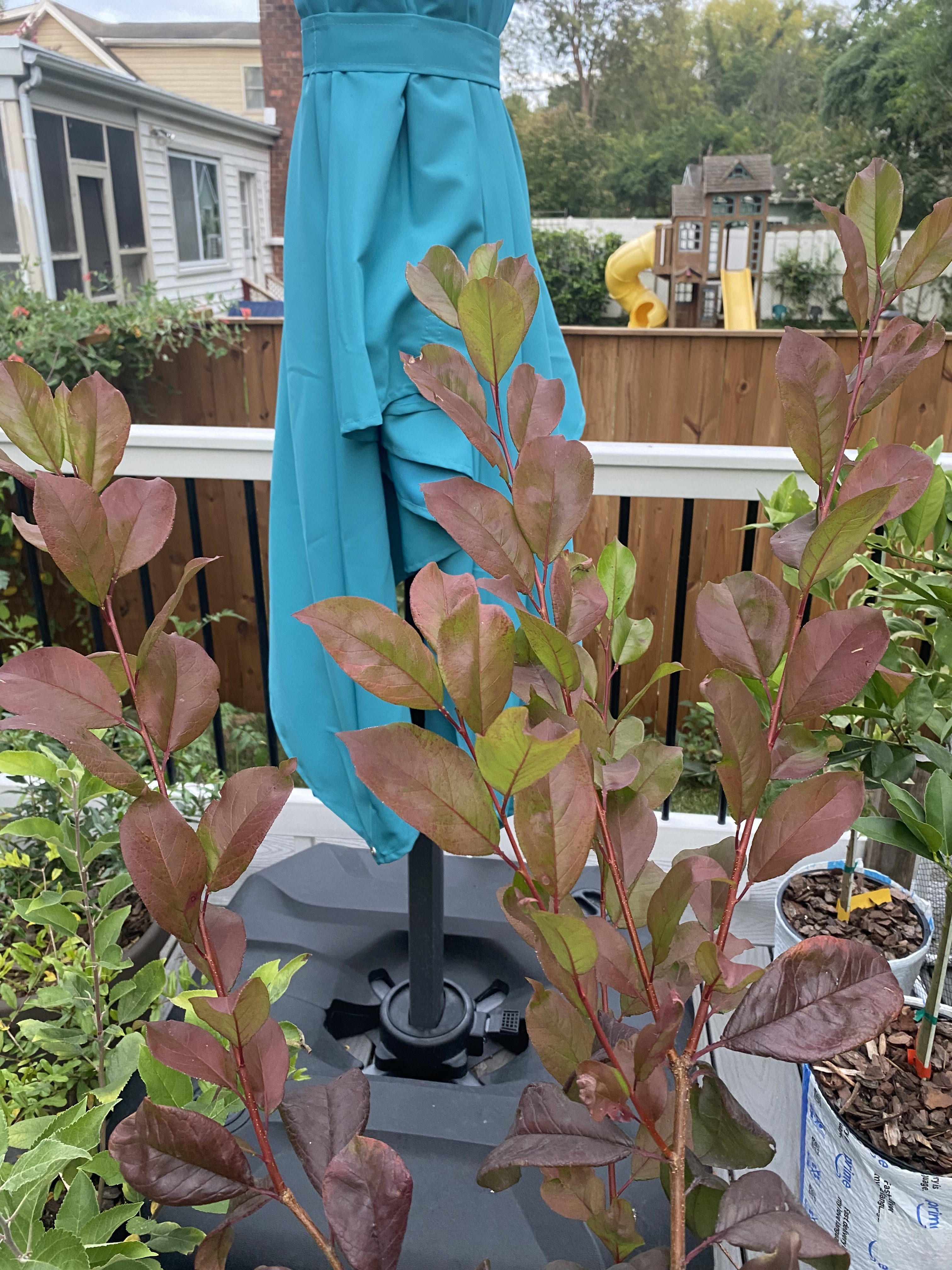
What turns satsuma leaves red? New tree this March and the new growth quickly turned red, but all my plums had leaf spot, shot hole and nutrient deficiency. Treated all issues and all new growth from that point on has been healthy on all trees- except satsuma just turned red again over the course of a week. It’s been pretty cool…does that happen in fall with this plum? Or should I be thinking it’s sick again? (The crappier darker burgundy leaves as the first half of summer growth when it was sick)
1 Like

Looks like an armyworm. An “in general” pest. I usually have them on my sweet potatoes. Theres a couple different species and color variations.
2 Likes
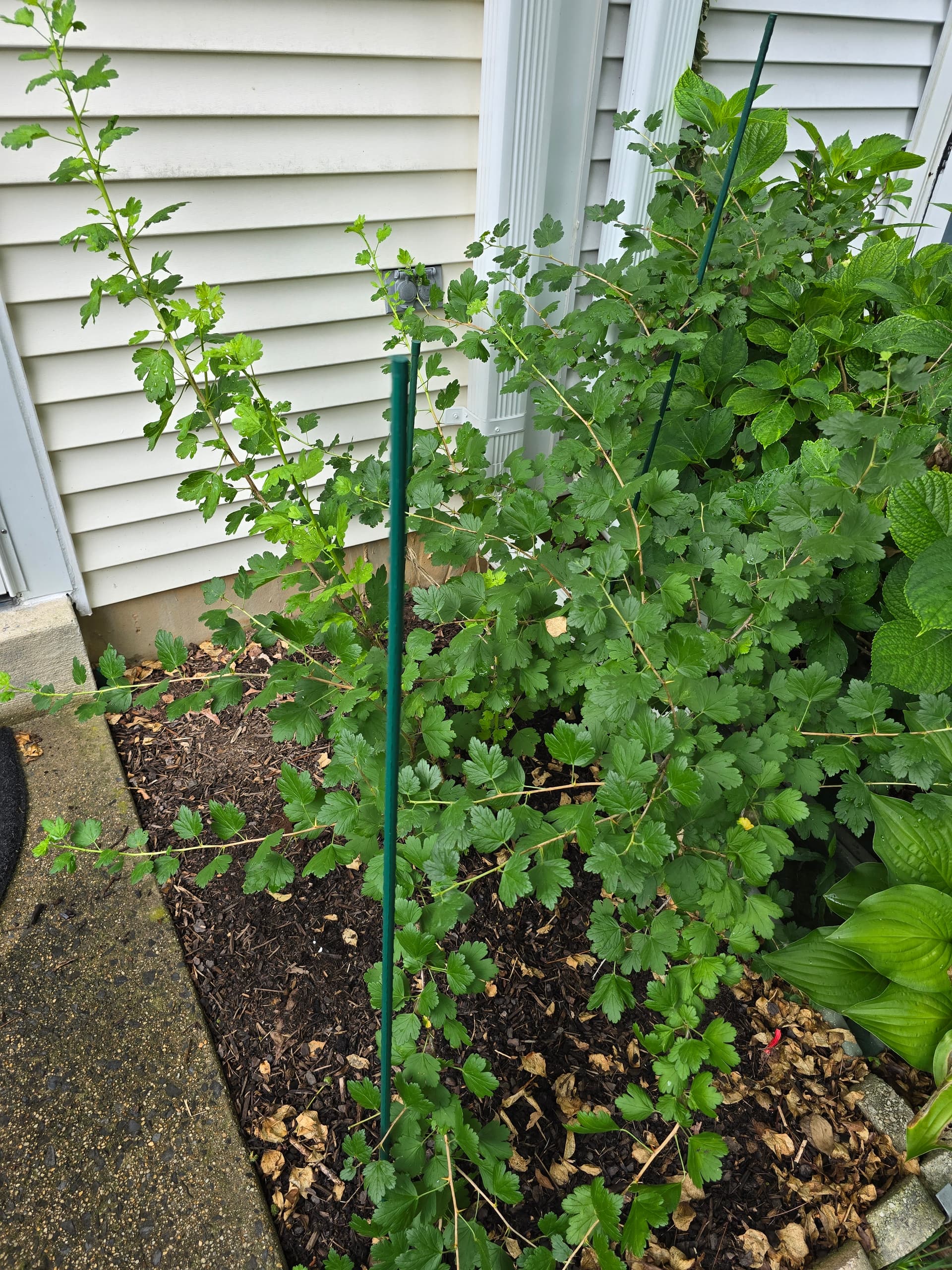
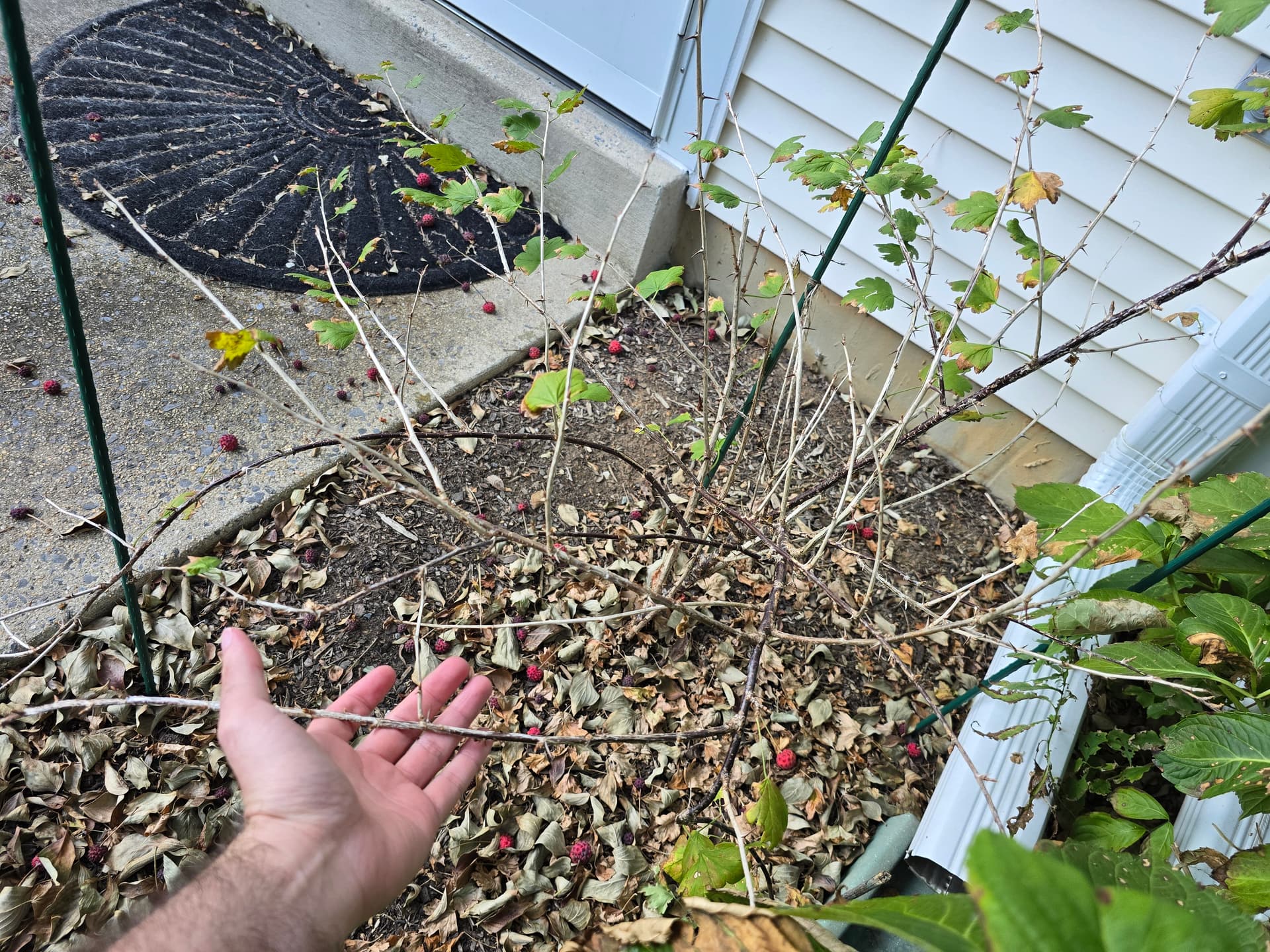
Couldn’t really think of a good place to ask about this. But my gooseberry bush got power washed (likely with bleach, when neighbor got their townhouse done, the company sprayed through my bush to do the other TH) and has basically killed it. It’s about 90% defoliated and getting progressively worse.
The company that did it is being … A pain (I’ll put it that way)
So I’m trying to figure out what the possible value of the bush is. It was 2-3 yrs old when I purchased it, and it had 2 growing seasons since. So it’s a 4-5 yr old bush. (Guessing 5-7 gal pot size minimum at a garden center)
They also got my one honeyberry bush but not that bad so it will recover. They also hit the kousa dogwood and anywhere it was sprayed it lost leaves.
1st pic is June other pic is from Sept 1 about 2 weeks after it got sprayed. no one sells bushes anywhere close to that size . So replacement is a problem because a starter plant isn’t anywhere close a replacement for the damage and the years I’ll have to wait to get it to produce well again.
Maybe consider the replacement as a starter + the amount of organic gooseberries it produces in a year until it’s if a similar maturity?
2 Likes
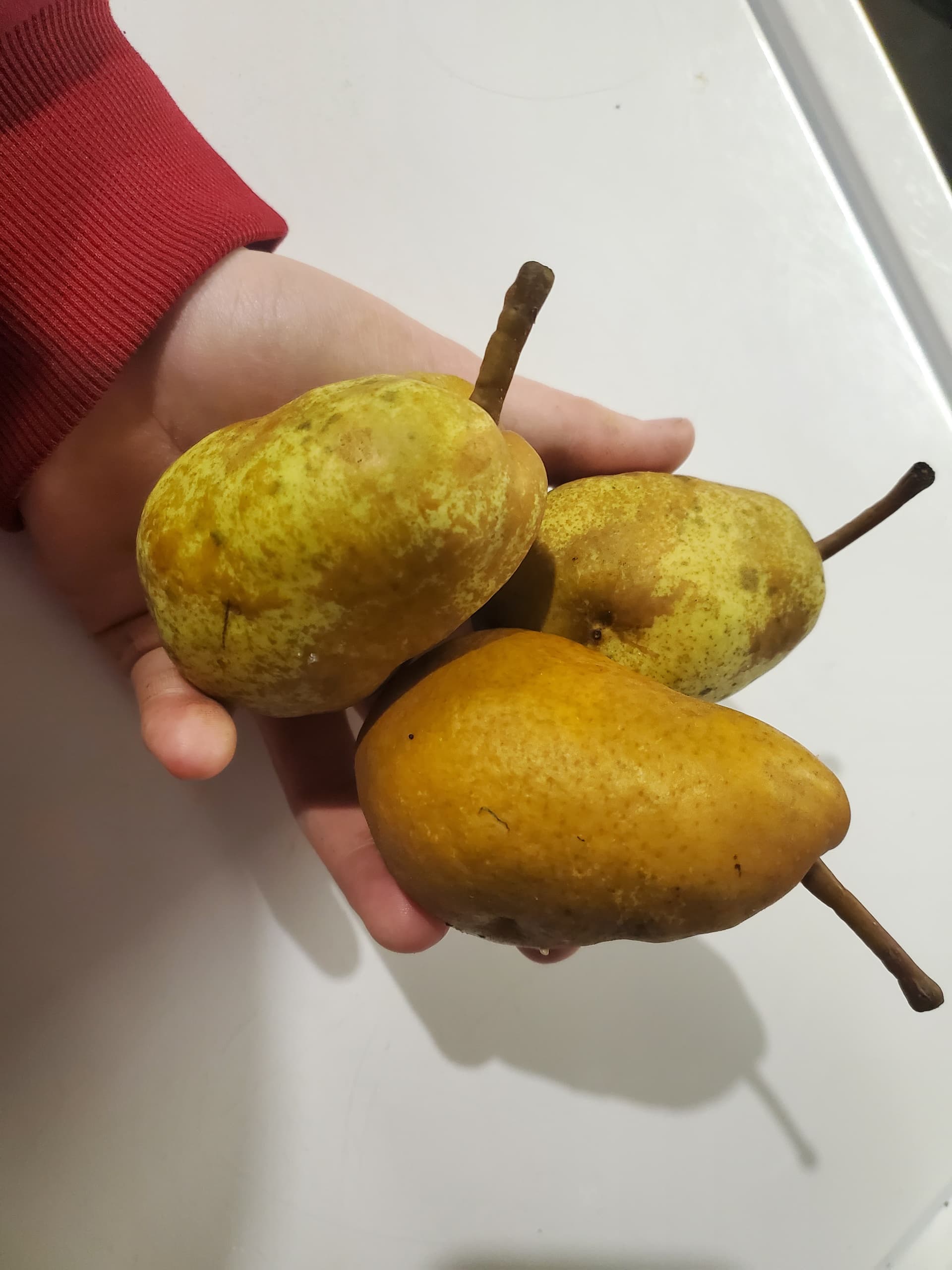
Can anyone ID my missing tag Pear trees. I only have 2 pears in that area planted and neglected long ago. The tags are long faded or lost.
One I’m 100% sure was bought as Ayers(Ayer?) and the 2nd tree is either Delicious or Lucisous. I’m sure it was purchased as one of those names but can’t remember which.
So, anyone familiar with these 3ish pears, do you know which this tree is based on these pears?
They are ripe and fallen off the tree this past week or so in zone 3b/4a US North. I picked these from the ground today perfectly ripe.
These three pears came from one single tree.
Seeking reviews for the following apples:
Dixie Red Delight. Kuffel Creek description states this is very similar to a Virginia Winesap. Looking for a second opinion. An apple with similar aroma and flavor without the splitting issues or being triploid would be awesome.
Virginia Sweet
St. Clair
I tried searching and didn’t find an answer to my question so i will ask it ion this thread. Do waterspouts on apple trees work for grafting if they are above the graft on the tree that you take them from. I know if they are below the graft they would be the rootstock. I have always taken the scions from the new wood at the end of the branch.
1 Like
If they’re older than the new growth the bark may be thicker. Other than that they’ll graft the same.
3 Likes
Thank you
Looks more like a cutworm than a armyworm to me.
1 Like
To me that doesn’t look too bad of shape for what could have happened, so probably just a loss of one year of growth and production?
I don’t know what you ended up doing, but I hope you considered LOCAL prices. I buy things for sometimes a tenth of what the outrageous metro area nurseries charge.
1 Like
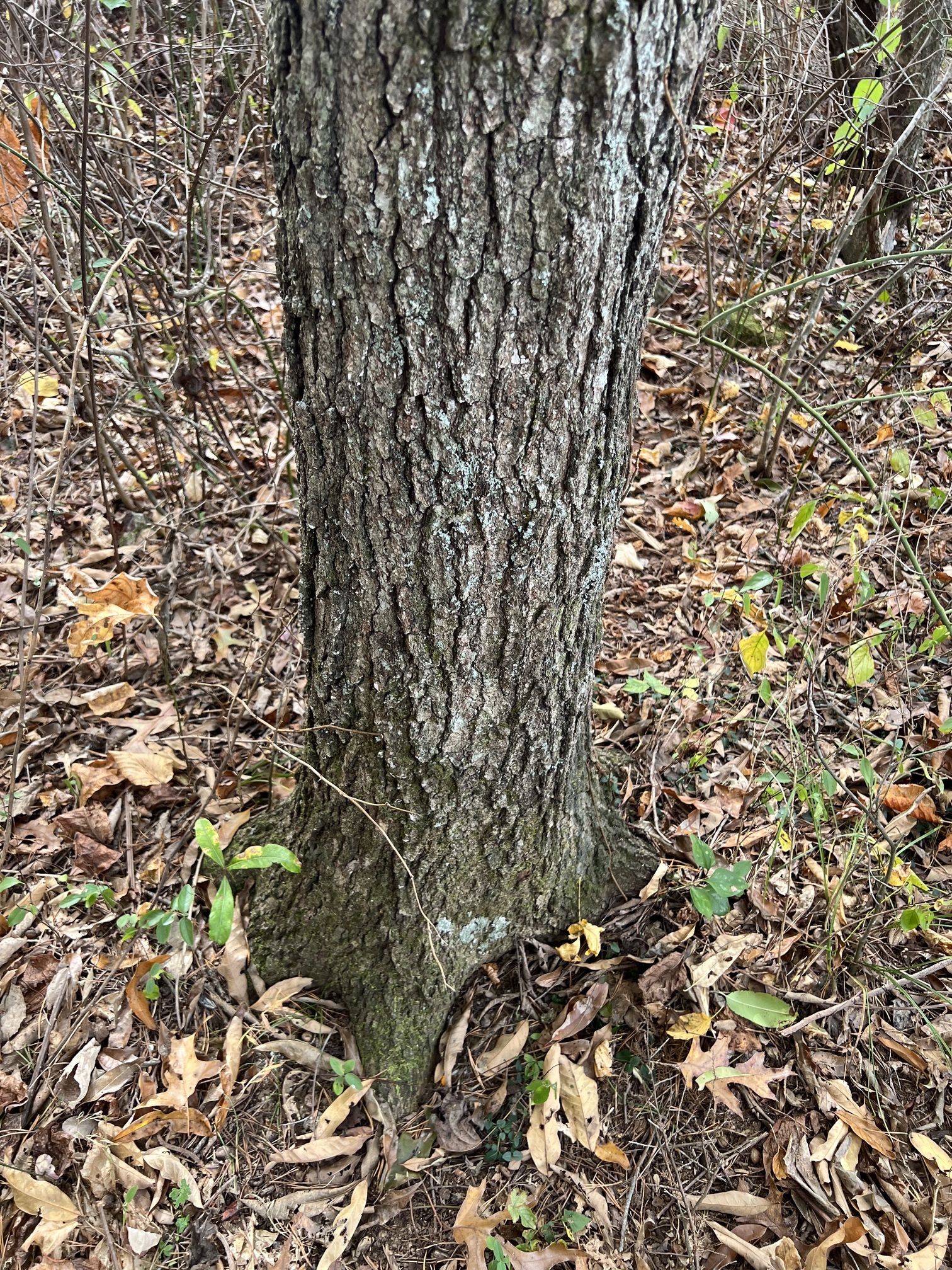
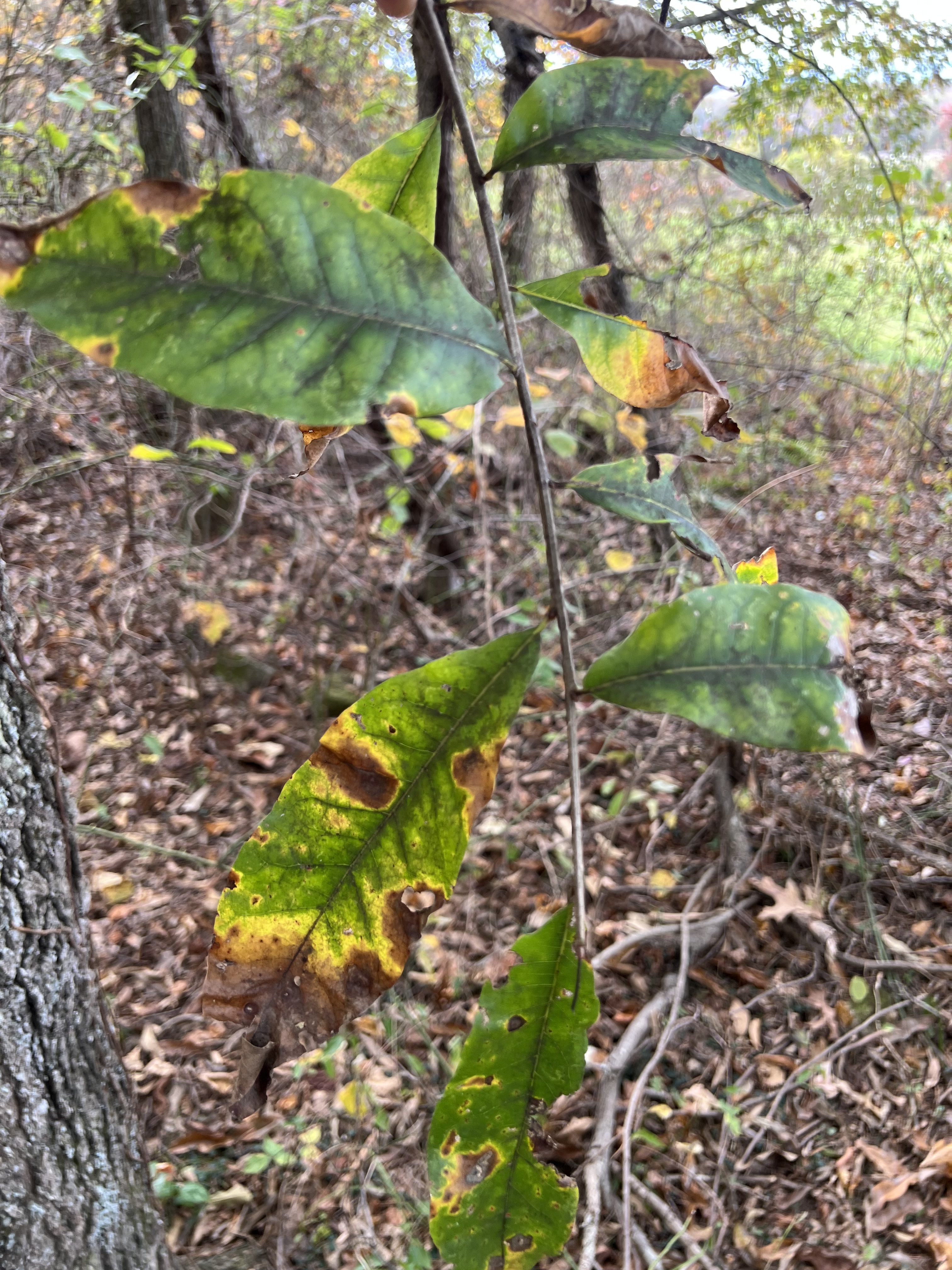
I was in some woods in Madison County, VA today and was trying to ID some of the trees and wasn’t sure about this one. The woods had oaks, beech, tulip poplars (only a few), holly and some dogwoods in the understory and then a bunch of these trees. There were others as well, but since most of the leaves are gone or pretty beat up now it is hard to tell what is what. Can someone tell me what this tree is?
1 Like
Hard to tell with just those pics, but at first glance I thought it was Nyssa sylvatica. Goes by common names black gum, or sometimes tupelo.
It has a lot of seedling variations.
Not familiar with all the trees in your area, but thats just my guess.
2 Likes
Thanks. I wondered about black gum. The leaves were just so much longer than others I had seen so I had decided against that, but maybe it is if the leaves vary a lot. There were quite a few of these in that part of the woods - more of the edge of the woods near a field so I don’t know if they persisted further in or were shaded out because none were super tall. The guy I was with said it was a willow oak, but the leaves were way bigger than any willow oak I had seen.
Edit: Some of them had a lot of what looked like black galls on the twigs 1-2 feet from the ends. Some were round, but a lot looked like they were layered - almost like a big chunky black moth with many layers of wings. They were too high up to get a good picture of with my phone unfortunately. I really wish I took more pictures overall.
1 Like
Looks a lot like the red oaks they call water oaks around here. And they are also prone to have the black galls on the twigs.
Not exactly sure why they call them water oaks. I’d guess from water content when you cut them. Quite oderific while drying too.
2 Likes
My wife had one of her quilts accepted for an exhibit in Auburn, NY and we are going to visit the area next weekend. Any suggestions of good orchards or vineyards to visit? Unfortunately, I don’t think the ARS/USDA/Geneva orchard is open.
Thank you!
5 Likes
@Alan @AndySmith I think you guys are kinda in the area?
I looked up galls on black gum and it says they get them.
My experience with black gums is in a nursery/growing situation. Planting a 100 we would get 15-20 that just weren’t nice. I just remeber there would be a lot of variablity between seedling grown trees. From great looking trees to brushy dogs with no central leader.
I picked out one to plant near my pond, because I love the fall color they get, unfortunately the one I picked is a beautiful tree with almost no brillant fall color.
1 Like