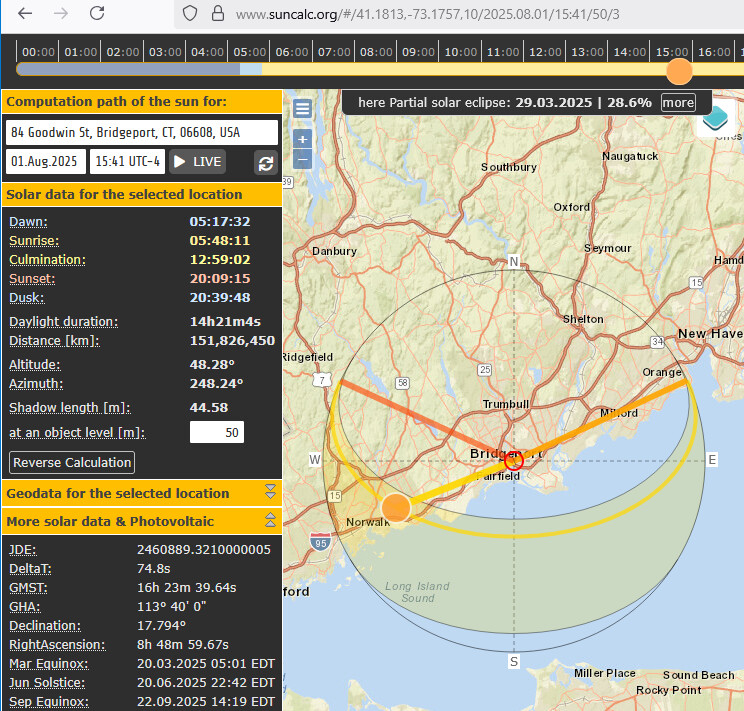
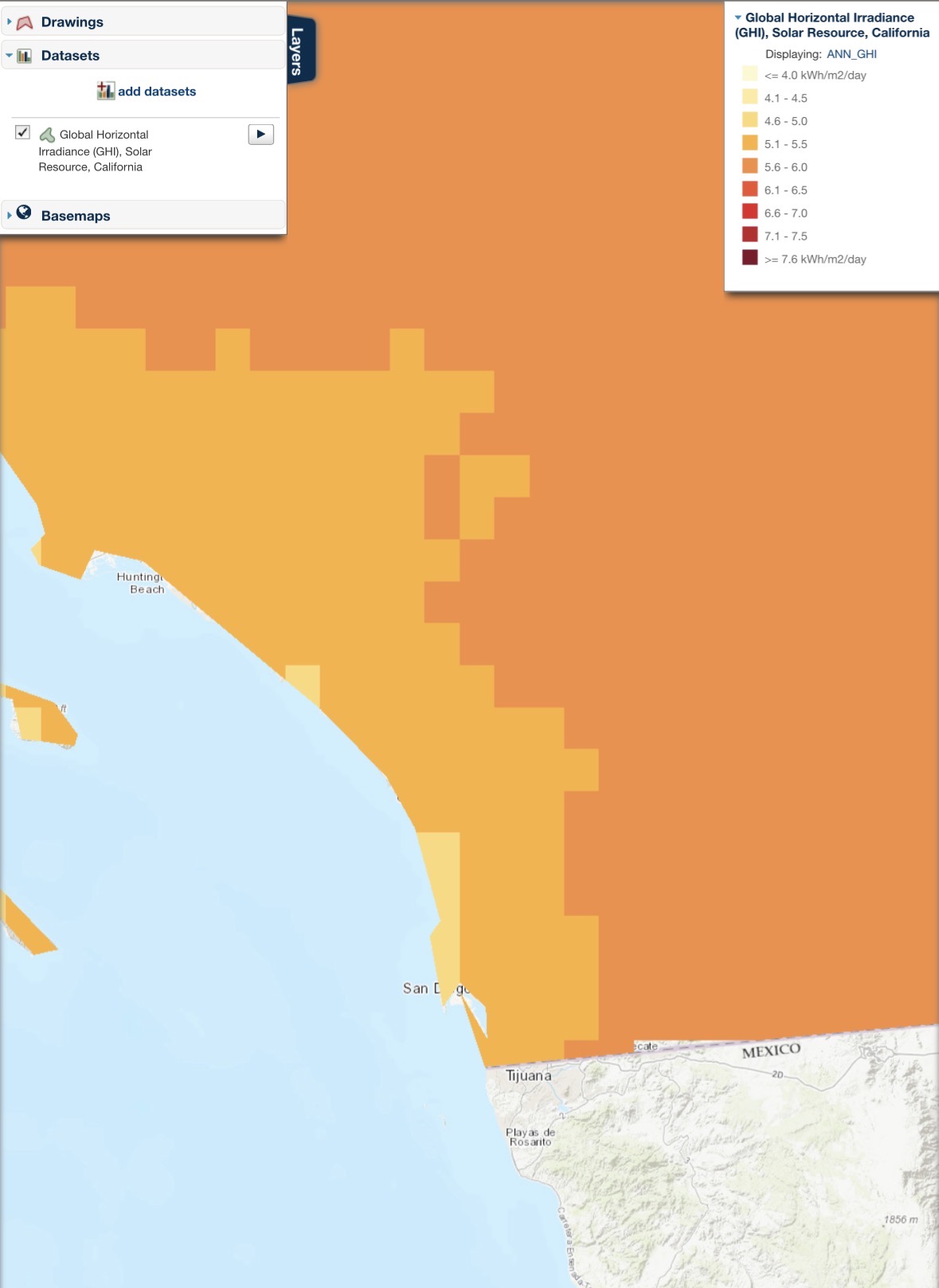
True, but I knew you were in Southern CA and the map just confirmed my reasonable assumption  We’ll have to disagree on this one
Yes, I’ve seen some really good generation days in March even though there isn’t as much sun as the later months. Roof temps can get pretty hot in summer, which drives down efficiency.
How fast does it start working again? We’ve been getting nights below 45F and if it takes too long to restart I should just pick my remaining tomatoes. Tonight is down to 39F, though the 10 day forecast doesn’t have any hard frosts into November.
I planted some late corn this year, as the guy at the farmer’s market is usually done by mid-October. The expected harvest date for mine is 10/27, though it will probably take a bit longer given the chilly temps.
Flower beds are something to replace with productive space. Where it is sunny enough, they can be converted into garden beds. In shady areas, grass is fine, if it will grow (or I can mow the weeds…). Actually, it probably isn’t a bad idea to have an open patch of grass. It would give me space to be able to spread out and fold tarps, nets, etc.
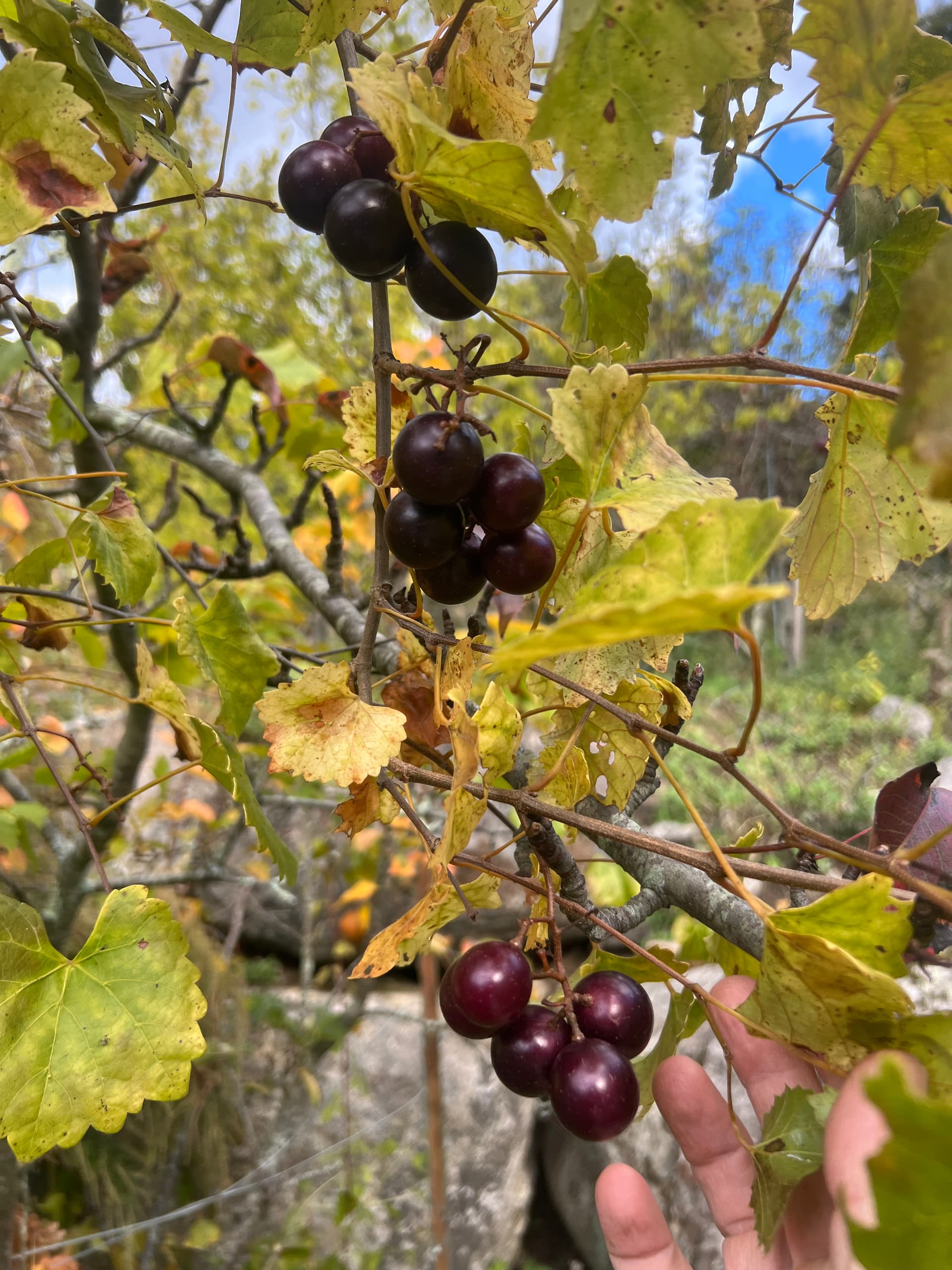
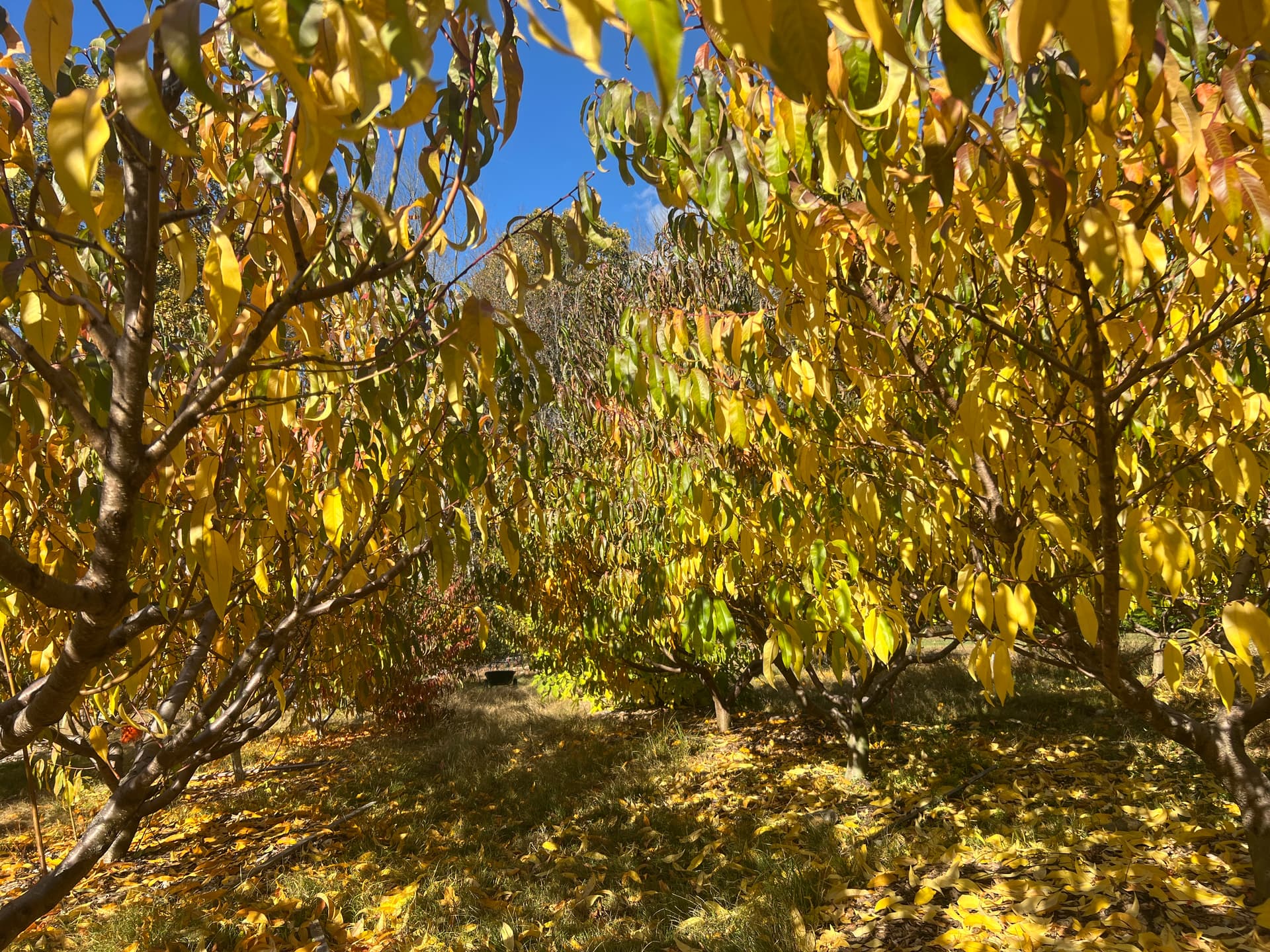
I’ve actually been going around my current yard and figuring out tree-line angles. The shady part which isn’t that productive has some 50 deg shade to the E and 30-35 deg for the rest. In that spot muscadines produce a few handfuls of fruit on a big vine. In an area where it is 30-35 for most exposure (maybe a brief 40 deg on the E), the vine is somewhat productive (though less than in a sunnier spot). Here’s the somewhat productive vine (and a few grapes have already been picked).
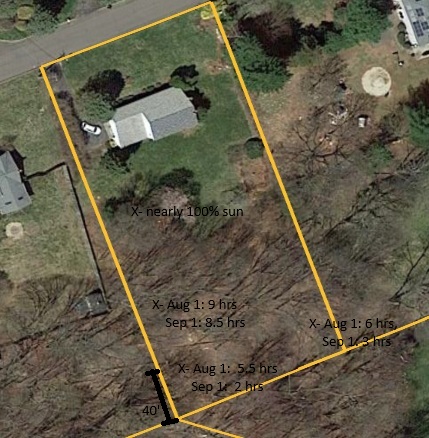
To put things into feet from the back fence (assuming a 50’ tree height, even though there are sections where it is 75):
30 feet is 59 deg. So, only OK for gooseberry/currants.
50 feet is 45 deg. Better, but iffy. Maybe Black Currants (I value them higher than the others, as they make great jam)
70 feet is 35 deg. We’re into part-sun. Maybe start to put some muscadines, hazelnuts, sour cherries.
100 feet is 26 deg. (8:30-5:30 sun in mid-Aug). And actually better than that, as it is far enough away that other compass directions will start to matter a lot.
So by 100’ I can start to put the full-sun stuff like jujubes and stonefruit (assuming I don’t avoid ORR spots). That means that the northern half of the backyard should be good for most trees.
It would be nice if I could just dedicate rows to certain types, like a row of peaches, row of pears, etc. Instead, there will likely be bands, like the first 2 trees in 5 rows are peaches, followed by 2 plums in each of 5 rows, etc. I should still try to group things enough that I can spray like trees and boost cross-pollination (where needed).
In case anyone is interested, you can use the windows calculator to calculating the angles based on the height and distance.
Tan(shade angle) = tree height/ distance
50 trees / 100 feet away = .5
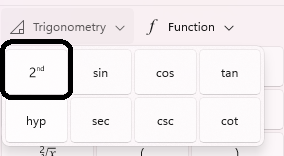
To find the angle where the tangent is 0.5, use the arc tangent (arctan). You can get there by clicking on the “trigonometry” dropdown (while in scientific mode):
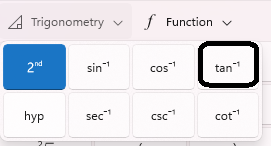
Arctan is denoted by tan to the -1 power (even though it isn’t really a negative exponent):
The 21 degree tilt on the property means that there is only 4 degrees difference between the fence line and where the sun comes up. So, first thing in the morning it might avoid the fence-line, but the sun is only 3-4 degrees above the horizon when it crosses the fence-line (and there are generally distant objects blocking those first few degrees). So, in your example, at 25.8 feet from the fence, the first light would be in the afternoon, after the sun passes the fence-line to the SW, on it’s way N. The fence-line continues far beyond the property, so the sun needs to get almost 21 degrees South of West, 249 deg, which I see happening around 3:45pm. From that point, until dusk, the only blockages would be my own plantings, the fence (about 7 degrees of blockage 1/3 of the way into the yard, cutting off the last hour), and distant trees/houses. So, maybe 3:45 to 7pm at best. It might work for gooseberries and some types of raspberries. I had some wild Wineberries produce with almost no Sun (maybe an hour or two in the morning when I was sleeping…), under an overhang on the North side of my house.
I’ve often picked sour cherries in late June, so the May to early June timeframe is when the fruit is growing. And Aug 1st is roughly equivalent to May 13th (August 1st is 1 month and 9 days after June 21 and May 13th is that same amount of time before it), so this calculation still has some relevance for sour cherries.
Those are both great ideas for the last 30’ of the yard, along with the compost pile. And it occurs to me that with a property of this size, I’ll also need a brush pile and a rock pile…