I’m looking at a Mt. Royal plum & now sniffing on a Satsuma plum
Does anyone grow these in zone 5A or 5B?
If so, how do they do in your area? Taste? Cold hardiness?
I’m looking at a Mt. Royal plum & now sniffing on a Satsuma plum
Does anyone grow these in zone 5A or 5B?
If so, how do they do in your area? Taste? Cold hardiness?
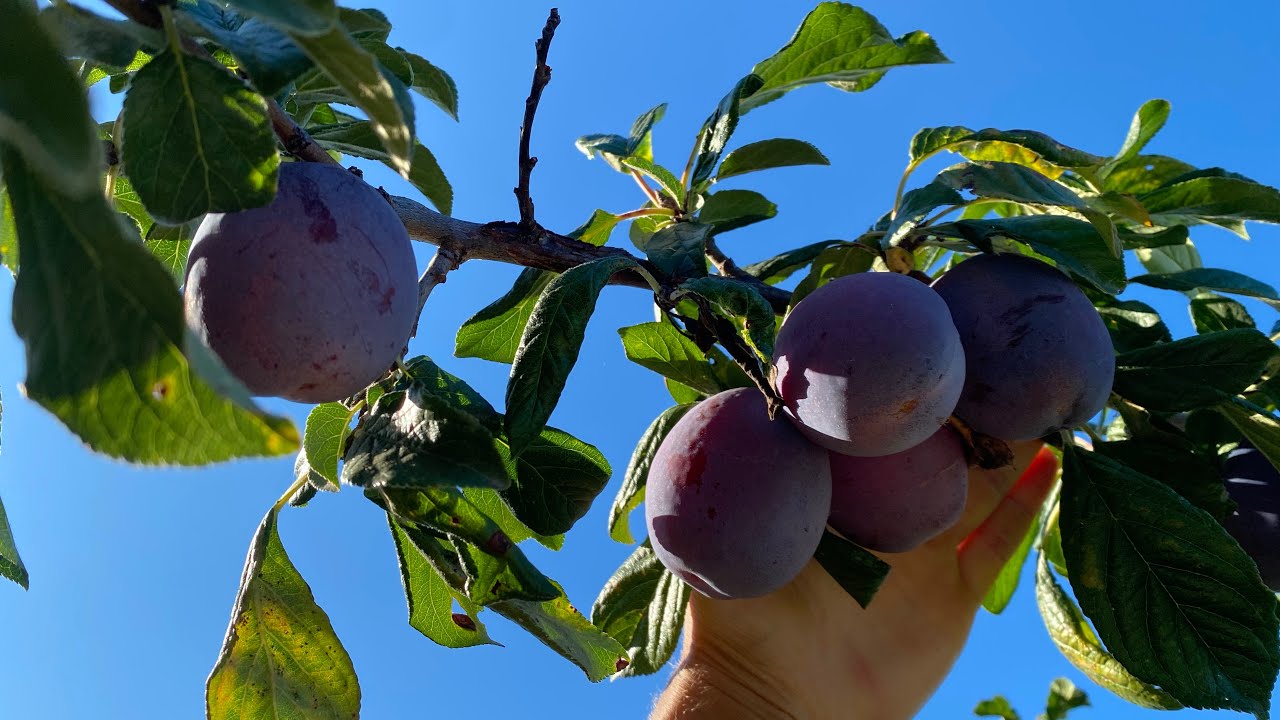
I’ll look it up…
I’m in zone 5b/6a and it has survived -10 F here. However, I didn’t like the taste (assuming Lowe’s labeled it correctly) and I’m grafting it with other things next spring.
I don’t like Elephant heart either if that’s another reference you have tried but I like Sweet Treat pluerry (prolific, long-hang over many weeks, tastes good but mainly just sweet (no cherry notes), two bit size, firm flesh that doesn’t squirt) and have a love hate with Flavor King pluot (really unique but can’t eat many because of it).
To some its considered one of the best plums (in the world)

@JoeReal i think gave the best description of ripe vs unripe.
Elephant Heart Plum
It’s among my favorite “heirloom” plums. The trick is to harvest at the proper time. Harvest it early, you’ll think it’s the worst plum because it’s going to be very bitter and tart when you bite into it. It’s a little bit tricky to know when it ripens because even though it started to soften, it would be a turn-off in terms of taste, but wait a couple of weeks later after it has softened and it would be among the best plums you ever tasted. The flavor is very sweet with mild tartness on the skin, well balanced and delicious. These are among the largest plums, heart-shaped fruit, and hence the name Elephant Heart. It has bronze green skin that turns mottled reddish purple when completely ripe. Juicy, blood-red freestone flesh with a distinctive rich aromatic flavor. The Elephant Heart plum tree produces higher yields with Santa Rosa or Beauty Plum as pollenizer. It stays well on the tree and can be harvested later in the season. It has an upright growth habit and responds well to pruning at any height or length. Requires about 500 chilling hours. This plum is also known as the Japanese Blood Plum that originated in Japan and was developed by Luther Burbank in the early 1920s in his Sonoma County collection. Burbank began with a dozen plum seeds from Japan in 1880, and almost all plums today are descended from these Japanese ancestors. Stark Bro’s introduced the Elephant Heart plum to home gardeners in 1929.