Given my limited exoburban home orchard space, in order to plan to have a long harvest window, I’d like to select Seaberry varieties that are spaced apart. From what I’ve read in forums the description of cultivars I planted this year was wrong with my “late” variety being earlier than my early varieties.
I’m asking if people growing Seaberries could make replies with this information:
USDA Zone
General Region or Latitude (e.g. near Madison, WI)
Soil type (e.g. dry sandy, clay, wet loamy, etc)
Anything unusual about your climate (e.g. 5,000 ft)
(Open text) Describe when cultivars harvest?
Hypothetical Example:
Zone 4b, near Minneapolis hence 45 degrees N, sandy soil, N/A:
Cultivar01 starts first week of Aug with Cultivar02 about 5 days behind.
Cultivar03 and Cultivar04 start together last week of Aug. Note Cultivar04 has the widest harvest window of 6 weeks (ending into October) while the others are only 3-4 weeks.
This has Radiant harvesting the opposite end that OGW description would have you believe.
This forum:
Orange Energy and Gardens Gift < Titan.
This has Orange Energy on the opposite end that OGW description would have you believe. It also has German varieties before Russian but Russian varieties ripened first at the Wisconsin test farm.
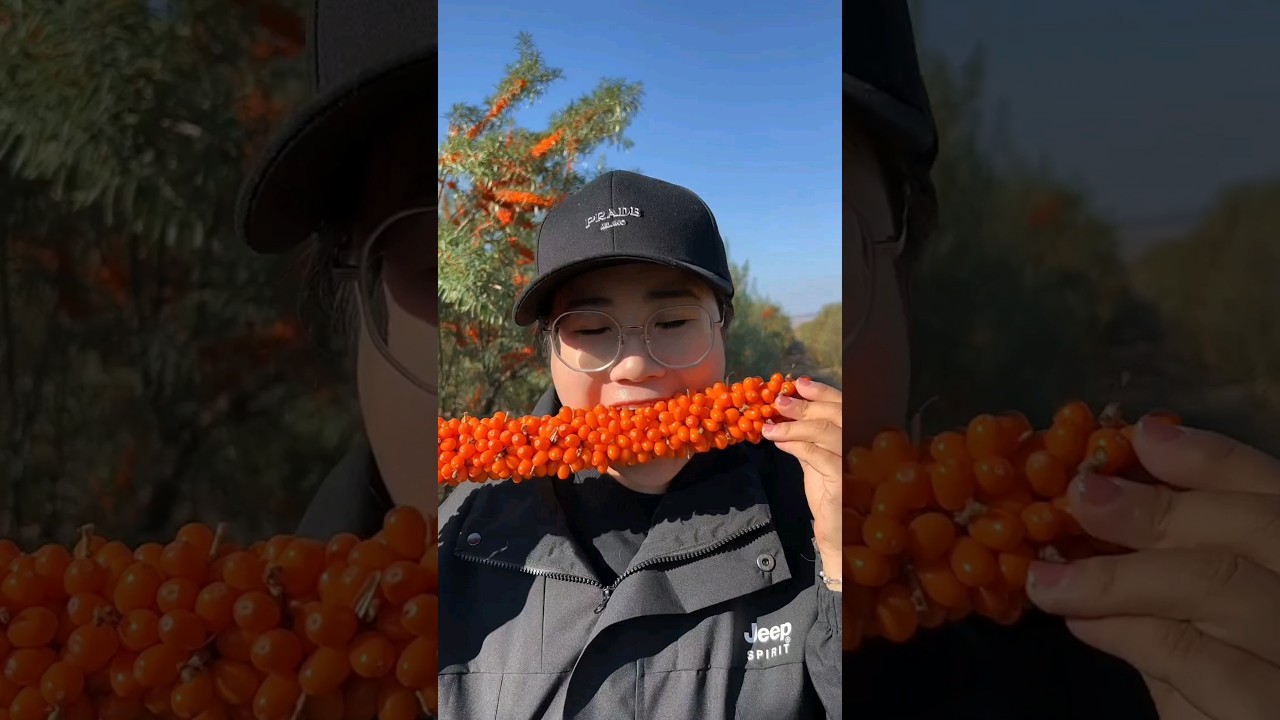
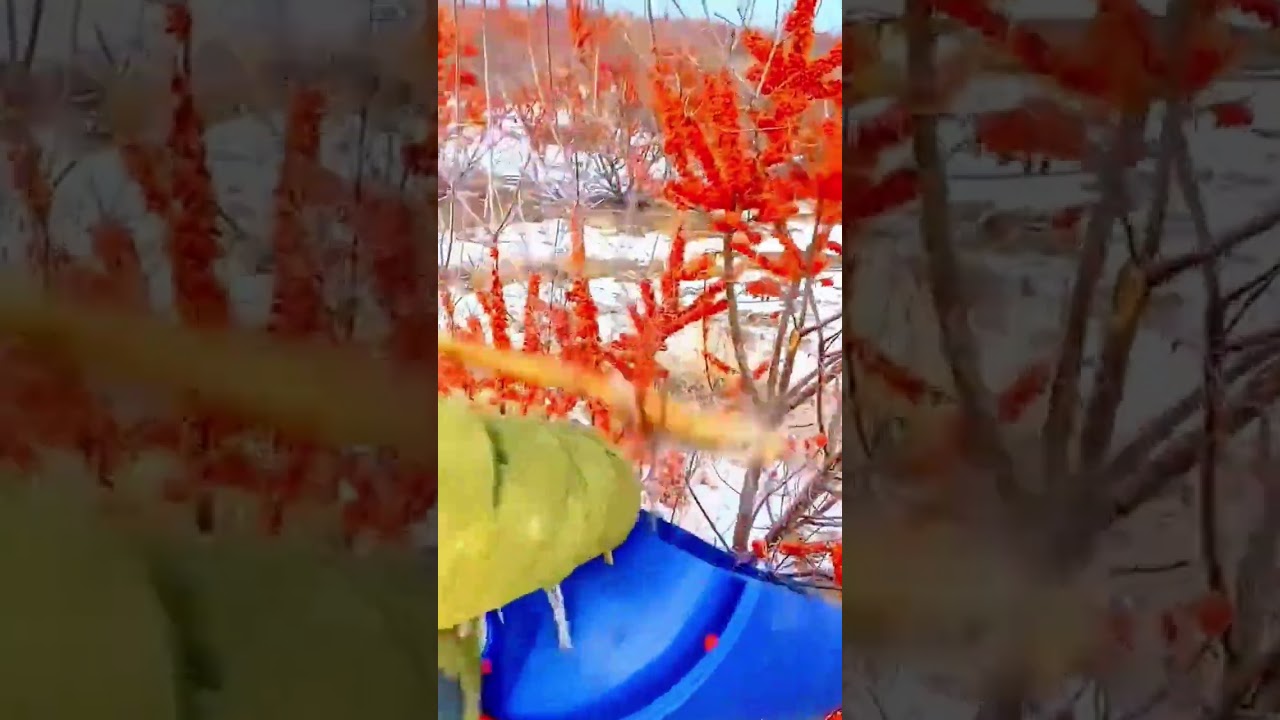
I am just learning about Sea Buckthorn, aka Seaberry. According to GRIN Plant Taxonomy, it is not a true buckthorn but rather in the Elaeagnae family – as is Autumn Olive. The species name is Hippophae rhamnoides. It is endemic to the north-eastern hemisphere. They are known to contain saponins which can impart a bitter flavor. This is not such a bad thing if you consider making beer. While the berries are on the plant, sustained freezing outdoor temperates can significantly increase their sugar content. This matches a symbiotic behavior between certain other fruiting plants and wildlife in non-temperate regions of the world. Hippophae can be diarrhetic owing to concentration of toxins. This varies by region (wild plants) and cultivar (landrace plants). In many cases, cooking will break down the toxins and eliminate the side effect.
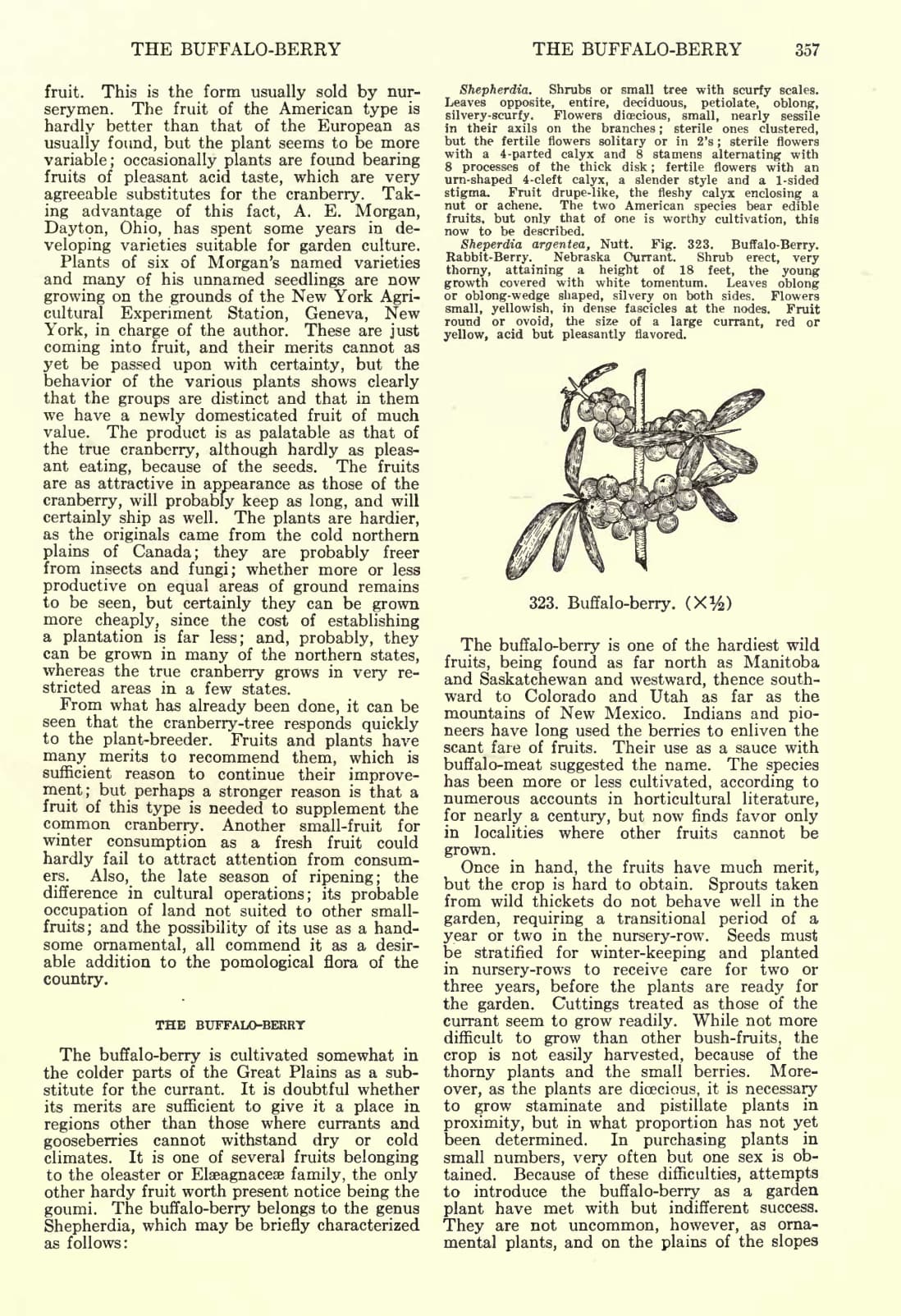
The Hippophae have a sister genus on the north-American continent. It has 3 species:
Shepherdia argentea, silver buffaloberry
Shepherdia canadensis, russet buffaloberry
Shepherdia rotundifolia, roundleaf buffaloberry
All three of these contain saponins. The first two are considered severe diarrhetics and toxic when eaten fresh. However, Shepherdia rotundifolia contains less toxins. Obtaining cultivars of this species can be problematic owing to distributors and sellers with mislabeled plants and seeds.
Canada Buffaloberry
The Shepherdia canadensis Canada Buffaloberry aka “soopolallie”, having a much higher content of saponins, was used by Native Americans to cure bison meat or whipped make an whipped food given the moniker “Indian Ice Cream.” It can grow as an understory shrub that might work where I need more erosion control but face rabbit and woodchuck pressure. It has little brown spots evenly distributed on underside of leaves. Burnt Ridge sells these singly, though like others in the family are dioecious (they have separated sexes). https://aihd.ku.edu/foods/soapberry.html
For me this year;
Orange Delight: second to third week of August
Orange Glow and Golden Sweet: First week of September
Titan: 3rd week of September.
Titan and Orange Glow where the easiest to pick since the are not quite as “spikey”. Golden Sweet is the hardiest to pick and has the smallest berries of these four, however it is the sweetest. Everyone who has tried them likes them. I typically juice them, and then freeze the juice in cube form. The juice makes a great substitute for citrus juice. The juice when added to water with a little sugar reminds me of ‘Tang’ in flavor.
What was especially interesting to me is aparently in 1921 they had not yet succeeded in any cultivation of high bush blueberry. i had no idea it was that new. Crazy how there is more info on whatever buffalo berries are than blueberries!