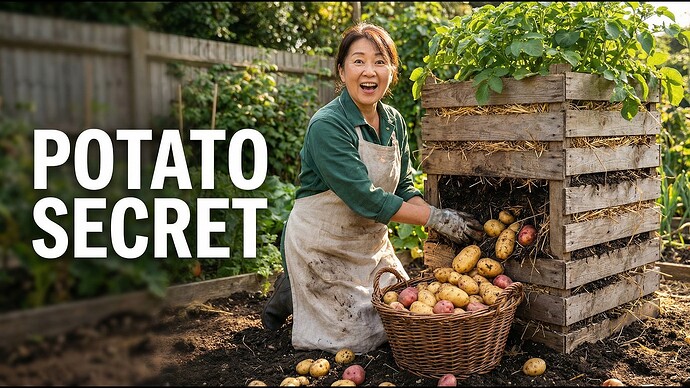
The amish are masters of survival. Growing things is hard work, it doesn’t always have to be. Get ready to learn something!
The amish are masters of survival. Growing things is hard work, it doesn’t always have to be. Get ready to learn something!
i do a ruth stout method but yeah why not a tower. maybe next year. i have a bed thats 8x 4 im doing that straw method. it works great.
Yes Ruth Stout’s no work garden is excellent. Make sure to pay attention to varities in the video to ensure they are indeterminates just like tomatoes and other members of the nightshade family it matters.
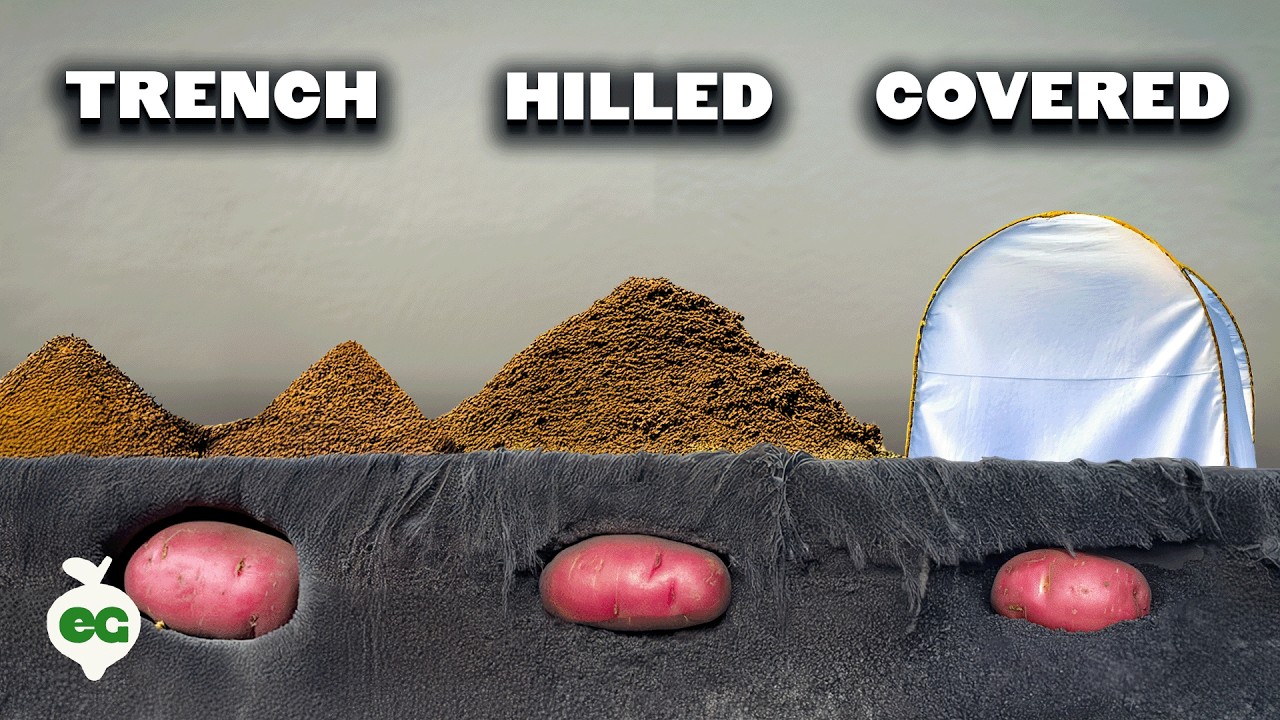
check this one out, some good info too where they test different methods head to head.
The Amish around here need to watch those videos…but whoops…
I love that as it almost made me laugh out loud when I read it.
I watched both videos and wow is there ever a lot of misinformation.
White, red, and yellow potatoes do NOT inherently have a color production advantage. This is plain genetics. The difference is that some varieties tend to make shorter plants and some tend to grow longer than others. A longer growing season for an adapted variety can easily outproduce most shorter varieties in short season climates. Pick your varieties VERY carefully. What is the most productive potato I’ve seen? It was a numbered line a commercial farmer grew 40 years ago that churned out over 10 pounds per hill. I also grew some really good producers from Tom Wagner that could easily set 5 to 7 pounds per plant. There are also some diploid potato varieties available which tend to produce less than tetraploid varieties. I grew a few from Tom that were good eating but production was 2 or 3 pounds per hill.
The vertical tower growing potatoes is relatively ineffective because most people plant the wrong varieties in it. It requires long season sprawling varieties to reach potential production. Most varieties available today are simply not right for this growing method. They have been selected for fast early maturity with most growing for at most 4 months.
Then there are climate specific ways of growing potatoes and cultural methods that affect production. I’m in the hot humid southeast. I need to protect the potatoes from the sun by planting early (early March is good), with long season varieties (Kennebec is an example), and covering with at most 6 inches of soil. When the plants are about a foot tall, I hill them up with another 8 inches of soil. I’ve also tried the straw method and found it is very effective. The big kicker is that irrigation dramatically improves potato production.
One of those really bad ideas for potatoes is to use commercial compost. It just adds diseases and encourages nematodes. Potatoes thrive best with a few limited amendments. I’ve had good results pre-applying rabbit manure and with amendments like coffee grounds. Soil acidity should be low. Between 5.0 and 5.5 gives best results.
One reason the straw method works very well for most is that it holds moisture in the soil. This is hugely important when growing in drought prone areas.
Here is a picture of some of Tom Wagner’s varieties I grew about 2009. https://www.selectedplants.com/miscan/TomPotatoes005.jpg Azul Toro was amazing producing 5 to 7 pounds per plant but the potatoes were relatively small at around 4 to 6 ounces each.
not knowing if a potato is determinate or not is a issue with this. when I’ve ordered in indeterminate they do good in a tower or hill, otherwise just a grow bag works perfectly fine. straw on top or really any mulch, they like the humidity from it, it’s real dry here.
the color is def a shorthand, but they mean the potatoes they have are determinate red potatoes and the common yukon gold is indeterminate. This is a commercial seller talking you know.
The benefit of the straw for me is not just moisture, but also not having to dig the potatoes or clean them. they come out looking washed.
Lol, I won’t disagree, but have to point out that straw mulch also avoids a lot of problems with nematodes and soil diseases.
Here is a trivia item to put back for future reflection. If you want to produce true potato seed, lay some potatoes on top of the ground and then place a board on each side of the row so the potatoes have to grow up between the boards. The gap between boards should be about an inch. The potatoes will grow down into the soil forming normal roots. Stolons can’t grow normal because the plant is not actually in the soil. As a result, the plant will focus energy on producing “berries” in the top of the plant. I’ve done this a few times over the years to gather seed. I have about 50 plants grown from potato seed this year. I will set them in the ground sometime this week. The row is ready, just need to pull plants out of trays and put them in the ground.
I really like that the articles point out specific potatoe varities as the types grown. I found the information in the thread we are accumulating very useful. The information coincides with what a friend who is part Amish did. He heaped the mulch directly on the ground in a 30x30 area. He layed potatoes on top of the dirt. He used no cage and watered them in. He produced lots of potatoes. The next year I asked why he wasn’t doing it again. I was 7 or 8 years old at the time. He mentioned the downside of the system was the hundreds of snakes he found in the straw come harvest time
Snakes would be a bonus here.
Nothing in the area is venomous, so the whole family gets super excited to see them.
Would have to keep it away from the dogs though. They don’t share the enthusiasm. Well, I guess they have a different kind of enthusiasm…
I don’t know if that method is specifically Amish, but it is a very well known method used by west coast gardeners. My sister has done that for at least the last 40 years- but hey, we were raised as Quakers and they brought the first of the Amish to this country because they had similar religious values.
Yeah, the Amish connection is likely FB garbage. This method has generally been used for ages but the fence ring is an improvement by making the harvest easier than just a loose pile of compost or one held up by other means. The time savings would be minor though.
I can’t past the way this man says “Amish”
it’s hilarious
like SPO-cain for spokane (it’s said spuh-CAN). or when I’m back east and everyone asks “how’s orrygone?”
whenever someone wants to push an idea to the “prepper crowd” they like to say things are done “by the Amish”. well the Amish, i lived right next to an Amish farm. it doesn’t sell me on anything after that! anyway people grow potatoes this way all kinds of places.
I’ve seen one guy in a video that was getting a really good amount of potatoes from it. he ordered an inderminate variety and was using dirt, straw, dirt layers in crates.
Probably AI script and voice.