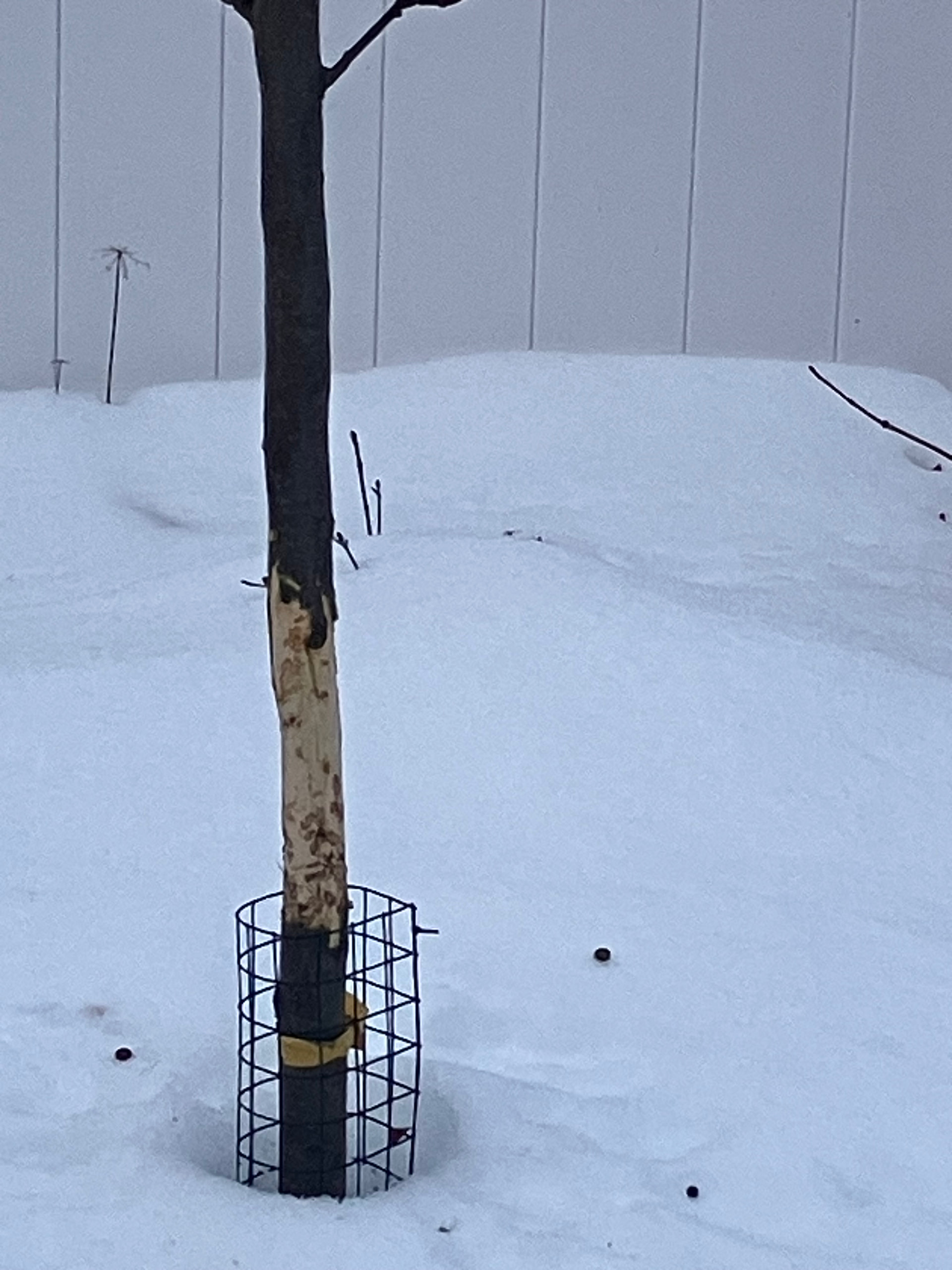
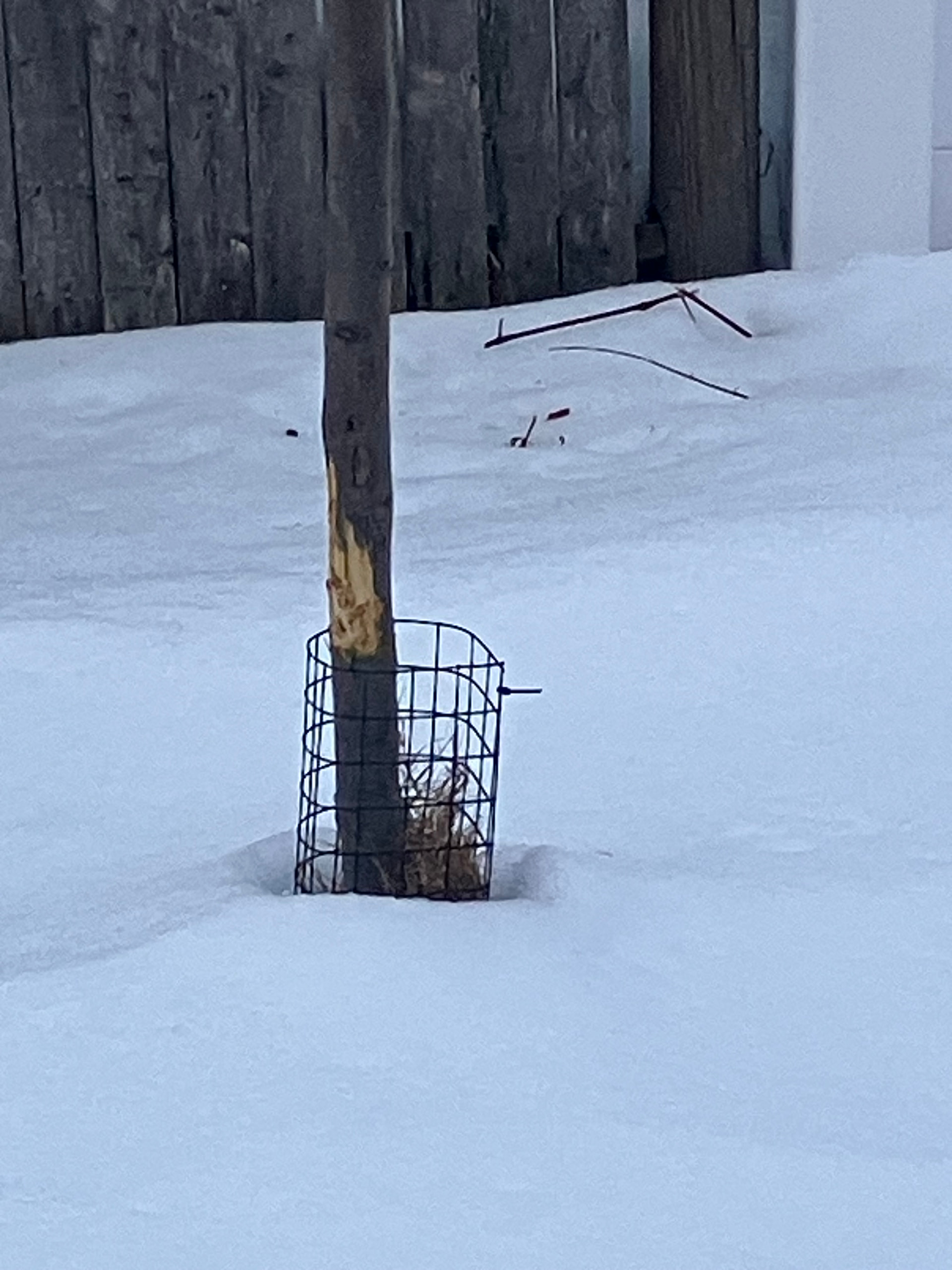
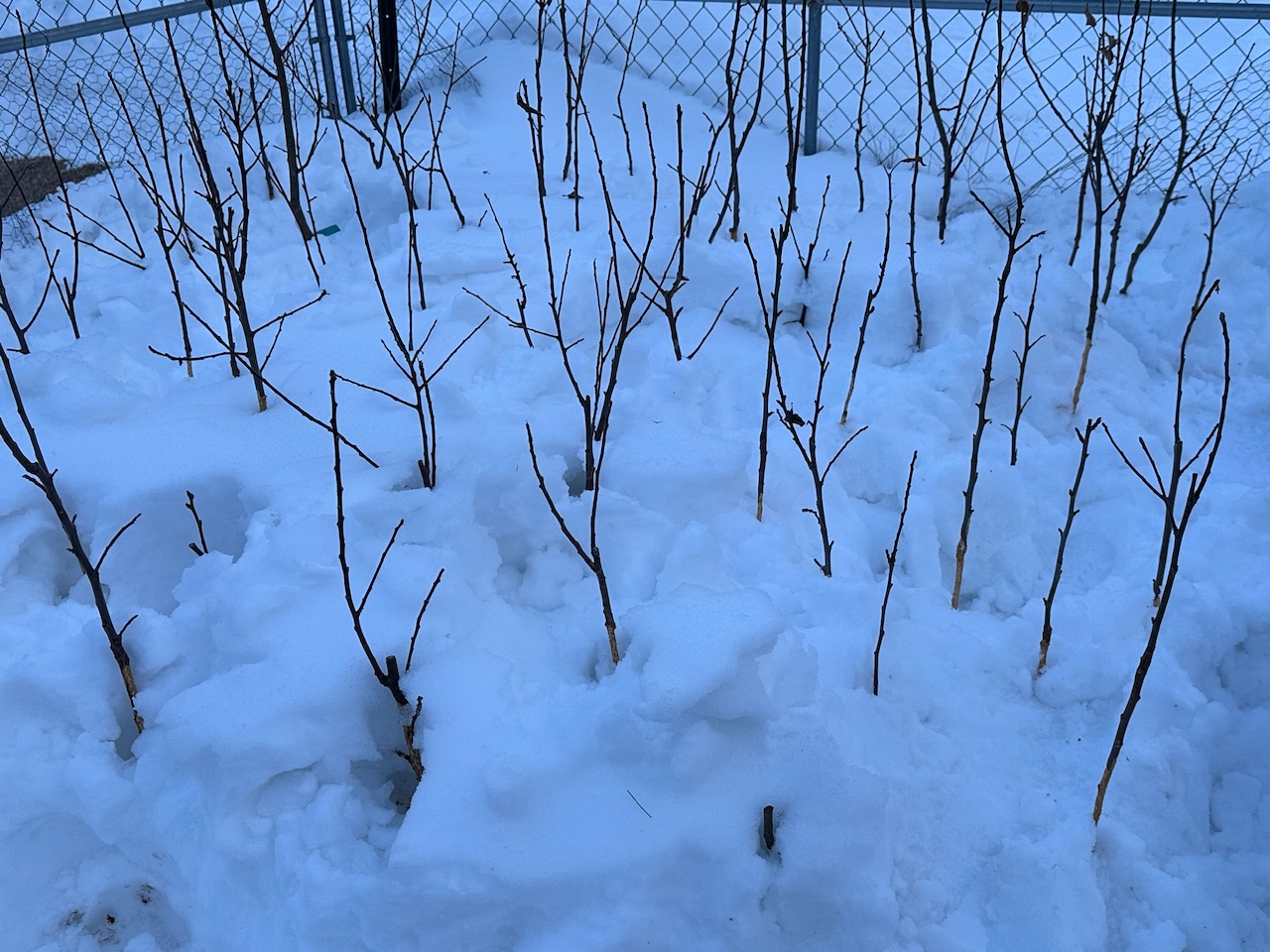
This is my third winter growing fruit trees here in a close suburb of Boston. I have usually wrapped the base of the trees in some kind of fencing. But this year we got more snow than ever since I started.
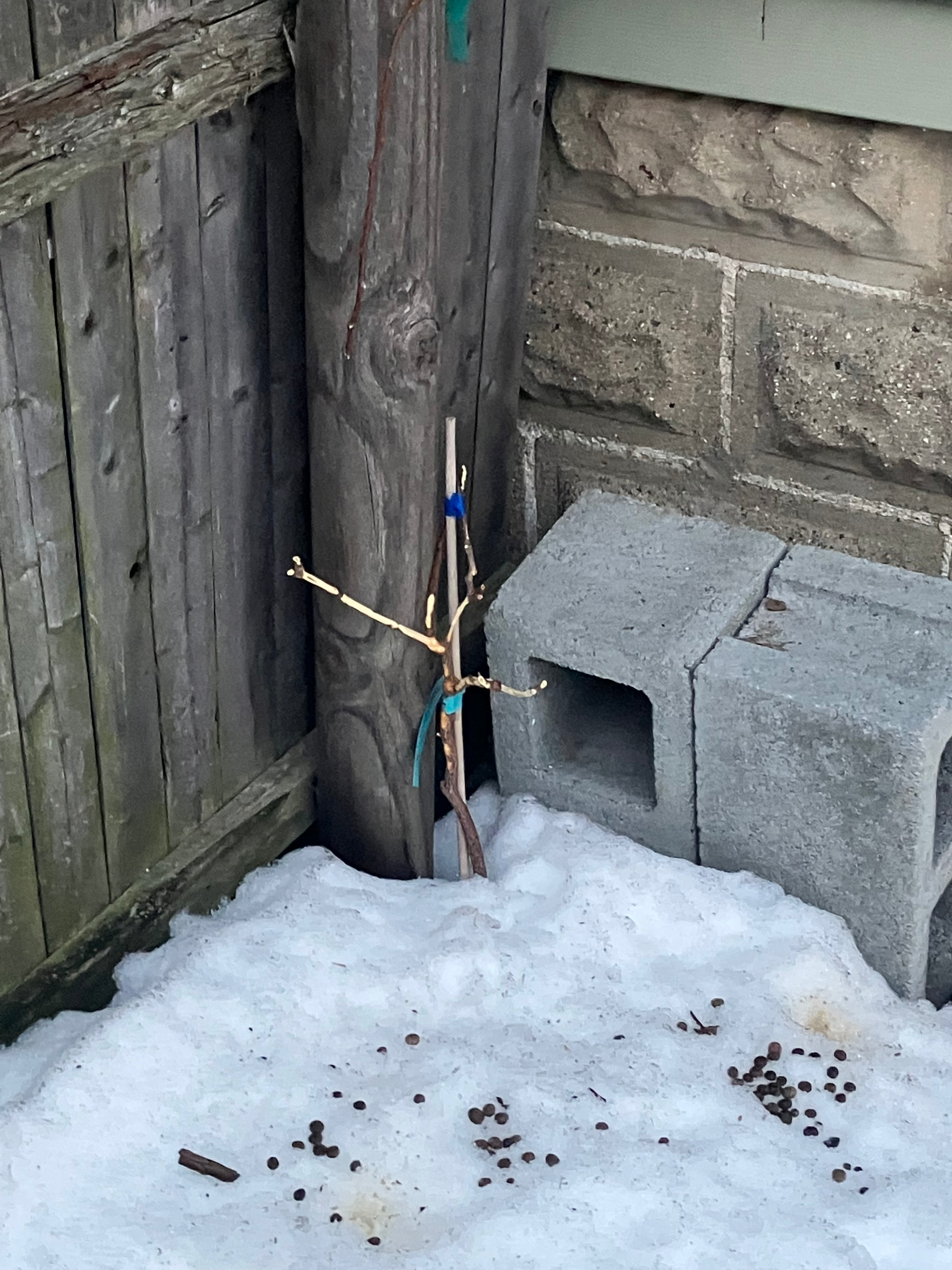
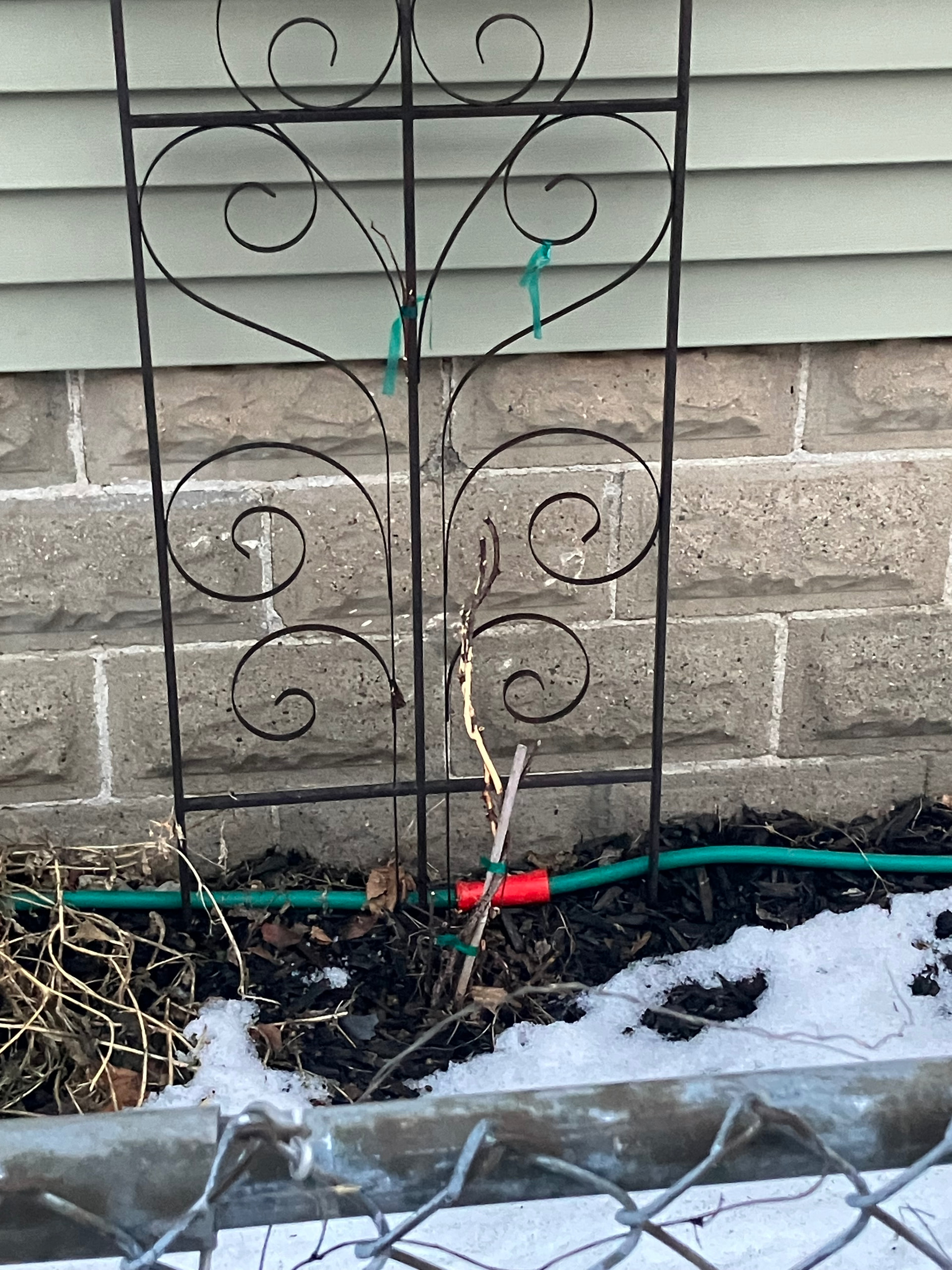
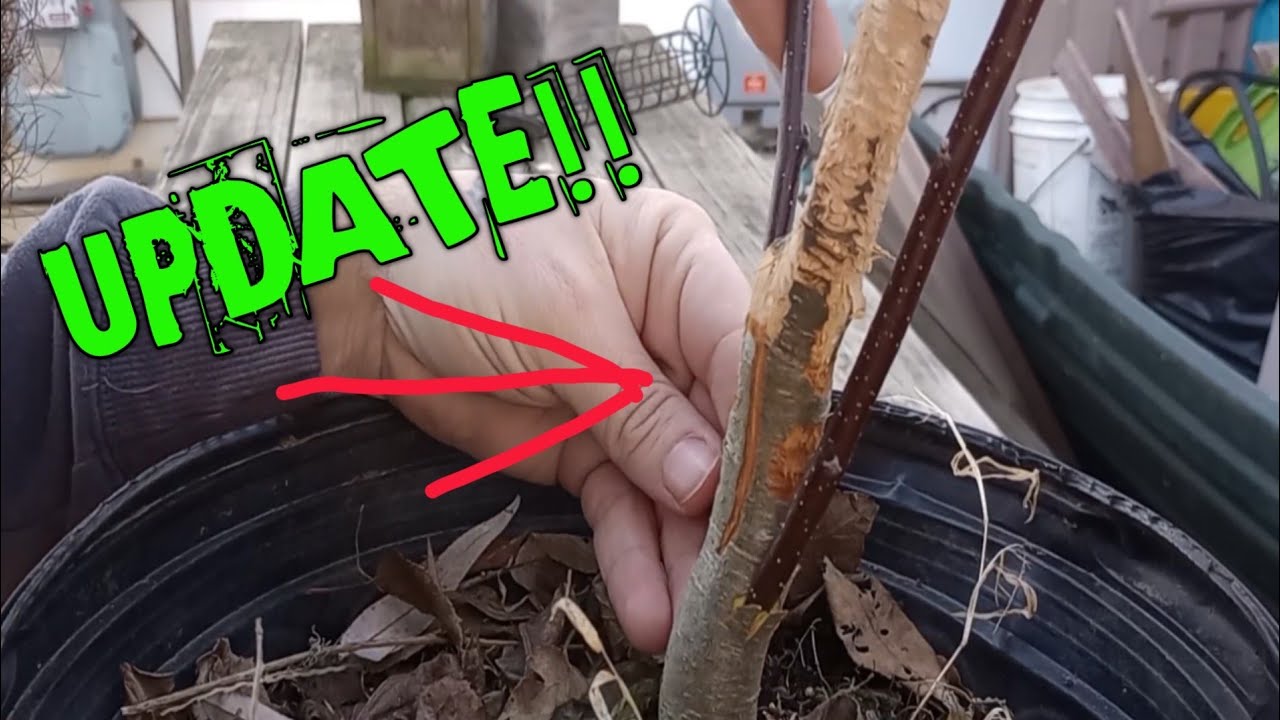
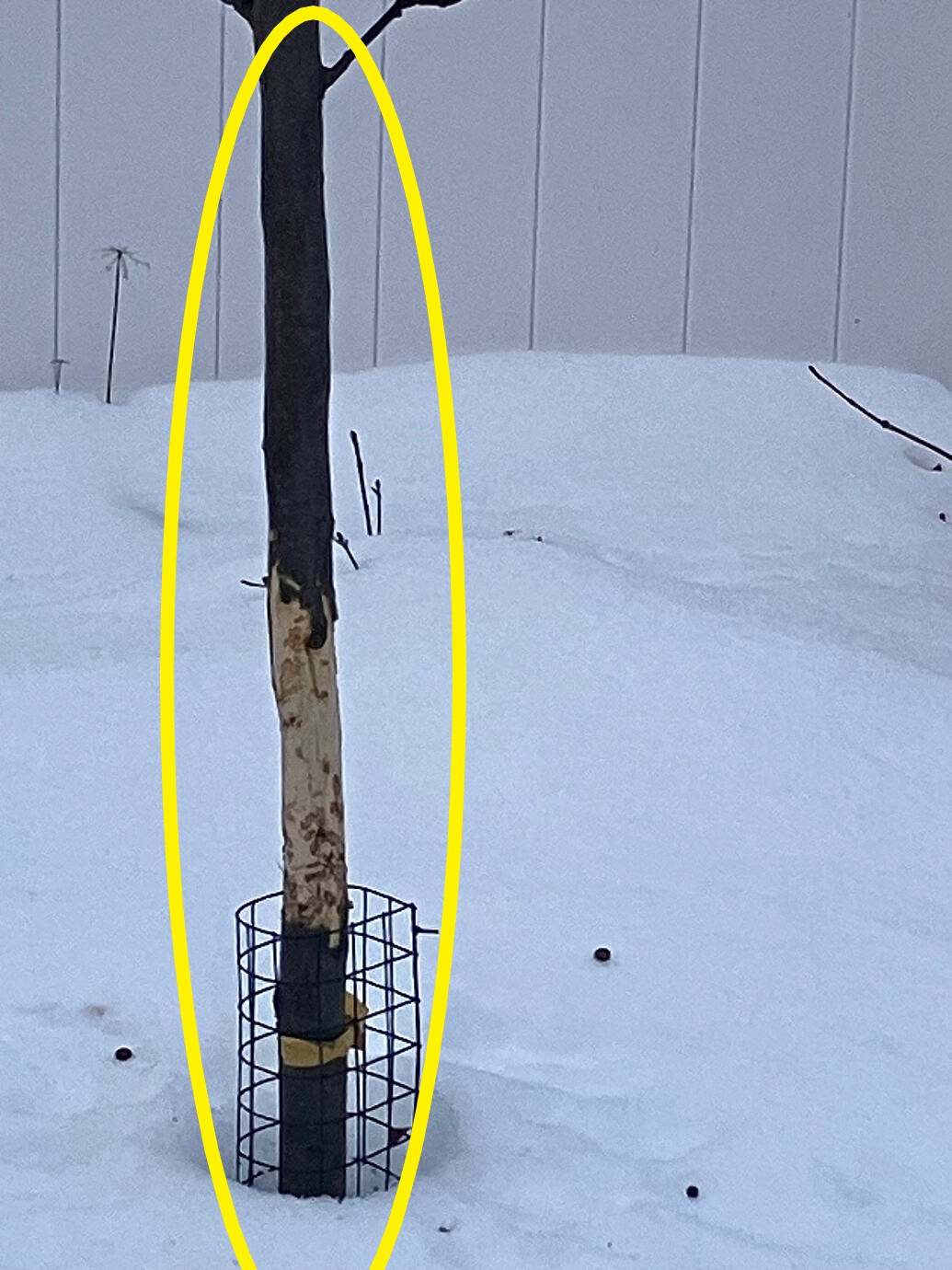
This morning, I went outside and noticed that many of them are girdled, or at least that is my understanding of what this is. For some it is minor and some major; my hearty kiwi vines are both girdled, and the tips are chewed off entirely, severing the vines.
Is there anything I can do at this point to try to protect and recover them? Is it just in the hands of fate? Any advice would be helpful, I am pretty despondent.
With the winter we have had in New England. I’m sure some other people are dealing with the same thing. I know @weatherandtrees is. So maybe there can be a support chat for this as well here.
the kiwis will throw up new shoots no problem. i would think as long as you have wood above the graft it should also send out sprouts. cut at a angle just below the damage. the partially girdled should heal themselves. some years are real bad here for voles. i feel your pain.
If the rabbits girdled the trunks in a continuous ring, meaning there no cambium connection to the roots the areas above the girdle are done for.. If there is cambium connection still they might be ok.
I am in an area that guarantees snow that persist for months every year and do not take any chances because losing years of progress is worth the small time and money investment to protect. From experience rabbits prefer the bark of apples, pears and many prunus species, these are the ones I prioritize protection.
Research bridge grafting for the pear girdled all the way around, and you might want to add a bridge graft to the other as well. You can use scion from the canopy of the damaged trees.
Yeah only the completely girdled one is toast. Maybe there’s a latent bud that will push between the girdling and graft location? It’s low odds, but maybe.
I lost about 50 apples and pears. I’ve gotten away with not protecting them for a few years, but the snow pack arrived 12/2 and it hasn’t gone away since. So I think the critters are going extra lengths to survive. I had planned to plant a lot of these out and protect them this year. But I knew I was playing with fire and eventually would get burned. I may get rootstock and try to regraft the scion. At least the pawpaws in the field seem fine…at least the few I checked.
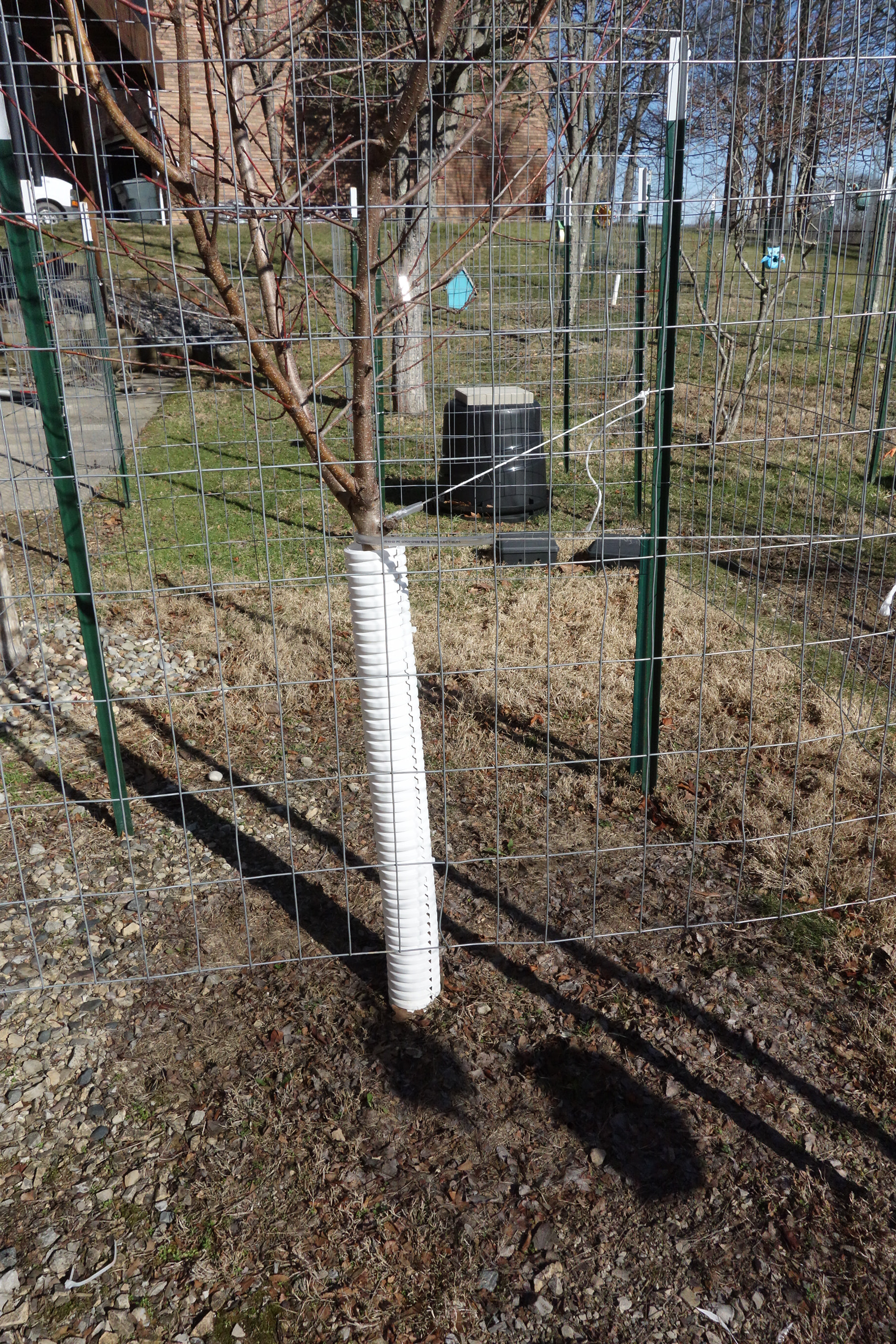
I feel your pain. Last year rabbits got my peach tree. I could have tried to bridge graft on some of the plants but decided to let nature take its course. I’ve learned to use cut open 2L bottles as cheap tree guards, just stack them on top of each other to whatever height you want.
Sad to see this; it will look a lot better in a year. Bridge grafts I find are tricky to cut the length of the scion just right to fit (with a slight arch) into both top and bottom bark cuts. I like to make bottom graft first. But when it works it’s such a kick, great feeling of accomplishment. With apples I found certain varieties super-bendy and perfect for bridges; think I used Brushy Mtn Limbertwig- very limber twigs. Make sure scion is right side up.
The old wisdom I heard was to envision a rabbit munching away on top of the deepest snow and that’s how high to make your rabbit fencing.
It’s been my prior experience that trees girdled by rabbits may recover. Those girdled by voles do not. I’m guessing the depth of girdling is the difference.
Bridge grafts are tricky. I tried it once and none of the bridge grafts took on an apple tree. The bark wasn’t slipping, so I probably tried to too early. The medium sized apple tree had about 3/4 of it’s bark gone around the trunk. The grafts failed but I poured the fertilizer to the tree and it healed up eventually.
What does “too early” mean — as in the winter? I’m trying to figure out — if I try this — if I try now, or if I wait (and when would be a good window to do it).
Well, keep in mind my bridge grafts failed, so take whatever I say on this topic with a grain of salt. I’m proficient in grafting peaches, but I’ve probably only done 10-20 apple and pear grafts in my entire life.
But my understanding in bridge grafts to save a girdled tree, you have to do some kind of bark graft. It’s really hard to do (at least for me) if the bark isn’t slipping. The bark wants to tear instead of peel away from the wood, which is bad.
The bark starts slipping sometime in the springtime. For my apple tree, I knew the bark wasn’t slipping, but I didn’t want to wait because I was afraid the tree would desiccate before the grafts took and started transporting water up the tree. So I went ahead and grafted before the bark was slipping (an obvious poor choice).
Anyway that was my one time experience. Maybe @hambone will chime in about the timing. Sounds like he knows how to do it successfully. My main recommendation is to fertilize heavily to help those trees which aren’t completely girdled heal as quickly as possible.
Heavy fertilization does run the risk of more severe fireblight risk, so be aware of that.
Water is carried up the tree deeper in xylem or sapwood, I think its the flow downwards of photosynthate that is blocked by girdling. I think that’s why judicious girdling can help force a tree to fruit.
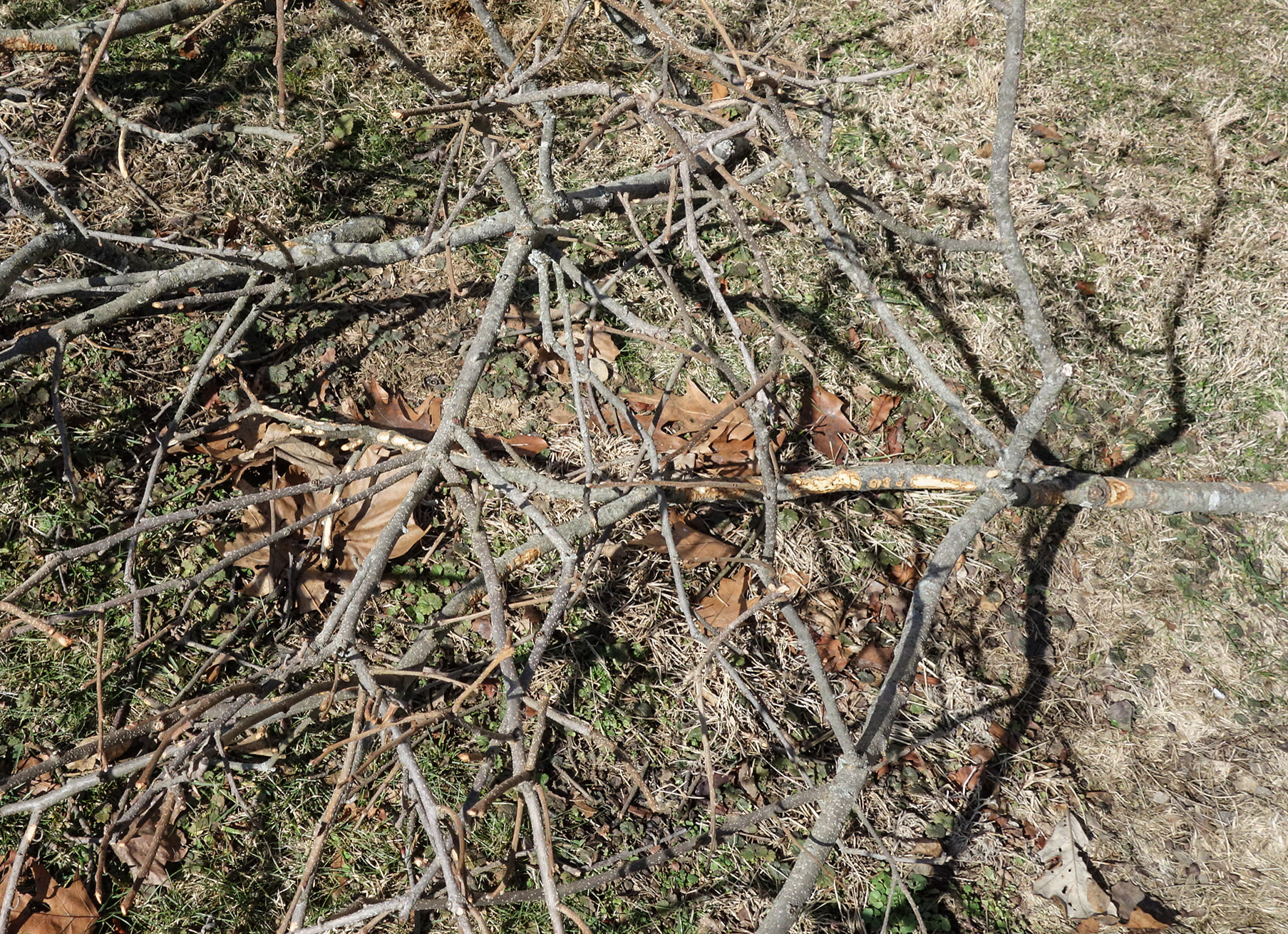
I had lots of branches down on the ground from Winter that I just left to clean up in the Spring. When I looked at them this week, I noticed everything was chewed up by the animals. The animals eat the dead branches as well as the live ones.
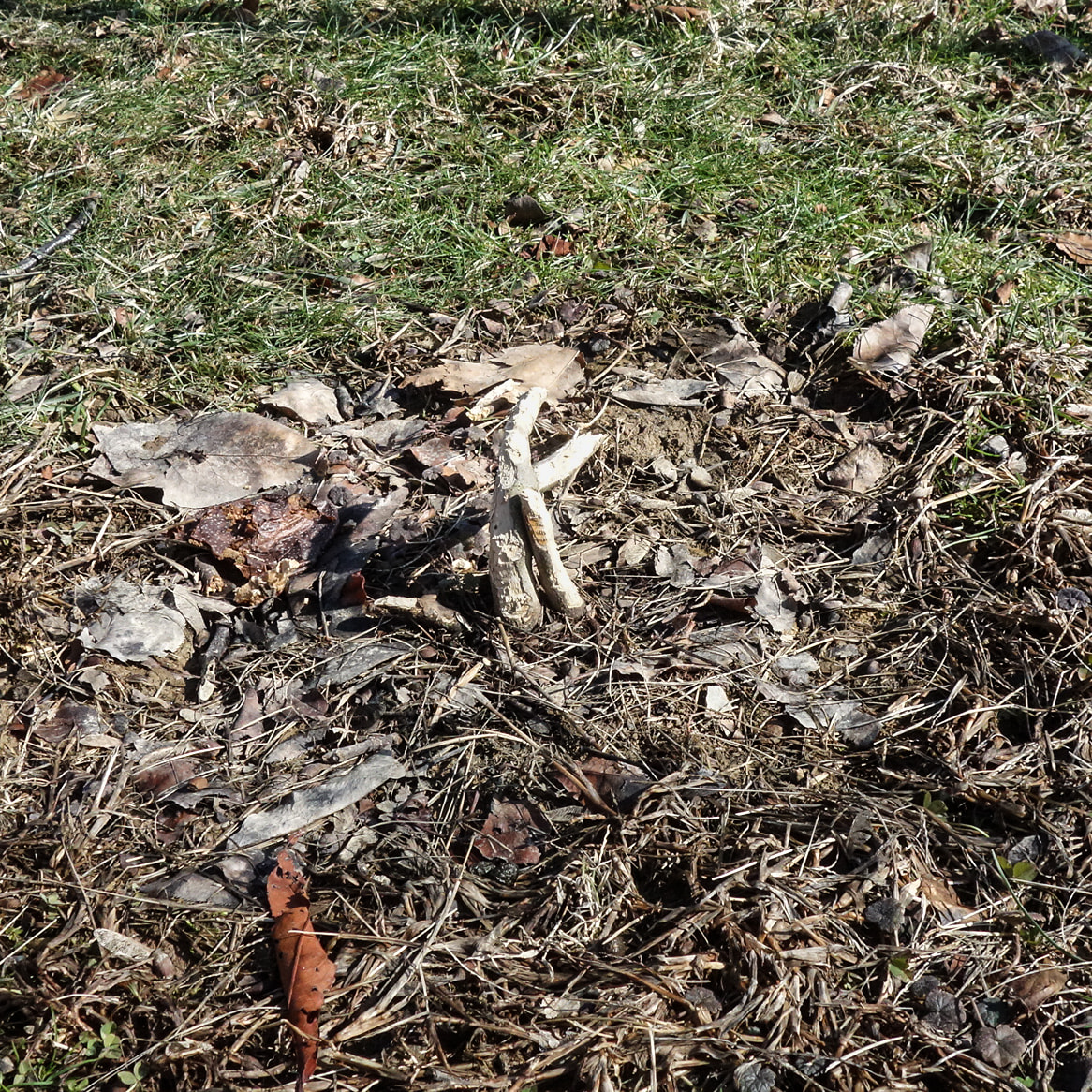
I had an Olympia fig that was left unprotected this Winter.
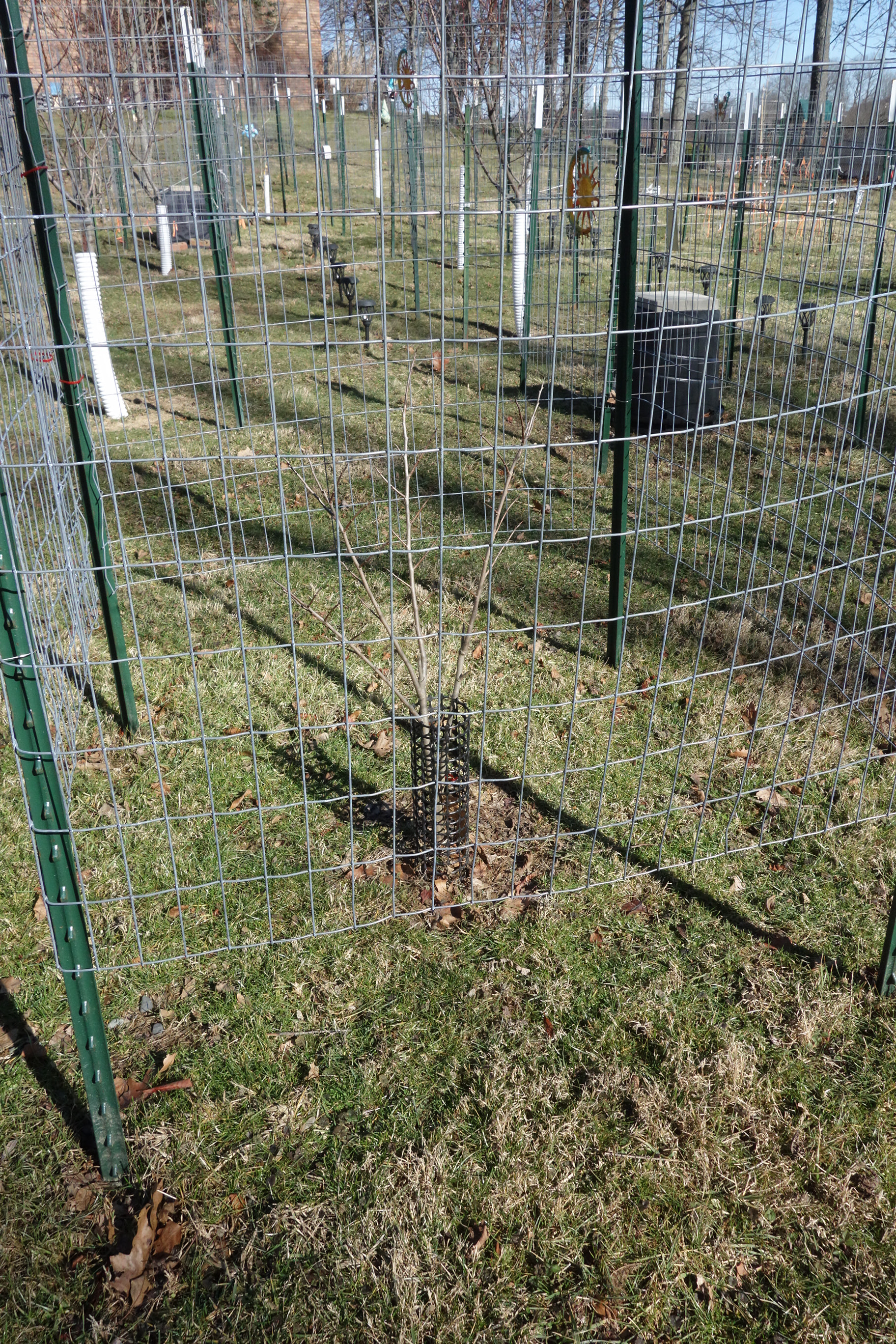
Cut that little bottom branch off and protect the whole area. I never had small plant damage because I never planted small plants like figs. I planted trees that were 6 to 8 feet+ tall. I protected the trunk about 3 or 4 feet and put up a deer cage for the top. After the tree outgrew the deer, I took the deer cage down and I protected 4 - 5 feet up the tree trunk to protect from deer until the tree was pretty old.
This Pawpaw was a mail order tree and small. So, I was stuck with a short protector. I was just lucky this season. Maybe all the dead branches on the ground for the animals to chew on saved this tree.