Here it is again.
8 Likes
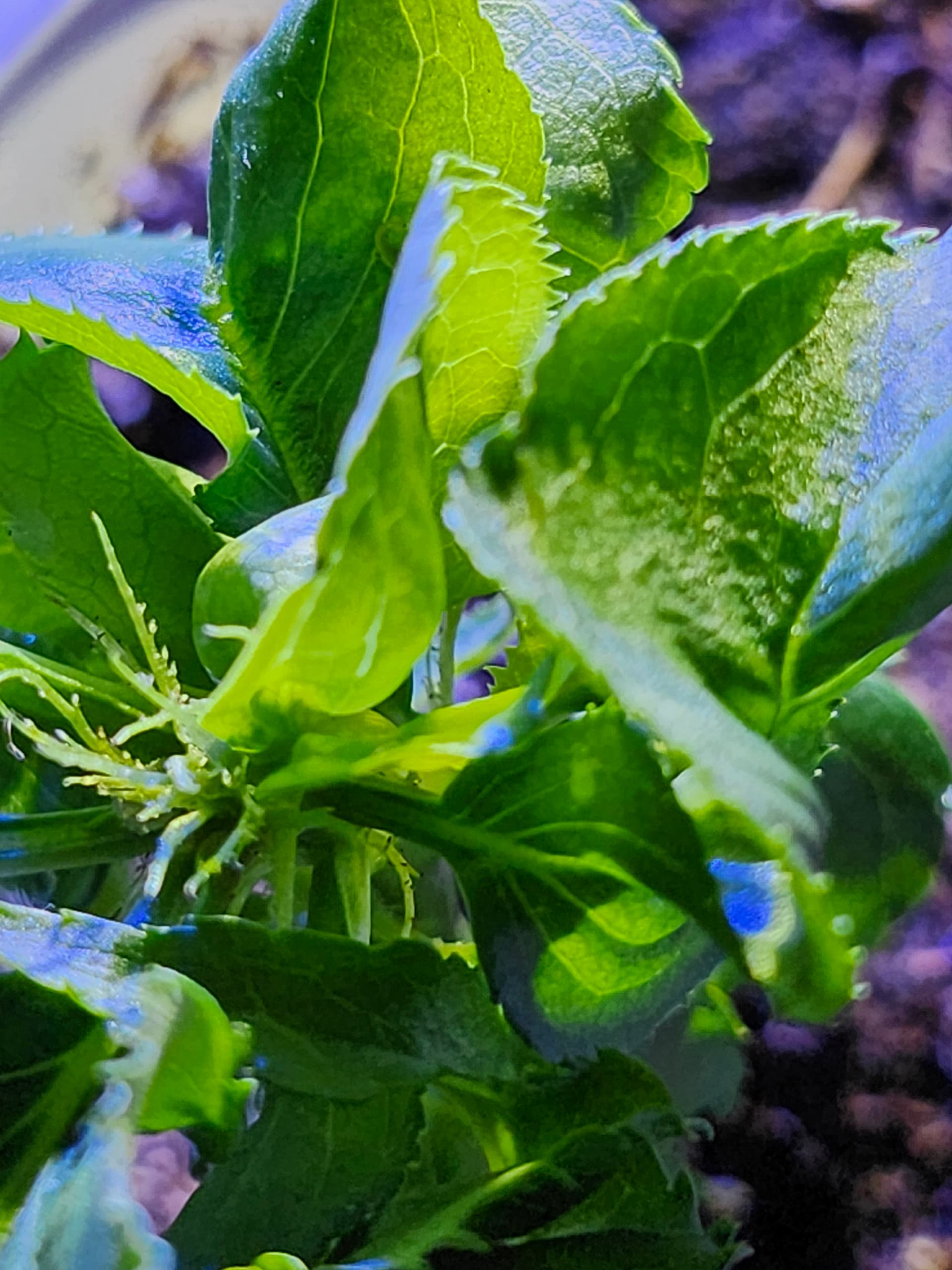
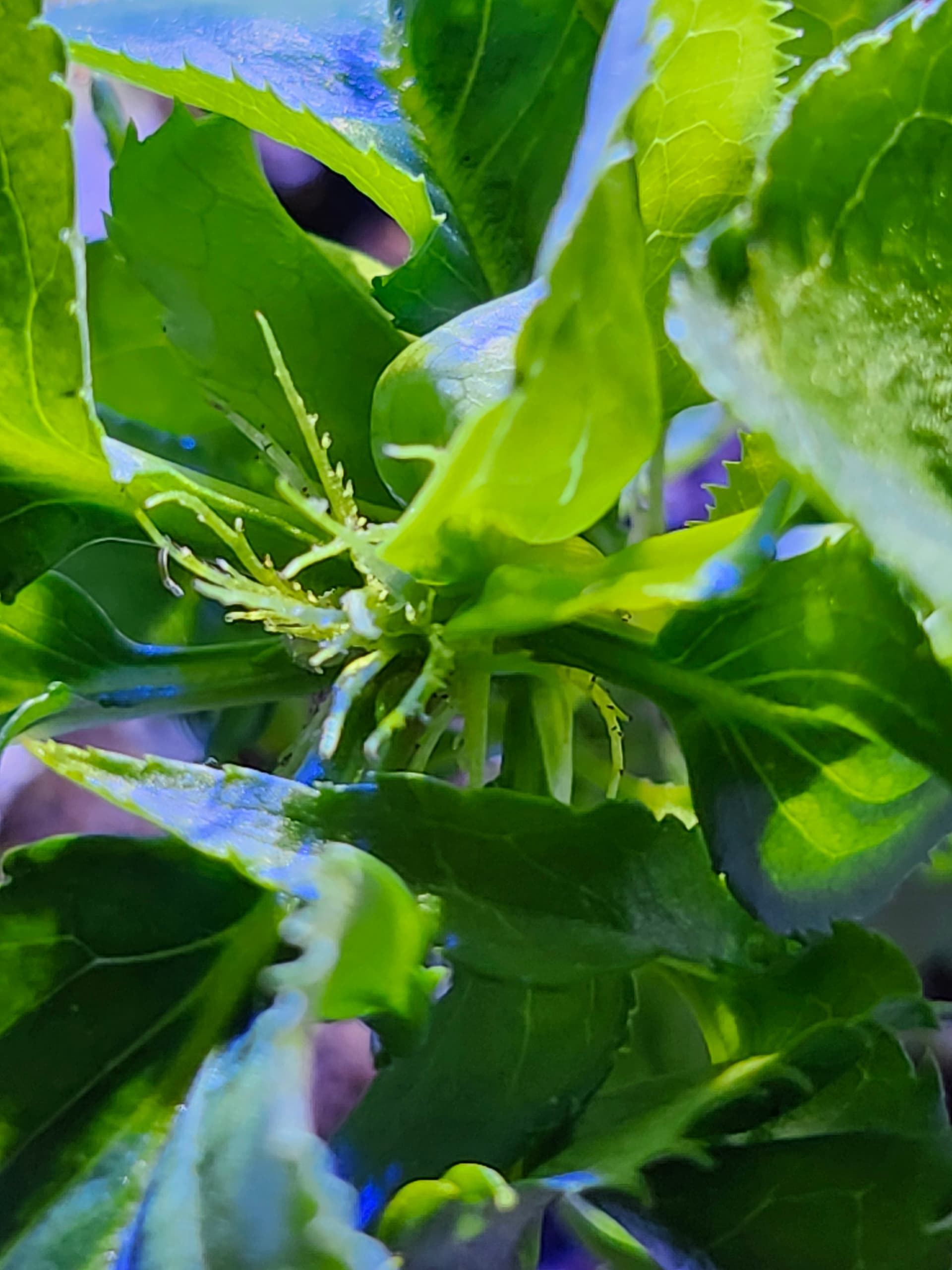
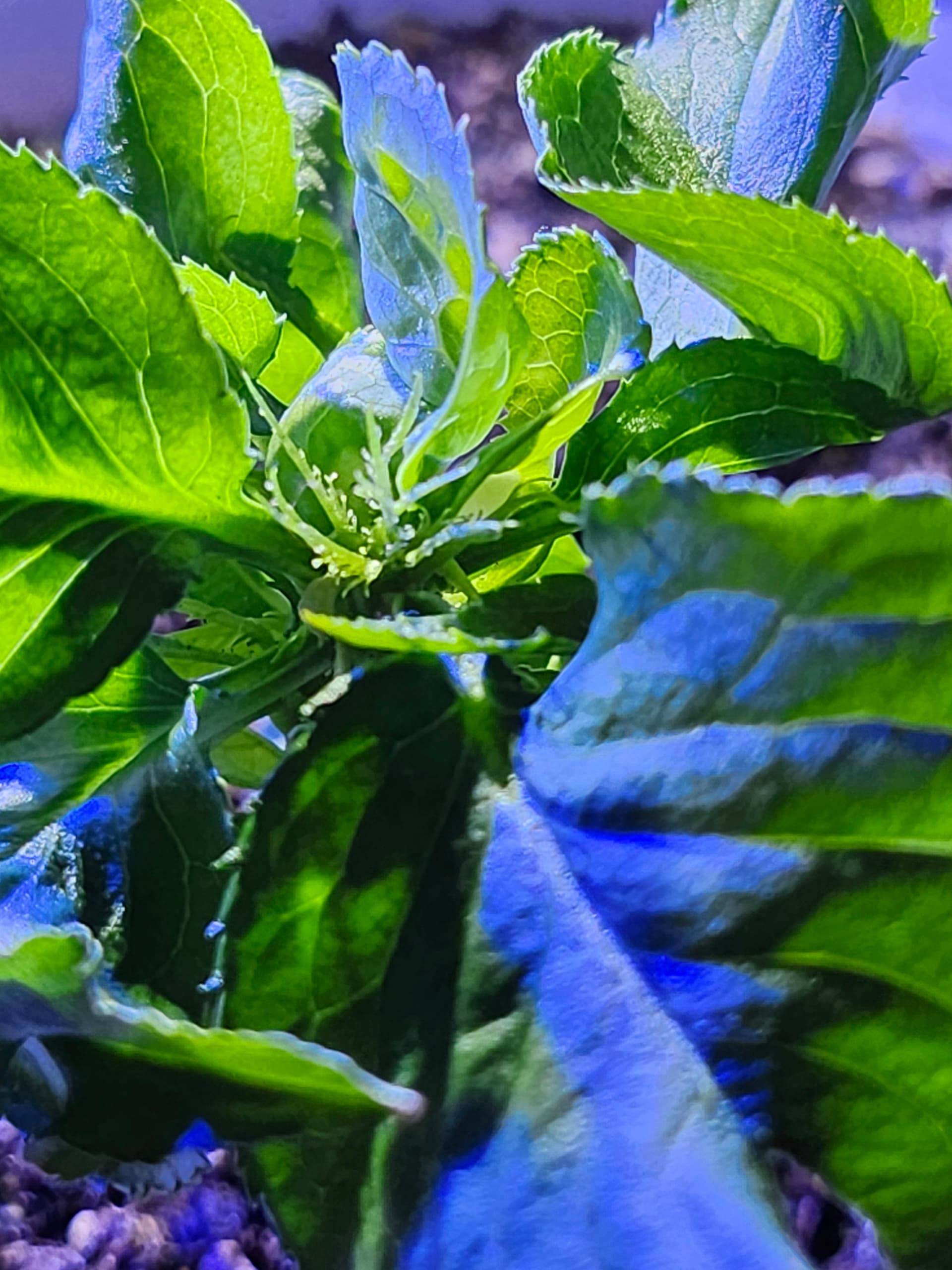
Pot it up to a larger container.
3 Likes
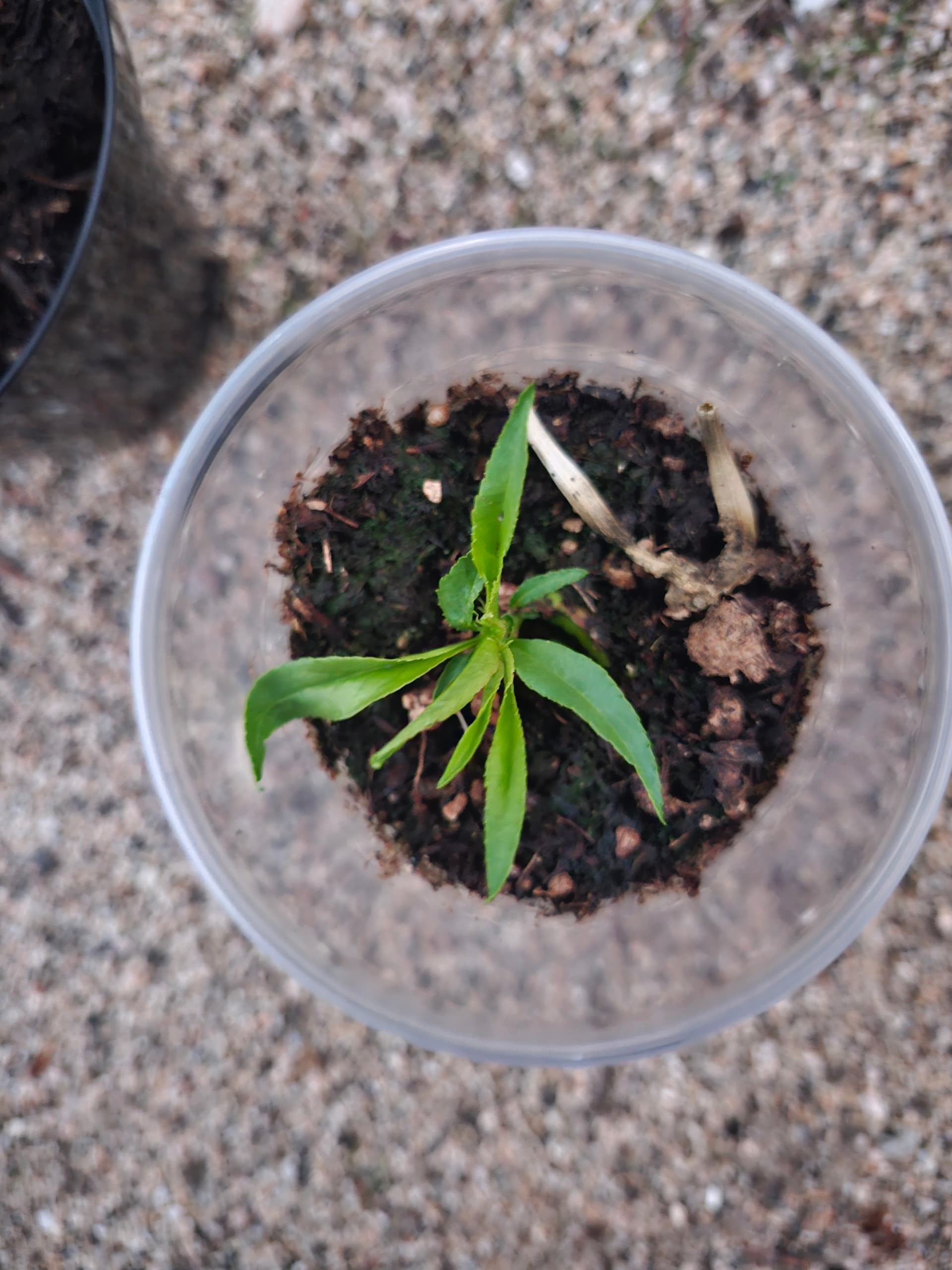

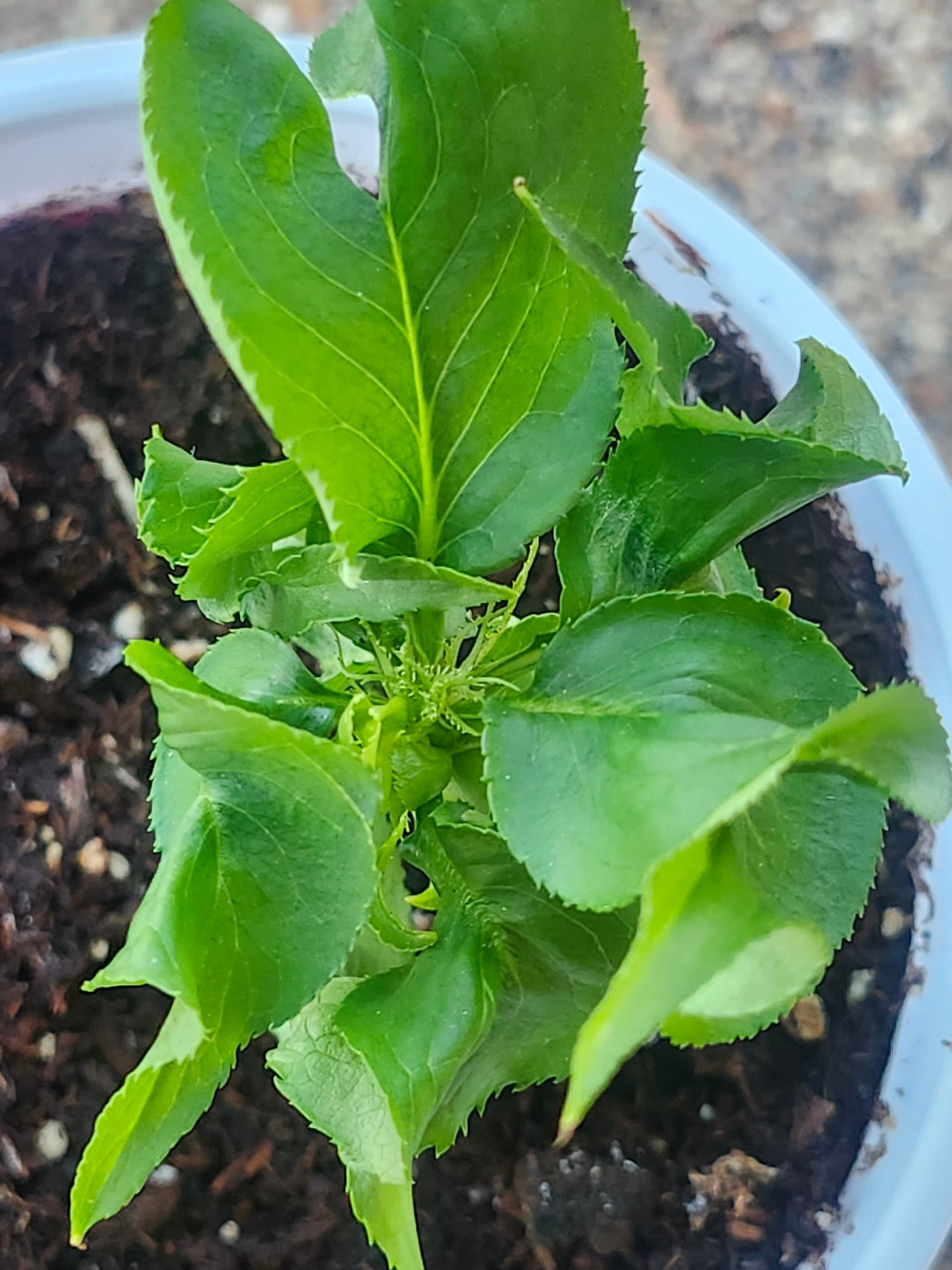
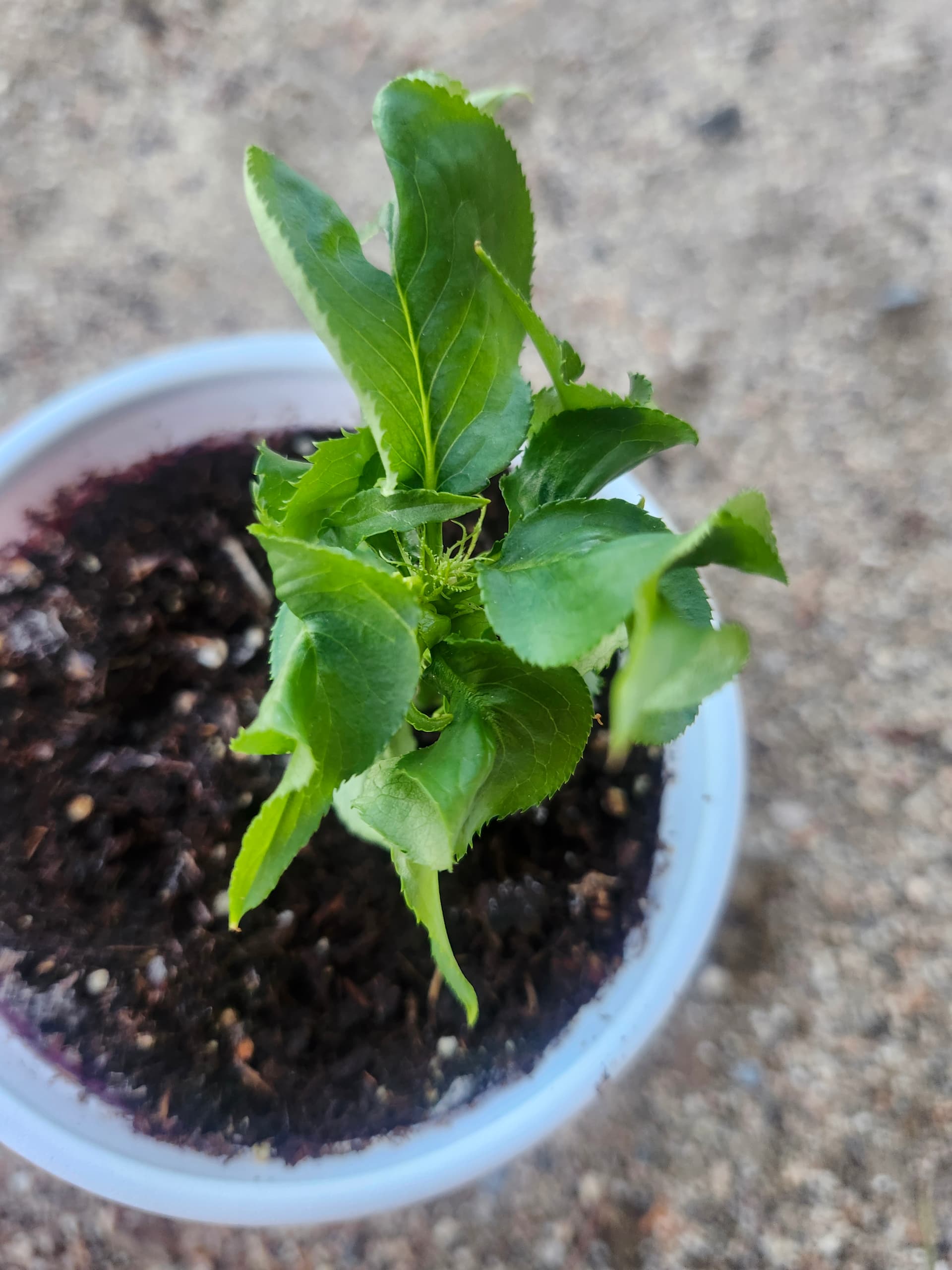
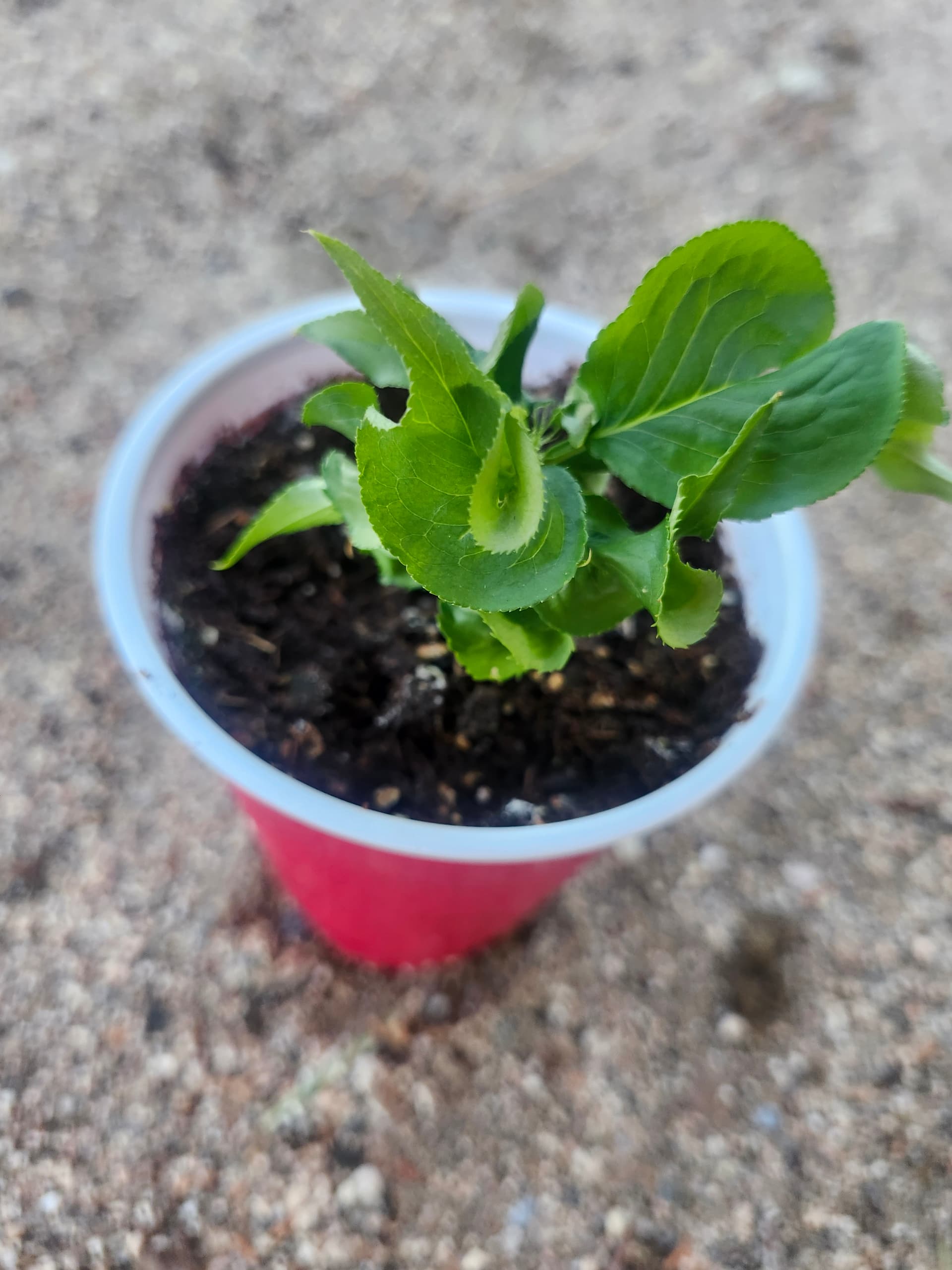
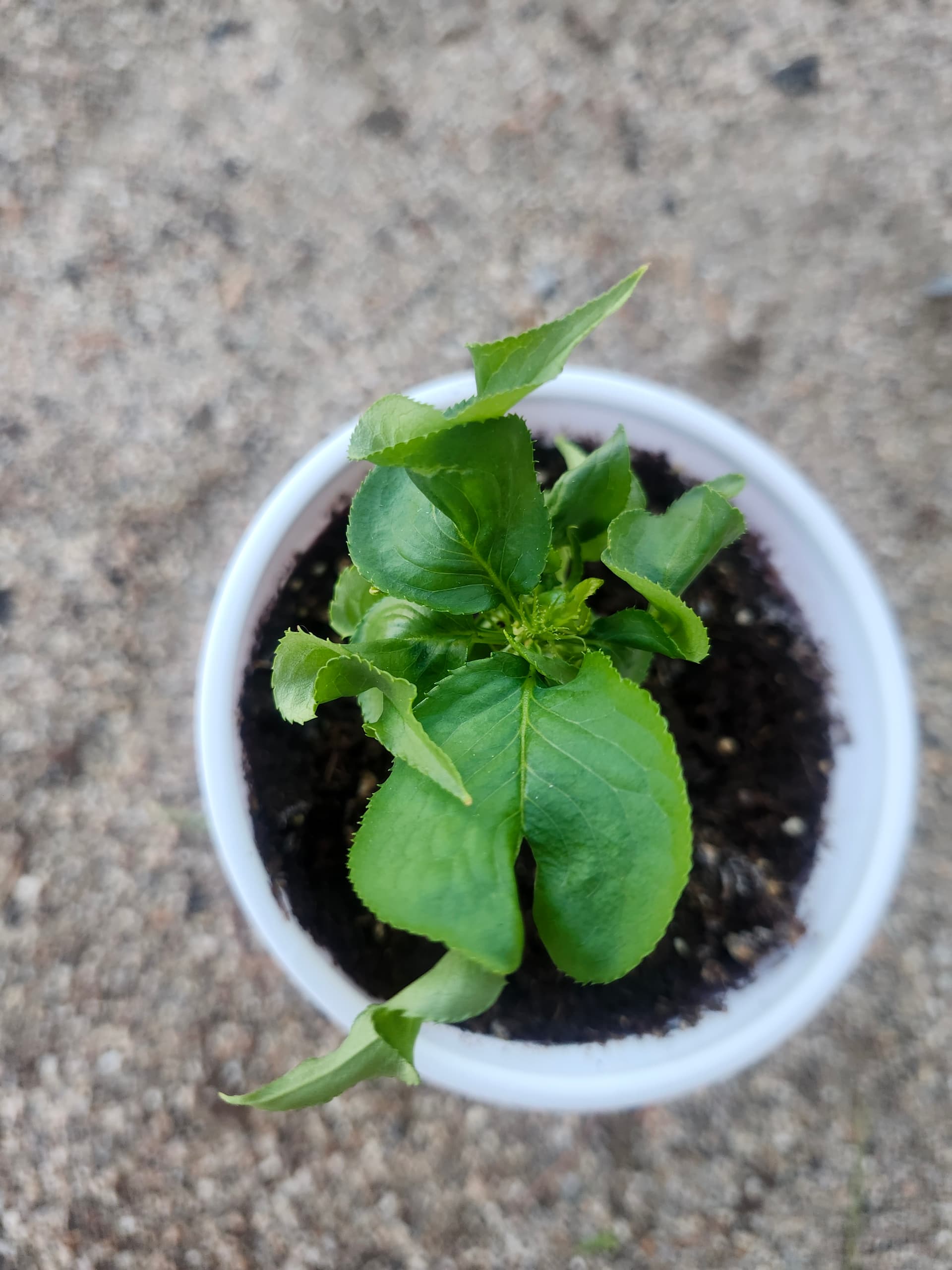
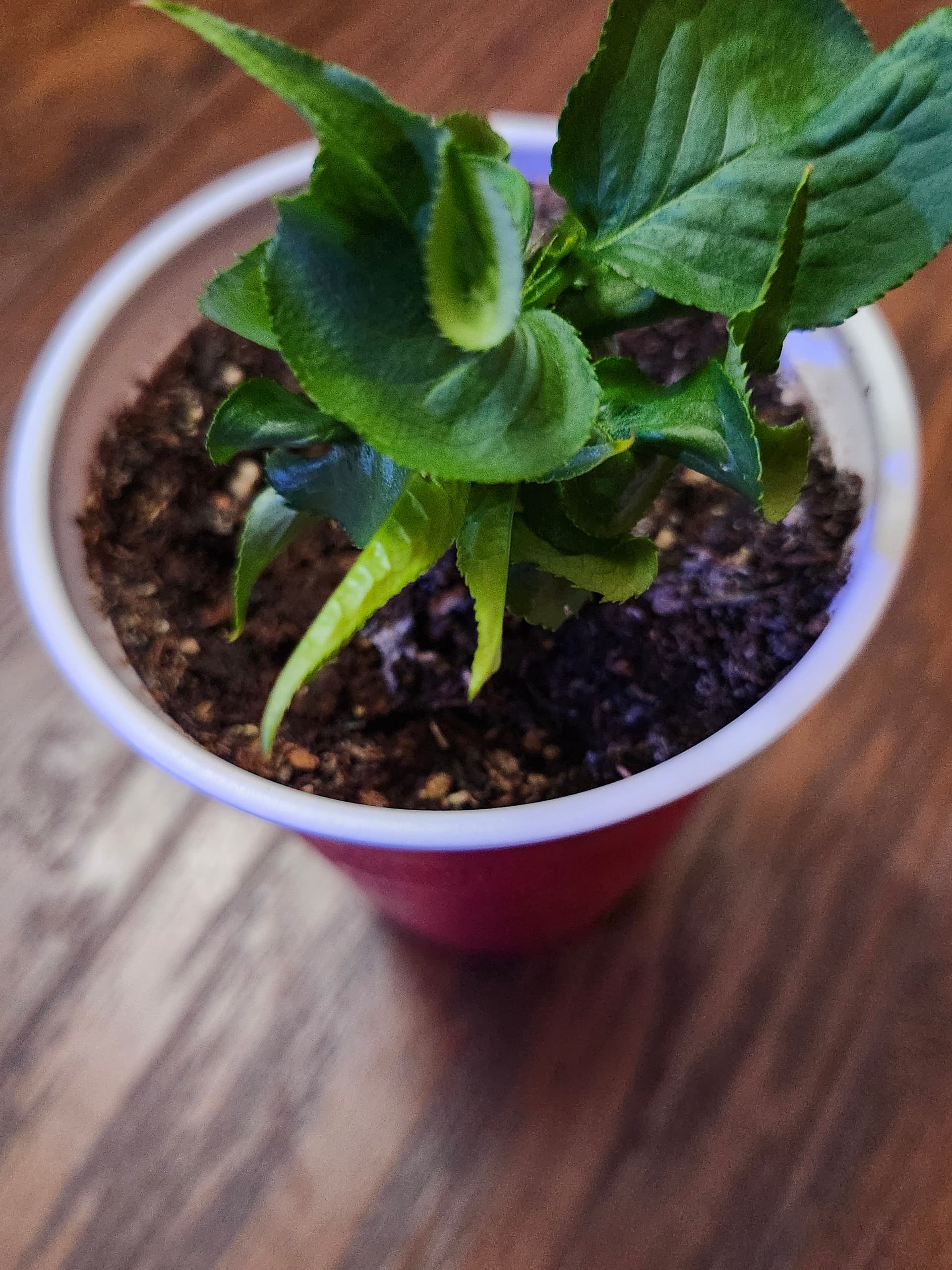
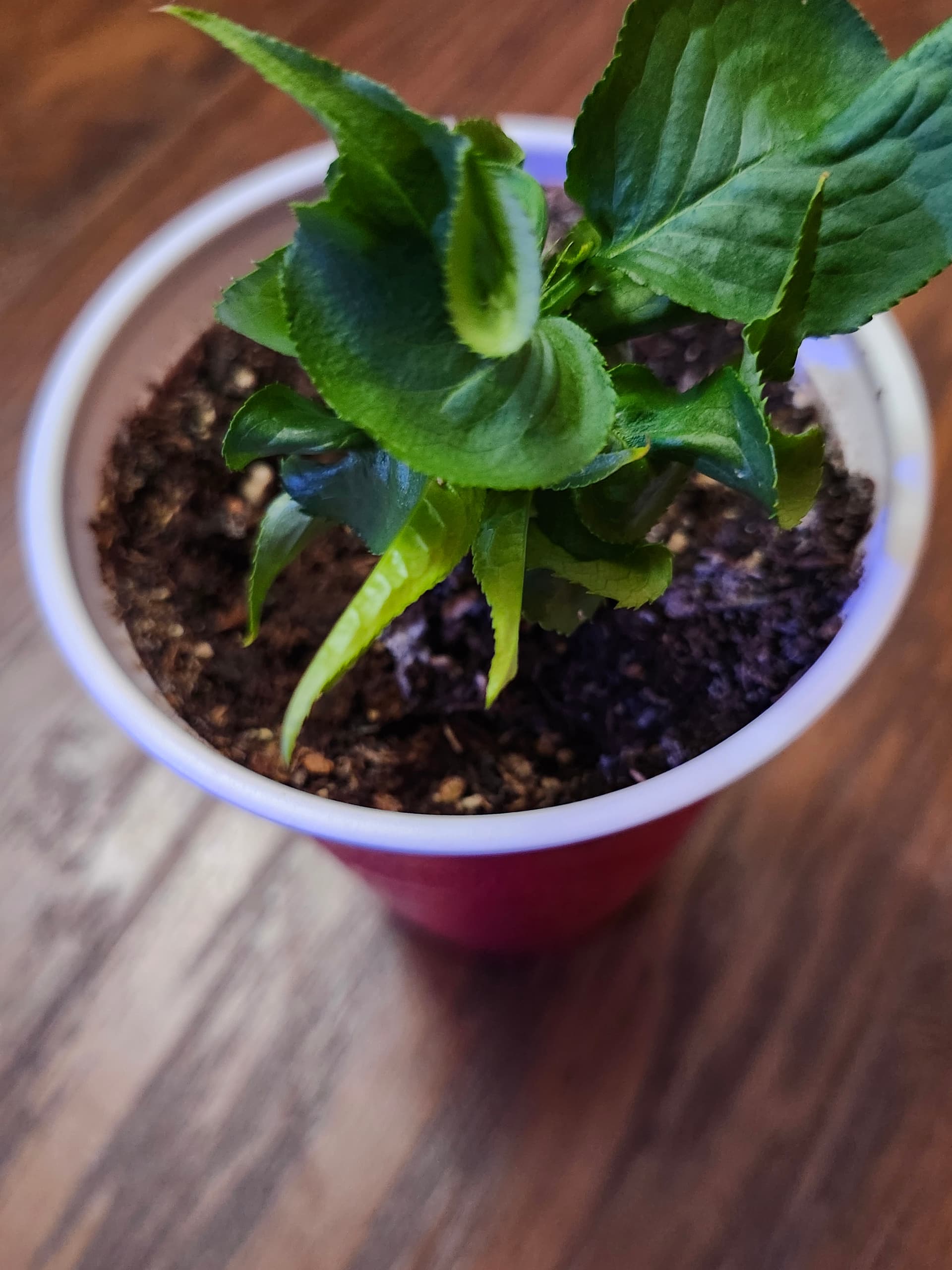
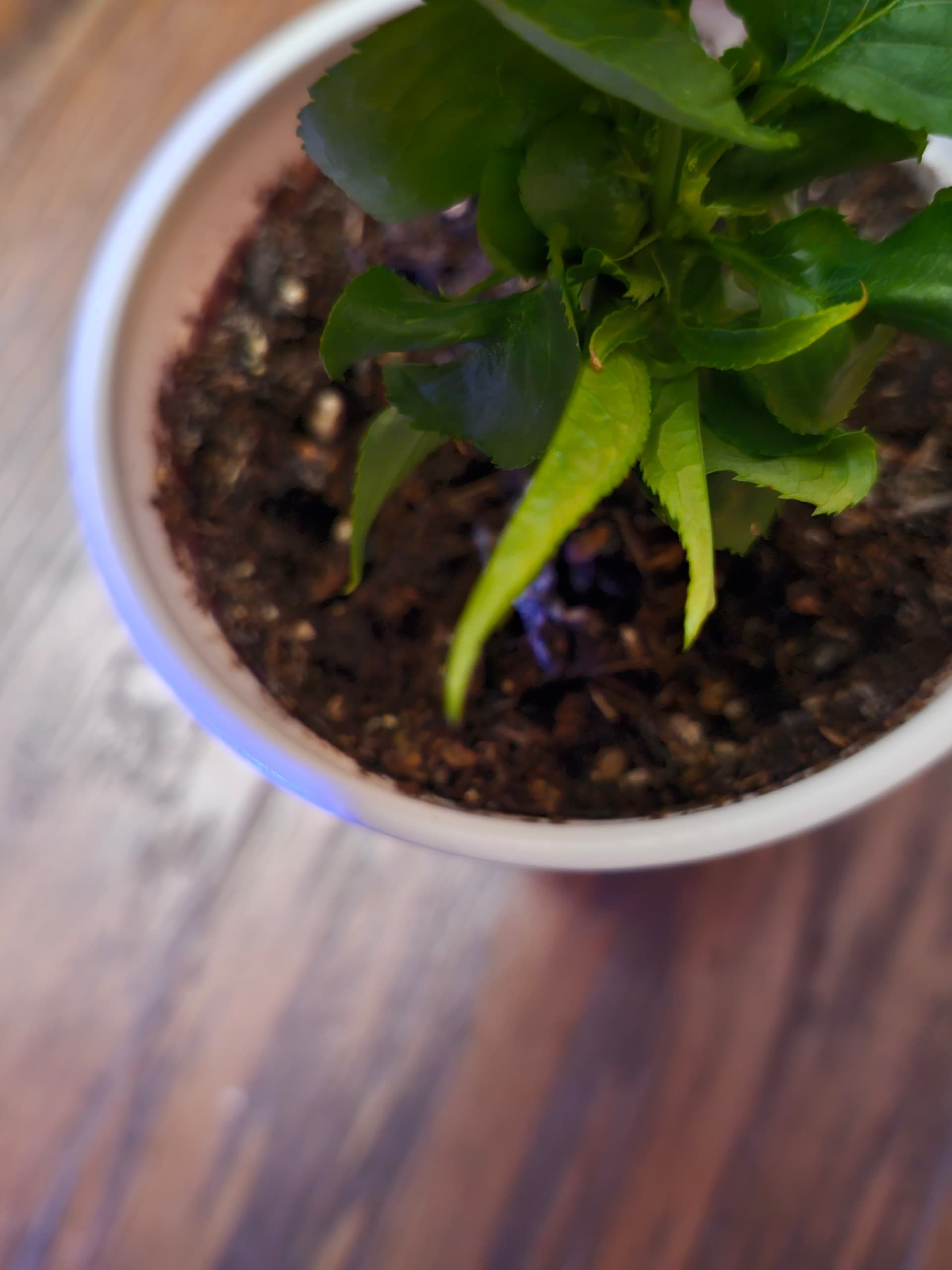
This is so interesting! My nectarcot is sprouting nectarine leaves. What would be the odds that the other two seedlings that have nectarine leaves are also hybrids?
5 Likes
Love your experiments. Enjoying them vicariously, please keep the updates coming.
4 Likes

Thank you. I appreciate it.
Non-zero.
2 Likes
Hey could you explain stone fruit breeding a little bit so we can understand this. The leaves look weird like it might have a genetic problem. I assume their genes don’t quite match up. Is it possible that it will be sterile?
I know stone fruit are all kinda similar, but different enough that there can be graft incompatibility. But they have also hybridized stone fruit to make rootstock that can take several different types of stone fruit. And then Adara plum seems to be compatible with all. So where are we at in the journey? How many do you need to sprout to be sure you have succeeded?
3 Likes
During the flowering season, I select the flowers buds that are in the popcorn stage. Then I remove the petals and anthers and I leave out the stigma. After that, I grab fresh pollen and I pollinate the stigma with a brush. After pollination, I tag out the flowers, and I also cover them with newspaper for about a week. Then a week later, I remove the newspaper.
I pollinate an average of 60 flowers per tree, but only 6-10 flowers produce fruit. This year, I had great success. I had 20 flowers that produced fruit and all of those had viable kernels. But only four germinated, out of those four, two produced standard nectarines, one produced a hybrid, and the last seedling died. Whereas the Zaigers, they pollinate thousands of flowers, but they only end up with one good hybrid or none.
For my plum x peach x almond hybrid, I had more than four hundred fruit, but only two produced hybrids.
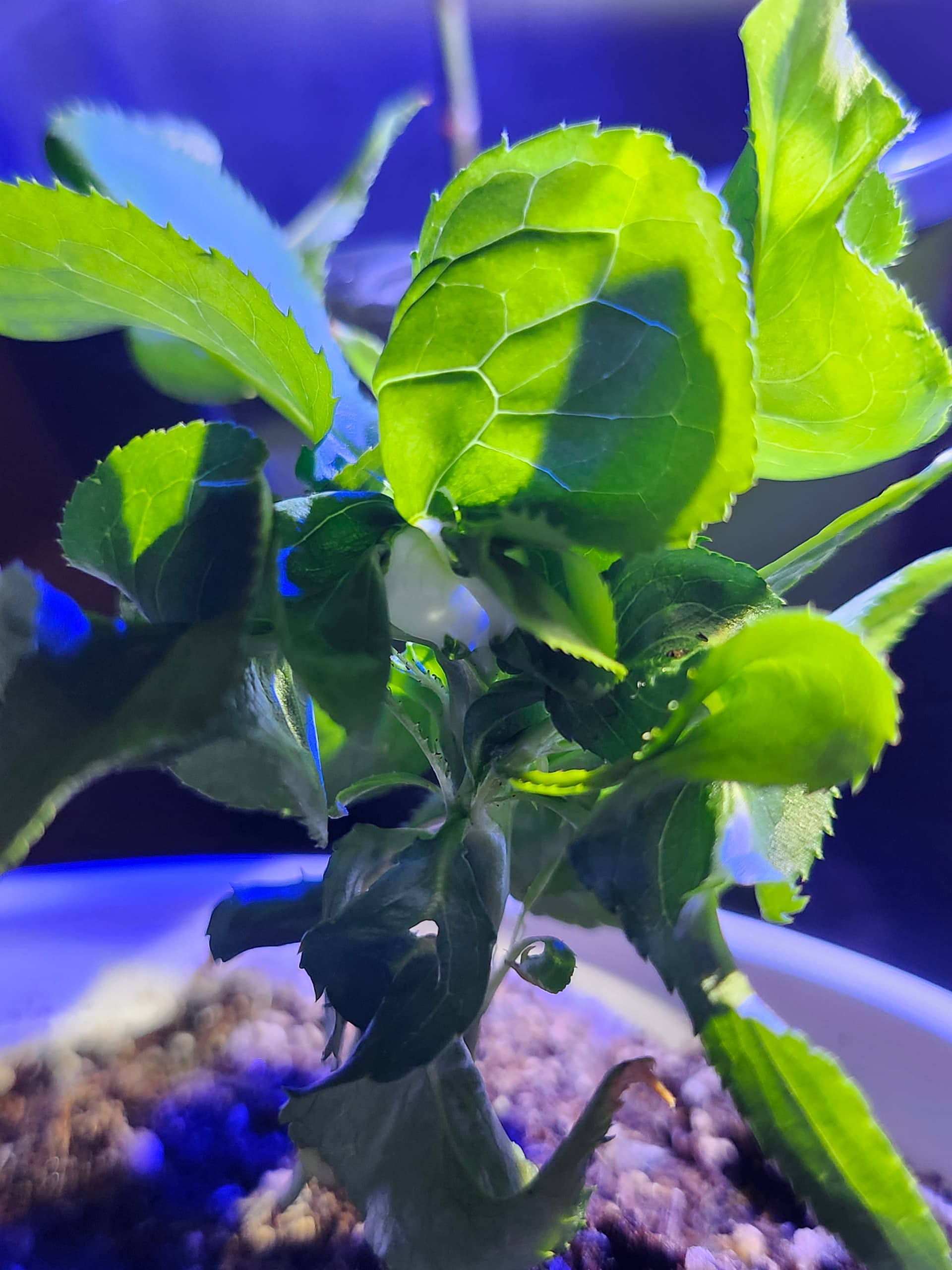
As for the my nectarcot’s leaves, I think that it’s having some chromosomal issues due been a hybrid. The tree is now sprouting nectarine leaves and apricot leaves instead of intermediate ones.
I also have a friend who lives in Turkey and his friend, who’s a fruit breeder, gave him a peach x apricot hybrid and the leaves resemble like that of a poinsettia. His tree is on his fourth or fifth year that it has flowered, but it hasn’t produced fruit yet. He tried pollinating it with various sources of apricot and peach pollen, but no luck.
Adara interstem is a cross between a Myrobalan plum x Unknown pollen.
8 Likes
Thank you, that’s very cool 
Now I’m wondering if someone who worked at zaiger could tell you how many you need in the sprout phase to get to the fruit tasting phase
1 Like
David Karp might know.
2 Likes
These videos might help you answer your questions:

1 Like

2 Likes
2 Likes
I found this interesting Article:
3.1. Interspecific hybrid verification using SSR markers
"A total of 3029 seeds were obtained from interspecific crosses, including 1525 using Japanese plums as the female parent and 1504 using apricot as the female parent (Table 2). However, due to losses during germination, acclimatization, and subsequent planting in the field, only 612 genotypes (20.2%) could be evaluated. The verification of the interspecific nature of the offspring obtained using SSRs is shown in Table 2. The screening by SSR markers of the 612 genotypes generated by interspecific crossings clearly identified a total of 33 interspecific hybrids (Table 2). The 5.4% of verified interspecific hybrids shows the difficulty in obtaining plumcots, underscoring the technical challenges associated with this process. This finding highlights the need to improve the hybridization protocol. If we consider the total number of obtained seeds, the results are even worse, with only 1.1% plumcots obtained. All plumcots came from crosses in which Japanese plum was the female parent and apricot the male parent, suggesting that hybridization efficiency depends on the crossing-over direction. An example of the molecular identification of interspecific hybrids with the CPSCT005 marker is shown in Fig. 1A, where only the interspecific individuals showed the alleles from parents used in the cross, and the remaining genotypes were escapes.
The genetic profiles of each genotype are included in Supplementary Table S1. Most of the SSR markers used in this work allow for early marker-assisted selection (MAS) to distinguish interspecific hybrids from possible escapes resulting from controlled pollination. However, some inconsistencies were detected in some markers. Most of the plumcot hybrids only segregate apricot alleles, except for ‘0412-1’, ‘0412-15’, ‘1413-8’ and ‘1515-5’ for BPPCT039 and ‘0915-1’ for UDP96-005, which also have plum alleles. On the other hand, ‘0613-4’, ‘0915-1’ and ‘1515-5’ genotypes have an allele of 181 bp for the PGS1.21 marker that does not match with any alleles of their apricot genitor."
https://www.sciencedirect.com/science/article/pii/S0304423823003023#bib0087
2 Likes
@itheweatherman
Disregard the results of that study.
1 Like
What’s the reason?
@itheweatherman
To date, horticultural genetic markers are no better than phrenology.
1 Like