I agree wholeheartedly with the development of a spray program. I have one thanks to the UT Ag program. I follow it very closely every season because of the problem detailed by your photo. What’s more, it is important to use at least two if not three different types of anti fungal sprays so that the various fungi don’t develop a resistance to any one agent. I do the same with my tomatoes, peppers, squashes, and roses.
I hope you’re feeling better now, PomGranny. Great hearing from you.
1 Like
I learned a spray program is really site specific. I used to think a generalized spray program would work for everyone in my general geographic area. Nothing could be further from the truth though. I had to learn to identify funguses by their latin name and fungi by their latin name and target those specific funguses for my site. It took lots of studing and learning and i’m sure i just scratched surface. But why spray for something that isn’t a issue? For example… peach leaf curl is non existent here, why would I traget it specificly if it’s a non-issue? I took advice from @alan I recall him saying grow it a season or two see what turns up then target what does turn up. I’m paraphrasing of course because I dont recall his exact words, so I cant quote him.
Edit…
I want to help you and not leave you to the wolves. Pubmed is one of several super helpful sites. But to me its a slow read because I dont speak scientist. So i have to look up the definition of many scientific words.
Peach Scab is caused by cladosporium carpophilum fungus. So if you enter cladosporium carpophilum into pubmed search you will learn more than you ever wanted to know about peach scab. Have a read for yourself.
1 Like
Excellent! Great article. I mentioned in my previous post that it is equally important to use fungicides that attack fungi in different phases of their development which will take away their ability to mount resistance to any one type of anti fungal. Like Captan, a phthalimide fungicide which is a non-systemic anti fungal that stops various fungi from penetrating a peach tree versus Spectracide Immunox which is absorbed into the plant, allowing it to move throughout and protect the entire plant from disease. It contains the active ingredient myclobutanil.This means it works by disrupting the fungal cell membrane, preventing further growth and spread of the disease. Then there’s Daconil (chlorothalinil) which is a broad-spectrum, non-systemic, contact fungicide. It’s classified as a chloronitrile fungicide and is part of the FRAC Group M05. This means it works by disrupting fungal metabolism through multiple, non-specific sites within the fungal cell, rather than targeting a single enzyme. So all three of these agents work on different areas of a fungus when they are rotated from one spray cycle to another. Can you mix them? Yes that would be the initial spray of five different cycles plus the mix at the end which would make it a six cycle program. When I spray Captan alone I add about 4 ounces of white vinegar to the mix before adding the Captan to give it a longer half life so that its effects stay around longer.
I almost didn’t send this. It’s a lot to take in but it works. I have a similar program for our roses and what I found there is that a very healthy rose bush seldom have pest problems. Can’t say the same about peaches and apples. Ugh!
1 Like
That was a lot! But what I pray for is that some really smart Ag people will come up with a root stock for peaches and apples that would lend resistance to things like brown rot or, dare I say it, fire blight. There is a ton of research ongoing on the subject of black spot on roses. There are now some root stocks that are being produced for roses that give them that resistance. As black spot is the biggest problem that Rosarians face every year that development would be a great thing.
Per label one should not spray Daconil (chlorothalinil) after shuck split, I stop even before shuck split. During bloom is tough because I have great respect pollinators so I avoid captan during bloom and I feel like sticker/spreader could muck up pollen, so I dont use that either during bloom.
1 Like
Me too, MikeC. And just about right up there with Redhaven (if that is possible!)
I’m gonna ‘graft the heck’ this winter . . . getting rid of as much of my Indian Free as possible - and adding Flaming Fury! Indian Free is just . . . . . WIERD. Anyone else think so?
2 Likes
My peach trees are Contender, Redhaven , and the Flaming Fury. When they do produce peaches, barring the bad weather years, I get a lot of nice peaches off of them. Redhaven ripens a week to 10 days before the Contenders. The Contender seems to produce more fruit.
The Flaming Fury are not as large as the Contender’s , so far, but last year was the first year that it to produce enough fruit to really give an opinion on the quality of the peaches.
I am just disappointed I did not get any fruit off of any of them this year after the excellent production of fruit last year.
2 Likes
I have a Contender that’s over 5 years old and so far, only had a bit of stem rot one year. Alas, this year I got nada as we had a hard freeze just before blooming and all the buds were killed. But previous years I had to cull so many fruits so some could grow into a decent size. It’s my favorite. I wonder if there are other factors coming into play? I’m zone 5, have a kind of wide-open property (pasture, lawns on all sides, few trees), I’m sitting on a water table so don’t need to irrigate, and my orchard is also my free-range chicken and duck yard. In fact, last year, I had to bungee the lower branches up to keep the chickens from pecking the fruit!
2 Likes
Same here pamiejune, either I get a really nice full crop of peaches or zero. No in between. Just like you the weather plays a HUGE part of no getting fruit. The peach trees or either in full bloom or are in the pink bud stage and then somehow the weather gets them- freeze, frost, cold spell right in my area ( in my orchard area) . So I feel your frustration. When I do get peaches they taste amazing and so delicious. So I just keep my fingers crossed each spring around the time they are suppose to bloom. I had the same issue last year with mine having so many peaches. The branches were touching the ground they were so heavy with fruit. A few years ago I had the same issue and a racoon had a hayday eating peaches. I had to put the bird netting around all my peach trees, to TRY and keep that racoon out. They have all night trying to find an opening to get inside to get to the peaches. The racoon had an actual little patch worn into the grass area to get to my peach trees.
1 Like
I agree with @mamuang .
. The first year of fruit is wonderful. The bugs find them the next year. Doesn’t matter if it’s an apple, pear, or peach. Same with the grapes.
@Zone6 how are you marking your trees? Where are you getting the metal and how are you etching it? This looks to be better than my method of writing it down and then losing the paper.
I’m surprised the raccoon didn’t just chew right through the netting. They can take out chicken wire. We chicken keepers have to use hardware cloth. It’s the only thing that keeps out predators. And they climb. This is the first year in 7 years that I’ve had raccoons - My daughter found three big juveniles inside the pen not long ago. I went after them with a shovel, poked and hollered till they found their way out and they never came back, lol. I’ve only had skunks so never had to worry about buttoning the pen all the way to the roof like it is now. As far as my fruit trees go, I’ve only had a bird every now and then peck at a peach. Not enough that I have to bother to net them. European starlings will peck on the topmost apples on my Wolf River but I get so many off that tree I don’t mind. Except I DO mind they manage to pick the largest, most perfect fruit to do that to. 
2 Likes
The one raccoon found the time to look for an opening in the netting and found the opening.
I have four peach trees so I wrap the entire area with rolls of netting. I clip the netting onto the peach trees and go around the whole area of trees overlapping and clipping them together. I do not mow the grass around the netting so it makes it more integrated into the netting. I know the raccoons are masters at chewing through fencing. I agree with you about using hardware cloth around a chicken coups. My neighbors found out the hard way. I mentioned , when they first moved in, that there were a LOT of raccoons in the area as well as foxes and coyotes. Something got to all their ducks and half of their chicken. They put in the hardware cloth and a nice chain link covered outdoor area. Expensive lesson learned.
We (my neighbors and I) are battling a fox even as I type this.
1 Like
It might take longer than five years if you have years with no fruit. Five yard of fruit before you can relax.
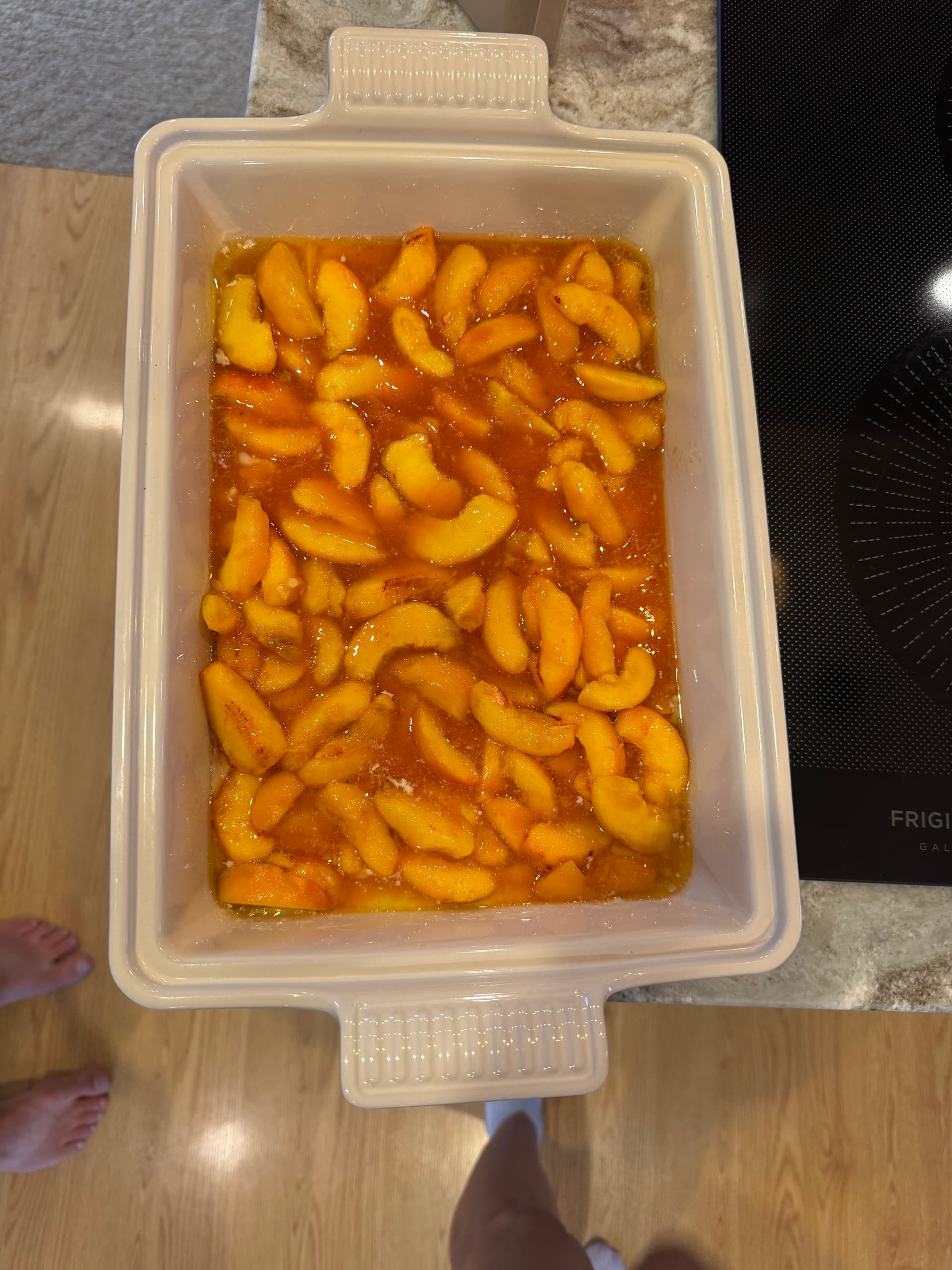
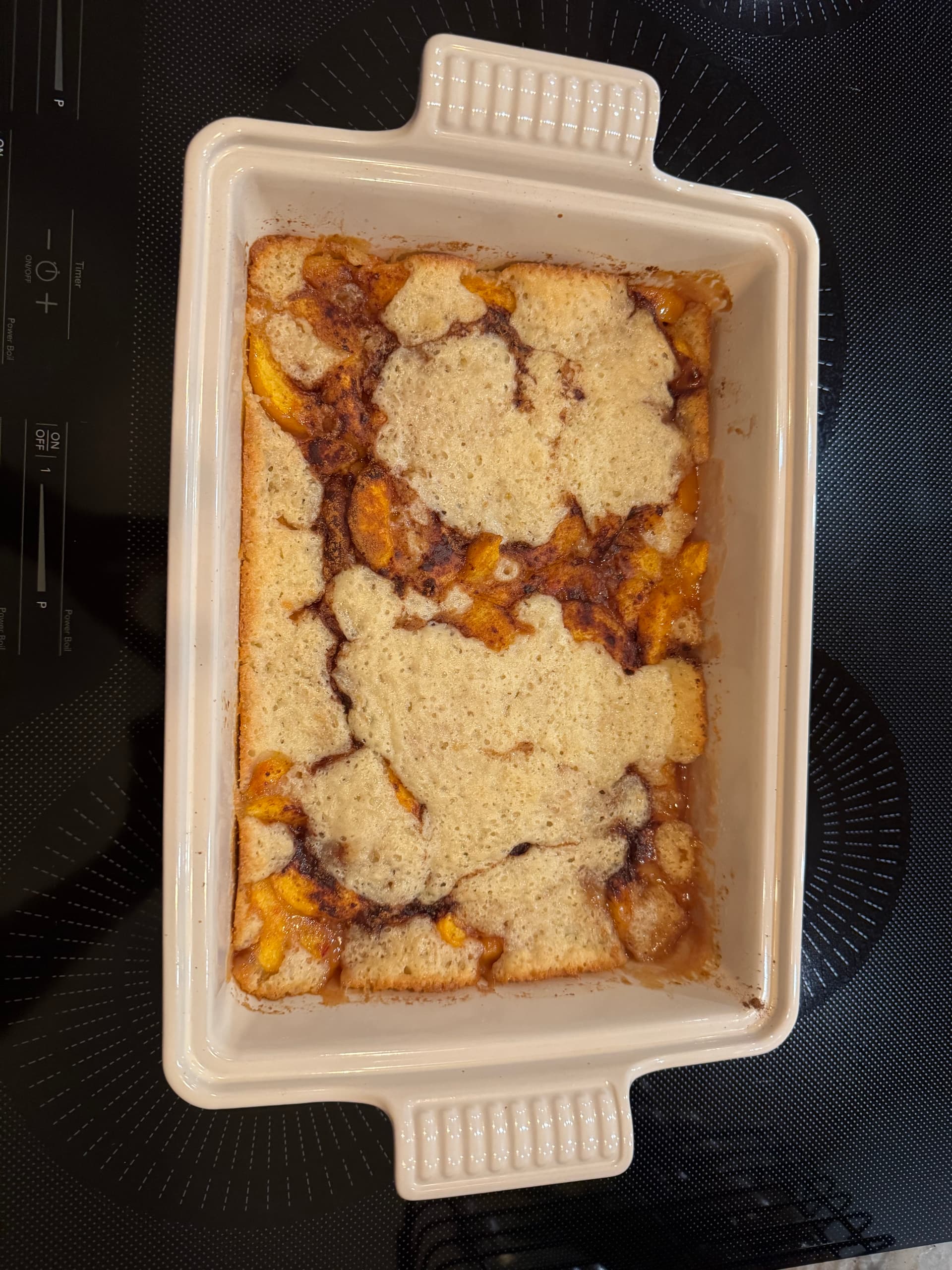
In Z6 Rustbelt…we eat em! Outside can be ugly, but inside taste fine. I hate to say it, but thin a few out. (From someone that seldom if ever thins!)
Do you do any hunting?
Coons are massive problem here…trap em.
1 Like