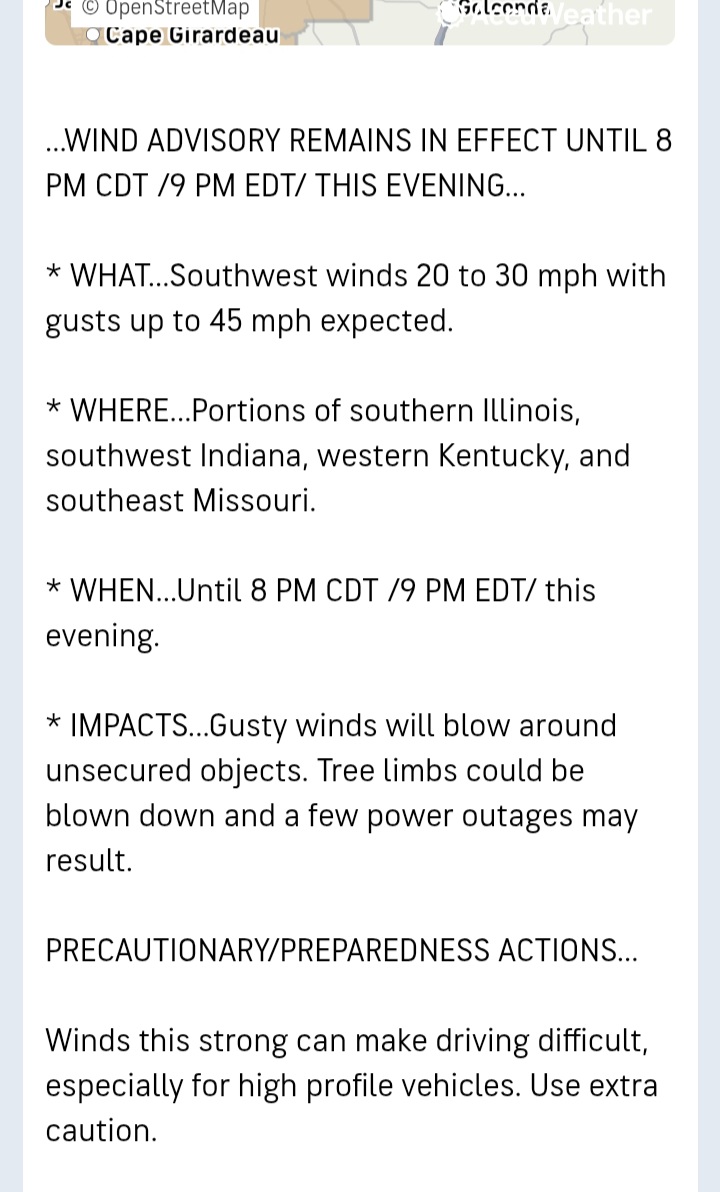
Well yes that and wind advisroy, gusts upto 45 MPH. We also have a few hardwood (chery oak and maple) branches down, probably others also…
I probably could use a conversion about fruit bearing brach crotch angles. What’s best and worst?
1 Like
Sorry for the damage the winds left you with. In general, the wider the crotch the less likely it is to split. That said, thinning heavily the set is the best way to manage the load - a broken branch will bear no more, so it pays in the long run to get fewer peaches - they will be larger as well.
I’ve seen orchards prop up laden branches with crutch like poles to help take the weight, but that can be a bit of a gamble.
1 Like
Do you know the name.of these poles? I took a 1x4 or 2x4 and cut a point on one end and a V on the other end. I drive down into thew ground about 8 inches and it works well to prop up branches, but is not adjustable in height.
The two banches that broke on the redhaven were very narrow angled pointing almost straight up at the crotch. There was really no way to brace them with my homemade boards.
We thinned that redhaven tree twice. I’m not consened at all with loosing the branches. The way that peach tree puts on growth, I doubt theose two branches will be missed come next year.
1 Like
It is not accurate to state that the wider the crotch angle, the less likely a peach branch will split. Too wide an angle (closer to horizontal to the trunk) could lead to an easy branch break due to a heavy load, too. The narrow crotch angle has its own problem, too.
It is true that thinning heavily is a good way to manage fruit load and prevent branch breaking. However, many people have a hard time time thinning off perfectly good peaches.
If you look at these videos, you will have an idea what angle peach branches should be.
4 Likes
Very nice - thank you 
Is one of my favorite movies!! I quote it often and songs of the soundtrack are something I listen to often!
3 Likes
I’m sorry you had this happened to you.
1 Like
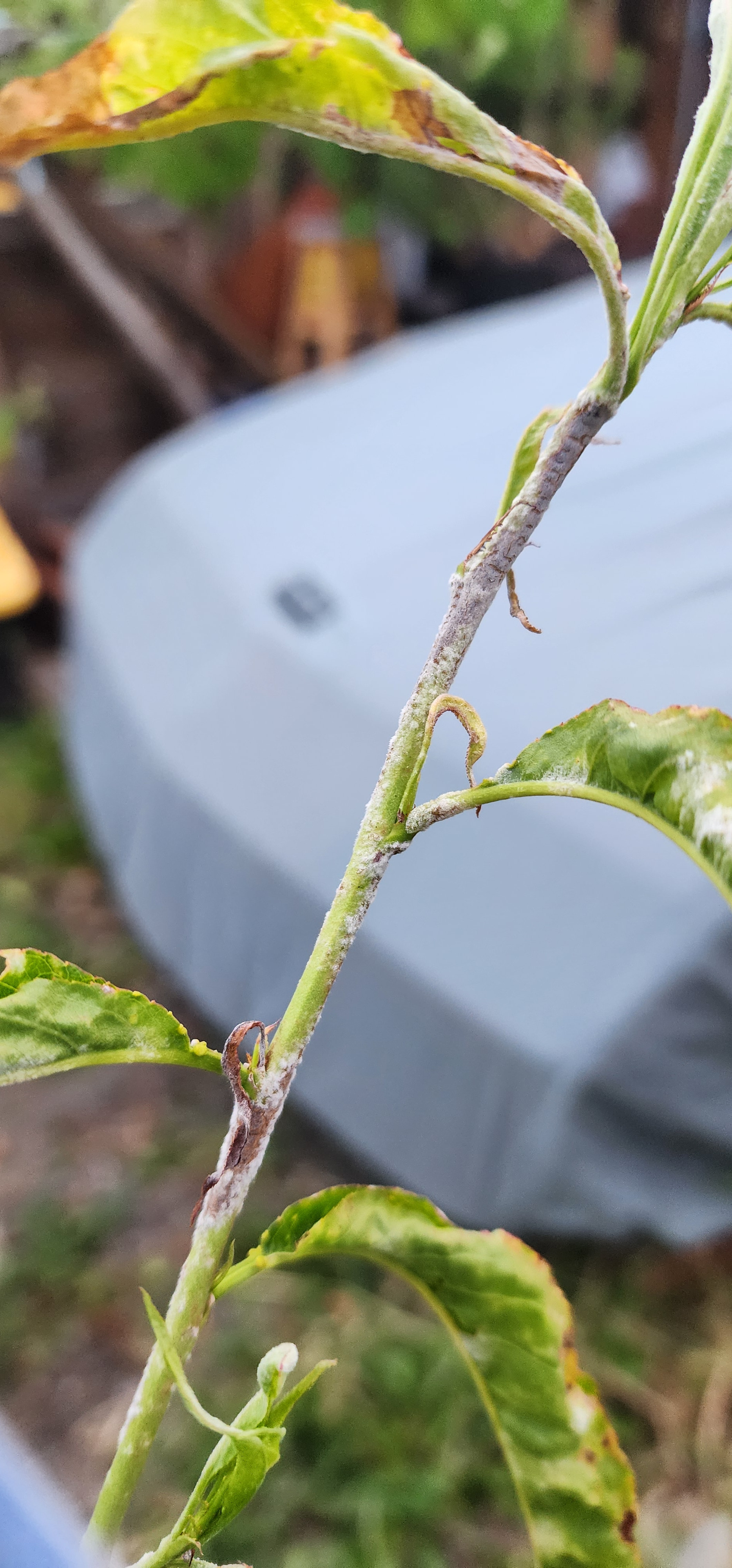
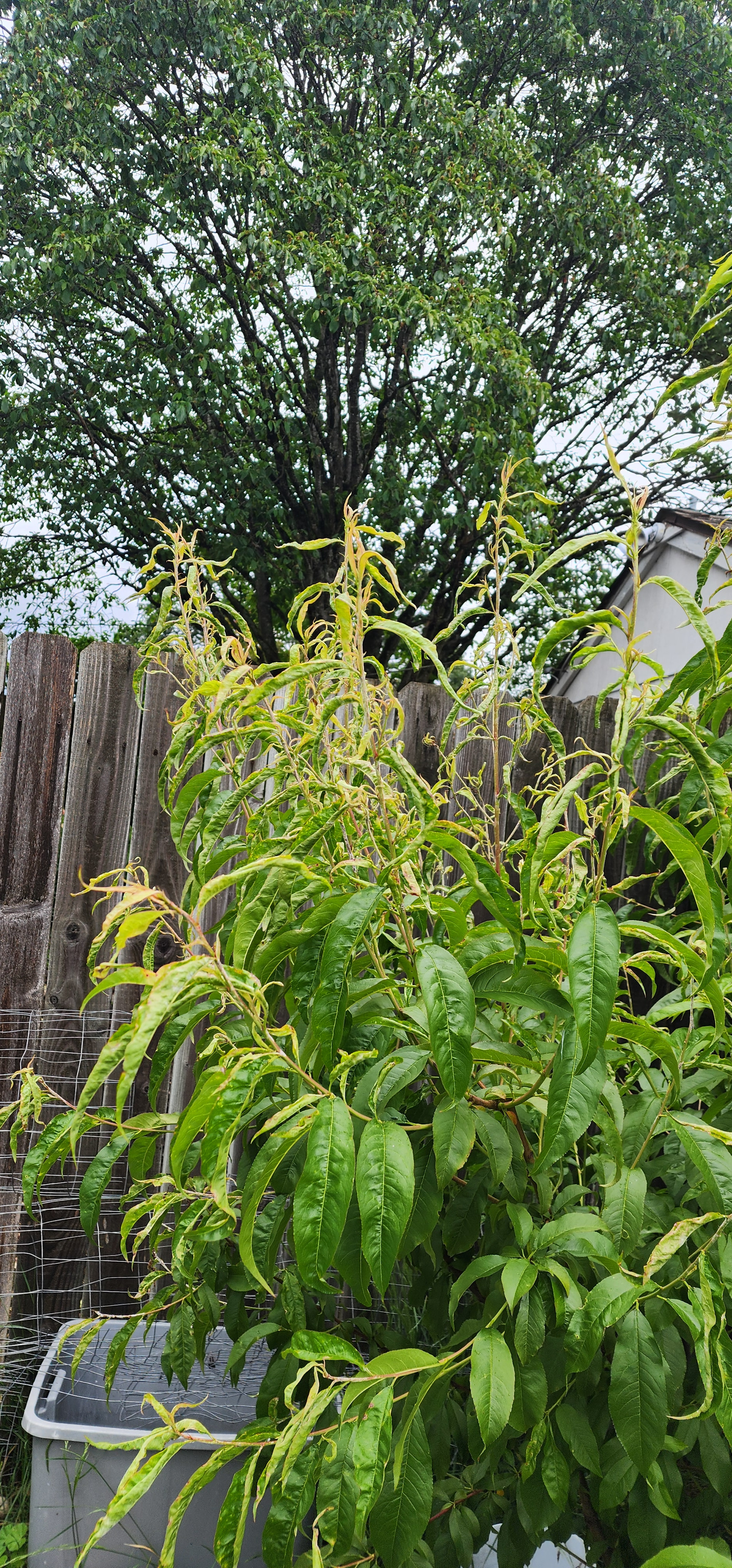
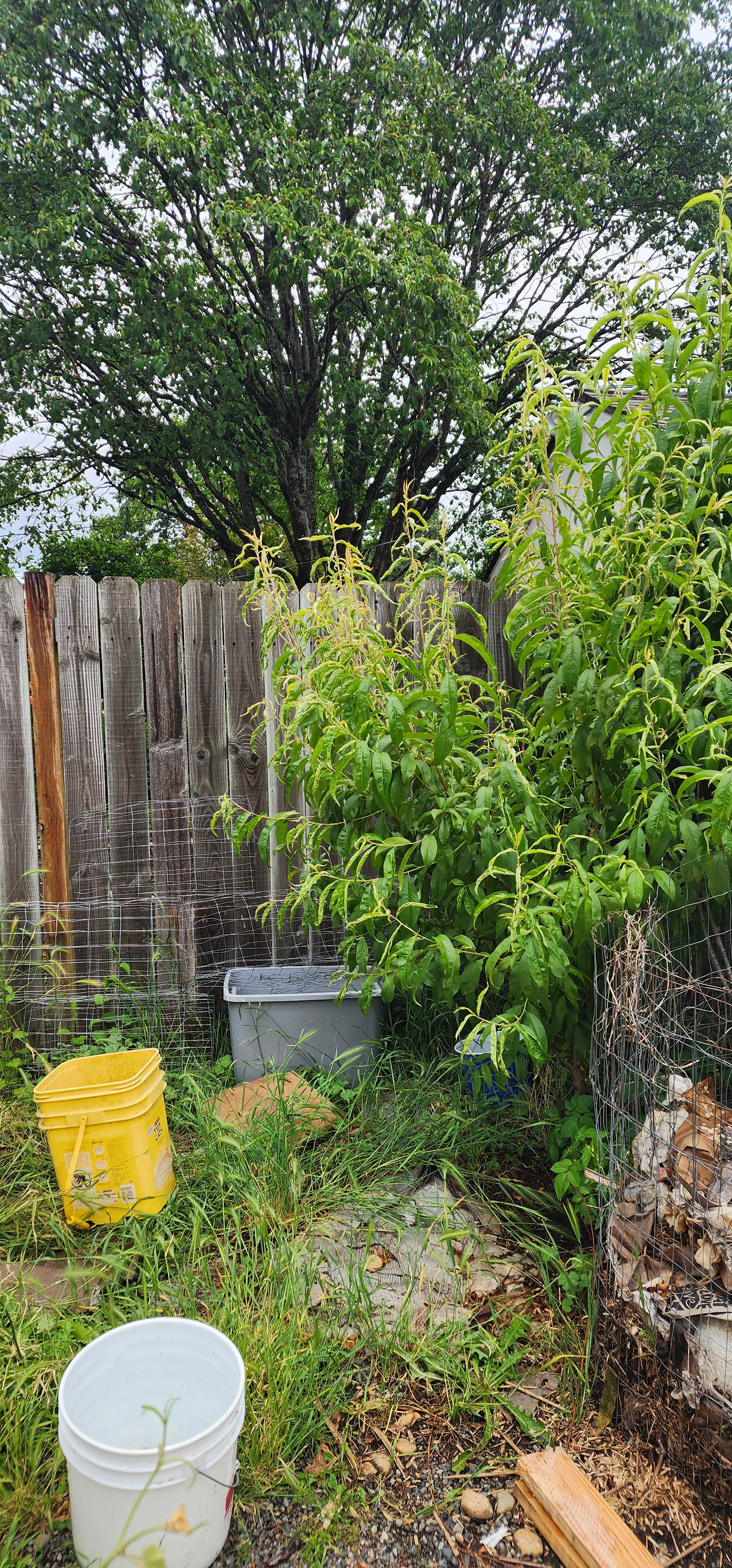
I think this white peach scale on my 2yr old from seed nectarine… (maybe nectarine, that what I was told it looks like.)

Byyyyeeeeee!
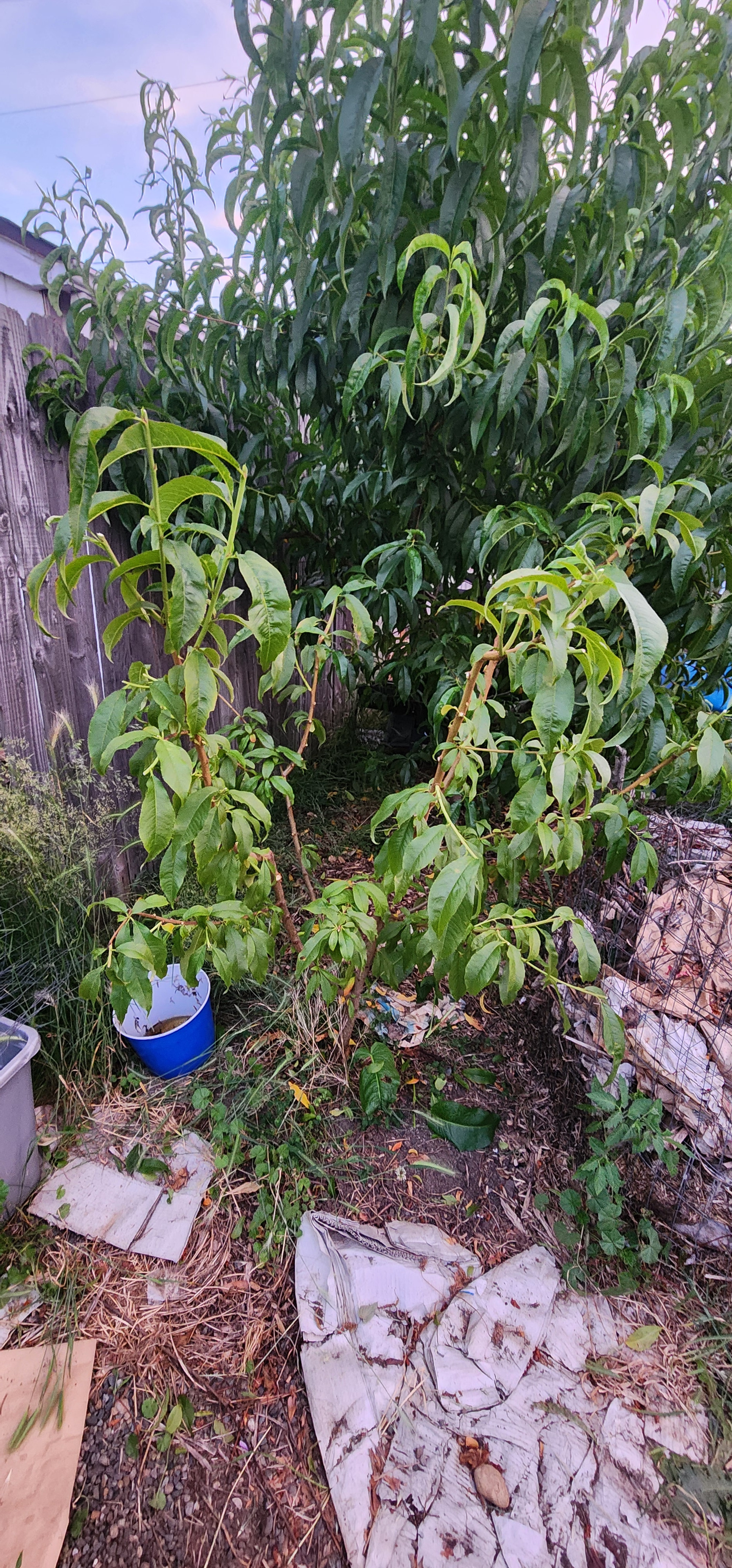
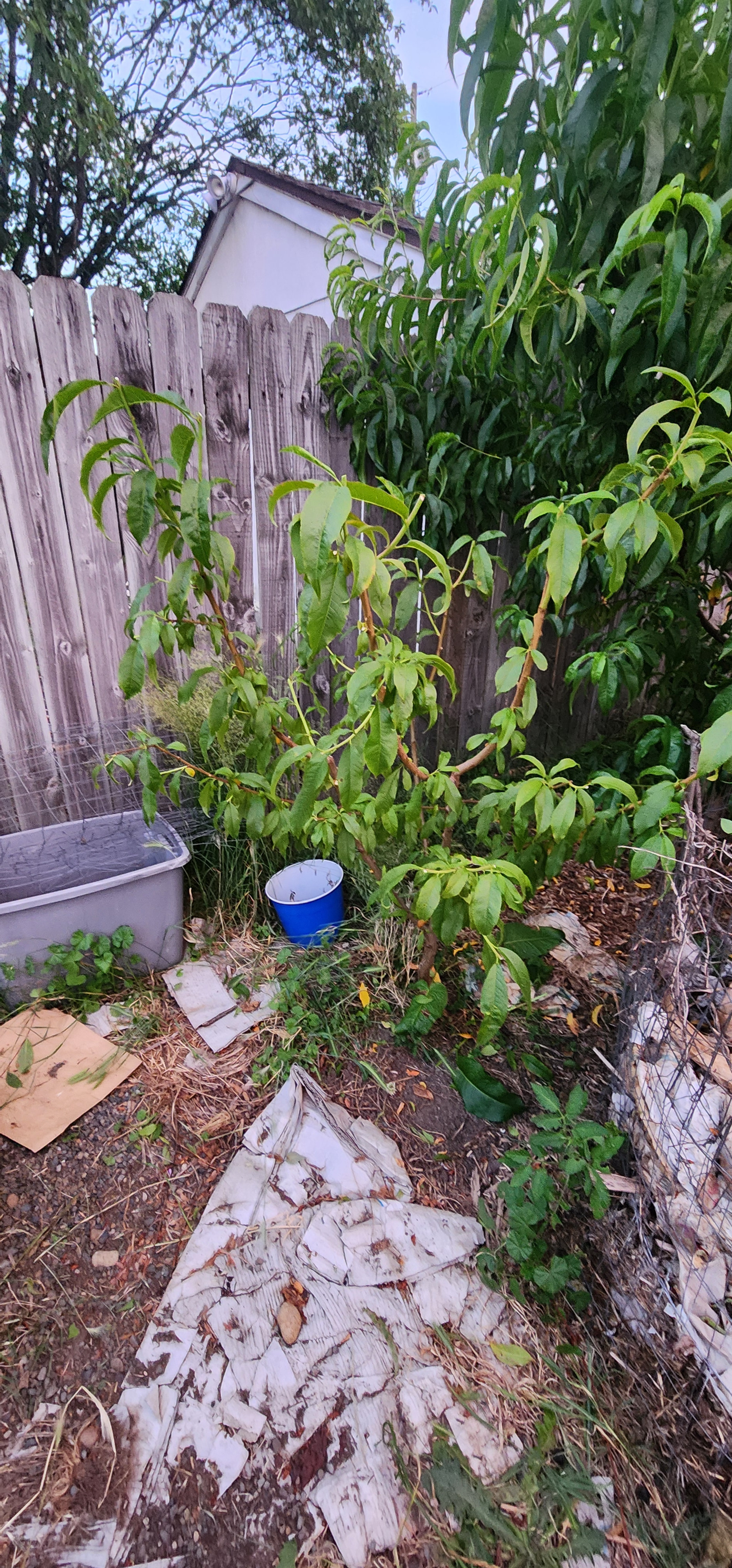
2 Likes

Nice that grafts took. I struggle with peaches. I think i graft too early.
1 Like

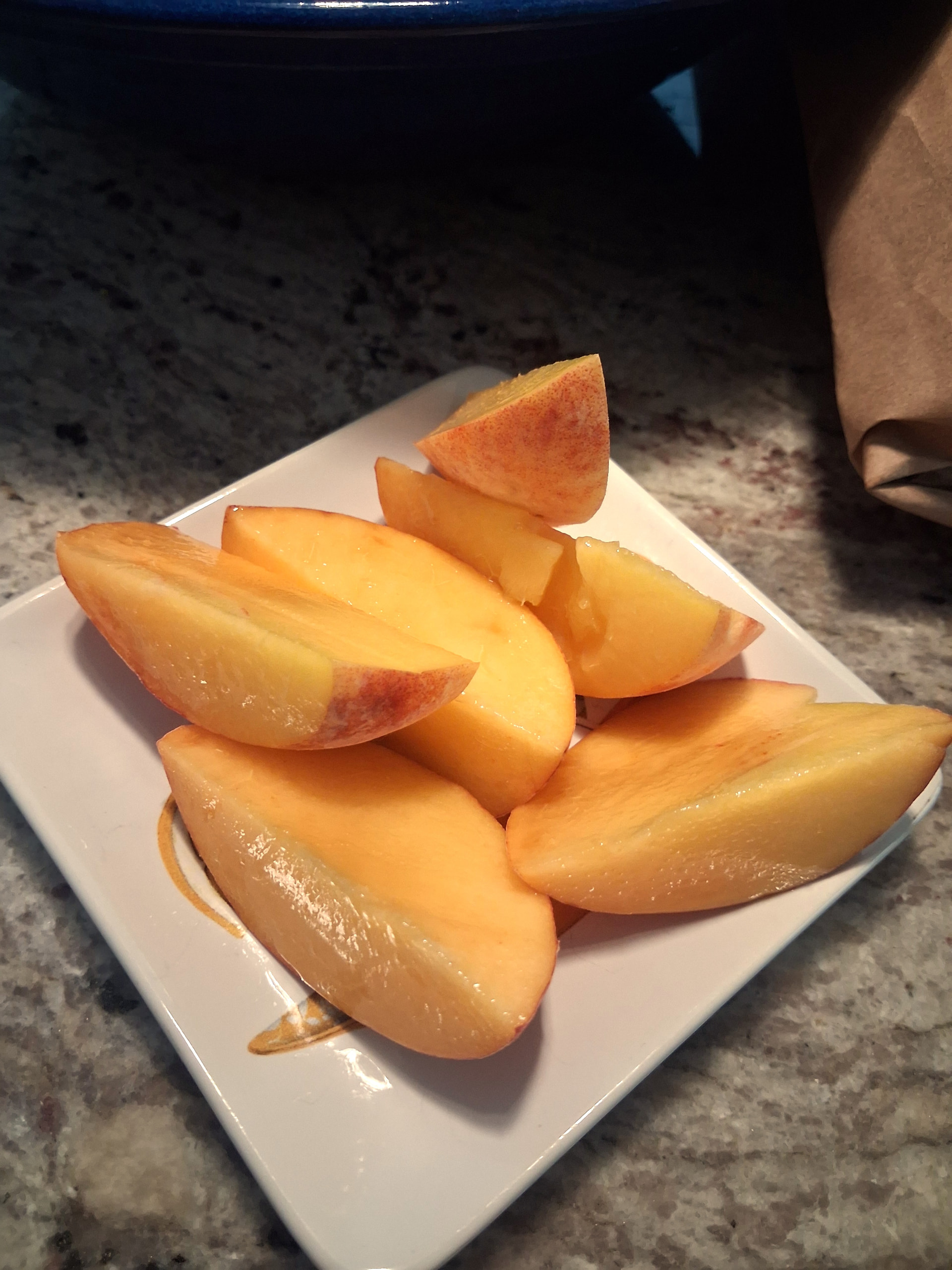
Ate these a few minutes ago. An unknown yellow semi-clingstone that was sold as Elberta but I’m pretty sure is a Red Haven or something similar based on mid-June ripening, color, and size (Tractor Supply mislabeling strikes again). I leave them on the tree until all green is gone and they get just the slightest bit soft to the touch. Then I ripen them in a paper bag for 2-3 days for perfection. Juicy, tart, sweet - everything you’d want in a peach.
Growing peaches, nectarines, ANY stone fruit in my location in the southeastern US is real challenge. Just wanted to pass along the challenges I’ve faced and lessons learned:
- No single pest/disease treatment works. I started with dormant copper spray, added an orchard spray for in-season, organza bags, and finally this year repeatedly sprayed with Surround kaolin clay. Also added a band of aluminum foil around the trunk to slather some Tangle Foot on there. I think the sprays may help for disease prevention and control, but they seem to have minimal effect on keeping bugs away.
- Relatedly - plum curculio is a major challenge. Even decent Surround coverage only slows them down, doesn’t really prevent damage. Just assume that you’ll lose 1/3 to 2/3 or your crop to these jerks. Stink bugs have proven to be another enemy but at least they just mess with the surface and don’t try to lay eggs in them.
- One major lesson I learned last year is that stone fruit that stay firmer even when they’re ripe (like a nectarine I have) seems to hold up to all elements better than the ones that have to be pretty soft to be considered ripe.
- Lesson learned this year is that any stone fruit with fuzz/texture let the Surround stick to them much better than smooth-skinned ones. My yellow and white peach are fairly easy to coat with the stuff but my nectarine and Nectaplum barely are able to have Surround applied to them. I’ve tried different concentrations of Surround and different spraying techniques - doesn’t matter. Without knowing this I would have gravitated towards smooth-skinned stone fruit - not a chance now.
- For the first few years pretty much all my stone fruit got pretty substantial bacterial spot on the leaves. While concerning at first, it seemed to occur late enough into fruiting that it seemingly had no effect on the fruit. And this year haven’t seen it at all. It seems to be a cosmetic problem only.
After growing these these things for years in a tough location for it, I’d say it’s worth it if you’re accepting of considerable losses and are willing to stay on top of them especially with Surround and organza bags. That being said, I’m removing my nothing-special-tasting white peach and sickly unknown nectarine while keeping my much healthier, vigorous, and stronger-producing unknown yellow peach and Nectaplum. I’ll report back either here or another thread once I get some edible Nectaplums hopefully in an other 2-3 weeks.
9 Likes
i think i did them a little too early really. several didn’t take at all. next year that I’ll try to be more patient with them. i did wait i think two weeks after my apples though, hooray for me
last year this tree did really well, when they say reliance they mean it. I’m fussy and want varieties and such but my partner is just amazed to eat fresh peaches on the front porch, that guy will enjoy just about anything. i think they fed them slop when he was in the Navy or something it’s like he’s never had real food before every time he eats anything.
2 Likes
11 Likes
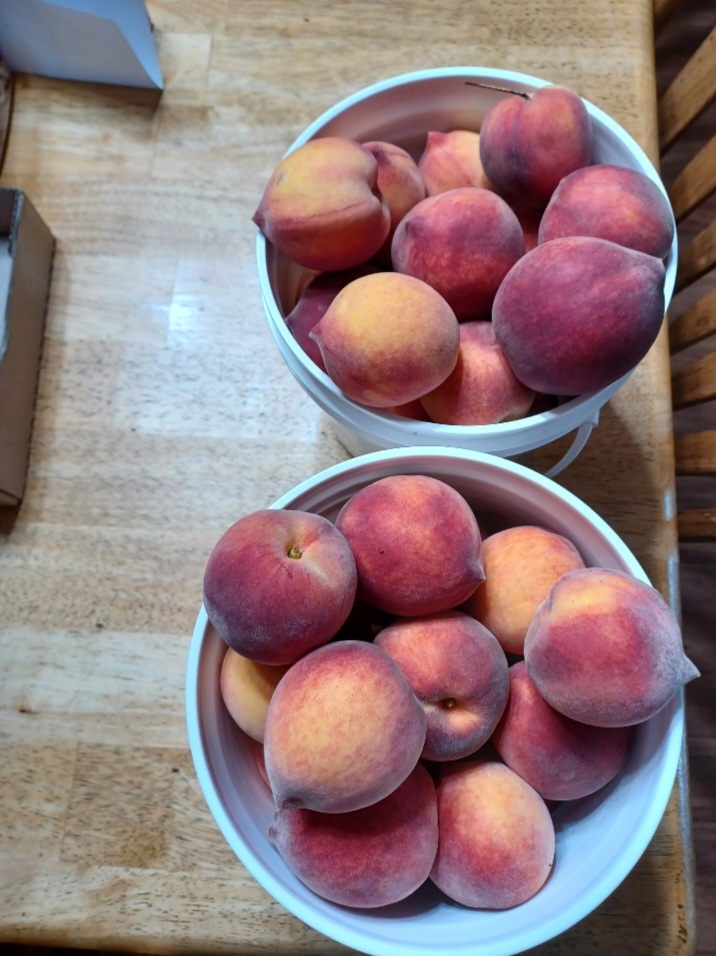
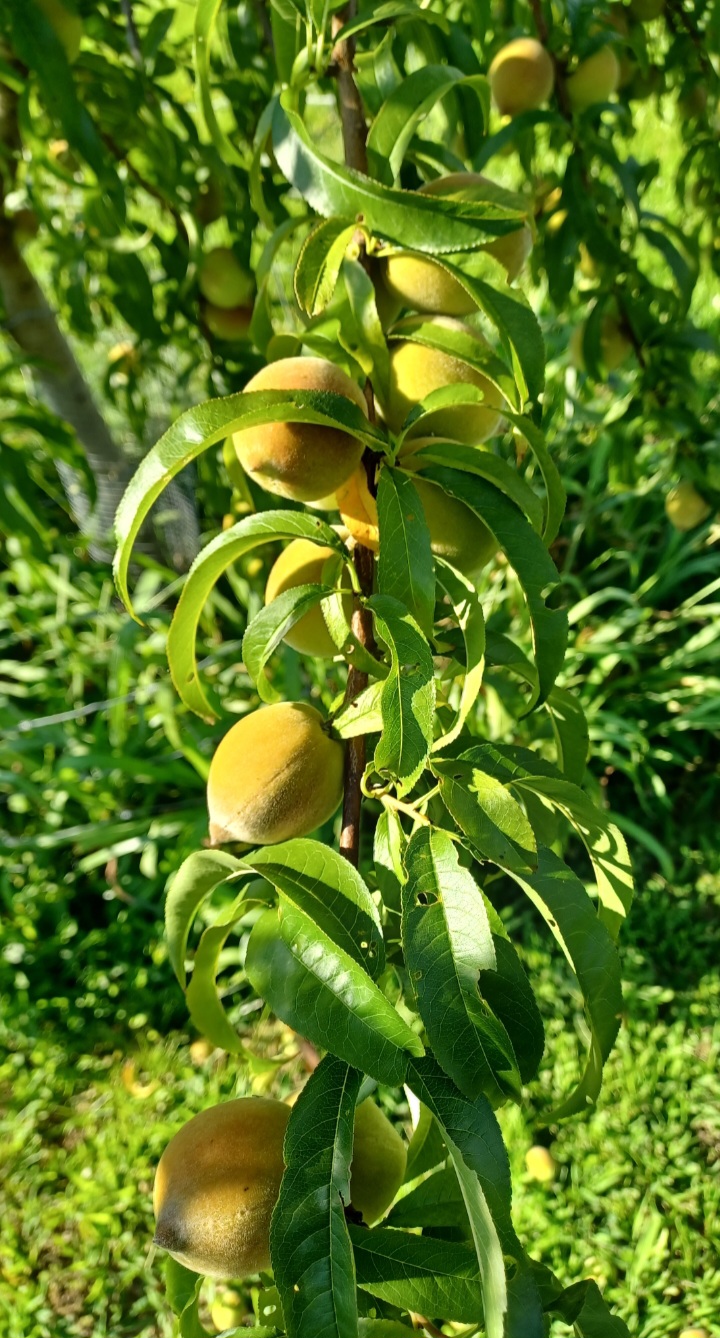
The loring tree looked like this - way too many peaches. I thinned to approximately one every 6 inches or so.
6 Likes
Red Haven are very delicious peaches.
1 Like
Spacing at 6” apart is not a hard and fast rule. It depends on several factors including a size of a branch/a tree, how many leaves are available for those peaches, etc. (peaches often set fruit where are not enough leaves to feed the fruit)
If you think your tree carries too many fruit, you can use space them further to 8” - 12” spacing (or more) between fruit. In addition to a risk of breaking branches, those too many fruit won’t develop to a good size or good quality fruit.
When a fruit tree carries too many fruit, it could skip fruiting ( or has a noticeable reduction of production) a following year, becoming biennialing. This does not happen to peaches or nectarines but it can happens to many apple varieties, plums and pears.
4 Likes
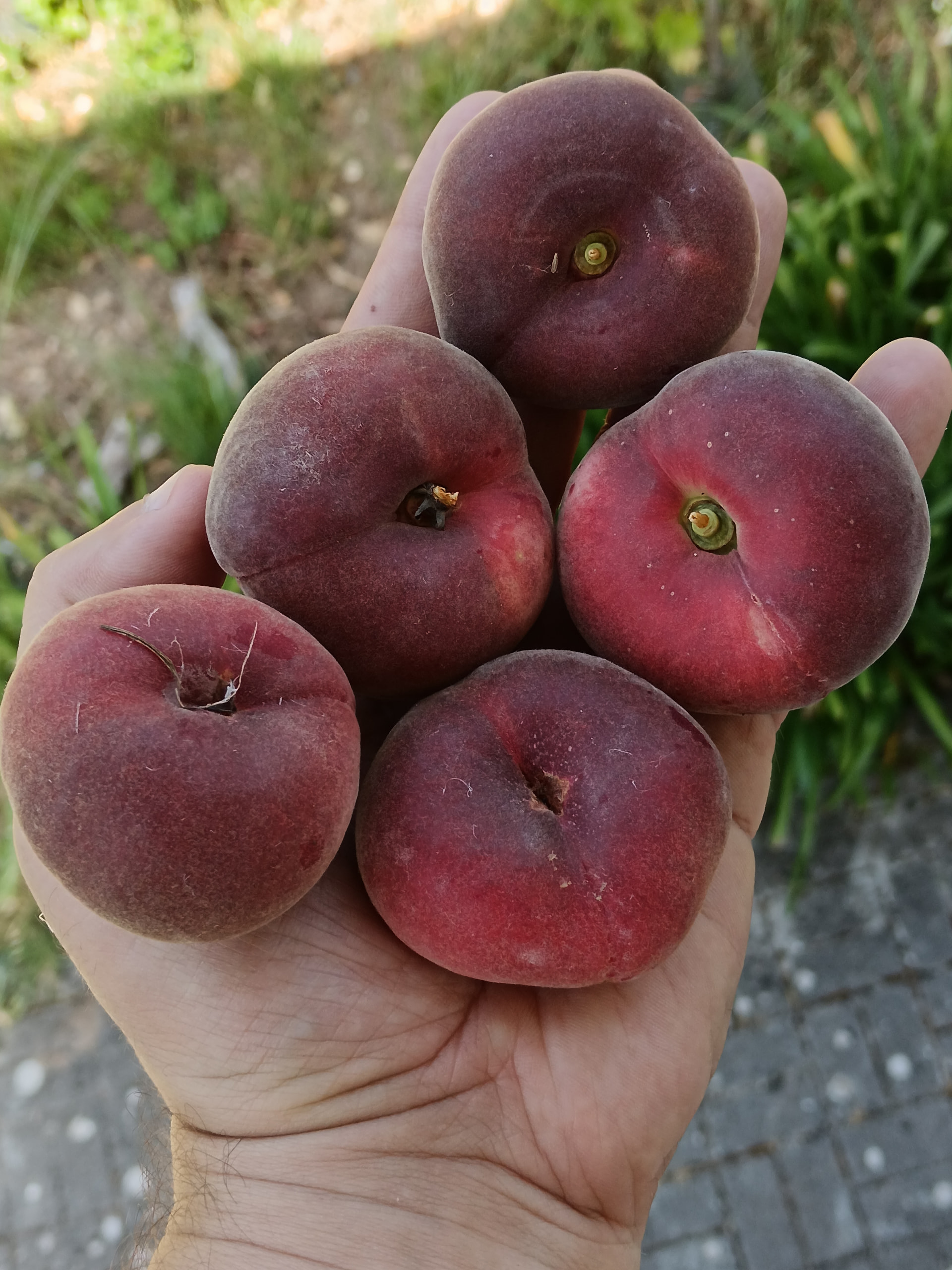
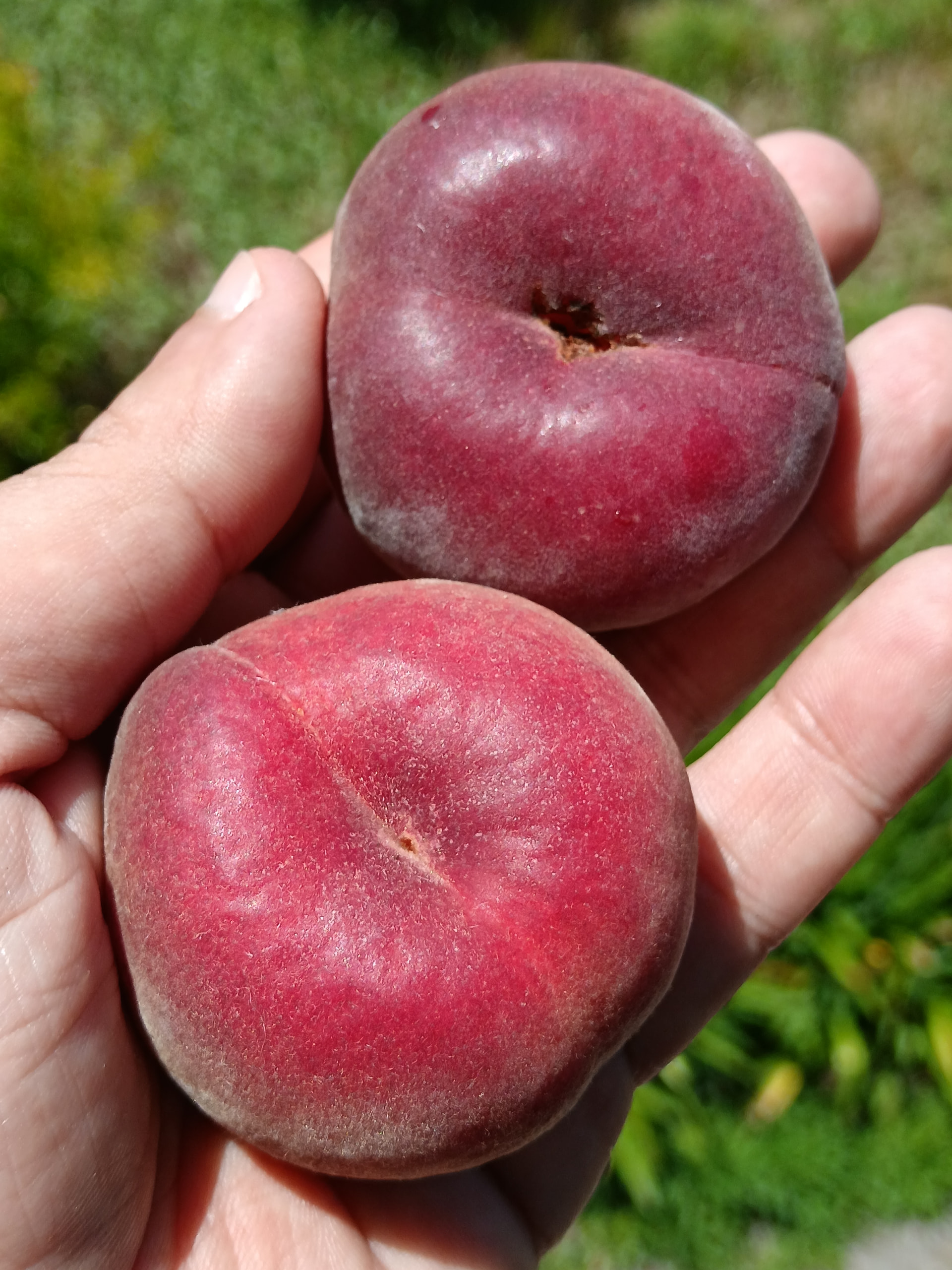
Those are white fleshed donut shaped, correct? How would you explain or rank them flavor wise?
1 Like
Thinned seedling peach for the last time this year. My mother in law has two peach trees the variety seemed to be the same but is unknown. She doesn’t spray them and lives too far away for me to stay on top of them. I grafted a scion to root stock and it took i planted it out in the orchard. This year is it’s 4th leaf and it set a large number of peaches. I thinned it hard, it set way too many peaches. I’m curious about it because I don’t know the variety, I called it Marge after my mother in law. I hope it produces a good quality peach here. But even if it doesn’t, i’ll keep the tree going as something for the family to remember her by.
4 Likes