I really appreciate everyone’s involved responses! This is some good material.
3 Likes
I definitely think that at the moment, hardy citrus are most useful for processing, and we’re still working hard on the eatable out of hand part  those tolerant of bitterness or with an inclination towards sour things can enjoy them much more than others. Most of them can make a pretty good citrus-ade in the right hands.
Like @a_Vivaldi said, some of them have really interesting and unusual flavors that you cannot find in other citrus, making them somewhat exotic-tasting which can be fun. Not so fun for people who want a “normal” orange, lemon, grapefruit, etc.
I often reiterate their value for homesteaders or those looking to be more self-sufficient by producing their own acid for cooking, preserving, etc. In these scenarios, it is easier to overlook their shortcomings and embrace their usefulness.
Ultimately, we must remember that as similar as hardy citrus are to the citrus that we are used to, they are not the same, and should be treated as their own. This helps us set realistic expectations, and compare these fruit more to each other. Some of the highest quality hardy citrus are only as good as the lower quality true citrus, but if you’re anything like me, you’ll think that’s really cool anyways!
9 Likes
This is another nice list
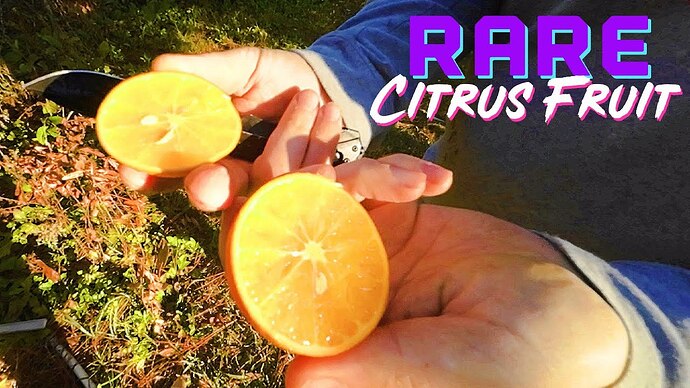
This is the US 119 discussed above
2 Likes
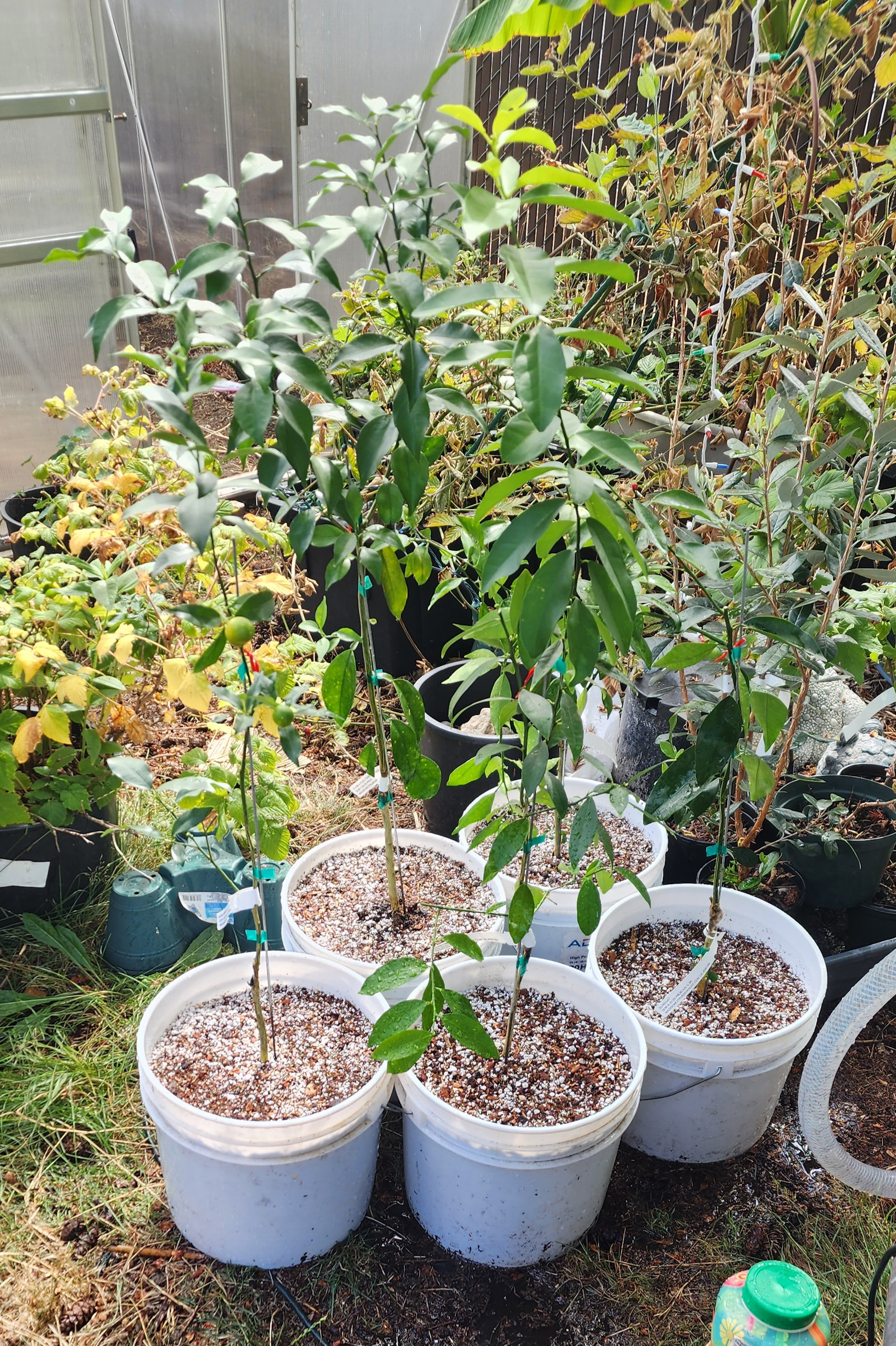
I am excited to report I have received my order a few days ago! I still have not got them planted but probably tomorrow they will go into 3gal buckets I drilled to use as their temporary pots.
I am having a hard time deciding to plant in boxes or leave in pots for a couple years. I think it is supposed to be another mild winter- so that is making me want to plant them out in boxes. What I will probably do is 3 in boxes, 2 in big pots. I have a hard time with indecision and usually just have to make myself just do SOMETHING, say screw it and do it!
Anyways, I had a pleasant unexpected surprise of fruit on one of the trees!
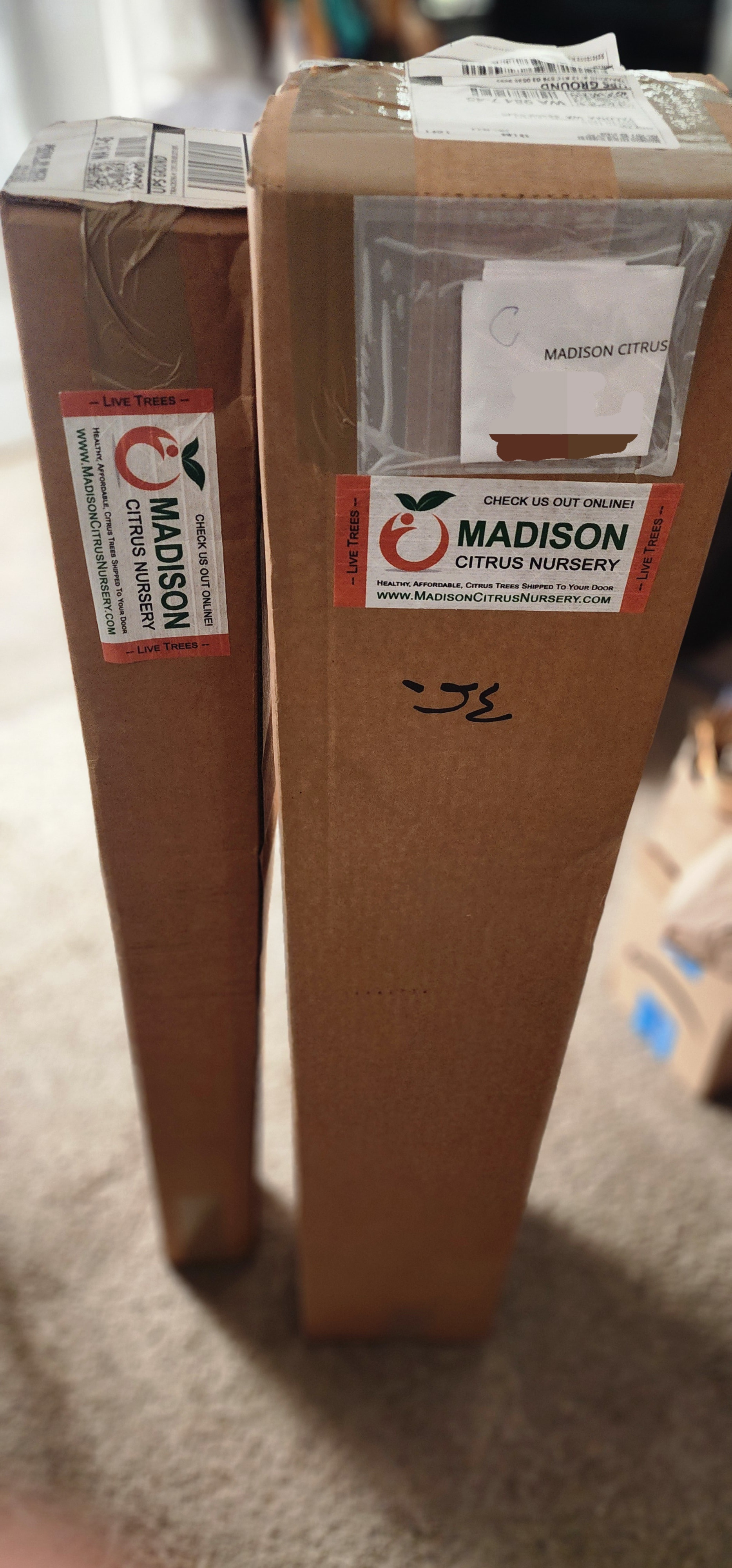
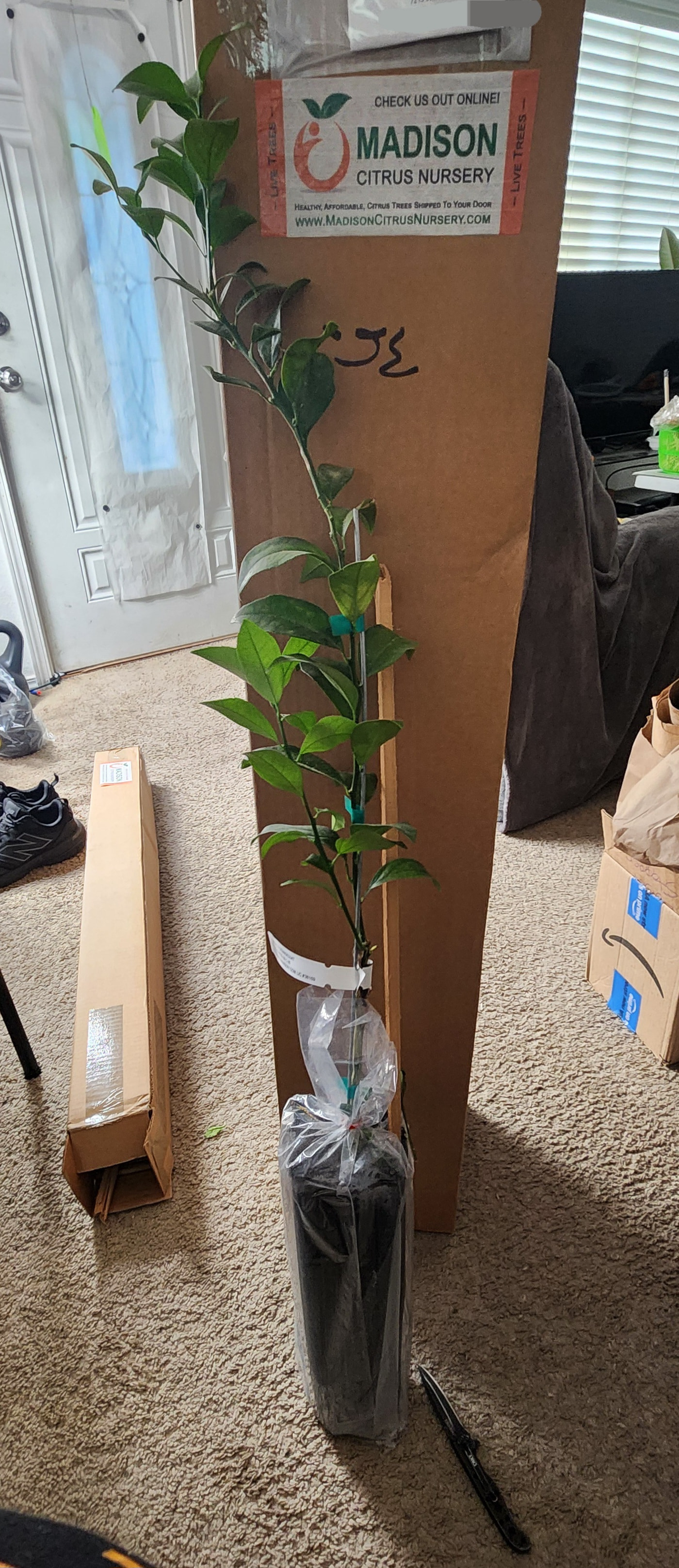
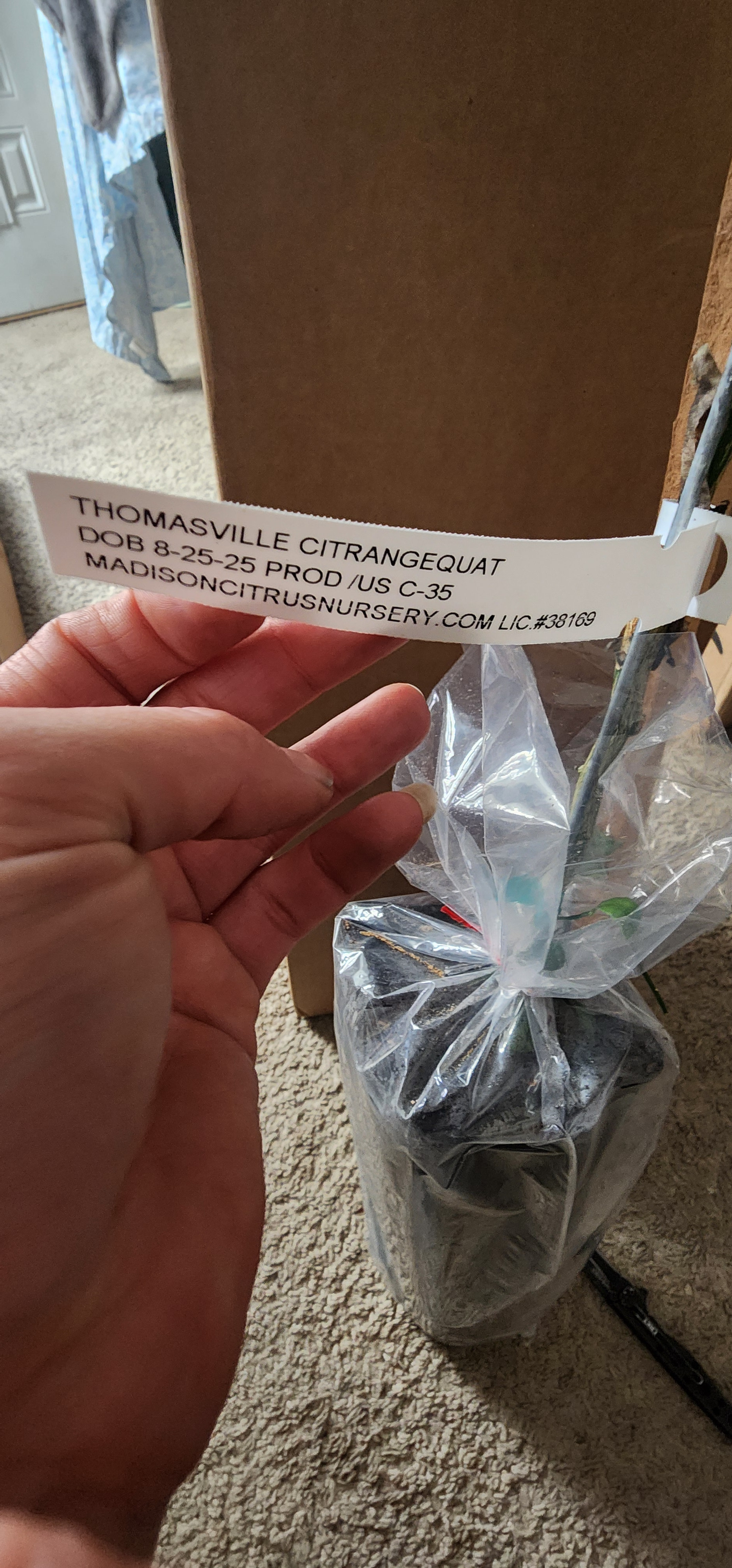
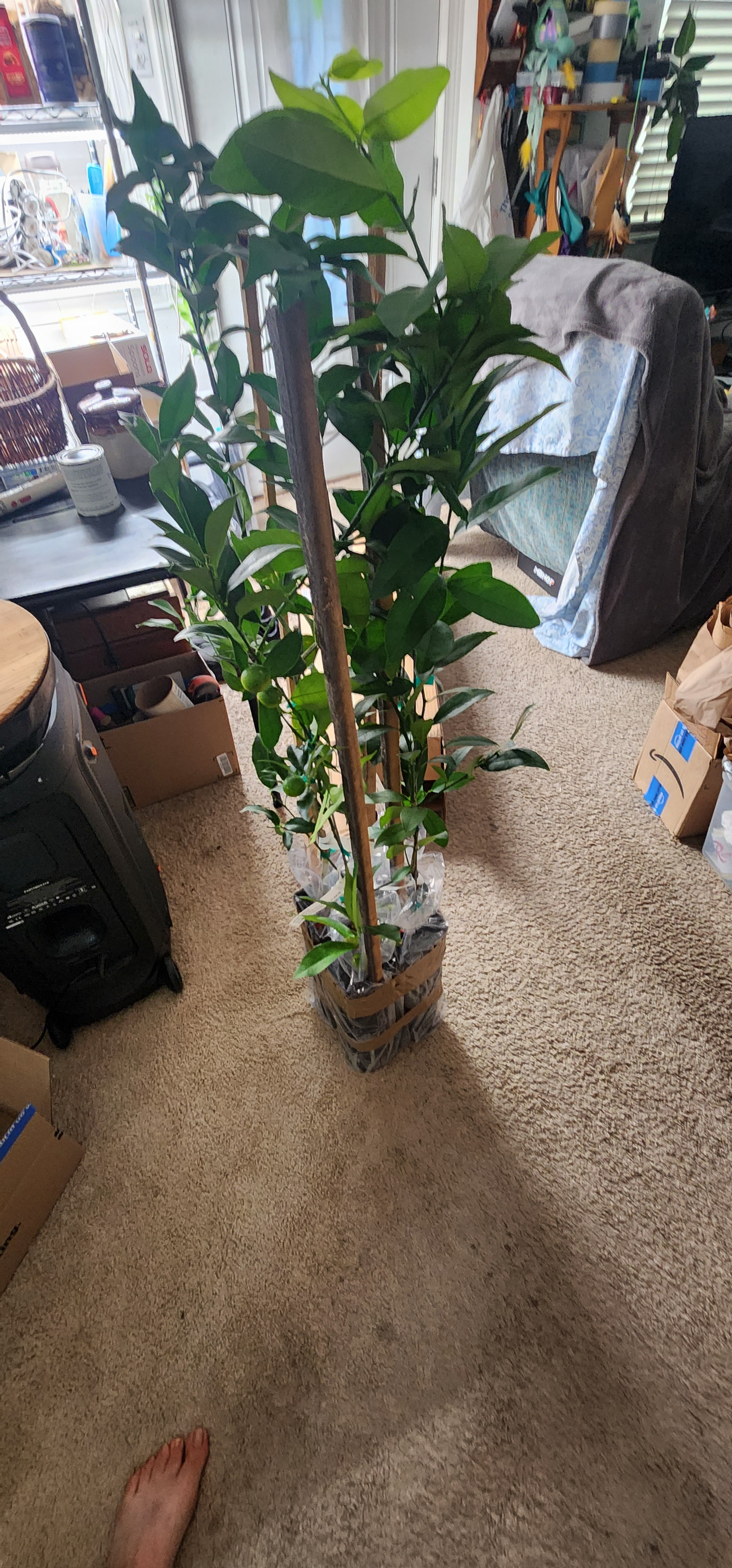

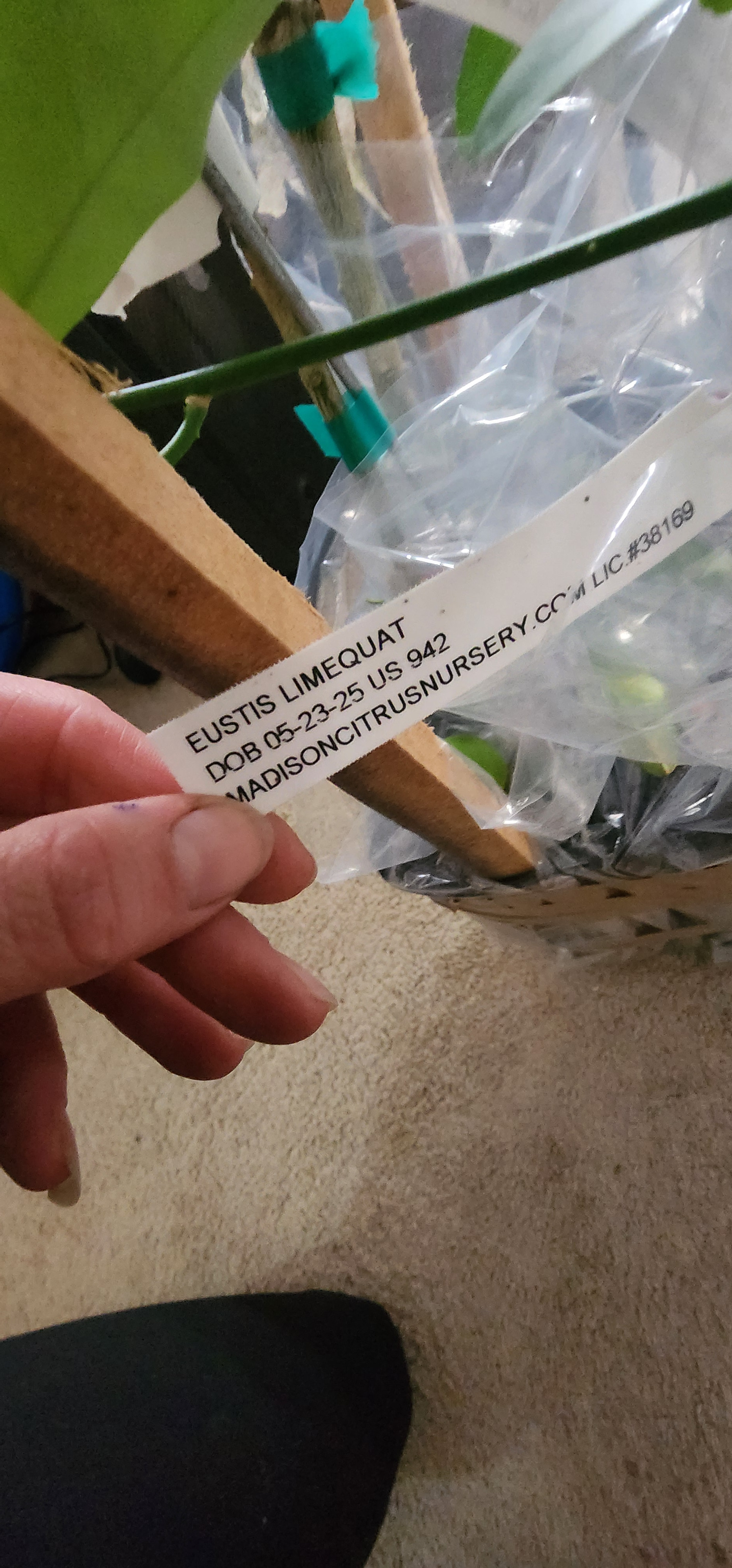
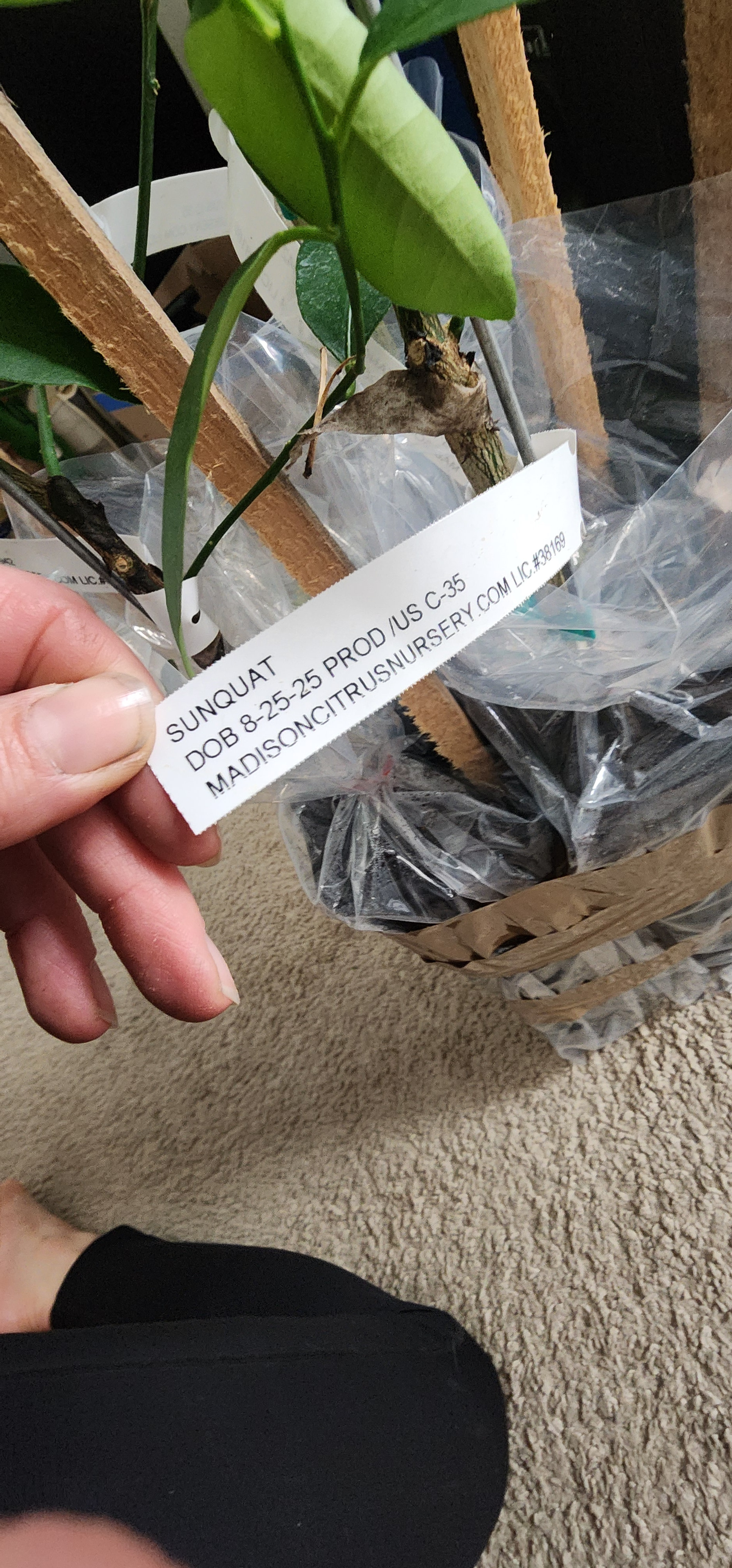
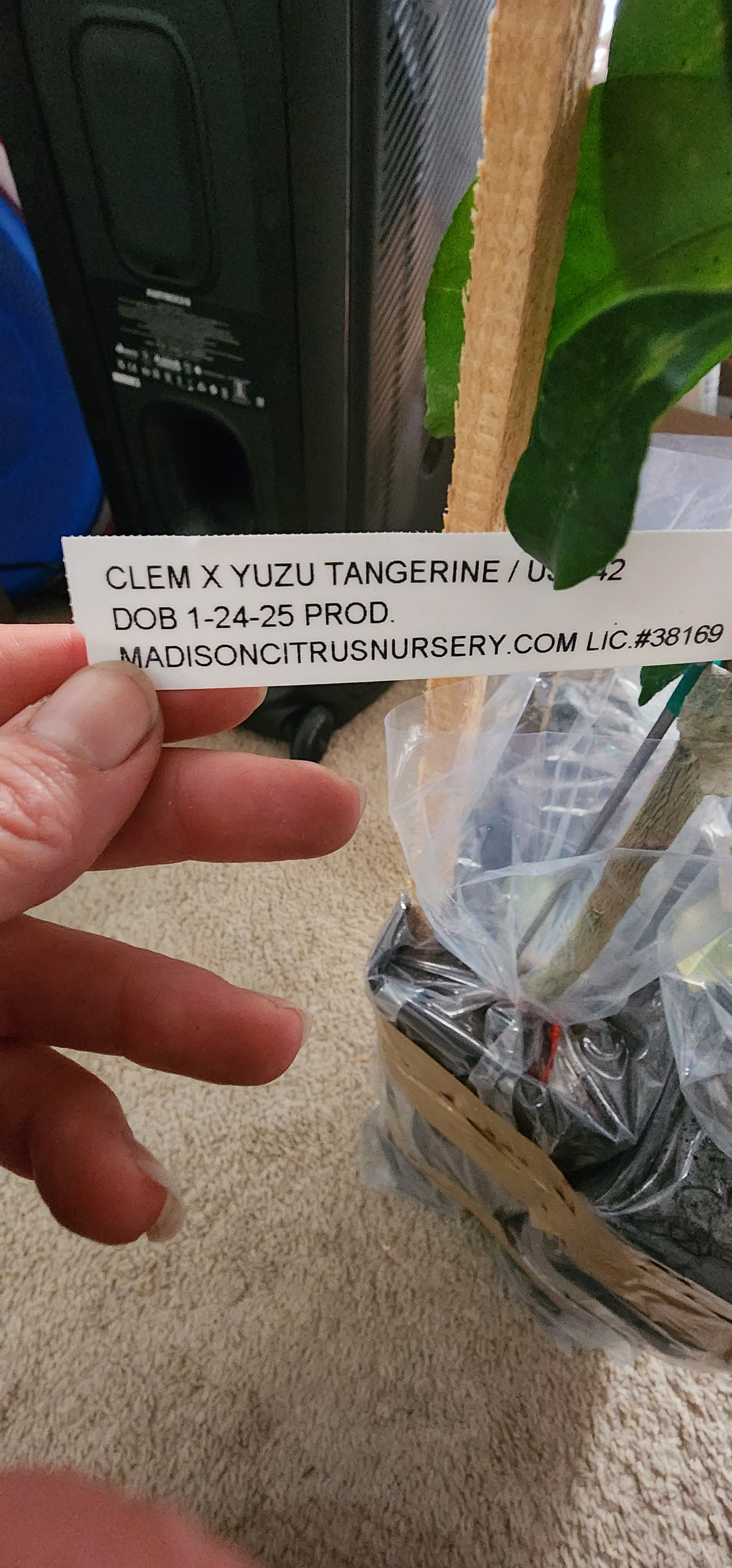

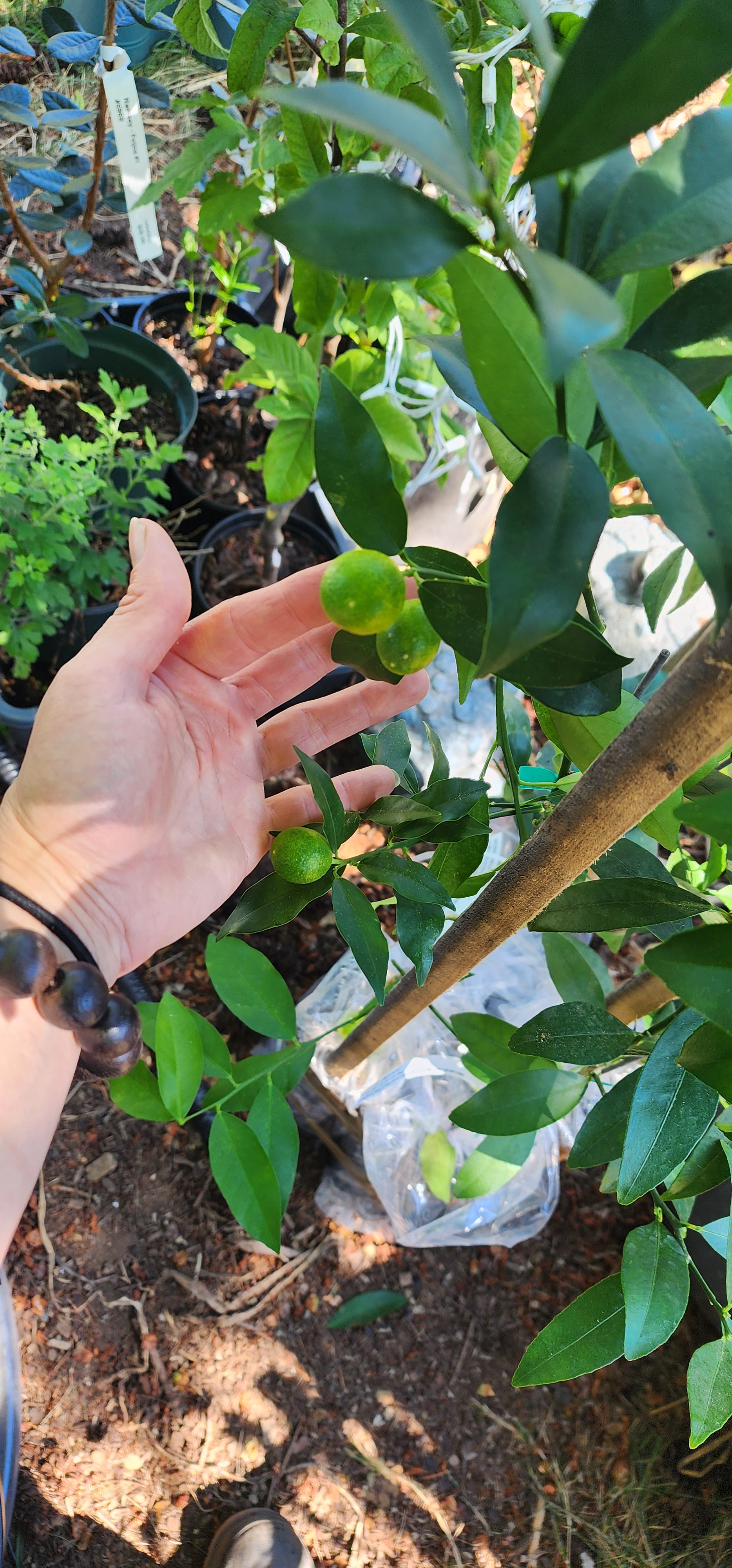
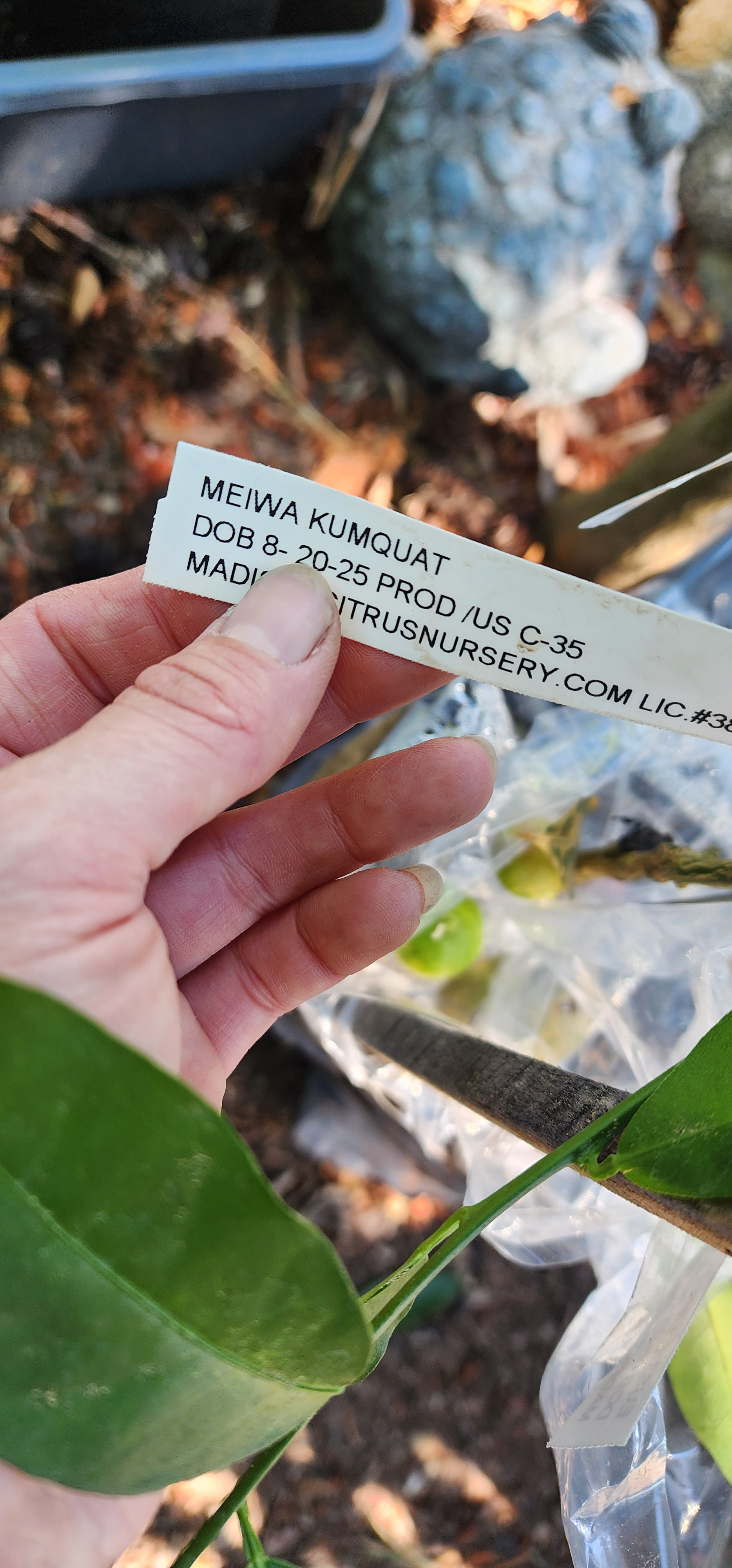
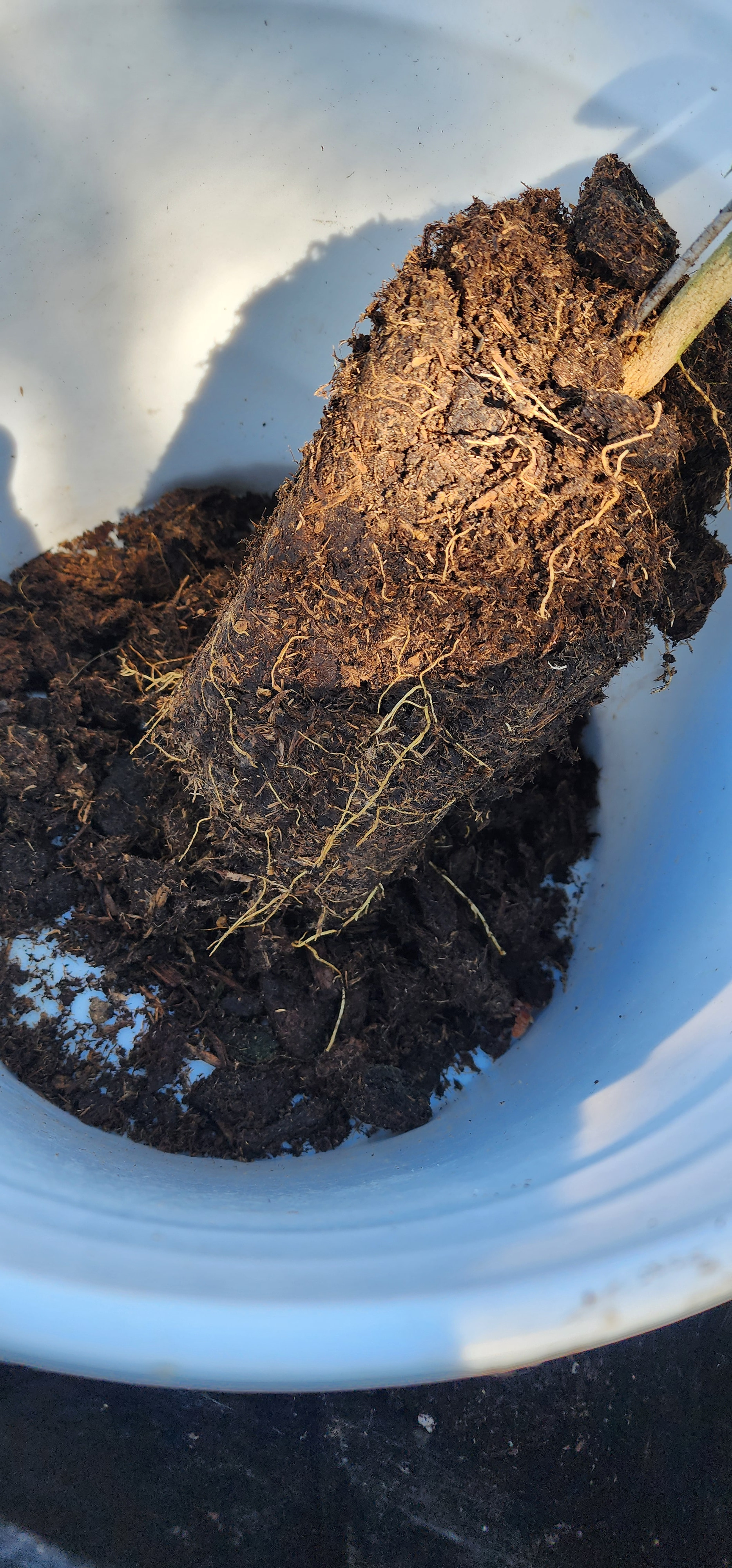
This last picture is how the one pot I removed looked. Very nice!
9 Likes
Beautiful trees , just like you can always count on from Madison. I like their prices, shipping etc. . Great company! Mckenzie is another favorite. Those trees won’t let up fruiting! Ask me how I know? Lol anything with a kumquat cross i can’t make stop flowering! Thomasville flowers all the time. Meiwa kumquat is a real producer also. Congratulations your trees look fantastic! I wish every nursery was like that. The ones that are not you can bet we will tell each other about. These good nurseries I guarantee sell lots of fruit because of us.
4 Likes
Will have to say that all zones 8 are not equal. The Savannah citrus study showed Yuzu getting smashed in a 9a climate. Lower Southeastern 8a/8b like Georgia, Alabama, North Florida get warm winters that stop dormancy. Thats why people in NC can grow Yuzu easily, but Atlanta down to Savannah can’t keep it alive. I’ve had trouble with it myself. Any zone 8 can probably grow some citrus, but it may not be the one you want to eat..
6 Likes
I don’t think Clark is taking about standard Citrus but Yuzu, Prague sweet citrus, Carolina Lime, and all kinds of other cold hardy citrus which are considered better than many normal citrus.
2 Likes
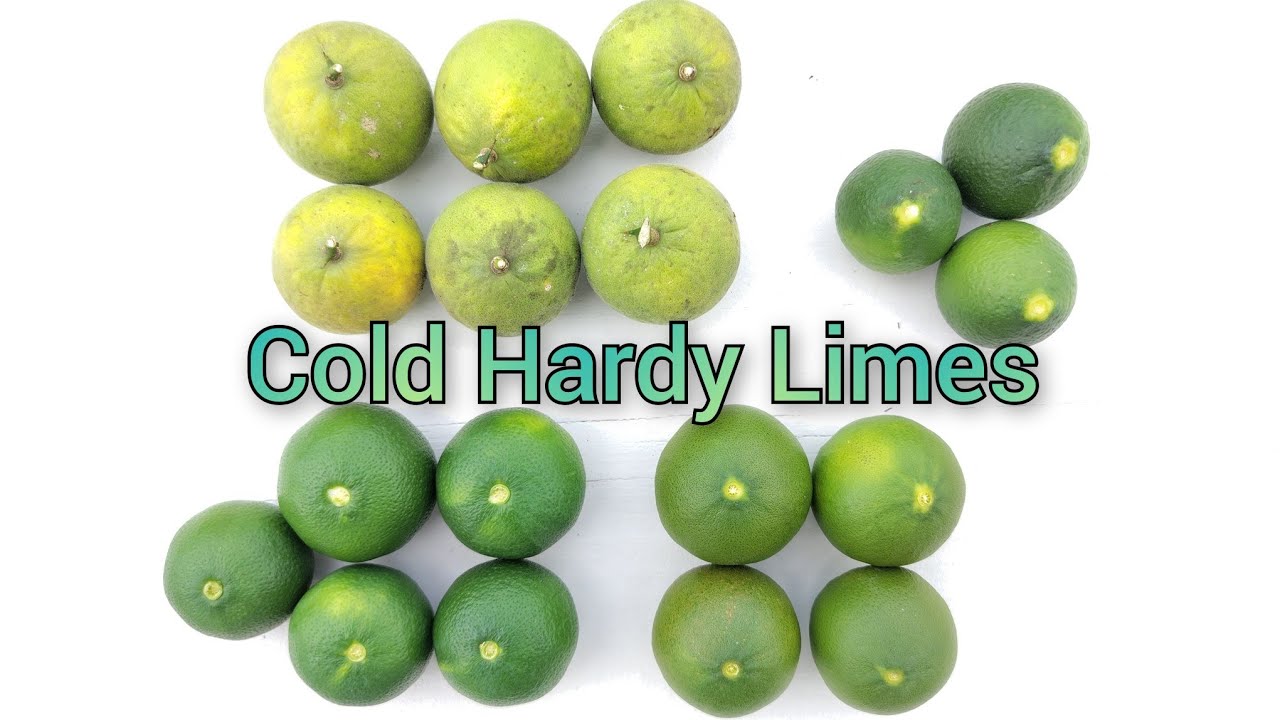
Today’s video was a fun one, tried 4 different hardy “limes” with most of the fruit coming from our own trees. A good strain of Trifoliate Orange isn’t half bad when picked mostly green! They all made good citrus-ades.
9 Likes
I already watched it before I saw it here .
A side question, did you ever get any sadachi trifoliate hybrid seedlings from your crosses last year? Or from the Shekwasha pollinated with trifoliate?
4 Likes
Haha, you’re the man!
Unfortunately all of my “hybrid” seeds dried up and died last year due to neglect  We got too busy with our renovations and I forgot to water them enough. I’m not sure if any of them would have actually been hybrids anyways, and ideally Poncirus Plus or a Conestoga selection would have made better parents.
I’m going to try harder for this year’s crosses which are Yuzu x Trifoliate Orange, and Ichang Lemon x Thomasville. These are a little more in the direction of my current methodology but I’m hoping next year I can start making my ideal crosses instead of doing what I can with whatever is available. But that’s how it is when these trees are young, we just have to make do! I really want to start working on some “hardy orange” crosses.
4 Likes
Do you know what’s causing all the leaf curling on your Carolina lime in the beginning of the video?
2 Likes
Yes, it was the drought from earlier in the season, although it has still been pretty dry here lately. It is more sensitive than other varieties, perhaps because it has tender leaves. Once it is fully established and well-watered it should resist curling better. For the same reason, the fruit were not nearly as juicy as they could be.
5 Likes
Thank you for the explanation
3 Likes
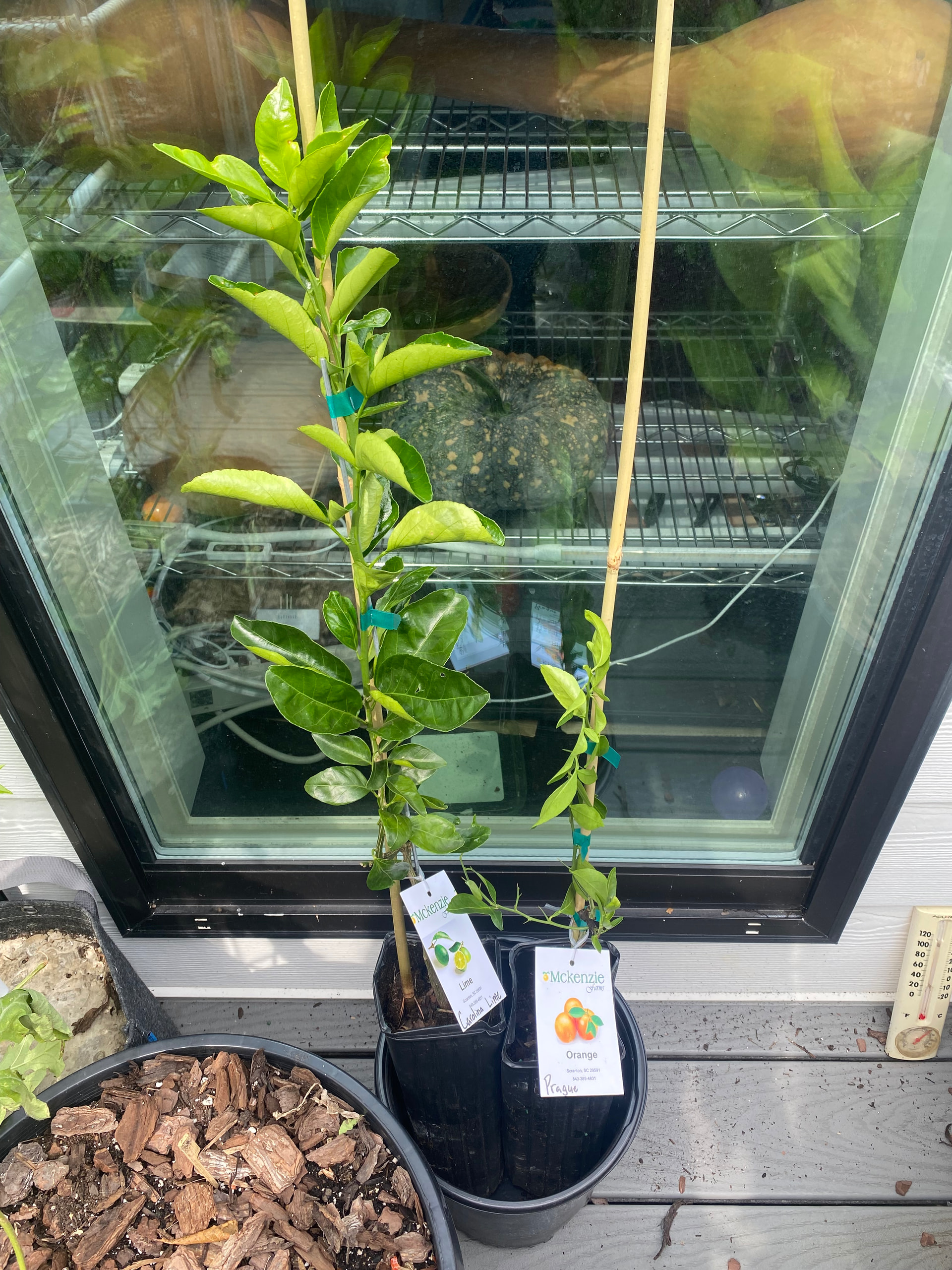
Beautiful trees! Stan is the man, I’m glad he’s been able to propagate more of these this season.
3 Likes
Yes and to be fair, he warned me the Prague was “very small…it sure is small” when I asked if it was ready as well. I know from him and you that they are slow growers, but Im under the impression he usually ships them a bit bigger. No visible roots yet in the container. It’s healthy, and I’m happy aside from the fact I was hoping they wouldn’t be ready until spring!
5 Likes
I am in what was classified as 8B (now pushed to zone 9A with recent maps) but since they have issued the new maps we have had lows on the low end of 8B and a 10 degree low as well. I had a 10 year old grafted owari satsuma die from the 10 degree cold snap but two seed grown duncan grapefruit trees survive the same with some decent size bark splits but twigs on them larger than a pencil were not killed. The changsha on pure trifoliate took more damage than the grapefruit trees did. I do find that seed grown trees have much more cold tolerance than grafted ones and growing them for the long-term may be a better option for those in marginal zones. Buy your grafted trees for more recent fruit but grow out the seeds for more long-term success.
5 Likes
I live in zone 9A I have an Orchard 90 miles north in zone 8b I have plenty of room at the Orchard to plant all the citrus I want. However, I found it just not worth it. I take up every inch of my yard in zone 9a with citrus. It’s just not worth the work to plant it at the orchard and 90 miles does make a difference. i’m not saying you can’t grow it cause you can, but it takes more work.
5 Likes
Tentative dormancy is a big issue in the northern reaches of the “new” citrus belt (Thomasville, GA, 9A), and seems to be getting worse with more variable winter weather. Now, if we have a freeze forecast after a week of weather in the 40’s and 50’s, I generally don’t worry about it, but if it’s on the heels of a week in the 80’s, I will try to protect some of the more sensitive citrus. My first round of citrus all died, not because of the absolute lows they saw, but because I sited them on the south side of the house; they woke up early and then got pummeled by a freeze. Planting under scattered canopy coverage of mature trees has worked much better - it provides a little overhead protection from frosts and I think also probably helps keep citrus dormant. . But surprised to hear this about yuzu. For me, it is among those that have never had noticeable damage from this sort of scenario. Sudachi, Thomasville Citrangequat, keraji, clem-yuzu 2,2 - same. Limequats, Meyer lemon, Harvey lemon, and pummelos are among those that can wake up quickly during a warm spell and then see serious damage (limes and true lemons with the exception of Harvey are the only ones I don’t even try growing in-ground). The bulk of the best fresh-eating citrus are somewhere in between. Rootstock also plays a big role in entering and then maintaining some level of dormancy. In terms of rootstocks, best-to-worst at maintaining dormancy: Pure trifoliatas (Rich 16-6, Flying Dragon, Rubidoux) seem best, then Swingle. Then there is a big jump down to Carrizo/Khuharske. Volkamer/Rough Lemon is among the worst for breaking dormancy early. US-942 which has taken off as rootstock of choice among a lot of nurseries thankfully seems to be about on par with Swingle. Plants on their own roots can wake up early.
6 Likes