Thank you so much for always bothering to type out these explanations. Possibly like others, I only remember a fraction of what I’ve read—and only then if it impacted me and I was ready to receive that wisdom at the time—so reading your comments has really helped impart a lot to me over the last year. I’ve also found a used copy of Arboriculture by Richard Harris (3rd edition) for $20 and am looking forward to retaining a portion of what I read there!
2 Likes
Is that book “Arboriculture by Richard Harris” that good of a book to use as reference?
For general arboriculture it is, by far, the best text book I’ve seen. I don’t know if there are any more recently written books on the subject, however. It has been 30 years since I was a student, but back then it was head and shoulders above any other such book I read and I read all of them in the NY Botanical Gardens library. The 4th edition is out of print and runs for an extremely high price, but earlier editions which are mostly identical can be had for a very reasonable price.
2 Likes
I had made a thread about the lorrett pruning system, but was waiting to post more pictures.
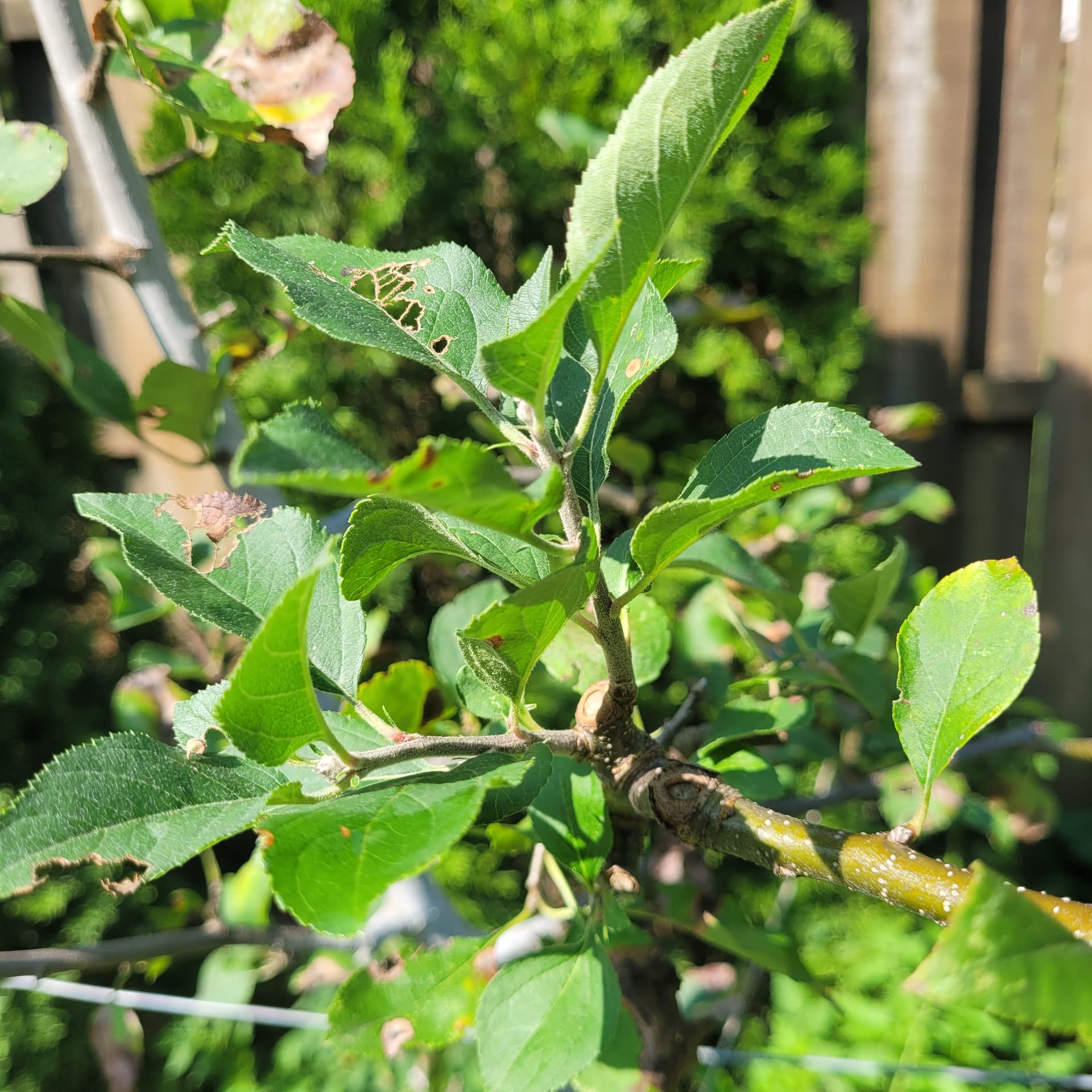
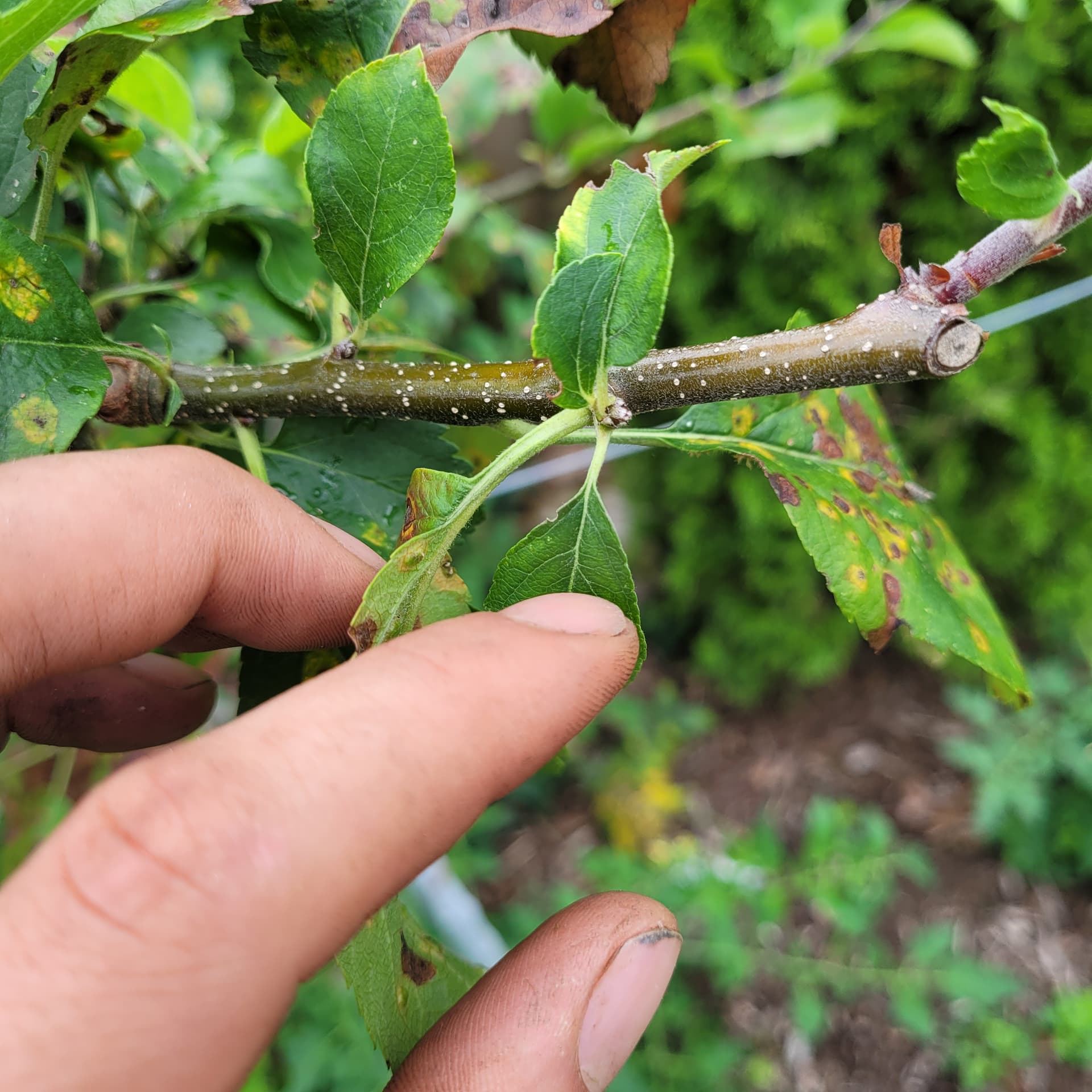
I did not have disease problems from pruning, in fact the terrible cedar apple rust I had was replaced with the healthy new leaves. YMMV. Tipping the trees also got rid of the aphids.
As far as effectivness in forming apple buds, I did get more apple buds and, more importantly, more densly branched and budded limbs. What is the point of having along limb with no buds or leaves on a small tree? So it fixed blind wood greatly.
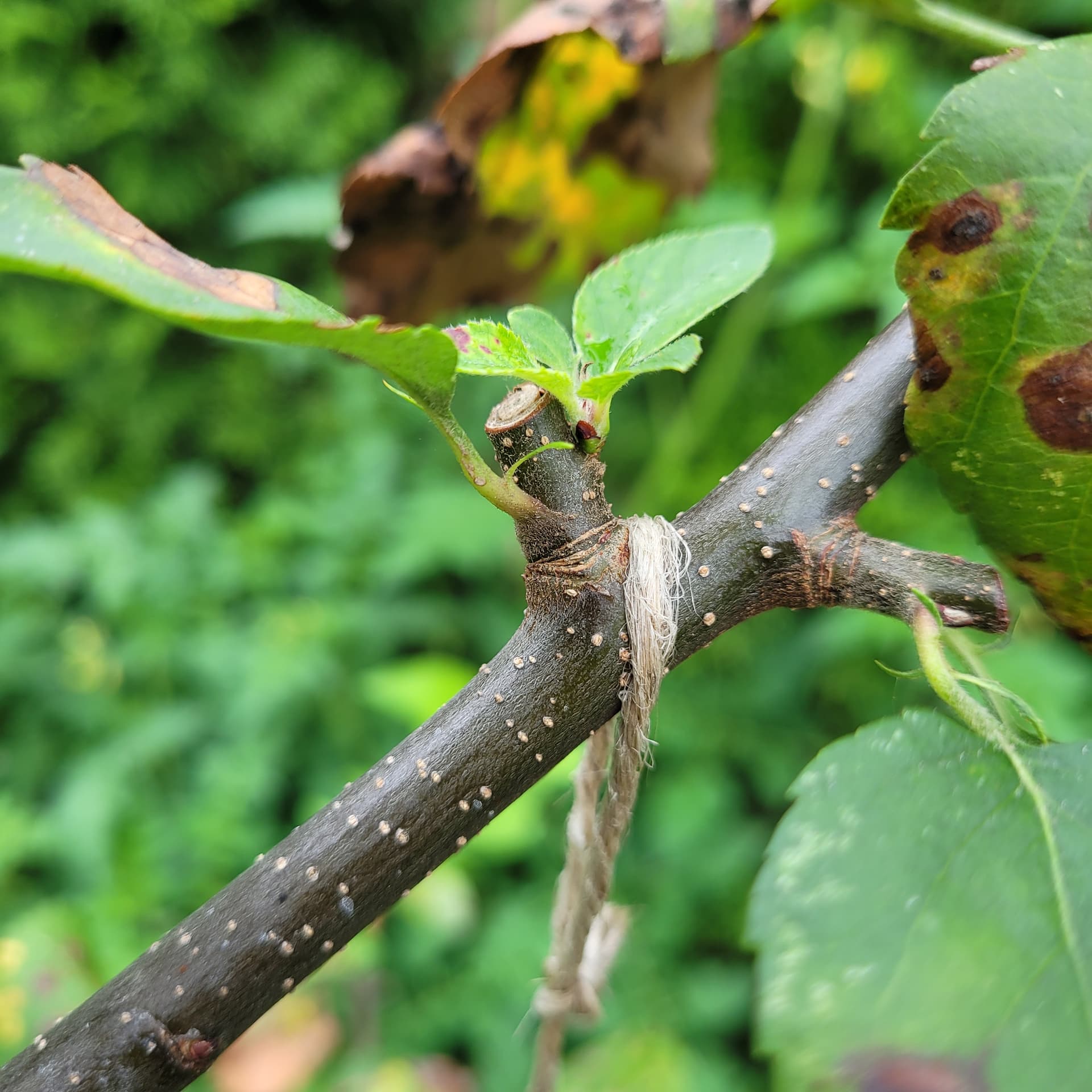
As far as shape, the real lorret style of pruning is not the 3 bud, but pruning back to the first leaf on the branch. This is what I did for my laterals, since i am using a pedestrian spindle shape. For my scaffolds and leader, I pruned with the three bud to encourage mlre lateral growth. This was extremely effective at making more laterals, and I reccomend it. I pruned when the terminal buds formed, or in the case of the leader, I pruned when it became woody.
One downside to the pruning is that you will have less scion wood for spring grafts, so if you want to multiply your trees, I wouldn’t prune so heavily in the summer.
It is too early to tell for vigor control, but I can say that letting the leader grow tall helps with the caliper of the tree a lot. I pruned my leaders back in august, so they had plent of time to provide the stress of shuttling nutrients higher and creating anchoring needs on my trees.
4 Likes
I pruned my apples and cherries this summer. As I mentioned my cherry tree has about 10 cluster of flowers, half the size of normal flowers. And one apple now has fruit! The bees took advantage! I have three small apples on my Pomme Gris du Canada!
4 Likes
When I summer pruned my Novamac espellar… i left 4 or 5 nice pieces of scionwood on the tree… and then collected those in January.
So you can of course summer prune the majority of the tree… and leave a few nice pieces of scionwood on for a few more months.
Novamac responded especially well to summer pruning. It had so many fruit spurs on it… I had to thin them.
2 Likes
What I do on my small form trees for scion wood is to leave the growth that sprouts out low down on the trunk that I would normally immediately prune off.
That way I can use it for bud wood in Aug - Sept, or leave it till the winter and harvest it for scion wood when it’s dormant.
1 Like
I agree. I watch this every year right before pruning my trees. What a gem!
2 Likes
I would follow the advice of Bas Van Ende before this guy. He has managed thousands of acres of commercial orchards in the U.S. and Australia over the last 40 years, at least, and one of the first ideas I got from him is that if you are in a hurry to harvest a crop from a free standing apple tree, for most varieties it is best to almost not prune at all until the tree bares its first crop, with the exception of excessive diameter scaffolds which you remove completely. I have about 30 years of experience using his method that suggests he is correct.
Orin Martin said so many things I consider wrong in the first few minutes of his video and yet a couple of you love him. I guess the main thing is to be freed from uncertainty. You will eventually find your way, and fruit trees live to bear fruit.
Summer pruning that involves pruning back branches may not delay fruiting the way doing the same thing in dormancy does, but it makes no sense to me that it would accelerate it. What you want, first of all, it to get the tree to fill its space so it has the mass to bear a heavy crop.
If all you want to do is get fruit as soon as possible in little space, just pull branches below horizontal.
3 Likes
i prune my deciduous fruit trees (most started as bare root trees with no laterals) at least twice a year, late winter and summer in order to keep them small. i read ‘Grow A Little Fruit Tree’ and watched some Dave Wilson nursery videos on how to keep trees small. most of my deciduous fruit trees are too young and not producing yet, so my main goals are to encourage branching/removing crossed branches, keeping the tree balanced/symmetrical in shape and letting as much light into the canopy. i’m hoping that keeping a rounded bush like tree will be conducive to fruiting and will be less likely to be damaged by wind/storms. plus i want to keep my trees small for easy picking (i don’t ever want to use a ladder) and pest control/spraying.
4 Likes
I agree 100%. The first year, I tied down scaffold branches where I wanted them and I let the leader grow. I only pruned the leaders back in the fall, as they had reached around 10-12 feet and I only want them to be around 8. I had no fruit this year though.
I planted pretty densly, about 2.5 ft from center, so this year I summer pruned to reduce blind wood and maintain the height I want while ensuring that the scaffolds remained close to the center of the trees.
But yeah, pruning will not increase vigour, it will only encourage branching for around 4 nodes below the cut. You could achieve this by notching if you still wanted a taller leader. I will say though, that cutting does stiffen the the remaining wood, and can awaken a previosly dormant branch.
It was the oldtimer’s method to cut back new growth of scaffolds by a third to stiffen them when establishing the tree. However, this is not necessary for most varieties and all branches will sag when over loaded with fruit. The method was abandoned by most experts. Even huge scaffolds on ancient apple tree will bend down from that weight… if they don’t snap from internal rot. To keep branches above horizontal you can tie them up when they are weighted with fruit or use crutches. Or just cut them back once they start cropping heavily. After the flowers open or so.
6 Likes
I didn’t get much success with my apples as it appears most of the new growth is vegetative.
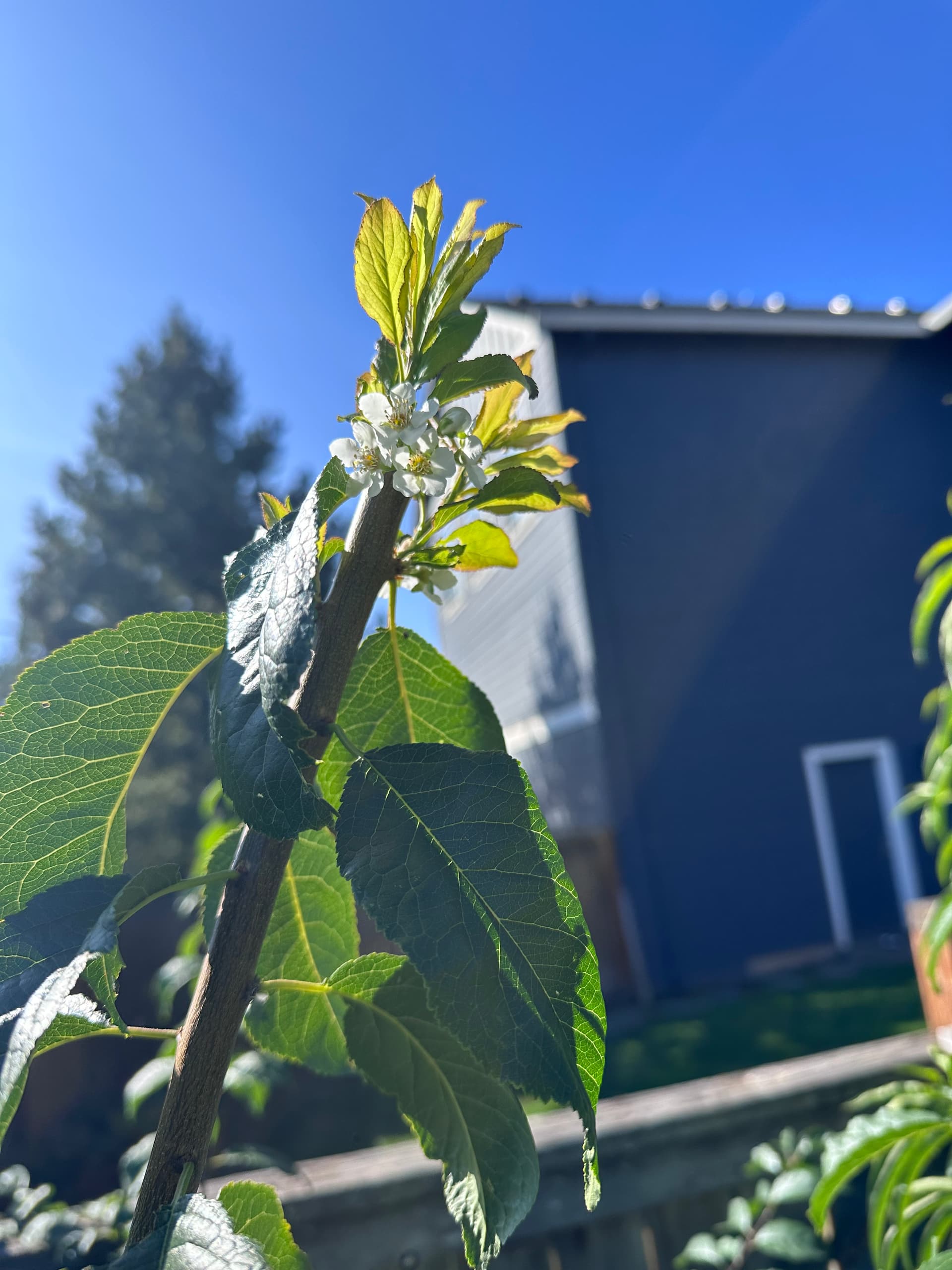
However, this hybrid cherry plum variety Cuban Komet (Japanese x American) responded to the heading cut done last month and grew new flower buds that have started to bloom.
1 Like
Good Grief . . . I’m so confused! 
So, I think I’ll just go with this one . . .
“I guess the main thing is to be freed from uncertainty. You will eventually find your way, and fruit trees live to bear fruit.” - alan
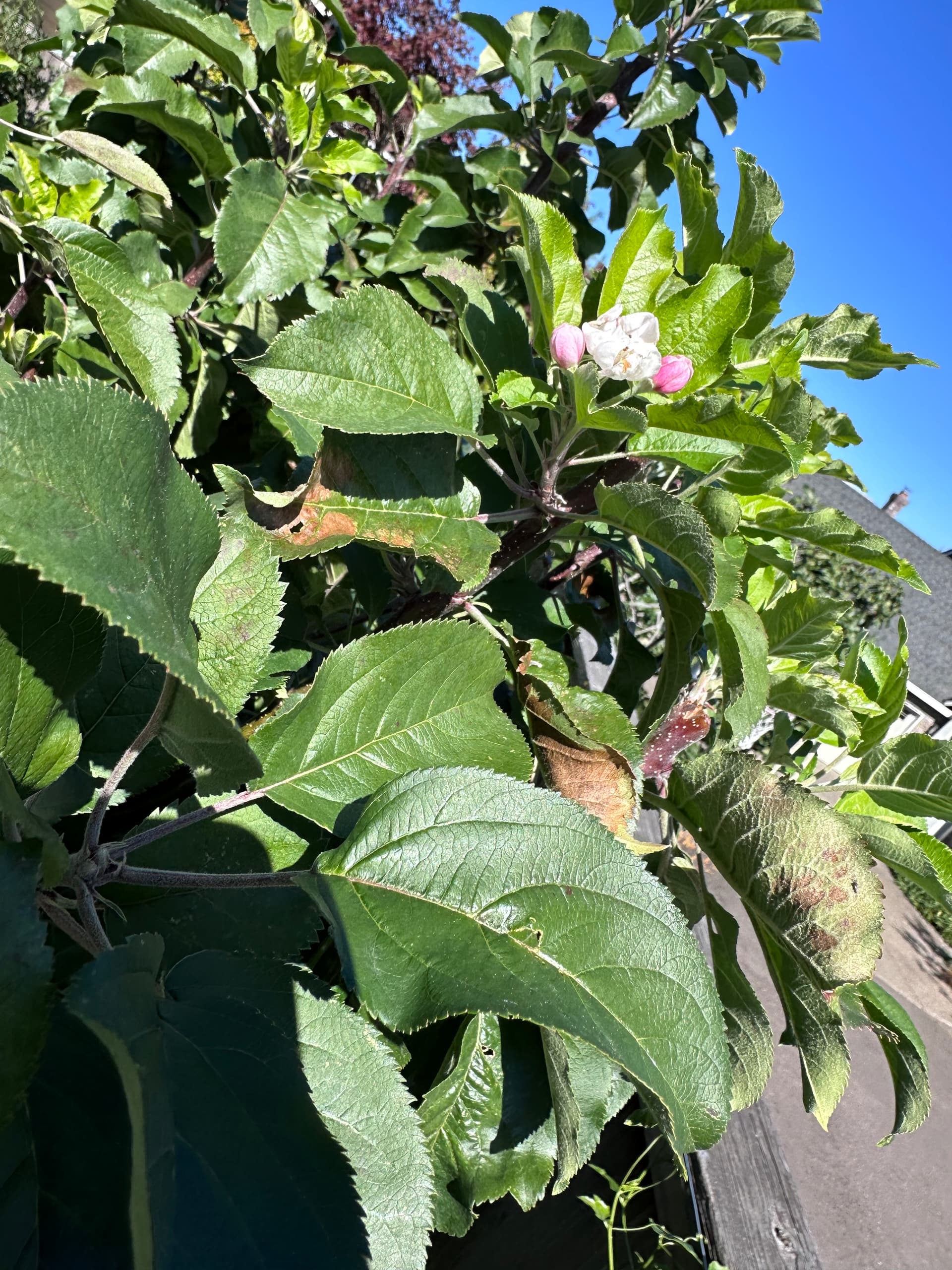
I have been reluctant to summer prune because my location is hot and humid during summer. But I’ve read that summer pruning controls tree size, and I need that control. So I investigated the issue this year, and I have some thoughts others may find useful.
It seems that orchardists summer prune for different reasons. Some summer prune to encourage the creation of fruiting wood. Others summer prune to improve sun exposure and improve fruit quality. And still others summer prune to control tree size. Some confusion about summer pruning may be caused by failing to understand the different purposes. For example, if you’re interested in controlling tree size, videos designed to encourage fruiting wood make no sense.
My interest is controlling tree size. The concept of summer pruning to control tree size never made much sense to me. I didn’t understand why winter pruning, when the weather is more pleasant, couldn’t achieve the same result. The videos I saw didn’t explain the rationale.
But I recently read something that finally made sense—summer pruning removes leaves when the tree is trying to store energy for next year’s growth, and removing a significant portion of those leaves will result in less energy for tree growth in the succeeding year. This makes sense to me.
From this premise, it is easy to decide how to summer prune to control tree growth—just prune out vigorous branches to reduce leaf volume. Pruning out vigorous branches is something you might otherwise do in winter. But doing this in summer means less energy storage and less growth in spring.
This concept makes summer pruning easy. You don’t need to remove every vigorous branch, and you don’t need to agonize over which branches to remove. Just remove enough vigorous branches to substantially reduce leaf cover. Fine tuning the pruning can take place in winter.
I find this approach doable even in the hot humid summers. Just quickly prune out most of the water sprouts or other vigorous branches. You don’t need to get them all.
From what I’ve read, this pruning has an additional benefit—it will promote production of fruit buds from exposure to sunlight. So that is another reason to summer prune.
It’s miserable work in the heat. But if you can catch a few days in July or early August where the weather is tolerable, it seems that summer pruning may pay off the next year if you’re trying to control tree size. At least, that’s my hope.
4 Likes
Youtube has a few vids to show you how to do it. i prune water sprouts and small vertical growth i dont want by just pulling them off when young as i see them. if you do it a little at a time, its pretty easy. it just did it to a few apples last week… easier than waiting until you need shears.
1 Like
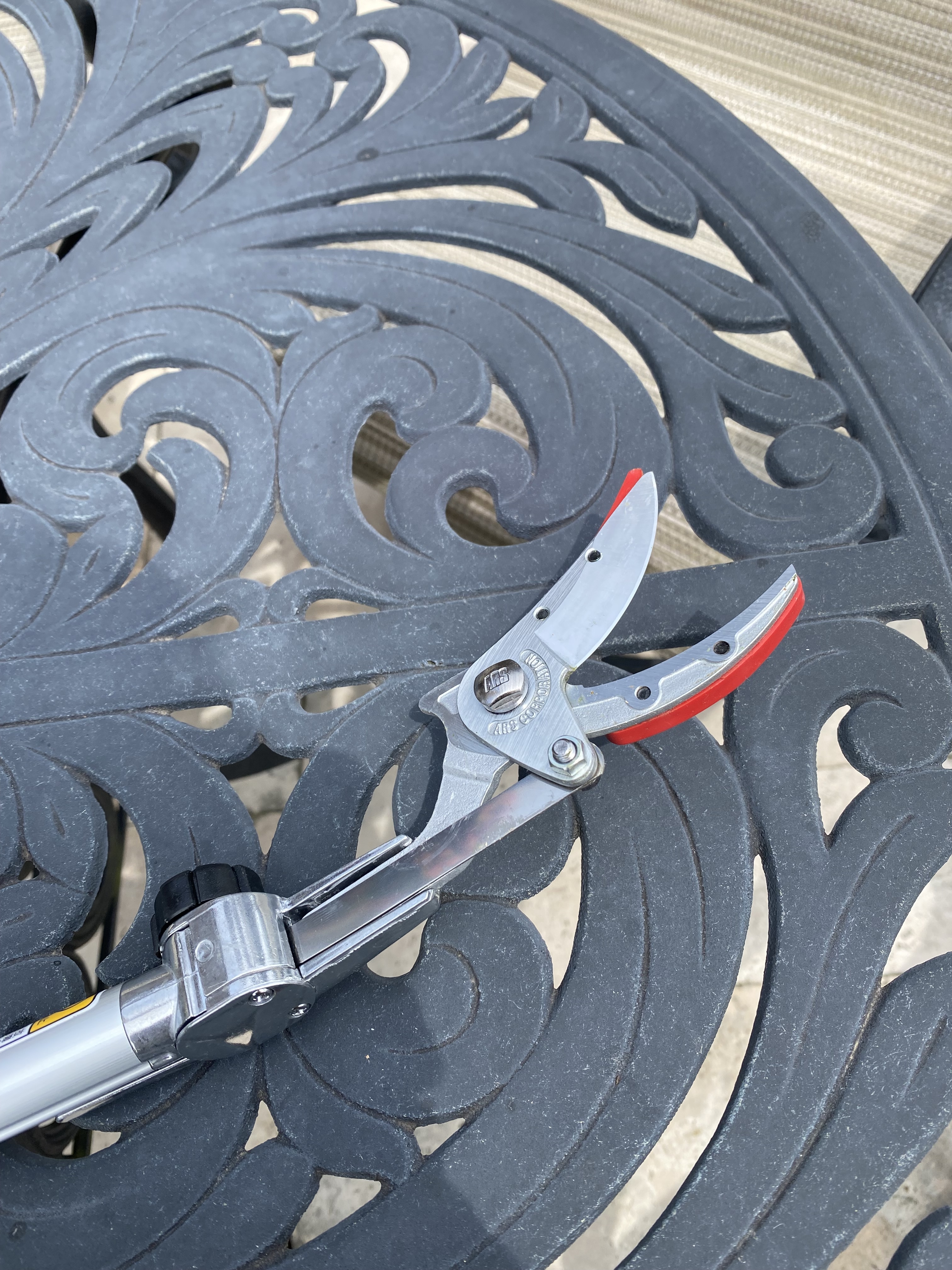
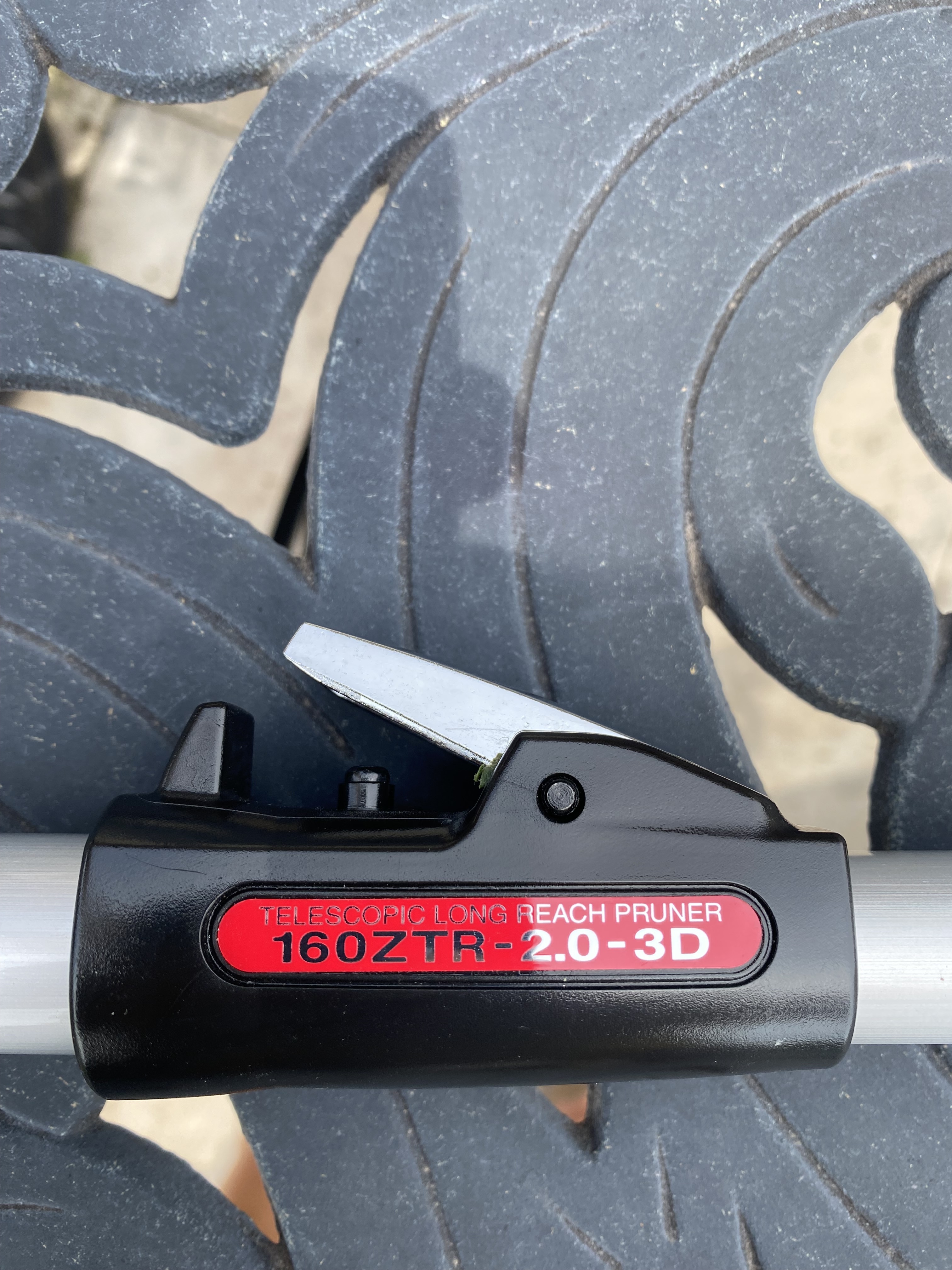
BTW, for the quality of most fruit species and to discourage a biennial bearing in apples, the very best time to prune is when you are thinning fruit in mid-spring. That keeps good light on leaves feeding the fruit and providing the energy for next years flower buds.
However, you will probably want to come back to prune again in summer if you live where it rains a lot during the growing season… to keep the light coming where you want it.
4 Likes
I personally do most of my pruning during dormancy but as my trees/grafts establish themselves and show more vigor I dont see much of an option but to prune during the growing season to maintain shape, thicken limbs, and favor certain branches. Doesn’t mean that i don’t dread introducing FB while doing it. So im overly cautious about doing it on dry days where no moisture is expected for a few days after, promptly remove cuttings, and obsessively disinfectant my tools. I’m not sure that all of the precautions are necessary but I’m on such a small scale that i can afford to be neurotic about it.
4 Likes