Anyone recognize this one? I saw it crawling on the soil of my watermelon starts, not sure what it was up to so I’ve set it in a jar for the time being. It’s a little under an inch long.
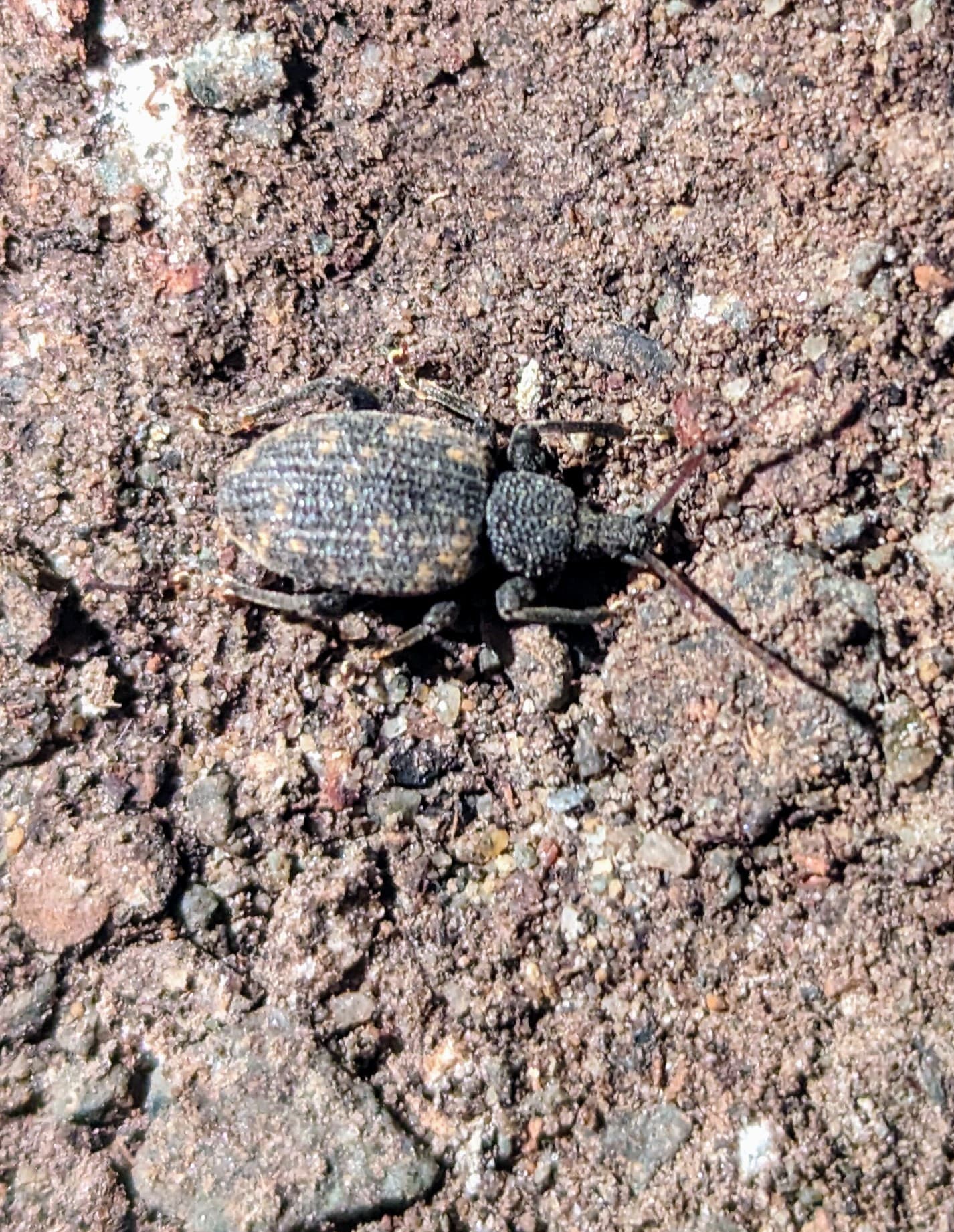
Morphologically it looks weevil like but without the mouth parts I’m not good enough to confirm
1 Like
To me ,that area looks sunken. Yet still firm.
Like a Caterpillar ate it while it was young .
The out of focus fruit in the background appears to have a brown side that maybe Brown rot ,which is usually soft in later stages
Possibly Black Vine Weevil.
1 Like
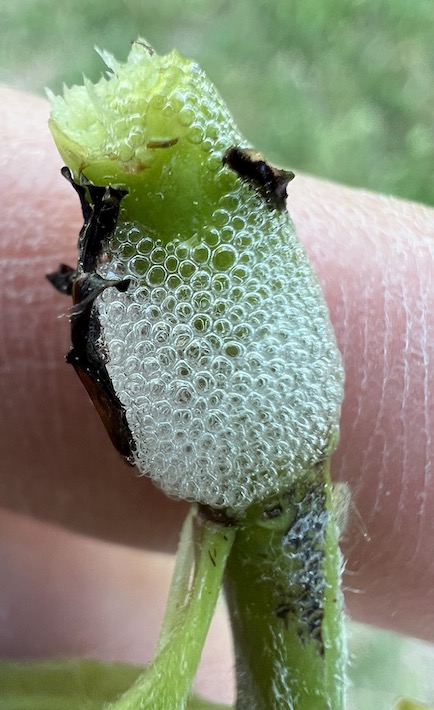
Eggs of… ? Or something else?
1 Like
Spittle bugs maybe?
5 Likes
What is this on my apple tree? It doesn’t look like fire blight to me. The tree has a bit of CAR (cedar apple rust).

@LarryGene I found this bug on my Mume fruits and also I was bitten by it a couple of times. The bites were not bad but you definitely felt the bite and little itching after. This is the first year I’ve noticed this bug.
My mume fruits were covered by PC bite marks and some gooey stuff, now I think may be from this bug. Anyone have any suggestions for what this bug is? Thanks!
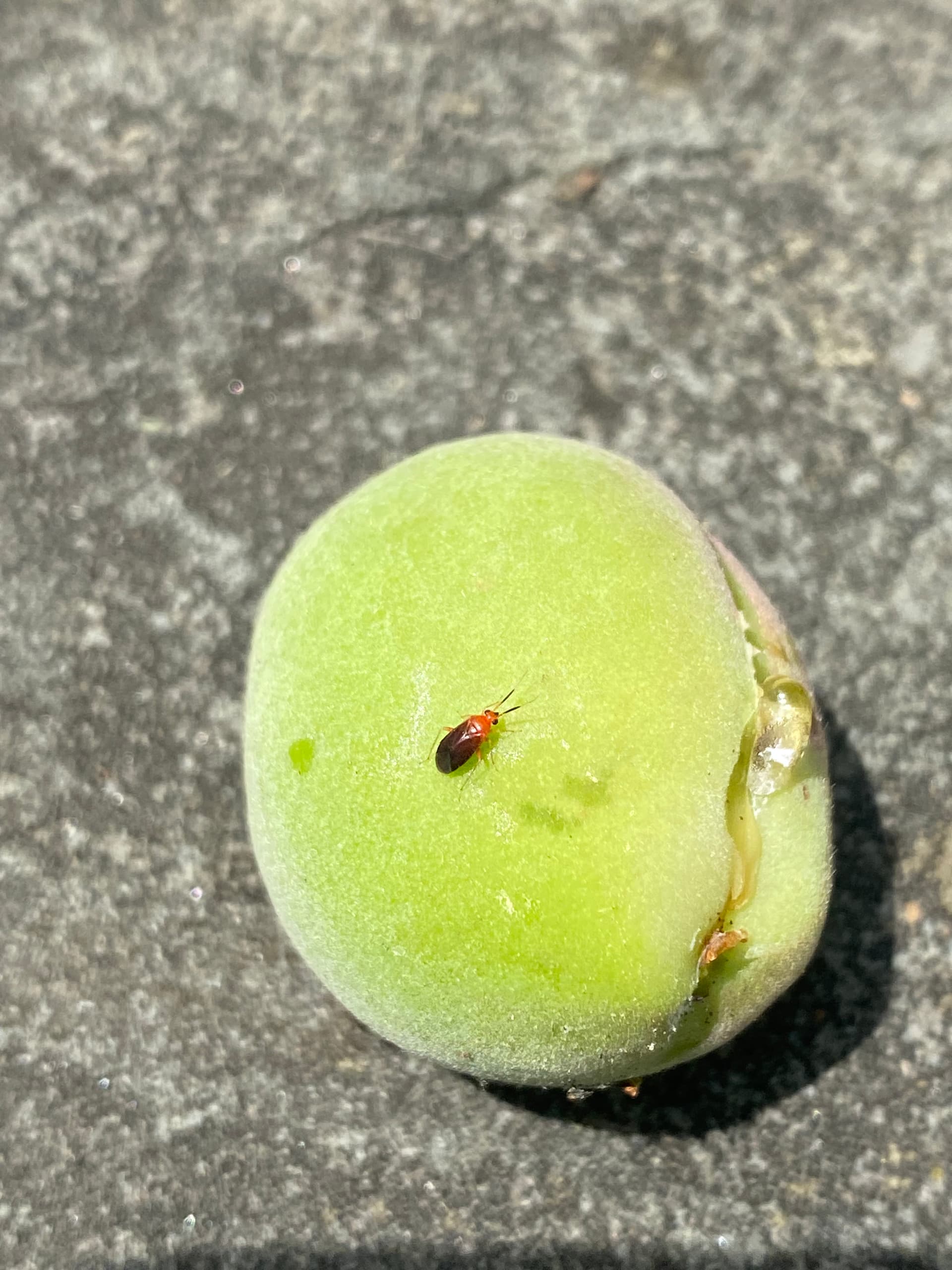
Perhaps this?
Found via clicking your image, clicking again for maximum zoom, then right-clicking and “search image with Google”.
It at least appears similar…
Thanks and I think you are absolutely right. It’s so called Azalea Plant Bug. I have tons of Azaleas and also the bug moves to plums and raspberries after azaleas finish blooming.
So my mume fruits were probably not damaged by these little bugs, but the same old PCs.
These azalea plant bugs seriously bite - be careful out there. 
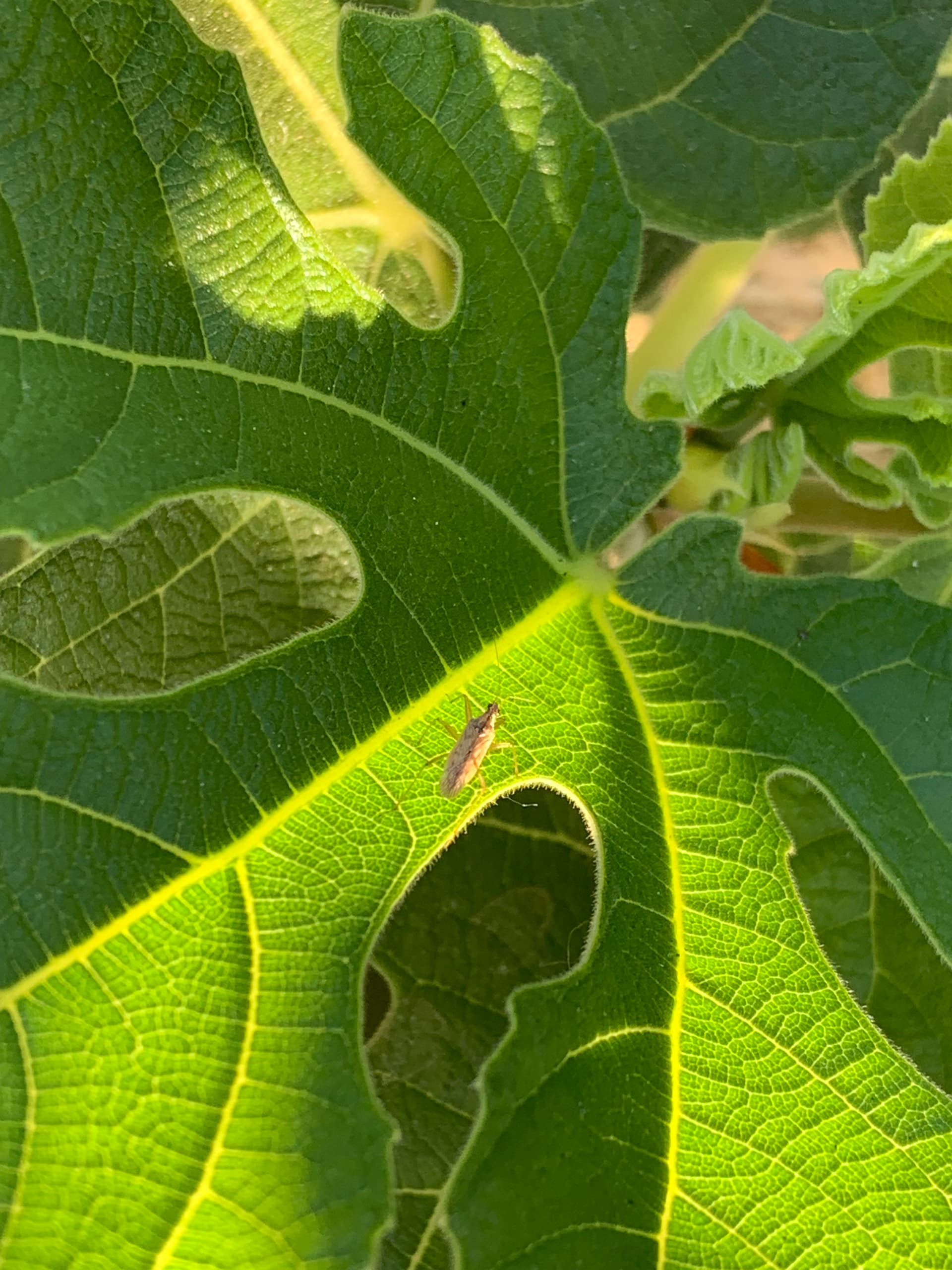
I think it’s a Damsel Bug. The fin on the behind looks like the one in the picture below. I’ve never heard of them but I’m glad I left it alone it’s supposed to be a strong beneficial predator of insects. Damsel Bug | NC State Extension
I can’t tell by the photo but does yours have the tubular mouthpiece?
Yes, spittle, not eggs.
3 Likes
I didn’t see one but his head was facing down.
Winn and Larry - very interesting! Thank you. Sounds like no action needed, according to UMN.
You all seem to know so much about insects! Are there some key identification resources you recommend that help with self-identification? I don’t think I could have found that on the UMN site, unless I’m missing some tool.
1 Like
I just recognized it because they are common around here, so I googled “spittle bug” and that was one of the top results. When you have a clear photo of an actual insect, the “Google Lens” tool is sometimes accurate. Larry is our resident expert at identifying insects and other little arthropods, though. If I don’t recognize something or luck out with Google Lens, I just ask on here, too.
1 Like
Some of the online identifier tools are becoming pretty good if the submitted image is detailed and the background does not confuse. To double-check, use the results as input to bugguide, Data tab to see if the species range matches or surrounds your location.
I do identification from scratch using bugguide, Moth Photographer’s Group, etc, but then I usually already know the insect family of the specimen being asked about.
Another search that has worked out well is, for example, “beetles of kentucky”, or “plant bugs of ohio”. Search results for those include websites that show the few dozen most common of that type of insect for that state, and does not overwhelm the searcher.
5 Likes
This is great, thanks for the ideas, Winn!
I’m going to check into more of the online tools - appreciate all the info sharing. Thanks, Larry!