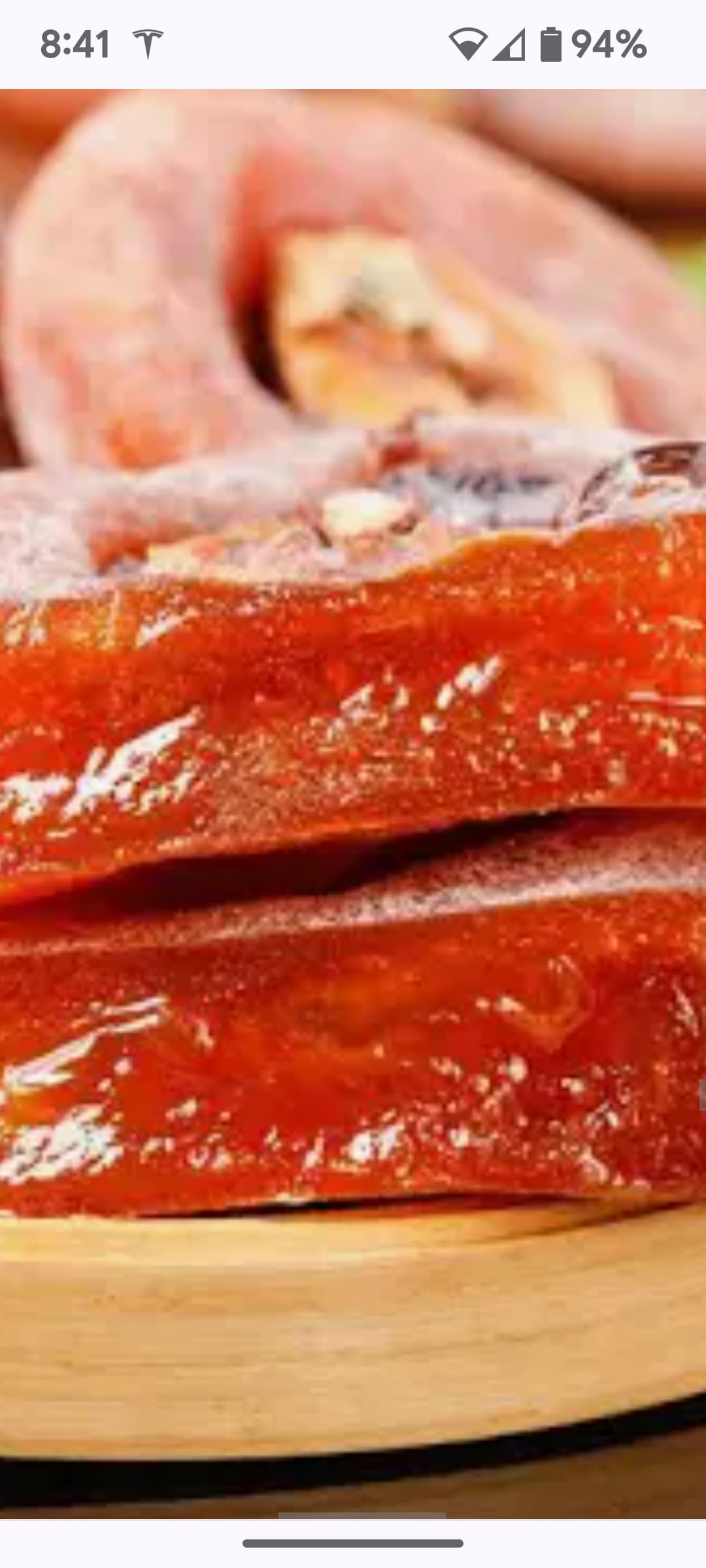
if it is non astringent then probably Fuyu or Jiro Fuyu.
Tony
if it is non astringent then probably Fuyu or Jiro Fuyu.
Tony
I don’t know very much about persimmons so reading this forum has given me questions. Should I get actual varieties and which ones do you recommend? I don’t think I’m zone pushing unlike most here.
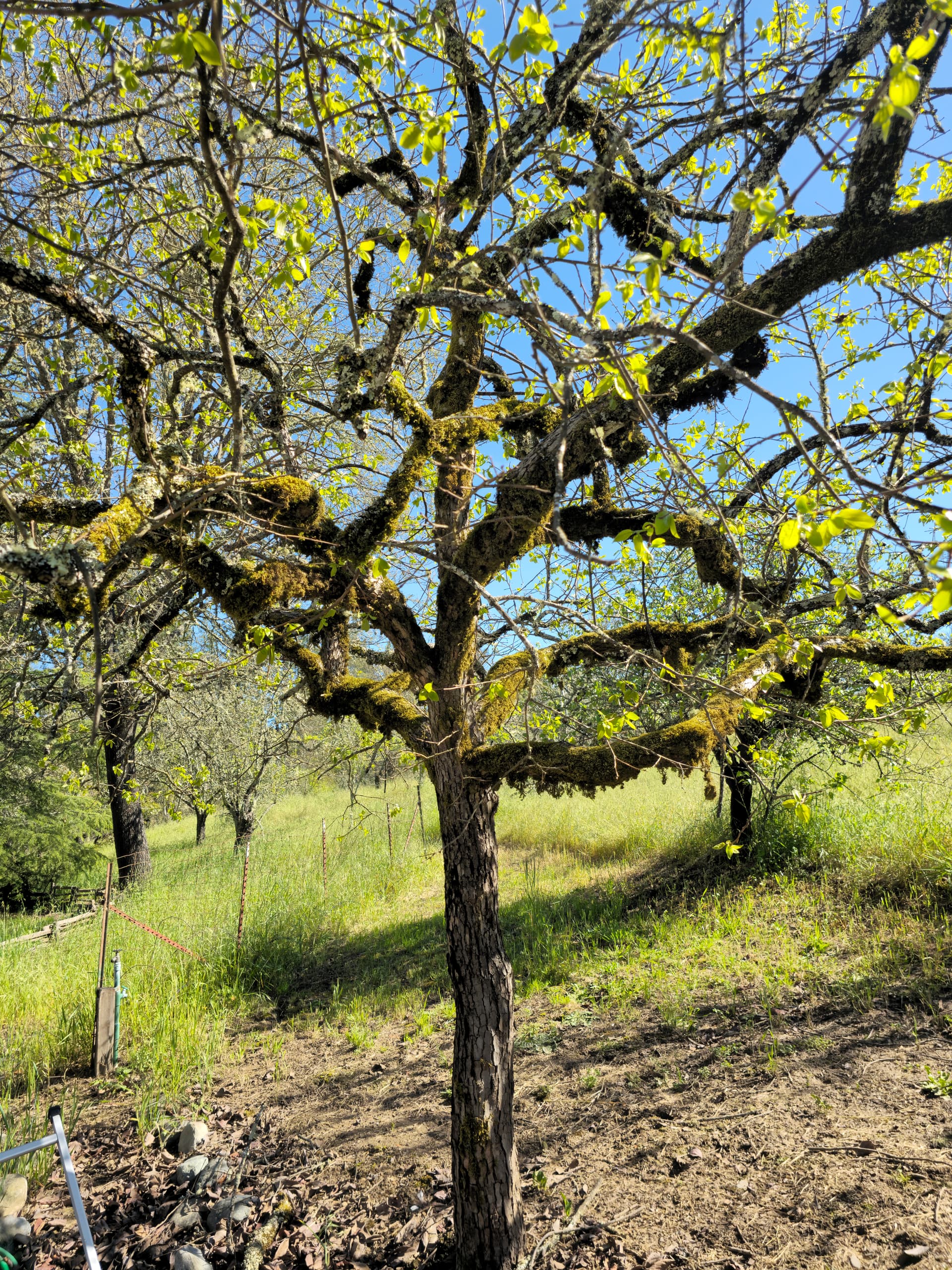
I already have one persimmion tree that’s been around for a while.
(Pictures from April 1st)
I believe it’s the Hachiya type of persimmon due to it ripening into a sack of goop to slurp out of the skin. According to my Dad, my grandma always said they lose astringency after the first frost. I prefer these over the only (perhaps unripe) Fuyu type that I’ve had due to the Fuyu’s nasty astringency.
I’ve never tried a completely green Fuyu, but they shouldn’t be astringent whether they’re rock hard or turning to goo. There’s plenty of Fuyu-shaped astringent persimmons though.
Yeah, I think you’re right. I guess things have kinda changed around in my mind since I was like 6. Maybe I just didn’t find them as tasty and the other soft variety, but now I can’t be sure on my problem with them at the time. All I know now is for some reason it got stuck in my mind that they’re not good, but that’s from a pretty outdated experience now.
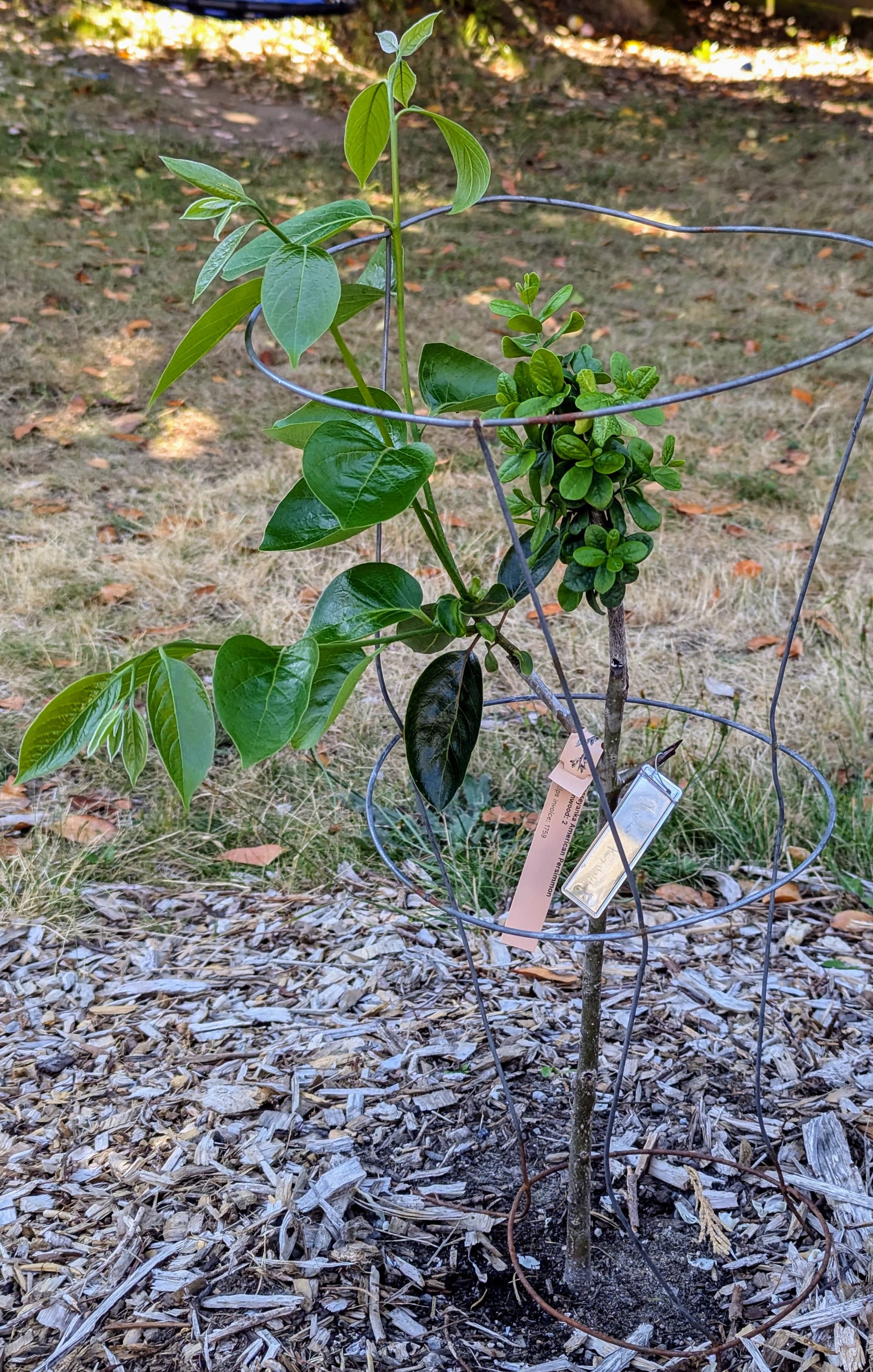
It’s funny seeing such starkly different things grafted on the same rootstock. Rosseyanka vs D. texana:
I gave the texana a haircut, but I’ll keep all three Rosseyanka branches to become scionwood for grafting on the ungrafted persimmon seedlings I planted this spring. Eventually, it will just be a texana tree in this spot.
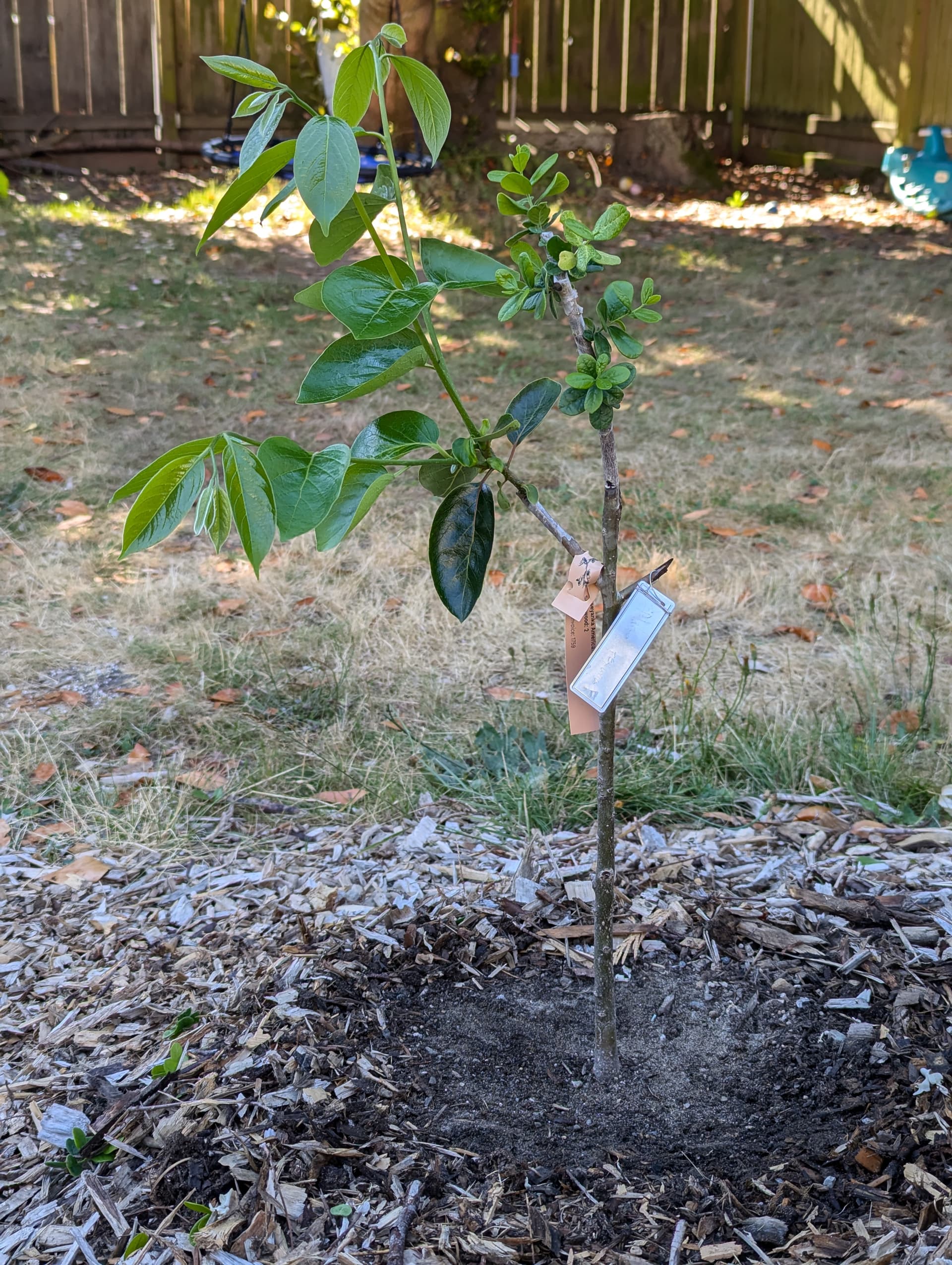
Post-haircut:
I noticed one branch showed some variegation so I kept that one and tipped it to see if any of the variegated bud sites might grow a stable bud sport
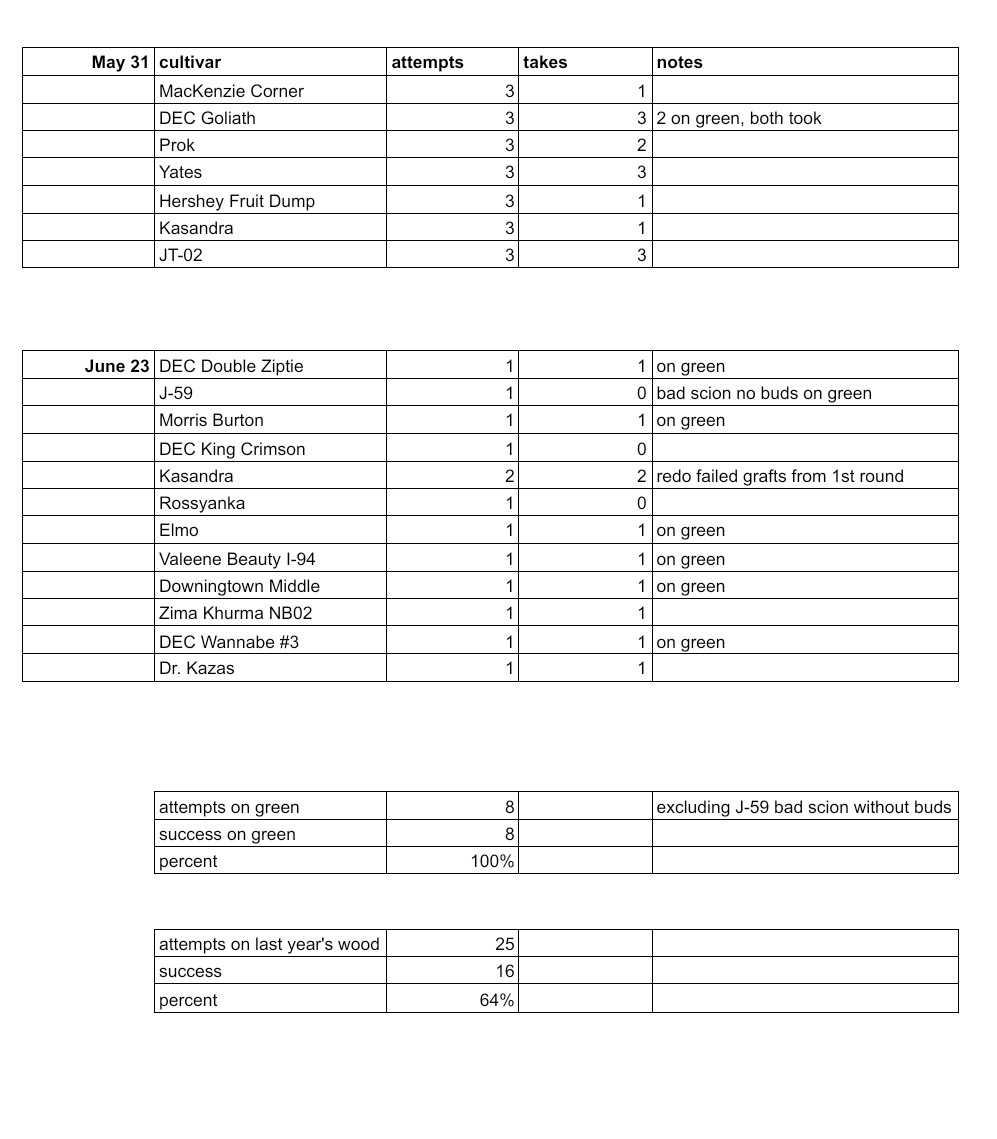
I did a bunch of grafting earlier this year, including onto both last year’s hardwood and onto this year’s green growth. Figured I’d give a status update on how it turned out.
Long story short, dormant scion onto green is my new go-to when available, 100% success. Only 64% on last years growth.
Technically J-59 on green failed, but that scion was 1" long with a node in the middle, and then I accidently rubbed the only viable bud off while wrapping it. I let it try anyway…
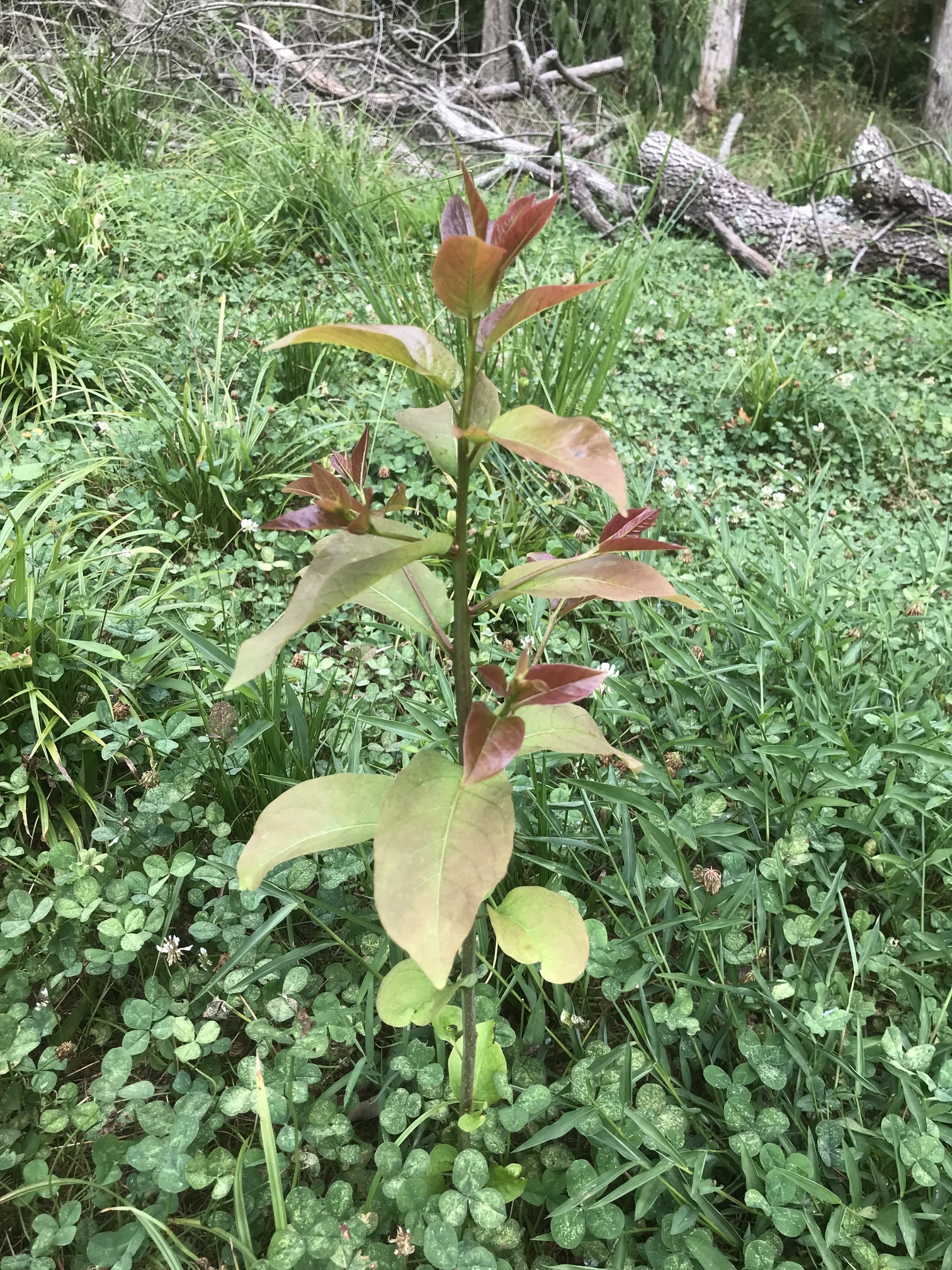
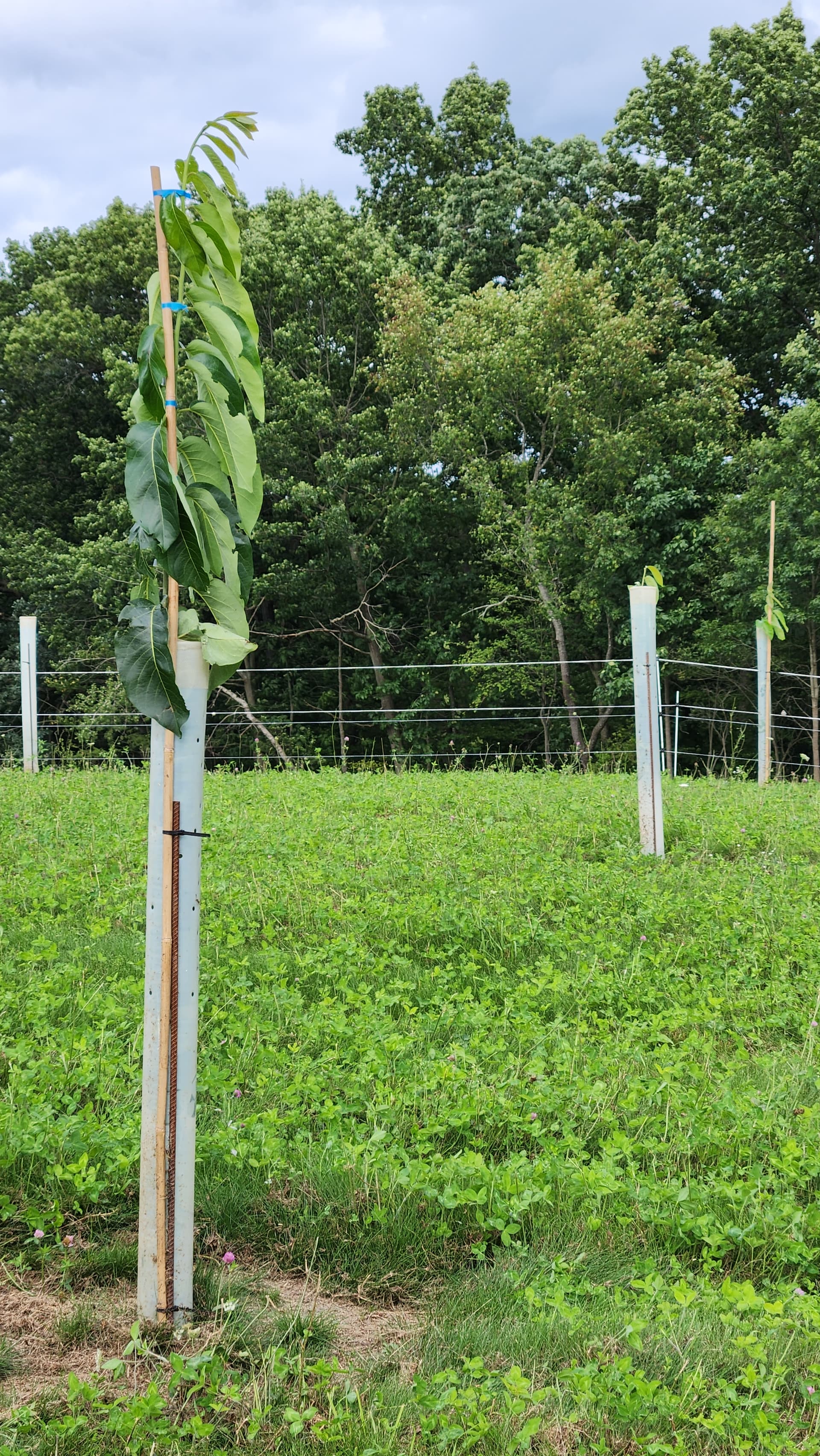
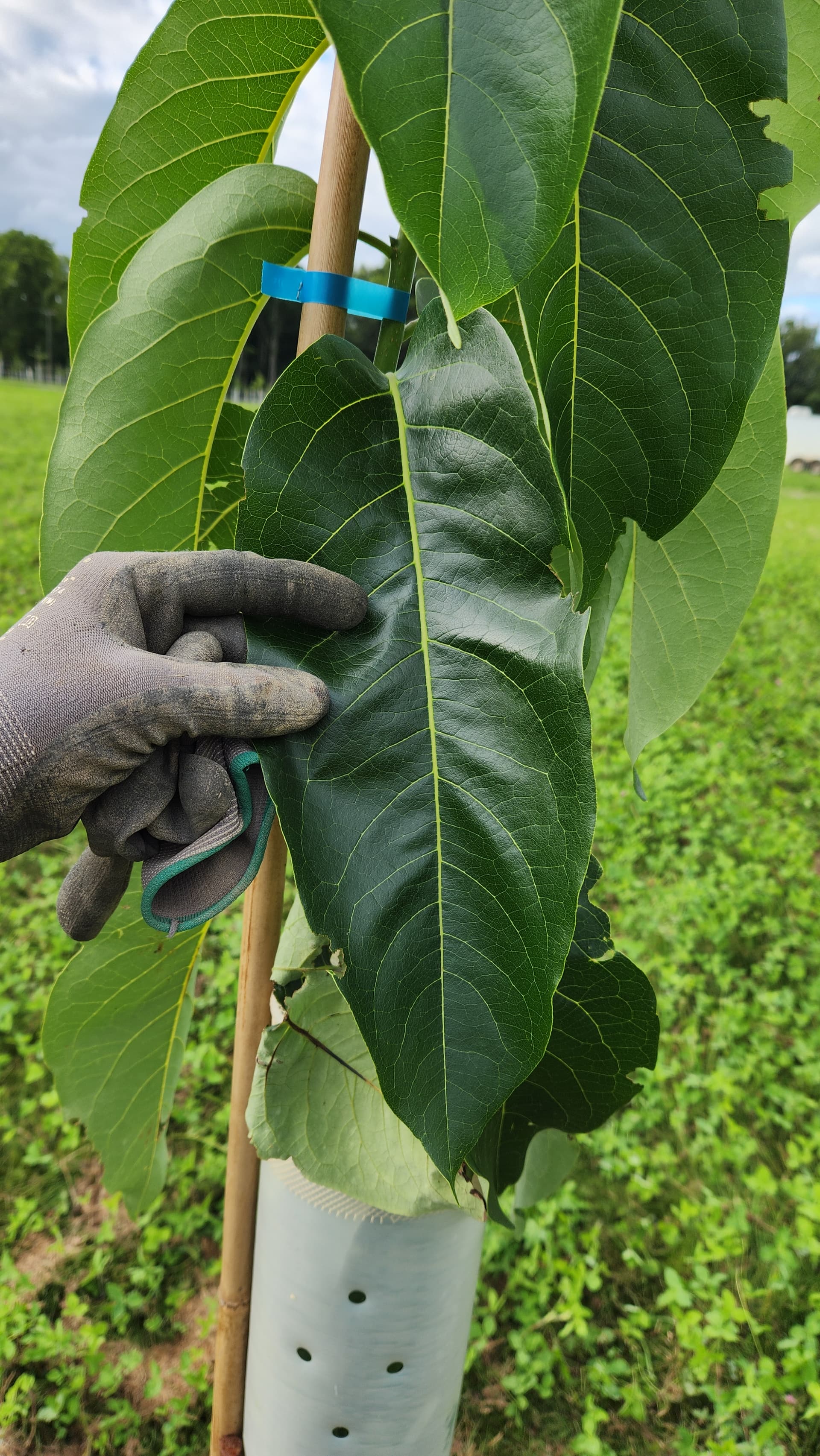
Grafts have averaged around 3.5 or 4 feet of growth. The strongest of them was that first DEC Goliath graft on green. Maybe it lives up to its name? It’s 8.5 feet tall now, grafted at 1.5 feet off the ground. Photo below, that’s an 8ft bamboo. Huge leaves too, nearly a foot long.
Thanks for the detailed description. I’ll be sure to have scions saved for green grafting in 2025
What type of graft(s) did you do on green wood?
There’s pics and stuff earlier in the thread: Persimmons 2024 - #414 by speedengineer
I was skeptical, but interested, and it works.
To be fair, a sample size of 8 isn’t fully conclusive, but it look like it probably works great.
I did whip and toungue grafts.
I think @armyofda12mnkeys and @disc4tw also tried some grafting on green wood. Curious if it worked out for you guys?
That seems low for regular w&t grafting which should normally be around 100% too assuming some vigor. Green grafting would definitely eliminate timing issues though (in terms of whether growth is happening).
How do you keep stubborn buds below the grafts rubbed off with the tubes? Just curious. Maybe you put those on after the grafts woke up?
They mostly all took, think its been a couple months since grafted them.
Majority was cleft grafts since the knife cuts through green wood like butter and i was worried pushing the tongues to fit into each other would cut off the softer green tongue (note: the thick green wood is still hard, not limp green wood… but its still much softer to cut through). At 16s, there is one “7” graft (don’t know the official term for that one … “Z” graft without the bottom part of the Z.
These are all grafted in under the understory of the 15-20ft tall tree, they would grow more if directly in the sun as main branches (and some if these may get naturally get pruned off in the winter… may debate cutting big branches off this Lehmans Delight to let the other branches become more dominant leaders)
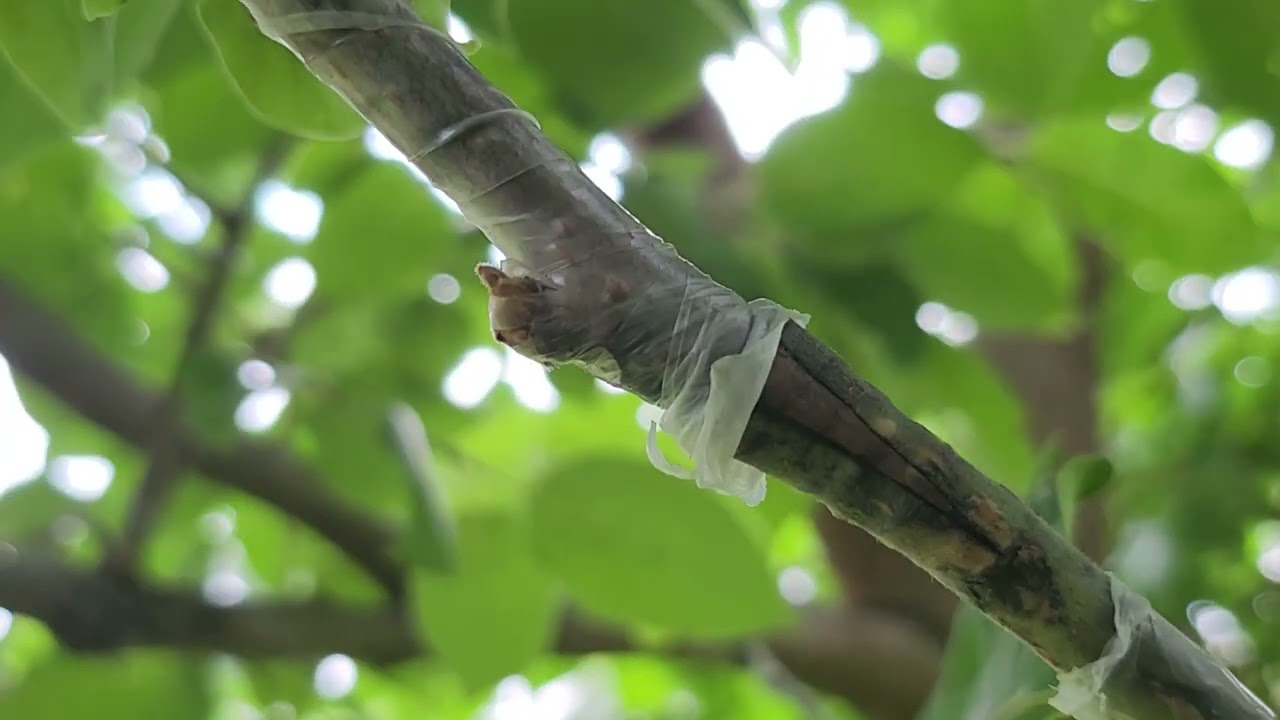
I can’t speak to what a normal success percentage is for me with persimmon - this is my first year grafting. It could be my grafting technique isn’t perfect, but the green grafts were more forgiving due to fat/wide cambium layer combined with ‘squishability’ to easily get firm contact between the rootstock and scion. Also, in the first round, I did 3 grafts each of Hershey Fruit dump and Kassandra. All 6 of these appeared to be failures, although eventually 1 of each finally grew. It could be coincidence that I did poor quality grafts on all three of each, but it’s also possible that those scions were a bit 'meh in quality. These rootstocks were mostly planted last year as bare root - so they were healthy, but not what I would call super well-established trees.
I looked inside the tubes for rootstock buds to remove every two or three days, so that wasn’t it.
I will say, I noticed fewer rootstock buds to remove with the green grafts. The way I did it, I left several leaves on the rootstock (and removed dormant buds from their leaf nodes). Perhaps because the rootstock still had some leaf area, it didn’t try to push new buds so readily??? Regardless of the reason, this was convenient as it made for less work.
@armyofda12mnkeys Thanks for sharing your update video. Looking great!
Random side topic - if persimmon are so particular about needing to have rootstock buds removed to encourage the graft to take, then how come it’s easy to graft onto shoots of larger mature trees without issue? It would seem that a large tree has many other growing points it could push energy to other than the scion. Perhaps this issue is only relevant on small, low-vigor rootstocks?
Yes, you might have had some bad wood. Otherwise, it’s hard to say what might cause failures on the regular grafting. As long as the grafts make very tight contact and are sealed (to avoid drying), they can sometimes wait until later in July to wake although that is not normally the case. I usually get hot weather at the time I graft (around the last week of May), and persimmon like heat. Smaller rootstocks are much more stubborn sometimes.
Those trees aren’t as quick to push out new buds below the graft, even if totally grafted over, although they will do it. I have always done a complete changeover though, not partial, so I’m not sure about that.
All of my Buzz’s Favorite grafts are doing great so that one is alive and well. I’m concluding at this point at least for benchcrafts that greenwood grafting is a good option for persimmons.
How late can persimmons be green wood grafted? For non-green wood the accepted time is about 1/2"
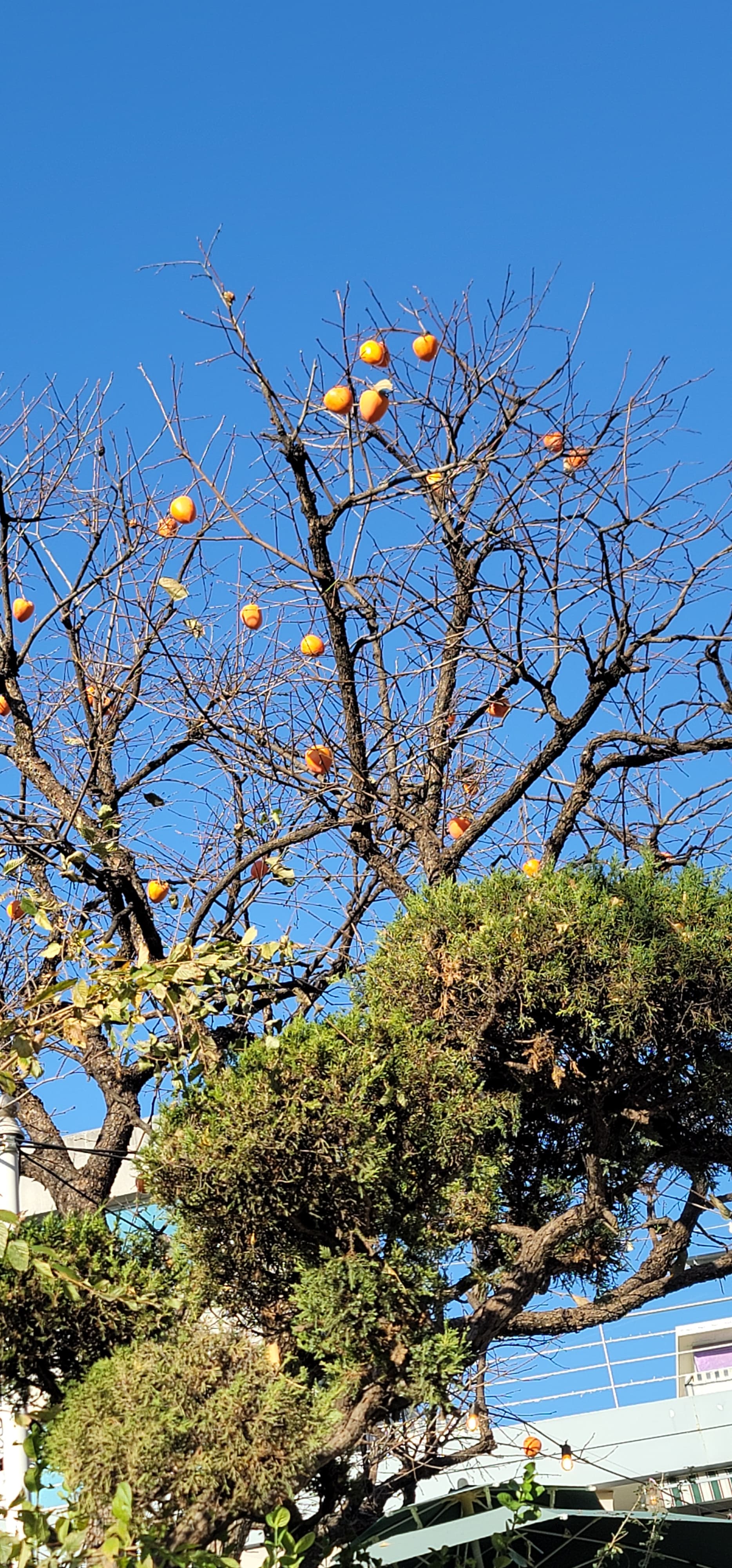
I went to South Korea last year and saw the birds eating persimmons so i just bought a giant fuyu last week  this will be by beginning of growing persimmons. Kind of hard to tell in that photo, but there’s at least 10 birds on that tree just eating away. Originally i planned to buy one for the birds and whatever critter is around but I tried some overseas and started to like them. Used to hate it all my life for some reason. My mom has 2 trees so i may steal her fruit this year since they’re loaded and then steal some flowers next year to help with pollination if they all bloom at the same time.
Can’t express to ya’ll how much i used to hate persimmons until i had them in south Korea and until i had them dehydrated. Bought a bunch of dehydrated ones in SK but couldn’t eat them in time. No clue what the variety was but the pieces were kind of big so I’m guessing giant fuyu. I’m curious if anyone’s ever tried freeze drying them and if so, how do they taste freeze dried?
Hoshigaki is the traditional dried persimmon method. I’ve seen freeze dried options online, I imagine they would be pretty tasty.
Persimmons make male and female flowers (and some varieties make perfect flowers allegedly) but you usually don’t need male flowers unless you want seeds. All of the named female trees I’m aware of will make fruit parthenocarpically which basically means they make seedless fruit because they think they were pollinated. I could get into more details but it’s more complicated than some other fruits. Dax did a nice write up in the reference section PCA / PCNA / PVA / PVNA / persimmons and what this all means